ACCR2026-04-23T00:00:00Zhttps://www.accr.org.auACCRoffice@accr.org.au“Show of force”: Investors deal blow to BP on oil and gas spending 2026-04-23T00:00:00Zhttps://www.accr.org.au/news/“show-of-force”-investors-deal-blow-to-bp-on-oil-and-gas-spending/ACCR is commenting on the results of today's BP AGM, in particular:
25.85% of BP shareholders voted in support of shareholder-proposed resolution 24, requesting disclosures on capital discipline on oil and gas investments, filed by Nest, Greater Manchester Pension Fund, Merseyside Pension Fund, London CIV, Wales Pension Partnership, and PUBLICA, together with ACCR.
This is the highest ever vote of support for a management-opposed resolution at BP.
52.53% of shareholders voted against management-proposed resolution 23 to revoke previous climate-related reporting, which failed to reach the required 75% threshold to pass
52.88% voted against management-proposed resolution 22 to permit virtual-only AGMs, which failed to reach the required 75% threshold to pass
18.23% voted against resolution 4, the election of the Chair, Albert Manifold
Commenting on the results, Nick Mazan, Oil and Gas Strategy Lead, ACCR, said:
“Today’s result is unprecedented and demonstrates that investors are fed up with BP’s lack of capital discipline and its approach to shareholder rights.
“This collective show of force puts the new BP leadership team on notice: the company must show its planned surge in upstream investment can deliver shareholder value.
“Investors have seen the numbers – and the numbers don’t lie. It’s encouraging to see over a quarter of shareholders challenging management on upstream spending given the low returns on investment to date, coupled with the uncertain demand outlook for high-cost oil and gas as the world electrifies at speed. BP and other oil and gas companies would do well to take note of today's result and to reconsider their default to volume growth.
“In our view it was a mistake for BP to expect to push through measures to undercut shareholder rights without resistance. Investors have communicated loud and clear to the company that brushing shareholders aside is unacceptable in public markets.”
Diandra Soobiah, Director of Responsible Investment at Nest, said:
“This level of support signals that investors want firmer assurances on BP’s oil and gas capital discipline—and clearer evidence of how it safeguards long-term shareholder value.
We want BP to reflect on how it can reassure investors, through clear, practical and comparable disclosures, that increased oil and gas expenditure will improve performance and deliver value for shareholders.”
Cllr Doug McMurdo, Chair of LAPFF, said:
“We look forward to BP’s plan to satisfy investors who voted in droves for quality information on how its new oil and gas investments will deliver long-term value for shareholders. We are disappointed at the recent behaviours of the company - namely, weakening governance, reducing transparency, and rolling back climate commitments - and hoped that a change in leadership would have put a stop to the “BP reset” mantra pushed throughout 2025.”
Background
Under the UK Corporate Governance Code, where there has been a vote of 20% or above against management, the company should set how it will consult shareholders to understand the reasons behind the result. It should also report back on its consultations 6 months after the AGM, and again in the annual report, where it should explain the impact that shareholder feedback has had on board decisions or proposed actions.
]]>Major proxy advisor and investor back shareholder resolution at BP2026-04-08T00:00:00Zhttps://www.accr.org.au/news/major-proxy-advisor-and-investor-back-shareholder-resolution-at-bp/ACCR is commenting on Reuters reporting that proxy advisor Glass Lewis, one of the two large proxy advisors, has recommended shareholders vote for ACCR’s resolution at BP, co-filed with institutional investors in advance of BP’s AGM, which will be held on 23 April 2026.
At the same time, Legal & General Investment Management, a top-ten shareholder in BP, has announced its intention to vote for the same resolution, along with its intention to vote against management in relation to number of other resolutions on the company’s AGM ballot.
Commenting on this, Nick Mazan, Oil and Gas Strategy Lead, ACCR, said:
“Glass Lewis' recommendation to vote for our co-filed investor resolution, which L&G is now backing, will likely send alarm signals across the BP boardroom. There is now clear and growing evidence that investors want to see BP apply a disciplined approach to its upstream business and justify how its new oil and gas spending will deliver returns for shareholders.
"Given that the two major proxy advisors have now recommended a vote against management across multiple items on the ballot, BP’s board has serious questions to answer about how it manages shareholder dissent. A more productive approach to governance and shareholder engagement is required as we approach a monumental AGM for the oil and gas major.”
Background:
Glass Lewis recommended voting against management on resolution 23 (to revoke previous climate reporting requirements introduced by majority-supported shareholder resolutions), resolution 24 (the institutional investor-filed resolution coordinated by ACCR), and resolution 4 (the election of Chair Albert Manifold.)
L&G has made public its intention to vote against management on resolutions 22,23, 24 and 4.
ISS, the other major proxy advisor, recommended voting against management on resolutions 22 (to move to virtual-only AGMs) and 23.
]]>Shareholder rights in Japan must be upheld – ACCR comment2026-03-19T00:00:00Zhttps://www.accr.org.au/news/shareholder-rights-in-japan-must-be-upheld-–-accr-comment/ACCR is responding to comments made by Nippon Steel’s CEO advocating for the abolition of certain shareholder rights in the Companies Act, as an interim draft proposal for changes to the legislation was published yesterday.
The Japanese Ministry of Justice’s Legislative Council met on 18 March to agree options for changes to the Companies Act that would make it harder for shareholders to file proposals at company AGMs. Options reportedly include abolishing the “300 voting rights” threshold, a key right of shareholders.
Last week at the Council for Japan’s Growth Strategy meeting, hosted at the Prime Minister's Office, Nippon Steel’s CEO Mr Eiji Hashimoto also advocated to remove this right. He called it “unreasonable, forcing unnecessary responses to proposals that are almost never passed,” saying “it should be abolished promptly.”
ACCR is concerned that scrapping the 300 voting rights threshold will significantly constrain the ability of even large institutional investors to file proposals. Very few investors have holdings in Nippon Steel over 1% and foreign investors filing proposals via the 1% threshold, individually or as a group, must make complex submissions under the Foreign Exchange and Foreign Trade Act prior to making a proposal.
Commenting on the statements by Nippon Steel, Martin Norman, Head of Stewardship, Global, ACCR, said:
“Large institutional investors have a mandate to invest over the long term. It is counterproductive to restrict their rights to file proposals on issues that are highly relevant to shareholders. This also goes against the spirit of Japan’s Corporate Governance Code, which prioritises ‘securing the rights and equal treatment of shareholders, and dialogue with shareholders.’
“Rules for filing shareholder proposals in Japan should align with international best practice, as was intended when they were designed. Other jurisdictions have developed effective checks and balances to ensure that shareholder proposals are appropriate while protecting shareholders’ rights.
“ACCR has filed and co-filed shareholder proposals in Japan, including with Nippon Steel, facilitating sincere and productive dialogue between companies and shareholders, for the benefit of all parties involved.
“Given ACCR’s recent history of engagement with Nippon Steel, we are concerned to see these comments from the company’s CEO, which create unnecessary friction between shareholders and Nippon Steel when investors in Japanese equities are seeking certainty during significant domestic and global upheaval. We believe Nippon Steel could use its privileged position, as one of only eight committee members at the Cabinet-level meeting, to advocate for matters which more clearly contribute to Japan’s growth strategy.”
Background
On the changes to the Companies Act
The Japanese Ministry of Justice’s Legislative Council is currently considering multiple proposed changes to the Companies Act which may negatively impact shareholder rights in Japan. A meeting to approve an interim draft of proposed changes to the Companies Act was held on 18 March. The interim draft is likely to be available for public comment from late March to early May. For further information on proposed changes to shareholder rights in Japan, please refer to Client Earth’s briefing.
On the “300 voting rights” threshold
300 voting rights equate to 30,000 shares at JPX-listed companies, including Nippon Steel. One unit of 100 shares equals one voting right. Under the Companies Act, shareholders may currently file a proposal if they continuously hold at least 1% of the total voting rights or at least 300 voting rights in the preceding six months.
On Nippon Steel’s recent advocacy regarding changes to shareholder rights in Japan
Nippon Steel also advocated in July 2025 for the same voting rights to be abolished, and for changes which could permit companies to limit discussion of shareholder proposals at AGMs based on the results of prior electronic voting or for procedural reasons.
]]>Liz Westcott becomes new CEO at Woodside2026-03-18T00:00:00Zhttps://www.accr.org.au/news/liz-westcott-becomes-new-ceo-at-woodside/The Australasian Centre for Corporate Responsibility (ACCR) is commenting on the appointment of Liz Westcott as the CEO of Woodside Energy Group.
Alex Hillman, Lead Analyst at ACCR said:
“Liz Westcott as CEO has an opportunity to stamp her own mark on Woodside and shape a company that adds value to shareholders as opposed to eroding value.
“Our analysis has shown that Woodside’s aggressive growth strategy has not translated into improved shareholder value. Like much of the oil and gas sector, Woodside demonstrates that more barrels do not automatically mean more value.
“Over the past five years, Woodside has doubled down on growth. Since 2020, the company has invested in around five billion barrels of new oil and gas supply, a strategy that is expected to lift production by roughly 370 per cent through the 2030s. Yet despite this, Woodside has consistently underperformed the sector, the Australian market and global equity markets, including over one-, three- and five-year periods.
“This includes during periods of global oil spikes such as with Ukraine.
“The evidence is clear: exploring for and developing conventional upstream projects has eroded shareholder value at Woodside.[1] Continuing with this strategy is unlikely to deliver the shareholder returns that investors prioritise.
“Investors will be hoping that Westcott can be a circuit breaker on Woodside’s habit of pursuing high-capex, marginal fossil fuel projects. While an internal successor, she has an opportunity to start focusing on better capital returns.
“Woodside has an opportunity to move beyond rhetoric with capital discipline and genuinely prioritise its shareholders. The board and the new CEO can now rethink the value destructive Browse project, which is more expensive than 70% of competing potential new gas supplies around the world, as well as the expansion of Louisiana LNG.”
Total shareholder return of Woodside has consistently underperformed the local market, global market and global sector
ACCR, 2025, When growth no longer pays. In addition to this research, which addressed the value oil and gas companies can deliver by moving away from conventional exploration and upstream development, ACCR published research that addressed the need for greater capital discipline at BP (Moving BP from rhetoric to action on capital discipline) in late 2025. ↩︎
]]>ACCR to appeal Federal Court judgment2026-03-18T00:00:00Zhttps://www.accr.org.au/news/accr-to-appeal-federal-court-judgment/The Australasian Centre for Corporate Responsibility (ACCR) has appealed the decision of Justice Markovic in the case of ACCR v Santos Ltd.
In 2021, ACCR commenced landmark proceedings in the Federal Court alleging that Santos Ltd breached provisions of the Corporations Act 2001 (Cth) and the Australian Consumer Law by engaging in misleading or deceptive conduct relating to representations in its 2020 Annual Report, 2020 Investor Day Briefing and 2021 Climate Change Report.
Last month the Federal Court dismissed those claims.
Commenting on ACCR’s decision to appeal, Brynn O’Brien, Co-CEO of ACCR said:
“This case concerns fundamental legal standards that apply to all businesses in Australia responding to climate change, and which are central to the integrity of market disclosures. The legal issues raised in the judgment warrant clarification by an appellate court.
“In our view, the judgment sets the bar for corporate communication about climate commitments well below market and investor expectations. We think it increases the burden on investors to interrogate the full context in which claims are made, and the assumptions, uncertainties, and emerging technologies that may underpin them.
“Businesses doing hard, evidence-driven work in the energy transition need clear guidance on the standards governing climate disclosures.
“ACCR has engaged the specialist corporate and consumer law team at Webb Henderson on appeal, and will continue to be represented by our counsel team Noel Hutley SC, Sebastian Hartford-Davis, Jerome Entwisle and Zoe Bush. We thank the Environmental Defenders Office (EDO) for their professionalism, dedication and effort in the case at first instance.”
Background
Court file access: To request a copy of the Notice of Appeal please contact the NSW Registry of the Federal Court by email at nswreg@fedcourt.gov.au or by phone on 1300 720 980, providing the proceeding reference (Matter No NSD414/2026 ACCR v Santos Ltd) and follow the Registry’s instructions.
]]>Shell’s LNG strategy update – fundamental flaws remain2026-03-17T00:00:00Zhttps://www.accr.org.au/news/shell’s-lng-strategy-update-–-fundamental-flaws-remain/ACCR is commenting on Shell’s LNG Portfolio – Strategic Spotlight, which comes as a result of over a fifth of shareholders supporting a shareholder resolution co-filed by ACCR and institutional investors last year.
The resolution asked Shell to justify the assumptions behind its LNG growth strategy and explain how it’s consistent with the company’s climate commitments.
It was filed by Brunel Pension Partnership, Greater Manchester Pension Fund and Merseyside Pension Fund, which have combined assets under management of US$86 billion.
Nick Mazan, Oil & Gas Strategy Lead, ACCR, said:
“While Shell has produced a more sophisticated document than its previous LNG Outlooks and also made some important concessions, including that LNG utilisation may fall during periods of low price, it continues with fundamental flaws that we’ve seen in Shell’s previous LNG disclosures.
“It does not explain how LNG will outcompete other sources of energy – like renewables – which are cheaper and faster growing. For example, outcompeting renewables for electricity would require gas to be priced below $5/MBtu, but all of Shell's new projects cost more than that.
“Industrial demand remains a central component to Shell’s view of natural gas demand growth. Despite this being an area of engagement for investors, it's disappointing not to see a stronger focus on this apparent driver of demand, and instead a focus on more marginal demand drivers such as buildings and transport.
“In terms of financial resilience, Shell invests in infrastructure that will produce LNG for decades. Yet it is only disclosing LNG contracting information to 2029. Its most aggressive low-cost sensitivity still only applies low costs from 2036 - leaving a gap from 2030 to 2035 where Shell says little about the resilience of its portfolio.
“Shell fails to see that LNG is a risk to energy security. There have been two major geopolitical crises this decade that have caused LNG price spikes and exposed LNG as an unreliable energy source in consumers’ eyes. Shell has not explained how LNG’s reputation as an expensive fuel can be rehabilitated.
“Shell continues to see LNG as its largest contribution to the energy transition, however, given the relative emissions of LNG, it remains unclear how this is compatible with its 2050 net zero ambition.”
]]>ACCR comment on Federal Court ruling2026-02-23T00:00:00Zhttps://www.accr.org.au/news/accr-comment-on-federal-court-ruling/Today Justice Markovic published her reasons for judgment in the case of ACCR v Santos Ltd.
The case contended that Santos Ltd had engaged in misleading or deceptive conduct in its 2020 Annual Report, 2020 Investor Day Briefing and 2021 Climate Change Report.
Commenting on the Court’s reasons for dismissing the case, Brynn O’Brien, Co-CEO of ACCR said:
“This case was always about market integrity and ensuring rigour in disclosures.
“Santos is immensely capable of long-term planning and analysis, and investors expect that expertise to be applied to climate risk and mitigation.
“This was the first court case in the world to test a company’s net zero claims, and it has helped drive significant improvements in climate reporting in the Australian market and internationally. It is disappointing that, in our view, the Court’s decision has not reinforced these advancements.
“Santos argued, and the Judge accepted, that it was not misleading in the circumstances for Santos to say:
‘clean fuel’ in relation to gas to convey that gas is ‘cleaner than coal and diesel’ on consumption;
‘zero emissions hydrogen’ to convey ‘hydrogen produced from natural gas with CCS and offsets’;
it had ‘a realistic roadmap, real activities and a plan to achieve net zero by 2040’ in the context of announcing a ‘long-term target that predicts what Santos can do if markets, technologies and regulatory regimes emerge as anticipated’.
“While we respect the judgment of the Court on this matter, and accept the findings that Santos did not engage in wrongdoing, our view is that the nature of this clarification of Australian consumer and corporations law puts an enormous burden on investors to interrogate the true meaning of corporate disclosures, including ambiguous language and assumptions.
“This was an important case. Whether the ruling ultimately helps or hinders companies trying to convince investors of their climate strategies remains to be seen. We will take time to review it carefully before considering next steps and our options.”
Background
In 2021, the Australasian Centre for Corporate Responsibility (ACCR) represented by the Environmental Defenders Office along with Noel Hutley SC, Sebastian Hartford-Davis, Jerome Entwisle and Zoe Bush, commenced landmark proceedings in the Federal Court alleging that Santos Ltd breached provisions of the Corporations Act 2001 (Cth) and the Australian Consumer Law by engaging in misleading or deceptive conduct relating to representations in its 2020 Annual Report, 2020 Investor Day Briefing and 2021 Climate Change Report.
This was the first court case in the world to challenge the veracity of a company’s ‘clean energy’ claims and its pathway to net zero.
The key allegations of misleading and deceptive conduct concerned three major areas:
representations that Santos is a producer of “clean energy” and that natural gas is a “clean fuel”.
representations that hydrogen produced by Santos from natural gas with carbon capture and storage (blue hydrogen) is “clean hydrogen” and “zero emissions hydrogen”.
representations that Santos had a clear and credible pathway to ‘net zero’ by 2040.
The Court heard the matter over three weeks in October, November and December 2024.
]]>MEDIA ALERT: ACCR v Santos Ltd - Judgment2026-02-16T00:00:00Zhttps://www.accr.org.au/news/media-alert-accr-v-santos-ltd-judgment/What: Judgment, Australasian Centre for Corporate Responsibility v Santos Ltd
Where: Court Room 18C, Federal Court of Australia, 184 Phillip Street, Sydney NSW 2000.
When: 9.30am, Tuesday 17 February 2026.
Video streaming: If you wish to observe the delivery of judgment, we recommend making a request via email to the Federal Court nswreg@fedcourt.gov.au and include reference to the proceeding number (NSD858/2021).
Court file access: To request a copy of court documents contact the NSW Registry of the Federal Court by email at nswreg@fedcourt.gov.au or by phone on 1300 720 980, providing the proceeding reference (Matter No NSD858/2021 ACCR v Santos Ltd) and follow the Registry’s instructions.
Background
In 2021, the Australasian Centre for Corporate Responsibility (ACCR) commenced landmark proceedings in the Federal Court of Australia alleging that Santos Ltd breached provisions of the Corporations Act 2001 (Cth) and the Australian Consumer Law by engaging in misleading or deceptive conduct relating to representations in its 2020 Annual Report, 2020 Investor Day Briefing and 2021 Climate Change Report.
This was the first court case in the world to challenge the veracity of a company’s ‘clean energy’ claims and its pathway to net zero.
The key allegations of misleading and deceptive conduct concern three major areas:
representations that Santos is a producer of “clean energy” and that natural gas is a “clean fuel”.
representations that hydrogen produced by Santos from natural gas with carbon capture and storage (blue hydrogen) is “clean hydrogen” and “zero emissions hydrogen”.
representations that Santos had a clear and credible pathway to ‘net zero’ by 2040.
The Court heard the matter over three weeks in October, November and December 2024.
Media contact:
Kate Sieper (AU) - M +61 466 745 615
]]>New research: billions of reasons to consider new Woodside strategies2026-02-12T00:00:00Zhttps://www.accr.org.au/news/new-research-billions-of-reasons-to-consider-new-woodside-strategies/The departure of Woodside’s CEO offers the company the perfect opportunity to explore alternative strategies that could deliver billions of dollars more value for shareholders, new ACCR research finds.
Fork in the road examines Woodside’s pursuit of an aggressive growth strategy across its FID projects since 2020, finding that while the company has increased production, it has not delivered value for shareholders. As Woodside searches for a new CEO following Meg O’Neill’s departure, the report recommends that shareholders engage with Woodside’s board on a refreshed capital allocation strategy that emphasises greater returns.
Key findings include:
At this point in time, ceasing oil and gas exploration and development would generate almost $3 billion more NPV than a business-as-usual strategy for Woodside.
Woodside’s four major oil and gas projects – Sangomar, Scarborough, Trion and Louisiana LNG – that reached FID since 2020 have eroded $3.5 billion of value (NPV), despite the projects collectively increasing scope 3 emissions by 2.5 GtCO2e (Woodside’s share of these emissions is 1.4 GtCO2e).
Woodside has consistently underperformed the ASX100, MSCI World and MSCI World Energy indices across a three-, five-, ten- and 15-year period.
Woodside has not made a material exploration discovery in 20 years, since Pluto (2005/06).
Woodside has significantly increased its exposure to LNG at a time when there are risks of oversupply and uncertain demand, which may affect the financial performance of the Scarborough and Louisiana LNG projects.
Commenting on the research, Alex Hillman, Lead Oil and Gas Analyst, ACCR, said:
“Under Meg O’Neill’s leadership, Woodside succeeded in increasing production, but it failed on delivering strong shareholder returns.
“Woodside’s recent projects have eroded value and its upcoming projects look even more underwhelming. Its LNG projects are high cost, its gas projects are uncompetitive and its largest oil project is immaterial. Despite spending half a billion dollars each year exploring for new oil and gas, Woodside hasn’t made a meaningful new discovery in 20 years.
“Woodside has shown that more oil and gas production does not equal more value. With the search for a new CEO underway, now is the time for investors to engage with Woodside’s board on a strategy that increases returns.
“Now is a good time for investors to ask Woodside to recalibrate its investment assumptions and dramatically pull back on its exploration program. Woodside should also stop rewarding executives for production growth that doesn’t also improve shareholder value.
“Investors can drive an honest conversation about Woodside’s sustained underperformance and help prevent Woodside investing in more unattractive projects.”
]]>BP cuts distributions – yet continues to favour oil & gas growth2026-02-11T00:00:00Zhttps://www.accr.org.au/news/bp-cuts-distributions-–-yet-continues-to-favour-oil-gas-growth/ACCR is commenting on BP’s 2025 full year results.
Nick Mazan, Oil & Gas Sector Strategy Lead, ACCR, said:
“By cutting its shareholder distributions while continuing to funnel capex into the upstream business, BP doesn’t appear to have shareholder interests at heart.
“Shareholders want to see returns from oil and gas companies, particularly when the longer-term outlook for oil and gas is so uncertain. Axing the share buyback programme could be sign that BP doesn’t have confidence in the market outlook or its operating assets.
“While the pivot back to oil and gas has been justified by scapegoating the low carbon business, our analysis shows that the upstream business has been the source of 75% of disposal losses and impairments since 2020.
“BP’s upstream capital allocation is a cause for concern. Over the past 5 years the company has invested $22bn in the upstream business, which will deliver less than $1bn under forward prices. For example, last year, BP made a final investment decision on Tiber, a $5 billion oil project, despite data from Rystad Energy showing that it’s more expensive than 81% of competing oil projects. Looking forward does not offer much promise for shareholders either, with BP’s pre-FID portfolio not having a competitive advantage.
“Long-term investors want to see BP taking a genuinely disciplined approach to capital allocation to protect shareholder value.”
]]>75% of BP’s disposal losses & impairments since 2020 down to oil and gas2026-02-09T00:00:00Zhttps://www.accr.org.au/news/75-of-bp’s-disposal-losses-impairments-since-2020-down-to-oil-and-gas/75% of BP's disposal losses and impairments have come from its oil and gas business over the past five years, a new analyst note by ACCR finds, challenging the common narrative that the company’s renewables investments are the main driver of its underperformance.
The note comes ahead of BP’s Q4 2025 earnings tomorrow, where the oil and gas major is expected to report impairments of $4-5 billion in its transition business. While these impairments are material, this represents less than 10% of BP’s disposal losses and impairments since 2020.
Most of the impairments since 2020 relate to either project cost overruns and delays, or the company’s exit from its Russian oil business, the research finds. Effective project execution is critical for projects to be delivered on budget.
Last week, institutional investors filed a shareholder resolution calling on the company to demonstrate how its surge in upstream spending, announced last year in its strategic reset, will deliver value for shareholders. Part of the resolution asks BP to disclose how it accounts for cost overruns and delays in project schedules, and how they are integrated into the investment framework, given the poor historical track record across the industry.
Today’s note is consistent with past ACCR research showing that value in the oil and gas sector has been materially eroded by its upstream investments. For example, BP’s $22 billion investment in new conventional oil and gas projects over the past six years has only created $0.9 billion in shareholder value under forward prices.
Nick Mazan, Oil & Gas Sector Strategy Lead, ACCR, said:
“BP seems to be pointing to a cracked window while the foundation of the house is quietly sinking. The attention given to the recent impairments in BP's transition business is misdirected, when the upstream business deserves just as much discredit. Increasing capex in an underperforming business like oil and gas makes little sense to investors who would benefit more from the company showing capital discipline across its whole business, not just renewables, especially at a time when the demand outlook for oil and gas is so uncertain, and supply is expected to outstrip demand over the coming few years.”
]]>Shareholder Resolution to BP plc on Upstream Capital Expenditure Disclosures2026-02-03T00:00:00Zhttps://www.accr.org.au/posts/shareholder-resolution-to-bp-plc-on-upstream-capital-expenditure-disclosures/This shareholder resolution is co-filed by UK and European pension funds, along with ACCR, including: Nest, London CIV, Wales Pension Partnership, Greater Manchester Pension Fund, Merseyside Pension Fund, and PUBLICA. More than 100 individual shareholders also supported the filing.
This page contains the resolution and supporting statement.
Special Resolution
Shareholders direct the Company to disclose how it promotes a disciplined approach to capital expenditure in order to generate an acceptable return on capital for each new material oil and/or gas project of the Company (‘Project’).
Such disclosures shall include an explanation of whether and how the Company:
assesses the relative cost competitiveness of each Project;
accounts for cost overruns and delays in project schedules; and
demonstrates how continued exploration capex creates value for shareholders.
These disclosures shall be made, to all Shareholders, by no later than the 2027 Annual General Meeting and shall include the principal criteria, data sources, methodologies and assumptions used to underpin these claims with reasonable detail, but without disclosing any specific matters which are commercially sensitive.
Supporting Statement to Special Resolution
This proposal seeks enhanced disclosure for BP shareholders, allowing them to better assess whether and how the company’s investment decision-making promotes disciplined capital allocation.
Shareholders have legitimate reason to question BP’s approach to capital allocation due to its long-term relative underperformance, even within a materially underperforming sector. The MSCI World Energy Index has delivered 116% lower returns than the MSCI World Index over the last ten years and lower returns than all bar one other MSCI sector. BP has further underperformed the MSCI World Energy Index over three, five, ten, 15 and 20 years.[1]
Against this backdrop, it is further cause for concern to shareholders that the Company now plans to grow its upstream investment. From 2022 to 2024, BP allocated $9 billion[2] p.a. of capex to its upstream business, which is about 60% of its total capex.[3] Following the strategic reset announced at the 2025 Capital Markets Day (CMD), this is due to increase to around $10.5 billion p.a., or 75% of all capex.[4]
A disciplined approach to capital expenditure is critical to ensuring that the Company limits its investment to projects that provide adequate returns to shareholders in the future. While the Company acknowledges the importance of capital discipline, it is unclear how this is being integrated into upstream investment decision-making. The disclosures sought by this shareholder proposal therefore aim to provide greater clarity.
There is no one way to ensure a disciplined approach to capital expenditure, rather it is important that the Company demonstrates to shareholders how, across a broad range of approaches, profitability is prioritised. Currently, the Company primarily relies on commodity price assumptions and hurdle rates to demonstrate its resilience. However, the prices currently applied in the investment framework are 16% above the forward market price.[5] As such, this proposal seeks to improve disclosure of the company’s approach to capital discipline with particular reference to three key elements of the investment framework.
Cost-competitiveness
A pre-FID project’s position on the cost curve is an important measure of its resilience and competitiveness in a global, liquid market. Projects higher on the cost curve are at higher risk of value erosion under a lower price environment. BP’s current disclosures do not indicate how the Company’s capex decisions account for a project’s relative cost-competitiveness. This is despite a shareholder proposal supported by BP and over 99% of its shareholders in 2019,[6] which stated in the supporting statement that the Company should consider the “potential return on investment and consideration of their competitive positioning” when making FID on new material oil and gas projects.[7]
ACCR research finds that BP’s gas assets are, on average, more expensive than 76% of global pre-FID supply, and its pre-FID oil assets are more expensive than 53% of global pre-FID supply.[8] This indicates a significant risk of value erosion for shareholders by BP sanctioning projects that are not competitively advantaged, suggesting a need for greater transparency from the company as to how it assesses project competitiveness when making FIDs. More recently, the sanctioning of the $5 billion Tiber project is a demonstration of the salience of this risk, with this project being more expensive than 81% of all unsanctioned oil projects, according to data from Rystad.[9]
Project execution
Research consistently shows that poor project execution is prevalent in the oil and gas sector, with studies indicating that projects range from an average of 17% to 59% over budget.[10] It is not clear from BP’s disclosures:
a) whether its track record of project execution is in line with its industry;
b) how project execution assumptions based on its track record are integrated into investment decision-making.
If BP’s investment framework does not use realistic assumptions about the prospects of its projects incurring cost and schedule overruns, this could cause it to systematically overvalue pre-FID projects. ACCR’s research shows that if BP is not integrating assumptions around project execution, such as cost overruns and project delays, then it could be overvaluing its conventional pre-FID assets by 40%.[11]
Exploration
Over the past three years, BP has spent an average $1.4 billion per year on conventional exploration,[12] and at its 2025 CMD it announced a plan to "reload the exploration hopper”.[13] Yet BP's rationale for continued exploration capex is unclear when viewed against the long-term, global trends in oil and gas exploration; and against its own exploration track record.
It is more important than ever that shareholders have good oversight of exploration expenditure. Since 2000, the average dollar that the oil and gas industry has spent on conventional exploration has eroded 71 cents (ACCR analysis of Rystad Energy data).[14] BP's conventional exploration has become less successful and more expensive over time, with ACCR research showing that the Company’s conventional exploration success rates have halved for licenses awarded since 2010, while its discovery costs have been growing.[15]
It is not clear from BP’s disclosures whether the Company’s investments in exploration perform any better than the sector, or whether its exploration capex creates or erodes value for shareholders.
Bloomberg Finance LP, Used with permission of Bloomberg Finance LP. ↩︎
]]>BP under pressure over undisciplined capital allocation - investors file shareholder resolution2026-02-03T00:00:00Zhttps://www.accr.org.au/news/bp-under-pressure-over-undisciplined-capital-allocation-investors-file-shareholder-resolution/Institutional investors, concerned about BP’s undisciplined capital allocation on oil and gas projects, have filed a shareholder resolution calling on the company to demonstrate how its surge in upstream spending will deliver value for shareholders.
BP is under pressure from investors due to its long-term underperformance. ACCR research shows that BP’s total shareholder returns (TSR) have underperformed both the market and its peers over three, five, ten and 15 years.[1] As part of a “reset” announced in 2025, BP is increasing spending on its upstream business by 17%. However, investors remain unconvinced this addresses the root cause of its underperformance and want to see evidence of greater capital discipline.
The shareholder resolution is co-filed by UK and European pension funds, along with ACCR, including: Nest, which serves a third of the UK workforce, London CIV, Wales Pension Partnership, Greater Manchester Pension Fund, Merseyside Pension Fund, and PUBLICA. Together the co-filing group manages £191 billion in assets.
The resolution asks BP to show how it takes a disciplined approach to capital expenditure, in order to generate an acceptable return on capital for each new oil and gas project. The requested disclosures are to include:
The relative cost-competitiveness of each project;
How the company accounts for cost overruns and delays in project schedules; and
A demonstration of how continued spending on exploration creates value for shareholders.
The investors filed the resolution following unsuccessful attempts to engage with the company.
Enhanced disclosures will give BP’s investors the insights they need to assess whether the company’s plans to increase upstream investments is a value-accretive strategy for them.
The resolution represents an opportunity for incoming CEO Meg O’Neill to demonstrate to shareholders that the company’s stated commitment to capital discipline is reflected in its investment decisions and strategy.
ACCR research shows that BP’s US$22 billion investment in new conventional oil and gas projects over the past six years has only created US$0.9 billion in shareholder value under forward prices.[2]
The resolution and supporting statement can be viewed here.
Nick Mazan, Company Strategy, UK Lead, ACCR, said:
“Investors need transparency to assess whether BP’s new spending will create value - or simply repeat past mistakes. Growing upstream exposure without demonstrating clear capital discipline is a red flag for shareholders.
“Our research shows that the $22 billion BP poured into conventional oil and gas projects over the past six years has delivered limited value to shareholders. This track record gives investors every reason to question why this strategy would deliver better results now, particularly as future demand conditions for oil and gas are highly uncertain.
“Investors would be concerned if the new CEO, Meg O’Neill, doesn’t take the opportunity to genuinely reflect on the numbers and poor returns from oil and gas growth projects and whether increasing upstream capex will create more shareholder value.
“The filing of this resolution demonstrates that investors are not willing to passively accept profligate oil and gas spending and are willing to use their stewardship rights assertively to hold BP to genuine capital discipline.”
Diandra Soobiah, Director of Responsible Investment at Nest, said:
“BP has underperformed for the past decade, including the period they were prioritising oil and gas production. Now they have dropped their renewables strategy, investors need to be reassured that any expansion to their upstream oil and gas portfolio will be governed by robust capital discipline and generate sustainable returns.
“Nest has engaged with BP since 2023. We view this resolution is an appropriate escalation of our engagement strategy, driven by our commitment to ensure the companies we invest in are appropriately managing transition risk
“Our ask is for BP to make practical disclosures on how they will deliver disciplined capital allocation and long-term performance. Clear evidence and comparable metrics will help Nest, and all shareholders, assess whether the company’s new oil and gas projects will truly create value into the future.”
Alison Lee, Responsible Investment Manager at London CIV, said:
“The appointment of a new Chair and CEO is an exciting development for BP shareholders. This leadership change brings an opportunity for fresh thinking and a clear, objective review of the best paths to long term value creation. As a shareholder, London CIV would especially like to see stronger disclosures to ensure investors can clearly identify whether BP’s plans to increase upstream investment represent a genuinely value accretive strategy.”
A spokesperson for Greater Manchester Pension Fund said:
“The world needs a managed decline in fossil fuels and spending more money on fresh oil or gas reserves without demonstrating clear capital discipline raises concerns for shareholders.”
Cllr Brenda Hall, Chair of Merseyside Pension Fund Pension Committee, said:
“The appointment of a new Chair and Chief Executive marks an important opportunity for BP shareholders. New ideas are clearly needed at the company, as is an objective investigation of the best pathways for creating shareholder value.”
Cllr Doug McMurdo, Chair, LAPFF, said:
“LAPFF would be seriously concerned if the new CEO, Meg O’Neill, doesn’t reflect on the poor returns from oil and gas growth projects and whether increasing upstream capex will create more shareholder value”
About Greater Manchester Pension Fund
Greater Manchester Pension Fund is the largest LGPS fund in the UK, managing over 30 billion pounds on behalf of approximately 400,000 members.
About London CIV
London LGPS CIV Ltd (‘London CIV’) is the investment pooling vehicle for London-based Local Government Pension Schemes (LGPS).
About PUBLICA
PUBLICA, the pension fund of the Swiss federal government and closely associated organisations, manages over 41 billion pounds on behalf of its 110’000 active members and pension recipients.
About Merseyside Pension Fund
Merseyside Pension Fund manages over 10 billion pounds on behalf of 153,000 active, deferred and pensioner members of the Local Government Pension Scheme (LGPS).
About Nest
Nest is the largest workplace pension scheme in the country, with more than 13 million members. That's one in three UK workers. By 2030, we expect that number to grow to half of the entire UK workforce. Nest invests £60 billion in assets on its members’ behalf.
About Wales Pension Partnership
The WPP is a collaboration of the eight Local Government Pension Scheme (LGPS) funds that cover the whole of Wales. Collectively, the WPP partner funds hold over £25 billion in assets under management, invested across a range of listed and private funds.
]]>Relining approval raises questions over Nippon Steel’s American plans2026-01-19T00:00:00Zhttps://www.accr.org.au/news/relining-approval-raises-questions-over-nippon-steel’s-american-plans/ACCR is commenting on U.S. Steel’s decision to approve the US$350 million relining of Blast Furnace No. 14 at Gary Works in Indiana, the United States of America.
The decision follows Nippon Steel Corporation’s acquisition of U.S. Steel in 2025 and locks in approximately 90 MtCO2 of emissions if the blast furnace operates for a full 20-year campaign life.[1] In 2024, Nippon Steel committed approximately $US300 million to relining the No. 14 Blast Furnace ahead of acquiring U.S. Steel.[2]
Commenting on the decision, Martin Norman, Investor Engagement Lead, ACCR said:
“With coal-free steelmaking an increasingly important factor in the American steel market, the decision to reline Blast Furnace No. 14 at Gary Works raises concerns for investors, who do not have clarity over U.S. Steel and Nippon Steel’s plans for managing the U.S. Steel blast furnaces imminently due for relining.
“Technology improvements from Japan that will increase efficiency are welcome, but decarbonisation targets from Japan also need to be brought to U.S. Steel. Decarbonisation targets for overseas assets should match domestic targets, with comprehensive transition plans outlining U.S Steel’s path to decarbonisation success.
“While Nippon Steel has expanded its decarbonisation ambitions by investing domestically in commercially ready solutions with significant emissions reduction potential, investors should engage constructively and critically with the company to ensure it applies a similar or greater level of ambition to the U.S. Steel assets.
“It is crucial that U.S. Steel secures its current and future competitiveness in an American steel market where low-carbon steel is already financially significant. Nippon Steel’s management of the U.S. Steel blast furnaces is a critical gauge of its ability to manage its whole portfolio’s emissions that investors need to watch closely.”
Global Energy Monitor, U.S. Steel ESG disclosures. Assuming a 90% blast furnace utilisation rate. ↩︎
]]>Meg O’Neill becomes new CEO at BP2025-12-18T00:00:00Zhttps://www.accr.org.au/news/meg-o’neill-becomes-new-ceo-at-bp/The Australasian Centre for Corporate Responsibility (ACCR) is commenting on the appointment of Meg O’Neill, the CEO of Woodside Energy Group, as BP's new CEO.
Brynn O’Brien, Executive Director of ACCR said:
“While BP has chronically underperformed the sector, Woodside has chronically underperformed BP.
“BP is right to be resetting its strategy and focusing on capital discipline to improve investor returns. However, Meg O’Neill is a curious choice in this context. Under O’Neill’s leadership Woodside has chased high-cost, marginal fossil fuel projects and not delivered satisfactory shareholder returns.
“The evidence is clear: exploring for and developing conventional upstream projects has eroded shareholder value at both BP and Woodside.[1] Continuing with this strategy will not deliver the shareholder returns that BP’s board says it is prioritising.
“At Woodside, O’Neill has overseen high-cost, high-emissions investments at a company that has delivered 1% p.a. total shareholder return (TSR) over 15 years and consistently underperformed its peers:
sanctioned a high-cost oil project in the Gulf of Mexico. Its partner Pemex has faced a string of safety and financial challenges [2]
acquired a high-cost, near-bankrupt LNG facility in Louisiana for over $1 billion.
“Woodside has been persistently unresponsive to shareholder concerns and under Ms O’Neill’s watch, has been the only company to suffer a majority vote against its climate plan. [3]
“At Woodside, O’Neill’s departure is an opportunity for a much-needed strategy refresh.
“Investors will be hoping that O’Neill’s departure is a circuit breaker on Woodside’s habit of pursuing high-capex, marginal fossil fuel projects, and is an opportunity to instead start focusing on better capital returns.
“Woodside has an opportunity to move beyond rhetoric with capital discipline and genuinely prioritise its shareholders. The board and the new CEO can now rethink the value destructive Browse project, which is more expensive than 70% of competing potential new gas supplies around the world, as well as the expansion of Louisiana LNG.”
Total Shareholder Return of BP, Woodside and the MSCI World Energy Index [4]
Background
[1]: ACCR, 2025, When growth no longer pays. In addition to this research, which addressed the value oil and gas companies can deliver by moving away from conventional exploration and upstream development, ACCR published research that addressed the need for greater capital discipline at BP (Moving BP from rhetoric to action on capital discipline) in late 2025.
[3]: In 2024, Woodside shareholders delivered the worst Say on Climate vote recorded against a company climate plan (58.4%), beating the previous record set by Woodside in 2022 (48.97%). In addition to a worsening Say on Climate vote, the company has also faced persistently poor votes from shareholders against the re-election of its Directors:
2023 – Ian Macfarlane receives the worst vote recorded against a Woodside Director (34.81%)
2024 – Chairman Richard Goyder receives the worst vote recorded against a Woodside Chair (16.61%)
2025 – Sustainability Chair Ann Pickard receives the worst vote recorded against a sitting Woodside Committee Chair (19.45%).
[4]: Total shareholder return for 3 and 5 years are the periods ending 30 September 2025. “O’Neill’s tenure” is from 16 August 2021 to 30 November 2025
]]>New analysis: Oil and gas majors would create $78bn more value by stopping exploration2025-12-10T00:00:00Zhttps://www.accr.org.au/news/new-analysis-oil-and-gas-majors-would-create-78bn-more-value-by-stopping-exploration/Ten of the world’s largest oil and gas companies would create significantly more shareholder value by ending exploration and sharply curtailing upstream development, according to new analysis released today by ACCR.
“When growth no longer pays” assesses all the conventional oil and gas exploration and new projects the companies could invest in before 2035. It finds:
ceasing exploration and development of new projects and returning cash to shareholders would create a collective US$78 billion uplift in net present value (NPV)
across all ten companies, avoided exploration costs are the largest source of value
all ten companies would be more valuable as a production company, than as an exploration and production company.
The financial case for exploration is weak and getting worse. On average, every $1 spent on global conventional exploration by the sector since 2000 has eroded $0.71c. Conventional exploration is five times more expensive and taking almost twice as long compared to three decades ago.
If all ten companies ceased developing new conventional projects, they would remain large oil and gas producers for decades, with cumulative production reducing by 10% to 2050, compared to continuing a business-as-usual strategy.
Commenting on the research, Alex Hillman, Lead Analyst of the Australasian Centre for Corporate Responsibility (ACCR) said:
“The clearest path to shareholder value for oil and gas companies today is not chasing new barrels – it’s getting out of the value erosive exploration business and curtailing new conventional projects.
“Exploration isn’t creating value - it’s destroying it and has been for 25 years.
“Every one of the ten oil and gas companies we assessed is more valuable as a production company, rather than an exploration and production company.
“If creating shareholder value is the aim then ceasing exploration should be considered.
“Even if these companies ceased developing new conventional projects they would remain large oil and gas producers for decades. Cumulative production would reduce by 10% to 2050. And $78 billion of shareholder value would be created.
“Many investors would prefer to see a company give cash back to shareholders, rather than reinvest it in value erosive projects, even if it meant production gradually decreased.
Commenting on the research, Nick Mazan, ACCR Oil and Gas Strategy Lead, said:
“The oil and gas sector is running out of road. Exploration is slower, costlier, and eroding value, while the market itself is shrinking as more sectors electrify.
“This industry has delivered half the returns of the rest of the market over the last 10 years and continuing to plough shareholder money into upstream exploration and new projects will not change that.
“Oil and gas companies continue to underestimate the speed of technological change. The current oversupply in the market can largely be attributed to this, with little hope of improving circumstances in the future.”
]]>New research: New oil and gas investment will worsen BP’s performance woes 2025-11-26T00:00:00Zhttps://www.accr.org.au/news/new-research-new-oil-and-gas-investment-will-worsen-bp’s-performance-woes/BP’s US$22 billion investment in new conventional oil and gas projects over the past six years has only created US$0.9 billion in shareholder value under forward prices, according to new research from ACCR.
“Moving BP from rhetoric to action on capital discipline” finds BP could be US$11 billion more valuable if it stopped exploration and development relating to conventional oil and gas projects and focused on production only.
BP’s total shareholder returns (TSR) have underperformed both the market and its peers over three, five, ten and 15 years. At its 2025 Capital Markets Day, BP announced a “fundamental reset” of its strategy, pledging to grow long-term shareholder value. The company is reducing capex for its low-carbon energy business to less than $800 million per year, while simultaneously increasing upstream capex from $8.5 to $10 billion p.a and increasing exploration.
The research finds that BP’s conventional oil and gas portfolio awaiting Final Investment Decision (FID) is not cost competitive when compared to global supply. A change to BP’s upstream strategy – in particular, tightening its investment framework and ceasing conventional exploration – offers a more credible path to the value that shareholders expect.
Key Findings:
BP's $22 billion of conventional greenfield capex sanctioned over the last six years has created limited value for shareholders. The estimated net present value (NPV) of these projects is $0.9 billion under forward prices.
BP’s conventional pre-FID portfolio is not low on the cost curve. The company’s gas assets are, on average, more expensive than 76% of global pre-FID supply; and its oil assets are, on average, more expensive than 53% of global pre-FID supply.
We modelled the impact of BP stopping exploration and the sanctioning of conventional projects, finding the company would be $11 billion more valuable and still be a major producer, with 400 million boe in 2050. This suggests BP is more valuable as a production company than as an exploration and production company.
Globally, conventional exploration has been eroding value since the 1990s. BP's conventional exploration has become less successful, more expensive and less productive.
BP’s investment framework risks misallocating capital into low value projects. Under BP’s price deck, and assuming no delays or cost overruns beyond Rystad’s estimates, the value of BP's conventional pre-FID portfolio is $6-8 billion. Under forward prices, and adjusting for typical cost and schedule slips, this same portfolio would be worth 80-85% less.
Commenting on the research, Nick Mazan, ACCR Oil and Gas Strategy Lead, said:
“BP has significantly underperformed the sector and market more broadly over the past three, five, 10 and 15 years. Increasing exploration and doubling down on upstream capex is not a turnaround plan, it’s a rerun.
“The $22 billion BP has poured into conventional oil and gas projects over the past six years has delivered limited value to shareholders. If BP was serious about a disciplined approach to capital expenditure, it would extend that discipline to its upstream business.
“Long-term investors want to see BP taking a genuinely disciplined approach to capital allocation to protect shareholder value through the energy transition.
“This research shows that growing upstream capex and expanding exploration is likely to be an irresponsible use of shareholder capital, the opposite of what is required from a 'fundamental reset'.
“BP’s pre-FID portfolio does not sit on the low end of the cost curve. The company’s high oil price assumptions, declining exploration success rates and rising discovery costs all increase the risk that sanctioning new projects could erode value.
“The rationale for continued exploration spending is increasingly unclear. BP’s exploration efforts have grown more expensive and less successful over time, raising serious questions about the value this can deliver for shareholders.”
Cllr Doug McMurdo, Chair of the Local Authority Pension Fund Forum (LAPFF) said:
“As long-term investors in BP, we want to see the company taking a genuinely disciplined approach to capital allocation to protect shareholder value through the energy transition. As part of the company’s ‘fundamental reset’, we expect bp to be able to explain how growing upstream capex and expanding exploration can truly be viewed through the lens of capital discipline.”
Harry Ashman, Senior Engagement Specialist, Robeco said:
“Investors are increasingly scrutinising the resilience of ongoing upstream and exploration spending as the energy transition marches on, and this report supports calls for further capital discipline in the oil and gas sector. It highlights an alternative path that could improve companies’ resilience, increase shareholder returns and reduce emissions. At Robeco, we remain committed to the net-zero transition to benefit our clients and create long-term value while balancing risk, return and sustainability; research like this demonstrates how these aims can be mutually reinforcing.”
]]>BHP can't ignore the writing on the wall for Saraji East, regardless of government go-ahead 2025-11-26T00:00:00Zhttps://www.accr.org.au/news/bhp-cant-ignore-the-writing-on-the-wall-for-saraji-east-regardless-of-government-go-ahead/ACCR is commenting on the Queensland Government’s recommendation that the BHP Mitsubishi Alliance’s (BMA) Saraji East Mining Lease Project is suitable to proceed.
Located in the Bowen Basin, Saraji East is a metallurgical coal mine awaiting Final Investment Decision from the BMA joint venture. The proposed mine is adjacent to BMA’s existing Saraji site and is expected to operate for around two decades and produce 110 million tonnes of coal.
The Queensland Government’s Environmental Impact Statement (EIS) indicates that the mine will generate around 18 million tonnes of direct emissions. The report estimates that 451 MtCO2e of scope 3 emissions[1] will be generated from the project, primarily from use of the mine’s coal in steelmaking.
The recommendation is not final and the proposal for Saraji East will now go to the desk of Federal Environment Minister, Murray Watt, for further consideration.
Commenting on the announcement, ACCR Head of Engagement and Sector Strategy, Naomi Hogan said:
“Despite a state-level recommendation, there is no indication BHP will advance Saraji East toward development. Rising labour and energy costs, alongside the return of metallurgical coal prices to long-run averages, have squeezed BMA’s margins in Queensland. It is difficult to make the case that Saraji East would stack up financially.
“The recent decision to mothball Saraji South, among other mines, shows that Queensland coal operators are already facing significant economic challenges. Investors will rightly ask about Saraji East’s viability when nearby projects are being sunk by rising costs, tight margins and mounting transition risk.
“In a world where steelmakers are increasingly planning for low-carbon and coal-free technologies, greater scrutiny of any new potential coal investments is a must. BHP should clarify for investors how Saraji East aligns with its ambition to support lower-emissions steelmaking and reduce scope 3 emissions.
“Communities and workers in the region will require assurances from BHP that any future investment supports long-term economic resilience. Transition impacts are increasingly central to how investors assess project risk.”
Background
Earlier this year, BMA placed Saraji South into care-and-maintenance, due to economic challenges, raising further questions about long-term project economics in coal.
]]>Leadership update at ACCR2025-11-13T00:00:00Zhttps://www.accr.org.au/news/leadership-update-at-accr/From January 2026, ACCR will adopt a co-leadership model, with Brynn O’Brien and Nick Kelly serving as co-CEOs. This deliberate and strategic evolution strengthens ACCR’s capacity to drive impact across our global footprint.
The world stands at a critical juncture. Current trajectories of global greenhouse gas emissions put us on a path toward temperatures that pose systemic risks. As an organisation dedicated to mitigating those risks - for investors, planetary systems, and people - our best work is collaborative, multi-jurisdictional, and focused on systems-level impact. A co-leadership model will enable us to achieve this more effectively.
Nick joined ACCR in July this year, leading ACCR’s multidisciplinary analytical and communications work. He brings experience at the intersection of climate, philanthropy, and legal strategy, with a background in legal practice, including as a barrister, in complex inquiries, public and environmental law, and public law teaching.
Howard Pender, Chair of ACCR, said:
“This change reflects ACCR’s commitment to strong, collaborative leadership as the organisation matures and tackles increasingly complex challenges. Brynn and Nick bring complementary skills and shared vision, and the board is confident this approach will position ACCR for even greater impact.”
Brynn O’Brien, Executive Director ACCR, said:
“I’m really excited about this next chapter of leadership with Nick. Co-leadership gives us the bandwidth and flexibility to take on more, stay connected across our work, and drive meaningful change in this crucial moment.”
Nick Kelly, incoming Co-CEO ACCR, said:
“I’ve been a huge fan of Brynn’s and ACCR’s work for years now. That view has been turbocharged since coming into the organisation earlier this year, so I couldn’t be more thrilled and humbled by the opportunity to work alongside Brynn to help ACCR have the impact the world needs in the second half of this critical decade.”
]]>BHP backflips on Mt Arthur coal wind down for 2030 – sells off land to coal miner instead 2025-11-03T00:00:00Zhttps://www.accr.org.au/news/bhp-backflips-on-mt-arthur-coal-wind-down-for-2030-–-sells-off-land-to-coal-miner-instead/The Australasian Centre for Corporate Responsibility (ACCR) is commenting on the announcement by BHP today outlining is has transferred just over half (3700 ha.) of the land and tenements associated with the Mt Arthur coal mine site to Malabar Resources, a neighbouring coal miner.
Commenting on the transfer, Naomi Hogan, Head of Engagement and Sector Strategy at the Australasian Centre for Corporate Responsibility (ACCR) said:
“BHP’s decision to sell land at Mt Arthur, and enable ongoing coal mining and burning post-2030, is a concerning backflip that will have impacts on investors, workers and the environment.
“We are concerned that investors have not received a proper level of transparency here, with BHP saying very little about the likely and significant additional emissions that will be created due to this transfer.
“The fanfare BHP brought to its 2022 announcement of a 2030 Mt Arthur closure – which demonstrated a balance between sound economic management, emissions reductions and fair workforce planning – now appears to have been hollow signalling.
“BHP gave the market the impression it had abandoned plans for coal divestment at the Mt Arthur site, but it is now revealed that the company has not given up on the proceeds from the remaining coal resources sitting underneath.
“Investors have long taken an interest in the site closure and emissions reductions at Mt Arthur, using it an important case study in just transition principles for workers, but today’s decision will test confidence in BHP’s strategy.
]]>New research: Shell’s LNG lobbying clouds its Paris commitments2025-10-30T00:00:00Zhttps://www.accr.org.au/news/new-research-shell’s-lng-lobbying-clouds-its-paris-commitments/Shell’s investors still lack clear visibility over the company’s lobbying activities - including whether they are Paris-aligned and how they support Shell’s LNG growth strategy - new ACCR research finds.
Commitment Issues: Shell's LNG lobbying risks undermining its Paris pledge identifies numerous instances of Shell lobbying in key emerging markets for higher, long-term gas and liquefied natural gas (LNG) use – activities that do not appear aligned with Paris pathways or the company’s commitment to lobby in support of the Paris goals.
While investor pressure led to Shell incrementally improving its lobbying disclosures over the past year, the research shows this has not delivered investors with adequate insight into the extent and impact of the company’s lobbying. Its disclosures do not address the tension between Shell’s ambitious LNG growth strategy, which does not appear Paris-aligned, and the company’s commitment to lobbying in line with the Paris Agreement.
Key findings:
Investor pressure has seen Shell incrementally improve its disclosures and acknowledge its lobbying engagement in emerging markets. However, investors still do not have adequate insight into the impact or Paris alignment of Shell’s lobbying, or the extent to which its lobbying supports and shapes strategy.
The report analyses Shell’s long-standing lobbying in four emerging markets which are material for Shell’s gas and LNG business, and where Shell has recently added climate-related lobbying disclosures:
China: Shell used its scenario modelling to promote Paris-misaligned gas use to policymakers for more than a decade. Its scenario modelling likely influenced China to pursue a more expansionary gas policy during its 13th Five Year Plan (2016-2020). Shell continues to advocate for elevated Chinese gas use in its scenarios, but it is unlikely to maintain its influence given policy and technology headwinds.
India: Shell used its scenario modelling to increase its access to policymakers and funded a study which appears to have influenced policy for developing a domestic LNG trucking market. This is despite LNG trucking not having clear greenhouse gas emissions benefits in India.
Malaysia: Shell lobbied for long-term gas use directly and via the Malaysian Gas Association (MGA), where it is a key member. The MGA helped shape Malaysia’s National Energy Transition Roadmap and endorses its plan to significantly increase gas use while targeting net zero by 2050. This contradicts Shell’s modelling of Malaysian decarbonisation, developed with a government climate agency, which contains much less gas and more renewables.
Nigeria: Shell is extensively involved in shaping the government’s Decade of Gas policy initiative, which aims to make Nigeria “gas-powered” by 2030. By targeting large increases in gas production and consumption, it risks pushing Nigeria’s rapidly growing economy onto a heavy-emitting development pathway.
Commenting on the research, Nick Mazan, ACCR Oil and Gas Strategy Lead, said:
“While strong investor pressure has driven some improvement in Shell’s lobbying disclosures, it seems that investors are still unable to properly assess the Paris alignment of the company’s lobbying and its relationship to Shell’s strategy.
“Shell’s improvements to its disclosures have not adequately addressed the friction between its advocacy for gas and LNG growth, and its pledge to lobby in line with Paris.
“Shell’s LNG growth strategy is a gamble on LNG playing a major role in the energy mix of emerging markets. As such, the company may have an incentive to lobby for increased gas and LNG use at the expense of its commitment to Paris-aligned lobbying.
“It may well be the case that Shell will not materially change its Paris-misaligned lobbying while its corporate strategy remains Paris-misaligned. Tackling the source of the inconsistency via ongoing scrutiny of Shell’s LNG growth strategy remains an important pathway for investors.”
Background
Over the last two years, ACCR has published extensive research and analysis that addresses Shell’s lobbying:
]]>New research: Grid-scale batteries untapped opportunity for Japan’s major electric utilities2025-10-23T00:00:00Zhttps://www.accr.org.au/news/new-research-grid-scale-batteries-untapped-opportunity-for-japan’s-major-electric-utilities/New ACCR research finds there is commercial benefit for Japan’s major electric utilities to increase investment in grid-scale battery storage.
Japan’s regional electric power companies (EPCOs) and largest wholesale generator (J-POWER) appear increasingly misaligned with the country’s recent efforts to decarbonise its energy system. The utilities’ business models are built around centralised baseload demand, whereas renewables and decentralised supply have become progressively important to the grid.
With rising rates of curtailment – wasted renewable energy – in Japan, grid-scale batteries can provide more energy storage capacity and the flexibility to deploy it when needed.
The utilities covered in the research have a competitive advantage in the battery market, as they own most generation assets and grid infrastructure while having regional operational expertise. However, they need to act now to secure first-mover advantage.
Key findings
Batteries are already capable of commercial viability in Japan – There are opportunities to earn above a 10% internal rate of return (IRR) via multiple revenue streams – capacity payments, energy arbitrage and ancillary services payments – supported by government subsidies.
Battery costs are plummeting – The global levelised cost of electricity (LCOE) for battery storage dropped from US$300/MWh in 2018 to US$104/MWh in 2024. BloombergNEF (BNEF) analysis expects this to halve again by 2035. The cost of building and operating new batteries will soon be cheaper than the cost of running existing LNG plants in Japan.
Deploying batteries will help Japan make the most of its growing wind and solar energy – Existing storage capacity, primarily provided by pumped hydro, is no longer sufficient as renewable generation grows. Market forecasts suggest a significant scale up of batteries, with BNEF estimating a tenfold increase in storage volume from 2023.
Commenting on the report, Martin Norman, Investor Engagement Lead, ACCR, said:
“Our report shows that an important window is now open for Japanese utilities on battery investment. The conditions for battery investment are favourable and with such a strong business case it is only a matter of time before there is broader commercial uptake.
“However, time is of the essence, making it crucial that investors engage with Japan’s electric utilities to ensure they are acting to guarantee a first-mover advantage.
“Electric utility companies in Japan, many of which are highly leveraged, remain focused on centralised baseload despite operating in a grid increasingly reliant on renewable energy supply. Investors are eager for more prudent capital allocation. The low cost of batteries, and their ability to contribute to Japan’s energy transition, offers big wins – if companies move now.
“Japan’s electricity utility companies must be considering grid-scale batteries in their decarbonisation and capital allocation decisions. If they aren’t, the question is, why not?”
]]>NBIM’s Climate Plan falls short of its own warnings on risk; but focus on corporate lobbying and board scrutiny welcome2025-10-22T00:00:00Zhttps://www.accr.org.au/news/nbim’s-climate-plan-falls-short-of-its-own-warnings-on-risk-but-focus-on-corporate-lobbying-and-board-scrutiny-welcome/The Australasian Centre for Corporate Responsibility (ACCR) is commenting on Norges Bank Investment Management’s (NBIM’s) 2030 Climate Action Plan, released today.
Brynn O’Brien, ACCR’s Executive Director, said:
“NBIM is a clear leader in understanding and communicating the scale of climate-related risk. But there remains a widening gap between the systemic risk the fund itself describes and the scale of action it proposes in response.
“Much of the plan focuses on refining analytics, disclosure and engagement — all important tools. What’s missing is a shift from describing the risk to actively helping to reduce it. Managing exposure to risk is not enough when the risk itself threatens the long-term stability of markets.
“For a universal owner with a mandate to safeguard value for future generations, the fiduciary duty to manage climate related risk is inseparable from mitigation -- taking action to reduce the likelihood and severity of systemic climate risks. Fulfilling that duty means using influence to drive mitigation, not just monitor consequences.
“The fund’s commitment to increased scrutiny of corporate policy advocacy as it relates to climate change is new and very welcome, as is the explicit acknowledgement of voting against boards as an escalation tool. However, we continue to see critical gaps: the need for stronger and more transparent company stewardship, clearer thresholds for escalation where engagement fails, and a commitment to not finance new fossil fuel infrastructure. Leadership in this decade means using every available lever to help prevent the worst outcomes.”
]]>AGL shareholders keep foot on the transition accelerator2025-10-03T00:00:00Zhttps://www.accr.org.au/news/agl-shareholders-keep-foot-on-the-transition-accelerator/The Australasian Centre for Corporate Responsibility (ACCR) is responding to the shareholder vote on AGL’s Climate Transition Action Plan (CTAP), which received a nearly 31% vote AGAINST at the company’s Annual General Meeting, held today.
Commenting on the vote, Brynn O’Brien, Executive Director at ACCR, said:
“A sizeable chunk of AGL’s shareholders have used their votes to keep the pressure on Australia’s largest corporate emitter over its climate strategy. Nearly 31% of shareholders voted against AGL’s Climate Transition Action Plan today, matching the vote against the plan the company presented in 2022.
“This sends an unambiguous signal to AGL’s board and executives that the company needs to do more to drive the energy transition. AGL must move quickly to deliver real emissions cuts and a more compelling strategy that seizes the opportunities of the energy transition.
“AGL is still not Paris-aligned and its slow pace risks holding back the entire country’s transition. The new CTAP leaves the company out of step with Australia’s newly announced 2035 emissions target.
“AGL’s plan, which proposes no further reductions in gas emissions for the next decade, gives little confidence that company leadership is up for making the hard choices surrounding gas and its increasingly unreliable coal assets.
“To benefit from the transition, AGL needs to make big structural changes to its business, but its plan has major gaps: it fails to accelerate renewable buildout, ignores emissions from gas supply, and the electrification strategy lacks credibility, while coal closure dates remain too late.
“Shareholders have sent a clear signal: AGL must stop hedging and start leading by delivering a timely decarbonisation strategy.”
Background
ACCR’s analysis of AGL’s 2025 Climate Transition Action Plan can be found here.
AGL’s previous CTAP received a 30.69% vote AGAINST – making it the third worst ‘Say on Climate’ vote on record at the time.
]]>“Ignoring these confronting warnings will simply be negligent”: Australia’s National Climate Risk Assessment sounds the alarm for investors2025-09-15T00:00:00Zhttps://www.accr.org.au/news/“ignoring-these-confronting-warnings-will-simply-be-negligent”-australia’s-national-climate-risk-assessment-sounds-the-alarm-for-investors/The Australasian Centre for Corporate Responsibility (ACCR) is commenting on the release today of Australia’s first National Climate Risk Assessment.
While risks to the economy are classed as "moderate" today, they escalate substantially to become "very high" by 2050.
Current impacts include:
Insured losses from declared insurance catastrophes have grown from 0.2% of GDP (or $AUD2.1 billion) in 1995–2000 to 0.7% of GDP (or $AUD4.5 billion) in 2020–2024.
In 2024, 15% of household insurance premiums could be priced at more than 4 weeks of gross household income, a 25% increase from 2023.
By 2050, the climate risk evaluation from the Australian government rises to “very high”, with:
Losses in Australian property values are estimated to increase to $AUD611.0 billion by 2050 and could increase to $AUD770.0 billion by 2090
Between 700,000 (+3.0°C) and 2.7 million (>+3.0°C) additional days of work are projected to be lost every year by 2061 due to the higher frequency and intensity of heatwaves, particularly affecting agriculture, construction, manufacturing and mining.
It is estimated that labour productivity could decrease by 0.2% to 0.8% by 2063, which would reduce economic output by between $AUD135 billion and $AUD423 billion.
Climate-driven events could result in cascading shocks to the financial system. Financial system shocks or volatility can be triggered by asset write-downs or loan defaults across a region, with potential ripple effects for households and businesses by reducing access to finance, the value of investments or superannuation.
Brynn O’Brien, ACCR’s Executive Director, said:
“The National Climate Risk Assessment lays bare a confronting and terrifying reality -- climate risk is here, now, and escalating across every part of our economy and society. It’s clear why the government delayed releasing this report. But delay doesn’t make the risks go away. It only makes them harder and more costly to manage.
“We expect long-term investors – especially investors who have to look out for the interests of their beneficiaries retiring in 30 or 40 years - to be deeply worried. Climate change will erode returns across sectors and geographies. Diversification won’t protect portfolios.
“Mitigation has to come first. Cutting emissions is the only way to reduce the scale of the risk. The most effective way investors can do this is by using their power to accelerate the phaseout of fossil fuels, by pushing companies in their portfolio and advocating with government to secure the right policy settings.”
“Following this Assessment, there can be absolutely no doubt: sanctioning new fossil fuel projects goes against the interests of investors and society.
“Ignoring these confronting warnings will simply be negligent.”
Dr Sophie Lewis, ACCR Chief Scientist, said:
“This Assessment is a stark acknowledgement that financial systems will not be immune from the physical impacts of climate change. Climate change will impact all parts of Australia, with no location spared from severe disruptions.
“Future extreme climate events will significantly differ from what we have experienced before, and will not occur gradually or predictably. Extreme climate hazards will occur in new locations, at new times of the year, for longer durations, at greater intensity and the spatial patterns of extremes will shift. Multiple concurrent or cascading extreme events will be more frequent and there will be a reduction in the time between severe events.
“There will be no business-as-usual in the climate or the financial system. A rapid reduction in greenhouse gas emissions is the only way to reduce our climate risks.”
]]>AGL’s climate plan shows green shoots but lacks pace and ambition2025-08-13T00:00:00Zhttps://www.accr.org.au/news/agl’s-climate-plan-shows-green-shoots-but-lacks-pace-and-ambition/The Australasian Centre for Corporate Responsibility (ACCR) is commenting on AGL’s Climate Transition Action Plan (CTAP) which was released today.
A new Scope 3 target for a 60% reduction by the end of FY35 based on the FY19 baseline, and ceasing operation of Loy Yang Mine by the end of FY35.
Coal plant closures: Bayswater by 2033 (during FY34) and Loy Yang A by the end of FY35.
Interim renewables and firming target for FY30 has been increased from 5GW to 6GW (with at least 3GW of grid-scale batteries)
Commitments to positive advocacy including monitoring industry associations
The CTAP will be put to a shareholder vote at the company’s Annual General Meeting (AGM) on 3 October 2025.
Brynn O’Brien, ACCR’s Executive Director, said:
“AGL’s climate strategy is showing green shoots but overall, it continues to lack the ambition and pace that investors expect from Australia's largest energy generator and greenhouse gas emitter.
“As Australia’s largest electricity generator, AGL should be driving forwards the buildout of bulk renewable power. We have not seen a real increase in ambition in this climate plan - the 2035 target of a modest 12GW remains unchanged, with just an incremental increase of 1GW in the interim target by 2030, which is really just a commitment to build some of it sooner.
“While a range of barriers currently exist to rapid decarbonisation, investors need to see a company which is future-proofed for a faster transition and positioning to seize the full value of the transformation of the energy sector. This means wholeheartedly embracing electrification and consumer energy resources and increasing its targets for renewables.
“While it commendably remains firm on its coal closures, the company still seems wedded to fossil gas for much longer than necessary.
“AGL remains committed to supply fossil gas through its retail business indefinitely - which is incongruous with its net zero commitment.
“AGL has listened to investors on positive policy advocacy and we welcome its commitment to not support any organisations or groups that actively obstruct the energy transition.
“We look forward to seeing AGL using its substantial influence to secure policy settings that deliver solutions to transition barriers in the energy ecosystem.”
Background
2022 CTAP vs 2025 CTAP
2022 CTAP
2025 CTAP
Scope 1 & 2 targets
Closure of Bayswater between 2030-2033.
Closure of Loy Yang A by the end of FY35.
Closure of Bayswater by the end of 2033 (during FY34).
Closure of Loy Yang A by the end of FY35.
Scope 3 targets
Net zero ambition by 2050.
To reduce Scope 3 emissions by 60% compared to FY19 levels following the closure of coal-fired power stations.
Ceasing operation of Loy Yang Mine by the end of FY35.
Net zero ambition by 2050, with ~4Mt of offset for all scopes.
No plans for direct emissions reductions of gas retail to 2050.
12 GW renewables and firming target by the end of 2035
5 GW by 2030 interim target.
12 GW of new renewable and firming capacity by the end of 2035.
Investment up to $20 billion.
6 GW by 2030 interim target, with at least 3 GW total grid-scale batteries.
12 GW of new renewable and firming capacity by the end of 2035.
Approximately $10 billion will be funded on AGL's balance sheet.
]]>Nippon Steel’s growing ambition a win for investors2025-06-05T00:00:00Zhttps://www.accr.org.au/news/nippon-steel’s-growing-ambition-a-win-for-investors/The Australasian Centre for Corporate Responsibility (ACCR) is commenting on Nippon Steel Corporation’s announcement of a US$6.05 billion (¥868.7 billion) investment in electric arc furnace (EAF) technology for green and low-carbon steelmaking.
Alongside a further US$1.76 billion (¥251.4 billion) of funding from the Japanese government, the investment will support:
construction of one EAF in the Kyushu Works Yawata Area
expansion of an existing EAF in the Setouchi Works Hirohata Area
the modification and restart of an EAF at the Yamaguchi Works Area.
The EAFs will produce around 2.9 million tonnes of steel per year and are expected to be operating by 2029.
The announcement comes after more than two years of extensive investor engagement with the company. In 2023, engagement from a core investor group – including Man Group, Storebrand Asset Management, Corporate Action Japan and ACCR – led the company to commence studying EAF conversion at the Kyushu and Setouchi Works areas.
Commenting on the announcement, Martin Norman, Investor Engagement Lead, ACCR, said:
“Nippon Steel’s investment into critical electric arc furnace infrastructure is a welcome signal that its ambitions for low-carbon steel production are ratcheting upwards, adding further momentum towards the green steel transformation.
“Local media[1] suggest the expected emissions ‘reduction effect’ of the new and upgraded coal-free furnaces, when operating, would be 3.7 million tonnes of CO2 per year – close to Iceland’s annual emissions. While Nippon Steel’s decarbonisation strategy has room to improve, the number is significant, and if achieved, will significantly benefit shareholders and the climate.
“For institutional investors, this is a clear demonstration that strategic and ambitious engagement works. Through critical and constructive dialogue, investors can help drive material outcomes that support the rapid, real-world emissions reduction required to secure sustained shareholder value.
“Coal-free steelmaking technology is crucial as the steel sector readies itself for a future where low-carbon steel will become necessary for producers to remain competitive. By investing in electric arc furnaces, Nippon Steel has shown it is willing to back proven, commercially ready solutions with significant emissions reduction potential.”
Nikkei reported the 3.7 million tonnes of CO2 emissions number in its Japanese language report on the Nippon Steel announcement. ↩︎
]]>Wrong signal: Woodside gets greenlight, but Browse is still a black hole2025-05-28T00:00:00Zhttps://www.accr.org.au/news/wrong-signal-woodside-gets-greenlight-but-browse-is-still-a-black-hole/The Australasian Centre for Corporate Responsibility (ACCR) is commenting on the announcement by Environment Minister Murray Watt that the Australian government has approved Woodside’s application to extend the life of the North West Shelf until 2070.
Commenting on the decision, Alex Hillman, Lead Analyst of the Australasian Centre for Corporate Responsibility (ACCR) said:
“The main reason Woodside wants the extension of the North West Shelf is to develop its Browse project. Something it has been trying, and failing, to do for over 50 years.
“Browse is the kind of project that should not go ahead. Browse does not make commercial or emissions sense.
“Woodside’s board has shown no ability to constrain its persistent and misguided pursuit of low-value fossil fuel projects, and this decision from government only serves to encourage it in the wrong direction.
“Investors will have to step up and play a vital role in restraining this company from making more poor decisions.
“Woodside and its partners have spent well over US$2.3 billion already on Browse. If Woodside was carefully stewarding its investors’ capital, it would have stopped working on this financial black hole of a project a long time ago.
“At full capacity, the North West Shelf would emit over 3 gigatonnes over its extended lifespan. Whilst there is major flooding in New South Wales and a major drought in South Australia, these are emissions that are going to cause Australians and investment portfolios further harm as the physical impacts of climate change increase.
“The International Energy Agency and Bloomberg New Energy Finance are projecting an LNG glut later this decade, meaning there is no commercial justification to add further LNG supply – and there is certainly no climate justification. Even if there was, Browse is more expensive than 70% of competing potential new gas supplies around the world.”
]]>Shell’s gamble on gas under scrutiny at AGM2025-05-20T00:00:00Zhttps://www.accr.org.au/news/shell’s-gamble-on-gas-under-scrutiny-at-agm/The Australasian Centre for Corporate Responsibility (ACCR) is commenting on the results of Shell’s 2025 annual general meeting (AGM).
20.55% voted FOR a shareholder resolution asking Shell to justify the assumptions behind its LNG growth strategy and explain how it’s consistent with the company’s climate commitments.
The resolution was filed by Brunel Pension Partnership, Greater Manchester Pension Fund and Merseyside Pension Fund, which have combined assets under management of US$86 billion.
ACCR is also a co-filer and UK-based responsible investment NGO, ShareAction, supported the filing along with more than 100 individual shareholders.
Commenting on the results, Nick Mazan, Company Strategy, UK Lead, ACCR, said:
“Shareholders have sent a strong signal to Shell that the quality of its disclosures is out of step with the size of the bet it is taking on LNG.
“This is a clear call from investors for better disclosure from Shell, so they can properly appraise the material risks of its LNG strategy. This includes the risk that the company won’t be able to meet its climate commitments, and the risk of value destruction if the LNG prices or demand are weaker than Shell is expecting.”
“This resolution has generated hard conversations and increased scrutiny over the company’s LNG strategy which will continue long after this proxy season has ended.
“It is essential investors continue to engage with Shell for greater transparency around its LNG strategy – which is not backed by energy market fundamentals or independent forecasts.”
Vaishnavi Ravishankar, Head of Stewardship, Brunel Pension Partnership, said:
“We continue to raise concerns about the lack of visibility around Shell's pathway to net zero post 2030. The assertion that they are Paris aligned while considerably expanding their LNG business does not add up. The resolution challenged the board to provide an honest discourse about their trajectory and next steps.
“We are pleased with the substantive conversations that this resolution has led to, between portfolio managers and the company around its ability to achieve its climate commitment alongside its ambitious LNG strategy. The fact that the company has conceded that further transparency is needed and made commitments is a positive development – however, it is important that disclosures are indeed enhanced as opposed to repackaged.”
“The quantum of support for this resolution in this difficult environment is promising. This resolution has provided an opportunity for investors to amplify dialogue and reinforce the challenge to the company that it needs to think deeply about its place in the energy transition and provide transparency to enable investors to appraise the risks to value generation.
“It's been really positive to see investor engagement around the asks of this resolution. It has provided an opportunity for investors to amplify dialogue and reinforce the challenge to the company that it needs to think deeply about its place in the energy transition and provide transparency to enable investors to appraise the risks to value generation.”
Peter Wallach, Director of Pensions, Merseyside Pension Fund said:
“By making a commitment to enhance its disclosures before the 2026 AGM, it is encouraging that Shell has recognised that these have been insufficient. Investors will be watching closely to make sure that these meet their expectations of assuaging the significant concerns with its bullish LNG strategy.”
Sandra Stewart, Chief Executive, Greater Manchester Pension Fund said:
“Shell is making investments in LNG today that will be operating in 25-plus years. It is crucial that it provides information which allows investors to evaluate whether the Company’s LNG strategy will deliver long-term value in the energy transition without undermining its climate commitments.
“This resolution has brought much needed attention to the overoptimistic forecasts for LNG demand across the sector. Other oil and gas companies should now be on notice for the increased need for greater rigor in the assumptions that underpin their LNG strategies.
“We remain concerned about Shell's ability to grow its LNG business while remaining credibly committed to its climate targets. Our intensive engagements with the company did not assuage these concerns, so we exercised our rights as shareholders to seek greater transparency for all by filing this resolution.”
Jackie Garton, Senior Corporate Climate Campaign Manager at ShareAction, said:
"This resolution clearly shows that both institutional and individual investors are concerned about Shell's climate plans and in particular the lack of transparency over the risks associated with its liquefied natural gas strategy.
"It's encouraging to see responsible investors use their shareholder rights to spotlight Shell's shortcomings. It's clear they want fossil fuel companies to do better on climate – not only to protect the resilience of their portfolios but to ensure we can all live in a safe and healthy world for generations to come."
]]>New research: Crunch time for decisions on blast furnaces2025-05-19T00:00:00Zhttps://www.accr.org.au/news/new-research-crunch-time-for-decisions-on-blast-furnaces/New ACCR research has found that within the next decade global steelmakers – particularly across Europe and Asia – face major capital expenditure decisions about the future of more than 60 coal-based blast furnaces, with an emissions impact equivalent to Vietnam or Spain’s annual emissions.
Each of these decisions has lasting implications for asset viability and emissions trajectories, highlighting the urgent need for investor engagement with steelmakers to help prevent emissions lock-in, reduce stranded asset risk and support a shift towards green production models.
Key Findings include:
Based on the current average emissions intensity of the coal-based blast furnace basic oxygen furnace process (BF-BOF), the ongoing operation of the 62 furnaces, if relined, would lock in up to 310 MtCO2/year - equivalent to Spain or Vietnam’s annual emissions.
The steel sector is responsible for 7-9% of global greenhouse gas (GHG) emissions. The use of the BF-BOF process in global steel production is responsible for just under 90% of the steel sector’s emissions.
The emissions intensity of BFs directly challenges company-specific pathways towards global net zero by 2050, increases exposure to regulatory mechanisms like the EU’s Carbon Border Adjustment Mechanism, and raises stranded asset risk for companies and investors.
Alternative pathways to BF relining vary in technological readiness, emissions reduction potential and compatibility with different iron ore grades. Processes involving green hydrogen and direct reduced iron, paired with electric arc furnaces, offer the most immediate combination of significant emissions reductions and commercial readiness.
Commenting on the research, Dr Fiona Deutsch, Company Strategist and Lead Analyst at ACCR, said:
“Steelmakers are at a fork in the road where they need to start making decisions on relining coal-based blast furnaces or pursuing coal-free technologies to make steel.
“A decision to invest in relining a coal-based blast furnaces is a decision to lock in the single biggest impediment to a decarbonised and future-fit steel industry – which is coal.
“Relining coal-based blast furnaces has lasting implications for the emissions trajectories of steelmakers and brings with it stranded asset and transition risk, so it is essential investors have better visibility of each decision taken to reline a furnace.
“With multiple relining decisions due within the decade, investors have a time critical window for engagement. Many companies do not provide transparent and detailed disclosures on the status or timing of blast furnace plans. Without transparency, it becomes difficult for investors to assess whether companies are making future-fit investment decisions or simply deferring transition risks.
“When investors receive transparent, detailed disclosure from companies on their blast furnace plans, they are better equipped to assess the financial and emissions risks highlighted in the report. This further supports informed advocacy for effective capital allocation decisions and risk mitigation against emissions-intensive asset lock-in.
“The next decade will be decisive for the steel sector and blast furnace investment. Investors have a critical role to play in ensuring capital is aligned with credible transition pathways.”
]]>Not stewardship but abdication: Norway blocks climate transparency at Equinor2025-05-15T00:00:00Zhttps://www.accr.org.au/news/not-stewardship-but-abdication-norway-blocks-climate-transparency-at-equinor/The Australasian Centre for Corporate Responsibility (ACCR), Sampension and Folksam are commenting on the results from Equinor ASA’s 2025 annual general meeting (AGM).
At the AGM, the Norwegian Ministry of Trade, Industry and Fisheries used its controlling shareholding to block a shareholder proposal[1] that asked the Board of Directors of Equinor for additional transparency on climate matters.
The proposal – filed by ACCR, Folksam and Sampension – asked Equinor’s Board to explain how it assesses the inconsistency between the company’s planned oil and gas production increase and the Norwegian State’s[2] expectation that Equinor operate in line with the Paris Agreement’s goals.
While the Ministry voted AGAINST the proposal, 19% of non-state shareholder votes were cast FOR the proposal.
While the Ministry voted FOR Equinor’s 2025 Energy Transition Plan, 24% of non-state shareholder votes were cast AGAINST the Plan.
Commenting on the results, Brynn O’Brien, Executive Director, ACCR, said:
“Norway’s treatment of Equinor as an exception to global climate goals undermines those goals. If Norway wants the rules to apply, it has to apply them consistently, including and especially where this is challenging for Norway.
“This should be a wakeup call for Norwegians. Norway does not and will not have credibility as a climate leader while it uses its controlling stake in one of the world’s largest oil and gas companies to give that company’s Board a free pass on climate governance.
“Norway’s continued prosperity, via its massive sovereign wealth fund, is dependent on the long-term performance of global financial markets. The world is heading towards warming levels that mean permanent value destruction, across financial markets. Equinor’s strategy is fundamentally incompatible with Norway’s future wealth and security.”
Emilie Westholm, Head of Responsible Investments and Corporate Governance at Folksam, said:
“We are of course disappointed that the Majority shareholder is not supporting the resolution. However we are hoping to continue the dialogue with the Norwegian state - shareholder to shareholder - to further discuss Equinor's climate ambitions.”
Jacob Ehlerth Jørgensen, Head of ESG, Sampension said:
“It is discouraging and difficult to understand that Equinor’s majority shareholder, the Norwegian state, has blocked our request for more transparency on Equinor’s alignment with global climate goals. This is a very concerning step away from Norway’s ambition to pursue the transition, when Equinor is clearly moving in the wrong direction.
“Using its shareholding to change Equinor’s path is one most powerful actions Norway can take, in real emissions terms, to mitigate climate change.
“This is too important to step away. We will continue to engage with the Norwegian state as Equinor’s majority shareholder and encourage other shareholders in Equinor to come to the table as well.”
ABOUT FOLKSAM
Founded in 1908, Folksam is one of the largest insurance and pension providers in Sweden. We insure every second family home and person in Sweden and are also one of the largest asset owners in the country with EUR 59 billion in assets under management at the end of 2024. As a pioneer within responsible investments, Folksam has spent more than two decades engaging with our portfolio companies on issues related to climate change and the environment, human rights and anti-corruption. Folksam is headquartered in Stockholm, Sweden. For more details, please visit www.folksam.se.
ABOUT SAMPENSION
Sampension is one of Denmark’s largest pension providers, with total assets exceeding EUR 40 billion and approximately 355,000 customers and members. Sampension is customer-owned and manages occupational and corporate pension schemes for Sampension Livsforsikring, the Pension Fund for Architects & Designers, the Pension Fund for Agricultural Academics and Veterinary Surgeons, and ISP Pension.
The full resolution and supporting statement for the ACCR, Folksam and Sampension resolution is available online. ↩︎
The State of Norway is the majority shareholder of Equinor ASA, with a holding of 71%. ↩︎
]]>Shareholders drive increased transparency on lobbying at Nippon Steel Corporation2025-05-14T00:00:00Zhttps://www.accr.org.au/news/shareholders-drive-increased-transparency-on-lobbying-at-nippon-steel-corporation/The Australasian Centre for Corporate Responsibility (ACCR) is commenting on Nippon Steel Corporation’s recent publication of new disclosures relating to its lobbying, which include:
the company’s first-ever Industry Association Review
a set of policy positions, including a commitment to positive lobbying in Japan for policies relating to climate change and energy in light of the Paris Agreement.
Earlier this year, Nippon Steel also published a systematic disclosure of its direct lobbying for the first time.
The increased transparency comes after investors in the world’s fourth largest steelmaker delivered the largest ever vote in support of a climate lobbying resolution in Japan at the company’s 2024 Annual General Meeting. 28% of shareholders voted in support of a proposal filed by Legal & General Investment Management (L&G) and ACCR, asking Nippon Steel for improved disclosure of its climate-related lobbying activities.
Commenting on the disclosures, Martin Norman, Investor Engagement Lead, ACCR, said:
“We welcome Nippon Steel’s increased lobbying reporting, which shows it has responded to investor expectations for the company to show greater transparency around its policy engagement.
“This is an important first step in Nippon Steel’s journey to enhance its lobbying transparency and integrate positive lobbying into its long-term strategy and decarbonisation efforts. While there is room for improvement, investors should be encouraged by the company’s move towards greater transparency.
“Investors still need a clearer commitment and plan from Nippon Steel so they can have confidence the company will continue improving, integrating and enhancing its lobbying disclosures. The company will also need to more clearly demonstrate how its lobbying serves its strategic and decarbonisation goals.
“It is good to see Nippon Steel publish its first Industry Association Review. For improvement, future reviews should include all material associations. We note, as just one example, that this review does not include JCOAL, an association with highly negative climate and energy policy engagement, despite the company holding leading roles at JCOAL. Future reviews should also note how much Nippon Steel spends on associations and provide a clear framework for assessing lobbying and addressing misalignments.
“We look forward to working with the company to further align its lobbying disclosures and governance with the Global Standard on Responsible Climate Lobbying and other best practice approaches.”
Aina Fukuda, Head of Japan Investment Stewardship, Asset Management at L&G, said:
“We welcome Nippon Steel’s improved disclosure, which reflects its willingness to respond to calls for greater transparency and accountability in policy advocacy, as expressed by investors through ongoing dialogue and last year’s annual general meeting.
“While this marks a meaningful step towards aligning the company’s advocacy efforts with its long-term strategy and decarbonisation objectives, we will continue our engagement with Nippon Steel, aiming to further strengthen investor confidence and support the integration of transparent and strategic advocacy efforts.”
]]>Dissent against director: Woodside 2025 AGM 2025-05-08T00:00:00Zhttps://www.accr.org.au/news/dissent-against-director-woodside-2025-agm/The Australasian Centre for Corporate Responsibility (ACCR) is commenting on the results of Woodside Energy Group’s Annual General Meeting (AGM), at which:
19.45% of shareholders voted against the re-election of Ann Pickard - Sustainability Committee chair since 2017, who had oversight of the two climate plans which received successive record-breaking votes against[1]
15.31% of shareholders voted against Adoption of the Remuneration Report.
ACCR filed members’ statements dissenting against the re-election of all three directors, saying Woodside’s entire Board shares collective responsibility for the company’s failings, which include Woodside’s chronically poor shareholder returns and its ongoing failure to manage climate risk.
Commenting on the results, Alex Hillman, Lead Analyst of the Australasian Centre for Corporate Responsibility (ACCR) said:
“This is the worst vote on record against a Committee Chair for Woodside and the second worst vote ever against a Woodside director.
“It comes off the back of Woodside receiving the world’s highest vote against a company climate plan – twice.
“This persistent pattern of investor dissent and Woodside’s failure to adequately respond shows this is a company with a major governance problem.
“It is time for Ann Pickard to step aside as Chair of the Sustainability Committee – not only does she not have the support of nearly 20% of investors but she has overseen two climate plans that have failed to win the support of investors.
“Alarmingly though, looking at the current board it is hard to see a director sufficiently qualified to take on this critical leadership role as Sustainability Committee Chair – which speaks to the weakness of this Woodside board on managing climate risk.
“If Woodside received qualified audit reports, serious questions would be asked of the Audit and Risk Committee Chair, and the same principle should apply to Ms Pickard. She has overseen the world’s two worst votes against a company’s climate plan and has now received a significant vote against her re-election.
“Despite chronic underperformance and a strategy that’s been rejected by investors, Woodside persists with allocating most of its capex to new high-cost fossil fuel projects in an industry that is in structural decline.
“It is well past time for a strategic re-set, yet Woodside has not demonstrated it realises it has a problem, let alone knows how to fix it.”
Background
At Woodside’s 2023 AGM, 34.81% voted against Ian Macfarlane; 13.43% against Larry Archibald; and 10% against Swee Chen Goh.
At Woodside’s 2024 AGM:
16.61% voted against the re-election of Chair Richard Goyder.
58% voted against the Climate Transition Action plan (CTAP)
At Woodside’s 2022 AGM, 49% voted against the Climate Report
Woodside’s first climate plan was voted against by 49% of investors at the 2022 AGM; its next climate plan received 58% against at the 2024 AGM. ↩︎
]]>No recipe for value: Woodside’s FID on Louisiana LNG2025-04-29T00:00:00Zhttps://www.accr.org.au/news/no-recipe-for-value-woodside’s-fid-on-louisiana-lng/The Australasian Centre for Corporate Responsibility (ACCR) is commenting on Woodside Energy Group Ltd’s announcement that it has made a Financial Investment Decision (FID) to develop the US$17.5 billion Louisiana LNG project.
ACCR analysis, drawing on Rystad data, shows capex intensity for the project is higher than 70% of US LNG facilities.[1]
This decision is expected to increase Woodside’s Scope 3 emissions by 27%.[2]
Alex Hillman, Lead Analyst of the Australasian Centre for Corporate Responsibility (ACCR) said:
“Louisiana LNG is yet another high-cost, high-emissions investment from a company that has delivered less than 1% total shareholder return (TSR) over 15 years and consistently underperformed its peers. Doubling down on the same strategy does not seem like a solution to Woodside’s chronic underperformance problem.
“Rather than focusing on generating strong returns for shareholders, Woodside appears determined to build an LNG empire, regardless of the risks.
“Adding incremental LNG supply into an already oversupplied commodity market is unlikely to deliver strong shareholder returns. The International Energy Agency and Bloomberg are both projecting an LNG glut later in the decade.
“The Louisiana LNG project only exceeds Woodside’s hurdle rate by 1%, which does not seem compelling considering the host of risks this project brings and its reliance on a cross subsidy from trading revenue.
“Even if the promised sell down happens, Woodside will still retain a stake in an underwhelming project that is high up on the cost curve.
“At a time when major proxy advisor Glass Lewis is recommending shareholders vote against a Woodside director at next week’s AGM, based in part on persistent strategic underperformance, this decision further demonstrates the Board’s unwillingness – or inability – to change course.
“For investors who have repeatedly signaled dissatisfaction with Woodside’s strategy, today’s announcement is yet another alarming sign that this Board is not managing climate risk effectively.”
ACCR, Investor Briefing: Woodside’s 2025 AGM, p. 11. ↩︎
Ibid. Assumes a 50% sell down of the LNG offtake to a future partner. ↩︎
]]>Shareholder Resolution to Equinor on assessment of consistency of Company strategy2025-04-22T00:00:00Zhttps://www.accr.org.au/news/shareholder-resolution-to-equinor-on-assessment-of-consistency-of-company-strategy/
This resolution was filed by Sampension, Folksam and the Australasian Centre for Corporate Responsibility (ACCR).
This page contains the resolution and supporting statements.
Resolution
Request for Board assessment of consistency of Company strategy with shareholder expectations of Paris Agreement alignment.
Minority shareholders have an interest in understanding, from the Board’s perspective, material inconsistencies between the Company’s strategy and formal expectations set by the majority shareholder.
At the 2023 Annual General Meeting, the majority shareholder formally set expectations that the Company “sets targets and implements measures to reduce greenhouse gas emissions in both the short and long term in line with the Paris Agreement”[1] (Majority Shareholder Expectations).
Shareholders therefore request that the Board disclose:
its assessment of the consistency between the Company’s planned increase in oil and gas production disclosed in its 2025 Energy Transition Plan and the Majority Shareholder Expectations, noting material inconsistencies,
its assessment of the consistency between its growth strategy in the international segment of its upstream oil and gas business and the Majority Shareholder Expectations, noting material inconsistencies, and
the remaining carbon budget assumptions relied on in making these assessments.
These disclosures shall be made by no later than the publication date for the 2025 Annual Report.
Supporting statement
1. Company ownership
The Company is approximately 71% owned by the State of Norway. As at 31 December 2024, the largest shareholder on the company’s share register was the Government of Norway, with 67% of the shares on issue, with that shareholding managed by the Norwegian Ministry of Trade, Industry and Fisheries. The Company’s second largest shareholder was listed as Folketrygdfondet, the state-owned asset manager that manages funds on behalf of the Government Pension Fund of Norway, with a 4% holding.[2]
2. Majority shareholder expectations
Given the Company’s ownership structure, formal public statements by the majority shareholder are highly relevant to minority shareholders.
At the Company’s 2023 Annual General Meeting, the chair of the meeting read a formal statement from the Ministry of Trade, Industry and Fisheries. The co-filing shareholders emphasise the following extract from that statement:
The state expects ... that:...
ii) The company sets targets and implements measures to reduce greenhouse gas emissions in both the short and long term in line with the Paris Agreement…[3] (Majority Shareholder Expectations)
The Majority Shareholder Expectations are a powerful signal to minority shareholders that could reasonably be expected to inform the Company’s strategic direction. No change to this formal statement has since been expressed by the majority shareholder.
3. Company plans appear materially inconsistent with Majority Shareholder Expectations
The co-filing shareholders have made the request set out in the resolution because the Company’s plans, in particular its focus on upstream oil and gas exploration and expansion, appear to be materially inconsistent with the Majority Shareholder Expectation that it “sets targets and implements measures to reduce greenhouse gas emissions in both the short and long term in line with the Paris Agreement.”
The goals of the Paris Agreement, to which the majority shareholder is a signatory, require “holding the increase in the global average temperature to well below 2°C above pre-industrial levels and pursuing efforts to limit the temperature increase to 1.5°C above pre-industrial levels”[4].
Sanctioned oil and gas projects, globally, are forecast to emit 465 GtCO2 of emissions.[5] As at January 2025, the remaining carbon budget (RCB) for limiting global temperature increase to 1.5°C was approximately 171 GtCO2,[6] and the RCB for “holding the increase in the global average temperature to well below 2°C” was approximately 430 GtCO2.[6:1],[7] It is accepted that emissions from other sectors such as steel, electricity, cement or land use will take up some of the remaining budget. As such, there is no room for new oil and gas developments in remaining in carbon budgets “in line with the Paris Agreement”.[8]
Considering the Company’s material expansion plans, the co-filing shareholders therefore seek clarification on how the company assesses the consistency of those plans with the Majority Shareholder Expectations, and the carbon budget assumptions used to inform those assessments.
4. International upstream oil and gas growth strategy appears inconsistent with Majority Shareholder Expectations and does not generate acceptable returns
The long-lead times associated with the Company’s international upstream oil and gas segment point to additional inconsistencies of its growth strategy in this segment with the Majority Shareholder Expectations.
ACCR analysis of Rystad data shows that, in the international segment, the Company has historically taken 18 years on average to reach first production from the time of discovery of an oil and gas resource.[9]
The International Energy Agency (IEA) concluded that there is no need for new long-lead time upstream oil and gas projects under its only Paris-aligned scenario, the Net Zero Emission by 2050 scenario.[10]
However, a key pillar of the Company’s strategy has been the rapid growth of the international oil and gas business. This was affirmed at the recent Capital Markets Update with increased international production targets to >950 kboe/d by 2030, a 40% increase on 2024 production levels.
Chart 1: The Company’s international oil and gas production has increased tenfold since IPO, with plans for a further 40% increase by 2030
These growth ambitions include numerous large-scale international projects forecast to come on stream over the next 10 years, such as Bacalhau, Rosebank phase 1, Flemish Pass BdN and Roncador.[11] These project expansions appear to continue a strategy that is inconsistent with the Majority Shareholder Expectations.
The international oil and gas growth strategy has also delivered inadequate returns to shareholders. This appears in conflict with the majority shareholder’s goal, as owner, which is “the highest possible return over time in a sustainable manner.”[12]
The Company’s two exploration and production segments – Norwegian and International – have delivered radically different return on asset profiles from their respective asset bases. The Norwegian E&P segment has delivered strong returns, with the average net operating income averaging 68% of average non-current assets over the last twenty years. This is 23 times the returns (on a similar basis) of the international E&P segment, which has averaged just 3%.[13]
Chart 2: The Company’s international assets return on net operating income have dramatically underperformed its Norwegian assets (2005-2024)
When looking at the returns from the Company’s sanctioned international projects, analysis produced by the Australasian Centre for Corporate Responsibility (ACCR) found[14] that these projects:
consumed $14.5 billion (nominal) in acquisition and pre-FID costs
consumed $94 billion (nominal) development capex
eroded $3.6 billion Net Present Value (NPV).
Chart 3: ACCR analysis finds that ~$100bn of international capex is estimated to deliver negative $3.6bn of NPV
When looking at the International segment (including other costs such as unsuccessful exploration) since the Company’s 2001 IPO, ACCR found[15] that the International segment had:
consumed $103 billion (nominal) of capex, and
delivered $2 billion (nominal) of value.
The co-filing shareholders therefore note the apparent conflict between the Company’s international oil and gas growth strategy and the “highest possible returns” goal of the majority shareholder.
5. Relevance to shareholders
a. Interests of long-term, diversified investors
The physical and financial risks posed by climate change are systemic, portfolio-wide, and undiversifiable. Therefore, the actions of companies that directly or indirectly impact climate outcomes pose risks to the financial system, and to the entire portfolio of long-term, diversified shareholders.
b. Values basis
The co-filing shareholders have a strong basis for seeking to understand inconsistencies between the Majority Shareholder Expectations and Company plans. This interest is grounded in shared values of sustainability, transparency, good governance and risk management.
The co-filing shareholders encourage support for this proposal.
ACCR analysis of Rystad Energy data. Includes all oil and gas production from operating and approved projects, from 2025 to 2100, multiplied by CO2 combustion emission factors for crude oil and natural gas. ↩︎
Schleussner, CF., Ganti, G., Rogelj, J. et al. An emission pathway classification reflecting the Paris Agreement climate objectives. Commun Earth Environ 3, 135 (2022). https://doi.org/10.1038/s43247-022-00467-w. The justification for using the 90th percentile stems from the interpretation of the Paris Agreement's "well below 2?°C" objective as a significant strengthening of the earlier "below 2?°C" goal, aligning it with the IPCC's calibrated uncertainty language where "very likely" corresponds to a ?90% probability. ↩︎
This assumes carbon removals are not available at an unprecedented scale. ↩︎
ACCR analysis of Rystad Energy data. Calculated as the time taken to commence production from initial discovery, using a resources weighted average. ↩︎
Equinor financial statements from 2004 to 2023. When we refer to Equinor’s international segment, we are referring to all of its international oil and gas activities – even though they are currently reported as two separate segments. ↩︎
]]>Institutional investors call Equinor to account on climate 2025-04-22T00:00:00Zhttps://www.accr.org.au/news/institutional-investors-call-equinor-to-account-on-climate/Equinor’s strategy to grow oil and gas production is facing renewed scrutiny, following a shareholder resolution filed by Sampension and Folksam – two major pension providers in Denmark and Sweden – along with ACCR.
The resolution asks Equinor’s Board of Directors to explain how it assesses the inconsistency between the company’s planned increase in oil and gas production, and the majority shareholder’s expectation that the company should be operated in line with the goals of the Paris Agreement.
Equinor is majority owned (71%) by the State of Norway. At the 2023 Equinor Annual General Meeting (AGM), the Ministry of Trade, Industry and Fisheries said it expects the company to set targets and implement measures to reduce greenhouse gas emissions in line with the Paris Agreement.
The resolution co-filers are concerned that the company’s new strategic direction, with an increased focus on upstream oil and gas exploration and expansion, is materially inconsistent with Paris Agreement alignment.
In addition, investors are also concerned about the inadequate returns generated by the international oil and gas segment in the past, which appears in conflict with the State of Norway’s goals for Equinor to deliver the highest possible returns over time in a sustainable manner.
Read the resolution and supporting statement here.
Emilie Westholm, Head of Responsible Investments and Corporate Governance at Folksam, said:
“This resolution draws attention to the fundamental inconsistencies between Norway’s expectations and Equinor’s oil and gas expansion plans. As a net zero investor, we hope this resolution will bring more clarity on Equinor transition work, including how it aims to achieve its long-term net zero target.”
Jacob Ehlerth Jørgensen, Head of ESG, Sampension said:
"With its updated strategy, Equinor is turning down its green ambitions and turning up its fossil fuel ambitions. That is simply the wrong path to take at a time when climate change is accelerating.
“We understand that investing in renewables is difficult in the current environment. But if Equinor can’t make its renewables business profitable, it should return excess capital to its investors – not double down on fossil fuel projects that clearly run counter to society’s climate goals.”
Brynn O’Brien, Executive Director, ACCR, said:
“Unlike other companies, Equinor has the support of its majority shareholder to make the required changes to meet global climate goals. But even with that powerful message, company management has been unresponsive to date. The Board’s statement opposing the resolution repeats that pattern by failing to engage with the substance of the resolution.
“Other shareholders have reasonable expectations that the company would move towards alignment with the expectations of the majority shareholder. Instead, Equinor has gone in the opposite direction.
“Sampension and Folksam, on behalf of their beneficiaries, are showing strong leadership in a challenging time. This is the kind of forceful stewardship all pension fund and insurance beneficiaries around the world must undertake, so that their members can have a livable world and stable financial system to retire into.
“We are currently on track for levels of warming that will mean permanent value destruction across diversified portfolios and financial markets, on a timescale that is relevant to pension fund and insurance beneficiaries.”
ABOUT FOLKSAM
Founded in 1908, Folksam is one of the largest insurance and pension providers in Sweden. We insure every second family home and person in Sweden and are also one of the largest asset owners in the country with EUR 59 billion in assets under management at the end of 2024. As a pioneer within responsible investments, Folksam has spent more than two decades engaging with our portfolio companies on issues related to climate change and the environment, human rights and anti-corruption. Folksam is headquartered in Stockholm, Sweden. For more details, please visit www.folksam.se.
ABOUT SAMPENSION
Sampension is one of Denmark’s largest pension providers, with total assets exceeding EUR 40 billion and approximately 355,000 customers and members. Sampension is customer-owned and manages occupational and corporate pension schemes for Sampension Livsforsikring, the Pension Fund for Architects & Designers, the Pension Fund for Agricultural Academics and Veterinary Surgeons, and ISP Pension.
]]>BP’s AGM – Chair faces major shareholder backlash2025-04-17T00:00:00Zhttps://www.accr.org.au/news/bp’s-agm-–-chair-faces-major-shareholder-backlash/The Australasian Centre for Corporate Responsibility (ACCR) is commenting on the results of BP’s Annual General Meeting, where a record-breaking vote was recorded against Chair Helge Lund.
24% of shareholders voted ‘no’ on Ordinary Resolution 3: to re-elect Helge Lund as a director.
Ahead of the AGM, a number of investors pre-declared they would be voting against the Chair, including Legal & General and Robeco.
Commenting on the results, Nick Mazan, UK Company Strategy Lead, ACCR, said:
“This is by far the largest vote against the re-election of a BP Chair over the past decade.
“With no other climate-related item on the AGM ballot, it is safe to assume that this vote against the Chair is in part a reaction to the ongoing climate governance concerns linked to the dropping of the scope 3 target and failure to respond to investors requesting a vote on the energy transition strategy.
“BP is desperate to repair the damage done to its reputation through the continued misallocation of capital. The attempts to do this through increasing upstream capex when fossil fuel demand is in structural decline, is misguided and investors are clearly unconvinced.
“Whoever is chosen to be the next Chair of BP must take note of this investor dissent. Investors understand that the energy transition and accelerating physical impacts of climate change are realities that the company must confront, not avoid. Investors want consistency and capital discipline, neither of which are being provided by the Company.
“BP sought to reset its strategy, however, investors remain unconvinced. Throwing capital at the problem is not the solution, and BP must take the time to reflect on this investor discontent and reconsider its approach to capital allocation.
“We saw a similar vote against Mr Lund in 2023 after BP’s scope 3 target was first watered down, and backlash against the Shell chair in 2024 after it downgraded its NCI targets. But we’re in a very different political climate now, one in which fossil fuel companies feel increasing impunity and shareholder rights are under attack. In light of this, a vote of 24% against an incumbent chair is even more notable.
“While it seems the company tried to diffuse pressure by having Lund announce his planned resignation ahead of the vote, 24% of shareholders have nonetheless made the powerful symbolic gesture of voting against his re-election.
“We know that shareholder votes against the chair are a powerful tool, but they are also a blunt tool. Investors who voted against the chair will now be seeking to communicate the rationale behind their vote to the company, and will no doubt want to convey the need for new safeguards in the company’s investment framework to ensure capital discipline in the absence of the now scrapped production target. “
Background
As reported in the Financial Times last week, 48 investors – including Phoenix Group, Rathbones Investment Management, Robeco and Royal London Asset Management – signed a letter sent to BP’s chair, Helge Lund, that called for a shareholder vote on any potential roll-back of the company’s climate targets and aims.
In January this year, ACCR released “BP: Capex beyond Paris”, which found that BP’s capital allocation towards new oil and gas projects is not consistent with the goals of the Paris Agreement despite a binding 2019 commitment to shareholders. It is available to read online.
]]>New research: Glencore’s risky appetite for coal 2025-03-27T00:00:00Zhttps://www.accr.org.au/news/new-research-glencore’s-risky-appetite-for-coal/Coal mining giant Glencore Plc is expanding its already large coal exposure into the headwinds of the global energy transition, yet has not demonstrated to investors how it plans to manage this risk, according to new research from ACCR.
The report comes as Glencore announced this week it is cutting planned coal production, equivalent to 5-10% of Glencore’s 2024 thermal coal production, at its Cerrejón mine in Colombia due to the prolonged collapse in prices. Thermal coal prices have dropped to their lowest level since 2021.
Key findings in the report include:
Glencore plans to grow coal production nearly 30% by 2050, but even under non-Paris aligned outcomes, the IEA projects less thermal coal will be required.
Chinese coal demand has a material impact on the global coal trade, and as one of the world’s largest coal exporters, Glencore’s business is exposed to changes in demand. With renewables forecast to become increasingly significant to China’s energy mix, and coal facing increasing competition and displacement from renewables, the outlook for sustained coal demand over the medium to long-term remains uncertain.
The large-scale water contamination from EVR’s metallurgical coal mines means that Glencore has inherited responsibility to administer one of the world's largest water quality management plans, with ongoing treatment costs. Future additional costs and legal and regulatory action remains a possibility. Glencore continues to exclude the EVR assets from its group climate reporting, which means investors have limited insight into how the company is progressing towards its emissions targets. The EVR acquisition increased the company’s met coal reserves fivefold.
Our modelling suggests that if Glencore includes the EVR assets in its group climate reporting and adjusts its baseline as per the Greenhouse Gas Protocol, it is unlikely to meet its 2030 emissions reduction target.
Commenting on the research, Naomi Hogan, Company Strategy Lead, ACCR, said:
“Glencore’s Chief Executive says ‘cash is king’, but to deliver long-term shareholder value, an appetite for cash must also come with an appetite for managing the risks of betting heavily on coal.
“Glencore’s decision to scale back production at Cerrejón in response to lower coal prices brings into focus the company’s broader exposure to coal market dynamics, particularly in relation to its other large, long-dated assets and expansion projects. This raises questions for investors around the company’s strategy and risk management.
“Glencore says it is committed to a ‘responsible phase-down’ of thermal coal production but continues expanding its coal profile without any semblance of a plan to manage the long-term risks for investors.
]]>Shell Capital Markets Day 20252025-03-25T00:00:00Zhttps://www.accr.org.au/news/shell-capital-markets-day-2025/The Australasian Centre for Corporate Responsibility (ACCR) is commenting on the Shell Capital Markets Day.
Shell has:
restated its ambition to “become the world’s leading integrated gas and LNG business” and announced that it is targeting LNG sales growth of 4-5% per year to 2030
reduced its capex forecast to $20-22bn per annum through to 2028
increased shareholder distributions from 30-40% to 40-50% of CFFO
stated that it is “maintaining its climate targets and ambition” set out in its 2024 Energy Transition Strategy.
Nick Mazan, UK Company Strategy Lead, ACCR, said:
“Shell is doubling down on its commitment to LNG as a central pillar of its strategy, which will do little to ease the concerns of investors who are questioning the Company’s bullish LNG demand outlook.
“Increasing LNG sales will make it harder for the Company to reach its climate commitments, despite restating its commitment to more value with less emissions.
“With LNG being core to the Company’s growth strategy, there is an increasing need for investors to have greater oversight of the assumptions that underpin this strategy. The shareholder resolution that has been filed seeks to enhance this transparency in the interests of long-term shareholders.
“The questions around Shell’s LNG Outlook make the resolution critical as this will give the necessary information to investors to appraise the potential risks related to its bullish strategy.
“Shell is making investments that will still be operating in 25 or more years. This makes it incumbent on the Company to provide information allowing investors to discern whether its investments will deliver value over in the long term.”
Conor Constable, Head of Stewardship, Pensions & Investment Research Consultants Ltd (PIRC), said:
“It remains uncertain whether the company can thread the needle between its climate commitments and the levels of LNG demand it needs to materialise. In light of this, the relevance of a shareholder proposal filed for the company's 2025 AGM is thrown into ever starker relief.”
Background
Shell’s plans to grow its liquefied natural gas (LNG) business are facing scrutiny, following the filing of a shareholder resolution by institutional investors. The resolution asks Shell to justify the assumptions behind its LNG growth strategy and explain how it’s consistent with Shell’s climate commitments.
The resolution was filed by Brunel Pension Partnership, Greater Manchester Pension Fund and Merseyside Pension Fund, which have combined assets under management of US$86 billion. The Australasian Centre for Corporate Responsibility (ACCR) is also a co-filer.
About PIRC
Pensions & Investment Research Consultants Ltd (PIRC) is Europe’s largest independent corporate governance and shareholder advisory consultancy with over 30 years’ experience in providing stewardship and proxy research services to institutional investors on environmental, social and governance issues. PIRC protects and enhances the long-term returns of major investors by promoting the highest corporate standards.
PIRC serve as representatives of Greater Manchester Pension Fund and Merseyside Pension Fund, who recently co-filed a shareholder resolution alongside ACCR on Shell’s LNG strategy.
]]>ACCR recommends vote against Woodside directors: significant underperformance2025-03-13T00:00:00Zhttps://www.accr.org.au/news/accr-recommends-vote-against-woodside-directors-significant-underperformance/The Australasian Centre for Corporate Responsibility (ACCR) has filed members’ statements with Woodside Energy Group Ltd, dissenting against the election of all directors standing at the upcoming annual general meeting (AGM).
The members’ statements say Woodside’s entire Board shares collective responsibility for the company’s failings, which include Woodside’s chronically poor shareholder returns and its ongoing failure to manage climate risk.
The governance concerns outlined in the statements include:
Failure to respond to significant underperformance: Woodside has significantly and chronically underperformed relative to the local market and the global oil and gas sector; 168% lower total shareholder returns (TSR) than the ASX100 and 83% lower than the MSCI World Energy over 15 years. Despite this, Woodside persists with the same high-cost, high-carbon, low-value strategy that contributed to its financial underperformance.
Failure to materially respond to escalating investor feedback on management of climate risk. In 2024, 58% of shareholders voted against Woodside’s Climate Transition Action Plan (CTAP); in 2021, it was 49%. The Board’s response has largely been to restate the existing strategy and hold more engagements with investors – without substantively addressing investors’ climate concerns.
A vote against all directors facing either re-election or election in 2025 is warranted:
Ann Pickard - Sustainability Committee chair since 2017, had oversight of the two climate plans which received successive record-breaking votes against.[1]
Ben Wyatt - current chair of the Audit and Risk Committee, his responsibilities include oversight of climate risk. Having sat on the Sustainability Committee for two years until December 2023, he shares responsibility for the climate plan that was voted against by 58% of shareholders.
Tony O’Neill - has sat on the Sustainability Committee since his appointment in June 2024, and shares responsibility for the Board’s response to the majority vote against the climate plan.
Alex Hillman, Lead Analyst of the Australasian Centre for Corporate Responsibility (ACCR) said:
“The Board continues to back Woodside’s strategy – which means it is not grappling with the magnitude of the company’s underperformance or investor feedback on management of climate risk. Investors should now be asking if their directors are acting in the best interests of the company.
“Woodside has significantly and chronically underperformed its peers, the global equities market and the local equities market. Yet the company is persisting with the high-cost, high-risk, fossil fuel growth strategy that has contributed to its significant underperformance.
“This is not a temporary blip: Woodside eroded a massive 21% TSR in 2024 and only generated 0.7% TSR per year over 15 years. The underperformance runs deep yet the Board has not acknowledged the issue.
“Last year’s 58% vote against Woodside’s Climate Transition Action Plan (CTAP) is the world’s only majority vote against a company’s climate plan. This saw Woodside break its own global record for the worst climate vote of any company and follows Woodside’s worst director vote in 2023 and the worst vote against a Woodside Chair in 2024.
“It is astounding that Woodside has made no material change to its strategy in response to these votes. This raises serious questions about governance.
“As last year’s Qantas Governance Review Report said, effective corporate governance requires the right balance between support and challenge of management. Yet we see little evidence that Woodside’s Board is providing the kind of rigorous oversight of management investors would expect, especially given the chronic underperformance and persistent investor concerns about climate risk.”
Background
Record of investor dissent at Woodside AGMs:
2020 - 50% vote in favour of an ACCR resolution seeking that the company set Paris-aligned Scope 1, 2 and 3 targets, and to adjust capital allocation and remuneration accordingly.
2022 - 49% vote against Woodside’s Climate Plan under the Say on Climate mechanism, the lowest level of support for a climate plan since the inception of Say on Climate.
2023 – a record-breaking 35% vote against director Ian Macfarlane over climate governance concerns.
2024 - 58% vote against Woodside's Climate Transition Action Plan, the world's first majority vote against a company climate plan. A 17% vote against re-election of Chair Richard Goyder, the worst vote against a Chair in Woodside's history.
Woodside’s first climate plan was voted against by 49% of investors at the 2022 AGM; its next climate plan received 58% against at the 2024 AGM. ↩︎
]]>Members’ statements for resolutions relating to the re-election of Woodside directors2025-03-12T00:00:00Zhttps://www.accr.org.au/news/members’-statements-for-resolutions-relating-to-the-re-election-of-woodside-directors/ACCR has filed members' statements with Woodside Energy Group (ASX:WDS) against the re-election of Ann Pickard, Ben Wyatt and Anthony O’Neill.
These resolutions will be voted on at Woodside Energy's AGM on Thursday 8 May 2025.
Members’ statement for resolution relating to the re-election of Ann Pickard (971 words inc footnotes)
Last year’s 58% vote against Woodside’s Climate Transition Action Plan (CTAP) is the world’s only majority vote against a company climate plan. In response, the Board has not altered its strategy. This is a repetition of Woodside’s persistent failure to respond to material shareholder votes around climate risk management. In addition, Woodside has significantly and chronically underperformed relative to the local market and the global oil and gas sector. Downplaying strong investor feedback and persisting with a flawed strategy raises serious governance concerns.
Woodside’s directors share collective responsibility for the company’s failings. As Sustainability Committee chair since 2017, having oversight of climate plans which have received successive record-breaking votes against, Ann Pickard bears additional responsibility. A vote against her re-election is warranted.
Chronic share price underperformance
Woodside’s total shareholder return (TSR) in 2024 was -21%[1], (US$ basis). This continues a trend of material long term underperformance: over a 15-year period it delivered just 0.7% p.a. TSR. Woodside’s TSR also benchmarks poorly. Over five, ten and 15 years respectively, its absolute TSR was 40%, 86% and 168% lower than the ASX100. Whilst the Ukraine war did trigger stronger returns, Woodside still lags its sector: over one, three, five, ten and 15 years respectively, it delivered returns 24%, 20%, 55%, 43% and 83% lower than the MSCI Global Energy index.
Flawed capital allocation strategy
Despite lacklustre returns, Woodside persists with a hydrocarbon growth strategy, progressing marginal projects abetted by a flawed capital allocation framework.
Woodside has a higher oil price assumption than many of its peers including BP, Chevron, ConocoPhillips, Eni, ExxonMobil, Equinor, Shell and TotalEnergies.[2] This year Woodside increased it by a further 7%.
Assuming higher revenue without higher hurdle rates risks Woodside sanctioning marginal projects, which would not meet some peers’ minimum return thresholds. For example, ACCR analysis suggested most peers (with disclosed hurdle rates or Return on Capital Employed targets) would not have invested in Trion due to either lower oil price assumptions, or higher hurdle rates.[3]
Woodside has increased its exposure to high-cost, pre-FID assets. When Woodside acquired Louisiana LNG in 2024, its business case appeared weak – higher cost than 76% of other US LNG projects[4], relying on operating the asset more effectively than the previous owner could, and a cross-subsidy from trading revenue.[5]
Woodside is persevering with Browse which is more expensive than 70% of other pre-FID gas projects globally.[6] Woodside spent over $800m[7] on the project from 2010-16, after which it stopped separately disclosing the project’s costs. This means that Browse has cost more than double KPMG’s independent valuation in 2022.[8] Shell divested its stake in 2023, because “in comparison with some of the other opportunities [Shell] had… it did not rank from a returns perspective. It was also disadvantaged from a carbon perspective.”[9]
Woodside’s poor record of project execution further raises risks associated with sanctioning new oil and gas projects. Its last completed major greenfields projects, Pluto[10] and Sangomar,[11] were both late and over-budget.
The Board’s capital allocation framework supports hydrocarbon production growth, which in recent years has included high-cost, high-carbon, low-value projects that have contributed to Woodside’s financial underperformance.
Failure to prioritise capital returns
ACCR research[12] indicates that prior to the FY24 acquisitions, share buy-backs would generate an estimated 22% more value than executing Woodside’s pre-FID projects.
Some peers have recently adjusted their capital allocation frameworks to increase shareholder returns, including Santos, which has reduced its production guidance and is implementing a “capital ceiling”.[13]
Since the BHP Petroleum merger in 2022, Woodside has doubled its capex and halved its dividend.[14]
The Board has not materially responded to escalating investor feedback including the 58% vote against its climate plan in 2024
Woodside’s first climate plan in 2021 was voted against by 49% of investors; in 2024, this rose to 58% against.
From 2021-2025, Woodside added disclosures but has not substantively addressed investors’ climate concerns, including:
no scope 3 reduction target – in fact, the company’s scope 3 emissions would increase by 27% if Louisiana LNG reaches FID.[15]
an overreliance on offsets to meet scope 1 targets – because Woodside’s scope 1 and 2 emissions were higher in 2024 than its baseline, all of its reductions in 2024 were due to offsets.[16]
allocating more than 80% of capex to fossil fuel projects since setting a “new energy” capex target in 2021.[17]
Despite the majority vote against its CTAP and five years of escalating feedback, the Board’s response has largely been to restate the existing strategy and hold more engagements with investors. Woodside still has no credible plan to become Paris-aligned and its CTAP does not have market support.
Because of the Board’s ongoing failure to manage climate risk and Woodside’s chronically poor shareholder returns, a vote against all directors is warranted.
Members’ statement for resolution relating to the re-election of Ben Wyatt (984 words inc footnotes)
Last year’s 58% vote against Woodside’s Climate Transition Action Plan (CTAP) is the world’s only majority vote against a company climate plan. In response, the Board has not altered its strategy. This is a repetition of Woodside’s persistent failure to respond to material shareholder votes around climate risk management. In addition, Woodside has significantly and chronically underperformed relative to the local market and the global oil and gas sector. Downplaying strong investor feedback and persisting with a flawed strategy raises serious governance concerns.
Woodside’s directors share collective responsibility for the company’s failings. Having sat on the Sustainability Committee for two years until December 2023, Ben Wyatt shares responsibility for the climate plan. As current chair of the Audit and Risk Committee his responsibilities include oversight of climate risk. A vote against his re-election is warranted.
Chronic share price underperformance
Woodside’s total shareholder return (TSR) in 2024 was -21%[1:1], (US$ basis). This continues a trend of material long term underperformance: over a 15-year period it delivered just 0.7% p.a. TSR. Woodside’s TSR also benchmarks poorly. Over five, ten and 15 years respectively, its absolute TSR was 40%, 86% and 168% lower than the ASX100. Whilst the Ukraine war did trigger stronger returns, Woodside still lags its sector: over one, three, five, ten and 15 years respectively, it delivered returns 24%, 20%, 55%, 43% and 83% lower than the MSCI Global Energy index.
Flawed capital allocation strategy
Despite lacklustre returns, Woodside persists with a hydrocarbon growth strategy, progressing marginal projects abetted by a flawed capital allocation framework.
Woodside has a higher oil price assumption than many of its peers including BP, Chevron, ConocoPhillips, Eni, ExxonMobil, Equinor, Shell and TotalEnergies.[2:1] This year Woodside increased it by a further 7%.
Assuming higher revenue without higher hurdle rates risks Woodside sanctioning marginal projects, which would not meet some peers’ minimum return thresholds. For example, ACCR analysis suggested most peers (with disclosed hurdle rates or Return on Capital Employed targets) would not have invested in Trion due to either lower oil price assumptions, or higher hurdle rates.[3:1]
Woodside has increased its exposure to high-cost, pre-FID assets. When Woodside acquired Louisiana LNG in 2024, its business case appeared weak – higher cost than 76% of other US LNG projects[4:1], relying on operating the asset more effectively than the previous owner could, and a cross-subsidy from trading revenue.[5:1]
Woodside is persevering with Browse which is more expensive than 70% of other pre-FID gas projects globally.[6:1] Woodside spent over $800m[7:1] on the project from 2010-16, after which it stopped separately disclosing the project’s costs. This means that Browse has cost more than double KPMG’s independent valuation in 2022.[8:1] Shell divested its stake in 2023, because “in comparison with some of the other opportunities [Shell] had… it did not rank from a returns perspective. It was also disadvantaged from a carbon perspective.”[9:1]
Woodside’s poor record of project execution further raises risks associated with sanctioning new oil and gas projects. Its last completed major greenfields projects, Pluto[10:1] and Sangomar,[11:1] were both late and over-budget.
The Board’s capital allocation framework supports hydrocarbon production growth, which in recent years has included high-cost, high-carbon, low-value projects that have contributed to Woodside’s financial underperformance.
Failure to prioritise capital returns
ACCR research[12:1] indicates that prior to the FY24 acquisitions, share buy-backs would generate an estimated 22% more value than executing Woodside’s pre-FID projects.
Some peers have recently adjusted their capital allocation frameworks to increase shareholder returns, including Santos, which has reduced its production guidance and is implementing a “capital ceiling”.[13:1]
Since the BHP Petroleum merger in 2022, Woodside has doubled its capex and halved its dividend.[14:1]
The Board has not materially responded to escalating investor feedback including the 58% vote against its climate plan in 2024
Woodside’s first climate plan in 2021 was voted against by 49% of investors; in 2024, this rose to 58% against.
From 2021-2025, Woodside added disclosures but has not substantively addressed investors’ climate concerns, including:
no scope 3 reduction target – in fact, the company’s scope 3 emissions would increase by 27% if Louisiana LNG reaches FID.[15:1]
an overreliance on offsets to meet scope 1 targets – because Woodside’s scope 1 and 2 emissions were higher in 2024 than its baseline, all of its reductions in 2024 were due to offsets.[16:1]
allocating more than 80% of capex to fossil fuel projects since setting a “new energy” capex target in 2021.[17:1]
Despite the majority vote against its CTAP and five years of escalating feedback, the Board’s response has largely been to restate the existing strategy and hold more engagements with investors. Woodside still has no credible plan to become Paris-aligned and its CTAP does not have market support.
Because of the Board’s ongoing failure to manage climate risk and Woodside’s chronically poor shareholder returns, a vote against all directors is warranted.
Members’ statement for resolution relating to the election of Anthony O’Neill (978 words inc footnotes)
Last year’s 58% vote against Woodside’s Climate Transition Action Plan (CTAP) is the world’s only majority vote against a company climate plan. In response, the Board has not altered its strategy. This is a repetition of Woodside’s persistent failure to respond to material shareholder votes around climate risk management. In addition, Woodside has significantly and chronically underperformed relative to the local market and the global oil and gas sector. Downplaying strong investor feedback and persisting with a flawed strategy raises serious governance concerns.
Woodside’s directors share collective responsibility for the company’s failings. Tony O’Neill has sat on the Sustainability Committee since his appointment in June 2024, and therefore shares responsibility for the Board’s response to the majority vote against the climate plan. A vote against his election is warranted.
Chronic share price underperformance
Woodside’s total shareholder return (TSR) in 2024 was -21%[1:2], (US$ basis). This continues a trend of material long term underperformance: over a 15-year period it delivered just 0.7% p.a. TSR. Woodside’s TSR also benchmarks poorly. Over five, ten and 15 years respectively, its absolute TSR was 40%, 86% and 168% lower than the ASX100. Whilst the Ukraine war did trigger stronger returns, Woodside still lags its sector: over one, three, five, ten and 15 years respectively, it delivered returns 24%, 20%, 55%, 43% and 83% lower than the MSCI Global Energy index.
Flawed capital allocation strategy
Despite lacklustre returns, Woodside persists with a hydrocarbon growth strategy, progressing marginal projects abetted by a flawed capital allocation framework.
Woodside has a higher oil price assumption than many of its peers including BP, Chevron, ConocoPhillips, Eni, ExxonMobil, Equinor, Shell and TotalEnergies.[2:2] This year Woodside increased it by a further 7%.
Assuming higher revenue without higher hurdle rates risks Woodside sanctioning marginal projects, which would not meet some peers’ minimum return thresholds. For example, ACCR analysis suggested most peers (with disclosed hurdle rates or Return on Capital Employed targets) would not have invested in Trion due to either lower oil price assumptions, or higher hurdle rates.[3:2]
Woodside has increased its exposure to high-cost, pre-FID assets. When Woodside acquired Louisiana LNG in 2024, its business case appeared weak – higher cost than 76% of other US LNG projects[4:2], relying on operating the asset more effectively than the previous owner could, and a cross-subsidy from trading revenue.[5:2]
Woodside is persevering with Browse which is more expensive than 70% of other pre-FID gas projects globally.[6:2] Woodside spent over $800m[7:2] on the project from 2010-16, after which it stopped separately disclosing the project’s costs. This means that Browse has cost more than double KPMG’s independent valuation in 2022.[8:2] Shell divested its stake in 2023, because “in comparison with some of the other opportunities [Shell] had… it did not rank from a returns perspective. It was also disadvantaged from a carbon perspective.”[9:2]
Woodside’s poor record of project execution further raises risks associated with sanctioning new oil and gas projects. Its last completed major greenfields projects, Pluto[10:2] and Sangomar,[11:2] were both late and over-budget.
The Board’s capital allocation framework supports hydrocarbon production growth, which in recent years has included high-cost, high-carbon, low-value projects that have contributed to Woodside’s financial underperformance.
Failure to prioritise capital returns
ACCR research[12:2] indicates that prior to the FY24 acquisitions, share buy-backs would generate an estimated 22% more value than executing Woodside’s pre-FID projects.
Some peers have recently adjusted their capital allocation frameworks to increase shareholder returns, including Santos, which has reduced its production guidance and is implementing a “capital ceiling”.[13:2]
Since the BHP Petroleum merger in 2022, Woodside has doubled its capex and halved its dividend.[14:2]
The Board has not materially responded to escalating investor feedback including the 58% vote against its climate plan in 2024
Woodside’s first climate plan in 2021 was voted against by 49% of investors; in 2024, this rose to 58% against.
From 2021-2025, Woodside added disclosures but has not substantively addressed investors’ climate concerns, including:
no scope 3 reduction target – in fact, the company’s scope 3 emissions would increase by 27% if Louisiana LNG reaches FID.[15:2]
an overreliance on offsets to meet scope 1 targets – because Woodside’s scope 1 and 2 emissions were higher in 2024 than its baseline, all of its reductions in 2024 were due to offsets.[16:2]
allocating more than 80% of capex to fossil fuel projects since setting a “new energy” capex target in 2021.[17:2]
Despite the majority vote against its CTAP and five years of escalating feedback, the Board’s response has largely been to restate the existing strategy and hold more engagements with investors. Woodside still has no credible plan to become Paris-aligned and its CTAP does not have market support.
Because of the Board’s ongoing failure to manage climate risk and Woodside’s chronically poor shareholder returns, a vote against all directors is warranted.
ACCR analysis of Woodside’s 2022 and 2024 Annual Reports and Q4 2024 report. ↩︎↩︎↩︎
Relative to Woodside’s 2024 emissions. Assuming FID of trains 1-3 and 50% sell down. Emissions from all trains with no sell down would reflect a 91% increase. ↩︎↩︎↩︎
]]>Engagement with Rio Tinto on risk to water and communities2025-03-05T00:00:00Zhttps://www.accr.org.au/news/engagement-with-rio-tinto-on-risk-to-water-and-communities/The Australasian Centre for Corporate Responsibility (ACCR) is commenting on an engagement it has undertaken with Rio Tinto regarding concerns raised by communities at three sites linked to the company’s operations:
Panguna mine in Bougainville, where an independent assessment funded by the company has identified serious and imminent risks to life posed by a collapsing mine pit, failing levees and deteriorating infrastructure; access to clean water; and concerns raised about community engagement.
Bungaroo Aquifer in the Pilbara, Australia, where Traditional Owners have reported that water over-abstraction by the company is causing water insecurity and damage to their cultural landscape, confirmed by independent hydrological assessment that abstraction is damaging the Bungaroo.
QMM mine in Madagascar, where communities have reported negative impacts to health, livelihoods and environment related to mine wastewater contamination and tailings dam failures, with associated rights concerns.
During the engagement, Rio Tinto acknowledged shareholders could benefit from more visibility of these issues, however it is ACCR's view that the company has much more work to do in addressing critical risks and engaging effectively with communities in all three cases.
ACCR considers Rio Tinto to be crucial to the global energy transition and therefore its investors have an interest in ensuring Rio Tinto’s approach to critical business risk management and governance is as robust as possible.
Commenting on the engagement outcomes, Brynn O’Brien, Executive Director, ACCR, said:
“Investor interest in the risk management approach by major resources companies to issues directly impacting communities has been heightened since the Samarco disaster involving BHP and Vale, and the destruction of irreplaceable cultural heritage at Juukan Gorge by Rio Tinto.
“Investors have an interest in ensuring Rio Tinto’s approach to critical business risk management and governance is as robust as possible.
“ACCR has had intensive recent engagement with Rio Tinto about its approach to management of risks to life, water, culture and environment – as the company was not demonstrating it was prioritising these risks and the surrounding concerns of impacted communities.
“Through the engagement, ACCR formed a view that Rio Tinto’s response to community concerns is overly led by process - so much so that it impedes timely and meaningful action. While establishing processes is important, a 'process-heavy' approach without tangible outcomes weakens the company's ability to address serious risks in a timely and appropriate manner.
“ACCR did not proceed to a shareholder resolution in this case because we judged that a contested resolution on these matters would not deliver the required outcome, which is timely action.
“Rio Tinto has an opportunity to show the market it is a responsible operator by committing to practical strategies to resolve the issues raised by communities affected by its historical and ongoing business activities.
“In our view there is value in shareholders continuing to engage on these community safety, human rights and water resource management issues.
“ACCR appreciates our engagement with Rio Tinto Ltd over various issues for the better part of a decade, the longevity of which engenders a robust and meaningful exchange.”
]]>More retrograde than re-set: BP Capital Markets Day 2025 2025-02-26T00:00:00Zhttps://www.accr.org.au/news/more-retrograde-than-re-set-bp-capital-markets-day-2025/The Australasian Centre for Corporate Responsibility (ACCR) is commenting on BP’s announcement to the London Stock Exchange ahead of its Capital Markets Day.
Key Points:
BP plans to increase oil and gas production to 2.3-2.5mmboed in 2030, confirming the widely reported abandonment of its target to cut oil and gas production 20-30% by 2030.
Guidance for upstream capex has increased to $10bn per annum by 2027, which will represent 66-77% of total capex.
BP announced a reduction in annual capex into renewables of $5bn, now targeting a range of $1.5–2bn p.a.
The company has not yet responded to a letter sent by investors with around £5 trillion in AUM to the Company calling for a say-on-climate and updates to its capex framework.
No changes were made to the investment framework, despite investor pressure for more capital discipline.
Commenting on the results, Nick Mazan, UK Company Strategy Lead, ACCR, said:
“BP had no choice but to take action to restore investor confidence, however its plan to ramp up oil and gas production is the wrong diagnosis of the problem and will alarm many long-term investors.
“Investors have called for capital discipline, and BP’s now abandoned hydrocarbon production target was an important driver of capital discipline in this company.
“Last week, institutional investors with £5 trillion in AUM wrote to BP’s Chair calling for updates to its investment framework to impose greater discipline on upstream capex. Investors are unconvinced by BP’s ability to allocate capital responsibly - a concern heightened by the fact that BP’s portfolio of unsanctioned oil and gas projects are relatively expensive compared to peers.
“In terms of strategy, increasing oil and gas production is not a re-set, it is retrograde.
“Cutting its renewables investments does not remedy one of the greatest risks for long-term shareholders and drivers of poor performance, which is its out-dated business model predicated on pouring capex into its oil and gas portfolio even as demand is projected to start declining this decade.
“Since 2019, the capex BP allocated to its low carbon portfolio has been just one sixth of that allocated towards upstream and if BP wants to get serious about capital discipline upstream is where it needs to be looking.
“BP continues to behave reactively, demonstrating a lack of strategic conviction. The scrapping of the previously approved climate targets, without properly consulting investors, is reflective of this and raises concerns about the governance of the Company.
“It is disappointing to see that the company is unwilling to meet the asks of institutional investors, in not using this moment to announce a vote on the energy transition strategy. Investors must ensure that the company is held accountable for walking back on its emissions targets once again.
“The company needs to make significant changes if it is to prove to investors that it can manage risks as demand for oil and gas falls through the energy transition.”
Background
As reported in the Financial Times last week, 48 investors – including Phoenix Group, Rathbones Investment Management, Robeco and Royal London Asset Management – signed a letter sent to BP’s chair, Helge Lund, that called for a shareholder vote on any potential roll-back of the company’s climate targets and aims.
In January this year, ACCR released “BP: Capex beyond Paris”, which found that BP’s capital allocation towards new oil and gas projects is not consistent with the goals of the Paris Agreement despite a binding 2019 commitment to shareholders. It is available to read online.
]]>Woodside’s Annual Report fails to turn the page2025-02-25T00:00:00Zhttps://www.accr.org.au/news/woodside’s-annual-report-fails-to-turn-the-page/Perth, 25 February 2025: The Australasian Centre for Corporate Responsibility (ACCR) is commenting on the release of Woodside’s 2024 Annual Report and Climate Update.
Alex Hillman, Lead Analyst of the Australasian Centre for Corporate Responsibility (ACCR) said:
“Woodside may claim to be laying the foundation for a ‘new chapter’ of value creation, but it is just another page in the same old book.
“It is staggering that despite chronic share price underperformance, Woodside is leaving its capital management framework unchanged – digging its heels in on a flawed strategy.
“Over the last 15 years Woodside has generated 0.7% p.a total shareholder return on a US$ basis. In absolute terms over this time, Woodside delivered 168% lower returns than the ASX100 and 83% less than the MSCI World Energy index. Even the US cash rate generated 11% higher returns than Woodside.
“Woodside dropped its final dividend by 12%. Since the BHP Petroleum merger in 2022, it has doubled its capex and halved its dividend. This bucks the industry trend which is to allocate more funds to shareholder returns relative to capex.
“Astonishingly, Woodside increased its oil price assumption from $70 to $78 per barrel, calling into question Woodside’s claims of capital discipline.
“Only a year ago, investors comprehensively rejected Woodside’s climate plan, yet Woodside has made no meaningful response with nothing to show for a year of ‘listening’ to shareholders.
“The board seems in denial that its current strategy does not have market support.
“Some investors might tolerate inadequate response to feedback if returns were high, but Woodside is delivering substantially lower returns than both its peers and the market, whilst persisting with a high-risk fossil fuel growth strategy.
“Nothing in today’s reports indicate that Woodside realises it has a problem, let alone knows how to fix it.”
Background
Total Shareholder Returns are calculated on a USD basis, using the year(s) ending 31 December, 2024. US cash rate is based on the US Federal Reserve bank’s interest rate. Data sourced from Bloomberg Finance L.P.; used with permission of Bloomberg Finance L.P.
USD TSR for year(s) ending 31 December 2024
WDS
ASX100
MSCI World
MSCI World Energy
US cash rate
1 year (% p.a.)
-20.8%
2.3%
19.2%
3.7%
5.4%
3 years (% p.a.)
11.5%
4.0%
6.9%
16.6%
4.1%
5 years (% p.a.)
0.2%
7.1%
11.7%
9.3%
2.6%
10 years (% p.a.)
1.3%
7.2%
10.5%
4.6%
1.9%
15 years (% p.a.)
0.7%
7.1%
10.7%
4.5%
1.4%
15 years (%)
10.9%
179.0%
356.7%
93.6%
22%
15 years (% absolute outperformance to WDS)
168.2%
345.8%
82.7%
11%
]]>BP at the crossroads – Q4 results2025-02-11T00:00:00Zhttps://www.accr.org.au/news/bp-at-the-crossroads-–-q4-results/The Australasian Centre for Corporate Responsibility (ACCR) is commenting on BPs Q4 results, at which the company announced:
Underlying profit decreased from Q3, at $2.26bn, to $1.16bn, even though oil and gas production is relatively stable (-3%), partly due to weaker realised refining margins
Net debt is reduced to $23bn, as a result of $2.8bn of divestments and the issuance of around $2.5bn in hybrid bonds.
BP expects another $3bn in divestments in 2025, as it works towards the completion of its $25bn divestment schedule.
Commenting on the results, Nick Mazan, UK Company Strategy Lead, ACCR, said:
“These are undoubtedly poor results for BP, but investors would be mistaken to think that the solution is to allocate more capital towards fossil fuels.
“It was inevitable that the profits made by oil and gas companies over the past few years were not sustainable. The waning of Asian demand is likely a sign of trouble to come for the sector, and in particular BP’s growth projects, which are shown to be relatively high on the cost curve.
“We support calls for increased capital discipline and, with most capital being allocated to fossil fuel projects, BP’s upstream capex deserves the most scrutiny. BP should make clear to investors how it will ensure that capital discipline is applied to its upstream projects and not just its low carbon portfolio.
“If, as widely forecast, BP drops its scope 3 production target, the risks of capital misallocation are only heightened. It places greater emphasis on BP’s capex framework, which our research shows is not fit-for-purpose and has allowed it to over-invest in fossil fuels.
“Many of BP’s potential FIDs are not cost competitive, with all of its material gas opportunities being more expensive than 60% of competing projects.
“BP continues to underperform peers, and there is a growing consensus amongst investors that governance changes are required to ensure that the company is able to effectively navigate the energy transition.
“BP has flagged ‘a fundamental reset of our strategy’ at its Capital Markets Day later this month. Investors will look to see how BP’s new strategy will respond to the impact of rapidly decreasing renewables costs which are destroying demand for fossil fuels, and not just more recent political trends.”
Background
In January this year, ACCR released “BP: Capex beyond Paris”, which found that BP’s capital allocation towards new oil and gas projects is not consistent with the goals of the Paris Agreement despite a binding 2019 commitment to shareholders. It is available to read online.
]]>Equinor Capital Markets Update: Doubling down on a loss-making segment2025-02-05T00:00:00Zhttps://www.accr.org.au/news/equinor-capital-markets-update-doubling-down-on-a-loss-making-segment/The Australasian Centre for Corporate Responsibility (ACCR) is responding to Equinor’s annual results and Capital Markets Update at which Equinor announced a:
12% reduction in adjusted operating income for the year
6% increase in its 2030 oil and gas production target, based on:
minor reductions in its Norwegian Continental Shelf production
a 40% increase in international production, which is 15% greater than last year’s Capital Markets Update
reduction in its 2030 renewables targets from 12-16GW to 10-12GW.
Commenting on the results, Martin Norman, Investor Engagement Lead, ACCR, said:
“Today’s Capital Markets Update was another missed opportunity for Equinor to acknowledge the problems with its international oil and gas investments and finally cease allocating capital to further developments.
“International expansion has made Equinor’s investors, including the Norwegian people, poorer. Equinor should have stopped allocating capital to new international projects long ago.
“For over 20 years, Equinor’s oil and gas investments outside of Norway have delivered woeful returns. Not just lower than its highly profitable Norwegian projects but barely breaking even in nominal terms.
“We’ve found that Equinor’s $103 billion capex investment in international oil and gas has delivered $54 billion less than a comparable investment in Norway’s sovereign wealth fund would have. When considering the Norwegian state’s current stake in Equinor, this implies that Norwegians are $36 billion poorer due to Equinor’s decisions.
“The scope 3 emissions associated with Equinor’s international portfolio are five times larger than all of Norway’s domestic emissions. Continued international oil and gas growth will inevitably exacerbate this problem.
“Ahead of its 2025 AGM, investors will be watching closely to understand how Equinor’s next climate plan will meet the expectations of its majority owner and bring its portfolio into alignment with the goals of the Paris Agreement. Our research shows that ceasing international development and halting all exploration would move Equinor towards Paris alignment without diluting shareholder value.”
Despite Equinor spending $103 billion expanding its oil and gas portfolio outside of Norway between 2001 and 2023, the international portfolio has only generated $2 billion in nominal terms.
Equinor’s international oil and gas projects have emitted 5 times Norway’s domestic emissions and are forecast to emit twice as much again by the end of the century.
If, instead of pursuing international oil and gas growth, Equinor had paid out higher dividends to shareholders:
investments in the Government Pension Fund Global equities (or a similar diversified equities fund) would have generated $54 billion more value than Equinor's international oil and gas assets
which means the Norwegian state would have been $36 billion (400 billion NOK) better off.
The company says it has been ‘radically improving’ and ‘optimising’ its international investments since 2013. However, our modelling shows its international investments since this time have lost money – more than $1 billion in nominal terms. This raises significant questions about the credibility of Equinor’s ability to reform its international portfolio.
]]>New research: Equinor’s international oil & gas production a costly choice for Norway2025-02-03T00:00:00Zhttps://www.accr.org.au/news/new-research-equinor’s-international-oil-gas-production-a-costly-choice-for-norway/Equinor’s ongoing pursuit of oil and gas production outside the Norwegian Continental Shelf has made Norwegians poorer, not richer, new ACCR research finds.
“The road not taken: Equinor’s alternative to international oil and gas growth” models a hypothetical scenario where, instead of pursuing international growth over two decades, Equinor paid higher shareholder dividends. This includes paying dividends to the Norwegian state, which under law would have invested this money in the Government Pension Fund Global (GPFG).
The findings show investments in GPFG equities would have generated $54 billion more value than Equinor’s international oil and gas assets, which means Norwegians would have been $36 billion (400 billion NOK) better off.
This is because Equinor’s international oil and gas portfolio has only generated US$2 billion in nominal terms from 2001 to 2023, despite US$103 billion of spending on international expansion.
Equinor’s international oil and gas projects have emitted five times Norway’s domestic emissions since 2001(6.3 GtCO2e) and are forecast to emit twice as much again by 2100.
Commenting on the research, Martin Norman, Investor Engagement Lead, ACCR said:
“Equinor’s leadership has serious questions to answer after delivering an international growth strategy with meagre returns and heavy emissions that has left Norwegians poorer, not richer.
“When investing the high returns from its domestic business in 2001, Equinor had a choice, and our research shows its decision to persist with an international growth strategy – for two decades - has taken away opportunities for shareholders to pursue long-term, diversified returns.
“Equinor’s shareholders should be wary of the company’s claims that it can fix this problem. Equinor has been repeatedly claiming to be improving its international portfolio for at least a decade, but since it started making these claims its international investments have lost more than US$1 billion (nominal).
“Our own earlier research found that ceasing international development and halting all exploration would move Equinor towards Paris alignment without diluting shareholder value. This new research intensifies the need for Equinor to explain in its forthcoming climate plan how it will manage the emissions and expense of its international portfolio as the global energy transition accelerates.”
]]>Dwindling options: Shell Q4 results 2025-01-30T00:00:00Zhttps://www.accr.org.au/news/dwindling-options-shell-q4-results/The Australasian Centre for Corporate Responsibility (ACCR) is commenting on Shell’s release of its Q4 2024 results.
Shell has announced that:
shareholder distributions were above the target of 30-40% of CFFO for the year. An increase in the dividend of 4% was announced, as well as a $3.5bn shareholder buyback program.
quarterly adjusted earnings were down by 39%, with reductions in all segments, except for Corporate & NCI.
Integrated Gas earnings were down from $2.9bn to $2.2bn, which the company attributes to the expiry of hedging contracts, less LNG production and higher exploration write offs.
LNG liquefaction volumes are down from 7.5 MT to 7.1 MT from Q3 to Q4. The newest guidance is that this will likely fall further in Q1 2025 to between 6.6-7.2 MT.
LNG sales volumes also decreased from Q3 to Q4 2024, from 17 MT to 15.5 MT.
annual cash capex of $21.1bn was 14% below 2023 cash capex and below guidance of $22-25bn.
The results come as Shell’s LNG business faces scrutiny at the upcoming annual general meeting (AGM), following the filing of a shareholder resolution by institutional investors.
Nick Mazan, UK Company Strategy Lead, ACCR, said:
“The lower annual capex and high shareholder distributions reflect the dwindling options for oil and gas companies, particularly as Shell seems to be dismantling its renewables and energy solutions business.
“Lower quarterly earnings from the Integrated Gas segment may be a taste of what Shell is likely to see in coming years, as LNG supply ramps up and we enter a new pricing regime in an oversupplied market.
“This could be a turning point as the power shifts from LNG sellers to buyers, because there is going to be increasing downward pressure on pricing as demand growth is unlikely to meet Shell’s bullish forecasts. For every $1/mmbtu LNG price fall, ACCR models that Shell will experience a -$13bn impact on NPV.
“The concern for investors is that Shell has made a big bet on LNG on the back of short-term record profits. However, new LNG facilities, and many of Shell’s LNG purchase contracts, will be in place for decades. Adopting bullish long-term assumptions based on recent history is not a prudent basis for making multi-decade, multi-billion dollar investments.
”Investor attention is already on Shell’s LNG portfolio, following the filing of a shareholder resolution by institutional investors asking for greater transparency around how Shell arrives at the levels of demand in its LNG Outlook.
“These results appear to be part of an overall trend of declining profits in the oil and gas sector, following two years of record earnings through a period of unprecedented upheaval in global energy markets. ACCR research shows that Shell has not materially updated the prior assumptions underpinning its LNG outlook to account for those upheavals – which have resulted in permanent demand destruction in many markets. As a result, investors have reason to query the soundness of Shell’s assumptions underpinning its bullish LNG outlook, and to be calling for greater transparency.”
Conor Constable, Head of Stewardship, Pensions & Investment Research Consultants Ltd (PIRC), said:
“Shell’s LNG Outlook is due to be released on the 25 February. As Shell has made such a big bet on LNG, investors should scrutinise this closely to ensure that the Company is using credible assumptions in its forecasts.”
Background
About PIRC
Pensions & Investment Research Consultants Ltd (PIRC) is Europe’s largest independent corporate governance and shareholder advisory consultancy with over 30 years’ experience in providing stewardship and proxy research services to institutional investors on environmental, social and governance issues. PIRC protects and enhances the long-term returns of major investors by promoting the highest corporate standards.
PIRC serve as representatives of Greater Manchester Pension Fund and Merseyside Pension Fund, who recently co-filed a shareholder resolution alongside ACCR on Shell’s LNG strategy.
]]>New research: BP’s fossil fuel spending beyond the boundaries of Paris2025-01-16T00:00:00Zhttps://www.accr.org.au/news/new-research-bp’s-fossil-fuel-spending-beyond-the-boundaries-of-paris/New research shows that BP’s capital allocation towards new oil and gas projects is not consistent with the goals of the Paris Agreement despite a binding 2019 commitment to shareholders.
BP: Capex beyond Paris, released today by the Australasian Centre for Corporate Responsibility (ACCR), shows that:
none of the oil and gas projects BP took a final investment decision (FID) on in 2023 were aligned with the International Energy Agency’s (IEA) Net Zero Emissions (NZE) pathways for oil and gas.
none of BP’s major unapproved oil and gas projects scheduled for FID before 2030 align with the IEA’s NZE, and the portfolio does not have a cost advantage.
In 2019, 99% of BP’s shareholders – and management – supported a binding special resolution which commits BP to annually review and disclose “the consistency of each new material capex investment”[1] with the goals of the Paris Agreement. However, ACCR’s research finds that BP’s capital allocation and expenditure far exceeds a Paris-consistent framework.
The research comes ahead of BP’s Investor Day in February, where it is widely speculated the company will announce it is abandoning its target to reduce oil and gas production, following the initial weakening of this target in 2022. If the target is dropped, ACCR forecasts BP will produce 84% more oil and gas in 2030 than it targeted in 2020.
Commenting on the research, Nick Mazan, UK Company Strategy Lead, ACCR, said:
“Oil and gas markets are in a state of structural decline. The onus is on BP to demonstrate how any new investment in fossil fuels is in the interests of long-term shareholders, and aligned with the goals of the Paris Agreement. In our view, this is what the 2019 resolution requires, and what shareholders are entitled to expect.
“BP claims its capex is aligned with the goals of the Paris Agreement. However, if all oil and gas companies applied the same price-based framework as BP, they would sanction enough projects to exhaust the remaining carbon budget for a Paris-aligned world five times over.
“This should be cause for major investor concern. While BP committed in 2019 to disclose how each new material capex investment was Paris-aligned, it has assessed less than half of its greenfield oil and gas capex since 2019, and only provided very select detail to investors.
“BP’s claims of a disciplined approach to capex also require further testing. Our research found that the prices used in its capex framework are well above the average break-even for all unsanctioned oil and gas projects.
“Decarbonisation is essential to BP’s energy transition resilience, and as the company walks back from its target to reduce hydrocarbon production, capital allocation becomes even more critical to keeping the company on track.”
Special resolution: Climate Action 100+ shareholder resolution on climate change disclosures, Notice of BP Annual General Meeting 2019, p. 4. ↩︎
]]>Shell’s LNG strategy under scrutiny as institutional investors file shareholder resolution 2025-01-07T00:00:00Zhttps://www.accr.org.au/news/shell’s-lng-strategy-under-scrutiny-as-institutional-investors-file-shareholder-resolution/Shell’s plans to grow its liquefied natural gas (LNG) business are facing scrutiny, following the filing of a shareholder resolution by institutional investors. The resolution asks Shell to justify the assumptions behind its LNG growth strategy and explain how it’s consistent with Shell’s climate commitments.
The resolution was filed by Brunel Pension Partnership, Greater Manchester Pension Fund and Merseyside Pension Fund, which have combined assets under management of US$86 billion.
The Australasian Centre for Corporate Responsibility (ACCR) is also a co-filer and UK-based responsible investment NGO, ShareAction, supported the filing along with more than 100 individual shareholders.
Shell plans to grow its LNG business by an expected 20-30% by 2030, with LNG projected to account for nearly one-third of the company’s upstream hydrocarbon production by the end of the decade.
Investors are seeking greater transparency around how Shell arrives at the levels of demand in its LNG Outlook because:
Shell has more uncontracted LNG than any other independent oil and gas company, making it highly exposed to value erosion should prices be lower than planned for.
Shell’s LNG growth strategy is built on an anticipated level of demand higher than every scenario put out by the International Energy Agency (IEA) and appears to have misinterpreted independent analysis in substantiating its demand projections.
Shell's LNG demand outlook has not been materially revised in response to major changes in the global energy market.
Investors require additional information to better assess the material risks associated with the company’s LNG portfolio and how it is managing those risks.
The resolution has been submitted to Shell for its annual general meeting in May 2025.
The resolution and supporting statement can be viewed here.
Vaishnavi Ravishankar, Head of Stewardship, Brunel Pension Partnership, said:
“Brunel is deeply concerned about the apparent disconnect between Shell's LNG growth strategy and its stated climate targets and Paris-aligned pathway. We need to see further transparency to assess Shell's alignment with climate goals, particularly in the context of the recent removal of its interim 2035 climate target. We are committed to engaging with Shell to enhance the ambition, transparency, and credibility of its climate transition efforts.”
Spokesperson, Great Manchester Pension Fund, said:
“As an active owner, we want to ensure that the strategies of energy companies are aligned with reducing carbon emissions, can be realistically achieved, and ultimately protect shareholder value. As such, when putting forward an LNG demand outlook that is more than 300% above the IEA’s 1.5-degree scenario, the onus is on Shell to explain how this position can be considered credible in the context of the company’s existing climate commitments.”
“We are in the midst of a rapid energy transition creating material risks to the business models of existing oil and gas majors. Given the direction of travel, investors urgently require enhanced disclosure to reconcile the high demand forecasts set out by Shell with the fundamentals of energy markets and the views put forward by independent energy forecasters.”
Nick Mazan, ACCR, UK Company Strategy Lead, said:
“Investors are looking at Shell’s LNG demand outlook which predicts a massive uptick in demand for fossil gas on the one hand, and at Shell’s commitments to the goals of the Paris Agreement on the other hand. It is unclear how and whether the company intends to make these pieces fit.
“It is incumbent on Shell to explain to investors why it is building a strategy around huge growth in LNG demand from the very countries where the uptake of affordable renewables is surging.
“Shell is more financially exposed to LNG than any other independent oil and gas company and presumes investors should trust it unreservedly when it cites substantial future LNG demand growth. This resolution encourages Shell to be transparent about its LNG growth assumptions so that investors can be assured the company is allocating their capital responsibly.
“The bullish position of Shell and other oil and gas companies on LNG demand is high on the agenda for investors, who are not able to reconcile these high forecasts with the fundamentals of energy markets, nor with the view put forward by independent energy forecasters.”
Simon Rawson, Deputy CEO at ShareAction, said:
“More than 100 individuals have joined the institutional investors to make this shareholder resolution possible because they share a deep concern that Shell’s climate plans are not consistent with the Paris Agreement to limit global warming. They want to see fossil fuel companies take responsibility for their huge impact on climate by making credible plans before it’s too late.”
Background
About Brunel
Brunel Pension Partnership is a UK-based Local Government Pension Scheme (LGPS) pool that consolidates the investments of ten like-minded funds, collectively managing approximately £35 billion in assets.
About Greater Manchester Pension Fund
Greater Manchester Pension Fund is the largest LGPS fund in the UK, managing over 30 billion pounds on behalf of approximately 400,000 members.
About Merseyside Pension Fund
Merseyside Pension Fund manages over 10 billion pounds on behalf of 153,000 active, deferred and pensioner members of the Local Government Pension Scheme (LGPS).
About ShareAction
ShareAction is an NGO working to shape a world where the financial system serves our planet and its people. We mobilise global investors to use their influence to drive up labour standards, tackle climate change, protect the natural world, and improve people’s health. We push policymakers to ensure the financial system is working in the best interests of society. We work with people to create a movement for change. Visit shareaction.org or follow us @ShareAction to find out more.
]]>Shareholder Resolution to Shell plc on LNG Outlook Disclosures2025-01-07T00:00:00Zhttps://www.accr.org.au/news/shareholder-resolution-to-shell-plc-on-lng-outlook-disclosures/
This resolution was filed by Brunel Pension Partnership; Greater Manchester Pension Fund; Merseyside Pension Fund; and the Australasian Centre for Corporate Responsibility (ACCR). UK-based responsible investment NGO, ShareAction, supported the filing, along with more than 100 individual shareholders.
This page contains the resolution and supporting statements.
Special Resolution
Shareholders request that the Company disclose whether and how its:
demand forecast for liquified natural gas (LNG);
LNG production and sales targets; and
new capital expenditure in natural gas assets;
are consistent with its climate commitments, including its target to reach net zero emissions by 2050.
These disclosures shall be made by no later than the 2026 Annual General Meeting and shall include the criteria, data sources, methodologies and assumptions used to underpin these claims with reasonable detail, without disclosing any specific matters which are commercially sensitive.
Supporting Statement to Special Resolution
The proposal seeks clarity for Shell investors as to how the company arrives at the levels of Liquified Natural Gas (LNG) demand in its LNG Outlook, and how it reconciles this demand with its broader strategy, including its climate commitments. This in turn should enable investors to better appraise the material risks associated with the LNG portfolio, and how the company is managing those risks.
Investors have cause to seek enhanced transparency from the company about its LNG Outlook because:
Shell is building its strategy around an anticipated level of demand which is higher than all scenarios put out by the International Energy Agency (IEA) and appears to have misinterpreted independent analysis in substantiating its demand projections.
Shell’s LNG demand outlook has not been materially revised in response to major changes in the global energy market.
Shell has more uncontracted LNG than any other independent oil and gas company, making it highly exposed to value erosion should prices be lower than planned for.
The proposal seeks enhanced disclosure related to the company’s LNG business as it is central to the company’s growth strategy and a major source of revenue. LNG is projected to account for 30% of Shell’s upstream hydrocarbon production in 2030. Shell plans to ‘grow [its] world-leading LNG business by an expected 20-30% by 2030’[1] and grow liquefaction capacity by 25 to 30% over this period.
It is currently not clear how to assess alignment between the company’s LNG strategy and its commitment to reach net zero emissions by 2050.[2] Shell does not explain the temperature outcome associated with its LNG Outlook, nor how it would meet its net zero commitments if the high levels of LNG demand do materialise, without relying on implausibly high levels of negative emissions technologies.[3]
Shell’s LNG Outlook 2024 sees higher demand than all IEA scenarios
LNG demand in Shell’s LNG Outlook 2024 is higher than under all scenarios published by the IEA. By 2040, Shell’s LNG outlook is 19% higher than the IEA’s Stated Policies Scenario (STEPS) – a scenario which assumes no further climate policies are implemented. It is 92% above the Announced Pledges Scenario (APS), which assumes all proposed climate targets are met, but no more are introduced; and 301% higher than the Net Zero Emissions by 2050 scenario (NZE), which is aligned to 1.5°C.
It is unclear why Shell’s LNG demand assumptions are so much higher than the IEA. Investors require more transparency from Shell in relation to its demand assumptions, due to the significant financial implications for shareholders should this demand not materialise.
Shell’s LNG demand outlook has not responded to major changes in the global energy market
Since 2021, the IEA has made significant revisions to its LNG demand forecasts because of changes in global energy markets. Shell’s demand outlook has been much less responsive to these changes, with a reduction in the 2040 demand outlook of 33 Mtpa (-5%), which is equal to around one quarter of the change in the IEA APS over that period. This inertia in assumptions raises questions about the oversight of its LNG strategy.
Under the APS, the IEA has reduced the 2040 demand forecast by 131 Mtpa (-28%), to reflect changes in energy markets over the past four years. Russia’s invasion of Ukraine and the subsequent increase in LNG prices has accelerated global investments in renewables. Europe has seen a significant reduction in gas demand, which will continue as countries accelerate the deployment of renewables and heat pumps. Emerging markets such as Pakistan and Bangladesh were priced out of the market during the energy crisis, causing widespread energy outages[4]. They responded by moving away from reliance on LNG imports, which had ‘acquired a reputation as a costly and unreliable fuel’[5], instead pursuing independent energy security while reducing overall costs through fixed energy stocks such as solar.
Plans by regulators for expanding energy supply have consequently shifted. In Vietnam, a country which Shell references as a source of growing LNG demand in the power sector, the Power Development Plan projection for LNG-to-power in 2050 has been reduced by 50% - from 55.8GW in 2021 to 27.9GW in 2023.
Shell has more uncontracted LNG than any other independent oil and gas company
According to data from Rystad Energy, Shell has more uncontracted LNG than any other independent oil and gas company, with over 1bn tonnes of uncontracted LNG between 2024 and 2050. Therefore, its risk exposure to LNG prices is greater than any other company. There is expected to be a surplus of LNG supply in the second half of the 2020s, due to a large amount of LNG liquefaction capacity coming online[6]. Lower prices will impact the company’s revenue and profitability, with every $1 /MMBtu reduction in the gas price eroding $13 billion in NPV[7]. Given Shell’s exposure and bullish assumptions, it is incumbent on the company to substantiate its position.
The current Outlook lacks the granularity necessary for investors to assess the risks associated with Shell’s strategy, especially considering the substantial misalignment with all IEA scenarios. Investors have reasonable grounds to seek further information about the assumptions underpinning the LNG Outlook and the degree to which the Outlook is consistent with strategy, including climate commitments.
Assuming 10% discount rate, 25% tax rate and full pass through of cost changes through contracts. ↩︎
]]>New research: "Shell’s LNG strategy: Overcooked?” 2024-11-12T00:00:00Zhttps://www.accr.org.au/news/new-research-shell’s-lng-strategy-overcooked-”/The Australasian Centre for Corporate Responsibility (ACCR) has today published research that suggests Shell plc’s ambitious LNG growth strategy risks eroding shareholder value.
“Shell’s LNG strategy: Overcooked?” analyses Shell’s bullish outlook for future LNG demand, which exceeds all the International Energy Agency’s (IEA) global LNG forecasts. It finds that Shell’s LNG Outlook 2024 is betting on demand coming from a range of sources, primarily emerging markets, however:
To compete with renewables in Asian emerging markets, Shell’s LNG prices would need to be so low that its LNG portfolio would erode shareholder value. Prices would need to drop below $5/MMBtu - significantly lower than LNG’s typical $8/MMBtu lifecycle cost, as estimated by the IEA. In this price environment, Shell’s:
producing assets would have minimal value
under construction projects would erode US$10 billion
pre-FID projects would not be sanctioned.
Shell underestimates competition from renewables, which by 2030 when Shell has 40 Mt of uncontracted LNG, will be significantly cheaper than gas power in key emerging market economies Vietnam, the Philippines and Thailand.
Shell incorrectly cites independent research to exaggerate the role of gas in decarbonising the Chinese steel sector. It also misinterprets the IEA’s Net Zero Emissions (NZE) scenario - the IEA’s only Paris-aligned scenario – with the effect of incorrectly showing that Shell’s forecast is closer to a 1.5°C scenario than it actually is.
The research also models Shell’s LNG market position using Rystad data, finding:
Shell has built an unprecedented LNG long position relative to its peers. It has the world’s largest uncontracted LNG volume, with over a billion tonnes to 2050 – making it more exposed than any other company to a softer LNG market.
This long position exposes Shell to financial risk should LNG demand, and hence price, fail to meet its expectations. We estimate the value of Shell’s LNG assets drops by $13 billion with each $1/MMBtu reduction in gas price.
Commenting on the research, ACCR’s UK Company Strategy Lead, Nick Mazan, said:
“Shell’s forecasts for LNG demand growth seem more based on hope than a reasoned and pragmatic understanding of energy markets.
“Shell assumes that emerging market policymakers are going to prioritise capital intensive, imported LNG over cheaper and faster-to-deploy renewables. But this would require gas to be priced below its lifecycle production cost - a scenario that would be detrimental to Shell’s investors.
“Shell’s seeming willful blindness to the growing cost-competitiveness of renewables in Asia, and other major shifts in the global energy market, raises questions for investors about the adequacy of governance at the company.
“This gamble on gas means Shell’s financial exposure to LNG prices is rapidly expanding - it has the largest exposure of all oil and gas supermajors. If low-price scenarios eventuate - a distinct possibility, particularly if the IEA’s forecast “glut” eventuates - then the company and its shareholders could face significant value destruction.
“Shell’s long LNG position creates an incentive for the company to lobby to lock-in demand for LNG. Investors have already signaled concerns over Shell’s poor transparency on its emerging market lobbying and are eagerly awaiting promised improvements – this research highlights how critical this is.”
]]>Greenwashing Proceedings in Federal Court2024-10-24T00:00:00Zhttps://www.accr.org.au/news/greenwashing-proceedings-in-federal-court/The hearing of the Australasian Centre for Corporate Responsibility’s greenwashing claims against Santos Ltd is due to begin in the Federal Court of Australia, on Monday 28 October, 2024 at 9.30am AEDT.
This is the first court case in the world to challenge the veracity of a company’s net zero emissions plan.
In August 2021, ACCR commenced proceedings in the Federal Court alleging Santos Ltd breached the Corporations Act 2001 (Cth) and the Australian Consumer Law by engaging in misleading or deceptive conduct relating to representations contained in its 2020 Annual Report.
In August 2022, ACCR amended its case to include alleged greenwashing in Santos’ 2020 Investor Day Briefing and 2021 Climate Change Report, following additional information produced by Santos in the litigation discovery process.
In February 2023, the Federal Court ordered a court-supervised conferral between the parties' respective lawyers, for the purpose of clarifying and reducing the issues in dispute in the proceedings. Following the conferral process, ACCR sought and obtained leave of the Court to further amend its case. The purpose of the amendments is to reduce as far as possible the issues that will need to be heard and determined by the court, and to clarify ACCR’s claims in light of information that has arisen in the conferral process.
Link to video streaming will be available from the Federal Court. NSD858/2021 ACCR v Santos Ltd
The case is due to conclude on Friday 15 November 2024.
Background
In August 2021, the Australasian Centre for Corporate Responsibility (ACCR) commenced proceedings in the Federal Court alleging that Santos Ltd has breached the Corporations Act 2001 (Cth) and the Australian Consumer Law by engaging in misleading or deceptive conduct relating to representations contained in its 2020 Annual Report.
ACCR later expanded its case to include representations contained in Santos’ 2020 Investor Day Briefing and 2021 Climate Change Report.
The representations concern three major areas:
Representations that Santos has a clear and credible pathway to:
reduce its Scope 1 and 2 greenhouse gas emissions by 26-30% by 2030 (from its 2019-20 baseline); and
achieve “net-zero” Scope 1 and 2 greenhouse gas emissions by 2040.
Representations that Santos is a producer of “clean energy”, and that natural gas is a “clean fuel”.
Representations that hydrogen produced from natural gas with carbon capture and storage (blue hydrogen) is “clean” and “zero emissions”.
Net Zero Representations
In the 2020 Annual Report, 2021 Climate Change Report and 2020 Investor Day Briefing, Santos made a number of statements that it had a clear and credible pathway to achieve “net zero” emissions by 2040.
A large amount of this reduction is anticipated to come from future carbon capture and storage (CCS) processes and blue hydrogen.
However, ACCR alleges that Santos failed to disclose that it has firm plans to increase its greenhouse gas emissions through expected oil and gas growth and exploration opportunities beyond 2025.
ACCR also alleges that Santos failed to disclose that its net zero plans depend upon a range of undisclosed and/or unreasonable qualifications and assumptions to reduce or offset Santos’ Scope 1 and 2 emissions, calling into question whether Santos had reasonable grounds to assert it has a “clear and credible” plan to reach net zero emissions by 2040.
Gas as Clean Energy Representations
Santos made a number of statements in its 2020 Annual Report that the natural gas it produces is “clean fuel” and provides “clean energy”.
ACCR says that these representations convey that the extraction of natural gas, and the generation of energy using that natural gas, does not have a material adverse effect on the environment and does not release material amounts of greenhouse gases into the atmosphere.
ACCR says that the 2020 Annual Report failed to disclose that the extraction, processing and use of natural gas releases significant quantities of carbon dioxide and methane into the atmosphere, gases that are key contributors to climate change and global warming.
Over the period covered by the 2020 Annual Report, Santos was responsible for the direct emission of approximately 7.74 million tonnes of CO2 equivalent through its operations, with the end-use of the natural gas it supplied resulting in the emission of approximately 28.6 million tonnes of CO2 equivalent. These figures were also not included in its 2020 Annual Report.
Blue Hydrogen is “Clean” and “Zero Emissions” Representations
In the 2020 Annual Report, 2021 Climate Change Report and 2020 Investor Day Briefing, Santos made a number of statements that the blue hydrogen it intends to produce is “clean” and “zero emissions”.
ACCR says these representations convey that any emissions generated by the production of blue hydrogen would be captured by CCS, such that there would be zero emissions from blue hydrogen production.
ACCR claims that Santos failed to disclose that blue hydrogen production will increase its Scope 1 and 2 emissions.
The Corporations Act and the Australian Consumer Law
In the case, ACCR argues that by making the above representations in its 2020 Annual Report, Santos has engaged in conduct that was misleading or likely to mislead in relation to a financial product – its shares – in contravention of section 1041H of the Corporations Act 2001 (Cth).
It also argues that Santos engaged in conduct in trade or commerce that was misleading or likely to mislead in contravention of section 18 of the Australian Consumer Law.
Further, the case argues that in making the representations relating to gas being a ‘clean’ fuel or energy source, Santos engaged in conduct in trade or commerce that was likely to mislead the public as to the nature, characteristics, suitability, and quality of its primary product (natural gas) in contravention of section 33 of the Australian Consumer Law.
Why is this Important?
Investors need complete, open, and honest information relating to a company they have or are considering investing in.
Accurate information about how the global energy transition towards zero emissions may impact Santos’ future financial prospects is critical to investors’ ability to assess the viability of their investment and their financial and reputational exposure.
Misleading information can leave investors vulnerable to major losses and potentially skew the market unfairly in favour of companies that fail to adequately respond to the risks posed by the energy transition, and unfairly away from companies that are acting responsibly.
Further, by concealing opportunities for smart investment, misleading information may impede an effective and timely response to climate change.
Relief Sought From The Court
ACCR is asking the Federal Court to:
Make declarations that Santos has engaged in misleading or deceptive conduct, or conduct that is likely to mislead or deceive;
Grant an injunction prohibiting Santos from engaging in the same misleading or deceptive conduct in the future; and
Grant an injunction requiring Santos to issue a corrective statement regarding the environmental impacts of its operations.
]]>Rio Tinto responds to investor calls for better climate advocacy 2024-10-16T00:00:00Zhttps://www.accr.org.au/news/rio-tinto-responds-to-investor-calls-for-better-climate-advocacy/The Australasian Centre for Corporate Responsibility (ACCR) is responding to a public statement from Rio Tinto, in which the company gives its support for reforms to the Environment Protection and Biodiversity Conservation Act (EPBC Act) - including support for the “transparent disclosure of project climate emissions”.
Rio Tinto’s statement follows months of pressure on the company from institutional investors, who want to see companies like Rio use positive advocacy to secure better climate policies from government.
In July, it was revealed that Rio Tinto had participated in lobbying the Prime Minister to exclude climate from the EPBC Act. As a result, ACCR disengaged from Rio Tinto on improving its climate-related lobbying.
Now, in light of Rio Tinto’s updated position, ACCR will recommence engagement with Rio Tinto on its climate and decarbonisation opportunities.
Naomi Hogan, Company Strategy Lead at the Australasian Centre for Corporate Responsibility (ACCR) said:
“This outcome demonstrates that activated and informed investors can make an impact on improving a company’s climate-related lobbying.
“ACCR met with Rio Tinto’s major institutional investors who then raised their own concerns directly with Rio Tinto. Investor pressure played a crucial role in prompting Rio Tinto to update its position on the EPBC Act.
“Investors are increasingly looking for companies to lead on decarbonisation and to support stronger climate policies. By listening to investors, Rio Tinto now has the opportunity to rebuild trust and demonstrate leadership by ensuring that its advocacy aligns with its public commitments on climate.”
]]>Active ownership delivers outcomes: BHP improves scope 3 disclosures & investors withdraw resolution2024-09-23T00:00:00Zhttps://www.accr.org.au/news/active-ownership-delivers-outcomes-bhp-improves-scope-3-disclosures-investors-withdraw-resolution/Major institutional investors representing nearly US$110 billion of assets under management have withdrawn a shareholder resolution filed with BHP Group Limited (BHP), following improved disclosures in the company’s 2024 Climate Transition Action Plan (CTAP).
The resolution requested the company provide additional disclosures about its forward plans and investments for Scope 3 emissions reductions from the steel value chain. BHP’s Scope 3 emissions, dominated by the processing of its iron ore and metallurgical coal into steel, account for 97% of its total emissions footprint.
The resolution was co-filed by Denmark's largest pension fund, PFA Pension Fund, and Vision Super, along with the Australasian Centre for Corporate Responsibility (ACCR). It sought enhanced transparency so shareholders can better assess how the company is addressing reducing its Scope 3 emissions in the steel value chain and positioning as the global demand shifts towards green steel.
BHP’s 2024 CTAP improves disclosures on steel decarbonisation investment, providing clear insight into its forward financial allocation over the next five years to support steelmaking greenhouse gas emissions intensity reductions.
The company also discloses a prioritisation framework for its steel decarbonisation plan.
Co-filers look forward to ongoing engagement with the company towards further clarity on BHP’s plans for achieving net zero Scope 3 steelmaking emissions by 2050.
Rasmus Bessing, co-CIO and head of ESG investments at PFA, said:
“That the mining sector plays a crucial part in the transition towards a low carbon economy is an indisputable fact. Therefore, we are pleased that our continuous dialogue with BHP has led to additional progress in advancing its decarbonization efforts, both in terms of transparency to investors and strategic direction.
“Much can still be done, and we look forward to our future dialogues.”
“BHP is a leader in the mining sector – and they’ve come a long way since 2019 with a strategy that better fits the world we are moving to.
“The company is also more frank about its plans and the challenges it faces. BHP has heard and addressed the concerns about long-term shareholder value that led us to co-sponsor the resolution, and as a result the resolution has been withdrawn. It’s a clear demonstration of the effectiveness of engagement with companies addressing the need to decarbonise the economy. However, 2023 was a record year for greenhouse gas emissions and atmospheric carbon now stands at more than 423 ppm. We all need to do better and quickly.”
Commenting on the resolution, Naomi Hogan, Company Strategy Lead, ACCR, said:
“BHP has clearly heard that investors want greater insights into how it is tackling the critical issue of steel decarbonisation and has taken an important step forward.
“Addressing the Scope 3 emissions from the processing of its iron ore offers BHP the most significant opportunity to reduce its climate impact and associated transition risks.
“ACCR welcomes the greater transparency from BHP on its forward steel decarbonisation investment, yet we are concerned by the lack of ambition it has revealed. A US$75 million direct spend over five years on steel decarbonisation is difficult to reconcile with the huge scale of the challenge posed by steelmaking emissions, which account for 81% of BHP's total emissions, and we would like to see greater ambition.
“The disclosure provided by BHP on its planned investment in steel decarbonisation is vitally important because it allows shareholders to better assess how the company is positioning for the green steel transformation - it demonstrates once again, that engagement with escalation is key to effective stewardship outcomes.
“There is momentum in the mining sector towards recognising that clear plans for reducing Scope 3 emissions in the steelmaking value chain are critical for ensuring a strong position as global demand shifts towards green steel."
]]>Back to the Future 2: Japanese steelmaker Nippon Steel commits to coal-fired steel in USA for decades 2024-08-29T00:00:00Zhttps://www.accr.org.au/news/back-to-the-future-2-japanese-steelmaker-nippon-steel-commits-to-coal-fired-steel-in-usa-for-decades/The Australasian Centre for Corporate Responsibility (ACCR) is commenting on today’s announcement from Nippon Steel Corporation (NSC) that it will invest in extending the production life of a coal-dependent, carbon-intensive blast furnace currently operated by U.S. Steel.
NSC’s $US14.1 billion acquisition of U.S Steel is still pending US regulatory approvals, and this new investment is in addition to the $1.4 billion capital injection committed previously.
NSC will spend $300 million to reline blast furnace #14 at Gary Works, U.S Steel’s largest manufacturing plant.
The investment intends to extend the life of the blast furnace by up to 20 years.
Last week, NSC announced the purchase of a 20% stake in Whitehaven’s Blackwater coal mine in Queensland, Australia - raising concerns about its previous commitments to being a globally competitive leader in the green steel market.
In June, shareholders in NSC showed significant support for three climate-related shareholder proposals at the company’s annual general meeting, which urged the world’s fourth largest steelmaker to improve its decarbonisation strategy.
Commenting on the announcement, Fiona Deutsch, Lead Analyst at the Australasian Centre for Corporate Responsibility said:
“This $300m capital expenditure on relining a coal-fired blast furnace is extremely disappointing. Nippon Steel is making a commitment to outdated technology and high emissions - not decarbonisation.
“Steel does not have a climate problem, it has a coal problem. By extending the life of a coal-fired blast furnace by two decades, Nippon Steel is once again leaving its investors unclear about the company’s commitment to being a globally competitive leader in the green steel market.
“Of particular concern for investors is that Nippon Steel’s current emissions reduction targets cover only its Japanese production.
“Without a clear plan for decarbonisation of the U.S Steel business if the acquisition goes ahead, it’s unclear to Nippon Steel’s investors how investments in prolonging coal-based steelmaking contribute to long term value.
“Nippon Steel is overlooking a key opportunity. The United States is a leader in secondary steelmaking, which has significantly lower emissions. Nippon Steel could learn from these practices, positioning itself as a leader in the global green steel transition.
“Instead, the company is sticking with technologies that fail to meet the urgency of the moment.”
]]>Back to the future: Japanese steelmakers Nippon Steel and JFE Steel buy into Australian coal mine2024-08-22T00:00:00Zhttps://www.accr.org.au/news/back-to-the-future-japanese-steelmakers-nippon-steel-and-jfe-steel-buy-into-australian-coal-mine/The Australasian Centre for Corporate Responsibility (ACCR) is commenting on the announcement today that Nippon Steel Corporation (NSC) and JFE Steel (JFE) have collectively bought 30% of Whitehaven Coal’s Blackwater metallurgical coal mine in Queensland, Australia.
NSC will pay nearly $US720 million for a 20% stake in Blackwater.
JFE is purchasing a 10% stake for $US360 million.
Whitehaven Coal is seeking to extend the life of the Blackwater mine by an additional 60 years, pushing the mine’s life out to 2085, as part of its Blackwater North Extension Project.
In June, shareholders in NSC showed significant support for three climate-related shareholder proposals at the company’s annual general meeting, which urged the world’s fourth largest steelmaker to improve its decarbonisation strategy.
Commenting on the announcement, Fiona Deutsch, Lead Analyst at the Australasian Centre for Corporate Responsibility said:
“Investors will be rightly questioning Nippon Steel’s previous commitments to being a globally competitive leader in the green steel market with this stake.
“The recent strong support for three climate-related shareholder proposals at Nippon Steel’s AGM suggests investors see a delay in decarbonisation as a risk to corporate value, and this investment will raise questions about the company’s commitment to decarbonisation and meeting investor expectations.
“The transition risks associated with metallurgical coal are increasingly evident. As steelmaking processes evolve to reduce reliance on coal, the risk profile for metallurgical coal is expected to rise.
“A recent global survey of 500 investors across 34 countries showed that 80% believe metallurgical coal’s risk profile will increase in the next decade.
“Instead of doubling down on the highest-emitting part of the steel supply chain, Nippon Steel and JFE should be leading the way in the transition to greener technologies. This is what investors expect.
“Nippon should be pivoting towards technologies with genuine green potential, including Direct Reduced Iron (DRI) and electric arc furnaces (EAFs), and positioning itself as a leader in a decarbonising industry, securing both economic opportunities and climate benefits.”
]]>New chair opens up opportunity for step change at AGL2024-08-14T00:00:00Zhttps://www.accr.org.au/news/new-chair-opens-up-opportunity-for-step-change-at-agl/The Australasian Centre for Corporate Responsibility (ACCR) is commenting on the announcement that AGL Energy Limited Chair, Patricia McKenzie, will retire in February 2025 and will be replaced by Miles George as Chair -elect.
Harriet Kater, Impact Lead at the Australasian Centre for Corporate Responsibility (ACCR) said:
“The rate of change and ambition in AGL’s strategy following the significant board renewal in 2022 has been underwhelming to date.
“A new Chair at AGL, in the form of renewable energy veteran Miles George, provides a huge opportunity to unlock all the benefits of the renewed board and to drive the cultural change required to swiftly transition Australia’s largest greenhouse gas emitter.
“Patricia Mackenzie was not the right leader for the AGL of today. Amidst the tumult of the board renewal at AGL in 2022, ACCR recommended against her re-election over governance concerns and her role on the board during multiple years of shareholder value destruction.
“With AGL presenting a revised Climate Transition Action Plan (CTAP) to shareholders for a vote in 2025, expectations are now raised for an enhanced strategy that is ambitious, nimble and value accretive.
]]>Glencore holds on to coal: ratcheted up transition risk needs a plan 2024-08-07T00:00:00Zhttps://www.accr.org.au/news/glencore-holds-on-to-coal-ratcheted-up-transition-risk-needs-a-plan/The Australasian Centre for Corporate Responsibility (ACCR) is commenting on today’s widely anticipated announcement from Glencore plc that it will not demerge its coal business, including the newly acquired Elk Valley Resources (EVR).
Glencore says it will “assess how best to integrate the EVR assets into our climate transition strategy”. Glencore’s 2024-2026 Climate Action Transition Plan (CATP), released in April, did not address the acquisition of EVR in relation to its decarbonisation targets and ambition.
ACCR analysis shows the acquisition of the EVR coal assets materially increases Glencore’s exposure to transition risk:
Teck’s EVR metallurgical coal mines come with an average life of 31 years, with the majority extending beyond 2050. This compares to Glencore’s existing coal assets, which have an average mine life of around 13 years.
With the acquisition of the EVR coal mines, Glencore is boosting its potential saleable coal by over 30% through to the end of life of its mines.
Revenue from EVR coal mines would have increased Glencore’s industrial coal revenue by 28% in the last year.
Naomi Hogan, Company Strategy Lead at the Australasian Centre for Corporate Responsibility (ACCR) said:
“With the EVR acquisition complete and the coal business to stay, Glencore’s climate plan is now outdated. Glencore needs to move swiftly and give investors much needed visibility on how it plans to manage its increased exposure to climate transition risk.
“With the announcement that the demerger is not going ahead, we expect Glencore to commit to an updated climate plan as a matter of priority.
“Investors need to understand the impact this coal acquisition has on Glencore’s emissions reductions targets.
“With this expansion of its coal portfolio comes an opportunity for Glencore to provide investors with a credible plan to responsibly wind down the coal assets in line with the Paris Agreement.
“Glencore’s new description of metallurgical coal as “carbon steel materials” looks alarmingly like greenwashing and raises questions about the company’s commitment to be upfront about its exposure to climate transition risk.
“Metallurgical coal does come with significant transition risk. The growing adoption of new steelmaking processes that don’t rely on coal indicates the risk profile for metallurgical coal is only going to increase. A recent survey of 500 investors from 34 countries found the majority (68%) foresee a transition away from metallurgical coal in steelmaking, with 80% believing metallurgical coal’s risk profile will increase in the next decade.
“Navigating the energy transition as the world’s largest publicly listed coal mining and trading business will require exemplary governance, and investors may reasonably now be looking for confidence that the board has the right mix of skills and experience to seize available opportunities and manage risk.”
]]>New research: What’s next for Woodside?2024-08-01T00:00:00Zhttps://www.accr.org.au/news/new-research-what’s-next-for-woodside/The Australasian Centre for Corporate Responsibility (ACCR) has today published research showing Woodside Energy Group Ltd has an opportunity to enhance shareholder value and reduce its exposure to climate risk by ceasing development of its high-cost, high-emissions, pre-FID greenfields gas projects: Browse, Calypso and Sunrise.
Woodside is under significant pressure to improve its management of climate risk, following a majority (58%) of shareholders voting against its Climate Transition Action Plan (CTAP) and 17% voting against re-election of the Chair at the 2024 Annual General Meeting (AGM).
share buybacks would deliver 140% more value than executing Browse and Sunrise (Calypso has been excluded because it is deemed uncommercial by Rystad).
Browse is neither Paris-aligned nor low cost. It is more expensive than 70% of the world’s unapproved gas projects. Sunrise and Calypso are even more expensive.
not developing Browse, Sunrise and Calypso would move Woodside towards Paris-alignment by avoiding 80% of emissions from its pre-FID upstream portfolio.
The analysis also looks at the announced US$1 billion acquisition of Driftwood LNG, a pre-FID facility in the United States by Woodside. It finds:
Driftwood is more expensive than 76% of other pre-FID US LNG projects.
if all four phases are executed and operate at capacity, Driftwood will generate 68 MtCO2e p.a. of scope 3 emissions; more than 90% of Woodside’s 2023 scope 3 emissions.
Commenting on the research, Alex Hillman, Lead Analyst of the Australasian Centre for Corporate Responsibility (ACCR) said:
“If Woodside can move past its recent habit of pursuing high-capex, financially-marginal fossil fuel projects, then it has a real shot at delivering what investors want - better capital returns and reduced exposure to climate risk.
“Walking away from Browse, Sunrise and Calypso and redirecting the capital to share buybacks delivers more value to shareholders without the emissions. Given the scale of investor dissent Woodside is facing this should be a live option at the board table.
“The majority of Woodside’s investors don’t support its current climate strategy, and the only way for the company to properly address this is by reforming its flawed company strategy.
“Last week’s acquisition of Driftwood LNG is simply another example of its failing strategy: chasing marginal, high-capex and long-duration projects. Last year it was Trion.
“Just because Woodside plans to spend one billion dollars acquiring the troubled Driftwood project doesn't mean it should automatically sink another five to ten billion of shareholder funds executing it. There are lower risk options for shareholders should the board care to look.
“Woodside’s peers are adding value to shareholders by increasing returns - especially through buybacks. With Woodside’s poor pre-FID portfolio it has a strong incentive to follow this trend.
“Investors will rightly be questioning whether Woodside’s board has the right mix of high-calibre and appropriately skilled directors, with the requisite judgement to serve shareholder interests during the energy transition.”
]]>Rio Tinto climate hypocrisy: ACCR to disengage following revelation of lobbying the Prime Minister on climate trigger2024-07-30T00:00:00Zhttps://www.accr.org.au/news/rio-tinto-climate-hypocrisy-accr-to-disengage-following-revelation-of-lobbying-the-prime-minister-on-climate-trigger/The Australasian Centre for Corporate Responsibility (ACCR) has disengaged from year-long discussions with Rio Tinto on improving its climate-related lobbying. This follows revelations the company engaged in negative advocacy that undermines a public commitment to an enhanced approach to climate advocacy.
ACCR informed Rio Tinto of its position directly in a Civil Society Roundtable forum on Monday 29 July.
Since July 2023, ACCR has been meeting with Rio Tinto working towards supporting the company’s public commitment to positive climate advocacy and decarbonisation briefing papers. In April 2023, Rio Tinto publicly committed to an “enhanced climate advocacy approach”.
Earlier this year and contrary to its public commitment, Rio Tinto undertook Federal government lobbying where it complained about climate change requirements including greenhouse gas emission estimates and requested the removal of a proposed new object relating to climate change in the EPBC Act.
Naomi Hogan, Company Strategy Lead at the Australasian Centre for Corporate Responsibility (ACCR) said:
“ACCR views Rio Tinto’s heavy-handed advocacy to the Prime Minister to be inconsistent with the company’s own commitments for enhanced climate advocacy and transparency.
“The fact it has provided a public commitment highlighting the need for greater transparency and the critical role of government policy signals in decarbonisation, and has then gone against this commitment behind closed doors, is hypocritical and a breach of trust.
“ACCR is now stepping away from an agreement to support climate and decarbonisation related engagement with Rio Tinto. We will not participate in engagements that could rightly be perceived as greenwashing.
“While Rio Tinto has apologised to ACCR for the way it handled its advocacy and the lack of engagement with ACCR over this matter, the true test for the company will be in its actions going forward.
“Ongoing good faith engagement with Rio Tinto by ACCR would only be possible again once the company clearly and formally updates its advocacy position on the EPBC Act reforms and undertakes Federal climate engagement that better reflects its own commitment to enhancing climate policy in Australia.
“Claiming that a climate trigger is duplicative with the Safeguard Mechanism is willful misinterpretation at its best. Rio Tinto and the Business Council of Australia are well aware that, unlike potential emissions considerations in federal assessments, the Safeguard Mechanism was never designed to assess the lifecycle climate change impacts of proposed coal and gas projects.”
Background
The revelation that Rio Tinto had undertaken lobbying to the Prime Minister seeking to obstruct and prevent climate considerations in the EPBC Act only came to light due to an FOI request from Greenpeace.
ACCR met with Rio Tinto’s Chief Executive Australia, Kellie Parker, on 26 July to discuss Rio Tinto’s policy advocacy on the Federal Government’s environmental reforms, outlined in the letter co-signed with Hancock Prospecting.
The specific policy positions outlined in the letter to the Prime Minister, particularly in relation to seeking to block further climate considerations in the Act, contradicted Rio's commitments both to the public and ACCR for an enhanced advocacy approach on climate.
The lack of transparency and outreach regarding Federal government climate policy considerations was particularly galling considering Rio Tinto’s own 2023 commitment on enhanced advocacy acknowledged “The discussions have highlighted the need for greater transparency and conversation on the critical role of government policy signals in decarbonisation.”
In the 26 July meeting, Kellie Parker apologised to ACCR for how Rio Tinto managed the engagement with ACCR on the issue and acknowledged the need to rebuild ACCR’s trust.
Rio Tinto could not yet provide assurances that its future planned advocacy on Federal policy regarding climate and emissions assessment would change.
]]>Woodside thumbs its nose at majority of investors, doubles down with Driftwood LNG2024-07-22T00:00:00Zhttps://www.accr.org.au/news/woodside-thumbs-its-nose-at-majority-of-investors-doubles-down-with-driftwood-lng/The Australasian Centre for Corporate Responsibility (ACCR) is commenting on the announcement that Woodside Energy Group Ltd is acquiring Tellurian (NYSE: TELL), including its Driftwood LNG development in Louisiana, United States.
Commenting on the announcement, Alex Hillman, Lead Analyst of the Australasian Centre for Corporate Responsibility (ACCR) said:
“While it’s unsurprising that Woodside has been hunting around for acquisitions given its underwhelming pre-FID fossil fuel portfolio, Driftwood LNG just adds more fossil fuel capex and emissions risk.
“Like Browse, Driftwood is a project that has struggled to get off the ground for years. Questions should be raised as to why a super major has not already swooped in on the project. Clearly, these companies do not see Driftwood as the compelling opportunity that Woodside claims it is.
“It is an alarming strategic decision - to double down on LNG just as the IEA is forecasting an emerging LNG glut.
“This adds to concerns about Woodside’s board's ability to think creatively about strategy - investors expect a board that can do more than just pursuing marginal fossil fuel projects.
“Coming just months after the majority of investors voted down its climate plan, this acquisition is a concerning sign that Woodside is still thumbing its nose at investor concerns about management of climate risk.
“Woodside’s CEO Meg O’Neil has today said the acquisition means “no change” to its climate strategy, which is astounding given the majority of investors have rejected the company’s climate plan.
“Woodside does not have a strong track record with greenfields projects. The last two major projects it completed, Pluto and Sangomar, were both late and over budget. Our analysis shows Woodside investors did not recover their cost of capital on either of these projects.”
]]>New research: Investors willing to go harder, faster on green steel2024-07-19T00:00:00Zhttps://www.accr.org.au/news/new-research-investors-willing-to-go-harder-faster-on-green-steel/A new report released by ACCR reveals investors are willing to move harder and faster than companies and policymakers towards a green steel sector, and are seeking more supportive market conditions so they can lift investment.
Ahead of the game: investor sentiment on steel decarbonisation, analyses a survey of 500 investors in the steelmaking, iron ore and/or metallurgical coal mining sectors, commissioned by ACCR and undertaken in December 2023. Survey respondents came from a range of investment institutions in Australia, the United States, Asia and Europe, with the largest cohort working as portfolio managers, investment managers or investment directors.
Key findings from the survey include:
the majority of investors (81%) agree that ‘green steel’ cannot be produced with fossil fuels;
68% foresee a transition away from metallurgical coal in steelmaking, and 80% believe metallurgical coal’s risk profile will increase in the next decade;
59% agree that effective climate policies are crucial to accelerate the transition towards green steel production and are likely to positively impact their investment portfolio;
59% see importing green iron as a viable opportunity for steelmakers with limited access to renewable energy.
Commenting on the findings, Fiona Deutsch, Company Strategist and Lead Analyst at ACCR, said:
“It’s clear from this research that investors around the globe have a very clear-eyed understanding of the opportunities of the green steel transformation and are willing to move faster - if the right frameworks are in place.
“With the vast majority of investors surveyed predicting a transition away from the use of metallurgical coal in steelmaking, it’s clear that fossil-fuel free projects are viewed as a safe, long-term prospect for shareholders. Any company seeking to expand metallurgical coal assets or double down on coal-based ironmaking should be paying serious attention to this strong investor sentiment.
“With nearly 60% of investors agreeing that effective policies are crucial to accelerating the transition and likely to positively impact their investment portfolio, this is a clarion call for companies and policymakers to facilitate an investment environment which supports green steel supply and demand.
“Investors understand that retaining metallurgical coal in steelmaking is increasingly risky, which is why nearly half of those surveyed are undertaking lobbying to combat this problem.
“By strongly backing innovative future solutions like ‘green iron corridors’, where green iron produced in countries like Australia would be exported to steelmakers in countries with less access to renewables, investors are signalling an appetite for the bold step-changes needed to decarbonise the steel value chain and secure long-term value for portfolios.
]]>Proposed changes to Australian mandatory disclosure liability a sensible accountability safeguard 2024-07-01T00:00:00Zhttps://www.accr.org.au/news/proposed-changes-to-australian-mandatory-disclosure-liability-a-sensible-accountability-safeguard/The Australasian Centre for Corporate Responsibility (ACCR) is commenting on proposed amendments to the Treasury Laws Amendment (Financial Market Infrastructure and Other Measures) Bill 2024, which currently sits before the Australian Senate.
The current draft of the Bill allows for the progressive phase-in of mandated and standardised climate reporting by listed and unlisted Australian companies from January 1, 2025. Statements made relating to transition plans, scenario analysis and Scope 3 emissions will have legal immunity from private litigation during the Bill’s first three years of implementation. Only criminal cases, and matters pursued by the Australian Securities and Investments Commission (ASIC), would be able to be brought forward during this period.
Amendments brought forward by the Australian Greens propose:
Reducing the immunity period for private litigation to 12 months
Limiting the immunity’s scope to “loss or damage suffered as a result of conduct that is misleading or deceptive, or likely to mislead or deceive”.
Commenting on the proposed amendments, Brynn O’Brien, Executive Director, ACCR, said:
“Companies don’t need a prolonged holiday from shareholder enforcement of accountability provisions which are applicable today.
“Investors are making decisions now about how they wish to allocate capital and how to engage and escalate with heavy emitting companies. They need reliable information with integrity. An extended enforcement holiday decreases the motivation for companies to take mandatory climate disclosures seriously.
“ACCR is particularly concerned about the effect the three year legal immunity would have upon the disclosures of our largest heavy emitters that have been releasing climate transition plans and disclosing in line with the Task Force for Climate-related Financial Disclosures (TCFD) for years.
“ACCR’s case that challenges statements made by oil and gas company Santos, for example, could not be brought by a shareholder for three years under the draft legislation the government has put forward.
“It is an inappropriate burden to place the sole responsibility of enforcing these provisions on under-resourced regulators for such a prolonged period.”
]]>Nippon Steel: shareholders deliver Japan’s largest ever vote in support of climate lobbying resolution 2024-06-25T00:00:00Zhttps://www.accr.org.au/news/nippon-steel-shareholders-deliver-japan’s-largest-ever-vote-in-support-of-climate-lobbying-resolution/Investors in the world’s fourth largest steelmaker have shown significant support for three climate-related shareholder proposals at the company’s annual general meeting - including delivering the largest ever vote in support of a climate lobbying resolution in Japan.
Nippon Steel Corporation’s (NSC) AGM was held last Friday in Tokyo, and results of the voting have just been released:
27.98% of shareholders voted in support of a proposal filed by Legal & General Investment Management (LGIM) and the Australasian Centre for Corporate Responsibility (ACCR) asking for improved disclosure of climate-related lobbying activities.
23.01% of shareholders voted in support of a proposal filed by Corporate Action Japan (CAJ) and ACCR asking for remuneration to be linked to the company’s GHG emissions reduction targets.
21.48% voted in support of a proposal filed by CAJ and ACCR asking NSC to set and disclose short and medium-term greenhouse gas (GHG) emissions reduction targets aligned to the goals of the Paris Agreement for scope 1, 2 and 3 emissions, along with disclosure of planned capex for decarbonisation investments.
The three proposals were filed following engagement with the company by a group of institutional investors collectively representing $US4.988 trillion of assets under management.
All three proposals were supported by Amundi, Nordea Asset Management and Storebrand Asset Management.
ClientEarth provided legal support for the engagement and filing
“One quarter of shareholders voting in support of the climate-lobbying proposal is a strong signal that investors want to see greater transparency about lobbying and policy engagement from politically influential companies like Nippon Steel.
“Given the size of this vote, meeting investor expectations on lobbying transparency needs to be a priority for Nippon Steel’s board.
“For a company looking to flex its muscle on the global stage, it is crucial that Nippon Steel aligns with the expectations of global investors, who believe the transparent disclosures of these activities is required by good governance and essential for long-term value creation.
ABOUT CORPORATE ACTION JAPAN
Corporate Action Japan (CAJ) is a shareholder advocacy organisation, which collaborates with institutional investors, international philanthropic foundations and other stakeholders, leveraging the power of investment to drive climate action in the private sector.
ABOUT LEGAL & GENERAL INVESTMENT MANAGEMENT (LGIM)
Legal & General Investment Management (LGIM) is one of Europe’s largest asset managers and a major global investor, with total assets under management of £1.2 trillion* (JPY 208 tn, $1.5tn, €1.3tn, CHF 1.2tn). We work with a wide range of global clients, including pension schemes, sovereign wealth funds, fund distributors and retail investors.
*Data as at 31 December 2023. Data combines assets under management by LGIM in the UK, LGIMA in the US and LGIM Asia in Hong Kong. Assets under management include securities and derivatives positions.
ABOUT CLIENTEARTH IN JAPAN
ClientEarth in Japan is a team of corporate and financial law experts specialising in climate risk and decarbonisation – providing the legal framework and tools for the private sector to lead on climate action. We are helping to strengthen corporate climate governance and embed climate change in investment, regulatory and policy decisions. Read more about ClientEarth in Japan here.
]]>Shareholders vote for improved climate strategy at Nippon Steel’s AGM 2024-06-21T00:00:00Zhttps://www.accr.org.au/news/shareholders-vote-for-improved-climate-strategy-at-nippon-steel’s-agm/Investors in Nippon Steel Corporation (NSC) have shown support for three shareholder proposals aimed at improving the decarbonisation strategy and disclosures on climate lobbying of the world's fourth largest steelmaker.
At today’s NSC’s annual general meeting (AGM) in Tokyo, Japan, three shareholder proposals were put before investors:
A shareholder proposal filed by Corporate Action Japan (CAJ) and the Australasian Centre for Corporate Responsibility (ACCR) asking NSC to set and disclose short and medium-term greenhouse gas (GHG) emissions reduction targets aligned to the goals of the Paris Agreement for scope 1, 2 and 3 emissions, along with disclosure of planned capex for decarbonisation investments.
A proposal filed by CAJ and ACCR asking for remuneration to be linked to the company’s GHG emissions reduction targets.
A proposal filed by Legal & General Investment Management (LGIM) and ACCR asking for improved disclosure of climate-related lobbying activities.
The three proposals were filed following engagement with the company by a group of institutional investors collectively representing $US4.988 trillion of assets under management.
All three proposals were supported by Amundi, Nordea Asset Management and Storebrand Asset Management.
ClientEarth provided legal support for the engagement and filing.
Aina Fukuda, Head of Japan Investment Stewardship at LGIM, said:
“Shareholders have emphatically called on Nippon Steel to take bold actions on the climate emergency. Within these are imperatives for greater accountability and transparency in the company’s efforts to influence climate and energy policies, particularly as the year ahead holds critical importance for Japan and many other markets as they define their medium to long-term decarbonisation strategies.
“Importantly, it is our view that a public policy environment aligned with international climate goals would benefit Nippon Steel, considering the massive transformation needed to decarbonise the business and sustain competitiveness in a rapidly heating world and evolving market landscape.
“We believe that the scale and substance of Nippon Steel’s growing global business, significant emissions footprint, and powerful policy influence place the company squarely in the spotlight for investors and other stakeholders. LGIM remains dedicated to engaging with the company and eagerly awaits the participation of Nippon Steel’s board members in future discussions.”
Lewis Ashworth, Climate Specialist at LGIM, said:
“We are encouraged to see shareholders voting in support of these resolutions, in particular that asking for more detail on Nippon Steel’s climate-related lobbying activities. 2024 marks another record-breaking year for global temperatures, and the urgency of addressing the risks associated with climate change is ever more pressing. We will continue to drive engagement with the company on this topic, which we believe is absolutely essential to ensuring that the goals of the Paris Agreement are met.”
Yasunori Takeuchi, CEO / Representative Director at CAJ said:
“The result reflects investors’ concerns and expectations for the decarbonization plan of NSC. A delay in decarbonization is a risk to corporate value.
“Trust by investors can be obtained through proactive disclosure of information which enables investors to make appropriate decisions. NSC is in the central position of the supply chain in industry and has significant political influence. Investors have high expectations for NSC to take a leading role in the decarbonization of Japan.”
Brynn O’Brien, Executive Director, ACCR, said:
“The support for these shareholder proposals reflects that investors want to see greater ambition from Nippon Steel in seizing the opportunities of the green steel transformation.
“As a local leader that competes at scale abroad, Nippon Steel must show investors and policymakers it has a credible decarbonisation strategy and a plan to be responsive to the needs of customers as the demand for green steel grows.
“We look forward to seeing Nippon Steel respond to this investor feedback and take the necessary steps to accelerate the company’s transition towards decarbonisation and increasing long-term shareholder value.”
ABOUT CORPORATE ACTION JAPAN
Corporate Action Japan (CAJ) is a shareholder advocacy organisation, which collaborates with institutional investors, international philanthropic foundations and other stakeholders, leveraging the power of investment to drive climate action in the private sector.
ABOUT LEGAL & GENERAL INVESTMENT MANAGEMENT (LGIM)
Legal & General Investment Management (LGIM) is one of Europe’s largest asset managers and a major global investor, with total assets under management of £1.2 trillion* (JPY 208 tn, $1.5tn, €1.3tn, CHF 1.2tn). We work with a wide range of global clients, including pension schemes, sovereign wealth funds, fund distributors and retail investors.
*Data as at 31 December 2023. Data combines assets under management by LGIM in the UK, LGIMA in the US and LGIM Asia in Hong Kong. Assets under management include securities and derivatives positions.
ABOUT CLIENTEARTH IN JAPAN
ClientEarth in Japan is a team of corporate and financial law experts specialising in climate risk and decarbonisation – providing the legal framework and tools for the private sector to lead on climate action. We are helping to strengthen corporate climate governance and embed climate change in investment, regulatory and policy decisions. Read more about ClientEarth in Japan here.
]]>Investors still in the dark on Glencore’s transition risk2024-05-30T00:00:00Zhttps://www.accr.org.au/news/investors-still-in-the-dark-on-glencore’s-transition-risk/The Australasian Centre for Corporate Responsibility (ACCR) is commenting on the results of Glencore plc’s 2024 Annual General Meeting (AGM).
There was a notable rise in shareholders abstaining from voting on the Climate Action Transition Plan (CATP) this year. Votes withheld were 3 times higher than last year for the climate plan of those who submitted a vote.
90.07% voted in support of Glencore’s 2024-2026 CATP. (34.45% of the issued share capital (ISC) abstained from voting, compared to 25.37% in 2023.)
94.07% voted for the re-election of Chair Kalidas Madhavpeddi.
Naomi Hogan, Company Strategy Lead at the Australasian Centre for Corporate Responsibility (ACCR) said:
“The climate plan before this AGM didn’t reflect the near-term future of Glencore’s coal business and continues to leave investors in the dark about climate transition risks. Higher than usual number of shareholders abstaining from voting reflects investor uncertainty about the future of Glencore’s coal business.
“With the upcoming acquisition of the Teck coal mines and a demerger of Glencore’s coal business on the table, investors’ ability to assess forward transition risk is unfortunately very limited.
“Going forward, investors would reasonably expect climate-related information relevant to Teck’s Elk Valley Resources coal mines to be incorporated into Glencore’s group climate strategy from the date it obtains control of the mines, similar to the disclosure of financial information for acquired assets.
“Given the huge international scale of Glencore’s coal business and the enormity of its energy transition challenge, investors need a full and accurate account of their risk exposure.
“Glencore’s forward reporting should also include emissions and capex information about the large new coal extensions the company is pursuing in Australia, like the 25 year extension to the predominantly thermal coal project at Hunter Valley Operations.
“Glencore says it is now going to consult with shareholders on the demerger. Given the rapidly diminishing global carbon budget, a responsible wind down of coal production is a better way to manage emissions than divestment of coal assets.
“Were the demerger to go ahead, one potential safeguard against poor climate outcomes could be for Glencore to put in place spin out conditions that enforce strong Paris-aligned climate commitments. However, given the scale of emissions involved, these conditions would need to be stringent, transparent and led from board level.
“Fundamentally, good corporate governance requires Glencore to take responsibility for the emissions from its coal portfolio.
“All investment portfolios are exposed to the systemic costs of failing to cut real world emissions in line with the timeframe science demands. Considering the massive coal volumes in play for any Glencore deal, decisions the company makes must be carefully considered and will rightly be scrutinised by investors.”
]]>Shell faces scrutiny for weakened climate plan2024-05-22T00:00:00Zhttps://www.accr.org.au/news/shell-faces-scrutiny-for-weakened-climate-plan/The Australasian Centre for Corporate Responsibility (ACCR) is commenting on the results of the 2024 annual general meeting (AGM) of Shell plc.
26.7% voted against management’s recommendation* on Shell’s Energy Transition Strategy (ETS)
11.0% voted against management’s recommendation* on the re-election of chair Sir Andrew Mackenzie
21.1% voted against management’s recommendation* on a shareholder resolution filed by Follow This and 27 institutional investors calling on Shell to align its medium-term emissions reduction targets covering the greenhouse gas (GHG) emissions of the use of its energy products (Scope 3) with the goals of the Paris Climate Agreement
* Calculations of votes against management’s recommendation include votes ‘withheld,’ equivalent to an abstain vote, but not included in the company’s official calculations.
Commenting on the results from the AGM, Nick Spooner, Company Strategy Lead, UK, said:
“The Energy Transition Strategy presented by Shell this year weakens its emissions reduction targets over the short- and medium-term, while giving little clarity around how they will achieve the serious decarbonisation efforts that are required after 2030.
“26.7% of shareholders who exercised voting rights on the ETS did so against management’s recommendation, up from 23.4% in 2023. This increase in dissatisfaction follows the company weakening its scope 3 carbon intensity targets earlier this year and the removal of its 2035 target.
“Under the UK Corporate Governance Code, Shell will again have to consult with its shareholders, given the above 20% formal ‘against’ vote on its Energy Transition Strategy.”
“The new management team claims a stronger focus on capital discipline. However, their actions do not reflect this, reducing hurdle rates for fossil fuel projects at a time when risks related to the energy transition are most acute.”
“Shell’s exploration capex remains persistently above that of peers. We asked the company to justify how this spending is in the interests of shareholders, considering that the IEA states that there is no need for exploration capex under the Announced Pledges Scenario (APS) or Net Zero Emissions by 2050 (NZE) scenario.”
“During the AGM, Shell repeatedly described LNG as a ‘low carbon’ fuel. This is a misnomer that will increasingly be challenged by shareholders and regulators, perhaps via the courts.”
“Shell’s board of directors has year-on-year failed to respond to the concerns persistently expressed by over a fifth of its shareholders. The obvious next step for investors whose concerns are not being addressed, but who wish to see change, is to look toward board renewal.”
“The first and foremost step to mitigating a range of acute financial, environmental, legal and social risks for Shell is ceasing exploration for new oil and gas, in line with the IEA’s NZE modelling.”
]]>Shareholder proposals to Nippon Steel Corporation on climate targets, executive compensation and climate lobbying2024-05-21T00:00:00Zhttps://www.accr.org.au/news/shareholder-resolutions-to-nippon-steel-corporation-on-climate-targets-executive-compensation-and-climate-lobbying-disclosures/
The Australasian Centre for Corporate Responsibility (ACCR) has co-filed three shareholder proposals to Nippon Steel Corporation on climate targets and disclosures, linking executive compensation to GHG emissions reduction targets and enhancing climate lobbying disclosures.
This page contains the proposals and supporting statements.
Proposal 1
Shareholder proposal co-filed by the Australasian Centre for Corporate Responsibility (ACCR) and Corporate Action Japan (CAJ) with Nippon Steel Corporation.
Partial amendment to the Articles of Incorporation
Details of the proposal
The following clause shall be added to the Articles of Incorporation:
The Company shall set and disclose short- and medium-term GHG emissions reductions targets aligned to the goals of the Paris Agreement for scope 1, 2 and 3 emissions for all operations and affiliates.
The Company shall prepare and disclose transition plans that include, planned capital allocation for decarbonisation investment over the forward 3 years, along with the estimated emissions reduction impact of each investment, to achieve the short and medium-term GHG emissions reductions targets.
The Company shall report, in its annual reporting, on its progress against such targets and transition plans.
Reason for the proposal
Long-term investors in the Company see its corporate value depending upon a credible decarbonisation strategy and short-, medium- and long-term GHG emissions reduction targets aligned with the goals of the Paris Agreement. We welcome the commitment by the Company to the recommendations of the TCFD which recommends disclosure of scope 1, 2 and 3 emissions and the related risks for the consolidated accounting group, associates, joint ventures, and unconsolidated subsidiaries not included in the consolidated accounting group.
While we welcome the Company’s intention to achieve carbon neutrality by 2050, the Company’s emissions reduction targets towards 2030 are not aligned to the goals of the Paris Agreement and the Company’s current decarbonisation strategy relies heavily on technologies that have not been proven to deliver emissions reductions at scale. Not having Paris aligned targets together with the uncertainty of its technology investment strategy presents a range of material risks to shareholders, including the risk of stranded assets.
Setting Paris-aligned targets, and disclosing credible business plans to achieve them, would best manage these risks and protect corporate value. Disclosure of the Company’s forward capital expenditure and alignment with emissions reduction targets would assist shareholders assessment of the Company’s plans.
Proposal 2
Shareholder proposal co-filed by the Australasian Centre for Corporate Responsibility (ACCR) and Corporate Action Japan (CAJ) with Nippon Steel Corporation.
Partial amendment to the Articles of Incorporation
Details of the proposal
The following clause shall be added to the Articles of Incorporation:
The Company shall set and disclose, in its annual reporting, details of how the Company’s compensation system incentivises and rewards progress for achieving the company’s GHG emissions reduction targets.
Reason for the proposal
Long-term institutional investors in the Company consider a direct linkage between remuneration and achievement of the Company’s GHG emissions reduction targets, to be in the Company’s interests, as an important mechanism to incentivise executive performance towards achievement of the Company’s strategy and goals and protect corporate value.
Proposal 3
Shareholder proposal co-filed by the Australasian Centre for Corporate Responsibility (ACCR) and Legal & General Investment Management (LGIM) with Nippon Steel Corporation.
Partial amendment to the Articles of Incorporation
Details of the proposal
The following clause shall be added to the Articles of Incorporation:
The Company shall disclose annually, climate-related and decarbonisation-related policy positions and lobbying activities globally, including its own direct lobbying and industry association memberships, and review these for alignment with the Company’s goal of carbon neutrality by 2050 and explain the actions it will take if these activities are determined to be misaligned.
Reason for the proposal
To manage strategy and risks to protect company value, it is in the Company’s best interests for its climate-and decarbonisation-related policy positions and direct and indirect lobbying activities to be aligned with the Company’s goal of carbon neutrality by 2050 and the achievement of its GHG emissions reduction targets.
Shareholders believe that disclosure of climate-related and decarbonisation-related policy positions and lobbying activities globally and their alignment to the Company’s goals are required by good governance and essential to long-term value creation.
The current level of the Company’s disclosures in these regards means shareholders cannot properly assess if the Company’s lobbying activities are sufficiently coordinated and optimised to ensure the global policy environment supports its decarbonisation goals and are in line with the goals of the Paris Agreement.
]]>Global asset managers back shareholder proposals urging Nippon Steel to lead on steel decarbonisation and climate lobbying2024-05-21T00:00:00Zhttps://www.accr.org.au/news/global-asset-managers-back-shareholder-proposals-urging-nippon-steel-to-lead-on-steel-decarbonisation-and-climate-lobbying/The Australasian Centre for Corporate Responsibility (ACCR), alongside Corporate Action Japan (CAJ) and Legal & General Investment Management (LGIM), have today announced the co-filing of a set of three shareholder proposals asking Nippon Steel Corporation to protect the long-term interests of shareholders by improving its decarbonisation strategy and disclosures on climate lobbying. Japanese translation available here.
Proposal one, filed by CAJ and ACCR, asks Nippon Steel to set and disclose short and medium-term greenhouse gas (GHG) emissions reduction targets aligned to the goals of the Paris Agreement for scope 1, 2 and 3 emissions, along with disclosure of planned capex for decarbonisation investments.
Proposal two, filed by CAJ and ACCR, asks for remuneration to be linked to the company’s GHG emissions reduction targets.
Proposal three, filed by LGIM and ACCR, asks for improved disclosure of climate-related lobbying activities.
The filing follows engagement with the company by a group of institutional investors collectively representing $US4.988 trillion of assets under management.
All three proposals are supported by Amundi, Nordea Asset Management and Storebrand Asset Management.
The group of shareholders believe that by implementing these proposals, Nippon Steel can move towards becoming a regional leader on steel decarbonisation in Japan and the broader Asian steel market, strengthening its position globally.
Proposals 1 and 2 reflect concerns from the co-engagement group that Nippon Steel’s lack of Paris-aligned targets, along with a decarbonisation strategy that relies heavily on unproven technologies, presents a range of material risks to shareholders, including the risk of stranded assets. ACCR research shows that while Nippon Steel’s peers are increasing investments in proven Electric Arc Furnace (EAF) technology, it is relying on unproven, high-cost Carbon Capture, Utilisation and Storage (CCUS) technology to deliver at least 50% of its emissions reductions by 2050.
Proposal 3 has been filed following an intensive engagement period with the company focusing on climate-related lobbying. Independent assessments have demonstrated the company lags behind its peers on climate policy engagement disclosures^1, and in 2022, Influence Map named Nippon Steel as one of the most influential companies blocking climate policy action globally.
The investors believe that by adopting the proposals, the company can take positive steps towards delivering long-term shareholder value.
ClientEarth provided legal support for the engagement and filing.
Aina Fukuda, Head of Japan Investment Stewardship at LGIM, said:
“It is clear that there is a growing need for transformative policy developments aimed at accelerating the transition to a net-zero economy. Therefore, transparency around climate policy engagement has become increasingly important for LGIM’s engagements with companies worldwide.
“Japan, too, is at a pivotal juncture in its climate and energy policies. We now call on Nippon Steel to lead by example, to enhance accountability and transparency in its efforts to influence these policies as they take shape.
“We also believe that Nippon Steel stands to benefit from public policies aligned with international climate goals. Policies supporting the shift towards low-emissions steelmaking can, in our view, strengthen the company’s global competitiveness and resilience amidst evolving market dynamics.”
Lewis Ashworth, Climate Specialist at LGIM, said:
“Ambitious climate policy and responsible corporate climate lobbying are essential to an orderly transition to net-zero emissions. We believe that disclosure of climate- and decarbonisation-related policy positions and lobbying activities globally and their alignment to a company’s goals are required by good governance and essential to long-term value creation.
“LGIM’s co-filing on this resolution is because it is our view that the current level of Nippon Steel Corporation’s disclosures in these regards means shareholders cannot properly assess if the company’s lobbying activities are sufficiently coordinated and optimised to ensure the global policy environment supports its decarbonisation goals, nor that they are in line with the goals of the Paris Agreement.”
Commenting on the filing, Yasunori Takeuchi, CEO / Representative Director at CAJ stated:
“Nippon Steel has identified climate change as one of management’s priority challenges and is investing in ‘super innovative technologies’ to achieve its 2030 target and carbon neutrality by 2050. However, the shareholder group is concerned that its current transition plan and capital allocation will not suffice, and may have a significant impact on its corporate value in the coming decades. The proposals seek greater clarity in its decarbonisation efforts to increase investor confidence in the transition and strengthen climate governance to ensure its business resilience towards a 1.5°C scenario."
Brynn O’Brien, Executive Director, ACCR, said:
“Nippon Steel has been too slow to embrace the opportunities built into the green steel transformation. The company needs to do more to provide confidence to shareholders that it can remain competitive in the future.
“Nippon Steel is looking to flex its muscle on the global stage with its likely acquisition of US Steel. A company with these ambitions needs to have a credible decarbonisation strategy, and right now this is undermined by its over-reliance on CCUS.
“Investors can see that Nippon Steel has an opportunity. As a local leader that competes at scale abroad, Nippon Steel can show investors and policymakers it’s ready and willing to find region-specific solutions that are globally competitive and responsive to the needs of customers as the demand for green steel grows.”
ABOUT CORPORATE ACTION JAPAN
Corporate Action Japan (CAJ) is a shareholder advocacy organisation, which collaborates with institutional investors, international philanthropic foundations and other stakeholders, leveraging the power of investment to drive climate action in the private sector.
ABOUT LEGAL & GENERAL INVESTMENT MANAGEMENT (LGIM)
Legal & General Investment Management (LGIM) is one of Europe’s largest asset managers and a major global investor, with total assets under management of £1.2 trillion* (JPY 208 tn, $1.5tn, €1.3tn, CHF 1.2tn). We work with a wide range of global clients, including pension schemes, sovereign wealth funds, fund distributors and retail investors.
*Data as at 31 December 2023. Data combines assets under management by LGIM in the UK, LGIMA in the US and LGIM Asia in Hong Kong. Assets under management include securities and derivatives positions.
ABOUT CLIENTEARTH IN JAPAN
ClientEarth in Japan is a team of corporate and financial law experts specialising in climate risk and decarbonisation – providing the legal framework and tools for the private sector to lead on climate action. We are helping to strengthen corporate climate governance and embed climate change in investment, regulatory and policy decisions. Read more about ClientEarth in Japan here.
]]>J-POWER responds to shareholder pressure: five coal-power units to close by 2030 2024-05-15T00:00:00Zhttps://www.accr.org.au/news/j-power-responds-to-shareholder-pressure-five-coal-power-units-to-close-by-2030/The Australasian Centre for Corporate Responsibility (ACCR) is responding to the release of Electric Power Development Co Ltd’s (J-POWER) FY 2024-2026 medium-term management plan, which updates the company’s Blue Mission 2050 decarbonisation strategy.
As part of the plan, J-POWER has committed to closing five coal power generation units within domestic coal plants by FY 2030.
ACCR estimates that collectively these closures will prevent the release of 16.2Mt of CO2 per year .
The announcement follows two consecutive years of shareholder dissent over J-POWER’s decarbonisation strategy:
At the 2022 annual general meeting (AGM), 26% of shareholders voted in support of a shareholder proposal asking J-POWER to set credible emissions reduction targets and disclose plans to achieve them. Co-filers included Man Group, a global active investment management firm, Amundi, Europe’s largest asset manager, HSBC Asset Management and ACCR.
At the 2023 AGM, 21% of shareholders voted in favour of a shareholder resolution calling on J-POWER to set and disclose credible short and medium-term emissions reduction targets aligned with the goals of the Paris Agreement. The resolution was filed by Amundi, HSBC Asset Management, ACCR, and was supported by Man Group.
Announcing the coal-power unit closures last week, J-POWER’s President, Hitoshi Kanno, said: “We deemed it necessary to demonstrate to shareholders our strategy for coal power plants on a site-by-site or unit-by-unit basis.”[1]
Further changes to the Blue Mission strategy include:
Improved transparency on decarbonisation spend - investing ~$US 1.924 billion towards decarbonisation over the next three years, including ~$US 1.284bn on expanding renewables, ~$US 385 million on enhancing networks, and ~$US 192.6 million on thermal power transition, with significant investment in nuclear and hydrogen-based power after FY2027
A new renewables target, aiming to increase renewable power generation in Japan by 4 billion kWh/year by 2030, against a baseline of FY2022.
Commenting on the release of the plan, Brynn O’Brien, Executive Director, ACCR, said:
“This welcome announcement by J-POWER shows the company understands its strategy needs to evolve in line with investor expectations.
“Investors have been sending a clear and consistent signal to J-POWER for a number of years that it needs to accelerate its decarbonisation strategy in order to remain competitive in Japan’s transition to a low carbon economy, and this is an important first step.
“Investors now have some clarity on how J-POWER is planning to achieve its 2025 and 2030 emissions reduction targets, after years of asking for it.
“The granular detail on asset level technology plans, a schedule for coal fired power plant closures and increased transparency on decarbonisation spend over the next three years will go some way to providing clarity for investors wanting to understand J-POWER’s exposure to risk under the energy transition.
“This result shows the role engagement and escalation by institutional investors can play in assisting a company to adopt a more credible decarbonisation strategy. We look forward to continuing engagements with J-POWER.”
Japan Times, “J-Power may close up to five coal power plants by fiscal 2030,” May 10, 2024. ↩︎
]]>Equinor AGM: voting non-state shareholders revolt as 32% support climate proposal2024-05-15T00:00:00Zhttps://www.accr.org.au/news/equinor-agm-voting-non-state-shareholders-revolt-as-32-support-climate-proposal/The Australasian Centre for Corporate Responsibility (ACCR) is responding to the results of the Equinor ASA Annual General Meeting (AGM), at which:
An estimated * 32.1% of non-state votes cast (6.46% of total votes) were cast FOR Resolution 15 - a resolution calling for Equinor to update its strategy and capex plans to align with the Paris Agreement, and specify how any plans for new oil and gas reserve development are consistent with the Paris goals.[1]
Resolution 15 was filed by Sarasin & Partners LLP, Sampension, Achmea Investment Management and West Yorkshire Pension Fund.
Nordic funds Nordea, KLP and Storebrand joined Robeco, MN, Railpen and others in voting to support Resolution 15.
An estimated* 16.4% of non-state votes cast (3.22% of total votes) were cast FOR Resolution 14 - a resolution calling for Equinor board’s nominations committee to ensure a board composition where at least half of the board members have good competency on the energy transition and sustainability.[2]
Resolution 14 was filed by WWF Norway and Greenpeace Nordic.
Commenting on the results, Martin Norman, Investor Engagement Lead, ACCR, said:
“Equinor’s non-state investors are extremely concerned that the company lacks the ability and willingness to align with global temperature goals. They have made that clear with today’s unprecedented vote against Equinor management’s recommendation.
“This should be a wake-up call for Equinor’s board and management. The pressure on them to deliver real reductions in emissions will only increase from here.
“The Norwegian government – Equinor’s majority shareholder – has already made it clear the company needs to implement Paris-aligned targets and measures in the short- and long-term, and now a large number of its remaining shareholders have shown they expect a similar strategic shift.
“ACCR research shows if Equinor stops exploring new oil and gas reserves, and halts new projects outside of Norway, it can avoid 67% of the emissions from its unapproved projects.
“Our analysis finds Equinor’s exploration restricts capital availability for projects that support the energy transition, and is unlikely to generate positive free cash flow until the 2050s – when it will be too late. Additionally, its unapproved international oil and gas projects are neither Paris-aligned nor low-cost relative to other major global fossil fuel projects.
“Opposition to Equinor’s expansion projects is building around the world. Today, we saw speeches from community members opposing Equinor’s projects off the coast of Scotland, Argentina and Canada. This level of serious community opposition should not be downplayed.
“Equinor’s projects outside of Norway expose the company to elevated financial, reputational and increasingly even legal risks. They should not be pursued.”
Background
*Estimates of non-state shareholder votes have been calculated:
on the basis of an 88.59% voting turnout, and
the assumption that Equinor’s two largest shareholders, the Government of Norway (67%), and Folketrygdfondet (the Norwegian Government Pension Fund Norway) (3.6%), voted against both resolutions 14 and 15, and
ownership stakes for the aforementioned shareholders remain the same as reported in the most recent 2023 annual report.
Please note: the voting results have been updated from earlier estimates.
This resolution was filed by Sarasin & Partners LLP, a UK investment manager; Sampension, a Danish pension scheme; West Yorkshire Pension Fund, a UK pension scheme; and Achmea Investment Management, a Dutch investment manager. Together, the group is responsible for $US270 billion of assets under management. ↩︎
This resolution was filed by Greenpeace and the World Wildlife Fund (WWF). ↩︎
]]>Status quo inconceivable: majority of investors reject Woodside’s climate strategy 2024-04-24T00:00:00Zhttps://www.accr.org.au/news/status-quo-inconceivable-majority-of-investors-reject-woodside’s-climate-strategy/
58.4% of shareholders voted against the company’s Climate Transition Action and 2023 Progress Report
16.61% of shareholders voted against the re-election of Chairman Richard Goyder
ACCR filed a members’ statement against the re-election of Richard Goyder because, under his leadership, the Woodside board has been persistently unresponsive to shareholder concerns on climate risk management over the last four years and is pursuing a growth strategy that is not in shareholders’ interests.
Commenting on the results, Harriet Kater, Head of Impact, ACCR, said:
“It is inconceivable for Richard Goyder’s board to continue its trend of dismissing shareholder concerns following this overwhelming rejection of Woodside’s climate plan.
“The board must now act on investor feedback and begin the long overdue work of credibly de-risking its business.
“The scale of this rejection is globally unprecedented. With 58.4% of investors voting against, this is the least-supported climate plan ever. The fact that the previous record of 49% was also held by Woodside speaks to this board’s persistent unresponsiveness.
“There was a global groundswell of public dissent against Woodside’s climate plan ahead of today’s AGM. It was rejected by all major proxy advisory firms, at least three major Australian superannuation funds, some of the United States’ biggest pension funds, Norway’s largest private pension fund, and Britain’s biggest asset manager.
“For Richard Goyder to keep his job while a solid majority of Woodside’s register has rejected a strategy he is responsible for is an inconsistency in today’s results. However, the 16.6% vote against his re-election is material and is by far the largest vote on record against a Woodside Chair, with no chair over the past 20 years receiving a vote against higher than 1.6%.
“Mr Goyder would be naive to presume that he can continue his final term with a business as usual approach.
“This overwhelming rejection of Woodside’s climate plan is in effect a rejection of the company’s strategy. It is impossible to divorce the two - indeed CEO Meg O’Neill has explicitly said that Woodside’s company and climate strategy are one and the same. Woodside cannot deliver a credible transition plan without addressing its flawed company strategy.
“For Woodside’s board to maintain that the only path to shareholder value is persevering with low value, high risk oil and gas projects suggests a lack of skills, poor judgement and risky group-think.
“The board has alternative options. ACCR research shows Woodside’s portfolio of unsanctioned oil and gas projects does not appear to be a material source of value for shareholders. On the other hand, a capital return strategy would generate more value, with less risk and lower emissions.
“The most material strategic decisions in front of the Woodside board right now are whether to progress with its portfolio of growth projects that are yet to pass final investment decision, including Browse, Sunrise and Calypso.
“It’s time for Woodside’s board to remove its blinkers and have an honest conversation about which growth projects in its portfolio don’t make sense.
“It would surprise us if Goyder did not move quickly to appoint new directors. Any directors presented by Goyder should rightly be scrutinised for their ability to bring fresh thinking and to develop and consider strategies outside the board’s existing fossil fuels growth capability.
“This is the inflection point, the moment for change. It would be belligerent for Woodside to front up to shareholders next year with the same old approach.”
Background
At Woodside’s 2023 Investor Briefing Day Meg O’Neill stated - see p 2 transcript:
“It is also important to note that our Company strategy is a climate strategy, we don’t have two separate strategies”
Proxy advisors against the climate plan
Institutional Shareholder Services (ISS)
CGI Glass Lewis
The Australian Council of Superannuation Investors (ACSI)
Proxy advisors against the re-election of Richard Goyder
CGI Glass Lewis
Pre-declares against Climate Plan
Allianz Global Investors
AustralianSuper
Aware Super
CalSTRS
Florida State Board of Administration
HESTA
KLP
Legal and General Investment Management (LGIM)
Anima Sgr
Pre-declares against Goyder
Allianz Global Investors
Aware Super
CalPERS
CalSTRS
Florida State Board of Administration
Legal and General Investment Management (LGIM)
]]>Shareholder resolution can help steer Equinor towards Paris2024-04-23T00:00:00Zhttps://www.accr.org.au/news/shareholder-resolution-can-help-steer-equinor-towards-paris/The Australasian Centre for Corporate Responsibility (ACCR) is responding to the announcement of a shareholder resolution filed at Equinor ASA by a group of institutional investors led by Sarasin and Partners LLP (Sarasin).
Sarasin is co-lead of the Climate Action 100+ initiative’s collaborative engagement with Equinor.
The resolution, which is supported by a co-filing group responsible for $US 270 billion of assets under management, asks Equinor to:
update its strategy and capital expenditure plans to align with the Paris Agreement
specify how any plans for new oil and gas reserve development are consistent with the Paris Agreement goals.
Equinor’s board has recommended that shareholders vote against the proposal.
Commenting on the resolution filed by Sarasin, Martin Norman, Investor Engagement Lead, ACCR, said:
“ACCR’s research has shown there is a clear pathway for Equinor to move towards Paris alignment in a way that makes immediate and ongoing commercial sense for the company.
“Our analysis contradicts Equinor’s claims that ongoing oil and gas exploration supports the energy transition. We instead find exploration reduces Equinor’s the capital available for the energy transition in the next two decades, and increases the risk of fossil fuel lock-in post-2050.
“Investors should be especially concerned that Equinor’s international production is high emissions, high cost and comes with no guarantee of value accretion. By halting global exploration, and the development of pre-FID projects outside of the Norwegian Continental Shelf, the company can take concrete steps towards lowering its emissions with minimal risk for investors.
“In light of this, the resolution filed at Equinor by Sarasin, if supported by investors, is an encouraging step forward that helps protect shareholder value and move Equinor towards longer-term Paris alignment.
“If Equinor adopts ACCR’s recommendations, the company can avoid 67% of the emissions from its unapproved projects, delivering the bulk of the request contained within Sarasin’s resolution.”
Background
ACCR’s report, “Equinor’s challenge: which way to Paris?”, examines the company’s oil and gas exploration activities, which Equinor says are needed to support the energy transition.
It suggests four key changes for Equinor to reduce emissions “in line with the Paris Agreement”. The first two are particularly commercially pragmatic recommendations, would avoid 67% of the emissions associated with Equinor’s unapproved projects, and are the focus of the research in the report.
Stopping exploration of new oil and gas reserves worldwide
Halting development of pre-FID fossil fuel projects outside of the Norwegian Continental Shelf (NCS).
For Equinor to become fully Paris-aligned, it would also have to:
stop developing Norwegian fossil fuel projects
develop a strategy around winding down operating assets.
]]>Shell commits to shedding light on emerging market lobbying2024-04-20T00:00:00Zhttps://www.accr.org.au/news/shell-commits-to-shedding-light-on-emerging-market-lobbying/The Australasian Centre for Corporate Responsibility (ACCR) is commenting on the announcement by Shell plc that it will disclose information about its climate and energy lobbying in “5-10 emerging and developing markets that are significant for our strategy, before our 2025 AGM.”
The commitment from Shell comes following a shareholder resolution filed by KLP, Norway’s largest pension fund; Sampension, one of Denmark’s largest pension providers; and the Australasian Centre for Corporate Responsibility (ACCR), ahead of the company’s May 2024 AGM. It was filed with the assistance of UK-based responsible investment NGO ShareAction and several of its public supporters.
The resolution, which asked Shell to provide a global account of its material direct and indirect climate and energy-related lobbying, has now been withdrawn, following engagement between investors and the company.
Last month, ACCR published research highlighting how Shell is failing to disclose to investors its climate lobbying in emerging markets.
Nick Spooner, UK Company Strategy Lead, Australasian Centre for Corporate Responsibility said:
“This commitment is a major shift from Shell, which sees it move from disclosing nothing about its extensive lobbying activities in emerging markets, to acknowledging that better disclosure is warranted.
“Until now, investors in Shell have been flying completely blind. Nearly 60% of Shell’s fossil fuels production from 2024 to 2050 is expected to come from emerging markets, yet investors have had no insight into lobbying activities in these markets that are material to the company's forward business – including if lobbying by Shell and its industry associations is misaligned with the Paris goals and under-cutting Shell’s own decarbonisation strategy.
“By expanding its disclosures to include emerging markets Shell is taking an important first step to ensuring consistency between the company’s lobbying activity and its strategy.
“It is, however, just a first step. Investors need full transparency over Shell’s material lobbying in emerging markets, especially because of the company’s substantial LNG growth strategy, which is focused on these markets.
“ACCR’s research identifies multiple examples of undisclosed lobbying by Shell and its industry associations in emerging markets. A number of these industry associations are actively lobbying for policies that risk locking-in levels of fossil fuel demand that are misaligned with the Paris goals.
“In the context of Shell winding back its own climate targets and its Paris-misaligned projections for gas demand growth, especially in Asia, there remains a concern about how well Shell is positioning itself to thrive in the energy transition.”
“Influential companies should use their leverage in support of progressive government policies and be fully transparent in their lobbying wherever they operate. We see this as entirely aligned with the self-interest of companies serious about their role in the transition, and appreciate Shell’s renewed commitment to lead on this.”
Jacob Ehlerth Jørgensen, Head of ESG, Sampension said:
“We are fully committed to continue to work with both companies and civil society organisations to support the transition to a low carbon economy and welcome Shell’s commitment to expand on its lobbying disclosures which is a prerequisite for us as investors to assess the robustness of the company’s climate strategy.”
Background
Shell has materiality criteria that would suggest its disclosures capture lobbying activities globally. However, this is not the case, as disclosures to date have not included emerging markets, where Shell projects the majority of demand growth and where ACCR’s analysis indicates much of Shell’s fossil fuels production is expected to come from. We expect Shell’s inclusion of some emerging markets in its disclosures will also be accompanied by a system overhaul that ensures proportionality.
ACCR has identified emerging markets where Shell’s advocacy activities, either on the supply or demand side, could be material. We expect that the 5-10 countries that Shell will report on would be selected from the below list:
Argentina
Bangladesh
Brazil
Brunei
China
Colombia
India
Indonesia
Iraq
Kazakhstan
Malaysia
Mexico
Namibia
Nigeria
Oman
Philippines
Qatar
South Africa
Tanzania
Thailand
Trinidad and Tobago
Türkiye
UAE
Venezuela
Vietnam
About ShareAction
ShareAction is an NGO working to shape a world where the financial system serves our planet and its people. We mobilise global investors to use their influence to drive up labour standards, tackle climate change, protect the natural world, and improve people’s health. We push policymakers to ensure the financial system is working in the best interests of society. We work with people to create a movement for change. Visit shareaction.org or follow us @ShareAction to find out more.
]]>Santos board granted another year to resuscitate share price 2024-04-11T00:00:00Zhttps://www.accr.org.au/news/santos-board-granted-another-year-to-resuscitate-share-price/The Australasian Centre for Corporate Responsibility (ACCR) is commenting on the results of Santos Ltd Annual General Meeting (AGM), at which:
Chair Keith Spence was re-elected with a 6.56% vote against
Non-executive director Vanessa Guthrie was re-elected with a 7.95% vote against
The remuneration plan received a 9.38% vote against
ACCR filed a members’ statement against the re-election of Keith Spence because under his leadership, the board has failed to deliver a company strategy that maximises shareholder value.
Commenting on the results, Brynn O’Brien, Executive Director at the Australasian Centre for Corporate Responsibility (ACCR) said:
“While investor support for Keith Spence was resilient today, there is a limit to investor patience. If Santos does not resolve its strategic failings and share price performance over the coming 12 months, shareholders may not be so forgiving at the 2025 AGM.
“There are strategies available to the Santos board that warrant deep consideration. ACCR research has shown there is a more valuable option for Santos than pursuing its next crop of final investment decisions.
“Redirecting capex from the Papua LNG, Narrabri and Dorado projects to share buybacks creates an additional US$730 million in value and ceasing all new projects presents a potential US$1.7 billion further upside.
“This alternative strategy becomes even more compelling when the additional hurdles faced by Santos’ growth projects are considered. TotalEnergies has yet again delayed FID on Papua LNG, raising doubts if the project is economic. The recent Native Title Tribunal ruling has further pushed out Narrabri, a project that has already been dragging for over a decade. Dorado was put on the backburner in 2022 and hasn’t evidently progressed since then.”
]]>New research: moving out of international waters sets Equinor on path towards Paris2024-04-09T00:00:00Zhttps://www.accr.org.au/news/new-research-moving-out-of-international-waters-sets-equinor-on-path-towards-paris/The Australasian Centre for Corporate Responsibility (ACCR) has today released research showing that if Equinor ASA stops exploring for new oil and gas reserves, and halts new projects outside of Norway , it can take material steps towards Paris alignment without diluting shareholder value.
Equinor is under increasing pressure to go further on transitioning its business, with its majority owner, the Norwegian government, asking the company to reduce emissions in line with the Paris Agreement.
The research, “Equinor’s challenge: which way to Paris?”, examines the company’s oil and gas exploration activities, which Equinor says are needed to support the energy transition. It finds that while exploration outcomes are inherently uncertain, Equinor’s oil and gas exploration is unlikely to generate positive free cash flow until the 2050s. This is too late to reinvest in the energy transition, so further exploration will hinder, rather than support a timely transition.
Analysis of Equinor’s international oil and gas production - to date in 16 countries outside of Norway - shows that it has not generated adequate value, despite being allocated large amounts of capital:
with US$94 billion of capex (nominal) on top of ~US$14.5 billion in net acquisition and pre-FID costs (nominal), international projects are expected to deliver a negative net present value (NPV) return of -US$3.6 billion.
with an optimistic oil price assumption and a higher average break-even price than the global market, Equinor’s unapproved projects may not be as valuable as it predicts. ACCR analysis found that lowering Equinor’s oil price assumption to the forward Brent price is forecast to slash the NPV of Equinor’s pre-FID international projects by 50%.
None of the major unapproved oil and gas projects Equinor is seeking to develop outside of Norway are Paris-aligned, nor are they relatively low-cost compared to all other unapproved oil and gas projects globally.
Equinor’s international projects represent 67% of the 1.3Gt CO2e of cumulative emissions from its total unapproved projects, meaning halting them would make a material step towards Paris alignment.
Brynn O’Brien, Executive Director at the Australasian Centre for Corporate Responsibility (ACCR) said:
“This research shows that Equinor has a huge opportunity to make material steps towards Paris alignment in a way that makes commercial sense for shareholders.
“We expect this research will be highly relevant to the Norwegian government, which has made it clear as the majority shareholder that it expects Equinor to set targets and implement measures to achieve Paris alignment.
“We also expect this research to generate interest among the Norwegian public, who as the ultimate beneficiaries of the government's majority shareholding, will want to see prudent investment decisions by Equinor.
“Our analysis finds no evidence to support Equinor’s claims that ongoing oil and gas exploration will support the energy transition. To the contrary, exploration reduces Equinor’s access to capital for the energy transition in the crucial next two decades, and increases the risk of fossil fuel lock-in post 2050.
“None of the major unapproved oil and gas projects Equinor is seeking to develop outside of the Norwegian Continental Shelf are Paris-aligned, nor are they relatively low-cost compared to all other unapproved oil and gas projects globally.
“For investors concerned about capital allocation in the energy transition, this is important research to consider. Equinor’s international production is high emissions, high risk, and there is no certainty it will create value. On the other hand, halting international oil and gas projects takes the company a lot closer to Paris without impacting long-term value, which investors really want to see.”
]]>Proxy adviser calls time on Woodside Chair, Richard Goyder2024-04-04T00:00:00Zhttps://www.accr.org.au/news/proxy-adviser-calls-time-on-woodside-chair-richard-goyder/The Australasian Centre for Corporate Responsibility (ACCR) is commenting on media reports that proxy adviser CGI Glass Lewis has recommended against the re-election of Woodside Chair, Richard Goyder, along with recommending against the company’s Climate Transition Action Plan (CTAP), in advance of the Woodside’s AGM, which will be held on 24 April 2024.
Last month ACCR filed a members statement against the re-election of Mr Goyder at the upcoming AGM.
Commenting on these developments Brynn O’Brien, Executive Director (ACCR) said:
“Woodside chairman Richard Goyder is personally facing the prospect of a shareholder revolt over his board’s chronic unresponsiveness to investor concerns about the company’s management of climate risk under his helm.
“It is a world first for an incumbent chair of a major oil and gas company to face the threat of being held personally accountable for company climate failings.
“As highlighted in ACCR’s members’ statement, as Chair, Richard Goyder carries ultimate responsibility for the company’s systemic failings on climate governance and therefore it is Goyder who investors should hold to account.
“We are unsurprised that CGI Glass Lewis has also recommended a vote against Woodside’s climate plan. Despite four years of persistent investor feedback Woodside has once again failed to bring anything of substance to the table.
“While Woodside may argue it has made further disclosures to address 17 areas of investor feedback, it has somehow still managed to present a materially unchanged climate plan.
“Woodside persists in a determination to bet shareholder money against the energy transition, without any sign it has a serious Plan B.
“Mr Goyder has this week claimed that the board “believes” Woodside’s plan is Paris-aligned. If this is true, the board’s belief goes against every credible scientific assessment - it is just nonsense, and extremely concerning for shareholders.
“Holding boards accountable is the natural escalation pathway under the global Say on Climate mechanism, in the face of repeated failures to present a credible plan.”
]]>Coal miner Glencore defies investors - places reckless bet against the energy transition2024-03-21T00:00:00Zhttps://www.accr.org.au/news/coal-miner-glencore-defies-investors-places-reckless-bet-against-the-energy-transition/The Australasian Centre for Corporate Responsibility (ACCR) is commenting on the release of Glencore plc’s Climate Action Transition Plan (CATP), in which the world’s biggest thermal coal exporter has effectively stated it won’t decarbonise in line with the Paris Agreement.
At last year's annual general meeting, 30% of investors voted against Glencore’s previous climate plan. At the same AGM, a shareholder resolution co-filed by institutional investors and calling on the company to disclose how its thermal coal production plans align with the Paris objective of keeping global temperature increase to 1.5°C, received support of 29.22%
Despite this clear investor feedback, Glencore’s updated CATP:
walks away from the Paris-aligned pathway which is based on the most recent science (see Notes to Editors), saying, “Our targets are not aligned with the IEA’s Net Zero Emissions (NZE) Scenarios"
continues using an inflated baseline to measure its progress against emissions reduction targets. For example, Glencore is already measuring a 22% emissions decrease from its baseline - despite increasing coal output in 2023 - which means it is only expecting to achieve a 3% emissions reduction between now and 2030 (2030 target is 25%), despite this being the critical decade for climate action and emissions decline
has dropped its coal production cap, right when it might be needed most
introduces a new 2030 emissions target, which would usually be welcomed, however in this case it drags ambition backwards, by allowing for less action between 2026 and 2030 than in the previous climate plan - effectively delaying emissions reduction work to after 2030.
Naomi Hogan, Company Strategy Lead at the Australasian Centre for Corporate Responsibility (ACCR) said:
“This is an extremely concerning step backwards for Glencore, especially given the overwhelming investor feedback it received at the last AGM that the company does not have a sound plan to successfully navigate energy transition risks.
“To have the world’s largest thermal coal exporter effectively walking away from Paris alignment is an enormous risk to Glencore’s investors and a risk to all portfolios exposed to the systemic risks of climate change. It represents a reckless bet against an orderly and timely energy transition.
“We’re deeply concerned that Glencore is removing its coal production cap right at a time when it might be needed most, given it is acquiring significant additional new coal assets and planning significant coal expansions.
“While we normally would welcome a company setting a 2030 emission reduction target, for Glencore, the devil is in the detail. The structure of this target and the way Glencore calculates its emissions reductions means Glencore doesn’t need to do much work on reducing its coal emissions until after 2030 - despite this being a critical decade for the climate and for companies to decarbonise.
Background
ACCR’s view is that the IEA NZE pathway is the best available tool for assessment of Paris-alignment, because:
It aims to limit global warming to 1.5°C in 2100 and provides enough certainty that warming stays well below 2°C throughout the 21st century.
The temperature outcome in 2100 is determined by a climate model that takes into account all of the IEA’s assumptions, including those relating to energy security, recent technology developments, recent geopolitical events, along with providing comprehensive sectoral and geographic data.[1]
It is updated annually and takes into account the emissions output of recent years.
]]>Setting a new standard: Rio Tinto commits to improved disclosure of plans to rein in emissions from iron ore processing2024-03-19T00:00:00Zhttps://www.accr.org.au/news/setting-a-new-standard-rio-tinto-commits-to-improved-disclosure-of-plans-to-rein-in-emissions-from-iron-ore-processing/The Australasian Centre for Corporate Responsibility (ACCR) and PFA Pension Fund are commenting on Rio Tinto’s commitment to enhance company disclosures on how it plans to reduce scope 3 emissions from processing iron for steel production.
As with all iron ore miners, scope 3 emissions from the use of metallurgical coal in the processing of iron ore for steelmaking account for the vast majority of Rio Tinto’s emissions.
Following engagement with ACCR and other investors, Rio Tinto has committed to significantly enhancing its disclosures prior to the 2025 AGM, including its forward capital expenditure on steel decarbonisation, known milestones, timelines and potential abatement opportunities.
ACCR recently released research into the global green steel transformation, including detailed analysis of the four iron ore companies responsible for 41% of global iron ore production, and understands this is the first such commitment from an iron ore operator globally.
Commenting on Rio Tinto’s commitment, Naomi Hogan, Company Strategy Lead at the Australasian Centre for Corporate Responsibility (ACCR) said:
“This is a significant announcement from Rio, one that sets a new standard for iron ore producers globally and will be widely welcomed by investors.
“This outcome is the result of constructive company responsiveness to a draft shareholder proposal and demonstrates the roles investors can play in shaping climate related disclosures.
“Scope 3 emissions, predominantly from steel making, account for more than 95% of the total emissions footprint of iron ore miners, posing significant business risks in a decarbonising global economy. Rio’s investors will now be ahead of the curve and gain strategic insights into how the company is planning to tackle this challenge, which is an important first step to helping ensure capital is being allocated towards the best opportunities.
“This outcome should help Rio on its path to unlock large emissions reductions and also better assure long term value through the energy transition.
“These disclosures will help address one of the key barriers to decarbonisation of the sector, which is a lack of detailed information around the allocation of capital specifically towards steel decarbonisation. Investors need to see and measure where companies are investing and prioritising actions towards scope 3 emissions reductions.
Rasmus Bessing, co-CIO and head of ESG investments at PFA, said:
"It is very positive that Rio Tinto is stepping up its green commitments and a victory for the climate.
“On the one hand, the mining and steel industries are vital for the green transition, because they supply metals and minerals which are included in wind turbines or electric cars. On the other hand, the industry also has a significant CO2 footprint, which it is crucial to reduce.
“The transition towards a greener mining sector is a long haul, but Rio Tinto's new announcement shows that constructive dialogue and active ownership produce results."
Background
About PFA
PFA is Denmark’s largest commercial pension provider with 1,3 million customers and 90 billion USD in assets under management. Founded in 1917 by the labour market operators, PFA’s core mission is to provide financial security, a good senior life, health solutions and contribute to a sustainable society. PFA supports the Paris Declaration and have over number of years invested in green technologies such as wind and solar power. PFA has currently reduced the carbon footprint from investments in listed shares, properties and credit bonds by 40 percent since 2019.
The ACCR draft resolution for iron ore producers
Steel decarbonisation resolution for 2024 AGMs
In light of the commercial imperative to be well positioned as global demand shifts towards green steel, shareholders request the Company provide additional disclosures about its plans for Scope 3 emissions reductions from processing iron ore.
In order to promote market confidence, these disclosures should address:
planned capital allocation for steel decarbonisation investment over the forward 3-5 years, along with the estimated emissions reduction impact of each investment
the Company’s plans for delivering net zero emissions from iron ore processing by 2050, including timelines, investment priorities, and governance oversight
optimal policy settings that would promote emissions reductions across the steel value chain.
These disclosures should initially be published before the Company’s 2025 AGM. Thereafter, they should be updated alongside company reporting in each year that material changes are made. This should be undertaken at reasonable cost and omit commercial-in-confidence information.
Nothing in this resolution should be read as limiting the Board’s discretion to take decisions in the best interests of the Company.
]]>No change at Woodside: Chair Richard Goyder rebuffs investor push for board up-skill 2024-03-18T00:00:00Zhttps://www.accr.org.au/news/no-change-at-woodside-chair-richard-goyder-rebuffs-investor-push-for-board-up-skill/The Australasian Centre for Corporate Responsibility (ACCR) is commenting on the release of Woodside Energy Group’s notice of meeting, ahead of the company’s 2024 annual general meeting (AGM).
Media reported last week that superannuation fund HESTA, which holds 0.8% of Woodside shares and sits in the top twenty of the company’s shareholders, has “constructively engaged” with Woodside over several months and “put forward director candidates for Mr Goyder to consider”. According to HESTA: “We have shared with Woodside for their consideration, independent and highly credentialed potential director candidates, whose new energy and business transformation skills we believe would add to the board’s current capabilities.”
The notice of meeting, released late Friday, contains no nominations of new director candidates.
ACCR has submitted a Members Statement for the Woodside AGM opposing Goyder’s re-election as Chair.
Commenting on these developments Brynn O’Brien, Executive Director, ACCR
“ACCR viewed HESTA’s engagement as a welcome development, given the urgent need for the boards of energy and resource companies to evolve as the energy system evolves. Investors want confidence that boards of carbon-intensive companies have the right mix of high-calibre and appropriately skilled directors, with the requisite judgement to serve long term shareholder interests in the energy transition.
“With the 2024 AGM Notice of Meeting having been published and with no additional director nominees named, it appears HESTA’s engagement efforts have been dismissed by company chair and chair of the nominations committee, Richard Goyder, who is himself facing re-election this year.
“This is yet another example - in a long list - of the poor responsiveness to shareholders that has been a feature of the Goyder-led Woodside board. Over four years, Goyder’s board has resisted change in the wake of major shareholder votes, each relating to its failure to deliver a credible strategy that will maximise shareholder value in the face of the global energy transition.
“Woodside’s shareholders were already fully justified in a vote against Goyder’s re-election, but this dismissal of a constructive engagement by a major investor may well tip more funds towards voting no.
“Despite four years of strong investor feedback, Woodside has failed to bring anything of substance to the table in its latest climate plan; no credible scope 3 plan, no substantive plan for moving away from an overreliance on offsets, no sanctioning of any significant ‘new energy’ project, and no shift away from allocating the majority of its capital to developing new oil and gas projects.
“Woodside’s resistance to investor feedback is astonishing. Investors dished out the world’s largest vote against a company climate plan in 2022, a global record which is still unsurpassed. This was followed by a record-breaking vote against an incumbent director at last year’s AGM.
“The Goyder-led board has shown a determination to bet shareholder money against a rapid and orderly energy transition, without any sign of a Plan B.
“At the upcoming AGM, a vote against yet another woeful climate plan and the chair who delivered it is not only justified, but essential for risk-focused investors.
“As we saw with another Goyder-led Board, Qantas, Goyder failed to read the room and failed to respond adequately to shareholder concerns. One can only imagine that Goyder is bracing himself for further shareholder outrage at the Woodside AGM this April.”
]]>“Short-sighted”: Shell stalls again on climate 2024-03-14T00:00:00Zhttps://www.accr.org.au/news/“short-sighted”-shell-stalls-again-on-climate/The Australasian Centre for Corporate Responsibility (ACCR) is responding to the publication today of Shell’s 2024 Energy Transition Strategy.
Key changes include:
Reduction in the level of ambition for the 2030 NCI target from 20% to 15-20%
Removal of the 2035 NCI target, giving less guidance to investors around the pathway between 2030 and 2050
Introduction of a new Scope 3 target, for oil products only, of 15-20% by 2030 compared with 2021
LNG as a transition fuel features heavily in the plan, despite the high cost and high emissions
Shareholders will have an opportunity to vote on the Energy Transition Strategy at the company’s upcoming annual general meeting in May.
Nick Spooner, UK Company Strategy lead, Australasian Centre for Corporate Responsibility said:
“‘By lowering its already weak ambition, Shell is at odds with global momentum towards net zero goals and is further exposing its investors to unnecessary risks through the energy transition.
“The new Scope 3 targets put forward by Shell bring little comfort to investors. Plans for reducing emissions from oil products mean little when they are not coupled with company-wide absolute emissions reduction targets
“The continued promotion of LNG is at odds with the goals of the Paris Agreement. Investors should be concerned about this misallocation of capital, and increasing insistence on LNG as a transition fuel which makes little sense when there are cheaper, cleaner and faster to deploy alternatives available.
“This bullishness on LNG is reflected in Shell’s lobbying activity, which also seems to be promoting demand for LNG in emerging markets.
“The company has been dismantling the segments of its business that are critical to its energy transition strategy as it refocuses on fossil fuel expansion. Investors will be asking why Shell is under-cutting its own ability to work with customers to decarbonise and therefore thrive through the energy transition.
“The actions taken by the new executive team put more emphasis on fossil fuel expansion over low carbon investments. Our analysis shows that the company was not on track to meet its already unambitious emissions reduction targets. The further weakening of these highlights the company’s lack of commitment to the energy transition.
“We would expect it to be difficult for investors to justify supporting this short-sighted strategy, which will be voted upon at the upcoming annual meeting, based on this weakening of its climate ambitions and the impact this will have on the company’s ability to transition successfully
“Investor sentiment around the company is already negative as the decarbonisation targets Shell has set out are vague, unambitious and overly reliant on divestments or negative emissions technologies. This step back will only stoke further discontent from its investor base.
Background
ACCR has also recently published a detailed analysis of Shell’s climate-related lobbying disclosures, finding that the company does not assess or disclose any industry associations it is a member of in emerging markets. Full report: In the dark: gaps in Shell’s climate lobbying disclosures
In December 2023, ACCR published an analysis of Shell’s decarbonisation strategy.
]]>New research: Santos shareholders better off with capital return strategy2024-03-14T00:00:00Zhttps://www.accr.org.au/news/new-research-santos-shareholders-better-off-with-capital-return-strategy/The Australasian Centre for Corporate Responsibility (ACCR) has today published research showing Santos’ current capex heavy production growth strategy is not the optimal strategy to maximise shareholder returns, with a capital return strategy offering more value and less risk.
“Santos’ growth strategy: will it deliver for shareholders?” shows that the portfolio of oil and gas projects Santos is targeting for Final Investment Decision (FID) within the next two years appears to generate modest value for shareholders. The projects are the Papua LNG project, Narrabri gas project, and Dorado oil project.
A capital return strategy - share buybacks - offers higher value than delivering the portfolio of selected unsanctioned projects, with lower risk and fewer emissions.
The total net present value (NPV) of the unsanctioned portfolio is a modest $803m, equivalent to just 5% of Santos’ market capitalisation; forecast capex is over $6b. ACCR estimates reallocating capital from these unsanctioned projects to share buybacks would generate an additional $730 million value. It’s estimated there’s an additional $1.7 billion upside available from ceasing fossil fuel developments because it would reduce costs and risk for the business.
Analysis of 30 years of Santos’ shareholder returns shows production growth does not seem to have a positive correlation with shareholder returns.
Shareholder returns have been significantly stronger when Santos is operating under a low-cost operating model.
In the low-cost operating phase (2016-2021) shareholder returns outperformed the MSCI World Energy Sector Index by 162%
In the current growth phase (2021-2023) capex more than doubled and returns lagged the MSCI World Energy Sector Index by 69%
In 2023 Santos’ dividend and share buyback yield was 7.4% - well below the 11% average of a peer group of nine Australian and global peers.
The three projects up for imminent FID all face a range of risks, and the portfolio as a whole is sensitive to the kind of cost overruns typically seen in Australia’s LNG sector.
Commenting on the research, Alex Hillman, Lead Analyst of the Australasian Centre for Corporate Responsibility (ACCR) said:
“Santos shareholders have been increasingly frustrated with the chronic share price underperformance, ineffective strategy and perverse executive bonuses.
“Following the collapse of the merger talks with Woodside, Santos’ board and management are still hunting around for a rabbit to pull out of their hat to try and fix the lagging share price, but a compelling vision seems absent.
“This report calls into question whether Santos’ production growth strategy will address the company’s share price woes.
“When you strip all the hype around the projects Santos is trying to develop and simply look at the figures, it is clear: growth and expansion are not in the interests of shareholders.
“Redirecting capex from these projects to share buybacks creates an additional $730 million value and ceasing all new projects presents a potential $1.7 billion further upside. This strategy warrants deep consideration by the Santos board.
“None of the projects Santos wants to reach FID on in the next two years are Paris-aligned or cost competitive compared to other unapproved oil and gas projects, raising their risk profile even further.”
]]>New research: time for steel to shed its coal problem 2024-03-06T00:00:00Zhttps://www.accr.org.au/news/new-research-time-for-steel-to-shed-its-coal-problem/The decarbonisation of the steel sector is underway, yet near-term decisions by investors, companies and policy makers will determine if emissions from steel drop significantly or stay stubbornly high, according to a new report from the Australasian Centre for Corporate Responsibility (ACCR).
The steel sector is one of the most carbon intensive industries in the world, accounting for approximately 11% of global carbon emissions. The vast majority (90%) of emissions from steel production come from the use of metallurgical coal in conventional blast furnaces to produce iron, the primary component of steel.
“Forging pathways: insights for the green steel transformation” highlights that 71% of the world’s blast furnaces are due to reach the end of their operating lives between now and 2030, which means decisions to invest capital in refurbishing blast-furnaces, rather than available green steel processes, risks locking in coal-based methods for decades to come.
The research finds that across every stage of the value chain, companies are taking advantage of advancements in technology to enable less carbon intensive steelmaking. But not all technologies labelled “green” offer the same potential for decarbonisation.
Green hydrogen showed the most promise in terms of technological advancement, while Carbon Capture and Storage remains one of the least cost-effective solutions, with significant uncertainty around viability and effectiveness.
The research concludes that capital allocation towards innovative green iron technologies in regions with abundant renewable energy potential is imperative. One possible solution sees ironmaking decoupled from steelmaking, with iron production occurring in areas with significant renewable energy production, delivering a reliable supply of high-value green iron.
The report analyses how 20 major companies (16 steelmakers and four iron ore miners) are addressing steel decarbonisation, finding:
For the iron ore companies:
Three companies mine iron ore in the Australian Pilbara region, where the vast majority of iron ores are not currently suitable for commercial Direct Reduced Iron (DRI) or Hot Briquetted Iron (HBI) production. Each company is tackling this challenge, acknowledging the significant business risk and initiating efforts to address it, with outcomes still to be determined.
Scope 3 emissions, predominantly from steelmaking, account for more than 95% of their total emissions footprint. Investments aimed at reducing scope 3 emissions are underway, but ambition and clarity vary.
All are pursuing decarbonisation projects (64 in total) with an array of technologies, but with varying degrees of emissions reduction potential.
All are directing substantial investment towards operational decarbonisation by 2030, however all need to improve disclosure of their specific capital allocations toward steel decarbonisation projects.
For steelmaking companies:
50% of the decarbonisation projects the group has invested in have significant potential to reduce emissions, while 40% of the projects have only limited potential.
94% of the companies have net zero by 2050 targets, but short-term commitments are scarce, suggesting companies will struggle to deliver the rapid and substantial emissions reductions their targets require.
Less than 20% have net zero emissions targets explicitly encompassing Scope 3 emissions.
Commenting on the findings, Fiona Deutsch, Company Strategist and Lead Analyst at the Australasian Centre for Corporate Responsibility (ACCR) said:
“Steel does not have a climate problem, it has a coal problem. With 90% of emissions from the sector coming from the use of metallurgical coal to produce iron, it’s clear that moving capital allocation away from coal-dependent methods and towards genuine green steel processes is where investors, companies and the climate will get the most bang for their buck.
“One of the most time-critical decisions now is whether any more money is pumped into coal-dependent steelmaking processes.
“Investors and companies across the steel value chain can’t afford to waste a minute, or a dollar, heading in the wrong direction.
“It’s very clear from our research that the shift towards green steel is underway and that this is a sector that no longer deserves the reputation of being ‘hard-to-abate’.
“Every single one of the steelmaking and iron ore companies we analysed is investing in decarbonisation projects - which really illustrates the immense opportunities for value creation the market sees in green steel. However, we are also seeing investments go into technologies that have limited decarbonisation potential. Just because a process is called ‘green’, doesn’t mean it is.
“While the overwhelming majority of steelmaking companies we analysed have net-zero by 2050 emissions reduction targets, what investors really need to see is robust near-term commitments. Delaying decarbonisation just makes the job harder further down the track, risking capital misallocation and loss of market share as transition leaders pull away from the laggards.
“The financial risks associated with failing to decarbonise are already apparent and will only increase, for example as the EU’s Carbon Border Adjustment Mechanism (CBAM) fully kicks in. Conversely, all signs indicate that producing green steel is only going to become more cost-effective, with market demand forecast to increase.
“Having the right policy and regulatory frameworks in place is critical for creating favourable investment environments, and global advocacy by investors and companies for the right policy settings is critical.”
]]>New research: Shell’s climate lobbying disclosures leave investors in the dark2024-03-01T00:00:00Zhttps://www.accr.org.au/news/new-research-shell’s-climate-lobbying-disclosures-leave-investors-in-the-dark/The Australasian Centre for Corporate Responsibility (ACCR) has today published research highlighting how Shell plc is failing to disclose to investors its climate lobbying in emerging markets.
By not reporting on emerging markets, Shell’s lobbying disclosures are not proportionate to its business activities. Nearly 60% of Shell’s fossil fuels production from 2024 to 2050 is expected to come from emerging markets.
The research identifies multiple examples of undisclosed lobbying by Shell and its industry associations in emerging markets, including for policies that risk locking-in levels of fossil fuel demand that are misaligned with the Paris goals.
While Shell publicly states its ambition to be a leader in lobbying transparency, it does not assess or disclose any industry associations it is a member of in emerging markets. Its lobbying disclosures instead focus on a small subset of advanced economies.
ACCR has identified 80 associations which Shell has not assessed or disclosed, and that appear involved in climate and energy policy engagement. More than half (45) of these are based in emerging markets.
Shell assessed 39 associations in its most recent disclosure. Yet, according to the ACCR research, Shell has not assessed at least 53 additional associations where it holds leadership and governance roles. This is despite Shell saying one of its criteria for assessing associations is that “Shell could be considered influential” in them.
The report also analyses Shell’s LNG growth strategy in emerging markets. It shows that as the largest private LNG trader, Shell is particularly dependent on LNG revenues and that its LNG demand projections are significantly more bullish than industry forecasts and are misaligned with the goals of the Paris Agreement.
Nick Spooner, UK Company Strategy lead, Australasian Centre for Corporate Responsibility said:
“This research is a stark assessment of Shell, a company that has consistently said it wants to be a leader on transparency around political engagement, yet is leaving investors in the dark about a large proportion of its lobbying activities.
“Investors want transparency and clear disclosures of lobbying activity where it is material to the company's forward business.
“Having policy and regulatory settings in place that enable investments in the low carbon solutions required for customers to transition is crucial for Shell to thrive in a net-zero world. Investors need confidence that Shell’s lobbying serves this purpose, not undermines it.
“Shell’s decarbonisation strategy stresses the importance of working with customers to reduce demand for fossil fuels. However, this research demonstrates that some of Shell’s industry associations are lobbying for policies that could have the impact of locking-in demand for fossil fuels in emerging markets.
“Investors need full transparency over Shell’s lobbying in emerging markets, especially because the company has an LNG growth strategy in these markets. Because this strategy faces energy transition headwinds and is built on overly bullish demand forecasts, Shell could well be motivated to lobby for lock-in of demand in emerging markets, especially in Asia – but if so, this would come at the expense of global climate goals and undermines the company’s own decarbonisation targets.
“Any lobbying by its industry associations for fossil fuel expansion in emerging markets would be in direct conflict with Shell’s stated support for the Paris Agreement and expose the company to undue risk in the energy transition, including the risk of capital misallocation and stranded assets.
“The need for climate policy improvement in emerging markets is even greater than in advanced economies. Investors need more information to assess if Shell’s lobbying activity in emerging market countries seeks to entrench the status quo and promote an outdated model for development that is based on fossil fuels.
“For investors, this report raises concerns around transparency and governance at Shell, and how suitable Shell’s strategy is for staying resilient through the energy transition.
“The first step for Shell now is to provide greater transparency to investors around its global lobbying footprint, one that is truly representative of the geographies where it does business. Investors need confidence that Shell’s lobbying does not undermine the success of the company’s decarbonisation strategy and long-term value creation, or the goals of the Paris Agreement.
]]>Systemic failings on climate governance: ACCR files members’ statement against re-election of Woodside Chair, Richard Goyder2024-02-29T00:00:00Zhttps://www.accr.org.au/news/systemic-failings-on-climate-governance-accr-files-members’-statement-against-re-election-of-woodside-chair-richard-goyder/The Australasian Centre for Corporate Responsibility (ACCR) has filed a members’ statement opposing the re-election of Woodside Energy Group Ltd Chair Richard Goyder at the company’s upcoming annual general meeting (AGM) on 24 April 2024.
The statement says a vote against Goyder is warranted because the Woodside board has been persistently unresponsive to shareholder concerns on climate risk management and is pursuing a growth strategy that is not in shareholders’ interests.
Woodside has faced the following major votes on climate governance and strategy at its recent AGMs:
2020 - 50% vote in favour of an ACCR resolution seeking that the company set Paris-aligned Scope 1, 2 and 3 targets, and to adjust capital allocation and remuneration accordingly.
2022 - 49% vote against Woodside’s Climate Plan under the Say on Climate mechanism, the lowest level of support for a climate plan since the inception of Say on Climate.
2023 - a record-breaking 35% vote against director Ian Macfarlane over climate governance concerns.
Despite these clear signals from investors, Woodside’s strategy has not materially changed since the 2023 AGM and the company continues to ignore investor concerns on climate governance.
Brynn O’Brien, Executive Director at the Australasian Centre for Corporate Responsibility (ACCR) said:
“Over the last four years the Woodside board, chaired by Richard Goyder, has failed to respond to reasonable shareholder concerns on climate risk management. Relatedly, the company’s oil and gas growth strategy, which is incompatible with credible and current safe climate models, is not in shareholders’ interests.
“After numerous years of engagement and their concerns being ignored, investors have no choice but to question the capacity and leadership of the Woodside board.
“As Chair, Richard Goyder carries ultimate responsibility for the company’s systemic failings on climate governance and therefore it is Goyder who investors should hold to account.
“Woodside’s resistance to investor feedback is astonishing. Investors dished out the world’s largest vote against a company climate plan in 2022, a global record which is still unsurpassed. This was followed by a record-breaking vote against an incumbent director at last year’s AGM. Despite this, Woodside this week put forward a climate plan with little more than a few tweaks and a change of tone.
“Woodside’s 5 MtCO2-e pa scope 3 “abatement target” is not a new target, it is just restating the existing US$5billion new energy capex target with a different metric. This “target”, which represents just 7% of Woodside’s 2023 Scope 3 emissions, will not pass muster with investors who’ve clearly signalled they expect the company to meaningfully address scope 3 emissions.
“Given the company is progressing 475Mt of new scope 3 emissions from Browse, Sunrise and Calypso, it’s a blatantly unserious offering.
“Woodside openly acknowledged at the 2023 Investor Briefing Day that its offsets portfolio and nascent CCS projects are tools to support growth. It’s clear these plans are about facilitating emissions production, rather than emissions reduction.
“88% of Woodside’s greenfield capex will be allocated to oil and gas expansion. As yet, Woodside has not sanctioned a significant green energy project.
“The Goyder-led board has resisted change in the wake of each major shareholder vote since 2020. Investors have had enough. This style of leadership is ineffective in transitioning Woodside into a thriving, modern energy company.”
]]>Members’ statement for resolution relating to the re-election of Richard Goyder2024-02-29T00:00:00Zhttps://www.accr.org.au/news/members’-statement-for-resolution-relating-to-the-re-election-of-richard-goyder/ACCR has filed a members' statement with Woodside Energy Group (ASX:WDS) against the re-election of Richard Goyder.
This will be voted on at Woodside Energy's AGM on Wednesday 24 April 2024 in Perth, Western Australia.
Members’ statement for resolution relating to the re-election of Richard Goyder (985 words inc footnotes)
The Woodside board, chaired by Richard Goyder, has been persistently unresponsive to shareholder concerns on climate risk management and is pursuing a growth strategy that is not in shareholders’ interests.
A central function of Woodside’s board is to “set the strategic direction of the company”[1] and this includes the company’s management of climate risk. However, under the chairmanship of Richard Goyder, the current board has resisted change in the wake of major shareholder votes at the last four annual general meetings (AGMs), each relating to its failure to deliver a credible strategy that will maximise shareholder value in the face of the global energy transition.
Most recently, long-standing director Ian Macfarlane suffered a record-breaking[2] vote of 35% against his re-election at the 2023 AGM over these concerns. Company disclosures since then, in particular those made at the 2023 Investor Briefing Day, indicate Woodside is persisting with its carbon-intensive growth portfolio that appears less value-accretive than a capital return strategy.[3]
The chair carries ultimate responsibility for the company’s direction, and therefore it is the chair who must be held accountable for Woodside’s current approach.
Investor concerns with Woodside’s climate strategy and governance
The primary elements of concern that investors have held regarding Woodside’s climate strategy and governance over the last four years are:
Woodside is continuing to allocate the majority of its capital to developing new oil and gas projects
Woodside’s scope 1 and 2 decarbonisation targets are not Paris-aligned
Woodside has not set a scope 3 target to drive the decarbonisation of its products and value chain, even though scope 3 emissions constitute 92%[4] of total equity emissions
offsets dominate Woodside’s scope 1 decarbonisation strategy, which applies to 8%[5] of equity emissions
the company has been persistently unresponsive to the above concerns.
Woodside’s board is still not listening
Based upon available disclosures, Woodside’s strategy has not materially changed since the 2023 AGM. We say this noting that Woodside mandated the filing date of this members’ statement prior to the publication of its 2023 Climate Report. Unlike last year, Woodside refused a request for a modest period to assess the 2023 Climate Report for any substantive updates. Therefore the assessment below is primarily based upon the presentations at the 2023 Investor Briefing Day.[6]
Oil and gas expansion remains the priority: Having not sanctioned a significant ‘new energy’ project, all of Woodside’s sanctioned capex has been allocated to oil and gas expansion. When adding Browse, Calypso, Sunrise and Woodside’s $5bn ‘new energy’ capex target, ACCR estimates that 88% of greenfields capex is still targeting fossil fuels.[7]
Operational targets (8% emissions) unlikely to be credibly strengthened: With Scarborough, Sangomar and Trion coming online before 2030, scope 1 emissions are expected to increase and the probability of Woodside credibly strengthening its operational targets is low.
Credible Scope 3 target (92% emissions) not possible: While Woodside continues to actively develop projects that will result in an additional 475 MtCO2e of scope 3 emissions[8], we see no pathway for a credible Scope 3 target to be announced by the company.
Offsets will remain integral to meeting operational targets: Despite a growing emphasis on unsanctioned and ‘indicative’ scope 1 reductions that cost up to US$500 /tCO2e[9], Woodside has not disclosed the potential emissions increases associated with the oil, gas and hydrogen projects it is pursuing. ACCR estimates that scope 1 emissions from Browse, Calypso and Sunrise will be 80 MtCO2e.[10] This exceeds the upper estimates of Woodside’s potential scope 1 emission reductions. With potential new emissions exceeding potential reductions, offsets will inevitably remain a key lever for Woodside to claim it is decarbonising its operations.
When presenting at the Investor Briefing Day, CEO Meg O’Neill stated “Our company strategy is a climate strategy, we don’t have two separate strategies”.[11] If the company’s current strategy is progressed as stated, investor concerns will remain unaddressed.
Is it all worth it? Woodside’s carbon-intensive growth portfolio creates less value than capital return
Between 2007 and 2023, with no overall change in oil price despite significant volatility, Woodside doubled its production and only delivered a total shareholder return of 3.5% p.a.[12]
Despite lacklustre returns, Woodside remains committed to a production growth strategy. Its investment framework is more bullish than peers, with lower hurdle rates and/or higher oil price assumptions than BP, Chevron, ConocoPhillips, Eni, ExxonMobil, Equinor, Shell and TotalEnergies.[13] This has real world impacts for shareholders, with ACCR finding it unlikely that any of these peers, possibly aside from Shell, would have invested in Trion.[14] In fact, ACCR analysis concluded that Woodside's oil and gas growth opportunities deliver less value than a share buyback would.[15]
Richard Goyder’s record as an ASX Chair
With poor responsiveness to shareholders a feature of the Goyder-led Woodside board - for example, lack of responsiveness to major shareholder votes and a last minute commitment to a second Say on Climate vote only after prolonged shareholder pressure[16] - we have doubts about whether the Chair possesses the leadership style to transition Woodside into a thriving, modern energy company.
In October 2023 Qantas announced significant board renewal plans “in recognition of the reputational issues facing the Group and to support the restoration of trust in the company.”[17] This included an announcement that the chair Richard Goyder will retire prior to the 2024 AGM.[18] Mr Goyder’s announced exit was endorsed by the Australian Shareholders Association and the Australian Council of Superannuation Investors.[19] The announcement was followed by a record 83% vote against the company’s remuneration plan at the 2023 AGM.[20]
We encourage members to take the concerns outlined above alongside Woodside’s recent history with regard to climate strategy and governance into account when considering their vote on the re-election of the Chair at the 2024 AGM.
]]>New tone, same climate plan: spotlight must be on Woodside chair 2024-02-27T00:00:00Zhttps://www.accr.org.au/news/new-tone-same-climate-plan-spotlight-must-be-on-woodside-chair/The Australasian Centre for Corporate Responsibility (ACCR) is commenting on the release today of Woodside Energy Group’s annual results and 2023 Climate Transition Action Plan (CTAP).
The climate plan will be put to a vote of shareholders at the company’s upcoming annual general meeting and Chair, Richard Goyder, who holds ultimate responsibility for climate governance at Woodside, is also facing re-election.
Investors have consistently told Woodside that its climate plan isn’t up to scratch - inflicting the world’s largest vote of 49% against a company climate plan in 2022 and a record-breaking vote of 35% against incumbent director Ian Macfarlane at last year’s AGM. The primary elements of concern that investors have held regarding Woodside’s climate strategy and governance over the last four years are:
Woodside is continuing to allocate the majority of its capital to developing new oil and gas projects
Woodside’s scope 1 and 2 decarbonisation targets are not Paris-aligned
Woodside has not set a scope 3 target, even though scope 3 emissions comprise more than 90% of company emissions
the company has been persistently unresponsive to the above concerns.
Commenting on the results and the 2023 Climate Transition Action Plan, Alex Hillman, Lead Analyst at the Australasian Centre for Corporate Responsibility, said:
"With energy markets settling after the highs of the Ukraine war, Woodside's 2023 profit is 74% lower than 2022 whilst its full year dividend has also fallen by 45%.
“Unsurprisingly given the groundswell of persistent investor concern over the last four years, Woodside has today come to the table saying it is listening and responding to shareholders on climate risk management. However, the small tweaks and change of tone are not what matters, it is the core substance of the company’s strategy that investors care about.
“Whilst a tone of self preservation appears to have kicked in, the Woodside board has still failed to bring anything of substance to the table.
“It is hard to see how Chair Richard Goyder will appease frustrated investors with this climate plan, a high risk choice for a chair facing re-election at the 2024 AGM.
“Investors will see that nothing in today’s report changes the fact that 88% of Woodside’s greenfield capex will be allocated to oil and gas expansion and that, as yet, Woodside has not sanctioned a significant new energy project.
“Woodside expects its scope 1 emissions to increase to 2030 and despite a lot of talk about costly and uncertain abatement technologies, it is clear that offsets remain central to meeting its scope 1 target.
“Offsets are not a decarbonisation strategy.
“Woodside’s new abatement target of 5 MtCO2e pa is just 7% of its 2023 scope 3 emissions. And whilst it’s progressing 475 million tonnes of new scope 3 emissions from Browse, Sunrise and Calypso, it’s hard to take anything Woodside says about managing scope 3 emissions seriously.
“Woodside openly acknowledged at the 2023 Investor Briefing Day that its offsets portfolio and nascent CCS projects are tools to support growth. This is not about scope 3 emissions reduction, it is about facilitating scope 3 emissions production.
“As CEO Meg O’Neill has stated, Woodside’s climate strategy is its company strategy, “we don’t have two separate strategies”. And today we see no changes to Woodside’s company strategy.
“A key question is whether Woodside’s carbon intensive strategy will even drive value for shareholders. ACCR analysis has concluded that Woodside's oil and gas growth opportunities deliver less value than a share buyback would.
]]>Santos dividend no fix for share price woes2024-02-21T00:00:00Zhttps://www.accr.org.au/news/santos-dividend-no-fix-for-share-price-woes/The Australasian Centre for Corporate Responsibility (ACCR) is commenting on the release today of Santos Ltd’s annual results for 2023.
Santos has announced a slump in underlying net profit of 42% and an increase in the final dividend of 16%.
The results come as Santos Chair, Keith Spence, faces shareholder dissent at the company’s upcoming annual general meeting. Last week, ACCR filed a members’ statement opposing Spence’s re-election because under his direction the Santos board has failed to deliver a company strategy that maximises shareholder value.
Commenting on the results, Brynn O’Brien, Executive Director at the Australasian Centre for Corporate Responsibility (ACCR) said:
“Today’s results have only reinforced our concerns with the performance of the Santos board and its Chair Keith Spence.
“While Santos boasted it has delivered “record” cash returns to shareholders, this is coming from a very low base over the previous five years.
“The cash returns of US$852 million also coincided with an increase in net debt of US$814 million, which indicates the dividend increase has been assisted by increasing gearing levels. This is not a sustainable strategy for delivery of shareholder cash returns.
“Unlike the majority of peers, Santos did not buyback shares in 2023, which explains why the company’s dividend and share buyback yield of 7.4% still remains well below the 11% average.
“Santos likely hoped this dividend would distract shareholders from the fact there is no reported progress on its review of strategic options since the collapse of merger talks with Woodside. In fact, the company restated its commitment to its strategy in today’s results. This digging in is perplexing and further points to the critical need for a change in leadership.
“This morning’s fall in share price demonstrates investors are not buying the rhetoric.
“The higher dividend this year cannot hide years of underperformance in the share price. According to ACCR analysis, Santos’ pivot to a growth strategy in early 2021 has increased capex by over 200%, but only delivered 7% total shareholder returns (TSR). The average TSR for global and Australian oil and gas peers over the same period was 82%.
“In 2023 the company spent $3 of capex for every $1 of cash returns to shareholders. This is a direct result of Santos’ pivot to growth from early 2021.
“The board must be held accountable for this misguided pivot to growth that has eroded shareholder value.
“As Chair, Keith Spence holds ultimately responsibility for the company's poor performance and strategic failings.”
Background
Chart: Dividend and share buyback yields of Santos and global and Australian O&G peers, using share prices as of 21 February 2024.
Notes: The dividend and share buyback yield is the sum of 2023 dividend yield (Bloomberg 12 month dividend yield as of 21 February 2024 for peers and Santos’ 2023 declared dividend of US$0.262 divided by the Santos’ share price of US$4.8) and share count yield from 31 December 2022 to 31 December 2023
]]>Members’ statement for resolution relating to the re-election of Keith Spence 2024-02-15T00:00:00Zhttps://www.accr.org.au/news/members’-statement-for-resolution-relating-to-the-re-election-of-keith-spence/ACCR has filed a members' statement with Santos Ltd (ASX:STO) against the re-election of Keith Spence.
This will be voted on at Santos Ltd's AGM on Thursday, 11 April 2024.
Members’ statement for resolution relating to the re-election of Keith Spence (982 words inc footnotes)
Under the direction of chair Keith Spence, the Santos board has failed to deliver a company strategy that maximises shareholder value.
The Santos board has made a series of strategic decisions aimed at growth which have resulted in chronic share price underperformance. With shareholder frustration mounting,[1] the primary strategy the board appears to be contemplating is to merge with or sell off assets to an industry peer. The board’s options are decreasing, with the highly publicised merger talks with Woodside recently concluding without a deal.[2]
Santos operates in a “sunset industry”[3] facing long-term structural demand decline and a challenging future operating environment. The company needs a high-calibre chair, with the requisite skill and judgement to properly weigh its strategic options in the face of the energy transition and to deliver satisfactory shareholder returns.
As Chair since February 2018, Spence is ultimately responsible for the company's poor performance and strategic failings. A vote against him is warranted.
Company underperformance relative to peers
Santos' pivot to a growth strategy and subsequent underperformance casts doubt on the board’s judgement. The shift to a growth strategy was marked by the final investment decision for the Barossa project in late March 2021. This saw the company move from a low cost operating model (2016-2020), with average annual capex of US$711m p.a, to a growth phase (2021 to 2023), with average annual capex of US$1,780m p.a.[4] This amounts to a 150% increase in capex.
To date, this growth phase has delivered only 7% total shareholder returns (TSR).[5] This is a drastic underperformance when compared with peers and relevant indices over the same period. For example:
average TSR for global and Australian peers ('peer group') was 82%. Peer TSR’s were:
ConocoPhillips (142%), ExxonMobil (98%), Equinor (94%), Shell (84%), TotalEnergies (69%), Eni (69%), BP (63%), Chevron (57%) and Woodside (57%)
MSCI World Energy Index was 76%
ASX200 was 18%
This demonstrates Santos’ capex-heavy growth strategy is not delivering for shareholders. At the 2023 investor day CEO Kevin Gallagher noted his frustration with the "cheap" share price, acknowledging "It's stalled, and we need to unstall it".[6]
Santos is also a laggard in returning capital to shareholders. With a 5.8% 2023 dividend and share buyback yield[7], it is the lowest amongst its peer group. The average 2023 dividend and share buyback yield for the group is 9.7%.
Santos did not disclose an investment hurdle for new projects in its 2023 Investor Day presentation, unlike recent equivalent disclosures from many in its peer group (e.g. Shell, BP, TotalEnergies, Woodside). This means the level of profitability the Santos board demands from new projects is opaque.
Additionally, for company Return on Average Capital Employed (ROACE) targets Santos is using more optimistic oil price assumptions than its peer group. Santos has the highest oil price assumption of the selected peer group, with an implied 2028 Brent price of $83/bbl (calculated from a $75/bbl 2023 real price). This is 15% above the peer group’s average of $72/bbl. Santos’ use of higher oil prices could drive the company to progress projects its peers would not, exposing its shareholders to higher risk in the energy transition.
Remuneration framework not incentivising shareholder returns
Santos' remuneration settings are misaligned with governance norms and insufficiently incentivise management to focus on shareholder returns.
On 21 April 2021 the board announced a $A6m bonus for CEO Kevin Gallagher to incentivise Santos' growth pivot.[8] At the time, a governance expert reportedly described it as an incentive “to deliver on future projects that have yet to deliver earnings and value for shareholders”, creating a situation where Gallagher “could still get his bonus if the board subjectively determines performance hurdles have been achieved, even if they don’t generate shareholder value”.[9] The Australian Shareholder Association also expressed concerns regarding the absence of “a hurdle set to ensure shareholders had a good outcome”.[10]
The absence of any clear linkage between shareholder returns and the CEO’s growth incentive bonus was a major error of judgement by the Santos board that investors are now paying for.
Management accountability
Multiple incidents indicate the board is either unwilling or unable to exercise an appropriate level of control over management and hold it to account, as required under ASX Corporate Governance guidelines.[11] The longstanding partnership between the Chair and CEO has raised questions about the board's ability to hold management to account.[12]
The Santos board permitted the extraordinary appointment of CEO Kevin Gallagher as a Mineral Resources Non-Executive Director in March 2022,[13] amid Santos' $A22 billion merger with Oil Search, despite the obvious conflicts it would introduce with respect to Gallagher's availability and prioritisation of Santos, in addition to potential business conflicts of interest.[14] The appointment was reversed following public shareholder discontent.[15]
Staff satisfaction with management is persistently low:
an internal 2021 survey indicated that 'trust in leadership' and belief among staff that Santos was 'effectively managed and well run' was 'well below benchmarks'.[16]
CEO approval among staff has been as low as 23 per cent, according to Glassdoor.[17]
Further examples of concerning company culture include: the board's approval of the leasing of a private jet ($US 23 million) in 2022 for board and executive travel, which was undisclosed in company reporting documents but revealed in the media;[18] and the revelation that Alex Epstein, a vocal opponent of the scientific consensus on climate change, was invited to speak with executive staff.[19]
The dividend and share buyback yield is the sum of 2023 dividend yield (Bloomberg estimates as of 31 December 2023) and share count yield for the period from 31 December 2022 to 31 December 2023 ↩︎
]]>Leadership hits the wall: ACCR files members’ statement against re-election of Santos’ Chair 2024-02-15T00:00:00Zhttps://www.accr.org.au/news/leadership-hits-the-wall-accr-files-members’-statement-against-re-election-of-santos’-chair/Santos Ltd shareholder the Australasian Centre for Corporate Responsibility (ACCR) has filed a members’ statement against the re-election of company Chair, Keith Spence, at the company’s upcoming annual general meeting.
The members’ statement says a vote against Spence is warranted because under his direction the Santos board has failed to deliver a company strategy that maximises shareholder value.
According to ACCR analysis, Santos’ pivot to a growth strategy in early 2021 has increased capex by 150%, but only delivered 7% total shareholder returns (TSR). The average TSR for global and Australian oil and gas peers over the same period was 82%.
Santos’ is a laggard in returning capital to shareholders. With a 5.8% 2023 dividend and share buyback yield, it is the lowest amongst its peer group.
Santos has implemented an A$6m CEO bonus that incentivises growth regardless of shareholder returns.
As Chair since February 2018, Spence is ultimately responsible for the company's poor performance and strategic failings.
Brynn O’Brien, Executive Director at the Australasian Centre for Corporate Responsibility (ACCR) said:
“From early 2021, with Chair Keith Spence at the helm, Santos has made a series of strategic decisions aimed at growth which have resulted in chronic share price underperformance, delivering woeful returns compared with industry peers.
“And as few shareholders will forget, in 2021 Spence’s board waved through a $A6m bonus for CEO Kevin Gallagher to incentivise growth - despite clear warnings that there was no linkage between this cash splash for the CEO and shareholder value. Investors are now paying for this mistake.
“As Chair, Spence is ultimately responsible for the company's poor performance and strategic failings.
“These strategic missteps cast doubt upon the judgement of Spence’s board and suggest he has hit the wall in terms of his capacity to deliver value for shareholders.
“Shareholder frustration is mounting, with investors seeking to take things into their own hands by proposing alternative strategies in lieu of the board producing a compelling vision.
“It is notable that Santos’ wallowing share price only jumped for a brief moment following the Federal Court ruling in January, which cleared the way for the Barossa project construction to restart. This demonstrates that Santos’ troubles are more fundamental than one delayed project.
“The timing of this vote could not be more critical. While the much hyped merger with Woodside is dead, Santos is clearly still on the market, and shareholders need confidence they have a chair with the requisite skill and judgement to properly identify and weigh all available strategic options before them.
“In the context of sustained underperformance, it’s quite appropriate for the Chair-CEO relationship to receive scrutiny. Keith Spence and Kevin Gallagher have a long-standing business relationship spanning decades across a range of companies, and we question whether there is sufficient independence for Spence to exercise an appropriate level of control over management.
“Given the challenging future operating environment for fossil fuels, investors in carbon-intensive companies quite rightly expect that boards have directors with the requisite energy and expertise to serve long term shareholder interests in the energy transition.”
Background
Chart 1: Total Shareholder Return (TSR) of Santos and selected global and Australian O&G peers (30 March 2021* to 31 December 2023)
30 March 2021, date of Barossa FID
Data used with permission of Bloomberg Finance L.P.
]]>Santos Woodside merger dead: time for new vision2024-02-07T00:00:00Zhttps://www.accr.org.au/news/santos-woodside-merger-dead-time-for-new-vision/The Australasian Centre for Corporate Responsibility (ACCR) is commenting on announcements to the ASX from Woodside Energy Group and Santos Ltd that discussions regarding a potential merger have ceased.
Commenting on the announcement, Harriet Kater, Special Advisor at the Australasian Centre for Corporate Responsibility (ACCR) said:
“While consolidation is a common strategy in a declining market, that doesn’t mean every deal makes sense.
“In the case of Woodside and Santos investors have struggled to see any strategic rationale for a merger.
“The boards of both companies should be prioritising strategies that maximise shareholder value in the face of the energy transition.
“Santos’ board and management are now under even more pressure to fix the wallowing share price. However there are major questions over whether Keith Spence’s board has the capacity to design and execute a strategy that will appease increasingly frustrated shareholders.
“The Santos board appears to be rapidly running out of ideas. After six years at the helm, Keith Spence is facing re-election at the 2024 AGM and shareholders will rightly question whether he has the requisite skill and judgement to identify and weigh the available strategic options.
“For Woodside, previously released ACCR analysis has determined that returning capital to shareholders presents greater upside than pursuing its risky growth portfolio. This strategy should appeal to any investor that wants to increase returns or reduce risk. It’s staggering that Woodside does not appear to have considered this option.”
]]>Santos finally comes clean on Barossa guidance2024-01-25T00:00:00Zhttps://www.accr.org.au/news/santos-finally-comes-clean-on-barossa-guidance/The Australasian Centre for Corporate Responsibility (ACCR) is commenting on the release today of Santos Ltd’s fourth quarter report, for the period ending December 31 2023.
Commenting on the results, Alex Hillman, Lead Analyst of the Australasian Centre for Corporate Responsibility (ACCR) said:
“After over a year of market speculation, Santos has finally come clean and disclosed an increase of up to $300 million to its guidance for the Barossa project.
“Santos’ drilling for this project ground to a halt in September 2022, after a successful challenge to the Federal Court (Santos v Tipakalippa) by Tiwi Islanders over a lack of consultation.
“It is important to note that the majority of cost overruns are due to Santos’ own inability to comply with regulatory requirements deemed workable by the full Federal Court in the Tipakalippa decision.
“The more recent Federal Court decision, (Munkara v Santos), related to the pipe lay. In this case the judge ruled in favour of Santos, though the time for the applicants in that case to consider filing an appeal is still running.
“When considering the schedule impact of these two cases, it’s clear the drilling program was delayed longer than the pipelay program, suggesting that even without the Munkara decision, Barossa start up was unlikely to meet the disclosed schedule.
“This project was going to have cost and schedule overruns regardless of the Munkara decision.
“Kevin Gallagher remains under significant pressure to pull a rabbit out of a hat over Santos’ poor share price performance, whilst acknowledging that there is “no certainty” that the merger talks with Woodside will progress to a transaction.”
Background
ACCR estimates:
Santos’ failures with regard to Tiwi Islander consultation for the Barossa drilling program have cost the company $450 million due to the drill rig being on standby; and
The delays from the pipelay legal challenge (Munkara v Santos) cost the company $350 million.
These costs are calculated based upon a combination of public statements and court affidavits provided by Santos, independent financial analysis and local media reporting.
]]>Federal Court ruling on Barossa pipeline gets Santos out of hot water - for now2024-01-15T00:00:00Zhttps://www.accr.org.au/news/federal-court-ruling-on-barossa-pipeline-gets-santos-out-of-hot-water-for-now/The Australasian Centre for Corporate Responsibility (ACCR) is responding to the Federal Court decision in Munkara vs Santos, in relation to the legal challenge by Tiwi Traditional Owners to Santos’ approval to lay its Barossa gas export pipeline.
The court has dismissed the Tiwi Islanders’ claim.
Commenting on the ruling by Justice Charlesworth, Alex Hillman, Lead Analyst at the Australasian Centre for Corporate Responsibility (ACCR) said:
“While today’s court ruling may clear the way for Santos to restart its Barossa project after 16 months of delay, it leaves a colossal haemorrhage of shareholder money in its wake.
“We estimate that Santos’ regulatory delays could have cost the Barossa project $800 million.
“It remains to be seen whether the decision today addresses mounting investor concerns about Santos’ share price and the optimal structure for maximising shareholder value.
“Barossa has been tripped up by a number of legal challenges. For a company that operates in a highly regulated sector, Santos has evidently struggled with navigating regulations.
“Santos’ board is dangling a $6 million carrot in front of the CEO to deliver new projects, but Santos’ largest project has been beset by repeated problems.
“Investors should be asking serious questions about the governance of a company which has faced repeated legal challenges from local communities and Traditional Owners, not only at Barossa but also at Narrabri.
“Today’s decision does not mean it is all smooth sailing for Santos. FID on the Narrabri Gas project has recently been pushed back another year to 2025. The associated Hunter Gas Pipeline is facing opposition from local landholders and a reassessment under Commonwealth environmental laws.
“Recent court challenges of offshore project consultation processes have turbocharged an industry push to overturn social and environmental regulations deemed “workable” by the full Federal Court.
“It is expected that shareholders will continue to monitor the advocacy of companies like Santos and Woodside in the interests of ensuring consistency between the companies’ published policies and standards on one hand, and their actions on the other.”
Background
The $800 million estimate is based on $1 million per day in standby fees payable for the pipelay vessel from Jan 2023 when drilling was meant to start, and $1 million per day for the drill rig, which had to cease work in September and has only recently been remobilised.
]]>Incentives boost green steel in Japan2023-12-18T00:00:00Zhttps://www.accr.org.au/news/incentives-boost-green-steel-in-japan/The Australasian Centre for Corporate Responsibility (ACCR) is commenting on the Japanese government’s announcement last week that it is introducing generous tax breaks for companies producing green steel.
The new preferential tax system will particularly benefit steel makers converting from blast furnaces, which use metallurgical coal, to electric arc furnaces. The details include:
companies producing green steel can claim a tax deduction of 20,000 yen (AUD$209.27) per tonne of production and sales, capped at 40% of corporate tax liability
the deduction rate for green steel is up to 75% for the first eight years, 50% in the ninth year, and 25% in the tenth year
to qualify for these tax incentives, companies must meet specific criteria including wage increases and capital investment, with the incentive period lasting 10 years from the plan's approval.
Commenting on the news, Executive Director of the Australasian Centre for Corporate Responsibility, Brynn O’Brien, said:
“This is a clear signal from the Japanese government that it sees enormous economic opportunity in being a frontrunner in the energy transition.
“These policy levers put Japanese steel makers in a strong position to accelerate their decarbonisation and meet the escalating global demand for green steel.
“This is an immense opportunity for the Japanese steel sector, and by extension, its investors. There is no doubt, investors will be looking to ensure these opportunities are maximised.
“With many blast furnaces nearing the end of their operating life, incentives which support the transition to electric arc furnaces are timely. The Japanese government clearly sees the opportunity for accelerating the transition of a nation-critical industry.
“Technological advancements mean steel is well on the way to getting rid of its coal problem - taking the additional step of dropping remaining tax exemptions for steelmaking using metallurgical coal would be another positive move for Japan to further incentivise emissions reductions in the steel sector.
“Significant investment in Japan’s renewable energy capacity is essential to support these green initiatives. We will be watching closely to see how the Japanese government plans to enhance its renewable energy infrastructure to meet these new industrial demands in its upcoming 7th Strategic Energy Plan.”
]]>Woodside and Santos merger discussions: Time for cool heads in the face of hurdles and complexity2023-12-08T00:00:00Zhttps://www.accr.org.au/news/woodside-and-santos-merger-discussions-time-for-cool-heads-in-the-face-of-hurdles-and-complexity/The Australasian Centre for Corporate Responsibility (ACCR) is commenting on the proposed merger of Woodside and Santos.
Harriet Kater, Special Advisor at the Australasian Centre for Corporate Responsibility (ACCR) said:
“Whilst the confirmation of early stage discussions between Woodside and Santos has seen an explosion of commentary and speculation, it is important that cool heads prevail and to acknowledge that there are significant headwinds against a deal.
“There are material regulatory challenges to consider, especially considering the ACCC’s ongoing east coast gas inquiry, and the implications for Woodside’s role in the west coast domestic gas market.
“Should the response to competition concerns be to carve up Santos’ assets between a range of different companies, the deal will get exponentially more complicated.
“However we do acknowledge that these early stage discussions are happening at a time of consolidation across the global oil and gas sector, which is an expected, defensive strategy for an industry facing structural decline.
“Whether the deal proceeds or not, it is critical that fossil fuel company boards ensure they are governing in the interests of shareholder value rather than progressing high risk expansion strategies in a declining market.
“Previously released ACCR analysis has determined that at Woodside, returning capital to shareholders presents greater upside than pursuing its risky growth portfolio. The adoption of such a strategy may well appease the significant block of Woodside shareholders that remain aghast at the board’s responsiveness to their climate concerns.
“Regardless of how far these discussions progress, Santos is certainly motivated to show frustrated shareholders that options are being considered to improve share price performance, which has been persistently lagging, in part due the company’s failings over First Nations engagement for the Barossa project.”
]]>New research: Australia’s “golden era” of gas a dud for shareholders2023-11-27T00:00:00Zhttps://www.accr.org.au/news/new-research-australia’s-“golden-era”-of-gas-a-dud-for-shareholders/The Australasian Centre for Corporate Responsibility (ACCR) has today released financial modelling that shows Australia’s much touted wave of LNG projects did not generate value for shareholders.
The report, “Australia's LNG growth wave - did it wash for shareholders?” examined the eight LNG projects that reached Final Investment Decision (FID) between 2007 and 2012 - projects responsible for Australia being one of the top three LNG exporters in the world.
The analysis shows that collectively these projects eroded US$19 billion of shareholder value. Every one of the eight projects ran over budget and behind schedule.
This ‘LNG growth wave’ attracted massive investment and now generates significant revenue for company coffers. However, shareholder value is only created when a company generates returns over and above its cost of capital.
Key findings include:
Australia's LNG growth wave appears to have eroded US$19 billion of shareholder value - with returns not meeting the cost of capital.
Every project exceeded the capex guidance provided at FID, by an average of 35%.
Every project started production later than the schedule guidance provided at FID.
ACCR estimates these projects achieved Internal Rates of Return (IRR) of between 3% and 10.5%, with the Gorgon Project the only project to exceed 10%. No project met the hurdle rates that European and US oil and gas majors currently expect.
The failure of the Australian LNG industry to deliver shareholder value requires scrutiny from investors as the industry seeks to progress new projects. The LNG growth wave came online during a period the IEA dubbed in 2011 the “golden age of gas”. However, the IEA is now projecting that gas demand peaks in every one of its scenarios by 2030, and Australian gas production reduces by 60% by 2050 if countries meet their climate targets.
Commenting on the findings, Alex Hillman, Lead Analyst at the Australasian Centre for Corporate Responsibility, said:
“Australia’s LNG industry has consistently overpromised and under-delivered.
“When we look at the wave of LNG projects that made Australia the biggest LNG exporter in the world, they’re generating revenue, but they are not meeting the cost of capital. In simple terms, these projects have lost shareholders’ money.
“Despite these companies touting their robust contracting strategies and cost contingencies, every one of these projects was over budget. Every project was also late.
“Out of the eight projects, only one achieved an Internal Rate of Return over 10%. None of them met hurdle rates that European and US oil and gas majors currently expect.
“With renewables now the cheapest form of energy and countries ratcheting up their climate commitments, it’s only going to get harder to develop a profitable oil or gas project. But Australia’s LNG growth wave showed that even in boom times, these projects can erode significant shareholder value.
“As Woodside and Santos seek to expand in Australia, Senegal, Papua New Guinea and Mexico with new projects, investors should be casting a critical eye over their plans and calibrating these with how their previous investments have panned out.
“This analysis demonstrates that pursuing new LNG projects can be a genuine risk to shareholder value. Rather than doing what they have always done, it is incumbent on the boards of companies like Woodside and Santos to ensure that all avenues to optimise value are considered.
“Previously released ACCR analysis has determined that at Woodside, returning capital to shareholders presents greater upside than pursuing its growth portfolio.”
Background
In August 2023, ACCR published Woodside’s growth portfolio: what’s in it for shareholders?, a risk-adjusted financial analysis of Woodside’s growth portfolio, showing that the company’s portfolio of unsanctioned oil and gas projects does not appear to be a material source of value for shareholders, and that reallocating the capital earmarked for these projects towards a share buyback offers more value and less risk than delivering them.
]]>Santos Investor Day briefing - the rinse and repeat is becoming farcical2023-11-22T00:00:00Zhttps://www.accr.org.au/news/santos-investor-day-briefing-the-rinse-and-repeat-is-becoming-farcical/The Australasian Centre for Corporate Responsibility (ACCR) is commenting on Santos Ltd’s 2023 Investor Day, held in Sydney today.
Commenting on the briefing, Alex Hillman, Lead Analyst at the Australasian Centre for Corporate Responsibility (ACCR) said:
“Despite Santos facing a barrage of uncertainty around its project execution it is still fronting up to investors with the same guidance on Barossa’s timing and cost.
“The reported facts are increasingly at odds with Santos’ characterisation of the risks to its project execution.
“Last month’s results raised important questions for investors about how Santos could deliver Barossa on time and on schedule when the Federal Court has restrained it from commencing work on major components of the project. Since then, Santos has been delayed from commencing a large portion of pipelay activities until at least mid-January 2024 and has made no evident progress on the drilling approvals.
“Some investors will still be questioning Santos on how it can lose a year in the drilling schedule and still be on track.
“Whilst Santos conditions its CEO’s $6 million performance bonus to delivery of Barossa and other new projects, investors will no doubt be scrutinising the risks of tying massive cash bonuses to growth projects.
“Santos has increased its oil price assumption from last year - up from US$65 per barrel to US$75. While this certainly makes its long-term free cash flow numbers look better, it is hard to see the justification for this and is not supported by the market.
“Despite the IEA recently announcing that gas demand will peak in all of its published scenarios before 2030, Santos continues to talk up its book by claiming LNG demand will inexorably increase until 2040.”
Background
Bloomberg data shows that Brent forward prices have decreased slightly in the last year.
Date (US$/bbl)
Santos assumption
Forward price for December 2026 delivery (nominal)
Forward price for December 2026 delivery (nominal)
8 November 2022 (2022 Investor Briefing Day)
65 (Real 2022)
73.19
69.70
22 November 2023 (2023 Investor Briefing Day)
75 (Real 2023)
73.00
69.26
Change (%)
15%
-0.3%
-0.6%
]]>Woodside: all spin, no substance on climate2023-11-08T00:00:00Zhttps://www.accr.org.au/news/woodside-all-spin-no-substance-on-climate/The Australasian Centre for Corporate Responsibility (ACCR) is commenting on Woodside Energy Group’s Investor Briefing Day 2023.
Alex Hillman, Lead Analyst at the Australasian Centre for Corporate Responsibility (ACCR) said:
“Today’s Investor Briefing shows Woodside’s response to persistent shareholder concerns about its lack of a credible climate plan is to throw on a splash of gloss and hope that investors are fooled.
“Woodside's growth portfolio is not well placed for the low carbon transition and to try and dress it up as such is farcical.
“Woodside’s plan to spend $5bn of investor funds on ‘new energy’ is visibly struggling. Its first major ‘new energy’ project, H2 Oklahoma, is on hold whilst it tries to find customers and pleads for more subsidies.
“Fresh off the harrowing events of the Qantas’ AGM last week, investors could have reasonably expected that Woodside Chair Richard Goyder would have learned the lessons of doing too-little too-late.
“Investors have consistently told Woodside that its climate plan isn’t up to scratch - inflicting the world’s largest vote against a company climate plan in 2022 and a record-breaking vote against an incumbent director at this year’s AGM.
“Yet despite these startling results, Woodside has once again failed to bring anything of substance to the table.
“This is a company that doesn’t listen, led by a board that lacks the agility and skill-set to properly confront the risks and opportunities of the energy transition.”
]]>Qantas AGM: Another shareholder rebuke for Goyder-led board 2023-11-03T00:00:00Zhttps://www.accr.org.au/news/qantas-agm-another-shareholder-rebuke-for-goyder-led-board/The Australasian Centre for Corporate Responsibility (ACCR) is commenting on the Qantas AGM, at which shareholders delivered an eye-watering first strike on remuneration: 83% AGAINST.
34% of votes were cast AGAINST the re-election of Todd Sampson - more than a tripling of the highest vote ever recorded against a management-supported director at Qantas, according to available records, which date back to 2008 (Previous record was 10.3% against Maxine Brenner’s re-election in 2018. Source data: Diligent).
Group CEO and Executive Director Vanessa Hudson, incumbent director Belinda Hutchinson AC, and new directors Doug Parker and Heather Smith all received strong endorsement by shareholders.
Brynn O’Brien, Executive Director at the Australasian Centre for Corporate Responsibility (ACCR) said:
“Today’s result marks the second time this year that an ASX100 board led by Richard Goyder has faced the wrath of shareholders. At today’s Qantas AGM and at Woodside's AGM in April, investors showed they expect better on corporate governance and can’t be bought off with last minute concessions that do little more than wallpaper over fundamental problems.
“The eye-watering 83% vote against the remuneration report delivers a huge first strike, and the record-breaking 34% vote against director Todd Sampson comes as no surprise.
“The Qantas board was too slow to read the room, and failed to satiate investor concerns despite the departure of the company’s CEO, three directors, and Mr Goyder’s belated decision to vacate his chairmanship before the next AGM.
“The parallels between today’s vote at Qantas and the Goyder-led Woodside AGM earlier this year are impossible to ignore. At Woodside, an investor-led campaign against the climate governance failings of the Goyder-led board resulted in an unprecedented 35% vote against a director - despite an 11th hour rescue attempt by Woodside to give shareholders a vote on the company’s climate plan in 2024.
“On both occasions, shareholders have clearly indicated they expect consistent and competent corporate governance from directors with the requisite skills to be there, and the willingness to step up and do what needs to be done.
“Woodside shareholders will have an opportunity to vote directly on Mr Goyder’s chairmanship at the next Woodside AGM in April 2024, where he is up for re-election.”
]]>Santos Q3 2023 report raises important questions2023-10-19T00:00:00Zhttps://www.accr.org.au/news/santos-q3-2023-report-raises-important-questions/The Australasian Centre for Corporate Responsibility (ACCR) is commenting on the release today of Santos Ltd’s third quarter report, for the period ending September 30 2023.
Commenting on the results, Brynn O’Brien, Executive Director at the Australasian Centre for Corporate Responsibility said:
“Despite the drilling environment plan for the Barossa Gas Project being set aside by a decision of the Federal Court over a year ago and still not reissued, Santos is still suggesting that the project could be delivered on time and within cost guidance.
“Investors will be questioning Santos on how it can lose a year in the drilling schedule and still be on track. And what gives Santos confidence that drilling will recommence this year, despite the drilling rig reportedly being needed for a separate contractual obligation?
“According to recent reports, the drill rig has cost AUD$350 million to remain idle for the past year and appears to have a contractual obligation to start drilling a separate project imminently.
“Santos’ progress with its Moomba CCS project also raises a number of questions. At FID Santos reported that the project would sequester CO2 for less than $24 per tCO2. The project capital cost has since increased by 33%, but Santos is still targeting the same unit cost. Greater disclosure from Santos on how this is possible would be very welcome.”
Background
According to a recently released IEEFA report from September 2023, the drilling rig for Barossa is only contracted to Santos until October 2023, before being transferred to another company, thought to be Shell for drilling at the Crux field in the northern Browse Basin. IEEFA said “this adds to the uncertainty on whether Santos will have a rig to drill the Barossa field should it receive the regulatory approval to do so.”
]]>Once again, BHP plays pass the parcel on emissions2023-10-18T00:00:00Zhttps://www.accr.org.au/news/once-again-bhp-plays-pass-the-parcel-on-emissions/The Australasian Centre for Corporate Responsibility (ACCR) is commenting on BHP’s announcement that Whitehaven Coal will acquire its two Queensland coal mines, Daunia and Blackwater.
Commenting on the announcement, Naomi Hogan, Company Strategy Lead at the Australasian Centre for Corporate Responsibility said:
“BHP’s sale of its two coal mines to Whitehaven Coal is irresponsible and demonstrates a dismal failure by BHP to take into account the future impacts on financial returns associated with the systemic risks of runaway climate change.
“Instead of playing pass the parcel on emissions, BHP should have done what it did with the closure of the Mt Arthur thermal coal mine in NSW - abandon plans for divestment and close the asset itself over time. Flogging off emissions-intensive assets to buyers with weak climate credentials exposes investment portfolios to future financial risks from runaway climate change.
“Alternatively, BHP could have put in place sale conditions to enforce strong Paris-aligned climate commitments by the buyer, ultimately mitigating potential emissions increases.
“Whitehaven is now outlining to the ASX its opportunity to increase production and materially extend the life of mine at Blackwater - already one of Australia’s largest open cut coal mines. This is a clear example where real world emissions are now likely to increase due to this asset transfer.
“Any short-term windfall for investors must be measured against the systemic costs of failing to cut real world emissions in line with the timeframe science demands.”
“Whitehaven Coal is a company that appears determined to keep digging up and burning coal, while more responsible stewards race to limit global warming.
“Flogging off fossil fuel assets to climate laggards does nothing to assist the urgently required cuts to real world emissions. The sale to Whitehaven could lead to an increase in emissions, as this company does not have credible emissions reduction targets.
“Since 2020, BHP has been telling its shareholders that limiting warming to 1.5 degrees is the best outcome for shareholder value. Divesting these two mines to a company which does not support the Paris Agreement serves to undermine global efforts to limit warming.
“Investors are becoming increasingly aware of the risks to investment portfolios when high-emissions assets are divested to buyers with weaker environmental and social commitments. The Investor Group on Climate Change recommends that investors engage with companies like BHP, to encourage the buyers of its emissions intensive assets “to implement climate change commitments and strategies that are at least equivalent to those of the seller”.
Background
The Glasgow Financial Alliance for Net Zero views the managed phaseout of high emitting assets as a credible alternative to companies divesting from assets, stating that “a responsible approach for net zero committed financial institutions and companies is to manage down the GHG emissions from their portfolios, not pass them to someone else”.
]]>New report: Australian companies lag behind their US counterparts on transparency and governance of political expenditure2023-10-12T00:00:00Zhttps://www.accr.org.au/news/new-report-australian-companies-lag-behind-their-us-counterparts-on-transparency-and-governance-of-political-expenditure/Leading Australian listed companies lag far behind US-listed S&P 500 companies on transparency and governance of corporate political expenditure, a new report published today by the Australasian Centre for Corporate Responsibility (ACCR) has found. The benchmark for the scoring was the CPA-Zicklin Index.
The report, “Benchmarking for change: corporate political expenditure and climate lobbying in Australia,” also assessed leading Australian energy & resource companies on the Global Standard for Responsible and Climate Lobbying. This found significant gaps between what companies commit to on the topic of climate lobbying, and what governance and disclosure they implement.
Key findings include:
None of the Australian companies scored as high as even the average score of the US companies and the majority scored in the bottom 20% of performance. The majority of US companies scored above 60%.
None of five Australian energy & resources companies ACCR focuses on (BHP, Origin, Rio Tinto, Santos & Woodside) scored highly on the CPA-Zicklin Index.
These five energy & resources companies do not generally perform strongly on the Global Standard on Responsible Climate Lobbying. There is, however, a notable range of performance across the five companies: 39.3-75%. Regardless of performance, most companies had a significant gap between their policies on climate lobbying and what governance and disclosure they implemented.
Investor engagement is key to boosting political expenditure governance. US companies that agree to improve their political expenditure governance after being engaged by investors using CPA-Zicklin’s model perform almost twice as well on the CPA-Zicklin Index than companies that have not been engaged by investors.
Company size is not an impediment to good disclosure and governance, with small companies in the US and Australia regularly outperforming their largest peers.
Commenting on the analysis, Naomi Hogan, Company Strategy Lead at the Australasian Centre for Corporate Responsibility (ACCR) said:
“While Australia’s major energy and resources companies are big political spenders with large influence on government climate policy, the governance and disclosure of these activities are not up to scratch.
“A clear-eyed look at this data shows Australian companies are lagging far behind their corporate counterparts in the US when it comes to transparency of political expenditure. This issue needs urgent focus via increased engagement from investors.
“Poor governance of corporate political engagement and spending is a material risk for investors. Our research demonstrates there is a huge opportunity for Australian companies to do better on policy, oversight and disclosure of political spending.
“We know that good governance of corporate political engagement and spending is increasingly seen as responsible investment practice.
“Investors need certainty that climate and environmental commitments by the companies they invest in are not simply greenwashing and that any corporate political lobbying and expenditure does not undermine these commitments.
“Direct investor engagement with companies in the US has led to improved political expenditure governance. These gains can also be made with ASX companies through more and concerted investor engagement seeking greater transparency on corporate political spending and lobbying.
]]>Government and investors face decommissioning ticking time bomb2023-09-13T00:00:00Zhttps://www.accr.org.au/news/government-and-investors-face-decommissioning-ticking-time-bomb/The Australasian Centre for Corporate Responsibility (ACCR) warned that tighter regulation of oil and gas decommissioning was long overdue, after federal Resources Minister Madeleine King announced an issues paper on decommissioning, released today.
Commenting on the announcement, Alex Hillman, Lead Analyst at the Australasian Centre for Corporate Responsibility said:
“The Australian oil and gas industry has been sitting on a ticking time bomb of decommissioning liabilities for decades, and has not been honest with the government or investors about the true extent of the costs and risks.
“Today’s public consultation on strengthening regulations is long overdue.
“The Australian offshore oil and gas decommissioning liability has been estimated at $60 billion to 2050, with a significant portion of work due to occur within this decade.
“$60 billion is likely an underestimate, because the true state and cost for many aging offshore oil and gas facilities in Australia is uncertain: existing public datasets are limited, and company disclosure is generally minimal.
“Internationally, remediation costs have exceeded provisions, by an average of 76%. Yet companies who could have foreseen these risks have not sufficiently disclosed their preparation plans or financial liabilities, leaving investors in the dark about these substantial costs.
“The Australian regulator NOPSEMA expects the decommissioning to be ‘complex, expensive, span many years and introduce many new and significant safety, environmental and well integrity risks’.
“Shareholders urgently need more information about how liabilities are being measured and managed.
“Santos admitted as recently as June this year that it would not plug its abandoned methane wells at Legendre oil field which have been leaking for a decade - a situation that the regulator NOPSEMA considers ‘unacceptable’ and is investigating. Companies that cannot clean up their mess should not make it in the first place.
“Many operators are assuming they will be able to leave a significant amount of infrastructure 'in-situ', despite the fact that the full removal of offshore infrastructure is currently expected in Australia.”
Background
In January 2023, ACCR published extensive research on offshore oil and gas asset decommissioning.
In 2022, Woodside and Santos faced shareholder resolutions at their Annual General Meetings calling on the companies to disclose decommissioning liabilities.
]]>APPEA rebrand confirms spin is all fossil fuels have left 2023-09-13T00:00:00Zhttps://www.accr.org.au/news/appea-rebrand-confirms-spin-is-all-fossil-fuels-have-left/The Australasian Centre for Corporate Responsibility (ACCR) is commenting on the Australasian Petroleum Production and Exploration Association’s announced name change and associated rebrand to become Australian Energy Producers.
Commenting on the rebrand, Naomi Hogan, Company Strategy Lead at the Australasian Centre for Corporate Responsibility (ACCR) said:
“APPEA’s clunky rebrand to Australian Energy Producers is born from the organisation’s apparent acceptance that the social licence of fossil fuels is nearing its expiration date.
“Spin is all the fossil fuel sector has left.
“The lobby’s most recent financial accounts (published a year late), show it spends big on spin: $2.6M in the 2021/22 financial year alone.
“By adopting a highly generic name, the activities of APPEA’s membership are obscured upon first glance, the effect being to confuse and deflect scrutiny.
“This rebrand follows a long term trend across the oil and gas industry, with Santos, Woodside, Chevron, Shell and BP all describing themselves generically as energy companies, as though oil and gas are dirty words.
“It should come as no surprise that in its submission to the recent Senate inquiry into greenwashing, APPEA pushed back on any suggestion that there should be tighter regulation around greenwashing issues.
“Less than a month after this submission, Ad Standards banned APPEA’s flagship ad campaign for making misleading and unsubstantiated claims about fossil gas.”
]]>Trion approval more a millstone than a milestone2023-08-30T00:00:00Zhttps://www.accr.org.au/news/trion-approval-more-a-millstone-than-a-milestone/The Australasian Centre for Corporate Responsibility (ACCR) is commenting on Woodside Energy Group’s announcement that the Trion deepwater project in the Gulf of Mexico has received regulatory approval from the Mexican regulator, Comisión Nacional de Hidrocarburos.
In March, ACCR built an emissions and cash flow forecast of Trion and found that weak economics, high emissions and significant downside risk means Woodside does not have a strong case to support a positive FID on Trion.
Alex Hillman, Lead Analyst at the Australasian Centre for Corporate Responsibility (ACCR) said:
“Woodside investors are again drawing the short straw. Our analysis shows Trion is a low-margin project, with a constellation of risks, several of which are new to Woodside’s portfolio.
“This capital expansion is not the best use of investor’s funds.
“Woodside’s Trion plan is based on risky assumptions that will undoubtedly leave investors uneasy. Of particular note is Woodside’s bullish assumed oil price that is well above the June 2028 futures price and its low hurdle rates. Woodside is willing to accept lower profits, even after assuming more revenue than peers would.
“Sangomar, the other big oil project Woodside is building at the moment, is now 12 months late and 18% over budget compared to initial guidance provided at Final Investment Decision. The crystal ball would say that Trion could follow this path too.
“Pemex, the joint venture partner in Trion, is in desperate financial straits, and was recently downgraded by Moody’s and Fitch, meaning it is now rated as the worst oil company in Latin America. It is not a partner of choice and adds further risk to a project with already-weak economics.
“This is not a milestone for Woodside investors, but more like a millstone.”
]]>Woodside’s sugar hit over, time to face reality2023-08-22T00:00:00Zhttps://www.accr.org.au/news/woodside’s-sugar-hit-over-time-to-face-reality/The Australasian Centre for Corporate Responsibility (ACCR) is commenting on Woodside Energy Group’s 1H 2023 results announced today.
Alex Hillman, Lead Analyst at the Australasian Centre for Corporate Responsibility (ACCR) said:
“With the merger with BHP Petroleum’s assets, production has increased by 66%; but net profit after tax has only increased by 6% and free cash flow has dropped by 88%.
“These figures demonstrate that the sugar rush of the Ukraine war is wearing off.
“Woodside has been making multi-decade decisions in the rush of a sugar hit. Its decision making process is flawed and is overly focused on pursuing growth projects that simply don’t make sense.
“The marginal-value and high-risk Trion deepwater oil development in the Gulf of Mexico is one such development.
“Despite a decade of underwhelming outcomes, Woodside continues to expand its exploration portfolio, more than tripling exploration spend compared to the year prior and acquiring five new leases in the US Gulf of Mexico.
“Yesterday, ACCR published a risk-adjust financial analysis of Woodside’s growth portfolio that shows the company’s portfolio of unsanctioned oil and gas projects does not appear to be a material source of value for shareholders, with even minor slips in project execution potentially resulting in value destruction.
“Our analysis shows that reallocating the capital earmarked for these projects towards a share buyback offers more value, less risk and fewer emissions than delivering them.
“Small investments in new energy, while needed for the energy transition, are not a counterbalance to the massive emissions coming from Woodside’s hydrocarbon business. Woodside has a higher value, lower emissions option available and this should be on the table.
“The board’s continued pursuit of low-value, high-risk fossil fuel growth is putting Woodside’s strong balance sheet in jeopardy. Investors should ask the Board to do better.”
]]>Woodside’s next “wave of growth” creates barely a ripple for shareholders2023-08-21T00:00:00Zhttps://www.accr.org.au/news/woodside’s-next-“wave-of-growth”-creates-barely-a-ripple-for-shareholders/The Australasian Centre for Corporate Responsibility (ACCR) has today published a risk-adjusted financial analysis of Woodside Energy Group’s growth portfolio, revealing the company’s portfolio of unsanctioned oil and gas projects does not appear to be a material source of value for shareholders.
The analysis shows that reallocating the capital earmarked for these projects towards a share buyback offers more value and less risk than delivering them.
The analysis is based primarily on economic and production data from Rystad Energy, an oil and gas research firm, adjusted for the risk profile of each project.
Key findings include:
Woodside's unsanctioned projects are not a material source of value for shareholders. Woodside’s unsanctioned projects represent a forecast NPV of only 2.5% of market capitalisation. These projects have a combined capex of 41% of Woodside’s market capitalisation, suggesting even minor slips in project execution will result in value destruction.
A “capital return” strategy appears to create more value, with lower risk and fewer emissions than a “production growth” strategy.
As a portfolio, Woodside’s unsanctioned projects are forecast to create less value than a share buyback, assuming investors see Woodside’s shares at a 10% discount to the current NPV.
The few projects that are forecast to create incremental value over a share buyback, do not justify the expense of Woodside maintaining its project development capabilities.
Woodside’s production growth strategy results in significant expenses on exploring and progressing non-viable projects. For example, Calypso does not appear to be a viable project, despite more than $500 million having been spent on exploration.
A capital return strategy delivers value accretion without further emissions growth. Whereas, the projected lifecycle emissions of Woodside’s unsanctioned growth portfolio are 536 MtCO2e.
A production growth strategy faces increasing challenges
Historically, chasing production growth hasn't added value when the oil price has stayed flat. Over the past 16 years Woodside’s total shareholder return is only 3.5% p.a. while production has doubled. Over a 30-year period, Woodside’s total shareholder return (TSR) seems to be more closely related to the oil price than production growth.
Woodside’s fossil fuel investment criteria appear to be more bullish than most large European and US oil companies, with higher oil price forecasts and lower new project Internal Rate of Return (IRR) hurdle rates relative to the peer group
Alex Hillman, Lead Analyst at the Australasian Centre for Corporate Responsibility (ACCR) said:
“This report calls into question whether Woodside’s production growth strategy will deliver an optimal outcome for shareholders.
“Woodside’s operating assets are delivering a lot of cash and will do so for a long time. But pursuing its portfolio of unsanctioned projects and expecting this to generate strong shareholder value looks like Icarus flying too close to the sun. The numbers just don’t appear to stack up.
“Woodside’s unsanctioned projects are either low return and high risk, or just too small to matter. It has spent hundreds of millions of dollars in shareholder funds on projects that don’t appear to be even viable.
“Woodside is using fossil fuel investment criteria that look to be more bullish than most large European and US oil companies. This seems to be why it keeps progressing projects that other companies wouldn’t.
“Its unsanctioned projects are beset on all sides by risks, increasing the likelihood of slippage. Woodside’s track record on execution leaves a lot to be desired. It delivered Pluto late and over budget, and has increased Sangomar’s cost estimate twice since FID. Based on past performance, projects that look marginal today could get even worse.
“An alternate strategy focused on capital return appears to provide more value to shareholders, with lower risk. It’s hard to see why Woodside wouldn’t put this option on the table.
"It has been clear for some time that Woodside's portfolio is not well placed for a low carbon transition; this analysis shows that its unsanctioned growth portfolio isn't even well placed for a mainstream market outlook.
“This analysis suggests there is a way Woodside can deliver on the holy grail of value accretion without further emissions growth.
"Reallocating the capital from uncompetitive fossil fuel projects to a share buyback would avoid almost 1.5 billion tonnes of greenhouse gases from being released into the atmosphere, making it a win for shareholders and a win for the climate.
"Chasing new projects with lots of emissions, but without a solid financial basis does not appear to be a responsible strategy. Woodside’s board can do better for shareholders.”
Note: The original version of this media release said reallocating the capital from uncompetitive fossil fuel projects to a share buyback would avoid half a billion tonnes of GHG being released into the atmosphere. This figure represents only Woodside's share of the emissions from joint venture projects. The total emissions of these projects, including for other owners, is almost 1.5 billion tonnes. We have updated the figure to reflect total real-world emissions.
]]>J-POWER faces second consecutive year of shareholder dissent on climate at AGM2023-06-28T00:00:00Zhttps://www.accr.org.au/news/j-power-faces-second-consecutive-year-of-shareholder-dissent-on-climate-at-agm/Investors in the Electric Power Development Co. Ltd (J-POWER) have once again signalled a lack of confidence in the company’s current decarbonisation strategy, with significant numbers voting in support of a climate-focused shareholder resolution at its Annual General Meeting (AGM) in Tokyo today.
21% of shareholders voted in favour of a shareholder resolution calling on J-POWER to set and disclose credible short and medium-term emissions reduction targets aligned with the goals of the Paris Agreement.
This is the second consecutive year J-POWER’s investors have voted in significant numbers (2022 AGM 26% support) for a shareholder resolution calling on the company to set a clear decarbonisation strategy with Paris-aligned, credible, short and medium-term targets.
The resolution was filed by Amundi, the largest European asset manager, HSBC Asset Management, and the Australasian Centre for Corporate Responsibility, and was supported by Man Group, the world’s largest publicly traded hedge fund company,
15% of shareholders also voted in support of a resolution calling on J-POWER to disclose how remuneration policies incentivise progress against emissions reduction targets.
Brynn O’Brien, Executive Director, ACCR, said:
“These results are a clear and consistent signal from over a fifth of J-POWER shareholders that they expect the company to set a more credible decarbonisation strategy. We expect this motivated and active investor cohort to keep pushing J-POWER’s board hard.
“Given the considerable level of support for the proposal for its second year, the company should take action to demonstrate that it has heard the concerns of its shareholders. Our co-engagement with the company over the last 12 months did not give us comfort that our concerns had been taken seriously.
“J-POWER’S current climate strategy is not credible for a company expecting to create value for its shareholders in a rapidly decarbonising global economy. The company’s reliance on speculative technologies like carbon capture utilisation and storage and ammonia co-firing in order to prolong the life of coal power is implausible and comes with a high cost.
“Our ultimate diagnosis of the problem at J-POWER is company leadership. J-POWER’s failure to set out a credible plan to keep pace with the energy transition is largely because those in charge of that plan are not adequately interested in evolving the company’s approach. We expect investor focus on the competence of J-POWER’s board to increase. We await the release of voting results on director elections, which have not yet been disclosed.”
Background
See here for text of the resolutions and here for ACCR’s Investor brief on J-POWER.
]]>Australasian Centre for Corporate Responsibility updates case against Santos in Federal Court2023-06-26T00:00:00Zhttps://www.accr.org.au/news/australasian-centre-for-corporate-responsibility-updates-case-against-santos-in-federal-court/Today, the Australasian Centre for Corporate Responsibility (ACCR) filed a Further Amended Originating Application and Further Amended Concise Statement in its proceedings against Santos over alleged greenwashing.
In 2021, ACCR commenced landmark proceedings in the Federal Court alleging that Santos Ltd breached the Corporations Act 2001 (Cth) and the Australian Consumer Law by engaging in misleading or deceptive conduct relating to its “clean energy” claims and its net zero plan in its 2020 Annual Report.
This was the first court case in the world to challenge the veracity of a company’s net zero emissions plan.
In August 2022, ACCR amended its case to include alleged greenwashing in Santos’ 2020 Investor Day Briefing and 2021 Climate Change Report, following additional information produced by Santos in the litigation discovery process.
In February 2023, the Federal Court ordered a court-supervised conferral between the parties' respective lawyers, for the purpose of clarifying and reducing the issues in dispute in the proceedings.
Following the conferral process, ACCR has sought and obtained leave of the Court to further amend its case, which it filed today.
The purpose of the amendments is to reduce as far as possible the issues that will need to be heard and determined by the court, and to clarify ACCR’s claims in light of information that has arisen in the conferral process.
The key allegations in today's Further Amended Concise Statement are:
Santos’ representation that the natural gas it produces is “clean energy” was misleading or deceptive, as the extraction and use of natural gas as an energy source is a material contributor to climate change and global warming;
Santos’ representations that blue hydrogen (hydrogen produced using natural gas with carbon capture and storage (CCS)) is “clean” or “zero emissions” were misleading or deceptive, as blue hydrogen production would increase Santos’ greenhouse gas emissions and it was not practical or commercially viable for Santos to capture all of the increased emissions using CCS.
Santos’ net zero roadmap, which is described as “clear and credible”, was misleading or deceptive, including because Santos failed to disclose that:
its net zero plan did not account for expected production and/or emissions growth from oil and gas exploration opportunities beyond 2025;
CCS itself results in emissions when used for enhanced oil recovery, which ACCR says Santos was considering;
the ‘CCS Expansion’ portion of the net zero plan actually reflected offsets which Santos would apparently seek to procure. It did not represent modelled reductions in Santos’ own emissions, but instead is a nominal number making up the difference to net zero;
the ‘Hydrogen with CCS’ portion of the net zero plan also reflected offsets which Santos would apparently seek to procure. Again, it did not represent modelled reductions in Santos’ Scope 1 and 2 emissions, but instead depended upon Santos receiving offsets for reducing its customers’ Scope 1 and 2 emissions through the sale of blue hydrogen.
The parties to the proceedings will return to Court on 6 October 2023 for further directions.
Background
ACCR claims that by making the above representations, Santos has engaged in conduct that was misleading or likely to mislead in contravention of s 1041H of the Corporations Act 2001 (Cth) and/or s 18 of the Australian Consumer Law (ACL) (Schedule 2 of the Competition and Consumer Act 2010 (Cth)). Further, in making representations that gas is a ‘clean’ fuel or energy source, and blue hydrogen is ‘zero emissions’ or ‘clean’, ACCR claims that Santos engaged in conduct that was liable to mislead the public as to the nature, characteristics, suitability and quality of Santos’ goods (being ‘natural’ gas and blue hydrogen), contrary to s 33 of the ACL.
]]>Woodside board approves Mexican oil project despite constellation of risks2023-06-20T00:00:00Zhttps://www.accr.org.au/news/woodside-board-approves-mexican-oil-project-despite-constellation-of-risks/The Australasian Centre for Corporate Responsibility (ACCR) is commenting on Woodside Energy Group’s announcement to the ASX this morning that it has made a final investment decision (FID) on the Trion greenfield oil development in the Gulf of Mexico.
In March, ACCR built an emissions and cash flow forecast of Trion and found that weak economics, high emissions and significant downside risk means Woodside does not have a strong case to support a positive FID on Trion.
Our analysis of today’s FID shows:
The 16% IRR is based on an oil price assumption of a 2028 US$78 per barrel, which is when production is scheduled to begin. The Brent Crude Futures price for June 2028 is currently US$66 per barrel. When adjusting for this, the IRR for Trion appears to be below the targeted 15%> IRR hurdle rate that Woodside sets for new offshore oil projects.
Capex for the project has been revised upwards. Trion’s capex has increased from KPMGs US$6,630 million estimate in the April 2022 Independent Expert's Report[1] to today’s US$7,200 million announcement. This remains a risk.
Alex Hillman, Lead Analyst at the Australasian Centre for Corporate Responsibility (ACCR) said:
“The approval to proceed with Trion is glaring evidence that the board of Woodside has no credible transition strategy and is failing to comprehend the economic risks of the energy transition by throwing billions of investor dollars into a flawed oil project.
“Analysts have quite rightly been wary of Trion. Our analysis shows it’s a low-margin project, with a constellation of risks, several of which are new to Woodside’s portfolio.
“Today Woodside has pulled a rabbit out of the hat by claiming the project has value, however its plan is based on risky assumptions that will undoubtedly leave investors uneasy.
“Of particular note is Woodside’s bullish assumed oil price that is around 20% above the current June 2028 futures price.
“Woodside’s answer to managing transition risk at Trion is to extract two thirds of the oil resource in the first ten years of operation from 2028. But with the range of risks this project faces, the probability of such rapid construction, commissioning and production must be questioned.
“Trion will be a carbon emissions bomb, representing a 14% increase against Woodside’s current estimated emissions.
“This decision tells investors exactly what Woodside is as a company: a pure play oil and gas producer denying that the world is decarbonising and without a credible transition strategy.
“Woodside even states that Trion’s returns will be used to fund new oil and gas projects, indicating that no end is in sight for its hydrocarbon expansion plans.
“This is a board that is willing to risk shareholder funds on precarious oil projects because it doesn’t know how to do anything else. If there was ever a time to demand fresh thinking and strategy at Woodside, today is the day.”
KPMG, Independent Expert Report and Financial Services Guide, April 2022, p503 ↩︎
]]>“Impossible for Glencore to ignore”: Coal-mining giant hit with large shareholder vote on thermal coal risk at AGM2023-05-27T00:00:00Zhttps://www.accr.org.au/news/“impossible-for-glencore-to-ignore”-coal-mining-giant-hit-with-large-shareholder-vote-on-thermal-coal-risk-at-agm/A shareholder resolution asking Glencore plc to explain how its thermal coal production aligns with its climate goals has received significant support at the company’s Annual General Meeting (AGM), prompting institutional investors behind the resolution to call on the company to heed the clear message and come clean on the risks of its thermal coal business.
29.22% of shareholders voted in support of the resolution, which is the second highest vote ever recorded in favour of a climate-related shareholder resolution not supported by management on the London Stock Exchange.*
Because the vote was over 20%, under the terms of the UK Corporate Governance Code Glencore is now required to formally consult with shareholders about the reasons for the result.
The resolution was co-filed by a global coalition of institutional investors collectively representing $US2.2 trillion of assets under management, including: Legal and General Investment Management (LGIM), one of Europe’s largest asset managers; Swiss based Ethos Foundation, on behalf of large Swiss pension fund members of the foundation, including Pensionskasse Post and Bernische Pensionskasse (BPK); Vision Super, an Australian industry super fund; and HSBC Asset Management. The Australasian Centre for Corporate Responsibility (ACCR) and UK-based responsible investment NGO ShareAction were also co-filers.
Prior to the AGM, it received unprecedented support from an additional group of institutional investors representing well over half a trillion dollars (approx US$596 billion) in assets under management, as well as support from major proxy advisors Glass Lewis and Institutional Shareholder Services (ISS).
Despite this, Glencore’s board recommended voting against the resolution.
The resolution asked Glencore - the world’s biggest coal trader and Australia’s largest coal miner - to disclose how its projected thermal coal production and capex plans align with the Paris objective of keeping global temperature increase to 1.5°C.
The result is a clear indication that institutional capital is increasingly alert to the risks of thermal coal and investors expect disclosures that enable them to navigate energy transition risks.
Dror Elkayam, Global ESG Analyst – Investment Stewardship, Legal & General Investment Management (LGIM) said:
“We are encouraged by the strong and robust support of our proposal.
This is a clear signal by shareholders that further disclosure around the company’s thermal coal business is imperative. We look forward to building on the progress the company has already made on some key elements of disclosure over the next few months.”
Vincent Kaufmann, CEO of Ethos Foundation said:
“With today’s vote at Glencore’s AGM shareholders have made it abundantly clear that its thermal coal business is exposed to significant risk in the energy transition and that the company must be upfront about the level of exposure.”
Simon Rawson, Director of Corporate Engagement & Deputy CEO at ShareAction said:
“The scale of investor support for this resolution reflects the level of frustration at Glencore’s inactivity over a number of years to set out a credible plan for their coal business that meets the ambitions of the Paris Agreement to urgently address global warming.
Instead of ignoring the realities of the damage coal is doing to our planet and its people, Glencore needs to meaningfully engage with their investor and civil society stakeholders who have driven this resolution and deliver a robust plan showing how they will transition from a dirty past to a clean future.”
Naomi Hogan, Strategic Projects Lead at ACCR said:
“A vote of this size is impossible for Glencore to ignore. Momentum has been built across Glencore investors who are calling for clearer thermal coal disclosure. Investors will continue to demand information in the lead up to the next Glencore Climate Plan.
“Glencore must recognise that neither the risks of its thermal coal business nor the concerns of investors are going away.
“Glencore now needs to engage in meaningful dialogue with shareholders and provide transparency around its thermal coal plans.”
* In 2021, 30.5% shareholders voted for a climate-related shareholder proposal filed with Shell, which is the highest vote recorded in favour of a climate-related shareholder resolution not supported by management on the London Stock Exchange.
Additional 2023 AGM results:
Glencore also received a vote of 30.25% against its 2022 Climate Report, building on the vote against the plan from last year’s AGM.
The chair received an 11% vote against.
Background on co-filers
The global coalition of institutional investors is joined in the co-filing of this resolution by 68 individual shareholders. Under Article 53.3 of Glencore’s Articles of Association (AA), members have a right to require the company to circulate a resolution for an Annual General Meeting.
Legal & General Investment Management (LGIM)
LGIM is one of Europe’s largest asset managers and a major global investor, with total assets under management of US$1.57 trillion. It works with a wide range of global clients, including pension schemes, sovereign wealth funds, fund distributors and retail investors. For more than 50 years, it has built a business through understanding what matters most to its clients and transforming this insight into valuable, accessible investment products and solutions. It provides investment expertise across the full spectrum of asset classes including fixed income, equities, commercial property, and cash. Its capabilities range from index-tracking and active strategies to liquidity management and liability-based risk management solutions.
The Ethos Foundation
The Ethos Foundation was created in 1997 with the goal to enable Swiss pension funds to invest responsibly, taking into account environmental, social and governance (ESG) criteria. Its 245 current members, which must be Swiss pension institutions or charitable foundations, together represent approximately US$393.6 billion under management or a quarter of second pillar wealth in Switzerland. In 2000, the Ethos Services company was created to help the Ethos Foundation achieve its goals. Over the years, it has developed and expanded its range of services dedicated to SRI and currently offers four lines of products and services – investment funds and stock indices, exercise of voting rights, shareholder dialogue programs and sustainability analysis of listed companies – as well as training in sustainable finance.
HSBC Asset Management
HSBC Asset Management, the investment management business of the HSBC Group, invests on behalf of HSBC’s worldwide customer base of retail and private clients, intermediaries, corporates and institutions through both segregated accounts and pooled funds. HSBC Asset Management connects HSBC’s clients with investment opportunities around the world through an international network of offices in 25 countries and territories, delivering global capabilities with local market insight. As at 30 September 2022, HSBC Asset Management managed assets totalling US$571 billion on behalf of its clients. For more information, see www.assetmanagement.hsbc.com/uk. HSBC Asset Management is the brand name for the asset management business of HSBC Group, which includes the investment activities provided through our local regulated entity, HSBC Global Asset Management (UK) Limited.
Vision Super
Vision Super is a strong performing industry super fund that was established in 1947. It has US$8.2 billion in assets it manages on behalf of around 84,000 member accounts. Vision Super is a long-term investor and aims to improve the long-term sustainable value of the companies it invests in. It looks to the Boards and Executive management of those companies to serve in the best interests of long-term shareholders and other stakeholders. It integrates ESG issues and risks as part of its investment governance framework and incorporates dialogue with its fund managers and the companies it invests in more broadly. It focuses on delivering low fees, strong risk-adjusted returns with appropriate consideration of environmental, social and governance factors (ESG). Its investment strategy aims to provide members with favourable long-term returns.
ShareAction
For more than 15 years, ShareAction, the responsible investment NGO, has been working to shape a world where the financial system serves our planet and its people. Through research, campaigns and advocacy we mobilise global investors to drive up labour standards, tackle climate change, protect the natural world, and improve people’s health. We push policymakers to ensure the financial system is working in the best interests of people and the planet. Visit shareaction.org or follow us @ShareAction to find out more.
]]>Investors applaud Nippon Steel, as world’s fourth largest steel company takes strides towards green steel 2023-05-16T00:00:00Zhttps://www.accr.org.au/news/investors-applaud-nippon-steel-as-world’s-fourth-largest-steel-company-takes-strides-towards-green-steel/A group of investors in Nippon Steel Corporation has welcomed the company’s concrete steps towards achieving its decarbonisation targets.
On Wednesday 10 May, at its FY2022 Earnings Announcement, Nippon Steel committed to the start of studies to shift from a blast furnace (BF) steelmaking process to an electric arc furnace (EAF) steelmaking process, with the Kyushu Works steel plant in Yawata, and the Setouchi Works steel plant in Hirohata, identified as candidate sites.
In dialogue with Nippon Steel, the co-engagement group understands that Nippon Steel intends to align with the decarbonisation targets of the company through converting blast furnaces that reach the end of their life into EAFs, or taking measures such as retrofitting them to ensure real emissions cuts at scale. The group also understands that Nippon Steel intends only to temporarily prolong the life of the BFs that use conventional technology, where economic, maintenance or safety matters stand in the way of immediate conversion.
The investor group, comprising Man Group, Storebrand Asset Management, Corporate Action Japan (CAJ) and the Australasian Centre for Corporate Responsibility (ACCR), has been co-engaging with Nippon Steel in recent months with a focus on enhancements to decarbonisation generally, and the above topics specifically.
These new commitments are in line with the expectations of investors that the company set a credible decarbonisation strategy to promote the long term value of the company.
The co-engagement group also welcomes Nippon Steel’s statement that a stable supply of green hydrogen and green power - in other words, renewable energy - is needed as a key input to achieve its target of carbon neutrality.
Jason Mitchell, Head of Responsible Investment Research at Man Group said:
“The Japanese steel industry has a vital role to play in supporting Japan’s net zero efforts. As Japan’s largest steel company, Nippon Steel has the unique opportunity to help lead the sector towards a strong, Paris-aligned commitment. The company’s announcement to both begin studies and to shift its blast furnace steel production process to an electric arc furnace-oriented one, is testament to its leadership. Indeed, one of the powerful lessons that we take away is that a constructive, multi-stakeholder engagement can drive climate action.”
Victoria Lidén, Senior Sustainability Analyst at Storebrand Asset Management, said:
“To ensure the realization of their long-term climate objectives, companies must display ambitious action in the near future. Accelerated progress prior to 2030 is imperative to establish a credible decarbonization of the steel industry, ultimately leading to net neutrality by 2050. As shareholders, we value the constructive dialogue and engagement with Nippon Steel regarding these matters and find encouragement in this announcement.”
Yasunori Takeuchi, CEO/Representative Director, Corporate Action Japan , said:
“This is an important moment for Japanese steelmaking and for the Japanese industry broadly.
“This will help Nippon Steel not only increase its future corporate value but mitigate climate risk. The shift from a BF to an EAF in the plans will be a trigger of further decarbonization in the electric power sector through increasing demand. We commend the leadership shown by Nippon Steel in this announcement and look forward to continuing our very productive conversation with them and the study being materialized.”
Brynn O’Brien, Executive Director, at ACCR, said:
“Constructive, science-based investor-company engagement is an extremely promising accelerator of decarbonisation around the world, and we commend Nippon Steel for their responsive approach to dialogue that has resulted in an outcome designed to protect long term corporate value. We are looking forward to engaging with Nippon Steel and other Japanese companies to promote long term shareholder value and ensure a safe climate."
“Momentum for green steel is clearly growing and we hope that the Japanese Government understands Nippon Steel’s message about the need for massive amounts of green energy in Japan going forward.”
Background
About Man Group
Man Group is a global, technology-empowered active investment management firm focused on delivering alpha and portfolio solutions for clients. Headquartered in London, we manage $144.7 billion* and operate across multiple offices globally. We invest across a diverse range of strategies and asset classes, with a mix of long only and alternative strategies run on a discretionary and quantitative basis, across liquid and private markets. Our investment teams work within Man Group’s single operating platform, enabling them to invest with a high degree of empowerment while benefiting from the collaboration, strength and resources of the entire firm. Our platform is underpinned by advanced technology, supporting our investment teams at every stage of their process, including alpha generation, portfolio management, trade execution and risk management.
Our clients and the millions of retirees and savers they represent are at the heart of everything we do. We form deep and long-lasting relationships and create tailored solutions to help meet their unique needs. We recognise that responsible investing is intrinsically linked to our fiduciary duty to our clients, and we integrate this approach broadly across the firm.
We are committed to creating a diverse and inclusive workplace where difference is celebrated and everyone has an equal opportunity to thrive, as well as giving back and contributing positively to our communities. For more information about Man Group’s global charitable efforts, and our diversity and inclusion initiatives, please visit: https://www.man.com/corporate-responsibility
Man Group plc is listed on the London Stock Exchange under the ticker EMG.LN and is a constituent of the FTSE 250 Index. Further information can be found at www.man.com
*As at 31 March 2023. All investment management and advisory services are offered through the investment “engines” of Man AHL, Man Numeric, Man GLG, Man Solutions / FRM and Man GPM.
About Storebrand
Storebrand Asset Management is part of the Storebrand Group, managing NOK 1100 billion of assets for Nordic and international clients. A key guiding principle in our work is to generate the best possible risk-adjusted returns for our clients, while not compromising the ability of future generations to meet their own needs. Storebrand Asset Management is a pioneer in the field of sustainable investments since the mid-1990s and a founding signatory of the UN Principles for Responsible Investment (PRI). We take a holistic and integrated approach to ESG, aiming for real impact and long-term value creation.
About Corporate Action Japan
Corporate Action Japan (CAJ) is an independent Japanese non-profit organization that was established in June 2022. We encourage leading Japanese corporations to engage in climate action and speed up the transition process towards carbon neutrality (net zero greenhouse gas emissions).
]]>Global asset managers with close to US$3 trillion AUM support climate shareholder resolution filed with J-Power - flag voting ‘no’ on director2023-05-09T00:00:00Zhttps://www.accr.org.au/news/global-asset-managers-with-close-to-us-3-trillion-aum-support-climate-shareholder-resolution-filed-with-j-power-flag-voting-‘no’-on-director/Three major institutional investors who have been part of a group co-engaging with the Electric Power Development Co. Ltd (J-Power) on its decarbonisation strategy today announced their support for a new climate shareholder resolution filed with the company - with each also signalling an intent to vote against the director principally responsible for J-Power’s climate strategy.
At this AGM, this is Representative Director (Executive Vice President) Hitoshi Kanno, responsible for the company’s flagship decarbonisation plan the ‘Blue Mission 2050’.
The co-engaging group includes Man Group, the world’s largest publicly traded hedge fund company, Amundi, the largest European asset manager, and HSBC Asset Management, along with the Australasian Centre for Corporate Responsibility.
The resolution was co-filed by Amundi, HSBC and ACCR, and is supported by Man Group. It contains two shareholder proposals calling on J-Power to:
Set and disclose credible short and medium-term emissions reduction targets, aligned with the goals of the Paris Agreement, and;
Disclose how remuneration policies incentivise progress against emissions reduction targets.
The filing states that long term institutional investors in J-Power see its corporate value depending upon a credible decarbonisation strategy. J-Power’s targets are still not Paris-aligned or science-based, and the company has presented no indicative schedule for retirement of its coal-fired power assets - instead presenting a plan that involves capital expenditure into speculative technology such as ammonia co-firing prolonging the life of these assets.
It says this presents a range of material financial risks to shareholders, and setting science-based targets and disclosing a business plan to achieve them would best manage these risks.
In 2022, Man, Amundi and HSBC were part of the first investor group-led climate shareholder resolution filed in Japan, with a proposal to J-Power on emissions targets receiving support from more than one-quarter (26%) of shareholders.
The failure of J-Power to meaningfully respond to a material shareholder vote, and the escalating risks to long-term value of the current climate plan, have prompted each in the co-engagement group to signal their intention to vote against the company director principally responsible for overseeing J-Power's decarbonisation strategy.
Jason Mitchell, Head of Responsible Investment Research at Man Group said:
“Setting a clear decarbonisation strategy with Paris-aligned, credible, short and medium-term targets is vital to protecting J-Power’s long-term value given the risks and opportunities associated with the global shift away from fossil fuels.”
“We are concerned that JPower’s continued reliance on co-fired ammonia as a solution in its climate plan is not compatible with global decarbonisation targets, and continuing down this path will impact long-term shareholder value.”
“Despite a number of meetings over two years, we remain disappointed by the Blue Mission strategy. We do not have confidence that the company’s approach to the urgent challenge of decarbonisation will evolve under the current leadership, so we have decided to take voting action.”
Caroline le Meaux, Head of ESG research, engagement and voting Amundi, said:
“We are concerned by Blue Mission 2050, notably the high emissions from J-Power’s coal power business, and the low level of economic and technical feasibility attaching to technologies detailed in the company’s plan.”
“OECD countries need to be on a pathway to complete coal phaseout by 2030, and J-Power’s plans are inconsistent with this critical objective. Its strategy bets against the success of the Paris Agreement, and risks shareholder value in the process.”
“As the company’s climate strategy is falling short of our minimum requirements, we will continue to vote against the renewal of board members following our voting policy.”
“We expected the last AGM result would encourage a shift from the current high-cost, coal-based strategy to a more credible decarbonisation strategy, in line with investor expectations. Regrettably, we have not seen evidence of such a shift. Under J-Power’s existing plan, shareholder money will continue to be spent on speculative technologies to prolong coal power, rather than focusing on expanding renewables. This would likely expose the company to risks associated with costs, sourcing and adverse regulatory changes and potentially cause a loss of value to investors.”
“We think that climate risk has strategic implications for J-Power and therefore the responsibility of the board. We are concerned that directors have shown insufficient consideration of climate risks and we want other investors to know that, despite our intensive engagement, we are unsatisfied with their response and believe it is important for us to signal this through our votes.”
Brynn O’Brien, Executive Director, ACCR, said:
“J-Power’s leadership has demonstrated no understanding of how their strategy needs to evolve in line with investor expectations. Despite last year’s vote and several meetings this year with Director Kanno, we have seen no material progress.
“We commend the leadership of the investors in our co-engagement group in situating accountability where it needs to be: with the directors most responsible for the weakness of the company’s plans. “
Background
About HSBC Asset Management
HSBC Asset Management, the investment management business of the HSBC Group, invests on behalf of HSBC’s worldwide customer base of retail and private clients, intermediaries, corporates and institutions through both segregated accounts and pooled funds. HSBC Asset Management connects HSBC’s clients with investment opportunities around the world through an international network of offices in 25 countries and territories, delivering global capabilities with local market insight.
As at 31 March 2023, HSBC Asset Management managed assets totalling US$641bn on behalf of its clients. For more information, see www.assetmanagement.hsbc.com/uk. HSBC Asset Management is the brand name for the asset management business of HSBC Group, which includes the investment activities provided through our local regulated entity, HSBC Global Asset Management (UK) Limited.
About Man Group
Man Group is a global, technology-empowered active investment management firm focused on delivering alpha and portfolio solutions for clients. Headquartered in London, we manage $144.7 billion* and operate across multiple offices globally. We invest across a diverse range of strategies and asset classes, with a mix of long only and alternative strategies run on a discretionary and quantitative basis, across liquid and private markets. Our investment teams work within Man Group’s single operating platform, enabling them to invest with a high degree of empowerment while benefiting from the collaboration, strength and resources of the entire firm. Our platform is underpinned by advanced technology, supporting our investment teams at every stage of their process, including alpha generation, portfolio management, trade execution and risk management.
Our clients and the millions of retirees and savers they represent are at the heart of everything we do. We form deep and long-lasting relationships and create tailored solutions to help meet their unique needs. We recognise that responsible investing is intrinsically linked to our fiduciary duty to our clients, and we integrate this approach broadly across the firm.
We are committed to creating a diverse and inclusive workplace where difference is celebrated and everyone has an equal opportunity to thrive, as well as giving back and contributing positively to our communities. For more information about Man Group’s global charitable efforts, and our diversity and inclusion initiatives, please visit: https://www.man.com/corporate-responsibility
Man Group plc is listed on the London Stock Exchange under the ticker EMG.LN and is a constituent of the FTSE 250 Index. Further information can be found at www.man.com
*As at 31 March 2023. All investment management and advisory services are offered through the investment “engines” of Man AHL, Man Numeric, Man GLG, Man Solutions / FRM and Man GPM.
About Amundi
Amundi, the leading European asset manager, ranking among the top 10 global players, offers its 100 million clients - retail, institutional and corporate - a complete range of savings and investment solutions in active and passive management, in traditional or real assets. This offering is enhanced with IT tools and services to cover the entire savings value chain. A subsidiary of the Crédit Agricole group and listed on the stock exchange, Amundi currently manages more than €1.9 trillion of assets.
With its six international investment hubs, financial and extra-financial research capabilities and long-standing commitment to responsible investment, Amundi is a key player in the asset management landscape.
Amundi clients benefit from the expertise and advice of 5,400 employees in 35 countries.
Amundi, a trusted partner, working every day in the interest of its clients and society.
]]>Shareholder Resolutions to J-Power on emissions reduction targets and remuneration incentives2023-05-09T00:00:00Zhttps://www.accr.org.au/news/accr-shareholder-resolutions-to-j-power-on-emissions-reduction-targets-and-remuneration-incentives/
Shareholder resolutions co-filed by the Australasian Centre for Corporate Responsibility (ACCR), HSBC Global Asset Management (UK) Limited, and Amundi Asset Management with Electric Power Development Co., Ltd (J-Power).
Resolution 1
Partial amendment to the Articles of Incorporation
Details of the proposal
The following clause shall be added to the Articles of Incorporation:
To promote the long-term value of the Company, the Company shall set and disclose a business plan to achieve science-based short- and medium-term GHG emissions reduction targets aligned with the goals of the Paris Agreement.
The Company shall report, in its annual reporting, on its progress against such targets at reasonable cost and omitting proprietary information.
Reason for the proposal
Long-term institutional investors in the Company see its corporate value depending upon a credible decarbonisation strategy and short-, medium- and long-term GHG emissions reduction targets aligned with the goals of the Paris Agreement and investor expectations.
While we welcome the Company’s intention to achieve carbon neutrality by 2050, the Company’s targets are not yet aligned with the goals of the Paris Agreement. In particular, the Company has presented no indicative schedule for the retirement of its coal-fired power assets and has instead presented a plan that involves capital expenditure into speculative technology prolonging the life of these assets. This presents a range of material financial risks to shareholders, including the risks arising from anticipated changes in GHG emissions-related public policy.
Setting science-based targets, and disclosing a business plan to achieve them, would best manage these risks and protect corporate value. A disclosure of the Company’s assessment of how material capital expenditure aligns with those targets in such business plan would assist shareholders.
Resolution 2
Partial amendment to the Articles of Incorporation
Details of the proposal
The following clause shall be added to the Articles of Incorporation:
The Company shall disclose, in its annual reporting, details of how the Company’s remuneration policies will incentivise progress against the Company’s science-based short- and medium-term GHG emissions reduction targets, at a reasonable cost and omitting proprietary information.
Reason for the proposal
Long-term institutional investors in the Company consider a direct linkage between remuneration and achievement of GHG emissions reduction targets to be in the Company’s interests, as an important mechanism to incentivise executive performance against decarbonisation goals and protect corporate value.
]]>“Missed opportunity”: Glencore ignores major investors’ calls for transparency on thermal coal as crucial climate-vote looms2023-05-05T00:00:00Zhttps://www.accr.org.au/news/“missed-opportunity”-glencore-ignores-major-investors’-calls-for-transparency-on-thermal-coal-as-crucial-climate-vote-looms/Major institutional investors behind a thermal coal shareholder resolution filed with Glencore plc have expressed disappointment at the decision by Glencore’s board to decline the request for greater transparency.
The resolution seeks disclosures on how the company’s thermal coal production aligns with the Paris objective of keeping global temperature increase to 1.5°C. It was filed late last year by a global coalition of institutional investors collectively representing $US2.2 trillion of assets under management, including: Legal and General Investment Management (LGIM), one of Europe’s largest asset managers; Swiss based Ethos Foundation, on behalf of large Swiss pension fund members of the foundation, including Pensionskasse Post and Bernische Pensionskasse (BPK); Vision Super, an Australian industry super fund; and HSBC Asset Management.
In April 2023, an additional group of institutional investors representing well over half a trillion dollars (approx US$596 billion) in assets under management added their support to the terms of the resolution.
In its Notice of Meeting (NoM), Glencore’s board said it will not support the resolution - due to be voted on at the AGM on 26 May in Switzerland.
“We are disappointed with Glencore's response to our thermal coal resolution and believe there is a fundamental lack of willingness to engage with four long-term institutional investors.
“It is deeply frustrating for investors that the only meaningful feedback on such a material issue is being conducted via the notice of a meeting, rather than in engagement discussions. The principles which have long been core to investment stewardship and responsible shareholder engagement are being called into question.” Michael Marks, Head of Investment Stewardship and Responsible Investment Integration at Legal & General Investment Management (LGIM)
“The resolution aims to clarify how Glencore’s coal production and capital expenditure align with the 1.5°C goal, thus providing shareholders and stakeholders with crucial information for assessing Glencore’s role in the energy transition. It is important therefore that all shareholders of the company support this resolution.” Vincent Kaufmann, CEO Ethos Foundation
“We are very disappointed that Glencore did not support this resolution which would have once and for all set in place a mechanism for Glencore to demonstrate to investors that they were meeting their Paris commitments. " Michael Wyrsch, Chief Investment Officer & Deputy CEO, Vision Super
“This disregard for investors as they seek transparency across the Glencore business is a missed opportunity by the company to demonstrate respect for investors who are seeking clear information to navigate energy transition risks.
“At a time when Glencore is actively talking up a demerger of the coal business, investors expect the company to be upfront about the level of exposure to the risks of thermal coal. By failing to support the resolution, Glencore is denying investors the opportunity to fully assess this risk.” Naomi Hogan, Strategic Projects Lead, ACCR
]]>Woodside pays for climate failings with record-breaking vote against director Ian Macfarlane2023-04-28T00:00:00Zhttps://www.accr.org.au/news/woodside-pays-for-climate-failings-with-record-breaking-vote-against-director/The Australasian Centre for Corporate Responsibility (ACCR) is commenting on the results of Woodside Energy Group’s 2023 Annual General Meeting, where a record-breaking vote was recorded against long-standing director Ian MacFarlane, and significant votes were cast against the two other directors standing for re-election.
34.81% against Ian Macfarlane; 13.43% against Larry Archibald; and 10% against Swee Chen Goh.
These results come after institutional investors Vision Super and Betashares, along with ACCR, co-filed members’ statements ahead of the AGM calling on directors to be held to account for the board’s repeated failure to present a credible climate strategy.
In addition, 20.99% of shareholders voted against Woodside’s remuneration report.
Alex Hillman, Lead Analyst at the Australasian Centre for Corporate Responsibility (ACCR) said:
“Today is a pivotal moment for company directors across Australia - climate risk matters and if shareholder concerns are blatantly ignored, director votes won’t breeze through an AGM.
“As a long-standing director, Ian Macfarlane has clearly been held accountable for the climate governance failings of the entire board.
“Chair Richard Goyder must reflect on this result and the substantive strategic shift required to regain investors’ confidence. This board’s culture of ignoring material shareholder votes must end.
“Votes against directors on this scale are unprecedented for Woodside. Until today, only one Woodside director over the last decade had ever received less than 95% support.
“It is also exceedingly rare across the ASX100. In fact, no director on any ASX100 energy company’s board has had a vote greater than 15% against them in the last decade.
“One of the very clear reasons for today’s record-breaking result is that Woodside’s board has repeatedly failed to present a credible climate strategy and investors have had enough.
“This board has overseen a climate strategy that appears to ignore we are in the 21st century. It is an approach completely unsuited to a rapidly decarbonising world, with no plan for scope 3 emissions and a concerning over-reliance on offsets.
“It persists in throwing billions of dollars of shareholder money at new oil and gas projects like it's the beginning of the industrial revolution, not the twilight era for the fossil fuel industry.
“These votes are even more striking considering the record-profits that Woodside has made. It shows that short-term mega-profits don’t get you off the hook with investors who understand the value at risk from procrastinating on the energy transition.”
Brynn O’Brien, Executive Directors at the Australasian Centre for Corporate Responsibility (ACCR) said:
“This is a globally significant vote against incumbent directors of a top ten global independent fossil fuel producer, and it shows that accountability for climate governance failures has finally reached board level, where it belongs.
“We’ve seen director ‘yes’ votes before at major emissions intensive companies -- like Exxon and AGL -- but this is the first major ‘no’ across an incumbent slate at a top ten independent producer.
“The Woodside board’s decision to ignore last year’s whopping vote against the company’s climate plan has exposed the board’s culture to the company’s investors; once seen it can’t be unseen.
“The days of rubber-stamping binding management resolutions, particularly the election of directors responsible for a recalcitrant approach to climate governance, are over.
“The boards of all emissions-intensive companies have been warned.
“The actions of Vision Super and BetaShares, as co-filers of the members’ statement calling for the ‘no’ vote, should be commended.
“Directors now need to act to reduce real world emissions like their jobs depend on it. Because they do.”
Background
Along with Vision Super and Betashares (see here), investors that predeclared votes against one or more directors facing re-election (non-exhaustive list):
]]>The Statement of Indicative Support for the Glencore Thermal Coal Resolution2023-04-24T00:00:00Zhttps://www.accr.org.au/news/the-statement-of-indicative-support-for-the-glencore-thermal-coal-resolution/The below investors and their representatives give their indicative support for the terms of the shareholder resolution to Glencore plc seeking greater transparency on how the company’s thermal coal production aligns with the Paris objective of keeping global temperature increase to 1.5°C.
This indicative support is subject to any response which the company may make prior to the annual general meeting in May 2023.
The resolution was co-filed in December 2022 by Glencore investors including Legal and General Investment Management, Ethos Foundation on behalf of Pensionskasse Post and Bernische Pensionskasse, Vision Super and HSBC Asset Management. The wording of the resolution is included below.
Ordinary Resolution - Projected thermal coal production
That the Climate Action Transition Plan to be presented for a vote (by whatever name called) at the 2024 Glencore plc Annual General Meeting includes:
Disclosure of how the Company’s projected thermal coal production aligns with the Paris Agreement’s objective to pursue efforts to limit the global temperature increase to 1.5°C;
Details of how the Company’s capital expenditure allocated to thermal coal production will align with the disclosure in a. above; and
The extent of any inconsistency between the disclosure in a. above with the IEA Net Zero Scenario timelines for the phase out of unabated thermal coal for electricity.
Indicative support for this resolution is given by:
Man Group
Brunel Pension Partnership
EFG Asset Management
Swiss Federal Pension Fund PUBLICA
Border to Coast Pensions Partnership
Pensionskasse SBB
Scottish Widows
Downing Fund Managers
Fulcrum Asset Management
]]>Surge in investors demanding greater transparency from Glencore on thermal coal production 2023-04-19T00:00:00Zhttps://www.accr.org.au/news/surge-in-investors-demanding-greater-transparency-from-glencore-on-thermal-coal-production/The world’s largest coal trader, Glencore plc, is facing renewed pressure from shareholders ahead of its May AGM, after nine institutional investors publicly backed a shareholder resolution seeking greater transparency on how the company’s thermal coal production aligns with the Paris objective of keeping global temperature increase to 1.5°C.
Glencore's recent merger bid for Teck Resources and the proposed coal demerger only strengthens the need for greater transparency on how Glencore’s coal business aligns with Paris.
In late December 2022, a global coalition of institutional investors collectively representing $US2.2 trillion of assets under management co-filed a shareholder resolution seeking disclosure on how Glencore's projected thermal coal production and thermal coal capital expenditure aligns with the Paris Agreement’s goals and the International Energy Agency (IEA) Net Zero Emissions pathway.
The co-filers of the resolution include: Legal and General Investment Management (LGIM), one of Europe’s largest asset managers; Swiss based Ethos Foundation, on behalf of large Swiss pension fund members of the foundation, including Pensionskasse Post and Bernische Pensionskasse; Vision Super, an Australian industry super fund; and HSBC Asset Management.
Now, an additional group of institutional investors representing well over half a trillion dollars (approx US$596 billion) in assets under management have added their support to the terms of the resolution.
The investors and their representatives, listed below, agree that clarity is needed on how Glencore’s ongoing pursuit of thermal coal projects aligns with the company’s public commitment to support the Paris Agreement.
Man Group
Brunel Pension Partnership
EFG Asset Management
Swiss Federal Pension Fund PUBLICA
Border to Coast Pensions Partnership
Pensionskasse SBB
Scottish Widows
Downing Fund Managers
Fulcrum Asset Management
This group of investors see the resolution as playing a crucial role in ensuring Glencore demonstrates Paris alignment of its forward coal production, particularly as Glencore’s recent Climate Report released in March 2023 did not offer the disclosures that were sought.
This show of support for the co-filed resolution comes as Glencore is already on notice, after nearly one quarter of shareholders rejected its climate plan at the 2022 AGM.
“As a significant shareholder in many of the world’s companies, we believe it’s our responsibility to use our influence to encourage the companies we invest in on behalf of our customers to make positive changes to address climate change at a scale and pace needed to meet the 1.5°C global warming objective of the Paris Climate Agreement. We will be supporting this shareholder resolution towards disclosure of how the Company’s projected thermal coal production and capital expenditure aligns with the Paris Agreement’s objective.” Shipra Gupta, Investments Stewardship Lead, Scottish Widows
“Glencore has been playing cat-and-mouse with its stakeholders on environmental issues for several years. The time has come to give up coal expansion projects once and for all. The sustainable profile of our investments also depends on Glencore’s willingness to align with the Paris Agreement in a tangible and documented way. That is why we will be voting FOR the Thermal Coal shareholder resolution.” Simona Campioni, Senior ESG Analyst, EFG Asset Management
“As a company with upside potential from strengthening sustainability, Glencore is on Fulcrum’s priority list of climate engagements. We think a cleaner portfolio, with declining exposure to coal, would help improve Glencore’s cost of capital, reduce reputational risk and allow the company to invest further in the metals and minerals needed in the energy transition, a view that also seems to underpin the company’s planned demerger. We will be supporting the shareholder proposal calling for clarity on the climate alignment of the company’s coal plans.” Fawaz A Chaudhry, Partner & Head of Equities, Fulcrum Asset Management
“Glencore’s thermal coal business is exposed to significant risk in the energy transition and investors expect the company to be upfront about the level of exposure. The recent proposal from Glencore to merge with Teck and demerge coal highlights how crucial it is for all current and potential future shareholders to have clear disclosures as outlined in this resolution. In its proposed Teck merger and coal demerger Glencore said it remains committed to the Paris Agreement and the responsible decline of its thermal coal production - if this is the case, then now is the time for Glencore to demonstrate it. All long-term investors must have the ability to evaluate the company’s exposure to financially material risks in the energy transition.” Naomi Hogan, Strategic Projects Lead, Australasian Centre for Corporate Responsibility
* The Statement of Indicative Support for the Glencore Thermal Coal Resolution*
[17th April 2023]
The below investors and their representatives give their indicative support for the terms of the shareholder resolution to Glencore plc seeking greater transparency on how the company’s thermal coal production aligns with the Paris objective of keeping global temperature increase to 1.5°C.
This indicative support is subject to any response which the company may make prior to the annual general meeting in May 2023.
The resolution was co-filed in December 2022 by Glencore investors including Legal and General Investment Management, Ethos Foundation on behalf of Pensionskasse Post and Bernische Pensionskasse, Vision Super and HSBC Asset Management. The wording of the resolution is included below.
Ordinary Resolution - Projected thermal coal production
That the Climate Action Transition Plan to be presented for a vote (by whatever name called) at the 2024 Glencore plc Annual General Meeting includes:
Disclosure of how the Company’s projected thermal coal production aligns with the Paris Agreement’s objective to pursue efforts to limit the global temperature increase to 1.5°C;
Details of how the Company’s capital expenditure allocated to thermal coal production will align with the disclosure in a. above; and
The extent of any inconsistency between the disclosure in a. above with the IEA Net Zero Scenario timelines for the phase out of unabated thermal coal for electricity.
Indicative support for this resolution is given by:
Man Group
Brunel Pension Partnership
EFG Asset Management
Swiss Federal Pension Fund PUBLICA
Border to Coast Pensions Partnership
Pensionskasse SBB
Scottish Widows
Downing Fund Managers
Fulcrum Asset Management
ClientEarth Limited (UK)
]]>Woodside scrambles at 11th hour to save directors’ jobs 2023-04-18T00:00:00Zhttps://www.accr.org.au/news/woodside-scrambles-at-11th-hour-to-save-directors’-jobs/The Australasian Centre for Corporate Responsibility (ACCR) is commenting on reports that Woodside Energy Group has exclusively notified some investors of an intention to provide shareholders with a non-binding advisory vote on its climate plan in 2024, after resisting such calls for the last 12 months.
Alex Hillman, Lead Analyst at the Australasian Centre for Corporate Responsibility (ACCR):
“Woodside held a Say on Climate vote in 2022 and ignored the result. In an 11th hour bid to save one of its directors, it has now capitulated and offered a Say on Climate vote in 2024.
“It took a proxy adviser to recommend against director Ian Macfarlane to finally put a chink in Woodside’s armour of hubris. But this commitment is too little, too late.
“Woodside’s decision to communicate this concession exclusively to a subset of investors that subscribe to a proxy advisor service, rather than any of the three stock exchanges that Woodside is now listed on, demonstrates an ad hoc approach to climate governance.
“We have asked Woodside to make the Chair’s letter generally available through notification to the ASX and this request was declined. This approach falls far short of best practice and results in information asymmetry across its shareholder base in advance of a looming, contested AGM.
“We encourage investors to consider whether another non-binding advisory vote a year away is going to shift the dial on Woodside’s climate strategy, particularly as the Chair repeatedly states the company is committed to its current path.
“This is a tactical play designed to kick the can down the road for another year. It simultaneously highlights that Woodside is unwilling to take material measures to address climate change and that it has a reactive and chaotic approach to governance.”
]]>“The tide is turning”: Significant vote against directors at Santos AGM2023-04-06T00:00:00Zhttps://www.accr.org.au/news/“the-tide-is-turning”-significant-vote-against-directors-at-santos-agm/The Australasian Centre for Corporate Responsibility (ACCR) is commenting on the results of Santos’ 2023 Annual General Meeting, where sizeable votes were recorded against all three directors facing re-election. In the meeting, the following results were disclosed: 10.26% against Janine McArdle, 9.61% against Yasmin Allen and 6.24% against Guy Cowan.
Alex Hillman, Lead Analyst at the Australasian Centre for Corporate Responsibility (ACCR) said:
“In 2022, Santos directors experienced an average vote against them of 1%. This year the against vote jumped to an average closer to 9%. This is a significant shift, indicating growing investor concern.
“Santos has faced a litany of problems in recent years. Among other things, there have been allegations of covering up dolphin deaths, and Santos has been found by the Full Federal Court to have failed to meet its legal obligations to consult with traditional owners. Just today, there is news of a previously unreported uncontrolled gas explosion in January at the company’s Big Lake gas facility.
“A growing segment of the investment sector clearly understands that holding boards to account by voting against directors can be an appropriate escalation tool. The tide is turning towards greater director accountability.
“Considering this result at Santos today, all eyes will be on the director re-elections at Woodside’s AGM later this month.
“Whilst Santos has avoided a humiliating second strike on remuneration, the Board must now reflect on the clear message being sent by investors.”
]]>“Extremely welcome”: Rio Tinto commits to enhancing its advocacy for effective climate policy2023-04-05T00:00:00Zhttps://www.accr.org.au/news/“extremely-welcome”-rio-tinto-commits-to-enhancing-its-advocacy-for-effective-climate-policy/The Australasian Centre for Corporate Responsibility (ACCR) is commenting upon Rio Tinto’s commitment to enhance its approach to climate advocacy by disclosing the policy settings it needs to meet its 2030 climate target of 50% reduction in scope 1 and 2 emissions.
Commenting on Rio Tinto’s commitment, Harriet Kater, Company Strategy Lead at the Australasian Centre for Corporate Responsibility (ACCR) said:
“This commitment to positive climate advocacy from Rio Tinto is extremely welcome.
“For there to be any chance of us limiting warming in line with the Paris Agreement, we need industries that have a future in a zero carbon economy to be advocating for policies that are consistent with the most recent science. This is in sharp contrast to the blight of negative industry lobbying that continues to subvert and delay policy settings that would enable rapid and orderly decarbonisation.
“Industrial-scale decarbonisation is an enormous challenge. Companies can show leadership by clearly signaling where government interventions can assist in addressing genuine barriers in order to expedite the decarbonisation of their assets and value chains.
“The more effective policy we have, the less companies will need to fall back on sub-standard alternatives like carbon offsets for meeting their emissions targets.
“This need was recognised by the United Nations High Level Expert Group in its recommendations on credible net zero commitments, which stated that companies ‘should outline the specific policies and regulations, including carbon pricing, that they would need to cut emissions in line with a 1.5°C scenario.’
“Much of the anxiety in the Safeguard Mechanism negotiations stemmed from the perceived slow pace at which industries like alumina and aluminum can decarbonise. If there had been more prior positive advocacy for a range of enabling, innovative policies that help to unlock step changes in the decarbonisation of such industries, this would have laid the foundation for a more ambitious safeguard policy.
“Of course, whilst this commitment is a positive step, the proof will be in the pudding and ACCR will continue to engage with Rio Tinto and monitor its statements and actions.
“ACCR encourages other diversified miners, including BHP, to step up and make similar commitments. Since 2020 BHP has stated that a 1.5°C pathway is the best outcome for shareholder value - yet in 2022 it refused to support a shareholder resolution filed by ACCR calling for positive advocacy to enhance the probability of that outcome. This was a missed opportunity for BHP to walk its talk through genuine climate leadership."
]]>“Time’s up”: Institutional investors call for Woodside directors to be held to account on climate strategy2023-03-15T00:00:00Zhttps://www.accr.org.au/news/“time’s-up”-institutional-investors-call-for-woodside-directors-to-be-held-to-account-on-climate-strategy/The Australasian Centre for Corporate Responsibility (ACCR), along with institutional investors Vision Super and Betashares, today announced they have co-filed members’ statements with Woodside Energy Group, calling on directors to be held to account for the board’s repeated failure to present a credible climate strategy - a failure that raises genuine governance concerns.
This is the first time institutional investors have sought to bring climate accountability to board level by using members’ statements to dissent on a resolution for the re-election of directors at an ASX100 company.
All Woodside directors share responsibility for the board’s failings with regard to governance and climate change. With three-year director terms in Australia, this concern should be expressed with a vote against the long-standing directors facing re-election in 2023, being:
Ian Macfarlane
Swee Chen Goh
Larry Archibald
The investor co-filers state that Woodside’s repeated failure to respond to material shareholder votes around climate risk management has raised genuine governance concerns.
Over the past three years Woodside has faced successive and record-breaking shareholder votes against its climate plans, yet has refused to change tack.
The investors are concerned that while Woodside is bringing in record returns in today’s high commodity price environment, the company is failing to position for value creation in a net zero economy. Due to its continued fossil fuel expansion, the company is running the risk of future impairments in a transitioning global economy.
The members’ statements note that Woodside acknowledges climate change is a “material strategic governance issue” - one overseen directly by the board with the support of its committees. Investors are asking that the performance of the three named directors - who have all sat on the Sustainability Committee since their appointment to the board - be assessed on this basis.
Quote attributable to Michael Wyrsch, Chief Investment Officer & Deputy CEO, Vision Super:
“Woodside is continuing to allocate the bulk of its capital to developing new oil and gas projects instead of pivoting to deal with the inevitable changes that climate change is bringing. With the war in Ukraine, Woodside got a second chance to pursue a viable long-term strategy, but again failed to grasp that opportunity. We have lost confidence in the Board’s ability to oversee a change to an appropriate strategy, and in particular we have lost faith in the Directors who sit on the Sustainability Committee.”
Quotes attributable to Alex Hillman, Lead Analyst, Australasian Centre for Corporate Responsibility:
“This historic co-filing to hold directors of Woodside to account has come after years of clear and consistent messages from investors that the Woodside board is stuck in the past with no credible plan to take advantage of the 21st century energy transition.”
“We saw it first with the Engine No.1 campaign at Exxon, and then here in Australia with the AGL board - shareholders in high emitting companies are increasingly demanding climate accountability and climate competence at board level because they know that is the path to corporate value creation.
“Directors are obligated to act on behalf of, and be accountable to, shareholders. Director re-elections are not rubber-stamping exercises.”
“ACCR is deeply concerned that on 14 March Woodside emailed ACCR to say it would not be including the statements in the Notice of AGM because: “the documents do not meet the Corporations Act requirement”. This was two weeks after ACCR co-filed the member statements, a week after Woodside had indicated that the Notice of Meeting was to be finalised and after repeated unanswered requests for Woodside to confirm the filings’ validity.
“ACCR is confident it has validly complied with the provisions of the Corporations Act that govern shareholders’ requests for distribution of shareholder statements and in particular s.249P of the Corporations Act.
“ACCR has urgently requested particulars supporting Woodside’s assertion. Woodside is yet to respond to ACCR’s request for more information about why the company has refused to distribute the members’ statements.
“ACCR is deeply concerned at this apparent denial of shareholders ability to voice concerns about governance at the AGM. This is a bold move from a company facing allegations that it does not listen to shareholders.”
"In the present circumstances, where we have given Woodside an opportunity to explain its refusal to comply with a valid request made by shareholders under the Corporations Law, and where Woodside has declined that opportunity, it is reasonable to conclude that Woodside is clutching at straws to avoid complying with a lawful request of its own shareholders.”
Background
The director re-elections will be voted on at Woodside Energy's AGM on Friday, 28 April 2023 at 10:00 AWST / 12:00 AEDT (21:00 CDT Thursday, 27 April) in Perth, Western Australia.
In 2020, 50% of Woodside’s shareholders voted for an ACCR resolution asking for the company to do better on climate risk management. In 2022, Woodside received the largest vote against its 2021 Climate Action Transition Plan of any company since the Say on Climate mechanism was introduced.
Say on Climate is a global initiative, where companies develop climate strategies and offer shareholders a vote at a general meeting. There have been 61 votes to date and Woodside’s has secured the lowest vote globally. The average vote against these plans has been 7.75%, whilst at Woodside’s 2022 AGM, 49% of votes cast were against the 2021 Climate Report.
Votes against SoC resolutions that had at least 10% vote against the plan (%; MSCI)
]]>Members’ statements relating to the re-election of directors to the Woodside Energy board2023-03-15T00:00:00Zhttps://www.accr.org.au/news/members’-statements-relating-to-the-re-election-of-directors-to-the-woodside-energy-board/The Australasian Centre for Corporate Responsibility (ACCR), along with institutional investors Vision Super and Betashares, have co-filed members’ statements with Woodside Energy Group, calling on directors to be held to account for the board’s repeated failure to present a credible climate strategy - a failure that raises genuine governance concerns.
The director re-elections will be voted on at Woodside Energy's AGM on Friday, 28 April 2023 at 10:00 AWST / 12:00 AEDT (21:00 CDT Thursday, 27 April) in Perth, Western Australia.
Members’ statement for resolution relating to the re-election of Ian Macfarlane (670 words inc footnotes)
The Woodside Energy board is failing to respond to shareholder concerns on climate risk management
Woodside has repeatedly failed to respond to material shareholder votes around climate risk management, raising genuine governance concerns. Woodside's lack of responsiveness to shareholders on these risks warrants a vote against Ian Macfarlane, who has been a member of the company’s Sustainability Committee for the duration of his tenure.
Whilst Woodside is producing record returns in today’s high commodity price environment, these persistent investor concerns relate to how the company is positioning for value creation in a net zero economy.
2020 shareholder resolution on Paris-alignment
At Woodside’s May 2020 AGM, shareholders owning a combined 50% of the company sought disclosure of Paris-aligned climate targets, capital allocation and remuneration.^1 The shareholder concerns, represented by this significant vote, were not addressed. In 2021 the company announced a net emissions reduction target of 30% by 2030 which excluded scope 3 emissions; did not reduce funding to fossil fuel expansion; and did not introduce a remuneration structure prioritising emissions reduction.^2
2021 Climate Report and Say on Climate vote
At its 2022 AGM, Woodside received the lowest recorded vote for a Climate Transition Action Plan since the inception of the Say on Climate mechanism, with 49% of votes cast against the 2021 Climate Report. Shareholder concerns included that:
Operational emissions reduction targets were insufficiently ambitious, and/or lacked detail;
There was an overreliance on the use of offsets;
Woodside is lagging its peers in relation to its emissions plan;
Woodside's disclosure and responsiveness was poor.
No commitment to second Say on Climate vote
At the 2022 AGM, when the Australian Shareholders' Association asked the Chair if Woodside would provide a 2023 Say on Climate vote considering the lack of shareholder support, the Chair responded that it would not. Consistent with this prior statement, no commitment to a second Say on Climate vote has been made in the reporting suite published 27 February 2023.
The 2022 Climate Report
The 2022 Climate Report presented an opportunity for Woodside to demonstrate that it was responding to the concerns expressed by investors over the last three years. Whilst the company stated that it had engaged with shareholders throughout 2022, this has not translated in any substantive changes in its climate strategy. In fact the Chair stated in his opening remarks that “our understanding and our strategy remains consistent” with the 2021 Report.^3 Key observations relating to investor concerns are below:
Woodside has not committed to targets that are science-based;
Woodside has not set a scope 3 target;
Only incremental improvements in scope 1 emission reductions have been disclosed;
Offsets continue to dominate Woodside’s scope 1 decarbonisation strategy.
In addition, the 2022 reporting suite confirms that Woodside is continuing to allocate the bulk of its capital to developing new oil and gas projects, which increases risk of impairments in a transitioning global economy.
Climate change governance at Woodside
Woodside acknowledges that 'climate change is a complex and material strategic governance issue', one which is directly overseen by its Board with the support of its committees.^4 The Sustainability Committee is responsible for considering the company's 'management of climate change risk and opportunities', and oversaw and reviewed Woodside’s 2021 and 2022 Climate reports.^5 All directors up for re-election have sat on Woodside's Sustainability Committee for the duration of their tenure as board members. In 2022, Woodside reported that the majority of its directors are 'highly competent' across all 'climate change' competencies.^6 The latest annual report confirmed the Board’s self-assessment that Board members 'collectively have the necessary skills and competencies'. However, the company does not disclose any specific information in support of this conclusion.
Ian Macfarlane has been a Woodside director and Sustainability Committee member since November 2016. Consequently, Mr Macfarlane shares responsibility for the Board’s failings with regard to governance and climate change.
Members’ statement for resolution relating to the re-election of Larry Archibald (670 words inc footnotes)
The Woodside Energy board is failing to respond to shareholder concerns on climate risk management
Woodside has repeatedly failed to respond to material shareholder votes around climate risk management, raising genuine governance concerns. Woodside's lack of responsiveness to shareholders on these risks warrants a vote against Larry Archibald, who has been a member of the company’s Sustainability Committee for the duration of his tenure.
Whilst Woodside is producing record returns in today’s high commodity price environment, these persistent investor concerns relate to how the company is positioning for value creation in a net zero economy.
2020 shareholder resolution on Paris-alignment
At Woodside’s May 2020 AGM, shareholders owning a combined 50% of the company sought disclosure of Paris-aligned climate targets, capital allocation and remuneration.^7 The shareholder concerns, represented by this significant vote, were not addressed. In 2021 the company announced a net emissions reduction target of 30% by 2030 which excluded scope 3 emissions; did not reduce funding to fossil fuel expansion; and did not introduce a remuneration structure prioritising emissions reduction.^8
2021 Climate Report and Say on Climate vote
At its 2022 AGM, Woodside received the lowest recorded vote for a Climate Transition Action Plan since the inception of the Say on Climate mechanism, with 49% of votes cast against the 2021 Climate Report. Shareholder concerns included that:
Operational emissions reduction targets were insufficiently ambitious, and/or lacked detail;
There was an overreliance on the use of offsets;
Woodside is lagging its peers in relation to its emissions plan;
Woodside's disclosure and responsiveness was poor.
No commitment to second Say on Climate vote
At the 2022 AGM, when the Australian Shareholders' Association asked the Chair if Woodside would provide a 2023 Say on Climate vote considering the lack of shareholder support, the Chair responded that it would not. Consistent with this prior statement, no commitment to a second Say on Climate vote has been made in the reporting suite published 27 February 2023.
The 2022 Climate Report
The 2022 Climate Report presented an opportunity for Woodside to demonstrate that it was responding to the concerns expressed by investors over the last three years. Whilst the company stated that it had engaged with shareholders throughout 2022, this has not translated in any substantive changes in its climate strategy. In fact the Chair stated in his opening remarks that “our understanding and our strategy remains consistent” with the 2021 Report.^9 Key observations relating to investor concerns are below:
Woodside has not committed to targets that are science-based;
Woodside has not set a scope 3 target;
Only incremental improvements in scope 1 emission reductions have been disclosed;
Offsets continue to dominate Woodside’s scope 1 decarbonisation strategy.
In addition, the 2022 reporting suite confirms that Woodside is continuing to allocate the bulk of its capital to developing new oil and gas projects, which increases risk of impairments in a transitioning global economy.
Climate change governance at Woodside
Woodside acknowledges that 'climate change is a complex and material strategic governance issue', one which is directly overseen by its Board with the support of its committees.^10 The Sustainability Committee is responsible for considering the company's 'management of climate change risk and opportunities', and oversaw and reviewed Woodside’s 2021 and 2022 Climate reports. ^11 All directors up for re-election have sat on Woodside's Sustainability Committee for the duration of their tenure as board members. In 2022, Woodside reported that the majority of its directors are 'highly competent' across all 'climate change' competencies. ^12 The latest annual report confirmed the Board’s self-assessment that Board members 'collectively have the necessary skills and competencies'. However, the company does not disclose any specific information in support of this conclusion.
Larry Archibald has been a member of the Woodside board, and a member of its Sustainability Committee, since 2017. Consequently, Mr Archibald shares responsibility for the Board’s failings with regard to governance and climate change.
Members’ statement for resolution relating to the re-election of Swee Chen Goh (670 words inc footnotes)
The Woodside Energy board is failing to respond to shareholder concerns on climate risk management
Woodside has repeatedly failed to respond to material shareholder votes around climate risk management, raising genuine governance concerns. Woodside's lack of responsiveness to shareholders on these risks warrants a vote against Swee Chen Goh, who has been a member of the company’s Sustainability Committee for the duration of her tenure.
Whilst Woodside is producing record returns in today’s high commodity price environment, these persistent investor concerns relate to how the company is positioning for value creation in a net zero economy.
2020 shareholder resolution on Paris-alignment
At Woodside’s May 2020 AGM, shareholders owning a combined 50% of the company sought disclosure of Paris-aligned climate targets, capital allocation and remuneration. ^13 The shareholder concerns, represented by this significant vote, were not addressed. In 2021 the company announced a net emissions reduction target of 30% by 2030 which excluded scope 3 emissions; did not reduce funding to fossil fuel expansion; and did not introduce a remuneration structure prioritising emissions reduction. ^14
2021 Climate Report and Say on Climate vote
At its 2022 AGM, Woodside received the lowest recorded vote for a Climate Transition Action Plan since the inception of the Say on Climate mechanism, with 49% of votes cast against the 2021 Climate Report. Shareholder concerns included that:
Operational emissions reduction targets were insufficiently ambitious, and/or lacked detail;
There was an overreliance on the use of offsets;
Woodside is lagging its peers in relation to its emissions plan;
Woodside's disclosure and responsiveness was poor.
No commitment to second Say on Climate vote
At the 2022 AGM, when the Australian Shareholders' Association asked the Chair if Woodside would provide a 2023 Say on Climate vote considering the lack of shareholder support, the Chair responded that it would not. Consistent with this prior statement, no commitment to a second Say on Climate vote has been made in the reporting suite published 27 February 2023.
The 2022 Climate Report
The 2022 Climate Report presented an opportunity for Woodside to demonstrate that it was responding to the concerns expressed by investors over the last three years. Whilst the company stated that it had engaged with shareholders throughout 2022, this has not translated in any substantive changes in its climate strategy. In fact the Chair stated in his opening remarks that “our understanding and our strategy remains consistent” with the 2021 Report.^15 Key observations relating to investor concerns are below:
Woodside has not committed to targets that are science-based;
Woodside has not set a scope 3 target;
Only incremental improvements in scope 1 emission reductions have been disclosed;
Offsets continue to dominate Woodside’s scope 1 decarbonisation strategy.
In addition, the 2022 reporting suite confirms that Woodside is continuing to allocate the bulk of its capital to developing new oil and gas projects, which increases risk of impairments in a transitioning global economy.
Climate change governance at Woodside
Woodside acknowledges that 'climate change is a complex and material strategic governance issue', one which is directly overseen by its Board with the support of its committees. ^16 The Sustainability Committee is responsible for considering the company's 'management of climate change risk and opportunities', and oversaw and reviewed Woodside’s 2021 and 2022 Climate reports. ^17 All directors up for re-election have sat on Woodside's Sustainability Committee for the duration of their tenure as board members. In 2022, Woodside reported that the majority of its directors are 'highly competent' across all 'climate change' competencies. ^18 The latest annual report confirmed the Board’s self-assessment that Board members 'collectively have the necessary skills and competencies'. However, the company does not disclose any specific information in support of this conclusion.
Swee Chen Goh has been a member of the Woodside board, and a member of its Sustainability Committee, since 2020. Consequently, Ms Goh shares responsibility for the Board’s failings with regard to governance and climate change.
Due to investor interest, ACCR has also compiled a summary of our recent engagements with Woodside, which can be accessed here.
]]>Woodside board appointments reinforce investor concerns on climate strategy2023-03-08T00:00:00Zhttps://www.accr.org.au/news/woodside-board-appointments-reinforce-investor-concerns-on-climate-strategy/The Australasian Centre for Corporate Responsibility (ACCR) is commenting on the announced changes to Woodside’s board of directors, with the retirement of Sarah Ryan and Dr Christopher Haynes, the appointment of Arnaud Breuillac and recommended election of Angela Minas at the 2023 AGM.
Commenting on the nominated and proposed new directors, Alex Hillman, Lead Analyst at the Australasian Centre for Corporate Responsibility (ACCR) said:
“Through the release of its 2022 Climate Report last week, Woodside demonstrated that its board is still not responding to investor concerns about its climate strategy.
“Woodside remains stubbornly rusted on to its underwhelming 2021 climate plan, which was rejected by 49% of its shareholders at the 2022 AGM. Climate change is a significant strategic governance issue for which the board bears responsibility, and this lack of responsiveness to material shareholder votes raises genuine governance concerns.
“Today’s director appointments only amplify these concerns - particularly with the appointment of long-standing TotalEnergies executive, Mr Arnaud Breuillac.
“It is also hard to see how Ms Minas’ professional history in exploration, petrochemicals and the gas industry will lend itself to Woodside setting a strategy that is aligned with decarbonisation.
“These appointments provide shareholders with direct insight into the company that Woodside wants to be in a decarbonising economy. Based upon the skills and experience of the individuals, it does not read like a pivot away from fossil fuel expansion.
Background
In 2020, 50% of Woodside’s shareholders voted for an ACCR resolution asking for the company to do better on climate risk management. In 2022, Woodside received the largest vote against its 2021 Climate Action Transition Plan of any company since the Say on Climate mechanism was introduced.
Say on Climate is a global initiative, where companies develop climate strategies and offer shareholders a vote at a general meeting. There have been 61 votes to date and Woodside’s has secured the lowest vote globally. The average vote against these plans has been 7.75%, whilst 49% of Woodside shareholders voted against the company’s 2021 Climate Report.
Votes against SoC resolutions that had at least 10% vote against the plan (%; MSCI)
]]>New analysis: risky rate of return for Woodside Mexican oil project2023-03-03T00:00:00Zhttps://www.accr.org.au/news/new-analysis-risky-rate-of-return-for-woodside-mexican-oil-project/
In its 2022 Annual Report released this week, Woodside indicated it is pushing ahead with Trion and targeting FID this year.
ACCR built an emissions and free cash flow forecast to assess the viability of Trion.
Key findings include:
Even when valuing Trion based on an Internal Rate of Return (IRR) - which does not adjust for country risk - the project does not meet Woodside’s hurdle target of >15% for offshore oil projects.
When adjusting for country risk, the Discounted Cash Flow (DCF) valuation suggests a limited upside of $A0.23-0.35 per share or around 1% of Woodside’s market capitalisation.
Trion is further exposed to material downside risks not fully captured in either the IRR or DCF valuation, including:
Partner risk. Joint venture partner, Pemex (WDS 60% / Pemex 40%) has a poor financial, safety and operating record and has faced allegations of past corruption
Capital expenditure risk. Ambiguity in the disclosed capital costs, specifically the carrying amount that Woodside will need to fund for Pemex.
Production risk. The valuation is based on contingent resources rather than reserves. Also, the Gulf of Mexico faces extreme weather events that can reduce production, and these will escalate under climate change.
Trion’s emissions (scope 1, 2 & 3) represent around 24% of the total emissions for Woodside in 2021 and an estimated 12% of the total emissions for the new combined entity of Woodside and BHP Petroleum.
Commenting on the analysis, Alex Hillman, Lead Analyst at the Australasian Centre for Corporate Responsibility (ACCR) said:
“It is difficult to see how shareholders win from Woodside spending US$4.6 billion on Trion. The project has weak economics, high emissions and a constellation of material downside risks.
“The IRR for Trion does not meet Woodside’s own hurdle rates for offshore oil projects.
“Trion has a long list of risks, several of which are new to Woodside’s portfolio. The joint venture partner, Pemex has a chequered operating, safety and financial record and has faced allegations of past corruption. Woodside has not previously operated in Mexico and oil and gas production in the Gulf of Mexico is being increasingly impacted by escalating climate impacts.
“Woodside has better options to offer investors than the pursuit of projects like Trion with a poor risk/return profile. Alternative uses of this capital, like increased new energy spend or share buybacks, are all options that should be on the table.
“Half of investors called on Woodside to set scope 3 targets in 2020 and then voted against last year’s Climate Report in part because it didn’t include scope 3 targets. Despite being economically marginal, Trion is a high emissions project that will increase Woodside’s scope 3 emissions into the 2060s. Trion would be another nail in the coffin of any pretence that Woodside is listening to investors on climate risk management.
“It really begs the question: what is going on at Woodside? Investors need to see some agility in thinking from Woodside’s board. And if they can’t do this, how can they justify to investors that they deserve to be re-elected?”
]]>“Poor corporate governance”: Woodside ignores investor concerns on its climate strategy2023-02-27T00:00:00Zhttps://www.accr.org.au/news/“poor-corporate-governance”-woodside-ignores-investor-concerns-on-its-climate-strategy/
The Australasian Centre for Corporate Responsibility (ACCR) is commenting on Woodside’s 2022 Climate Report released today. This report follows the dismal Say on Climate vote at Woodside’s AGM last year, where 49% of Woodside shareholders voted against the company’s 2021 Climate Report.
Commenting on the updated climate report, Alex Hillman, Lead Analyst at the Australasian Centre for Corporate Responsibility (ACCR) said:
“Energy market turmoil in 2022 has allowed fossil fuel companies like Woodside to make huge profits. It has also driven energy markets to shift to renewables at the fastest rate ever, meaning any windfall profits are short-lived.
“Despite the accelerating energy transition, Woodside’s response in its 2022 Climate Report is to stick with an out-dated strategy that has already been rejected by nearly half of its investors.
“Today, Woodside remains stubbornly rusted on to its underwhelming 2021 climate plan, saying its “strategy remains consistent”. This failure to respond in a meaningful way to overwhelming investor feedback puts the issue of poor corporate governance firmly on the table.
“Investors demanded scope 3 targets last year. Rather than deliver, Woodside has listed a spurious range of reasons for why scope 3 targets are all too hard.
“Regardless of material investor concerns about the company’s overreliance on offsets, Woodside has confirmed it still plans to use offsets to meet 100% of its restated scope 1 emission reduction target. This is simply lazy, lacks any innovation and shows the company is stuck in the 20th century.
“Woodside has faced two record breaking shareholder votes against its climate risk management strategy. This lack of responsiveness suggests Woodside’s board is now displaying a concerning disregard for sound corporate governance.
“Woodside’s directors have a tin ear on climate risk and it’s time they were called to account.”
Background
In 2020, 50% of Woodside’s shareholders voted for an ACCR resolution asking for the company to do better on climate risk management. In 2022, Woodside received the largest vote against its 2021 Climate Action Transition Plan of any company since the Say on Climate mechanism was introduced.
Say on Climate is a global initiative, where companies develop climate strategies and offer shareholders a vote at a general meeting. There have been 61 votes to date and Woodside’s has secured the lowest vote globally. The average vote against these plans has been 7.75%, whilst 49% of Woodside shareholders voted against the company’s 2021 Climate Report.
Votes against SoC resolutions that had at least 10% vote against the plan (%; MSCI)
]]>Santos’ CEO growth bonus remains in place as board faces potential second strike2023-02-22T00:00:00Zhttps://www.accr.org.au/news/santos’-ceo-growth-bonus-remains-in-place-as-board-faces-potential-second-strike/The Australasian Centre for Corporate Responsibility (ACCR) is commenting on the release of Santos’ 2022 Annual Report, including its remuneration report. The company faces a ‘second strike’.
Commenting on the update, Alex Hillman, Lead Analyst at the Australasian Centre for Corporate Responsibility (ACCR) said:
“Santos’ remuneration report states that the board has been ‘engaging widely’ with shareholders following the embarrassing first strike on remuneration at the 2022 AGM. However the controversial CEO Growth Incentive remains in place, with the only adjustment making it easier for Mr Gallagher to meet the deliverables.
“While Santos expresses ‘disappointment’ with the REM strike, it still continues to ignore what investors are most concerned with: that the bonus structure is fundamentally flawed and it must be fixed.
“Shareholders will certainly be raising questions over whether the $6 million bonus is excessive and leading to shortcuts in due diligence and execution.
“Notably, company performance relating to traditional owner relationships was marked down but still deemed within the threshold worthy of reward. This is incomprehensible given the full Federal Court confirmed in December 2022 that the company failed to consult Tiwi Islander people for its Barossa project drilling activities even though it knew of their existence.[1]
“Other sources of pain for the company’s leadership also got a nod in the remuneration report, including delays in decommissioning end of life projects and the oil spill at Varanus Island, which a whistleblower states caused the death of multiple dolphins.
“Whilst an ‘ongoing incident review and independent investigation’ into the Varanus Island spill continues, the portion of executive rewards relating to the Environment KPI will be withheld. It should not take a whistleblower to reveal allegations via the Federal Parliament for Santos to properly assess its performance.
“Whilst oil and gas peers have been making money hand over fist, Santos’ delivered a total return to shareholders of just 10%. Its peers however, returned between 20% and 87%. The 2022 company scorecard performance was also the worst for at least five years. * See note below
“Santos’ performance is bearing the hallmark of a company which is over-committed, over promising and starting to make serious judgement errors.”
*Note: For clarification (not included in the original media release): total return to shareholder calculated on a US dollar basis
Background
Santos peers assessed were Beach Energy, Woodside Energy, Shell, bp, Exxon and Chevron.
Refer for example to para 93 of the judgement of Justices Kenny and Mortimer:
“The material before the delegate demonstrated that Santos was well aware of the presence of Tiwi Islanders, and the traditional connection to their islands, the sea around them and the marine resources within them. However, it had adopted a [wrong] view of the operation of reg 11A(1)(d) which put them outside its obligation to consult.” Santos NA Barossa Pty Ltd v Tipakalippa [2022] FCAFC 193 ↩︎
]]>New research raises doubts about Paris-alignment of mining giant Glencore - increasing pressure as the company faces a shareholder resolution on thermal coal. 2023-02-22T00:00:00Zhttps://www.accr.org.au/news/new-research-raises-doubts-about-paris-alignment-of-mining-giant-glencore-increasing-pressure-as-the-company-faces-a-shareholder-resolution-on-thermal-coal/Shareholder advocacy and research organisation, the Australasian Centre for Corporate Responsibility (ACCR) today released research showing that based on current disclosures by Glencore and its stated strategy, the company’s forecast cumulative emissions from coal production do not appear to be Paris-aligned.
The findings increase pressure on the world’s biggest coal trader - already facing a shareholder resolution from a global coalition of institutional investors representing $US2.2 trillion of assets under management - to provide clarity on how its ongoing pursuit of thermal coal projects aligns with the company’s public commitment to support the Paris Agreement.
The new research shows:
Based on current disclosures by Glencore and its stated strategy, the company’s forecast cumulative emissions from coal production do not appear to be Paris-aligned.
Glencore’s ability to reach its own target of a 50% reduction in emissions by 2035 is achieved with the assistance of beneficial carbon accounting, making its emissions reductions appear more significant. For example, Glencore's selection of a 2019 baseline and a 2035 target year achieves nominal emissions reductions, whilst still producing significant cumulative emissions.
If Glencore proceeds with its plans for the greenfield development of the Wandoan mine in Australia, alignment with the International Energy Agency Net Zero Emissions (IEA NZE) 2050 coal pathway does not appear feasible.
While Glencore says it is exploring the potential to reduce emissions associated with Wandoan coal by using CCS to sequester emissions, to fully sequester all its emissions will require more CCS capacity than in the pipeline for coal-related capture across the entire globe in 2030.
Analysis of the proposed CCS projects shows they are costly, unproven on an industrial scale, and do not necessarily stop greenhouse gases being emitted. One of the proposed projects may use CO2 for enhanced oil recovery (EOR), which cannot be classified as CCS, since far more CO2 is emitted than sequestered.
ACCR is one of the co-filers of the shareholder resolution on thermal coal to Glencore, alongside institutional investors including: Legal and General Investment Management (LGIM), one of Europe’s largest asset managers; Swiss based Ethos Foundation, on behalf of large Swiss pension fund members of the foundation, including Pensionskasse Post and Bernische Pensionskasse (BPK); Vision Super, an Australian industry super fund; and HSBC Asset Management.
The resolution, due to be voted on at the AGM in May, asks Glencore to disclose how its projected thermal coal production and thermal coal capital expenditure aligns with the Paris Agreement’s goals and the International Energy Agency (IEA) Net Zero Emissions pathway.
“The research published today by ACCR provides additional context as to why we seek further disclosure from Glencore on their thermal coal production plans. In particular, it outlines the potential misalignment between the company’s exposure to coal and the 1.5°C trajectory, which we request more clarity on,” said Dror Elkayam, Global ESG Analyst – Investment Stewardship, Legal & General Investment Management (LGIM)
“If Wandoan goes ahead, it’s likely to become a stranded asset. And the plans for offsetting it using carbon capture and storage are at best unproven and possibly reckless. Glencore needs to bite the bullet on Wandoan and start focusing on growth that will actually benefit shareholders – not coal projects that will diminish shareholder value and contribute to the planet becoming uninhabitable,” said Michael Wyrsch, Chief Investment Officer & Deputy CEO, Vision Super.
“This research demonstrates that Glencore has big decisions to make about its proposed new and expanded coal projects. Investors see the opportunity for corporate value creation if Glencore’s thermal coal business is Paris-aligned, but this research shows that currently this does not appear to be the case,” said Naomi Hogan, Strategic Projects Lead, ACCR.
“The ball is now in Glencore’s court to accept the reasonable requests of the shareholder resolution and to make a commitment to disclose to shareholders how its thermal coal production is in fact Paris aligned, as we are not seeing it based on the numbers and forecasts available today.”
Under Article 53.3 of Glencore’s Articles of Association (AA), members have a right to require the company to circulate a resolution for an Annual General Meeting.
The Resolution for the 2023 Glencore AGM
ORDINARY RESOLUTION - PROJECTED THERMAL COAL PRODUCTION
That the Climate Action Transition Plan to be presented for a vote (by whatever name called) at the 2024 Glencore plc Annual General Meeting includes:
Disclosure of how the Company’s projected thermal coal production aligns with the Paris Agreement’s objective to pursue efforts to limit the global temperature increase to 1.5°C;
Details of how the Company’s capital expenditure allocated to thermal coal production will align with the disclosure in a. above; and
The extent of any inconsistency between the disclosure in a. above with the IEA Net Zero Scenario timelines for the phase out of unabated thermal coal for electricity generation in (i) advanced economies, and (ii) developing economies.
]]>“Culture of avoiding accountability”: Whistleblower debunks Santos’ claim oil spill didn’t kill dolphins2023-02-17T00:00:00Zhttps://www.accr.org.au/news/“culture-of-avoiding-accountability”-whistleblower-debunks-santos’-claim-oil-spill-didn’t-kill-dolphins/The Australasian Centre for Corporate Responsibility (ACCR) is commenting on the statement and photos from a Santos whistleblower claiming that an oil spill from the Varunus Island Gas Plant appears to have resulted in the death of dolphins.
Commenting on the update, Alex Hillman, Lead Analyst at the Australasian Centre for Corporate Responsibility (ACCR) said:
“Late last year Santos downplayed a 25,000 litre oil spill from its Varanus Island Gas Plant that occurred in March 2022. The company inferred that multiple dolphins dying at the same time and location of the oil spill was coincidental.
"A brave whistleblower has however come forward with disturbing allegations to the effect that Santos engaged in a ‘subsequent cover-up’. The whistleblower says this incident indicates that Santos is an organisation ‘comfortable with a culture of avoiding accountability’.
“Corporate culture springs from the Board and CEO and flows to a company’s employees. The existence of an accountability avoidance culture of the kind alleged by the whistleblower should be of concern to investors.
“For a former employee to bring forward allegations like those tabled in Parliament raises red flags. If Santos has engaged in a cover-up and misled investors and the public on this matter then the leadership responsible must be held to account.
“The whistleblower is calling for Santos to be held accountable for its behaviour. Shareholders are well placed to do this and they are entitled to expect that Santos’ remuneration structure creates incentives for the company to act responsibly and appropriately.
“Investors will be looking closely at the yet to be released 2022 remuneration report. If the company does accept responsibility for this incident and associated impacts, an appropriate response should be reflected in executive remuneration for last year.
“Investors gave an embarrassing “first strike” against Santos’ remuneration report at the 2022 AGM, demonstrating an evolving concern about Santos’ executives’ incentives.
“Given the company’s aggressive oil and gas expansion plans, many of which lack the backing of local communities, shareholders should be paying particular attention to the questions raised by the whistleblower’s report. Corporate transparency and accountability have never been more important than at this moment in energy transition.”
Background
The 2021 Santos remuneration structure (2021 Annual Report p35-61), allocates 7.5% of the corporate scorecard to environmental performance. If there are any ‘environmental incidents with a consequence of moderate harm or greater’, this metric is allocated a score of 0. Since all species of WA dolphins are listed under the Federal Environment Protection and Biodiversity Conservation Act, it seems reasonable that causing the death of dolphins would be classed as moderate harm. The 2021 remuneration report concluded that Santos had achieved ‘stretch’ performance against this indicator, which converts to 167% of the target payout. When considering the rest of the scorecard performance, this resulted in $970,000 being allocated for environmental performance, which would not have been awarded if the metric was allocated a score of 0.
]]>Santos progresses marginal fossil fuel project under guise of energy security, CEO’s pay packet the only clear winner2023-02-14T00:00:00Zhttps://www.accr.org.au/news/santos-progresses-marginal-fossil-fuel-project-under-guise-of-energy-security-ceo’s-pay-packet-the-only-clear-winner/The Australasian Centre for Corporate Responsibility (ACCR) is commenting on Santos’ announcement about the progress of regulatory approvals for its Dorado oil project.
Commenting on the update, Alex Hillman, Lead Analyst at the Australasian Centre for Corporate Responsibility (ACCR) said:
“The Dorado oil project was postponed in August last year due to poor economic fundamentals. The announcement today attempting to link Dorado to “energy security” concerns does nothing to allay investor concerns that Santos is wasting investor funds.
“Santos’ attempt to link this fossil fuel project to energy security is farcical. It ignores the realities of the market and the advice of the International Energy Agency (IEA), which shows that accelerating the energy transition is the best way to reduce dependence on fossil fuels and create real energy security. Dorado was postponed even after Russia’s invasion of Ukraine sent oil prices skyrocketing.
“Santos’ decision to progress a marginal fossil fuel project also raises questions for investors about a remuneration structure that incentivises expansion - a bizarre condition, considering that the latest IEA forecasts show decreasing demand for fossil fuels. Santos’ CEO Growth Projects Incentive rewards chief executive Kevin Gallagher with a $6 million personal bonus, including for the “successful delivery of Santos’ major growth projects”.
“Santos suffered an embarrassing first strike against its remuneration report at the 2022 AGM, due in part to the CEO Growth Projects Incentive. The board will be padding up to bat off a second strike at this year’s AGM, with proxy advisers and investors paying close attention to the company’s incentive structure and its consequences.
“Santos’ cavalier approach to project delivery, alongside the CEO’s bonus structure, will no doubt have investors scrutinising the risks of tying excessive cash bonuses to growth.
“Botched consultation on the Barossa gas project resulted in an adverse ruling from the Federal Court, requiring the drilling operations to cease. Santos still hasn’t come clean about likely project delays and how many millions were wasted in that effort.
“Shareholders expect more accountability and a stronger incentive structure aligned to total shareholder returns. Dorado is a step in the wrong direction.”
The CEO Growth Projects Incentive (2021 Annual Report p50) is a $6 million bonus established in 2021, that is awarded based on a. delivery of a range of ‘Major Growth Projects’ and ‘Emissions reduction, net-zero plan and energy transition’ projects, and b. ongoing employment to December 2025.
]]> Government ignores the billion tonne elephant in the room with its Safeguard Mechanism updates2023-01-10T00:00:00Zhttps://www.accr.org.au/news/government-ignores-the-billion-tonne-elephant-in-the-room-with-its-safeguard-mechanism-updates/The Australasian Centre for Corporate Responsibility (ACCR) is commenting on the release of proposed changes to the National Greenhouse and Energy Reporting (Safeguard Mechanism) Rule.
Commenting on the proposed changes, Alex Hillman, Lead Analyst at the Australasian Centre for Corporate Responsibility (ACCR) said:
“The Government continues to ignore the billion tonne elephant in the room of Australia’s fossil fuel exports.
“Managing Australia’s 137 million tonnes of domestic industrial greenhouse gas emissions is important, but the billion tonnes of fossil fuel emissions that we export every year must be a higher priority for the government.
“The International Energy Agency concluded in 2021 that the best way to ensure a safe climate requires stopping the development of new fossil fuels. If Australia wants to be a trustworthy climate partner, it can’t just continue with Abbott era policies and must stop supporting new fossil fuel developments.
“The Labor government has a clear electoral mandate to address Australia’s dangerous contribution to climate change. It should use this to protect Australia’s future and focus on the opportunities of decarbonisation and green industry, not protecting fossil fuel companies from the inevitable shift in global energy markets.
“Investors are also calling for reductions in exported fossil fuel emissions, with 49% of Woodside investors voting against its 2022 Climate Report due, in part, to the absence of a Scope 3 emissions reduction target.
“Today’s announcement reflects a set of incremental improvements that do not adequately manage Australia’s industrial emissions.
“It allows for unlimited use of offsets, including from discredited methods such as people promising to not cut down trees they weren’t going to cut down anyway.”
Background
The Safeguard Mechanism was established by the Abbott government as part of the Direct Action Plan. It limits the emissions of industrial facilities. Since the Safeguard Mechanism was implemented however, emissions from covered facilities have increased, because companies have been allowed to increase their emission limits.
This is the third round of consultation on the Safeguard Mechanism since the 2022 election. ACCR’s previous submissions are available here and here.
]]>Global investors unite on first ever shareholder resolution targeting Glencore’s coal production2023-01-05T00:00:00Zhttps://www.accr.org.au/news/global-investors-unite-on-first-ever-shareholder-resolution-targeting-glencore’s-coal-production/Major institutional investors spanning Europe, the United Kingdom and Australia have co-filed a shareholder resolution at the world’s largest coal trader, Glencore plc, seeking greater transparency on how the company’s thermal coal production aligns with the Paris objective of keeping global temperature increase to 1.5°C.
The global coalition of institutional investors, collectively representing $US2.2 trillion of assets under management, include: Legal and General Investment Management (LGIM), one of Europe’s largest asset managers; Swiss based Ethos Foundation, on behalf of large Swiss pension fund members of the foundation, including Pensionskasse Post and Bernische Pensionskasse (BPK); Vision Super, an Australian industry super fund; and HSBC Asset Management.
This is the first time investors have filed a climate resolution specifically focusing on Glencore’s thermal coal production, and is a significant escalation of pressure on Glencore, already on notice after nearly one quarter of shareholders rejected its climate plan in 2022.
The proposals, facilitated and co-filed with the Australasian Centre for Corporate Responsibility (ACCR) and UK-based responsible investment NGO ShareAction, ask Glencore to disclose how its projected thermal coal production and thermal coal capital expenditure aligns with the Paris Agreement’s goals and the International Energy Agency (IEA) Net Zero Emissions pathway.
Investors want clarity on how Glencore’s ongoing pursuit of thermal coal projects aligns with the company’s public commitment to support the Paris Agreement.
Investors are seeking a constructive dialogue with Glencore on the opportunity for corporate value creation if Glencore’s thermal coal business is Paris-aligned.
“As long-term investors, the ability to assess and evaluate companies’ exposure to financially material risks stemming from the energy transition is vital. Having both invested in and engaged with Glencore over many years, a higher degree of transparency is necessary in order to clarify how the company’s exposure to thermal coal is aligned with the 1.5C pathway and corresponds to its net zero commitment.” Dror Elkayam, Global ESG Analyst – Investment Stewardship, Legal & General Investment Management (LGIM)
“Glencore has a tremendous opportunity to be part of and profit from the energy transition. It is well placed with its exposure to many key commodities for the transition including copper and nickel. Its growing recycling business should also see a tailwind from the energy transition. That’s why it is so disappointing to see Glencore continuing to invest in thermal coal, which is a contracting industry. Glencore’s strategy does not reconcile with the company’s public commitment to alignment with the Paris Agreement.” Michael Wyrsch, Chief Investment Officer & Deputy CEO, Vision Super
“Some parts of Glencore’s business are well positioned to benefit from the energy transition. To seize these opportunities and avoid fueling climate change, the company urgently needs further capex commitments. The greater disclosure we are asking for on how Glencore’s capital expenditure plans align with the Paris Agreement is key to protect the long-term interests of the company’s stakeholders - which is why we are so keen to see it.” Vincent Kaufmann, CEO, Ethos Foundation
“Glencore has significant exposure to thermal coal - approximately 90% of its total annual coal production. Climate disruption and transition risks are already biting, and investors expect Glencore to be upfront about the level of exposure to thermal coal from now until 2035. If Glencore truly seeks to have a Paris-aligned coal run down strategy, then this resolution is the catalyst for the company to clearly disclose to investors precisely what that strategy involves and how it will be managed.
The recent decision by Glencore to withdraw an application for the huge new Valeria greenfield coal mine in Australia shows that substantial reductions in coal output are possible and that Glencore is capable of responding to investor concerns and to the global headwinds against new coal. This resolution provides additional momentum for Glencore to keep acting and to take genuine actions to align coal production with the goals of the Paris Agreement.” Naomi Hogan, Strategic Projects Lead, ACCR
Background
The global coalition of institutional investors is joined in the co-filing of this resolution by 68 individual shareholders. Under Article 53.3 of Glencore’s Articles of Association (AA), members have a right to require the company to circulate a resolution for an Annual General Meeting.
Legal & General Investment Management (LGIM)
LGIM is one of Europe’s largest asset managers and a major global investor, with total assets under management of US$1.57 trillion. It works with a wide range of global clients, including pension schemes, sovereign wealth funds, fund distributors and retail investors. For more than 50 years, it has built a business through understanding what matters most to its clients and transforming this insight into valuable, accessible investment products and solutions. It provides investment expertise across the full spectrum of asset classes including fixed income, equities, commercial property, and cash. Its capabilities range from index-tracking and active strategies to liquidity management and liability-based risk management solutions.
The Ethos Foundation
The Ethos Foundation was created in 1997 with the goal to enable Swiss pension funds to invest responsibly, taking into account environmental, social and governance (ESG) criteria. Its 245 current members, which must be Swiss pension institutions or charitable foundations, together represent approximately US$393.6 billion under management or a quarter of second pillar wealth in Switzerland. In 2000, the Ethos Services company was created to help the Ethos Foundation achieve its goals. Over the years, it has developed and expanded its range of services dedicated to SRI and currently offers four lines of products and services – investment funds and stock indices, exercise of voting rights, shareholder dialogue programs and sustainability analysis of listed companies – as well as training in sustainable finance.
HSBC Asset Management
HSBC Asset Management, the investment management business of the HSBC Group, invests on behalf of HSBC’s worldwide customer base of retail and private clients, intermediaries, corporates and institutions through both segregated accounts and pooled funds. HSBC Asset Management connects HSBC’s clients with investment opportunities around the world through an international network of offices in 25 countries and territories, delivering global capabilities with local market insight. As at 30 September 2022, HSBC Asset Management managed assets totalling US$571 billion on behalf of its clients. For more information, see www.assetmanagement.hsbc.com/uk. HSBC Asset Management is the brand name for the asset management business of HSBC Group, which includes the investment activities provided through our local regulated entity, HSBC Global Asset Management (UK) Limited.
Vision Super
Vision Super is a strong performing industry super fund that was established in 1947. It has US$8.2 billion in assets it manages on behalf of around 84,000 member accounts. Vision Super is a long-term investor and aims to improve the long-term sustainable value of the companies it invests in. It looks to the Boards and Executive management of those companies to serve in the best interests of long-term shareholders and other stakeholders. It integrates ESG issues and risks as part of its investment governance framework and incorporates dialogue with its fund managers and the companies it invests in more broadly. It focuses on delivering low fees, strong risk-adjusted returns with appropriate consideration of environmental, social and governance factors (ESG). Its investment strategy aims to provide members with favourable long-term returns.
ShareAction
For more than 15 years, ShareAction, the responsible investment NGO, has been working to shape a world where the financial system serves our planet and its people. Through research, campaigns and advocacy we mobilise global investors to drive up labour standards, tackle climate change, protect the natural world, and improve people’s health. We push policymakers to ensure the financial system is working in the best interests of people and the planet. Visit shareaction.org or follow us @ShareAction to find out more.
ACCR
The Australasian Centre for Corporate Responsibility (ACCR) is an independent, not-for-profit, philanthropically-funded research and shareholder advocacy organisation, based in Australia. Our focus is engaging with investors on how listed companies, industry associations, and other entities are managing climate, labour, human rights and governance issues. We publish research and analysis on various environmental, social and governance practices to empower all shareholders. We have a small portfolio of shares that we hold for the purpose of engaging with companies, including through the filing of shareholder resolutions. We are a member of both the UN Principles for Responsible Investment (UNPRI) and the Responsible Investment Association of Australasia (RIAA). For more information, follow ACCR on Facebook, Twitter and LinkedIn.
The Resolution
ORDINARY RESOLUTION - PROJECTED THERMAL COAL PRODUCTION
That the Climate Action Transition Plan to be presented for a vote (by whatever name called) at the 2024 Glencore plc Annual General Meeting includes:
Disclosure of how the Company’s projected thermal coal production aligns with the Paris Agreement’s objective to pursue efforts to limit the global temperature increase to 1.5°C;
Details of how the Company’s capital expenditure allocated to thermal coal production will align with the disclosure in a. above; and
The extent of any inconsistency between the disclosure in a. above with the IEA Net Zero Scenario timelines for the phase out of unabated thermal coal for electricity generation in (i) advanced economies, and (ii) developing economies.
]]>Shareholder Resolution to Glencore PLC on thermal coal production2023-01-05T00:00:00Zhttps://www.accr.org.au/news/accr-shareholder-resolution-to-glencore-plc-on-thermal-coal-production/A global coalition of institutional investors, including Legal and General Investment Management (LGIM), Swiss based Ethos Foundation on behalf of Pensionskasse Post and Bernische Pensionskasse, Vision Super and HSBC Asset Management has filed a shareholder resolution to Glencore PLC (LON:GLEN). The resolution is seeking greater insights into the specific plan to align thermal coal production with emissions reductions commitments. The proposal has been co-filed with the Australasian Centre for Corporate Responsibility (ACCR) and responsible investment NGO ShareAction.
This page contains the resolution and supporting statements.
Ordinary Resolution - Projected thermal coal production
That the Climate Action Transition Plan to be presented for a vote (by whatever name called) at the 2024 Glencore plc Annual General Meeting includes:
Disclosure of how the Company’s projected thermal coal production aligns with the Paris Agreement’s objective to pursue efforts to limit the global temperature increase to 1.5°C;
Details of how the Company’s capital expenditure allocated to thermal coal production will align with the disclosure in a. above; and
The extent of any inconsistency between the disclosure in a. above with the IEA Net Zero Scenario timelines for the phase out of unabated thermal coal for electricity generation in (i) advanced economies, and (ii) developing economies.
Supporting statement to Resolution (835 words)
Our Company made a welcome public commitment in 2021 to, “manage the decline of [its] fossil fuel portfolio in a responsible manner”, and stated that, “Glencore is committed to align its targets and ambition with the goals of the Paris agreement.” This commitment was accompanied with a medium-term 50% reduction of total (Scope 1, 2 and 3) emissions by 2035 on 2019 levels, which our Company stated was in line with the ambitions of the 1.5°C scenarios set out by the Intergovernmental Panel on Climate Change. However, it is unclear how our Company’s planned thermal coal production aligns with the global demand for thermal coal under a 1.5°C scenario.
Institutional investors in Glencore see immense opportunity for corporate value creation if it can be demonstrated that the Company’s thermal coal production does in fact align with the Paris Agreement's objective of pursuing efforts to limit the global temperature increase to 1.5°C.
According to Glencore’s 2021 Annual Report, coal accounted for approximately 90% of Glencore’s total disclosed scope 1, 2 and 3 emissions. Our Company has significant exposure to thermal coal, which accounts for approximately 90% of its total annual coal production, based on Company disclosures. This high proportion of emissions from thermal coal production requires investors to have greater insights into the specific plan to align thermal coal production with emissions reductions commitments.
In 2022, our Company progressed its intention to gain approval for thermal coal expansions at the Glendell and Hunter Valley Operations coal mines. Thermal coal output recently increased due to the acquisition of 100% of the Cerrejón coal mine in Columbia.
Currently, there is insufficient evidence to demonstrate that our Company’s planned thermal coal expansions are aligned with the Paris Agreement or that these expansions correspond with a pathway to limit warming to 1.5°C.
Capex commitments could drive new opportunities
Capital expenditure for thermal coal is of particular significance for our Company’s corporate value given the high proportion of its emissions generated by coal production.
Our Company is well positioned to benefit in the new energy economy. It possesses significant potential to increase strategic focus on boosting transition metal production to aid renewable energy development. In contrast, thermal coal production faces declining demand and is misaligned with efforts to stabilise global temperature rise to 1.5°C. There is potential to enhance the Company's valuation by aligning coal production to a 1.5°C pathway and accelerating investment in transition minerals.
Our Company will benefit from actively embracing the climate change challenge. By allocating capital to thermal coal expansion, Glencore is exacerbating its Scope 1 and 3 emissions impacts. We believe more value will be created for shareholders by allocating fossil fuel capex to the energy transition instead.
Corporate value would be better protected with greater disclosure of how our Company will align its capital expenditure plans with the Paris Agreement’s objective to pursue efforts to limit the global temperature increase to 1.5°C.
'Just transitions' are less risky
Any transition that does not include the fair treatment of workers and communities can carry an additional set of risks for investors. The World Energy Outlook 2022 states, “people‐centred and just transition policies will be vital to provide support for fossil fuel workers with limited transition prospects in energy or parallel industries.” Investors would benefit from more information and for Glencore to outline its own just transition policies as part of the next Climate Action Transition Plan.
The IEA Net Zero Emissions Scenario provides timelines
The most recent 2022 IEA Net Zero Emissions (NZE) scenario offers a 1.5°C-aligned outlook for coal demand that considers the impact of the global energy crisis. Phasing out coal for electricity generation is a central pillar of the scenario, with demand falling by two thirds between 2021 and 2030. The report states, “Despite a temporary boost from the current energy crisis… the share of unabated coal in global electricity generation falls rapidly from 36% in 2021 to 12% in 2030, and to zero percent by 2040 and beyond.”
Thermal coal demand will drop faster than coking coal demand over the period to 2030, falling by 50% compared to 30%, with both categories facing steeper declines after 2030. Overall declines in the NZE will be sharper in developed countries compared to developing countries. Between 2021 and 2030, coal demand will drop by around 75% in the developed world, and 40% in the developing world.
Currently, our Company does not clearly disclose the destination of its thermal coal exports. Enhanced disclosure would assist investors to understand the extent to which Glencore's thermal coal production is being exported to developed countries for power generation and if thermal coal production is aligned with the demand forecast applicable to each customer country.
While investors welcome our Company’s ambition to be net zero by 2050, the next iteration of the Climate Action Transition Plan would be improved by enhanced disclosure of the forward projections for thermal coal production and more frequent reporting against key milestones towards the 2050 net zero ambition.
]]>APPEA and members need to read the room2022-12-14T00:00:00Zhttps://www.accr.org.au/news/appea-and-members-need-to-read-the-room/The Australasian Centre for Corporate Responsibility (ACCR) is responding to comments made today by APPEA Chair, Woodside CEO and ex-Exxon executive Meg O’Neill on ABC Radio National Breakfast.
Commenting on Meg O’Neill’s interview, Brynn O’Brien, Executive Director, The Australasian Centre for Corporate Responsibility (ACCR) said:
“Meg O’Neill has predictably confirmed that the only answer the oil and gas industry has to the energy crunch is to increase supply through fossil fuel expansion. Australian families are struggling with record high energy prices and those companies already war profiteering think it’s ok to push for greater gas dependency.
“As Chair of the oil and gas lobby APPEA, O’Neill is representing both a Woodside and an industry position.
“The government and investors in APPEA member companies need to see this and call this for what it is: self-interested lobbying that is inconsistent with the Paris Agreement’s goals.
“A lot has changed in the decade since the resources industry and their lobbyists campaigned against Kevin Rudd’s government over the mining super profits tax. APPEA is badly misreading the mood of the Australian people, who want prices to come down, and crucially, want action on climate. These things can and must co-exist in all Australian policy settings and the Albanese government has a mandate to deliver on both, not just one.
“Australian and global investors have repeatedly and loudly stated that lobbying for policy that goes against the Paris Agreement's objectives is unacceptable.
“Institutional investors in APPEA’s members, which include major listed companies Woodside, Santos, Origin Energy, Shell and BP, urgently need to make their expectations known.
“APPEA needs to be reined in.
“Another decade of policy gridlock in Australia bowing to the terms and conditions of the oil and gas lobby will hurt investors across their broad portfolios.
“Over the last two decades APPEA has been one of the most damaging forces on Australian democracy. APPEA’s successful lobbying on a range of policy issues is a substantial reason that we now face both of these crises -- energy and climate. Their decades-long lobbying effort has resulted in Australia’s dependency on volatile fossil fuel markets.
“Industry is now explicitly using this severe pricing issue to threaten the government, and to threaten Australian democracy. This is a tactic that has worked for them in the past, and it’s the playbook they feel entitled to use again.”
]]>Glencore acknowledges folly of coal expansion - cancels massive proposed greenfield coal mine in Australia 2022-12-08T00:00:00Zhttps://www.accr.org.au/news/glencore-acknowledges-folly-of-coal-expansion-cancels-massive-proposed-greenfield-coal-mine-in-australia/The Australasian Centre for Corporate Responsibility (ACCR) is commenting on the confirmation reported in the Australian that Glencore has contacted the Australian federal and Queensland state governments to withdraw applications for approval for its $2B Valeria greenfield coal mine.
Commenting on the withdrawal, Naomi Hogan, Strategic Projects Lead at the Australasian Centre for Corporate Responsibility (ACCR) said:
“Glencore has listened to investors’ concerns and heeded warnings of snowballing investor pressure.
“This coal mine went against Glencore’s investor expectations and should never have even been considered.
“Medium to long term forecasts for thermal coal show global energy demand is flipping rapidly towards renewables - clearly faster than Glencore had factored when it put this coal monstrosity on the agenda.
“Earlier this year, Glencore received a clear message from almost a quarter of its shareholders: fix your climate plan and your approach to coal.
“Investors were clearly unhappy about the apparent contradiction between Glencore’s public commitments to 'run down' the existing coal portfolio, and its pursuit of the highly polluting proposed Valeria coal mine.
“Investors have been engaging heavily with Glencore on coal production expectations. Building a new greenfield coal mine pumping out 16 million tonnes of coal out to 2067 would have been totally inappropriate.
“Withdrawing from this coal mine prevents over 1 billion tonnes of carbon emissions that would have been released when this coal was burned. That’s equivalent to roughly two and a half years of Australia’s domestic emissions.
“Investors will continue to heavily scrutinise Glencore’s coal production going forward to ensure it is aligned with the commitments of the Paris agreement.
“Glencore’s review of the project’s future status should result in the mine being taken off the books. A new coal mine of this cost and scale is a stranded asset risk and investors will be watching developments closely to ensure shareholder value is protected.
]]>Groundhog Day: Woodside stuck in denial of the energy transition2022-12-01T00:00:00Zhttps://www.accr.org.au/news/groundhog-day-woodside-stuck-in-denial-of-the-energy-transition/The Australasian Centre for Corporate Responsibility (ACCR) is commenting on Woodside’s Investor Briefing Day 2022 in which the company announced no changes to its climate transition plan, regardless of major investor push back at its May 2022 AGM.
Commenting on Woodside’s results, Alex Hillman, Lead Analyst at the Australasian Centre for Corporate Responsibility (ACCR) said:
“Today’s investor briefing day was more of the same from Woodside Energy despite shareholders previously demanding greater climate ambition at its AGM.
“Whilst BHP is celebrating its restructured portfolio and its alignment with the megatrend of decarbonisation, its unwanted assets have been dumped onto Woodside who is now left holding the baby.
“New Energy is a mere footnote when compared to the rest of Woodside’s capital investment plans. A company prioritising the Trion oil and Browse LNG projects is not a company that’s committed to a credible transition.
“While the International Energy Agency notes that it is currently raining money for oil and gas producers, these conditions are unlikely to last - even with the war in Ukraine.
"Woodside has a track record of ignoring shareholder concerns time and again.This lack of responsiveness suggests a company unable to grapple with the reality that its strategy just doesn't pass muster.
"If Woodside wants to be a better steward of investor funds, it needs to wake up to the fact that demand for gas is forecast to decline. Continuing to spruik tickets to a show that's in its final act is just bad business."
Background
ACCR’s analysis of Woodside’s climate plan can be found here
Further details on the results from the Woodside AGM are here
]]>BHP and Rio Tinto-funded advocacy continues to subvert democracy 2022-11-18T00:00:00Zhttps://www.accr.org.au/news/bhp-and-rio-tinto-funded-advocacy-continues-to-subvert-democracy/The Australasian Centre for Corporate Responsibility (ACCR) is commenting on the Minerals Council of Australia’s recent threat to fund an anti-Labor advertising campaign against “bad policies” such as a potential windfall profit tax on coal exports.
Commenting on the MCA’s comments, Harriet Kater, Climate Lead at the Australasian Centre for Corporate Responsibility (ACCR) said:
“Australia’s democracy has been consistently and relentlessly undermined by resource company-funded scare campaigns.
“It is time for institutional shareholders in major mining companies to take a stand.
“An industry association is the sum of its parts and this recent threat to the Government’s policy agenda - which of course includes its climate policies - is brought to you by BHP, Rio Tinto and South32.
“If this campaign is implemented it risks a further extension of the climate wars.
“BHP and Rio Tinto must rein in the MCA immediately.
“Institutional shareholders have to be alert to the risks this time. They must engage early and forcefully with BHP, Rio Tinto and South32 to ensure they constrain the negative conduct of their industry associations.
“BHP, Rio and South32 remain complicit in this conduct as paying members of the Minerals Council of Australia.”
]]>AGL shareholders make history by renewing board with climate competence and ambition 2022-11-15T00:00:00Zhttps://www.accr.org.au/news/agl-shareholders-make-history-by-renewing-board-with-climate-competence-and-ambition/The Australasian Centre for Corporate Responsibility (ACCR) is commenting on the results of the AGL Energy Ltd 2022 Annual General Meeting, where the four directors nominated by Grok Ventures (Christine Holman, Kerry Schott, Mark Twidell and John Pollaers) received majority support and will join the company board.
In addition, AGL received a ‘first strike’ on remuneration.
Commenting on the results of the meeting, Brynn O'Brien, Executive Director, The Australasian Centre for Corporate Responsibility (ACCR), said:
“History has been made today. The board of an Australian listed company has been transformed by shareholders over its handling of climate risks.
“This is both a victory for shareholders and a scathing indictment on those who spent years destroying shareholder value by delaying the inevitable in the face of an escalating energy transition. It is vital that lessons are learned from AGL’s colossal waste of time and shareholder funds.
“Today’s events have demonstrated that the direction of high emitting companies can change and that energy transition is an immense opportunity that must be harnessed to enhance shareholder value and mitigate climate risk.
“The boards of other high-emitting companies should be taking note of today’s outcome: climate risk management is an ever increasing pressure and those who remain flat-footed in the face of rapidly shifting market dynamics will be held to account.
“With a great combination of diverse energy expertise and climate ambition, this renewed board has the capacity to both enhance and execute AGL’s Climate Transition Action Plan in an increasingly competitive energy market, along with growing shareholder value.
“It now needs to attract a suitably qualified and dynamic CEO, which the board to date has struggled to do.
“Patricia McKenzie should be held accountable for her poor judgment since assuming the role of Chair. From her adversarial relationship with AGL’s largest shareholder to her dismissive attitude towards the skills and expertise of independent director candidates who shareholders have now roundly endorsed. The first strike AGL received on remuneration also demonstrates the Chair’s misreading of the expectations of large shareholders.
“At every junction, Ms McKenzie has taken the wrong turn.
“ACCR has been engaging with AGL since 2015, today's result is a vindication of the power of shareholder engagement to produce real change.”
Background
ACCR’s analysis and voting intentions regarding the AGL directors can be found here.
Disclosure of potential conflict of interest: Ms Armina Rosenberg, who sits on ACCR’s Office Bearers’ committee, is a portfolio manager at Grok Ventures. Grok Ventures is a business name used by the private investment group controlled by Mike Cannon-Brookes. "Grok Ventures" is a registered business name of Cannon-Brookes Services Pty Limited (ACN 616 170 542) (CBS). An affiliate of Cannon-Brookes Services Pty Limited, the Galipea Partnership, is the holder of an 11% interest in AGL. Ms Rosenberg has had no role in ACCR’s decision-making and analysis in relation to AGL and its CTAP, the directors proposed for election, and the expired takeover bids. No financial relationship exists between ACCR and Grok or any Mike Cannon-Brookes entity, and no Grok or Mike Cannon-Brookes entity is or has ever been an ACCR donor.
]]>BHP no longer leading and not even following on climate 2022-11-10T00:00:00Zhttps://www.accr.org.au/news/bhp-no-longer-leading-and-not-even-following-on-climate/The Australasian Centre for Corporate Responsibility (ACCR) is commenting on the results of the 2022 BHP Annual General Meeting, where ACCR’s shareholder resolutions on positive advocacy and climate accounting received 12.73% and 18.67% support respectively.
Commenting on the BHP AGM results, Harriet Kater, Climate Lead at the Australasian Centre for Corporate Responsibility (ACCR) said:
“ACCR’s shareholder resolutions sought to enhance BHP’s climate policy advocacy, along with the company’s recognition of climate change in its financial statements. Surprisingly the BHP board recommended against both resolutions, undermining its supposed commitment to climate change action and best practice disclosure.
“These results were strong considering BHP’s unjustified resistance to the proposals.
“ACCR’s climate accounting resolution sought a greater recognition from BHP that climate risk is financial risk, by asking the company to present a climate sensitivity analysis, using a 1.5C-aligned scenario analysis, in the notes to its financial statements.
“BHP’s strong opposition to the climate accounting proposal has been quite startling given Origin Energy recently agreed to implement the same proposal and that the resolution text is aligned with the Climate Action 100+ Climate Accounting and Audit indicator. Having received 19% support, we expect BHP to engage more constructively with this issue moving forward.
“Since 2020 BHP has been telling its shareholders that limiting warming to 1.5 degrees will deliver the greatest value due to increased demand for its commodities. ACCR’s positive lobbying resolution simply asked that the company align its advocacy to that pathway - and that its advocacy also reflected what it was telling its shareholders.
“BHP is Australia’s largest company and it holds immense political power, which it willingly wields on various policy issues. It should be deploying its influence to enhance the probability of a 1.5 degree pathway for shareholders.
“ACCR’s positive lobbying resolution is completely aligned with the recent UN High-Level Expert Group recommendations for net zero claims, which called for companies to advocate for ambitious climate policy, in order to create an “ambition loop” that drives the swift transition of our economies.
“Whilst BHP’s climate rhetoric is strong, the company is increasingly being shown up by its peers when it comes to ambition. Investors are noticing this and starting to question whether the culture at BHP is sufficient to genuinely steer the company to align with a net zero world.”
]]>Proxy advisers reinforce AGL chair concerns2022-11-02T00:00:00Zhttps://www.accr.org.au/news/proxy-advisers-reinforce-agl-chair-concerns/The Australasian Centre for Corporate Responsibility (ACCR) is commenting on the published details of the Glass Lewis and ISS proxy advice.
Commenting on the published details of the proxy advice released by ISS and Glass Lewis, Brynn O'Brien, Executive Director, The Australasian Centre for Corporate Responsibility (ACCR), said:
“These recommendations make it almost certain that the AGL board is about to grow, with the addition of at least three directors put forward by Grok Ventures a likely result if conventional voting patterns are followed.
“This will be a good outcome for AGL shareholders who see huge opportunity in the company’s rapid decarbonisation.
“It’s difficult to see how Patricia McKenzie can continue as chair. Both reports reinforce governance concerns relating to Ms McKenzie, who was elevated into the role after a search that she oversaw failed to put forward any other candidate.
“ACCR’s own analysis concludes this too.
“But Ms McKenzie may now face further problems entirely of her own making. Given one of the key roles of chair is to unite and guide a board, her adversarial approach to the shareholder-nominated directors, some of whom are now likely to be sitting around the board table, looks extremely foolish.
“In particular, her statements casting doubt on the independence of the shareholder-proposed directors were unjustified — the proxy advice is abundantly clear that the nominated directors are independent.
“There is a lot of work for AGL’s board, however it is constituted after the AGM, to get on with. One of the first decisions directors will take is the appointment of chair, and it is fair to say that Ms McKenzie’s leadership has been destabilised by her own actions.”
Background
ACCR’s analysis and voting intentions regarding the AGL directors can be found here.
Disclosure of potential conflict of interest: Ms Armina Rosenberg, who sits on ACCR’s Office Bearers’ committee, is a portfolio manager at Grok Ventures. Grok Ventures is a business name used by the private investment group controlled by Mike Cannon-Brookes. "Grok Ventures" is a registered business name of Cannon-Brookes Services Pty Limited (ACN 616 170 542) (CBS). An affiliate of Cannon-Brookes Services Pty Limited, the Galipea Partnership, is the holder of an 11% interest in AGL. Ms Rosenberg has had no role in ACCR’s decision-making and analysis in relation to AGL and its CTAP, the directors proposed for election, and the expired takeover bids. No financial relationship exists between ACCR and Grok or any Mike Cannon-Brookes entity, and no Grok or Mike Cannon-Brookes entity is or has ever been an ACCR donor.
]]>IEA destroys energy security argument for new fossil fuels2022-10-28T00:00:00Zhttps://www.accr.org.au/news/iea-destroys-energy-security-argument-for-new-fossil-fuels/The International Energy Agency recently published the annual update to its World Energy Outlook. This is the first WEO to be released since Russia’s invasion of Ukraine and the energy crisis that ensued.
Commenting on the 2022 World Energy Outlook, Alex Hillman, Lead Analyst at the Australasian Centre for Corporate Responsibility (ACCR), said:
“Despite fossil fuel demand projections steadily decreasing in previous versions of the WEO, this is the first year where every fossil fuel reaches peak demand in every scenario.
“The IEA has made it clear that the tragedy of the Ukraine war is a temporary sugar rush for fossil fuel companies.
“Today’s sky high prices are permanently destroying fossil fuel demand, especially for gas, but prices will normalise before any new fossil fuel investment can start generating revenue.
“This is all very embarrassing for Woodside CEO Meg O’Neill, who has habitually claimed the Ukraine crisis will prop up gas demand for decades, blatantly ignoring the risks that demand destruction presents to shareholders.
“In all but the highest emissions scenario, there is now enough LNG capacity operating or under construction to meet all LNG demand until at least 2050. Any new LNG project is now banking on our complete failure to manage climate change.
“Considering Woodside and Santos’ gas expansion plans, this is a major issue for shareholders. We are watching stranded asset risks emerge in real time.
“The IEA also concludes that coking coal demand in 2030 will be lower than today in every scenario, with further significant falls beyond 2030. This flies in the face of BHP’s claims that its coking coal business will be resilient in even a 1.5C scenario.
“It also demonstrates how absurd BHP’s proposed 90 year Blackwater South mine is, along with the 93 year extension being sought for the Peak Downs coal mine.
“For the Paris-aligned Net Zero Emission scenario, no new conventional oil and gas projects, or any coal mines or coal mine life extensions are needed. Any new fossil fuel project remains at odds with the Paris Agreement.
Background
The WEO includes three scenarios:
The Stated Policies Scenario (STEPS) that results in 2.5C of climate change by 2100
Announced Pledges Scenario (APS; 1.7C) and
the Net Zero Emission scenario (NZE; 1.4).
The NZE is the only scenario that meets the objectives of the Paris Agreement.
]]>Heritage preserved: Glencore’s coal mine refused2022-10-28T00:00:00Zhttps://www.accr.org.au/news/heritage-preserved-glencore’s-coal-mine-refused/The Australasian Centre for Corporate Responsibility (ACCR) is commenting on the decision made today by the NSW Independent Planning Commission (IPC) to refuse Glencore’s Glendell coal mine proposal due to heritage impacts.
This decision comes after many months of deliberation and a thorough process of evidence collection by the IPC, including strong evidence from the Heritage Council of NSW.
Commenting on the NSW IPC refusal, Naomi Hogan, Strategic Project Lead at the Australasian Centre for Corporate Responsibility (ACCR) said:
“Glencore’s proposal to relocate significant cultural heritage at the Ravensworth Estate was inconsistent with its own published social performance policy.
“Investors and the public should be able to rely upon the veracity of publicly-listed companies’ policies, and have confidence that a company’s actions will follow suit.
“This determination is a prime opportunity for Glencore to prove that its stated policy to protect cultural heritage is not simply a PR exercise. The company must now respect the decision of the Independent Planning Commission to protect this significant heritage site.
“The NSW IPC had an especially important responsibility in this case to ensure heritage values were properly considered. The IPC’s decision should go some way to restoring public and investor confidence that the regulatory process for mining in NSW is operating effectively, rather than simply facilitating more coal mining at any cost.
“Glencore must now outline a clear and fair plan for its workers in the Hunter Valley to be in the best possible position to participate in the energy transition that is well underway.
“This decision, along with significant investor concern regarding Glencore’s coal expansion plans, should give the company pause with regard to pursuit of an appeal.”
Background
Glencore’s Social Performance Policy (page 3) states that the company will “appreciate and respect the importance of cultural heritage and seek to avoid, or where avoidance is not possible, minimise impacts on identified places, items or other aspects of historical and cultural significance”.
Glencore’s website states the company’s approach is, “committed to identifying, recording and protecting, in alignment with local regulatory requirements and best practice, cultural heritage and archaeologically sensitive locations on our landholdings.”
]]>AGL climate plan falls short of Paris, McKenzie not the Chair to deliver2022-10-21T00:00:00Zhttps://www.accr.org.au/news/agl-climate-plan-falls-short-of-paris-mckenzie-not-the-chair-to-deliver/The Australasian Centre for Corporate Responsibility (ACCR) has published its analysis of AGL's Climate Transition Action Plan (CTAP), and will vote against the plan at the company's upcoming AGM, on November 15, 2022.
ACCR will also be voting against the re-election of AGL Chair, Ms Patricia McKenzie, on the basis of her previous record.
ACCR has engaged with AGL since 2015, on its management of climate risk, decarbonisation strategy, and governance matters.
In 2021, ACCR and shareholders - representing 53% of votes cast - called for the company to disclose its Paris Agreement aligned goals and targets for the proposed demerged companies, and to publish details of how the proposed demerged companies’ capital expenditure would align with those targets.
Commenting on AGL's Climate Transition Action Plan, and the vote against AGL Chair Ms Patricia McKenzie, Brynn O'Brien, Executive Director, The Australasian Centre for Corporate Responsibility (ACCR), said:
“While there is no doubt that Ms McKenzie is a competent and capable company director in a general sense, her record at AGL is lamentable. Since 2019 she has held leadership roles on various committees responsible for significant value destruction and grave errors of judgement.
“Our governance concerns relating to Ms McKenzie’s elevation to the role of board Chair, after the nominations committee she chaired failed to identify any other suitable candidate, are well known and have been raised publicly, and directly with the company.
“While of course ACCR does not get a vote on the company chair (that being a matter for the board as constituted after the AGM), ACCR is using its vote on Ms McKenzie’s re-election to signal our opposition to her continued tenure as company Chair. ACCR does not object to Ms McKenzie remaining as a non-executive director.
“While AGL’s Climate Transition Action Plan represents progress against previous offerings, the bar was, frankly, low. This plan is not Paris-aligned, despite the company’s stated commitment to the Paris Agreement.
“AGL’s plan is insufficient in both ambition and detail to justify shareholder support at this AGM, let alone to carry the company through the critical next three years, as the company proposes.
“The pace of transition has been badly underestimated by AGL in the past. AGL needs to keep up with its competitors or risk destroying further shareholder value. ACCR will vote against the plan in its current form and is strongly of the view that the company should present a refined plan for a vote at the 2023 AGM, with the benefit of a new Managing Director and refreshed board.”
Background
Disclosure of potential conflict of interest: Ms Armina Rosenberg, who sits on ACCR’s Office Bearers’ committee, is a portfolio manager at Grok Ventures. Grok Ventures is a business name used by the private investment group controlled by Mike Cannon-Brookes. "Grok Ventures" is a registered business name of Cannon-Brookes Services Pty Limited (ACN 616 170 542) (CBS). An affiliate of Cannon-Brookes Services Pty Limited, the Galipea Partnership, is the holder of an 11% interest in AGL. Ms Rosenberg has had no role in ACCR’s decision-making and analysis in relation to AGL and its CTAP, the directors proposed for election, and the expired takeover bids. No financial relationship exists between ACCR and Grok or any Mike Cannon-Brookes entity, and no Grok or Mike Cannon-Brookes entity is or has ever been an ACCR donor.
]]>Origin’s shift away from gas expansion celebrated by investors with 94% support for climate plan2022-10-19T00:00:00Zhttps://www.accr.org.au/news/origin’s-shift-away-from-gas-expansion-celebrated-by-investors-with-94-support-for-climate-plan/The Australasian Centre for Corporate Responsibility (ACCR) is commenting on the results of Origin Energy’s 2022 AGM, including the company’s Say on Climate vote, in which 93.55% of shareholders supported the company’s Climate Transition Action Plan (CTAP). Following Origin’s announced exit from gas exploration, ACCR recommended that shareholders vote in favour of the CTAP. Our analysis can be found here.
Commenting on the commitment, Alex Hillman, Lead Analyst at the Australasian Centre for Corporate Responsibility (ACCR) said:
“Shareholders have overwhelmingly endorsed Origin’s climate plan at the company’s AGM, the credibility of which was significantly enhanced following the company’s announced exit from gas exploration in the Beetaloo, Canning and Cooper-Eromanga basins.
“At Origin’s 2021 AGM, 44% of shareholders supported ACCR’s resolution seeking that the company align its capital allocation with a 1.5C pathway and the company changed its strategy accordingly. Today’s support for the CTAP is a ringing endorsement for Origin responding to shareholder expectations.
“Woodside should take a leaf out of Origin’s book.
“ACCR remains concerned about the nature of Origin’s exit from these exploration assets. Through entering a gas offtake with Tamboran, the company is still playing an enabling role in the development of carbon bombs like the Beetaloo basin.
“Whilst divesting exploration acreage moves emissions off Origin’s balance sheet, it may not prevent these emissions from being released. In fact if Origin divests to a junior explorer, this could simply turbocharge the developments.
“ACCR had filed a shareholder resolution with Origin that sought the inclusion of a climate sensitivity analysis in the notes to the company’s financial statements. Origin committed to doing this from FY23, hence we withdrew the proposal.
“Origin’s commitment to disclose the impacts of a 1.5C climate sensitivity from next year acknowledges that climate risk is financial risk. We expect all fossil fuel companies to rigorously disclose climate risk in their financial statements and welcome Origin’s leadership in this space.
“ACCR will be closely watching the conduct of non-executive director Greg Lalicker, who received 98% support for his re-election. We had highlighted to shareholders that Lalicker is CEO of private oil and gas company Hilcorp Energy, which has been named two years running as the highest methane and CO2 emitter of any upstream oil and gas company operating in the United States.”
Background
The resolutions and supporting statements for Origin can be found here.
]]>BHP ‘delusional’, seeks coal mine extension to 2116 2022-10-07T00:00:00Zhttps://www.accr.org.au/news/bhp-‘delusional’-seeks-coal-mine-extension-to-2116/The Australasian Centre for Corporate Responsibility (ACCR) is commenting on the BM Alliance (50:50 Joint Venture of BHP and Mitsubishi) referral to the federal government under the Environmental Protection and Biodiversity Conservation Act for approval of the Peak Downs Mine Continuation Project, seeking to extend the Peak Downs coal mine for 93 years to 2116.
The move comes despite BHP announcing in its August 2022 full year results that any BMA metallurgical coal growth was “on hold” and that “in light of the Queensland royalty announcement, BMA is reassessing future investment decisions”.
Commenting on the application, Harriet Kater, Climate Lead (Australia) at the Australasian Centre for Corporate Responsibility (ACCR) said:
“BHP’s move to extend the Peak Downs coal mine for 93 years to 2116 is delusional. What part of net zero by 2050 does it not understand?
“The company has been speaking out both sides of its mouth on climate change for too long.
“It is hard to imagine that BHP’s carefully curated reputation for climate leadership can withstand such decisions for much longer.
“BHP seeking coal expansion over this time horizon makes it clear why the company is telling shareholders to vote against ACCR’s climate resolutions at its November AGM.
“BHP appears unable to get with its own program of climate change action, let alone advocate for climate policy that is consistent with limiting warming to 1.5°C. This is in spite of it disclosing since 2020 that a 1.5°C pathway will drive the greatest value for shareholders.
“Whilst Fortescue recently turbo-charged its pursuit of the post-fossil fuel era, BHP continues to plod along with business as usual commitments that are dressed up as leadership.
“The company has even refused to adjust its 30% by 2030 emissions reduction target after the divestment of the Petroleum division to Woodside.
“Investors genuinely thought the culture of the company might have shifted following the petroleum divestment.”
Background
ACCR’s investor brief on the shareholder resolutions filed with BHP can be found here. This includes our response to the company’s comments in the Notice of Meeting for its 10 November AGM.
BHP states that BMA growth is on hold on Page 18 and points to the Queensland royalty decision on page 31 of its Full Year Results presentation.
]]>AGL finally reads the room, brings forward Loy Yang closure by 10 years2022-09-29T00:00:00Zhttps://www.accr.org.au/news/agl-finally-reads-the-room-brings-forward-loy-yang-closure-by-10-years/The Australasian Centre for Corporate Responsibility (ACCR) is commenting on AGL Energy’s announced Strategic Review and Climate Transition Action Plan (CTAP). This includes the announcement that closure of the Loy Yang A power station will be brought forward from 2045 to 2035.
Commenting on AGL’s announcement, Harriet Kater, Climate Lead (Australia) at the Australasian Centre for Corporate Responsibility (ACCR) said:
“The Board of AGL has finally listened to its shareholders and accepted that this ageing, polluting coal-fired power station is incompatible with the energy transition and a serious risk to company value.
“It is hard to determine what caused the penny to drop in the AGL boardroom. Was it the embarrassing defeat of the demerger, a new federal government, the rejection of a proposed chair or the final acceptance that shareholder value was at grave risk if Loy Yang stayed online into the 2040s?
“This announcement now means up to 200 Mt CO2-e will not be released into the atmosphere, and is evidence that active engagement strategies, pursued by major shareholders, can have material emissions outcomes in the real world. Those future-focused shareholders that have stayed the course and pushed for change have had a measurable impact on decarbonisation.
“Whilst the decision to close Loy Yang sooner is welcome, AGL is still not on a pathway that is aligned with limiting warming to 1.5C. Regardless, this is a positive development in the right direction.
“With constant maintenance challenges, it is quite possible that Loy Yang A will struggle to remain open as late as 2035. AGL would be wise to plan for this scenario considering the implications for its workforce and the Latrobe Valley Community more broadly.
“The early retirement of Loy Yang forms a significant pillar in AGL’s Climate Transition Action Plan, which will be put to an advisory vote at the company’s 15 November AGM. The company has also set an interim target to have 5GW of renewables and firming in place by 2030, surpassing Origin’s recent 2030 commitment of 4GW.
“This builds on what has already been a big year of major climate announcements for ASX-listed companies, with BHP and South32 abandoning the Mt Arthur and Dendrobium mine extensions and Origin bringing forward the closure of Eraring and exiting the Beetaloo Basin. These significant developments were born from years of community and shareholder pressure.
“ACCR encourages all shareholders in fossil fuel companies to use their power to push for decision-making compatible with the energy transition and a viable financial future for investors.”
]]>Origin concedes to investor pressure, will include climate sensitivity in financial statements2022-09-28T00:00:00Zhttps://www.accr.org.au/news/origin-concedes-to-investor-pressure-will-include-climate-sensitivity-in-financial-statements/The Australasian Centre for Corporate Responsibility (ACCR) is withdrawing its shareholder resolution calling for Origin Energy to include a 1.5°C climate change sensitivity analysis in its 2023 financial statements, after Origin agreed to deliver this information.
ACCR introduced the resolution because companies exposed to the energy transition and the physical risks of climate change need to show shareholders the financial consequences.
In the 2022 Notice of Meeting (pg 13), in response to the ACCR resolution, Origin stated: “We support including a climate sensitivity analysis using a 1.5°C scenario in our financial statements and commit to doing so from FY2023”.
Commenting on the commitment, Alex Hillman, Lead Carbon Analyst at the Australasian Centre for Corporate Responsibility (ACCR) said:
“This is a win for shareholders. Origin’s commitment to include a climate sensitivity analysis using a 1.5°C scenario in its financial statements is welcome and represents a significant step towards this commitment being normalised across the ASX.
“Climate risk is financial risk, it belongs in financial statements. Regulators and investors expect this. Origin’s plans to disclose a sensitivity to 1.5°C reflects growing global momentum to embed climate change in financial statements.
“Since filing the resolution, ACCR has received significant positive feedback from investors and we welcome Origin’s response. We are now pleased to withdraw the resolution.
“Although Origin did not commit to disclosing the climate risk associated with its exploration assets, it subsequently announced that it is exiting its exploration activities, meaning that this part of ACCR’s resolution became less relevant.
“Shareholders have been expected to vote on climate transition plans, but without the necessary information to understand how climate change impacts their investment. A failure to reflect climate change in financial statements calls into question the governance of directors and the diligence of auditors.
“Reflecting climate risk in financial statements is not a radical ask - it’s just good practice. As such, ACCR expects all ASX-listed fossil fuel producers to follow Origin’s lead.
“BHP is facing a similar resolution at its November AGM but has not yet made a commitment to support the resolution.
“ACCR will continue to monitor Origin Energy’s commitment to ensure the board undertakes disclosures that can give investors comfort that any assumptions and impairments under a 1.5°C pathway are transparent.”
Background
The resolutions and supporting statements for Origin can be found here.
For further context, see 2021 report “Flying Blind: the glaring absence of climate risks in financial reporting” released by Carbon Tracker and UNPRI.
The Climate Action 100+ Net Zero Company Benchmark is now assessing company financial statements and audit reports against indicators. See here for the indicators and the methodology. See here for Origin Energy’s scores in the 2022 assessment.
Similar resolutions were filed by As You Sow with Chevron and by the Christrian Brothers Investment Services at Exxon earlier this year, receiving 38.7% and 51% support respectively.
]]>Safeguard mechanism with teeth needed2022-09-21T00:00:00Zhttps://www.accr.org.au/news/safeguard-mechanism-with-teeth-needed/The Australasian Centre for Corporate Responsibility (ACCR) is commenting on its submission to the Safeguard Mechanism reform.
Commenting on the appointment, Alex Hillman, Lead Carbon Analyst at the Australasian Centre for Corporate Responsibility (ACCR) said:
“Previous iterations of the Safeguard Mechanism have had little impact because industry has negotiated complicated rules and was allowed to set its own limits.
“Industry can not realistically set its own limits if we want real emissions reductions.
“Whilst emissions from the rest of the economy have decreased since 2005, Australian industrial emissions have increased by 17%. Industry is not only failing to reduce its emissions - they have been increasing. This is unacceptable.
“Industry analysis has concluded it can drastically reduce its emissions by 88%, so this is the time for a Safeguard Mechanism with teeth, there’s no longer any excuse not to.
“For industry to meet its fair share of Australia’s 2030 emissions reduction target, the Government will need to double the ambition for the Safeguard Mechanism, with annual reductions of at least 10 million tonnes of greenhouse gases. If carbon bombs like Browse and Beetaloo proceed, the associated emissions will transfer a greater emissions reduction task to every other Australian project.
“Strict limits must be placed on the use of carbon credits, which should be capped at 5% to prevent industry outsourcing its emissions reductions to the land sector.
“And although the LNG industry has already started calling for handouts and special treatment, the Government must remember that the last carbon price didn’t stop Australia becoming the world’s biggest LNG exporter. Special treatment is unnecessary and risks not only the efficiency of our own policy, but also a vast increase in global emissions.”
]]>Beetaloo divestment will not reduce emissions2022-09-19T00:00:00Zhttps://www.accr.org.au/news/beetaloo-divestment-will-not-reduce-emissions/The Australasian Centre for Corporate Responsibility (ACCR) is commenting on Origin’s (ASX: ORG) recent announcement that it will divest 100% of its interest in the Beetaloo Basin to Tamboran (ASX: TBN), along with an intention to exit all upstream exploration permits “over time”, following a strategic review. This excludes its Australia Pacific LNG interests.
Commenting on the announcement, Harriet Kater, Climate Lead at the Australasian Centre for Corporate Responsibility (ACCR) said:
“Origin’s recently released Climate Transition Action Plan consistently skirted around its exploration business, for which it allocated 19% capex in FY22.
“And now we know why. Divestment of fossil fuel assets does not reduce emissions - it just shifts them - almost always to even less responsible owners.
“Origin will still receive up to 36.5 petajoules of gas per annum from a successful Beetaloo development, so is still directly invested in Beetaloo’s development.
“With the gas offtake and 5% royalty payments, this is more like a conscious uncoupling than full throttle divorce from the Beetaloo Basin.
“This is just more greenwashing. Divestment is not a solution to reducing real world emissions. Divestment is simply passing the hot potato to the next asset holder.
“Origin describes Tamboran as an operator that is committed to developing these gas resources. Gas production from the Beetaloo would unleash hundreds of millions of tonnes of CO2 over the coming decades.
“Origin has faced years of sustained local opposition, reputational damage, restrictive environmental regulations and high costs by persisting with its exploration in the Beetaloo basin. It is surprising it took so long to exit the project.
“In announcing a $70-90m loss, Origin is also showing that its exploration strategy has not been in investors’ interests.
“Rather than seeking further buyers, Origin should commit to wind down its permits in the Canning, Cooper and Browse basins.
“The structure of the Beetaloo divestment means that Tamboran inherits the major governance risks associated with being in a joint venture with Falcon Oil and Gas, which is part owned by sanctioned Russian oligarch Viktor Vekselberg.”
]]>AGL: Botton, Smith-Gander and Hunt exit brings scope for fresh strategy 2022-09-19T00:00:00Zhttps://www.accr.org.au/news/agl-botton-smith-gander-and-hunt-exit-brings-scope-for-fresh-strategy/The Australasian Centre for Corporate Responsibility (ACCR) is commenting on AGL Energy’s announcement that Peter Botten and Diane Smith-Gander are exiting the AGL board immediately and that Managing Director and CEO Graeme Hunt will exit 30 September. Patricia Mckenzie has been announced as Chairperson, with CFO Damien Nicks to step in as acting CEO from 1 October.
Commenting on the appointment, Harriet Kater, Climate Lead (Australia) at the Australasian Centre for Corporate Responsibility (ACCR) said:
“The announcement that three key architects of AGL’s failed demerger are finally exiting the board will provide investors with comfort that the company could be more open to fresh ideas.
“The board renewal process has been sluggish to say the least.
“The fact the same board that delivered the failed demerger was continuing to progress the forward-looking strategy was becoming untenable.
“New Chairperson Patricia McKenzie was leading the board renewal process. After some well publicised false starts, she has ended up as the final pick. This whole process has been questionable and raises governance concerns.
“It is disappointing that AGL has appointed a Chair who is so close to its previous failed vision.
“Investors could not be clearer: AGL needs a Chair who can deliver a vision for the decarbonised energy needs of the 21st century. More of the same is not going to cut it.
“Mckenzie joined the AGL board in May 2019 and was the nominated chair for ‘CleanCo’ or AGL Australia, had the demerger been successful. Her background is weighted towards the gas industry so it will be interesting to observe her views on opportunities for AGL around electrification.
“It is encouraging to see Miles George, former Chair of the Clean Energy Council and CEO of Infigen Energy, announced as an independent non-executive director. These are the skills that the AGL board sorely needs.
“AGL remains committed to providing its shareholders with a vote on its transition strategy, a Say on Climate, at the 15 November AGM.
“There can be no running away from shareholders at the AGM, McKenzie as Chair needs to take ownership and deliver a credible, multi-decade transition plan for shareholders to vote on. Investors are sick of the can being kicked down the road.”
Background
Armina Rosenberg, who sits on ACCR’s Office Bearers’ committee, is also a portfolio manager at Grok Ventures. Grok Ventures is a business name used by the private investment group controlled by Mike Cannon-Brookes. "Grok Ventures" is a registered business name of Cannon-Brookes Services Pty Limited (ACN 616 170 542) (CBS). An affiliate of Cannon-Brookes Services Pty Limited, the Galipea Partnership, is the holder of a 11% interest in AGL. This potential conflict has been disclosed and Ms Rosenberg has had no role in ACCR’s decision-making on this matter.
]]>Woodside blindly progresses Browse despite all advice to the contrary 2022-09-15T00:00:00Zhttps://www.accr.org.au/news/woodside-blindly-progresses-browse-despite-all-advice-to-the-contrary/The Australasian Centre for Corporate Responsibility (ACCR) is commenting on Woodside’s recent announcement that the final Environmental Impact statement has been published for the Browse to North West Shelf Project.
Commenting on the announcement, Alex Hillman, Lead Carbon Analyst at the Australasian Centre for Corporate Responsibility (ACCR) said:
“When the International Energy Agency clearly states that no new oil and gas projects can be approved in a 1.5C scenario, Woodside’s claim that Browse is Paris aligned is not just alarming but certifiably insane.
“Despite having been rejected by Woodside’s board, Browse just won’t die.
“Browse is yesterday’s false solution to today’s energy crisis. It can’t start producing until 2030 and will continue causing climate damage beyond 2060.
“Browse will result in more than 1.6 billion tonnes of emissions.
“At this year’s AGM, Meg O’Neill said Browse will need to ‘manage its carbon’ if it’s to proceed. The updated environmental approvals still fail to seriously consider Browse’s emissions. It doesn’t even try to claim carbon capture and storage will reduce emissions and instead relies purely on the crutch of offsets.
“49% of Woodside’s shareholders voted against the company’s climate transition plan at the 2022 AGM. Progressing Browse is in clear contempt of Woodside’s shareholders. Board renewal is certainly an option given Woodside fails to listen to its shareholders.”
]]>It’s showtime: HESTA not giving up on 1.5°C, holding fossil fuels to account2022-09-06T00:00:00Zhttps://www.accr.org.au/news/it’s-showtime-hesta-not-giving-up-on-1-5°c-holding-fossil-fuels-to-account/The Australasian Centre for Corporate Responsibility (ACCR) is commenting on HESTA CEO Debbie Blakey’s recent comments , in which she stated that the fund will be holding AGL Energy, Origin Energy, Woodside Energy and Santos to account over the gaps between their strategies and a 1.5C pathway.
Commenting on HESTA’s remarks, Harriet Kater, Climate Lead (Australia) at the Australasian Centre for Corporate Responsibility (ACCR) said:
“This public signaling from HESTA on the importance of engagement and in holding fossil fuel companies to 1.5°C pathways is an extremely welcome development. This level of transparency around engagement objectives with specific companies sets a new standard for best practice.
“Forceful engagement is the most immediate option available to constrain the current and planned climate damage inflicted by listed fossil fuel companies.
“The boards of fossil fuel companies need to be held to account - and their jobs need to be on the line if they continue with strategies that are in direct contrast to what they have committed to.
“There are abundant opportunities for HESTA’s public leadership to play an important role in challenging companies on the incompatibility of their plans with 1.5°C.
“Origin must be taken to task on the incompatibility of its exploration activities in the Beetaloo, Canning and Lake Eyre Basins with its stated commitment to 1.5°C.
“Additionally, the job is not over with AGL. In particular we need to see the closure date of Loy Yang A brought forward from the 2040s to the early 2030s at the latest.
“Similarly there is a lot of work to do with Woodside, which is running with open arms towards major stranded asset risk by progressing the Browse and Sunrise projects under the guise of energy security.
“ACCR remains concerned with the disappointing trend in the institutional investment community with funds backing away from 1.5°C ambition. This is reprehensible as we observe the catastrophic flooding in Pakistan, the searing heatwaves and drought in China and wildfires in London. These funds clearly haven’t contemplated the full economic and societal impacts of warming beyond 1.5°C.
]]>Woodside uses war profits to double down on gas over transition2022-08-30T00:00:00Zhttps://www.accr.org.au/news/woodside-uses-war-profits-to-double-down-on-gas-over-transition/The Australasian Centre for Corporate Responsibility (ACCR) is commenting on Woodside Energy (ASX:WDS) half year 2022 results, which saw profit increase more than 400%. At Woodside’s 2020 AGM 50% of investors called for Paris aligned climate targets. At the 2022 AGM, 49% of investors voted against Woodside’s Climate Report.
Alex Hillman, Lead Carbon Analyst at the Australasian Centre for Corporate Responsibility (ACCR) said:
“Despite turbocharged profits, Woodside continues to procrastinate with its energy transition.
“This is in contrast to repeated so-called commitments to the Paris target of maintaining warming to well below 2 degrees.
“Rather than invest its fossil fuel profits to transition its business, Woodside has doubled down on more oil and gas.
“Gas is not the solution. It’s the problem.
“The only mention of low carbon technology in today’s announcement is to use carbon capture and storage in an attempt to justify progressing the massive Browse gas field. Browse has already been rejected by local communities and even Woodside’s board.
“With Woodside continuing to ignore investor demands, it’s time for investors to appoint climate competent directors.
“Following the 49% vote against its climate plan, Woodside needs a strategy that aligns with climate science and allocates capital accordingly. Failing this, investors should prepare to vote against directors at the 2023 AGM.”
]]>ACCR Shareholder Resolutions to BHP Group Ltd on climate advocacy, accounting and audit2022-08-30T00:00:00Zhttps://www.accr.org.au/news/accr-shareholder-resolutions-to-bhp-group-ltd-on-climate-advocacy-accounting-and-audit/The Australasian Centre for Corporate Responsibility (ACCR) has filed shareholder resolutions to BHP Group Ltd (ASX: BHP) seeking consistency on climate policy advocacy and the inclusion of climate sensitivity analysis in financial statements.
This page contains the resolutions and supporting statements.
Resolution 1 - Special resolution to amend our company’s constitution
Member resolutions at general meeting
The shareholders in a general meeting may by ordinary resolution express an opinion, ask for information, or make a request, about the way in which a power of the company partially or exclusively vested in the directors has been or should be exercised. However, such a resolution must relate to an issue of material relevance to the company or the company's business as identified by the company, and cannot either advocate action which would violate any law or relate to any personal claim or grievance. Such a resolution is advisory only and does not bind the directors or the company.
Resolution 2 - Ordinary resolution on company consistency with limiting warming to 1.5°C
Shareholders request that our company proactively advocate for Australian policy settings that are consistent with the Paris Agreement’s objective of limiting global warming to 1.5°C.
Nothing in this resolution should be read as limiting the Board’s discretion to take decisions in the best interests of our company.
Supporting statement to Resolution 2 (983 words including footnotes)
This resolution addresses our company’s potential to exert climate-positive policy influence in Australia. Australia is a long-time laggard on climate policy, but a recent change in government means that there is an immediate opportunity to accelerate the decarbonisation of its economy. The fossil fuel lobby remains the biggest impediment to Australia’s transition.
Our company is the largest in Australia with significant influence and reach across the economy, politics and society. Our company states that it understands the “urgent global challenge”[1] of climate change and the IPCC’s warning that warming of 2°C will have significantly worse consequences than limiting warming to 1.5°C.[2] Given this understanding, and the major opportunity our company sees for its commodities from rapid decarbonisation,[3] it is reasonable for shareholders to expect that our company uses its significant influence to call for policy that will enhance the probability of limiting warming to 1.5°C. Such efforts will protect and indeed enhance long term shareholder value.
2021 shareholder resolution
In 2021, our company supported a shareholder resolution which sought that it review its industry associations, identify areas of inconsistency with the Paris Agreement, and suspend membership if inconsistency was identified. We look forward to seeing our company’s 2022 industry association review and expect an exit from the Queensland Resources Council at a minimum, due to its ongoing advocacy for thermal coal.[4]
Whilst constraining the negative advocacy of industry associations is crucially important, this resolution seeks that our company also independently advocates for climate policy that is 1.5°C aligned. We would expect such advocacy to be in the public domain and also with government policy makers.
Miners of future-facing metals must counter the fossil lobby
The 2022 IPCC Working Group III report on Mitigation of Climate Change identified that a major threat to limiting warming to 1.5°C is the “power of incumbent fossil fuel interests to block initiatives towards decarbonisation.”[5] Australia received a special mention, with the IPCC stating that “campaigns by oil and coal companies against climate action in the US and Australia are perhaps the most well-known and largely successful.”[6] The coal lobby, including our company’s industry associations such as the Minerals Council of Australia (MCA), continues to play a damaging role in Australia.[7] Whilst the recent federal election in Australia set the stage for increased national climate ambition, there are signs that the MCA[8] and the oil and gas industry[9] will be seeking to water down the effectiveness of evolving climate policy.
Unsurprisingly, campaigns that are oppositional to rapid decarbonisation are wielded by industries that have the most to lose as the world transitions away from fossil fuels. The share of our company’s revenue that is driven by fossil fuels has further declined as a result of the BHP Petroleum spinoff. Diversified mining companies have a significant amount to gain from ambitious climate policy,[10] yet these companies are insufficiently supportive of such policies. It is not in our company’s interests to be silent or ambiguous about its preferred policy positions, particularly since the fossil fuel lobby is so vocal and obstructive.
Our company’s influence
Our company is very willing to wield its political influence on issues that it sees as a threat to its business. In 2010, it helped to bring down Australian prime minister Kevin Rudd due to his proposed super profits tax for the mining industry.[11] In 2017, our company lobbied against a proposed mining tax in Western Australia that saw a party leader lose his seat.[12] In 2022, it has thrown its weight behind an emerging campaign against the Queensland government’s coal royalty rate rise.[13]
History shows that our company can get what it wants by way of policy in this country. Whilst such aggressive lobbying against taxation is not condoned, shareholders should question why our company is not applying a similar assertive approach to advocacy for the policy settings required to limit warming to 1.5°C. On numerous occasions, such as when our company[14] and its industry associations were successful in campaigning for the repeal of Australia’s carbon pricing mechanism,[15] our company has used its influence to undercut climate action.
Whilst there are some promising early signs our company may start to advocate for the opportunities and new sources of national prosperity from decarbonisation,[16] it is not yet using its extensive political influence to enhance the ambition of climate policies in Australia in support of 1.5°C.
Policy opportunities
As a major winner from rapid decarbonisation, our company should consistently and positively advocate in line with the 1.5°C goal. Specific advocacy opportunities include:
Publicly supporting significantly enhanced ambition in Australia’s Nationally Determined Contribution for 2030 and 2035.
Advocating for the Australian government’s Safeguard Mechanism[17] to incentivise real reductions in industrial emissions over land based offsets, for scheme settings to allow for ambition to be ratcheted up, and to prevent carve outs or loopholes.
Proactively engaging with policy ideas to decarbonise Australia’s mining industry, such as proposals to phase out the fuel tax rebate for the mining sector to incentivise the electrification of mine haulage.[18] Just last year the MCA, our company’s industry association, aggressively resisted such a proposal.[19]
Openly supporting proposals to insert a climate trigger for state and federal government project approvals.
Actively supporting enhanced renewable energy rollout and electrification policies.
Advocating for the adoption of best practice technologies to accurately measure methane fugitives from coal mining, including the use of local ground based monitors, satellites and aerial surveys.
Lobbying governments to establish enabling policy for a global green iron and steel industry.
Working to ensure none of its industry associations are lobbying against a 1.5°C trajectory.
It is expected that our company considers the climate implications of all of its direct and indirect policy advocacy and aligns its approach to 1.5°C.
ACCR urges shareholders to vote for this proposal.
Resolution 3 - Ordinary resolution on climate accounting and audit
Shareholders request that from the 2023 financial year, the notes to our company’s audited financial statements include a climate sensitivity analysis that:
includes a scenario aligned with limiting warming to 1.5°C,
presents the quantitative estimates and judgements for all scenarios used, and
covers all commodities.
Nothing in this resolution should be read as limiting the Board’s discretion to take decisions in the best interests of our company.
Supporting statement to resolution 3 (941 words including footnotes)
Our company ‘believe[s] the world must pursue the aims of the Paris Agreement’ and it aims to ensure its ‘capital expenditure plans are not misaligned with the Paris Agreement’s aim to pursue efforts to limit global warming to 1.5°C’.[20] Despite this, and against investor expectations, our company does not adequately consider climate change in its audited financial statements.
In the 2022 CA100+ Net Zero Company Benchmark, our company’s 2021 financial statements and audit report were reviewed for the provisional Climate Accounting and Audit assessment.[21] Our company met one of the seven assessment criteria. The audit report[22] in our company’s 2022 financial statements discloses qualitative information regarding climate change, which may meet one further criteria, leaving five criteria unmet. This exclusion of climate risks from our company’s financial reporting and audit “reduces an investor’s ability to make investment, engagement and voting decisions”.[23]
Implementation of this resolution
By adhering to the ask of this resolution, our company is expected to include the following in the notes to its financial statements:
Scenarios and assumptions: Explain which scenarios have been used and the quantitative assumptions they include. Explain and justify any deviations from commonly used scenarios, such as the IEA or the Network for Greening the Financial System Net Zero by 2050 scenarios. This includes detail on 1.5°C overshoot and key variances in commodity price assumptions.
Results: Disclose how the transition and physical risks affect asset valuation and impairments, provisions and credit losses in the different climate scenarios. Provide results by commodity.
It is also expected that the audit report demonstrates the auditor has assessed the impacts of climate-related matters, ensured the veracity of the scenario(s) selected and identified inconsistencies between the financial statements and other information, such as climate change disclosures.
Our company’s value is sensitive to climate change
Our company states it “is exposed to a range of transition risks that could affect the execution of our strategy or our operational efficiency, asset values and growth options, resulting in a material adverse impact on our financial performance, share price or reputation, including litigation. The complex and pervasive nature of climate change means transition risks are interconnected with and may amplify our other risk factors”.[24] Changing weather patterns and more extreme weather events, driven by climate change, also directly confront our company's business operations.
Whilst the energy transition presents significant upside for a number of our company’s commodities, transition risks have been realised for the New South Wales Energy Coal Cash Generating Unit (CGU), as seen in the restated 2021 financial statement, when it was impaired by $1,057 million due to “changes in energy coal prices”.[25]
Many credible agencies, including the Reserve Bank of Australia,[26] have published data showing reduced demand for Australian metallurgical coal in low carbon scenarios. This suggests our company’s metallurgical coal assets may also be at risk of impairment in a below 2°C or 1.5°C pathway.
Consistent with investor expectations
In 2020, investor groups representing over US$103 trillion AUM globally issued a letter seeking that companies reflect climate-related risks in financial reporting.[27]
Subsequently, the Institutional Investors Group on Climate Change (IIGCC) outlined its 'unequivocal' expectation that companies and auditors will deliver 'Paris-aligned accounts', defined as "accounts that properly reflect the impact of getting to net zero emissions by 2050 for assets, liabilities, profit and losses".[28] IIGCC expects directors to: affirm that the Paris Agreement goals were considered in preparing the accounts; explain, in the Notes, how critical accounting judgements are consistent with NZE by 2050 (or if these assumptions are not used, why not); present results of sensitivity analysis around Paris-aligned assumptions; state any implications for dividend paying capacity of Paris-alignment. IIGCC also expects companies to account for any inconsistency between its narrative reporting on climate risks and the assumptions made in accounting.
CA100+'s Net Zero Benchmark assesses whether company accounting disclosures and practices adequately reflect climate change risk, and the global movement towards NZE GHG emissions by 2050 or sooner. The CA100+ initiative —representing more than 700 global investors managing AUM $68 trillion— expects that 'net zero aligned' companies and auditors will provide investors with oversight of how accelerating decarbonisation, in line with the 2050 trajectory, will affect a company's financial position and profitability.[29]
Some investors are already expressing their expectations around reflection of climate in company financial statements and audits in their voting decisions.[30]
Consistent with accounting standards
Existing Australian and global accounting standards set an expectation that climate-related risks are integrated into financial statements.
The Australian Accounting Standards Board (AASB) Practice Statement 2, Making Materiality Judgements, is clear that 'information is material if omitting it or misstating it could influence decisions that users make on the basis of financial information about a specific reporting entity'.[31] Therefore, and as the AASB/AUASB noted in 2019, investor statements on the importance of climate-related risks to their decision-making will often render these risks 'material' to a company, requiring them to be reflected in financial statements.[32]
Our company considers climate change to be ‘a material governance issue and a strategic issue’.[33]
In 2020, the International Financial Reporting Standards (IFRS) board issued an implementation document explaining how elements of 12 separate IFRS standards may introduce requirements to make climate disclosures in financial statements.[34]
Finally, if Australia develops sustainability-related reporting requirements that are aligned with the ISSB [Draft] IFRS S2 Climate-related Disclosure standard,[35] the AASB has stated these will ‘supplement and complement’ information provided in financial statements.[36] Consequently this shareholder resolution is a complementary extension of the anticipated sustainability standards.
ACCR urges shareholders to vote for this proposal.
]]>ACCR calls on BHP to lead on climate advocacy, reflect climate risk in financial statements2022-08-30T00:00:00Zhttps://www.accr.org.au/news/accr-calls-on-bhp-to-lead-on-climate-advocacy-reflect-climate-risk-in-financial-statements/The Australasian Centre for Corporate Responsibility (ACCR) has filed two shareholder resolutions with BHP Group (ASX:BHP), seeking that the company proactively advocate for climate policy that is aligned with limiting warming to 1.5°C and that it include a climate sensitivity analysis in its audited financial statements.
Commenting on the resolutions, Harriet Kater, Climate Lead (Australia) at the Australasian Centre for Corporate Responsibility (ACCR) said:
“Since 2020 BHP has been telling its shareholders that limiting warming to 1.5°C is the best outcome for the company. BHP needs to move beyond its industry associations by positively advocating for the ambitious policy needed to get Australia on track for a 1.5°C pathway.
“BHP is Australia’s largest company with huge political influence and a massive opportunity to align business interests and policy with a safe climate.
“In its 2022 report on the mitigation of climate change, the IPCC identified the influence of the fossil fuel lobby as a major barrier to decarbonisation. The industries with the most to gain from decarbonisation must speak up and counter the policy stranglehold of the oil, gas and coal lobby.
“BHP remains a member of industry associations that have a toxic influence on Australia’s climate policy. This resolution does not let BHP off the hook from also having to constrain the advocacy of those associations.
“We have already seen members of the LNG industry seeking to undermine the Safeguard Mechanism. BHP must step up as it has a critical role in advocating for comprehensive, effective policy that drives the swift decarbonisation of Australia’s industrial sector.
“BHP is generally regarded as a leader in climate disclosures and yet it is still playing catch up on the incorporation of climate change in its financial statements.
“With the demerger of BHP Petroleum and the decision to wind down Mt Arthur, BHP is less exposed to climate transition risks. However shareholders need further detail on how its metallurgical coal business will perform in a credible 1.5°C scenario.
“The need to reflect climate change in financial statements is not specific to BHP. All companies exposed to the transition and physical risks of climate change need to show shareholders what the financial consequences might be.”
Background
In 2021, BHP supported an ACCR shareholder resolution which sought that it review its industry associations, identify areas of inconsistency with the Paris Agreement, and suspend membership if inconsistency was identified.
ACCR has filed the same shareholder resolution seeking a climate sensitivity in the audited notes to its financial statements to Origin Energy’s 2022 AGM.
]]>Origin’s climate cognitive dissonance: failure to factor in emissions from much hyped new gas basins2022-08-26T00:00:00Zhttps://www.accr.org.au/news/origin’s-climate-cognitive-dissonance-failure-to-factor-in-emissions-from-much-hyped-new-gas-basins/The Australasian Centre for Corporate Responsibility (ACCR) is commenting on a newly released Climate and Transition Plan issued by Origin Energy (ASX:ORG). At Origin’s 2021 AGM, 44% of shareholders supported ACCR’s resolution requesting that the company align its capital expenditure with the goals of the Paris Agreement.
Harriet Kater, Climate Lead (Australia) at the Australasian Centre for Corporate Responsibility (ACCR) said:
“Origin states that it unequivocally supports the Paris Agreement, but continues to allocate capital to exploring for new fossil fuel reserves.
“Investors can no longer accept such contradictions.
“In a feat of mental gymnastics, Origin claims the current and future emissions from its exploration activities don’t count, since they may not amount to anything. This begs the question: why is Origin wasting investor funds on exploration activities that will either breach their climate targets or fail?
“The decision to exclude the significant new Beetaloo, Canning and Cooper-Eromanga gas basins from its medium term targets means the company is ignoring major potential emission sources.
“Origin enthusiastically promotes the massive resource potential of these gas basins to justify capex spending, yet falls silent when it comes to admitting the greenhouse pollution impacts.
“If Origin was serious about limiting warming to 1.5°C, it would stop spending shareholder money on gas expansion.
“Ernst & Young signed off on this approach, saying that it is “reasonable” and “defensible”. The role of auditors in facilitating potential greenwash must be addressed as a governance issue.”
Background
ACCR will be producing a detailed analysis of Origin Energy’s Climate Transition Action Plan in the coming weeks, which will be made available on our website.
ACCR has filed a shareholder resolution to Origin’s 2022 AGM requesting the company include a climate sensitivity in the audited notes to its financial statements. This request is designed to address the way climate change is handled separately in sustainability reporting, often with conflicting assumptions to those used in financial statements.
]]>Australasian Centre for Corporate Responsibility expands landmark Federal Court case against Santos 2022-08-25T00:00:00Zhttps://www.accr.org.au/news/australasian-centre-for-corporate-responsibility-expands-landmark-federal-court-case-against-santos/Today, the Australasian Centre for Corporate Responsibility (ACCR) filed significant new and more detailed allegations against Santos over alleged greenwashing.
Last year the Australasian Centre for Corporate Responsibility (ACCR) commenced proceedings in the Federal Court alleging that Santos Ltd has breached the Corporations Act 2001 (Cth) and the Australian Consumer Law by engaging in misleading or deceptive conduct relating to its “clean energy” claims and its Net Zero plan in its 2020 Annual Report.
This was the first court case in the world to challenge the veracity of a company’s net zero emissions target, and raises important questions about the role of carbon capture and storage (CCS) and blue hydrogen in the transition to zero emissions.
ACCR has now filed to expand its case to include alleged greenwashing in Santos’ 2020 Investor Day Briefing and 2021 Climate Change Report, following additional information produced by Santos in the litigation discovery process. Acting on behalf of the ACCR, lawyers from the Environmental Defenders Office (EDO) have filed the amended pleadings in accordance with orders of the Court.
Some of the additional allegations raised by ACCR include:
Santos’ representations that hydrogen produced from natural gas with CCS (blue hydrogen) is “clean” or “zero emissions” constitutes misleading or deceptive conduct. ACCR says that blue hydrogen production would increase Santos’ greenhouse gas emissions, and it is not practical or commercially viable for Santos to capture all of the increased emissions using CCS.
Santos’ Net Zero representations failed to disclose that:
its Net Zero plan does not account for expected production and/or emissions growth from oil and gas exploration opportunities beyond 2025;
the ‘CCS Expansion’ portion of the Net Zero plan actually reflects offsets which Santos will apparently seek to procure. It does not represent modelled reductions in Santos’ own emissions, but instead is a nominal number making up the difference to net zero;
the ‘Hydrogen with CCS’ portion of the Net Zero plan also reflects offsets which Santos will apparently seek to procure. Again, it does not represent modelled reductions in Santos’ Scope 1 and 2 emissions, but instead depends upon Santos receiving offsets for reducing its customers’ Scope 1 and 2 emissions through the sale of blue hydrogen.
the ‘Hydrogen with CCS’ portion of the Net Zero plan also assumed that Santos would blend 30-50% hydrogen into the natural gas network, whereas Santos had no reasonable basis for assuming it could blend more than 10%.
Commenting on the Federal Court proceedings, Brynn O’Brien, Executive Director of ACCR, said:
“The litigation discovery process has revealed further instances where we contend that Santos has engaged in greenwashing.
“We allege that Santos misled investors and the public about its plan to achieve ‘net zero’ by 2040 and to produce "zero-emissions" blue hydrogen. The documents produced by Santos have heightened our concerns that these plans lacked sufficient detail to be put into the market.
“Investors rely on company disclosures and have a right to complete, open and honest information relating to a company they are investing, or considering investing, in.
“Unfortunately ACCR isn’t able to share the Amended Concise Statement at this time. Santos has opposed the document being made freely available on the Federal Court website.
“We look forward to the court’s review and adjudication of Santos’ conduct.”
Zoe Bush, Senior Solicitor at the EDO, said:
“About 70% of the ASX200’s market capitalisation is now covered by net-zero claims. As companies rush to convince the market that they are part of the global energy transition, full and frank disclosure has never been more important.
“There are serious questions about the future of the gas industry in the face of the global energy transition. Gas companies such as Santos increasingly pin their hopes on carbon capture and storage and blue hydrogen to remain financially viable during that transition. It is critical that companies are transparent about the greenhouse gas emissions associated with these processes, and their risks and uncertainties.
“Misleading information can impede an effective and timely response to the climate crisis. It may also leave investors vulnerable to major losses and potentially unfairly skew the market away from companies that are acting responsibly.”
Background
ACCR claims that by making the above representations, Santos has engaged in conduct that was misleading or likely to mislead in contravention of s 1041H of the Corporations Act 2001 (Cth) and/or s 18 of the Australian Consumer Law (ACL) (Schedule 2 of the Competition and Consumer Act 2010 (Cth)). Further, in making representations that gas is a ‘clean’ fuel or energy source, and blue hydrogen is ‘zero emissions’ or ‘clean’, ACCR claims that Santos engaged in conduct that was liable to mislead the public as to the nature, characteristics, suitability and quality of Santos’ goods (being ‘natural’ gas and blue hydrogen), contrary to s 33 of the ACL.
ACCR is not able to share the Amended Concise Statement at this time. Santos has opposed the document being made freely available on the Federal Court website.
]]>Welcome news: South32 walks away from Dendrobium expansion2022-08-23T00:00:00Zhttps://www.accr.org.au/news/welcome-news-south32-walks-away-from-dendrobium-expansion/The Australasian Centre for Corporate Responsibility (ACCR) is commenting on South32’s announcement to the market that it will not proceed with the Dendrobium metallurgical coal mine in the Illawarra.
Commenting on South32’s announcement, Naomi Hogan, Strategic Projects Lead at the Australasian Centre for Corporate Responsibility (ACCR) said:
“This is an extremely welcome announcement from South32, particularly as CEO Graham Kerr has stated the company will instead reserve the ~US$700m capex for mining projects that are supportive of the energy transition.
“The alternative mine options considered due to the major risks the original plan posed to Sydney’s drinking water catchment have undermined the project’s economics.
“The fact that South32 is walking away rather than lobbying to revert to the original mine plan is a great outcome for the people of Sydney and investors who would have been carrying the risks associated with this project.
“There were some concerning signs of corporate and political influence on the process to get the Dendrobium mine extension classified as State Significant Infrastructure in order to avoid the Independent Planning Commission process. This outcome renders those efforts null and void.
“As coal mining recedes in the Illawarra region, the community must be prioritised by South32 and the NSW government to ensure transition opportunities are maximised as the region diversifies.
“This outcome should provide a further driver for Bluescope Steel to accelerate its ambition for green steel processing opportunities going forward.
“South32 is providing shareholders with a vote on its climate transition plan at its October AGM. The company’s decision to no longer pursue this coal mine expansion and to prioritise future facing metals bodes well for what investors might expect from this plan.”
]]>Questions must be asked about delayed AGL board renewal and CEO appointment2022-08-19T00:00:00Zhttps://www.accr.org.au/news/questions-must-be-asked-about-delayed-agl-board-renewal-and-ceo-appointment/The Australasian Centre for Corporate Responsibility (ACCR) is commenting on AGL’s annual results which were at the low end of previous guidance for the year ended 30 June 2022. EBITDA was down 27% from previous year, profit after tax down 58%. Lower wholesale prices and plant outages were key reasons for this. No meaningful announcements were made with regard to the nomination of new board members and the appointment of a new CEO.
Commenting on AGL’s annual results, Harriet Kater, Climate Lead (Australia) at the Australasian Centre for Corporate Responsibility (ACCR) said:
“Today’s results drive home why it is in shareholders’ interests to bring forward the closure of AGL’s antiquated coal fired power stations.
“The Loy Yang A unit outage occurred in the midst of a raging energy crisis, failing not only AGL shareholders but all consumers across the national electricity market.
“AGL also burned around $145 million of shareholders' money on the abandoned demerger.
“The company states that its strategy review process will be completed in September and yet we still have no new Chair and CEO. These unexplained delays in appointing new leadership put the new strategy at risk.
“Today AGL has confirmed it will release a Climate Transition Action Plan to be voted on at the 2022 AGM. Whilst ACCR encourages the provision of a Say on Climate, shareholders will understandably question the timing of this particular vote.
“It is absurd that the same board that oversaw the failed demerger and extraordinary value destruction is responsible for forward-looking strategy. How can investors have confidence in a transition plan developed without the involvement of future company leadership?
“There is increasing agitation amongst AGL investors around the pace of board renewal and CEO recruitment.
“A market announcement from June stated that the Chair replacement process was ‘well advanced’ and yet the same language is being used today, two months later. Diane Smith-Gander, who was due to exit the board today, is also staying on until the November AGM. Chair Peter Botten must urgently and transparently explain the reasons for the recruitment delays.
“At this point, AGL seems to be managing their board renewal and recruitment about as well as they managed their demerger.”
Background
The 30 May 2022 ASX release announcing the board departures and recruitment plans can be found here
]]>Safeguard Mechanism consultation will be feeding frenzy for industry lobby 2022-08-18T00:00:00Zhttps://www.accr.org.au/news/safeguard-mechanism-consultation-will-be-feeding-frenzy-for-industry-lobby/The Australasian Centre for Corporate Responsibility (ACCR) is commenting on the commencement of Federal Government consultation on the Safeguard Mechanism, through the release of its discussion paper.
Commenting on the release of the Safeguard Mechanism discussion paper, Harriet Kater, Climate Lead (Australia) at the Australasian Centre for Corporate Responsibility (ACCR) said:
“Ever since the repeal of the Gillard government’s carbon price, heavy carbon emitters in Australia have essentially been unregulated.
“There has been no consequence for them using the atmosphere as a carbon dumping ground.
“Whilst the Safeguard Mechanism was introduced in 2016, it was intentionally configured to be toothless by the Coalition government.
“The commencement of this consultation is the potential dawn of a new era for regulation of heavy emitters in Australia - subject to the extent of industry influence on this process.
“Lobbying to diminish the effectiveness of the scheme will be like a blood sport for groups such as the Australian Petroleum Production and Exploration Association (APPEA), the Minerals Council of Australia and the Australian Industry Greenhouse Network.
“These industries are used to getting their way when it comes to climate policy in this country. The climate wars have suited them just fine.
“Industry will be arguing for maximum flexibility, minimum obligation in the final scheme design.
“ACCR strongly encourages investors to monitor the conduct of companies and their industry associations throughout this policy design process. Companies supposedly committed to net zero by 2050 will very likely be lobbying against that outcome.
“Key aspects for consultation relate to the level of ambition built into the scheme, treatment of new entrants, the role of carbon credits and assistance for emissions intensive, trade exposed industries.
“The final settings for all of these scheme features will dictate whether this policy can drive actual emissions reductions or whether again, it will kick the can down the road.
“Australia can’t afford another ten years of climate inaction because of heavy industry’s tight grip on our climate policy.”
]]>Climate in Origin’s financial statements: Closer but no cigar 2022-08-18T00:00:00Zhttps://www.accr.org.au/news/climate-in-origin’s-financial-statements-closer-but-no-cigar/The Australasian Centre for Corporate Responsibility (ACCR) is commenting on Origin Energy’s Full Year Results, in which it reported a 30% increase in underlying profit.
Commenting on the results, Alex Hillman, Lead Analyst at the Australasian Centre for Corporate Responsibility (ACCR) said:
“Last week ACCR filed a shareholder resolution with Origin Energy seeking that the company include a climate sensitivity analysis that reflects a 1.5°C scenario in its financial statements from the 2023 financial year.
“In Origin’s full year results for the 2022 financial year we have observed improved recognition of climate change scenarios but it still fails to deliver the information investors need to understand the financial implications.
“Whilst recognising there would be an impairment of its APLNG holding under a 1.5°C scenario, Origin clearly has no intent of disclosing the value.
“The company has provided no comment on the impact that 1.5°C-aligned decarbonisation efforts would have on its exploration assets in the Beetaloo, Canning and Cooper Basins.
“These shortcomings will need to be addressed for investors to understand how climate risk impacts their investment in Origin.
“The improvements do show, however, that Origin has the analytical capability to properly embed their climate transition plan in their financial statements. ACCR expects Origin’s Board to support our resolution and properly disclose climate risk in their FY23 financial statements.
“At the 2022 AGM Origin shareholders will be asked to vote on the company’s climate transition strategy where, in an act of bold mental gymnastics, the company will likely claim its gas expansion activities are compatible with a 1.5°C carbon budget.
“Shareholders must critically assess such claims and benchmark them against the science.
“The need to reflect climate change in financial statements is not specific to Origin Energy. All companies exposed to the transition and physical risks of climate change need to show shareholders what the financial consequences might be.”
]]>Origin’s industry association review ignores glaring misalignment with Paris Agreement by fossil fuel pushers2022-08-16T00:00:00Zhttps://www.accr.org.au/news/origin’s-industry-association-review-ignores-glaring-misalignment-with-paris-agreement-by-fossil-fuel-pushers/The Australasian Centre for Corporate Responsibility (ACCR) is commenting on a newly released Review of Industry Associations by Origin Energy (ASX:ORG). At Origin’s 2021 AGM, 36.62% of shareholders supported ACCR’s resolution seeking that the company strengthen its review of industry associations to ensure that it identifies advocacy that is inconsistent with the Paris Agreement.
Harriet Kater, Climate Lead (Australia) at the Australasian Centre for Corporate Responsibility (ACCR) said:
“Origin Energy has perfected the art of wilful blindness by refusing to acknowledge that many of its industry associations are pushing for new coal, oil and gas at the expense of the Paris Agreement.
“Advocating for these new large scale fossil fuel projects is like taking a wrecking ball to our climate.
“No amount of industry spin can change the physics when it comes to the massive emissions profiles of the fossil fuel projects being pushed by the likes of APPEA and the Queensland Resources Council.
“This industry association review yet again demonstrates that Origin is mocking this process by prioritising its cosy relationships with fossil fuel pushers over its supposed - and well publicised - goal of limiting warming to 1.5°C.
“The whole concept of industry association reviews is a farce if a company like Origin can claim to be committed to 1.5°C and yet also claim there is no difference between what it and APPEA wants.
“Far greater disclosure on the fundamentals of political influence is required. This includes detail on the political donations, ministerial meetings, major submissions and advertising campaigns executed by industry associations.
“These reviews persistently fail to address the actual advocacy that is relevant to meeting the Paris Agreement rather than top line policy statements.
“If advocacy and policy submissions are not carefully interrogated and reconciled against public statements and disclosures these industry reviews are not worth the paper they are written on.”
Background
Origin is a member of several lobby groups of concern, including APPEA and the QRC. For example, in a 2021 submission to an Australian parliamentary inquiry, APPEA suggested that Australia can only meet the Paris Agreement by developing new gas resources.[1] In February 2022, APPEA claimed that, “Australia’s gas industry will enjoy strong growth in demand stretching through to 2050”.[2]
In March 2022, the QRC used the situation in Europe following Russia's invasion of Ukraine to push for ongoing legal and assessment processes to be disregarded in order to approve New Hope's New Acland thermal coal mine in Queensland.[3] In November 2021, the QRC put out a media release where it stated, "Right now, steel can only be produced commercially by using metallurgical coal, and thermal coal is the only 100 percent reliable way to produce energy."[4]
The QRC has said it will campaign to fight Queensland Labor’s policy of increased royalty payments on coal at the next Queensland election in 2024.[5] The QRC has a poor track record for partisan political campaigning. In 2020, Origin Energy previously temporarily suspended membership for the QRC’s attack on the Greens, yet the QRC continued the advertising.[6]
APPEA, submission number 62 to the Joint Standing Committee on Trade and Investment Growth, 2021, link ↩︎
APPEA, ‘New Government report highlights gas demand for decades to come’, 2022, link ↩︎
QRC, ‘Qld’s high quality coal industry here for the long haul’, 2022, link ↩︎
AFR, ‘Qld miners to fight royalty hike to 2024’, 2022, link ↩︎
ABC, ‘Origin, BHP suspend QRC membership’, 2020 link ↩︎
]]>BHP’s coal business cashes in despite its climate claims2022-08-16T00:00:00Zhttps://www.accr.org.au/news/bhp’s-coal-business-cashes-in-despite-its-climate-claims/The Australasian Centre for Corporate Responsibility (ACCR) is commenting on BHP’s results for the year ended 30 June 2022, which reported a 173.5% increase in realised profit of $30.9 billion. The company also reported a tripling of revenue for its coal businesses, driven by a 225% increase in average realised price for metallurgical coal and a 271% increase for thermal coal.
Commenting on the results, Harriet Kater, Climate Lead (Australia) at the Australasian Centre for Corporate Responsibility (ACCR) said:
“BHP’s results continue a key theme of this reporting season: companies in the business of fossil fuels are thriving whilst communities suffer in the face of war and escalating climate-fuelled catastrophes.
“Coal delivered a whopping 24% of BHP Group total revenue in FY22, up from just 9% in FY21.
“Whilst it’s easy to forget the scale of BHP’s coal business compared with other divisions, its annual coal production for FY22 was more than double that of producers like Whitehaven Coal.
“A key difference between BHP and the pure play fossil fuel producers is that it positions itself as a climate leader.
“Climate leaders don’t develop new coal mines.
“BHP is progressing a number of new coal mines and expansions in its joint venture with Mitsubishi, including pursuit of a staggering 90 year mine licence for the Blackwater South mine.
“Even though BHP is enjoying a 225% increase in prices for metallurgical coal, it is persisting to cry poor about the recent changes to Queensland’s coal royalties regime.
"As a major iron ore and metallurgical coal producer, valid questions need to be asked about whether BHP is acting in good faith with regard to the urgent need to decarbonise the steel sector.
"The company's messaging on the potential for decarbonising steel is sorely lacking the ambition that is needed to limit warming to 1.5C.”
]]>Origin’s climate risk is material, must be in financial statements2022-08-12T00:00:00Zhttps://www.accr.org.au/news/origin’s-climate-risk-is-material-must-be-in-financial-statements/The Australasian Centre for Corporate Responsibility (ACCR) has filed a shareholder resolution with Origin Energy (ASX:ORG), seeking that the company include a climate sensitivity analysis in its audited financial statements:
Alex Hillman, Lead Analyst at the Australasian Centre for Corporate Responsibility (ACCR) said:
“Climate change is a material risk that firmly belongs in audited financial statements.
“This is not a radical request. Australian regulators have been expecting this since 2018.
“A Climate Action 100+ assessment of Origin’s 2021 financial statements and audit report found there was no consideration of climate change risks. This is absurd for a fossil fuel company.
“Origin has already suffered significant impairments due to climate transition risks at Eraring, which has led to the early closure of the asset.
“For too long climate change has been handled separately in sustainability reporting, often with conflicting assumptions to those used in financial statements.
“Incorporating climate risks into audited financial statements is where the rubber hits the road.
“In a 1.5°C scenario, which Origin states that it supports unequivocally, its exploration assets in the Beetaloo, Canning and Cooper basins would likely be rendered worthless.
“At the 2022 AGM investors will be voting on Origin’s climate transition plan. It is critical that this plan is embedded in the company’s financial statements.
“Investor groups such as the IIGCC and CA100+ have been demanding that carbon intensive companies reflect the financial implications of climate change in their audited accounts.
“A failure to reflect climate change in financial statements calls into question the governance of directors and the diligence of auditors.”
Background
The resolutions and supporting statements for Origin can be found here.
For further context, see 2021 report “Flying Blind: the glaring absence of climate risks in financial reporting” released by Carbon Tracker and UNPRI
The Climate Action 100+ Net Zero Company Benchmark is now assessing company financial statements and audit reports against indicators. See here for the indicators and the methodology. See here for Origin Energy’s scores in the 2022 assessment.
Similar resolutions were filed with Chevron and Exxon this year, receiving 38.7% and 51% support respectively.
]]>ACCR Shareholder Resolutions to Origin Energy Ltd on climate sensitivity analysis2022-08-12T00:00:00Zhttps://www.accr.org.au/news/accr-shareholder-resolutions-to-origin-energy-ltd-on-climate-sensitivity-analysis/The Australasian Centre for Corporate Responsibility (ACCR) has withdrawn its shareholder resolutions calling for Origin Energy to include a 1.5°C climate change sensitivity analysis in its 2023 financial statements, after Origin agreed to deliver this information.
This page contains the resolutions and supporting statements.
Resolution 1 - Special resolution to amend our company’s constitution
Member resolutions at general meeting
The Members in general meeting may by ordinary resolution express an opinion or request information about the way in which a power of the company partially or exclusively vested in the directors has been or should be exercised. However, such a resolution must relate to an issue of material relevance to the company or the company’s business and cannot either advocate action which would violate any law or relate to any personal claim or grievance. Such a resolution is advisory only and does not bind the directors or the company.
Resolution 2 - Ordinary resolution on climate accounting and audit
Shareholders request that from the 2023 financial year, the notes to our company’s audited financial statements include a climate sensitivity analysis that:
includes a scenario aligned with limiting warming to 1.5°C
presents the quantitative estimates and judgements for all scenarios used, and
covers all business segments, including exploration assets in Integrated Gas
Nothing in this resolution should be read as limiting the Board’s discretion to take decisions in the best interests of our company.
Supporting statement to resolution 2 (978 words including footnotes)
Our company states that its support of the Paris Agreement, including the target of limiting warming to 1.5°C, is 'unequivocal'.[1] Despite this, and against investor expectations, our company does not adequately consider climate change in its financial statements. For example, it is unclear how a 1.5°C scenario, which our company calls for, could impact our company's financial position.
In the 2022 CA100+ Net Zero Company Benchmark, our company’s 2021 financial statements and audit report were reviewed for the provisional Climate Accounting and Audit assessment.[2] Our company failed to meet any of the seven assessment criteria. This exclusion of climate risks from our company’s financial reporting and audit “reduces an investor’s ability to make investment, engagement and voting decisions”.[3]
Implementation of this resolution
By adhering to the ask of this resolution, our company is expected to include the following in the notes to its financial statements:
Scenarios and assumptions: Explain which scenarios have been used and the quantitative assumptions they include. Explain and justify any deviations from commonly used scenarios, including the IEA’s Net Zero by 2050 scenario.
Results: Disclose how the transition and physical risks affect asset valuation and impairments, provisions and credit losses in the different climate scenarios. Provide results by segment, including exploration assets in Integrated Gas.
It is also expected that the audit report demonstrates the auditor has assessed the impacts of climate-related matters and identified inconsistencies between the financial statements and other information, such as climate change disclosures.
Our company’s value is sensitive to climate change
As an owner of fossil fuel assets our company acknowledges it is exposed to reputational, legal and market risks associated with the ongoing decarbonisation of energy markets, including: decreased fossil fuel demand; increased demand for low-carbon energy; shortened lifespan of carbon-intensive assets; changing energy market dynamics; regulatory intervention and policy; litigation; and the introduction of new low-carbon technologies.[4] Changing weather patterns and more extreme weather events, driven by climate change, also directly confront our company's business operations.
Climate transition risks have played out for the Eraring Power Station, as seen in the FY21 financial statement, when our company’s Generation Cash Generating Unit (CGU) was impaired by $998 million, due to “lower outlook for wholesale electricity prices driven by new supply expected to come online, including both renewable and dispatchable capacity”.[5] Subsequently, the closure date of the Eraring Power Station was brought forward from 2032 to 2025.[6]
Such risks also apply to our company’s Integrated Gas segment. LNG demand and pricing varies under different scenarios, therefore revenue and asset value will also vary.
In FY21, our company was carrying $245 million of exploration and evaluation assets.[7] Research shows that already producing fossil fuel reserves will exceed the remaining 1.5°C carbon budget, suggesting that there is no room for new gas resources to be developed without breaching this climate outcome.[8] It is therefore likely that under a 1.5°C scenario, these exploration assets would have no value. This however cannot be confirmed without a diligent assessment by our company and assurance by our company’s auditor.
Consistent with investor expectations
In 2020, investor groups representing over US$103 trillion AUM globally issued a letter seeking that companies reflect climate-related risks in financial reporting.[9]
Subsequently, the Institutional Investors Group on Climate Change (IIGCC) outlined its 'unequivocal' expectation that companies and auditors will deliver 'Paris-aligned accounts', defined as 'accounts that properly reflect the impact of getting to net zero emissions by 2050 for assets, liabilities, profit and losses'.[10] IIGCC expects directors to: affirm that the Paris Agreement goals were considered in preparing the accounts; explain, in the Notes, how critical accounting judgements are consistent with NZE by 2050 (or if these assumptions are not used, why not); present results of sensitivity analysis around Paris-aligned assumptions; state any implications for dividend paying capacity of Paris-alignment. IIGCC also expects companies to account for any inconsistency between its narrative reporting on climate risks and the assumptions made in accounting.
CA100+'s Net Zero Benchmark assesses whether company accounting disclosures and practices adequately reflect climate change risk, and the global movement towards NZE GHG emissions by 2050 or sooner. The CA100+ —representing more than 700 global investors managing AUM $68 trillion— expects that 'net zero aligned' companies and auditors will provide investors with oversight of how accelerating decarbonisation, in line with the 2050 trajectory, will affect a company's financial position and profitability.[11]
Some investors are already expressing their expectations around reflection of climate in company financial statements and audits in their voting decisions.[12]
Consistent with accounting standards
Existing Australian and global accounting standards set an expectation that climate-related risks be integrated into financial statements.
The AASB Practice Statement 2, Making Materiality Judgements, is clear that 'information is material if omitting it or misstating it could influence decisions that users make on the basis of financial information about a specific reporting entity'.[13] Therefore, and as the AASB/AUASB noted in 2019, investor statements on the importance of climate-related risks to their decision-making will often render these risks 'material' to a company, requiring them to be reflected in financial statements.[14]
Our company’s shareholders made it clear that climate change is material to their decision-making when, at the 2021 AGM, 44% supported a resolution for our company to align its capital allocation with 1.5°C.
In 2020, the International Financial Reporting Standards (IFRS) board issued an implementation document explaining how elements of 12 separate IFRS standards may introduce requirements to make climate disclosures in financial statements.[15]
Finally, if Australia develops sustainability-related reporting requirements that are aligned with the ISSB [Draft] IFRS S2 Climate-related Disclosure standard,[16] the AASB has stated these will ‘supplement and complement’ information provided in financial statements.[17] Consequently this shareholder resolution is a complementary extension of the anticipated sustainability standards.
ACCR urges shareholders to vote for this proposal.
]]>Divestment a cop out - no evidence that divestment decreases emissions2022-08-04T00:00:00Zhttps://www.accr.org.au/news/divestment-a-cop-out-no-evidence-that-divestment-decreases-emissions/Commenting on the announcement of NGS Super’s divestment from oil and gas stocks, Brynn O’Brien, Executive Director at the Australasian Centre for Corporate Responsibility (ACCR), said:
“Divestment should be a tool of absolute last resort. Climate-aware institutional investors considering divesting should be thinking very hard about what power they are giving up. If investors most agreeable to rapid decarbonisation sell their shares, they lose their influence. Decisions will be made by those around the table.
“Reducing real-world greenhouse gas emissions should be a higher priority for long term investors than scrubbing their portfolios of carbon.
“While divestment from fossil fuels stocks may be attractive to funds from a financial or marketing perspective, there is little if any evidence that it has an impact on real world carbon emissions.
“On the other hand, there is evidence that sustained and escalating shareholder pressure can have an impact on company decision-making.
“While we agree that companies like Woodside and Santos have left it too late for transformation into, for example, renewable energy businesses, there are still many decisions that shareholders can influence, including whether these companies spend shareholder money on new fossil fuels developments.
“Shareholders can play a crucial role in ensuring that assets are wound down rather than sold to operators who intend to extend their production lives. Take, for example, BHP’s recent decision to wind down, rather than sell, the Mt Arthur coal mine, a decision which will keep 240 million tonnes of coal in the ground. We need to see more of this.
“Shareholders can and should also take action, through strategic voting, to influence the composition of company boards.”
]]>Origin a winner and loser in energy crisis2022-07-29T00:00:00Zhttps://www.accr.org.au/news/origin-a-winner-and-loser-in-energy-crisis/The Australasian Centre for Corporate Responsibility (ACCR) is commenting on Origin Energy’s June Quarterly Report, in which it reported a 103% increase in FY22 revenue for Australia Pacific LNG (APLNG).
Commenting on the results, Harriet Kater, Climate Lead (Australia) at the Australasian Centre for Corporate Responsibility (ACCR) said:
“Just like its local and global peers, Origin’s LNG business has benefited significantly from Putin’s invasion of Ukraine.
“And despite the gas industry spin of supporting Australia’s energy crisis, in reality companies like Origin are singularly focused on cashing in on the global conflict between Ukraine and Russia by filling the gas void.
“Whilst Origin appears eager to demonstrate an increase in domestic gas supply in Q4, APLNG’s FY22 exports increased by 136.2PJ whilst domestic supply increased by a paltry 0.6PJ.
“Unlike its pure play peers, Origin has been battered about as a fossil fuel customer at Eraring, having recently disclosed an expected plunge in earnings for its Energy Markets business.
“For now, the gas business is carrying the utility business but questions need to be asked how long this can be sustained in a decarbonising economy. At least there are transition pathways available for electric utilities.
“Concerningly, Origin is persisting with its gas expansion and associated spend in the Beetaloo and Canning basins. Again, these unconventional gas projects are in pursuit of international export customers, despite what Origin claims.
“At the 2022 AGM Origin shareholders will be asked to vote on the company’s climate transition strategy where, in an act of bold mental gymnastics, the company will likely claim its gas expansion activities are compatible with a 1.5C carbon budget.
“Shareholders must demand detail on how Origin could even claim this and question whether the company is serious about transition or whether it is lip-service.”
]]>ACCR appeals Woodside’s carbon bomb2022-07-22T00:00:00Zhttps://www.accr.org.au/news/accr-appeals-woodside’s-carbon-bomb/The Australian Centre for Corporate Responsibility (ACCR) has appealed the WA Environmental Protection Authority’s (EPA) Report 1727 which recommends approval of the North West Shelf (NWS) Extension, which extends the life of the Karratha Gas Plant to 2070.
ACCR has a number of material concerns with the Proposal including:
the immense scale of carbon pollution that will be generated from this project (scope 1 and 3 emissions);
that Woodside may have provided false or misleading information to the EPA; and
withheld information that is relevant to the unmitigated environmental impacts and options to reduce these impacts.
Commenting on the EPA Report and NWS Extension, Alex Hillman, Lead Carbon Analyst at the Australasian Centre for Corporate Responsibility (ACCR), said:
“In the face of escalating climate threats, the WA EPA has buried its head in the sand and recommended that Woodside be licensed to unlock this carbon bomb out to 2070.
“This proposal beggars belief.
“The extension of the North West Shelf at full capacity to 2070 would facilitate the release of 3.8 billion tonnes of CO2 and pave the way for the opening of new gas basins, such as the Browse project and the Canning Basin.
“This proposal demonstrates that Woodside has no genuine intention of transitioning away from fossil fuels, even though half of its investors have voted in favour of the company setting scope 3 emission targets.
“The proposal, prepared by Woodside, includes potentially false and misleading information about its scope 1 GHG emissions and appears to have withheld information on viable options to reduce them.
“As such, the EPA’s recommendations are misinformed and overly generous. The ability for the NWS to meet these concerning targets using carbon offsets is scientifically flawed and at odds with WA’s Policy.
“The NWS emits 60% of Australia’s carcinogenic benzene emissions to air. The EPA has however accepted the NWS’s position that this does not pose a health risk, so has not recommended any requirement to reduce these emissions.
“The Karratha Gas Plant is Australia’s oldest and largest liquefied natural gas facility. It was an inefficient design even when commissioned in 1984 and yet this proposal would see it operating as is for 50 years.
“If the Federal and State Environment Ministers are tempted to approve this proposal on the basis of perceived economic benefits, they should consider that the North West Shelf joint venture participants, many of them being international oil and gas companies, have frequently over-stated the economic benefits they are delivering to Australians.”
Background
ACCR’s summary and recommendations are available here. For a PDF of our full submission, please contact ACCR.
The KGP production capacity is 18.5 million tonnes per annum of LNG, which is equivalent to 80.19 million tonnes of scope 3 greenhouse gases a year.
Total emissions from the Proposal beyond 2030 (MtCO2-e pa)
(Australian emissions assumes straight line from the current 2030 target to net zero in 2050)
NWS’ ‘estimated’ scope 1 emissions overstated by ~1 MtCO2-e pa
Scope 1 emissions limits and NWS production (% of production capacity and ‘estimated’ emissions)
BTEX Emissions (FY21 National Pollutant Inventory)
Pollutant
KGP emissions (kg)
KGP emissions (% of Australian total)
Benzene
706,700
62%
Toluene
1,257,000
52%
Ethylbenzene
59,800
27%
Xylenes
375,100
32%
BTEX
2,398,600
49%
NOx Emissions, including EPA recommended target (FY21 National Pollutant Inventory)
Reported (kg of NOx)
KGP with 40% reduction (kg of NOx)
KGP
7,871,945
4,723,167
Woodside operated Pluto
1,088,260
1,088,260
Other Burrup
960,405
960,405
% from KGP
79%
70%
]]>Woodside’s BHP merger drives further war profiteering 2022-07-21T00:00:00Zhttps://www.accr.org.au/news/woodside’s-bhp-merger-drives-further-war-profiteering/The Australasian Centre for Corporate Responsibility (ACCR) is commenting on the second quarter results of Woodside Energy Group. For Q2 the company reported revenue of US$3.4 billion, a 44% increase compared with Q1 2022 and a 159% increase compared with Q2 2021. This is attributable to a doubling of realised energy prices over the last 12 months and an increase in production following the BHP merger, which was finalised 1 June 2022.
Commenting on the results, Alex Hillman, Lead Carbon Analyst at the Australasian Centre for Corporate Responsibility (ACCR) said:
“Woodside’s 160% increase in revenue over the last year was driven by the company’s enhanced commitment to fossil fuels through the BHP Petroleum merger, along with a doubling of realised energy prices thanks to war profiteering.
“Any tone of self-congratulation must be tempered by the reality that these results are the product of severe misfortune for many.
“This is not a testament to any particular talent of Woodside’s board or management.
“Rather, this is a missed opportunity for Woodside to accelerate its new energy plans.
“The current high prices are increasing the urgency for LNG importers to explore long term alternatives to gas. And yet Woodside is just doing what it does and shifting focus to projects like Browse.
“Demonstrating that any commitment to the Paris Agreement isn’t worth the paper it’s written on, the company is even using the current energy crisis as a reason to justify the extension of the North West Shelf for 48 years to 2070.
“It is absurd.
“Questions need to be asked about the capacity of a company like Woodside to transition.
“It is possible for investors to benefit from today's results whilst also pushing back against growth projects like Browse and Trion. These are not mutually exclusive concepts.
“With its new assets in the Bass Strait, Woodside is also now party to the chaos of the east coast energy market, where local manufacturers and householders are hugely exposed due to insufficient gas supply.
“As a direct beneficiary, we cannot see Woodside advocating for a gas reservation policy on the east coast anytime soon.”
]]>Glencore knew of coal’s “gaseous nature” - action required on methane pollution2022-07-15T00:00:00Zhttps://www.accr.org.au/news/glencore-knew-of-coal’s-“gaseous-nature”-action-required-on-methane-pollution/The Australasian Centre for Corporate Responsibility (ACCR) is encouraging coal giant Glencore to take action to accurately measure and reduce methane escaping from its Hail Creek surface coal mine where the “gaseous nature” of the target coal seam was known about for years, as reported by Bloomberg. There are ongoing concerns the company is underreporting scope 1 emissions from the mine.
Assessment documents for the Hail Creek coal mine extension obtained by ACCR from the Federal and Queensland governments contain an acknowledgement that the target coal seam had a “gaseous nature”. However, in response to methane satellite data gathered by the SRON Netherlands Institute for Space Research, Glencore downplayed any potential methane pollution from the mine.
Naomi Hogan, Strategic Project Lead at the Australasian Centre for Corporate Responsibility (ACCR) said:
“Preventing the release of methane to the atmosphere is one of the most effective ways to reduce global heating in the near term. Methane is a ticking time bomb, and tackling this issue is recognised internationally as a crucial climate change solution.
“There is an increasingly glaring gap between the methane emissions being reported to shareholders and the methane emissions being measured via new technologies and satellites.
“Methane measurement technology is improving all the time, and coal miners like Glencore cannot continue to bat off the unwanted attention on Scope 1 emissions.
“If Glencore is serious about its climate commitments, the company would immediately demonstrate good corporate practice by utilising new measurement technologies, accurately reporting and seeking to reduce methane emissions.
“Methane scientists carefully screened and quantified the satellite data over Hail Creek, and it’s irresponsible for Glencore to dismiss the research, as it puts investors’ money at risk.
“It is absolutely critical that companies like Glencore prioritise investment to reign in fugitive methane emissions as soon as possible, to prevent the potent greenhouse gas escalating climate risks.
“Investors need more certainty that Glencore and other coal producers are using all technologies available to most accurately monitor, report and ultimately bring down harmful methane emissions.
]]>Strong call by J-Power shareholders to strengthen decarbonisation strategy 2022-06-28T00:00:00Zhttps://www.accr.org.au/news/strong-call-by-j-power-shareholders-to-strengthen-decarbonisation-strategy/First institutional investor group-led climate shareholder proposals filed in Japan receive strong investor support.
Marking a significant moment in Japanese investor relations, 26% of shareholders have voted in support of a shareholder proposal calling on Electric Power Development Co., Ltd, known as J-Power, to set credible emissions reduction targets and disclose plans to achieve them. This, alongside substantial support for accompanying shareholder proposals regarding aligning capital expenditure and remuneration with decarbonisation goals, sends a clear signal to J-Power to accelerate its decarbonisation strategy in order to remain competitive in Japan’s transition to a low carbon economy.
The set of three climate shareholder proposals were co-filed by three major institutional investors representing US$3 trillion of assets under management – Man Group, one of the world’s leading global active investment management firms, Amundi, Europe’s largest asset manager, and HSBC Asset Management – alongside Australasian Centre for Corporate Responsibility (ACCR). The proposals received the near-complete backing of the two major proxy advisors Institutional Shareholder Services (ISS) and Glass Lewis.
The proposals called on J-Power to:
● set a business plan and short- and medium-term emissions reduction targets aligned with the goals of the Paris Agreement (receiving 26% support),
● disclose how it assesses the alignment of future capital investment against those targets (18% support), and
● disclose how its remuneration policy incentivises the company’s executives to work towards its climate goals (19% support).
The first-ever institutional investor group backed set of proposals and substantial show of shareholder support mark an important milestone in sharply rising investor engagement on climate change in Japan. J-Power operates Japan’s largest coal fleet and derives more than 40% of its operating revenue from coal according to a company engagement profile published by TransitionZero.
The investor group’s filing stated that it sees J-Power’s corporate value depending upon a credible decarbonisation strategy and science-based short-, medium- and long-term GHG emissions reduction targets aligned with the goals of the Paris Agreement and investor expectations. The group believes that their absence presents a range of material financial risks to shareholders.
The J-Power shareholder proposals are among an increasing number of climate shareholder proposals filed in 2022.
Jason Mitchell, Head of Responsible Investment Research at Man Group, said, “We have called for J-Power, as Japan’s largest coal power operator, to lead the sector in setting a clear decarbonisation strategy with Paris-aligned, company-wide targets. We are pleased to see strong shareholder support for this position.”
Sachi Suzuki, Senior Stewardship Specialist at HSBC Asset Management, added, “Long-term investors in J-Power see its corporate value dependent upon a credible plan to decarbonise. We hope this result encourages a shift from the current high-cost, coal-based strategy to a more credible decarbonisation strategy, including increased renewable investment in line with investor expectations.”
Caroline le Meaux, Head of ESG research, engagement and voting at Amundi added, “We remain concerned by the high emissions from J-Power’s coal power business, and the low level of economic and technical feasibility attaching to technologies detailed in the company’s Blue Mission 2050. We believe accelerated action to decarbonise, including increased renewable energy development, will best manage stranded asset risk and position the company for success in the transition.”
Brynn O’Brien, Executive Director at ACCR added, “A credible, detailed business plan supported by Paris-aligned targets and transparent annual reporting on progress is in the best interests of the company and its shareholders. J-Power’s current strategy would see shareholder capital wasted to prolong the life of the company’s coal-fired power generation business. This AGM result sends a clear message that the company board and executives need to act now for the company to thrive in a decarbonised world.”
HSBC Asset Management, the investment management business of the HSBC Group, invests on behalf of HSBC’s worldwide customer base of retail and private clients, intermediaries, corporates and institutions through both segregated accounts and pooled funds. HSBC Asset Management connects HSBC’s clients with investment opportunities around the world through an international network of offices in 25 countries and territories, delivering global capabilities with local market insight. As at 31 March 2022, HSBC Asset Management managed assets totaling US$618bn on behalf of its clients. For more information, see www.assetmanagement.hsbc.com/uk. HSBC Asset Management is the brand name for the asset management business of HSBC Group, which includes the investment activities provided through our local regulated entity, HSBC Global Asset Management (UK) Limited.
About Man Group
Man Group is a global, technology-empowered active investment management firm focused on delivering alpha and portfolio solutions for clients. Headquartered in London, we manage $151.4 billion* and operate across multiple offices globally. We invest across a diverse range of strategies and asset classes, with a mix of long only and alternative strategies run on a discretionary and quantitative basis, across liquid and private markets. Our investment teams work within Man Group’s single operating platform, enabling them to invest with a high degree of empowerment while benefiting from the collaboration, strength and resources of the entire firm. Our platform is underpinned by advanced technology, supporting our investment teams at every stage of their process, including alpha generation, portfolio management, trade execution and risk management.
Our clients and the millions of retirees and savers they represent are at the heart of everything we do. We form deep and long-lasting relationships and create tailored solutions to help meet their unique needs. We recognise that responsible investing is intrinsically linked to our fiduciary duty to our clients, and we integrate this approach broadly across the firm.
We are committed to creating a diverse and inclusive workplace where difference is celebrated and everyone has an equal opportunity to thrive, as well as giving back and contributing positively to our communities. For more information about Man Group’s global charitable efforts, and our diversity and inclusion initiatives, please visit: https://www.man.com/corporate-responsibility
Man Group plc is listed on the London Stock Exchange under the ticker EMG.LN and is a constituent of the FTSE 250 Index. Further information can be found at www.man.com
*As at 31 March 2022. All investment management and advisory services are offered through the investment “engines” of Man AHL, Man Numeric, Man GLG, Man Solutions / FRM and Man GPM.
About Amundi
Amundi, the leading European asset manager, ranking among the top 10 global players[1], offers its 100 million clients - retail, institutional and corporate - a complete range of savings and investment solutions in active and passive management, in traditional or real assets.
With its six international investment hubs[2], financial and extra-financial research capabilities and long-standing commitment to responsible investment, Amundi is a key player in the asset management landscape.
Amundi clients benefit from the expertise and advice of 5,300 employees in 35 countries. A subsidiary of the Crédit Agricole group and listed on the stock exchange, Amundi currently manages more than €2.0 trillion of assets[3].
Amundi, a trusted partner, working everyday in the interest of its clients and society.
Source: IPE “Top 500 Asset Managers” published in June 2021, based on assets under management as at 31/12/2020 ↩︎
]]>BHP finally listens to investors and commits to wind down Australia’s biggest thermal coal mine2022-06-16T00:00:00Zhttps://www.accr.org.au/news/bhp-finally-listens-to-investors-and-commits-to-wind-down-australia’s-biggest-thermal-coal-mine/The Australasian Centre for Corporate Responsibility (ACCR) is commenting on BHP’s announcement to the ASX that it will abandon the divestment of the Mt Arthur thermal coal mine in NSW. BHP had proposed to extend the life of the mine by 19 years (to 2045) as part of efforts to divest the asset. Now, BHP is seeking to extend the Mt Arthur Coal mine to FY2030 and close the asset itself. It is expected that rehabilitation works will run for 10-15 years following mine closure.
Commenting on BHP’s NSW divestment review update, Harriet Kater, Climate Lead (Australia) at the Australasian Centre for Corporate Responsibility (ACCR) said:
“Following repeated concerns raised by investors, ACCR and civil society, BHP has finally made the right call by abandoning its pursuit of the Mt Arthur thermal coal mine extension to 2045 and its plans to divest the mine.
“Use of asset divestment as a tool to lower carbon footprints and avoid responsible closure is not acceptable.
“BHP has sat on this decision for far too long. If it had been willing to act sooner, affected communities would have avoided a prolonged period of uncertainty and the mine extension from 2026 to FY2030 could have been avoided.
“The IEA Net Zero scenario stated there can be no new coal mines or extensions from 2021 so the decision to still seek a mine life extension from 2026 to 2030 is completely inconsistent with the Paris Agreement and limiting warming to 1.5 degrees.
“The approach to closure, affected workers and communities will be a big test for BHP. Investors expect BHP to commit to decarbonising in accordance with just transition principles.
“The current US$700M provision for closure does not appear to match the enormous scale of the likely clean up bill. BHP has an opportunity to draw on the returns from current record high thermal coal prices to properly fund high quality remediation.
“We remain concerned that BHP is still seeking to open a new greenfield coal mine, Blackwater South, to operate for 90 years in Queensland. It’s time for BHP to stop proposing new and expanded coal mines.
“Investors will continue to keep BHP accountable for its coal mining impacts and expansion plans.”
]]>Glencore must step up after shareholder dissent to Climate Progress Report2022-06-14T00:00:00Zhttps://www.accr.org.au/news/glencore-must-step-up-after-shareholder-dissent-to-climate-progress-report/With Glencore due to report back to shareholders following its AGM - where 24% of shareholders voted against its 2021 Climate Progress Report, the Australasian Centre for Corporate Responsibility (ACCR) has released a letter to Glencore with five recommendations that would go towards addressing shareholder concerns.
Glencore is the largest producer of thermal coal in Australia, which is the second largest coal exporting nation in the world.
Glencore is required within six months of the AGM to publish an update on the views received from shareholders and actions taken under the UK Corporate Governance Code*.
ACCR has outlined key concerns with Glencore's pursuit of new and expanded thermal coal mines in Australia, which is in stark contrast to the Company’s stated commitment to emissions reductions in line with net zero and 1.5C. Satellite data has also demonstrated that Glencore’s Australian coal mines are potentially underreporting fugitive methane emissions.
The Company has come under scrutiny recently due to revelations Glencore is progressing plans with the Australian government to open up a new greenfield coal mine, which counters the Company's previous commitments to shareholders to 'run down' the existing coal portfolio.
Investor pressure on Glencore continues to increase on several fronts including Bluebell Capital Partners releasing a statement and proposal.
Naomi Hogan, ACCR Strategic Projects Lead said:
“Six weeks ago Glencore received a clear message from almost a quarter of its shareholders: fix your climate plan and your approach to coal.
“There is currently a disconnect between Glencore’s statements on coal and climate change and the activities of its coal subsidiaries in Australia.
“Now is not the time for double speak and confusion around Glencore’s forward coal portfolio.
“In Australia, Glencore is advocating for large new and expanding thermal coal projects well into the 2040s and beyond.
“Glencore is pushing ahead with several expansion plans, two potential new greenfield coal mines and seeking more coal exploration licences.
“Investors clearly share ACCR’s concerns about the Company’s coal expansion plans. To better assess the risk, more granular disclosures are required from Glencore on its coal production projections.
“Glencore is in the enviable position of having a diverse portfolio and a huge amount to gain from properly addressing the climate change challenge.
“Glencore’s shareholders have been asking critical questions of the company and providing input to help shape the next iteration of the Climate Plan. Investors must see tangible changes to Glencore’s Climate Plan and approach to new and expanding coal.”
The UK Corporate Governance Code states: “When 20 per cent or more of votes have been cast against the board recommendation for a resolution, the company should explain, when announcing voting results, what actions it intends to take to consult shareholders in order to understand the reasons behind the result. An update on the views received from shareholders and actions taken should be published no later than six months after the shareholder meeting.”
The Investment Association maintains a Public Register tracking shareholder dissent at publicly listed companies, and includes Glencore’s Climate Progress Report vote.
Background
ACCR set out the following five recommendations for Glencore to provide to its shareholders:
A clear inventory of all Glencore’s coal projects and expected annual production, demonstrating an alignment of production decline over time with net zero.
A projection of expected emissions from fossil fuel extraction from now until 2050.
A 2030 emissions reduction target to provide further assurance that emissions from coal production will not expand between 2026 and 2035.
Coal mine methane emissions totals for all sites that are quantified using available best practice technologies, such as satellite, aerial and on ground methane surveys.
An increase in capital expenditure allocated to reducing operational emissions.
]]>ACCR Supports Calls for National Cultural Heritage Protection Standards 2022-06-14T00:00:00Zhttps://www.accr.org.au/news/accr-supports-calls-for-national-cultural-heritage-protection-standards/The Australasian Centre for Corporate Responsibility (ACCR) has rebutted the Western Australian Minister for Aboriginal Affairs’ claim that the State’s new heritage protection laws are “gold standard”, and has supported calls for national cultural heritage protection standards.
James Fitzgerald, Legal Counsel/First Nations Engagement at ACCR said:
“In the aftermath of the Juukan Gorge Caves destruction, responsible investors demanded accountability, as well as assurance that new WA cultural heritage protection law would prevent recurrence of similar incidents in the future.
“The new WA Act does not deliver that assurance and maintains key elements of the status quo which allowed the Juukan Gorge Caves destruction.
“Contrary to the recommendations of the bipartisan Juukan Gorge Parliamentary Inquiry, the Act stills empower the Minister to approve the destruction of cultural heritage without any right of appeal to an independent tribunal. This was identified by the Inquiry as a key cause of the Juukan Gorge Caves destruction.
“The Act’s use of regulations to address substantive legislation issues is also poor practice in law-making and is a clear demonstration of the unreliability of this Act.
“The WA Government has shown that it cannot manage to a reasonably acceptable standard its conflict of interest between promoting revenue from mining on one hand, and protecting cultural heritage on the other.
“On these questions, the interests of responsible investors are closely aligned to the interests of Aboriginal heritage custodians.
“The Minister’s quoted statements tend to reinforce the Juukan Inquiry’s recommendation, supported by First Nations leaders, that the Commonwealth should legislate national standards for the protection and management of cultural heritage, co-designed with First Nations leaders. In that case, states could either implement those standards, or the Commonwealth law would apply. “
]]>AGL Energy bloodbath was years in the making2022-05-30T00:00:00Zhttps://www.accr.org.au/news/agl-energy-bloodbath-was-years-in-the-making/The Australasian Centre for Corporate Responsibility (ACCR) is commenting on AGL Energy’s (ASX:AGL) withdrawal of its demerger proposal, and the departure of four directors from the board, including Chair Peter Botten, CEO Graeme Hunt, Diane Smith-Gander and Jacqueline Hey.
The board has committed to a strategic review and board renewal.
In 2021 shareholders demonstrated their support for Paris-aligned targets for both demerged entities—Accel Energy and AGL Australia—voting 54% in favour of ACCR’s shareholder resolution.
Harriet Kater, Climate Lead (Australia) at the Australasian Centre for Corporate Responsibility (ACCR) said:
“The bloodbath in the boardroom of AGL today was years in the making and well overdue.
“Well before the demerger was announced in March 2021, institutional investors expressed their frustrations with the lack of leadership at AGL.
“With the abandonment of the demerger, the departure of four directors is a welcome step towards a brighter future for AGL shareholders.
“The longest-serving members of the board, particularly Hunt and Botten, have overseen the destruction of an enormous amount of shareholder value, and millions of dollars wasted on a now failed demerger.
“The proposed strategic review must have at its heart alignment with the Paris Agreement, and with that the accelerated transition out of coal-fired power generation.
“The current board of AGL wasted 18 months on the demerger, and five years of underinvestment in renewable energy. New leadership must be brought in to take the company forward.
“AGL is in desperate need of directors that have direct experience in developing clean energy at scale.
“By failing to set Paris-aligned targets for the proposed demerged entities, the board of AGL ignored a fundamental demand of a majority of shareholders less than a year ago, and they’ve now paid the price.”
Background
Armina Rosenberg, who sits on ACCR’s Office Bearers’ committee, is also a portfolio manager at Grok Ventures. Grok Ventures is a business name used by the private investment group controlled by Mike Cannon-Brookes. "Grok Ventures" is a registered business name of Cannon-Brookes Services Pty Limited (ACN 616 170 542) (CBS). An affiliate of Cannon-Brookes Services Pty Limited, the Galipea Partnership, is the holder of a 11% interest in AGL. This potential conflict has been disclosed and Ms Rosenberg has had no role in ACCR’s decision-making on this matter. Ms Rosenberg is currently on parental leave.
AGL Energy - Electricity output by primary energy source
]]>JFE Holdings Shareholders Welcome Company’s New Climate Commitments2022-05-23T00:00:00Zhttps://www.accr.org.au/news/jfe-holdings-shareholders-welcome-company’s-new-climate-commitments/A group of shareholders in JFE Holdings (“JFE”), one of Japan’s leading steelmakers, today welcomed the announcement of enhanced climate commitments by the company following recent engagement on the topic.
JFE today announced in its Notice of the 20th Ordinary General Meeting of Shareholders the following measures designed to enhance the company’s climate governance structure and promote ongoing conversation with shareholders about its decarbonisation plans:
A commitment to an annual consideration of its emissions reduction target, with a focus on exceeding its current target of 30% reduction by 2030
An annual conversation with shareholders about the alignment of its technology investment with its target
A commitment to link executive remuneration with its target in the company’s medium term business plan
The shareholder group, comprising Man Group, Storebrand and the Australasian Centre for Corporate Responsibility (ACCR), has had dialogue with JFE in recent months with a focus on enhancements to climate governance.
Jason Mitchell, Head of Responsible Investment Research at Man Group said: “This outcome demonstrates the strong alignment of company and shareholder interests in respect of JFE’s decarbonisation plans. Remuneration-climate linkage is an increasingly important marker of credibility in company plans, and long term investors can take comfort in JFE’s commitment in this regard. This engagement is testament to the positive outcomes that the collaboration between investors, corporates and civil society can achieve.”
Victoria Lidén, Senior Sustainability Analyst at Storebrand Asset Management, said: “Decarbonisation of the steel industry is a critical global challenge. We are pleased that JFE recognises the need for strong governance structures, and the need for ongoing revision of targets based on technology advancements and investments, to support company decarbonisation. As shareholders, we are looking forward to a continued and constructive engagement with JFE.”
Brynn O’Brien, Executive Director, at ACCR, said: “Constructive investor-company engagement is an extremely promising accelerator of decarbonisation around the world, and we commend JFE for their responsive approach to dialogue that has resulted in an outcome designed to protect long term corporate value. We are looking forward to engaging with JFE and other Japanese companies to promote long term value and achieve planetary climate goals."
Man Group Georgiana Brunner/Danny Read media@man.com
Background
About Man Group
Man Group is a global, technology-empowered active investment management firm focused on delivering alpha and portfolio solutions for clients. Headquartered in London, we manage $151.4 billion* and operate across multiple offices globally. We invest across a diverse range of strategies and asset classes, with a mix of long only and alternative strategies run on a discretionary and quantitative basis, across liquid and private markets. Our investment teams work within Man Group’s single operating platform, enabling them to invest with a high degree of empowerment while benefiting from the collaboration, strength and resources of the entire firm. Our platform is underpinned by advanced technology, supporting our investment teams at every stage of their process, including alpha generation, portfolio management, trade execution and risk management.
Our clients and the millions of retirees and savers they represent are at the heart of everything we do. We form deep and long-lasting relationships and create tailored solutions to help meet their unique needs. We recognise that responsible investing is intrinsically linked to our fiduciary duty to our clients, and we integrate this approach broadly across the firm.
We are committed to creating a diverse and inclusive workplace where difference is celebrated and everyone has an equal opportunity to thrive, as well as giving back and contributing positively to our communities. For more information about Man Group’s global charitable efforts, and our diversity and inclusion initiatives, please visit: https://www.man.com/corporate-responsibility
Man Group plc is listed on the London Stock Exchange under the ticker EMG.LN and is a constituent of the FTSE 250 Index. Further information can be found at www.man.com
*As at 31 March 2022. All investment management and advisory services are offered through the investment “engines” of Man AHL, Man Numeric, Man GLG, Man Solutions / FRM and Man GPM.
About Storebrand
Storebrand Asset Management is a highly regarded player in the Nordic markets and a pioneer in the field of sustainable investments. Storebrand Asset Management manage over NOK 1 000 bn in both private and public markets and all assets are managed in accordance with a strict and innovative strategy for sustainable investments.
]]>Woodside walloped on climate as it doubles down on fossil fuels with approved merger 2022-05-19T00:00:00Zhttps://www.accr.org.au/news/woodside-walloped-on-climate-as-it-doubles-down-on-fossil-fuels-with-approved-merger/The Australasian Centre for Corporate Responsibility (ACCR) is commenting on the results of the Woodside (ASX:WPL) annual general meeting today.
98.66% of shareholders supported the Woodside and BHP Petroleum merger
48.97% of shareholders voted against Woodside’s climate plan.
12.4% of shareholders supported ACCR’s resolution on climate-related lobbying.
12.06% of shareholders supported ACCR’s resolution on decommissioning.
Harriet Kater, Climate Lead (Australia) at the Australasian Centre for Corporate Responsibility (ACCR) said:
On Woodside’s Say on Climate vote
“At 48.97% against, Woodside has surpassed Santos (36.93% against) as the company with the lowest level of shareholder support for a transition plan since the inception of the Say on Climate mechanism.
“Extraordinarily, despite the low shareholder support for the climate plan, all four directors up for election, including chair of the Sustainability Committee Ann Pickard, obtained at least 95% support. This sends conflicting messages to the Woodside board regarding how seriously shareholders are taking climate change.
“Woodside’s paltry climate targets cover just 10% of its emissions footprint and rely almost completely on offsets to meet these targets.
“Woodside has made it very clear to investors that it has no real intention of shifting its business model away from fossil fuels. Recent comments from Meg O’Neil about dusting off Browse and Sunrise only reinforce the company’s steadfast commitment to climate destruction.”
On the climate-related lobbying resolution:
“As a major member of the Australian Petroleum Production and Exploration Association (APPEA), Woodside is funding advocacy that conflicts with its stated commitment to the Paris Agreement.
“Regardless of the fact that warming of 1.5 degrees could occur as soon as 2026, Woodside and its industry associations continue to advocate for a massive expansion in the oil and gas industry.
“Woodside shareholders have failed to connect the dots between Australia’s climate policy paralysis and the conduct of the company. This has portfolio-wide consequences for institutional shareholders.
“Regardless of the election outcome, Australia will remain an international climate laggard if the oil and gas industry continues to stand in the way of climate action.”
On the decommissioning resolution:
“Be it the Northern Endeavor fiasco, a recent ASIC investigation into provisioning or repeated compliance actions by regulator NOPSEMA, Woodside has severely mishandled its decommissioning obligations.
“The unanimous support for the BHP Petroleum merger only enhances Woodside’s exposure to decommissioning risks and associated costs.
“Considering the escalating risks around decommissioning for Woodside, shareholders have squandered this opportunity to demand heightened disclosure. We anticipate shareholder understanding and concerns about the issue will only grow in coming years.”
Background
ACCR’s analysis of Woodside’s climate plan can be found here
ACCR’s briefing on the two resolutions is available here
ACCR’s questions for Woodside auditor Ernst and Young are available here
]]>ACCR questions for Ernst and Young as the auditor of the Woodside Petroleum Limited’s 2021 financial statements2022-05-17T00:00:00Zhttps://www.accr.org.au/news/accr-questions-for-ernst-and-young-as-the-auditor-of-the-woodside-petroleum-limited’s-2021-financial-statements/As Woodside Petroleum Limited’s (ASX:WPL) auditor, Ernst and Young has a duty to ensure WPL’s financial statements are true and fair. Climate risk is financial risk. Financial risk should be reflected in true and fair financial statements.
The Taskforce for Climate-related Financial Disclosure recognises this and has been recommending that climate disclosures are integrated into financial statements since 2017. This has resulted in more detailed climate disclosures, but they still often lack substance and are separate to the financial statements.
The Climate Action 100+ Net Zero Company Benchmark has recently established a Climate Accounting and Audit indicator. The most carbon intensive listed companies were assessed against the following criteria[1] for the first time in March 2022:
The audited financial statements and notes thereto incorporate material climate-related matters. This includes a review for consistency between the financial statements and the company’s other reporting.
The audit report demonstrates that the auditor considered the effects of material climate-related matters in its audit. This includes a requirement that the audit report disclose how the assessment was undertaken and any identified inconsistencies between the financial statements and ‘other information’.
Whether the audited financial statements incorporate the material impacts of the global drive to net-zero greenhouse gas emissions to 2050 (or sooner).
The Climate Action 100+ assessment concluded that WPL’s 2020 financial statements and audit report (issued in 2021) do not meet any of the above criteria[2].
Based on ACCR’s review of WPL’s 2021 financial statements, audit report and climate disclosures, we have drafted the below questions for Ernst and Young to address at WPL’s AGM on Thursday, 19 May 2022. This has been done in line with s250PA of the Corporations Act (2001).
We invite shareholders to review these questions and carefully consider the responses provided by Ernst and Young at WPL’s 2022 Annual General Meeting.
Questions for Ernst and Young (EY) as the auditor of Woodside Petroleum Limited’s 2021 financial statements
We note the Taskforce for Climate-related Financial Disclosure (TCFD) recommends organisations provide climate-related financial disclosures in their mainstream (ie public) annual financial filings. However, Woodside chose to provide this information in its separate Climate Report 2021.
Despite this separation of highly interdependent information, we gained comfort in reading the 2021 Audit Report that EY has a responsibility to read this ‘other information’ and, in doing so, consider whether the other information is materially inconsistent with the financial report, or its knowledge obtained in the audit.
We appreciate that determination of the effects of climate change on an entity’s financial statements may require significant effort and judgement, and we anticipated the Annual Report 2021 would provide robust disclosures on the most significant assumptions, estimates and judgements made related to climate change.
Yet, upon review of the Annual Report 2021, we were disappointed by the lack of transparency relating to the most significant assumptions, estimates and judgements made. Where these assumptions have been disclosed, they do not appear to align with the objectives of the Paris Agreement, which enshrines a target to limit global warming to well below 2°C, and to make efforts to limit warming to 1.5°C.
To perform our own reconciliation of the two reports, and to understand whether any material inconsistencies exist between the two reports, we have prepared questions for EY, which are provided in Attachment A.
Attachment A: Australasian Centre for Corporate Responsibility questions for Ernst and Young (EY) as the auditor of Woodside Petroleum Limited’s 2021 financial statements
1. Sensitivity testing using a low carbon scenario
A future that meets the objectives of the Paris Agreement (either a well below 2°C or a 1.5°C future) would present significant transition risks for Woodside and materially impact its financial position.
Question (a) for EY: Did EY undertake any sensitivity testing using a 2°C or 1.5°C scenario (such as the IEA’s Net Zero Emissions scenario)? If so:
Why were the results of this scenario(s) modelling not disclosed in the financial statements or mentioned in your audit report?
Relative to the base case, how did Woodside’s credit rating(s), access to debt and cost of debt vary under this scenario(s)?
If you didn’t complete this sensitivity testing, please explain why.
2. EY’s consideration of changing climate policy in Australia
We acknowledge that carbon cost pricing has been explained in Note B.4: ‘US$80/tonne of emissions (real terms 2022) […] is applicable to Australian emissions that exceed facility-specific baselines in accordance with Australian regulations, as well as global emissions that exceed voluntary corporate net emissions targets.
Question (b) for EY: Noting that all of Woodside’s revenues are derived from fossil fuel producing assets in Australia, did you assure the impact of potential changes to Australia’s climate policy, such as changes that would make all of Woodside emissions subject to a carbon price?
3. EY’s consideration of the impairment reversal of the Pluto CGU
In the sell down of 49% of Pluto 2 to Global Infrastructure Partners (GIP), Woodside retained additional risk, relative to a typical joint venture arrangement, specifically relating to construction schedule, construction cost, regulatory approvals and a portion of ongoing carbon pricing risk.
Question (c) for EY: What impact did Woodside’s atypical risk profile have on the discount rate, cash flows, valuation and/or impairment reversal for the Pluto CGU? How was this assured by EY? If this was not assured, why not?
4. Treatment of climate change as a Key Audit Matter.
The TCFD recommends that corporate disclosures should be comparable across industries. The treatment of climate change in the audit of the financial statements of Woodside’s peers and joint venture partners is not however consistent. For example, the audit of Shell’s latest financial statements conducted by EY, provided an expansive description of the testing undertaken to assure the treatment of climate change in Shell’s financial statements. It was the first Key Audit Matter.
Question (d) for EY: Why is climate change not included as a Key Audit Matter? What procedures have you conducted to assess the risk of climate change to Woodside?
CA100+ Climate Accounting and Audit Indicator: Assessment methodology and guidance, link ↩︎
CA100+, Woodside Petroleum Ltd 2022 company assessment link ↩︎
]]>First institutional investor group-led climate shareholder proposals filed in Japan2022-05-11T00:00:00Zhttps://www.accr.org.au/news/first-institutional-investor-group-led-climate-shareholder-proposals-filed-in-japan/Three major institutional investors representing US$3 trillion of assets under management -- Man Group, the world’s largest publicly traded hedge fund company, Amundi, Europe’s largest asset manager, and HSBC Asset Management -- announced today their co-filing of a set of three shareholder proposals at Electric Power Development Co., Ltd, known as J-Power, urging the company to strengthen its decarbonisation strategy.
The proposals, co-filed with Australasian Centre for Corporate Responsibility (ACCR), call on J-Power, the largest coal plant operator in Japan, to set credible emissions reduction targets and disclose plans to achieve them.
This first-ever institutional investor group backed set of proposals seeks to protect J-Power’s long-term value given the risks and opportunities associated with the global shift away from fossil fuels, and marks an important milestone in sharply rising investor engagement on climate change in Japan.
The filing follows months of engagement between J-Power and the investor group, about concerns that J-Power’s current decarbonisation strategy, dubbed Blue Mission 2050, would see the company lose competitiveness as Japan moves to cut greenhouse gas emissions to net zero by 2050. These concerns, along with concerns about the feasibility and cost of coal-based technologies J-Power plans to deploy, are highlighted in analysis released today by TransitionZero. Japan’s current energy crunch also underlines the need to diversify away from reliance on imported fossil fuels to domestic renewable energy and storage.
Jason Mitchell, Head of Responsible Investment Research at Man Group said, “As Japan’s largest coal power operator, J-Power is uniquely placed to lead the sector in setting a clear decarbonisation strategy with Paris-aligned, company-wide targets. We welcome the company’s 2050 carbon neutrality commitment, but as shareholders we recognise the need for credible near-term targets and reassurance that future investment is consistent with those targets and will not over-rely on coal-based technologies at risk of stranding.”
The proposals call on J-Power to set a business plan and short- and medium-term emissions reduction targets aligned with the goals of the Paris Agreement, disclose how it assesses the alignment of future capital investment against those targets and how its remuneration policy incentivises the company’s executives to work towards its climate goals.
Although J-Power has set a ‘carbon neutrality’ 2050 ambition, its current targets fall short of those required by the Paris Agreement and do not cover emissions from its growing operations outside Japan.
Sachi Suzuki, Senior Stewardship Specialist at HSBC Asset Management added, “Long-term investors in J-Power see its corporate value dependent upon a credible plan to decarbonise. We are concerned by their focus on a high-cost, coal-based strategy, relying on speculative technologies without a clear plan for coal retirement, instead of more credible near-term action.”
Caroline le Meaux, Head of Engagement, Voting Policy and ESG Research at Amundi added, “Given the high emissions from J-Power’s coal power business, and the low level of economic and technical feasibility attaching to technologies detailed in the company’s Blue Mission 2050, the current direction of travel is highly concerning. The decrease of gross emissions should be prioritised. We consider that corporate value would be better protected with greater disclosure of how the company, which we hold in some passive funds, will align its business plan and capital expenditure with Paris-aligned decarbonisation targets.”
The J-Power shareholder proposal builds on the growing momentum in Japan behind shareholder action since the first climate-related proposal was filed in 2020 against Mizuho Bank.
Brynn O’Brien, Executive Director at ACCR said, “The decisions that need to be taken to set companies up to thrive in a decarbonised world need to be taken by the company boards and executives of today, not deferred to future leadership. Every major emitter in every economy needs a credible, detailed business plan consistent with the goals of the Paris Agreement. J-Power’s current strategy would see shareholder capital wasted to prolong the life of the company’s coal-fired power generation business. Supporting these resolutions would be the start of a stronger future for J-Power.”
HSBC Asset Management, the investment management business of the HSBC Group, invests on behalf of HSBC’s worldwide customer base of retail and private clients, intermediaries, corporates and institutions through both segregated accounts and pooled funds. HSBC Asset Management connects HSBC’s clients with investment opportunities around the world through an international network of offices in 25 countries and territories, delivering global capabilities with local market insight. As at 31 March 2022, HSBC Asset Management managed assets totalling US$618bn on behalf of its clients. For more information, see www.assetmanagement.hsbc.com/uk. HSBC Asset Management is the brand name for the asset management business of HSBC Group, which includes the investment activities provided through our local regulated entity, HSBC Global Asset Management (UK) Limited.
About Man Group
Man Group is a global, technology-empowered active investment management firm focused on delivering alpha and portfolio solutions for clients. Headquartered in London, we manage $151.4 billion* and operate across multiple offices globally. We invest across a diverse range of strategies and asset classes, with a mix of long only and alternative strategies run on a discretionary and quantitative basis, across liquid and private markets. Our investment teams work within Man Group’s single operating platform, enabling them to invest with a high degree of empowerment while benefiting from the collaboration, strength and resources of the entire firm. Our platform is underpinned by advanced technology, supporting our investment teams at every stage of their process, including alpha generation, portfolio management, trade execution and risk management.
Our clients and the millions of retirees and savers they represent are at the heart of everything we do. We form deep and long-lasting relationships and create tailored solutions to help meet their unique needs. We recognise that responsible investing is intrinsically linked to our fiduciary duty to our clients, and we integrate this approach broadly across the firm.
We are committed to creating a diverse and inclusive workplace where difference is celebrated and everyone has an equal opportunity to thrive, as well as giving back and contributing positively to our communities. For more information about Man Group’s global charitable efforts, and our diversity and inclusion initiatives, please visit: https://www.man.com/corporate-responsibility
Man Group plc is listed on the London Stock Exchange under the ticker EMG.LN and is a constituent of the FTSE 250 Index. Further information can be found at www.man.com
*As at 31 March 2022. All investment management and advisory services are offered through the investment “engines” of Man AHL, Man Numeric, Man GLG, Man Solutions / FRM and Man GPM.
About Amundi
Amundi, the leading European asset manager, ranking among the top 10 global players[1], offers its 100 million clients - retail, institutional and corporate - a complete range of savings and investment solutions in active and passive management, in traditional or real assets.
With its six international investment hubs[2], financial and extra-financial research capabilities and long-standing commitment to responsible investment, Amundi is a key player in the asset management landscape.
Amundi clients benefit from the expertise and advice of 5,300 employees in 35 countries. A subsidiary of the Crédit Agricole group and listed on the stock exchange, Amundi currently manages more than €2.0 trillion of assets[3].
Amundi, a trusted partner, working everyday in the interest of its clients and society.
Source: IPE “Top 500 Asset Managers” published in June 2021, based on assets under management as at 31/12/2020 ↩︎
]]>ACCR Shareholder Resolutions to J-Power on emissions reduction targets and disclosures2022-05-11T00:00:00Zhttps://www.accr.org.au/news/accr-shareholder-resolutions-to-j-power-on-emissions-reduction-targets-and-disclosures/The Australasian Centre for Corporate Responsibility (ACCR) has co-filed shareholder resolutions to J-Power to set credible emissions reduction targets and disclose plans to achieve them. The co-filing investor group includes Man Group, the world’s largest publicly traded hedge fund company, Amundi, Europe’s largest asset manager, and HSBC Asset Management.
Owing to local legal requirements, the shareholder group has presented a package of three proposals, each framed as a partial amendment to the company’s Articles of Incorporation. Each proposal stands alone legally, but we believe the package is in the interests of shareholders.
This page contains the resolutions and supporting statements.
Resolution 1
Partial amendment to the Articles of Incorporation
The following clause shall be added to the Articles of Incorporation:
To promote the long-term value of the Company, given the risks and opportunities associated with climate change, and in accordance with the Company’s commitment to achieve net-zero GHG emissions by 2050, the Company shall set and disclose a business plan with science-based short-term and mid-term GHG emissions reduction targets aligned with Articles 2.1(a) and 4.1 of the Paris Agreement.
The Company shall report, in its annual reporting, on its progress against such business plan on an annual basis.
Supporting statement to Resolution 1
Long term institutional investors in the Company see its corporate value depending upon a credible decarbonisation strategy and science-based short-, medium- and long-term GHG emissions reduction targets aligned with the goals of the Paris Agreement and investor expectations.
While we welcome the Company’s intention to achieve carbon neutrality by 2050, the Company’s targets are not yet aligned with the goals of the Paris Agreement. This presents a range of material financial risks to shareholders. We consider that setting science-based targets, and disclosing a business plan to achieve them, would best manage these risks and protect corporate value.
Resolution 2
Partial amendment to the Articles of Incorporation
The following clause shall be added to the Articles of Incorporation:
The Company shall disclose, in its annual reporting, details of how it assesses the alignment of capital expenditure plans with the Company’s GHG emissions reduction targets.
Supporting statement to Resolution 2
Long term institutional investors in the Company see its corporate value depending upon a credible decarbonisation strategy and science-based short-, medium- and long-term GHG emissions reduction targets aligned with the goals of the Paris Agreement and investor expectations.
Capital expenditure aligned with such targets is of particular significance for the Company’s corporate value given the high emissions from its coal-fired power generation business, and the low level of economic and feasibility certainty attaching to technologies detailed in the Company’s Blue Mission 2050. We consider that corporate value would be better protected with greater disclosure of how the Company assesses the alignment of its capital expenditure with GHG emissions reduction targets.
Resolution 3
Partial amendment to the Articles of Incorporation
The following clause shall be added to the Articles of Incorporation:
The Company shall disclose, in its annual reporting, details of how the Company’s remuneration policies will incentivise progress against the Company’s GHG emissions reduction targets.
Supporting statement to Resolution 3
Long term institutional investors in the Company see its corporate value depending upon a credible decarbonisation strategy and science-based short-, medium- and long-term GHG emissions reduction targets aligned with the goals of the Paris Agreement and investor expectations.
We consider that a direct linkage between remuneration and achievement of GHG emissions reduction targets to be in the Company’s interests, as an important mechanism to incentivise executive performance against decarbonisation goals and protect corporate value.
ESG engagement initiative of the year, Asia: Investor coalition at J-Power
The initiative, representing around $3 trillion, became the first institutional investors to file a climate resolution in Japan when it called for more ambitious action by J-Power. The coalition was formed in January 2022 by the Australasian Centre for Corporate Responsibility and is made up of Man Group, HSBC Global Asset Management, and Amundi.
]]>AGL ignores majority of shareholders, fails to set Paris-aligned targets2022-05-06T00:00:00Zhttps://www.accr.org.au/news/agl-ignores-majority-of-shareholders-fails-to-set-paris-aligned-targets/The Australasian Centre for Corporate Responsibility (ACCR) is commenting on the demerger scheme booklet published by AGL Energy (ASX:AGL) today.
In 2021, ACCR’s shareholder resolution to AGL Energy requesting the company include Paris-aligned targets for both demerged entities—Accel Energy and AGL Australia—in the demerger scheme documents, was supported by 54% of shareholders.
The demerger scheme booklet published today includes the following targets (Sections 3.2.2.2 and 4.2.2.6):
Accel Energy
AGL Australia
Reduce operational emissions by 18% by 2025 (2019 levels) Reduce operational emissions by 55% by 2035 (2019 levels) Net zero operational emissions by 2047
Reduce emissions by 50% by 2030 (Scopes 1, 2 & 3, 2019 levels) Net zero emissions by 2040 (Scope 1, 2 & 3)
The demerger scheme booklet does not satisfy the request of ACCR’s 2021 shareholder resolution. ACCR is therefore opposed to the demerger.
Dan Gocher, Director of Climate & Environment at the Australasian Centre for Corporate Responsibility (ACCR) said:
“AGL has ignored the majority of its shareholders by failing to set Paris-aligned targets for Accel Energy in its demerger scheme documents.
“In the absence of further detail on AGL Australia’s Scope 3 emissions, particularly its electricity offtake arrangements and upstream gas emissions, it is difficult to determine whether its targets are Paris-aligned.
“Alignment with the Paris Agreement across both demerged entities was a fundamental demand of a majority of AGL’s shareholders less than a year ago.
“We don’t expect AGL’s largest shareholders will take well to being ignored. According to the IEA and the IPCC, alignment with the Paris Agreement means closing coal-fired power stations in OECD countries by 2030.
“While AGL has tiptoed towards Paris alignment, by bringing forward the closure of Bayswater to 2033 and Loy Yang A to 2045, it is simply not moving quickly enough.
“AGL has underestimated the pace of the energy transition for years, and shareholders have paid the price.
“The board of AGL is asking shareholders to trust them with the demerger. This is the same board that has not invested a cent in additional clean energy since 2016.
“AGL’s recently announced Energy Transition Investment Partnership with Global Infrastructure Partners is too little, too late. AGL should be planning and investing on a scale five to ten times larger than what it announced this week.
“Other than Graham Cockroft and Vanessa Sullivan who joined the board this year, no other director has purchased shares in the company since 2020.
“The board of AGL continues to gamble with other people’s money.”
Background
Armina Rosenberg, who sits on ACCR’s Office Bearers’ committee, is also a portfolio manager at Grok Ventures. Grok Ventures is a business name used by the private investment group controlled by Mike Cannon-Brookes. "Grok Ventures" is a registered business name of Cannon-Brookes Services Pty Limited (ACN 616 170 542) (CBS). An affiliate of Cannon-Brookes Services Pty Limited, the Galipea Partnership, is the holder of a 11% interest in AGL. This potential conflict has been disclosed and Ms Rosenberg has had no role in ACCR’s decision-making on this matter. Ms Rosenberg is currently on parental leave.
AGL Energy - Electricity output by primary energy source
]]>Rio Tinto under pressure over QMM debacle and climate2022-05-05T00:00:00Zhttps://www.accr.org.au/news/rio-tinto-under-pressure-over-qmm-debacle-and-climate/The Australasian Centre for Corporate Responsibility (ACCR) is commenting on the Rio Tinto annual general meeting, which was held today in Melbourne, at which Rio Tinto faced questions about issues at its QIT Madagascar Minerals (QMM) minerals sands mine in Madagascar and its approach to climate change.
Rio Tinto failed to disclose voting results at the meeting.
James Fitzgerald, Legal Counsel at the Australasian Centre for Corporate Responsibility (ACCR) said:
“The board received probing questions about long-standing and escalating grievances of communities affected by QMM’s Madagascan mineral sand mining operation.
“The response of outgoing Chair Simon Thompson conveyed a concerning lack of willingness to accept accountability, and raises more questions than it answers.
“According to Thompson, everything but QMM’s mining operation is causing water pollution issues. The cognitive dissonance by attributing this to the boom in fertility rates, the local farming practices and the Madagascan authorities beggars belief.
“QMM is in danger of losing its social licence to operate. The situation in Madagascar appears to represent another failure resulting from Rio Tinto’s degraded social performance function.
“Rio Tinto is urged to take immediate steps to resolve the community’s short- and longer-term grievances in a just and respectful way, and consistently with its own published standards.
“Shareholders and institutional investors are urged to keep a watchful eye on this operation.”
Dan Gocher, Director of Climate & Environment at the Australasian Centre for Corporate Responsibility (ACCR) said:
“While shareholder support for Rio Tinto’s Climate Action Plan is likely to be strong, the company must improve its climate-related advocacy, including support for carbon pricing, if it’s to have any chance of meeting its 2030 and 2050 net zero emissions targets.
“Rio Tinto’s withdrawal from the Queensland Resources Council (QRC) took far too long, and companies like BHP, Origin Energy and South32 should follow suit. The QRC remains one of the most obstructive industry associations on climate and energy policy in the world.
ACCR filed and subsequently withdrew a shareholder resolution to Rio Tinto in February, calling on the company to suspend membership of industry associations that continue to advocate for the development of new and expanded coal mines.
]]>Santos shareholders revolt on climate, rubber-stamp lobbying2022-05-03T00:00:00Zhttps://www.accr.org.au/news/santos-shareholders-revolt-on-climate-rubber-stamp-lobbying/The Australasian Centre for Corporate Responsibility (ACCR) is commenting on the results of the Santos (ASX:STO) annual general meeting today.
25.32% of shareholders voted against Santos’ remuneration report, amounting to a first strike.
36.93% of shareholders voted against Santos’ climate plan.
14.58% of shareholders supported ACCR’s resolution on climate-related lobbying.
15.63% of shareholders supported ACCR’s resolution on decommissioning.
Dan Gocher, Director of Climate & Environment at the Australasian Centre for Corporate Responsibility (ACCR) said:
On the climate-related lobbying resolution:
“Santos shareholders have revolted against the board’s climate plans while rubber-stamping the company’s lobbying activities.
“Investors have effectively sanctioned Australia’s ‘gas-fired recovery’, and the associated emissions that will come from the development of multiple new gas basins.
“Santos and its industry associations continue to advocate for a massive expansion in the oil and gas industry.
“The International Energy Agency (IEA) concluded that we cannot afford to develop any new coal, gas or oil projects if we are to limit global warming to 1.5°C.
“The Australian Petroleum Production and Exploration Association (APPEA) has repeatedly lobbied for policies to incentivise $350 billion investment in new oil and gas projects over the next 20 years, including in a pre-budget submission earlier this year.
“Santos shareholders have failed to connect the company’s advocacy for oil and gas expansion with escalating, climate-induced disasters across Australia and the world.
“We have little hope of ambitious climate policy while the oil and gas industry continues to stand in the way.
On the decommissioning resolution:
“Santos shareholders failed to support a simple request for improved transparency of Santos’ decommissioning liabilities at a time when a significant number of the company’s assets are at or nearing end of life.
“Santos claims that enhanced decommissioning disclosure would require the release of commercially sensitive information, but its peers Woodside and Esso have demonstrated this is not the case. Its resistance to transparency around this material risk is concerning.
“Under provisioning is a real risk that improved disclosure can help manage. Peer reviewed research on decommissioning provisions in the North Sea found that actual spend was on average 76% higher than estimated.
“The repurposing of end of life assets for offshore wind or CCS is not guaranteed to be feasible. Investors need to be updated on the outcome of feasibility studies in a timely manner due to the direct impact this has on decommissioning liabilities.”
Background
ACCR cannot comment on the vote on Santos’ climate plan, due to ongoing proceedings in the Federal Court. Further information on the case is available here.
ACCR’s briefing on the two resolutions is available here.
]]>Glencore shareholders deliver rebuke to board over coal plans2022-04-29T00:00:00Zhttps://www.accr.org.au/news/glencore-shareholders-deliver-rebuke-to-board-over-coal-plans/The Australasian Centre for Corporate Responsibility (ACCR) is commenting on the results of the Glencore annual general meeting (AGM), held yesterday in Zug, Switzerland.
23.7% of Glencore shareholders voted against the approval of Glencore’s 2021 climate progress report.
Under the UK Corporate Governance Code, Glencore will have to publish an update on its engagement with shareholders about its Climate Transition Action Plan within six months of the 2022 AGM.
Glencore Chair Kalidas Madhavpeddi was re-elected with 89.3% support, and the Chair of its Health, Safety, Environment and Communities Committee, Peter Coates, was re-elected with 96.2% support.
Dan Gocher, Director of Climate & Environment at the Australasian Centre for Corporate Responsibility (ACCR) said:
“Glencore shareholders have delivered a rebuke to the board over its supposed commitment to a ‘responsible managed decline’ of its coal portfolio.
“Nearly 24% of shareholders voted against Glencore’s progress on its climate plan—a significant decline after near unanimous support (94%) for Glencore’s climate plan in 2021.
“Many Glencore shareholders are clearly unhappy about its lack of disclosure of its plans for new and expanded coal mines in Australia, which are capable of producing more than 100 million tonnes annually.
“We look forward to Glencore updating its climate strategy in the six months ahead.
“Glencore’s total emissions will likely increase by 17% in 2022, with its forecast increase in coal production.
“Its coal expansion plans are in direct conflict with its commitment to a ‘responsible managed decline’ of its coal portfolio and its commitment to the Paris Agreement.
“To date, Glencore has not disclosed to shareholders how it measures and manages methane emissions from its coal mines, nor how it intends to reduce those emissions in order to meet its emission reduction targets.
“Unlike many of its peers, Glencore has failed to commit any material capital expenditure to reduce its operational and Scope 3 emissions.
“InfluenceMap found Glencore to be the 8th most obstructive company blocking climate policy action globally, and remains one of the few diversified miners still promoting thermal coal.
“Despite the significant dissatisfaction with Glencore’s progress on its climate plan, Peter Coates, the Chair of the Health, Safety, Environment and Communities Committee was disappointingly re-elected with more than 96% support. Though the near 11% opposition to Glencore Chair Kalidas Madhavpeddi is noteworthy.
“Investors must be prepared to hold directors accountable when climate progress is clearly insufficient.”
Background
ACCR’s analysis of Glencore’s progress against its climate plan is available here.
ACCR’s analysis of Glencore’s underreporting of methane emissions is available here.
]]>New ACCR analysis: investors rubber stamping weak climate plans2022-04-27T00:00:00Zhttps://www.accr.org.au/news/new-accr-analysis-investors-rubber-stamping-weak-climate-plans/The Australasian Centre for Corporate Responsibility (ACCR) has published new analysis of the voting records of Australia’s largest super funds and the world’s largest investment managers on ‘Say on climate’ resolutions in 2021.
There were 19 ‘Say on Climate’ votes on company transition plans at 17 companies in 2021, most of which were supported by more than 90% of shareholders. Only BHP’s (84.9%) and Shell’s (88.7%) were supported by less than 90% of shareholders.
Seven superannuation funds supported all Say on Climate resolutions at companies they held in 2021: Active Super (8 votes), AMP (1), AustralianSuper (16), CareSuper (5), NGS Super (5), QSuper (15) and Unisuper (2).
Fifteen global investment managers supported all Say on Climate resolutions at companies they held in 2021: Abrdn (18), AllianceBernstein (16), Allianz Global Investors (18), APG (16), BlackRock (19), Capital Group (10), Fidelity (11), Goldman Sachs (13), JP Morgan (13), Morgan Stanley (12), Pendal Group (3), State Street Global Advisors (17), Vanguard (19) Wellington (18), and Wells Fargo (11).
Dan Gocher, Director of Climate & Environment at the Australasian Centre for Corporate Responsibility (ACCR) said:
“Investors are rubber-stamping ‘tick-a-box’ climate plans and rewarding companies for transparency and their ‘direction of travel’ as opposed to how their plans will align with the Paris Agreement.
“By endorsing climate plans that include fossil fuel expansion, investors are complicit in ensuring emissions will continue to increase rather than the opposite.
“The Say on Climate mechanism will only be as strong as investors are willing to make it. Approving every climate plan that crosses their desks is not that.
“The significant number of Say on Climate votes coming up in 2022 provide investors with an opportunity to correct this dismal record, elevate their ambition and demand Paris-aligned transition plans from some of Australia’s largest extractive and energy companies.
“These votes will come thick and fast as the AGM season gets going: Glencore this week, Santos next week, and Woodside a couple of weeks after that. Investors must assess these companies’ climate plans on their merits, rather than direction of travel.
“Companies are unlikely to change their behaviour without significant opposition to their plans at annual general meetings.
“2021 may have been the first year of Say on Climate, but 2022 must be the year investors make it count.”
ACCR is a supporting partner of the ‘Say on Climate’ initiative in Australia.
ACCR filed (then later withdrew) shareholder resolutions at Oil Search, Santos and Woodside Petroleum in 2021 calling on the companies to provide shareholders with a ‘Say on Climate’.
]]>New research: ‘Damning’ - Glencore’s emissions baseline understated by at least 24%2022-04-20T00:00:00Zhttps://www.accr.org.au/news/new-research-‘damning’-glencore’s-emissions-baseline-understated-by-at-least-24/The Australasian Centre for Corporate Responsibility (ACCR) has published new analysis of the impact of underreported methane emissions on Glencore’s operational emissions footprint.
Based on estimates from the SRON Netherlands Institute for Space Research, ACCR conservatively estimates that Glencore has underreported its operational emissions by 11-24% between 2018 and 2021.
Glencore’s 2019 emissions baseline is understated by at least 6.9 million tonnes CO2e or 24%. Glencore’s 2019 emissions are significant, because it is the baseline year for its 2026, 2035 and 2050 emissions reduction targets.
Methane emissions from the Hail Creek coal mine in Queensland were at least 13 times greater than what Glencore disclosed in its 2019 emissions inventory. Methane emissions from the Oaky North coal mine were at least double what was included in its 2019 emissions inventory.
Methane is a critically important greenhouse gas, and far more potent than carbon dioxide in the short term.
Dan Gocher, Director of Climate & Environment at the Australasian Centre for Corporate Responsibility (ACCR) said:
“The satellite data is damning for Glencore, as it has failed to disclose to shareholders the excessive methane emissions from its Bowen Basin coal mining operations.
“The underreporting of methane emissions is a material risk for shareholders, and this analysis is yet another reason to vote against Glencore’s progress on its climate plan at its AGM on 28 April.
“Whether this is a mistake or a blatant misreporting of emissions, the Board needs to be held to account. As such, shareholders should oppose the re-election of Peter Coates given his role as Chair of the Health, Safety, Environment and Communities Committee.
“Of utmost concern are Glencore’s 2019 emissions as that is the baseline year for its 2026, 2035 and 2050 emissions reductions targets.
“Glencore’s entire climate strategy should be called into question.
“Glencore has previously attempted to discredit the peer-reviewed research which identified excessive methane emissions from its Hail Creek and Oaky North coal mines. Given Glencore’s record of disputing climate science, this is hardly surprising.
“It’s possible that the excessive methane emissions from the Hail Creek mine were intentional—the result of a process known as premining degasification, where methane is intentionally vented or flared for safety reasons. If Glencore knowingly excluded the emissions from its disclosures, then it points to a much more critical governance issue within the company.
“Glencore has not disclosed to shareholders how it measures and manages methane emissions from its coal mining operations, nor how it intends to reduce those emissions in order to meet its emission reduction targets.
“Even the International Energy Agency believes that Australia is underreporting fugitive methane emissions in its national inventory.
“In addition to this issue with methane emissions, Glencore’s coal expansion plans are at odds with its commitment to a ‘responsible managed decline’ of its coal portfolio and in clear conflict with its commitment to the Paris Agreement.”
Background
ACCR’s analysis—Glencore’s methane problem—is published here.
ACCR’s analysis of Glencore’s progress against its climate plan is published here.
Glencore’s operational emissions, adjusted for additional methane emissions (MtCO2e)
2018
2019
2020
2021*
Direct emissions by source (Scope 1)
Fossil fuels
Solid fossil fuels
1.9
2.3
1.9
1.9
Liquid fossil fuels
5.7
5.3
4.3
4.3
Gaseous fossil fuels
0.7
1.1
0.7
0.7
Reductants
5.6
5.2
4.1
4.1
Emissions from fossil fuel extraction
Underground
3.0
2.2
1.7
1.7
Open pit and stockpiling
1.2
1.5
1.3
1.3
Decommissioned mines
0.3
0.4
0.6
0.6
Other direct GHG emissions
0.4
0.4
0.4
0.4
Indirect emissions (Scope 2)
11.7
11.0
9.3
10.8
Total
30.5
29.3
24.3
25.8
Hail Creek additional methane
2.7
6.4
5.0
5.4
less Hail Creek reported emissions
-0.2
-0.5
-0.5
-0.5
Oaky North additional methane
2.1
2.1
NA
NA
less Oaky North reported emissions
-1.1
-1.1
NA
NA
Total including additional methane
34.0
36.2
28.5
30.7
Percentage increase
11%
24%
18%
19%
Source: Glencore plc, Sadavarte et al (2021), Clean Energy Regulator
*2021 ESG Data Book not yet published, so 2020 Scope 1 emissions were used as a proxy.
Glencore’s Scope 1+2 2019 emissions baseline, existing and adjusted (MtCO2e)
]]>Finally, Rio Tinto exits the Queensland Resources Council2022-04-14T00:00:00Zhttps://www.accr.org.au/news/finally-rio-tinto-exits-the-queensland-resources-council/The Australasian Centre for Corporate Responsibility (ACCR) is commenting on Rio Tinto’s exit from the Queensland Resources Council (QRC), announced today.
ACCR filed and subsequently withdrew a shareholder resolution to Rio Tinto in February, calling on the company to suspend membership of industry associations that continue to advocate for the development of new and expanded coal mines.
Dan Gocher, Director of Climate & Environment at the Australasian Centre for Corporate Responsibility (ACCR) said:
“Rio Tinto has finally acknowledged the damage and destruction of the QRC and realises it won’t ever align its advocacy with a safe climate.
“While Rio Tinto’s exit from the QRC may have been triggered by ACCR’s shareholder resolution, the company was under increasing pressure from its shareholders to rein in obstructive lobbying by its industry associations.
“In 2021, the board of Rio Tinto supported an ACCR shareholder resolution calling for the advocacy of its industry associations to be aligned with the Paris Agreement. Rio Tinto has finally acted on the substance of that resolution.
“Over two decades, the QRC has proven to be a consistent roadblock to climate action.
“After more than four years of engagement with Rio Tinto on climate-related lobbying, Rio Tinto has recognised that continued advocacy for the expansion of Queensland’s coal and gas industry is not consistent with the Paris Agreement.
“The QRC exploited the COVID-19 pandemic to encourage the Queensland government to accelerate new coal projects and subsidise new gas infrastructure.
“In 2020, BHP and Origin Energy suspended their membership of the QRC following an advertising campaign targeting the Greens in the Queensland state election.
“Those members of the QRC that claim to be supportive of the Paris Agreement - including Anglo American, BHP, Origin Energy and South32 - must follow Rio Tinto and exit the QRC.
“Last week’s IPCC report confirmed the negative role that organisations like the QRC have played in opposing climate policy for the better part of two decades.
“Investors must call time on anti-climate lobbying by forcing companies to suspend membership or exit industry associations opposed to ambitious climate action.”
Consistent with the board’s support for Resolution 20 at the Rio Tinto Ltd 2021 annual general meeting, shareholders request that our company suspend membership of industry associations that continue to advocate for the development of new and expanded coal mines.
Nothing in this resolution should be read as limiting the Board’s discretion to take decisions in the best interests of our company.
ACCR’s 2021 shareholder resolution to Rio Tinto on climate-related lobbying, which was supported by the board and >99% of shareholders.
]]>Rio Tinto’s decision on Queensland Alumina welcome; Origin Energy still to act2022-04-08T00:00:00Zhttps://www.accr.org.au/news/rio-tinto’s-decision-on-queensland-alumina-welcome-origin-energy-still-to-act/The Australasian Centre for Corporate Responsibility (ACCR) welcomes the decision by Rio Tinto (ASX:RIO) to take on “100% of the capacity and governance of Queensland Alumina Limited (QAL) until further notice”. QAL is 80% owned by Rio Tinto and 20% owned by Rusal.
Oleg Deripaska and Viktor Vekselberg were sanctioned by the Australian government on 17 March. Foreign Minister Marise Payne announced a ban on alumina exports to Russia on 20 March.
Queensland Alumina Ltd is a joint venture between Rio Tinto (ASX:RIO) (80%) and Rusal International PJSC (20%).
Russian oligarch Oleg Deripaska owns approximately 44.5% of En+ Group International PJSC which in turn owns 56.9% of Rusal International PJSC.
Russian oligarch Viktor Vekelsberg owns approximately 32.3% of Rusal International PJSC through subsidiary companies SUAL Partners Ltd (21.6%) and Zonoville Investments Ltd (10.7%).
Origin Energy (ASX:ORG) (77.5%) operates a joint venture with Falcon Oil & Gas Ltd (22.5%) in the Beetaloo Basin.
Russian oligarch Viktor Vekelsberg owns approximately 16% of Falcon Oil & Gas Ltd through subsidiary company Lamesa Group Holding SA.
Vekelsberg representative Maxim Mayorets resigned from the board of Falcon Oil & Gas on 1 March 2022.
Dan Gocher, Director of Climate & Environment at the Australasian Centre for Corporate Responsibility (ACCR) said:
“We welcome Rio Tinto’s decision to take on the capacity and governance of Queensland Alumina.
“However, until Rio Tinto provides further details we remain concerned that Deripaska and Vekselberg may still financially benefit from Queensland Alumina.
“At Rio Tinto’s annual general meeting in London later today, the board is likely to face questioning from shareholders about its relationship with Rusal.
“Unlike Rio Tinto, Origin Energy has failed to take action on its Beetaloo Basin joint venture with Falcon Oil & Gas. Viktor Vekselberg controls at least 16% of Falcon Oil & Gas, and nearly 80% of Falcon’s shareholders are undisclosed.
“To date, Origin has claimed that: ‘neither Lamesa Holdings nor Mr Vekselberg are a party to the Beetaloo Basin joint venture.’
“Origin is clearly attempting to weather the storm. We have to ask what is the point of sanctions, if Vekselberg can still profit from any successful exploration in the Beetaloo Basin.
“Origin Energy should suspend its joint venture with Falcon Oil & Gas until Viktor Vekselberg’s interest in Falcon is quarantined.”
Background
Top five shareholders in Falcon Oil & Gas Ltd as at 7 April 2022:
Holder
Common Stock Equivalent Held (actual)
Percent of Common Shares Outstanding (%)
Market Value (AU$M)
Lamesa Group Holding SA
157,083,634
16.00
29.2
Nicolas Mathys
40,000,000
4.07
7.4
Lupus Alpha Asset Management GmbH
4,882,500
0.50
0.9
Philip O’Quigley CEO & Executive Director
3,513,696
0.36
0.7
Universal Investment GmbH
1,578,000
0.16
0.3
Top five shareholders in Rusal International PJSC as at 7 April 2022:
Holder
Common Stock Equivalent Held (actual)
Percent of Common Shares Outstanding (%)
Market Value (AU$M)
En+ Group International public joint-stock company
8,641,786,854
56.88
6,570.6
SUAL Partners Ltd.
3,283,210,512
21.61
2,496.3
Zonoville Investments Ltd
1,625,652,591
10.70
1,236.0
Vanguard Group Inc.
100,917,949
0.66
76.7
BlackRock Inc.
75,433,113
0.50
57.4
Top five shareholders in En+ Group International PJSC as at 7 April 2022:
]]>IPCC: lobbying by vested interests is the problem2022-04-05T00:00:00Zhttps://www.accr.org.au/news/ipcc-lobbying-by-vested-interests-is-the-problem/The Australasian Centre for Corporate Responsibility (ACCR) is commenting on the Intergovernmental Panel on Climate Change Working Group III, Sixth Assessment Report, published today.
Dan Gocher, Director of Climate & Environment at the Australasian Centre for Corporate Responsibility (ACCR) said:
“UN Secretary-General António Guterres rightly described countries planning to increase fossil fuel production—including Australia—as dangerous radicals.
“Guterres added that vested interests were “choking our planet” based on their investments in fossil fuels, while renewable energy is cheaper, and provides energy security and price stability.
“The full version of the latest IPCC report repeatedly refers to vested interests—especially corporations and trade associations—lobbying against climate action.
“Their business as usual approach - and opportunistic exploitation of geopolitical events, will create a reckoning of future climate disasters.
“While standing in their ivory towers, these vested interests continue to roadblock those industries that stand to benefit from a rapid transition.
“In Australia, this includes the Australian Petroleum Production and Exploration Association (APPEA), the Minerals Council of Australia (MCA), the NSW Minerals Council and the Queensland Resources Council (QRC).
“The IPCC identified “the realities of political economy and lobbying”, as the primary obstacles to carbon pricing. The experience of Australia’s short-lived price on carbon showed the power of industry associations representing incumbent industries.
“Just yesterday, the Department of Industry published its Resources and Energy Quarterly Report which forecast flat or increasing export volumes for gas, metallurgical and thermal coal over the medium term.
“The companies and industry associations responsible for lobbying against ambitious climate policy must be held to account by their shareholders. This starts with voting against climate plans and the re-election of directors.”
]]>Climate Action 100 benchmark: too much carrot, not enough stick for the biggest polluters2022-03-31T00:00:00Zhttps://www.accr.org.au/news/climate-action-100-benchmark-too-much-carrot-not-enough-stick-for-the-biggest-polluters/The Australasian Centre for Corporate Responsibility (ACCR) is commenting on the Climate Action 100+ Net Zero Company Benchmark, published today.
Key findings from the latest iteration of the benchmark include:
While 69% of the focus companies have committed to net zero emissions by 2050 or sooner, just 17% of companies have medium-term targets aligned with a 1.5C pathway
Only 5% of focus companies have committed to align their capital expenditure with their emissions reduction targets
Just 42% of focus companies have set emissions reduction targets that include their Scope 3 emissions
Dan Gocher, Director of Climate & Environment at the Australasian Centre for Corporate Responsibility (ACCR) said:
“The vast majority of the world's largest emitting companies are not responding to the urgency of climate change by setting Paris-aligned targets, or aligning their capital expenditure to ensure a safe level of warming.
“In the fifth year of the Climate Action 100+ initiative, investors have failed to lay out what the consequences will be for companies that fail to improve.
“Investors have spent too much time offering the carrot, and not enough threatening the stick in order to change company behaviour.
"Investors must be prepared to escalate their engagement, by filing or supporting shareholder resolutions, or voting against the re-election of directors.
“Investors should take the opportunity this AGM season to vote against climate plans that are misaligned with the Paris Agreement, including Glencore and Woodside.
"Investors should oppose the re-election of Peter Coates at Glencore, Peter Hearl at Santos and Anne Pickard at Woodside, the respective Chairs of each company's board sustainability committee.
“Glencore's satisfaction of all indicators on climate policy engagement is a sick joke. According to InfluenceMap, Glencore is the 8th most obstructive company on climate and energy policy in the world.
"Glencore continues to oppose ambitious climate policy in Australia through direct advocacy and its membership of industry associations like the NSW Minerals Council and the Queensland Resources Council.”
Background
Key observations on the 15 Australian companies included in the benchmark:
Of the 15 companies, only Boral has a medium term (to 2035) emissions reduction target that satisfies the indicator by covering scope 1, 2 and material scope 3 emissions. In September 2021 Boral announced significantly enhanced emissions reduction targets and a commitment to obtaining accreditation via the Science Based Targets initiative.
14 companies didn’t satisfy any criteria on the capital allocation indicator, with only Rio Tinto seeing improvement with a Partial score. This is a material concern since allocation of capital is one true measure for how companies are prioritising decarbonisation.
60% of Australian companies (9 of 15) don’t have decarbonisation strategies in place to meet emissions targets. Importantly, even those companies that score well, this indicator is not a comment on the Paris-alignment of the targets of the appropriateness of the strategy.
A new Net Zero Analysis indicator for oil and gas companies verifies that Woodside, Santos and Origin all are materially exposed to transition risks in a pathway that is consistent with the International Energy Agency’s Net Zero Scenario.
]]>Cognitive dissonance: Glencore’s coal expansion plans are not ‘responsible’2022-03-29T00:00:00Zhttps://www.accr.org.au/news/cognitive-dissonance-glencore’s-coal-expansion-plans-are-not-‘responsible’/The Australasian Centre for Corporate Responsibility (ACCR) is calling on Glencore shareholders to oppose Glencore’s second ‘Say on Climate’ (vote on progress), and the re-election of Peter Coates.
ACCR’s analysis of Glencore’s progress against its climate plan is available here.
Dan Gocher, Director of Climate & Environment at the Australasian Centre for Corporate Responsibility (ACCR) said:
“Investors must vote against Glencore’s second ‘Say on climate’ vote to ensure they are not tacitly supporting new and expanded coal mines inconsistent with the Paris Agreement.
“Glencore is asking shareholders to trust that its coal production will decline, despite its plans for new and expanded coal mines in Australia capable of producing more than 100 million tonnes per annum.
“Glencore’s total emissions will likely increase by 17% in 2022, with its forecast increase in coal production.
“Glencore is expanding several coal mines in Australia, applying for new coal exploration areas and seeking approval for a major new greenfield coal mine—Valeria—which will destroy habitat for the iconic koala.
“Its coal expansion plans are at odds with its commitment to a ‘responsible managed decline’ of its coal portfolio and in clear conflict with its commitment to the Paris Agreement.
“Glencore is likely underreporting its fugitive methane emissions from ‘super emitting’ coal mines in Australia, and the Scope 3 emissions from its investments (including EN+ Group and Rosneft).
“Unlike many of its peers, Glencore has failed to commit any material capital expenditure to reduce its operational and Scope 3 emissions.
“Glencore is the 8th most obstructive company blocking climate policy action globally, and remains one of the few diversified miners still promoting thermal coal.
“Investors in Glencore do not have a clear picture of Glencore’s forward coal production plans in Australia, nor of how stated emission reduction targets can be realistically met.
“Opposing the re-election of Peter Coates is also warranted given Glencore’s coal growth plans, and his role as Chair of the Health, Safety, Environment and Communities Committee.”
Background
ACCR’s analysis of Glencore’s progress against its climate plan is available here.
Glencore’s coal expansion plans in Australia (Table 8)
Project
Status
Resource
New capacity Mtpa
New capacity, equity share Mtpa
Estimated Start
Bulga Optimisation (NSW)
Approved 2020
Thermal/Met
10
10
2023+
Glendell Continued Operations (NSW)
Assessment
Thermal/Met
10
10
2022+
Mangoola Continued Operations (NSW)
Approved 2021
Thermal
5
5
2023+
Mt Owen Continued Operations (NSW)
Approved 2019
Thermal/Met
14
14
2020
United Wambo (NSW)
Approved 2019
Thermal/Met
6.5
3
2020
Hunter Valley Operations North (NSW)
Assessment
Thermal/Met
20
9.8
2025+
Hunter Valley Operations South (NSW)
Assessment
Thermal/Met
22
10.8
2025+
Valeria (QLD), Greenfield mine
Referred to Govt
Thermal/Met
20
20
2027
Wandoan (QLD), Greenfield mine
Approved 2017
Thermal
22
22
2026+
Total new capacity
129.5
104.6
]]>AEMO confirms need to get off gas2022-03-29T00:00:00Zhttps://www.accr.org.au/news/aemo-confirms-need-to-get-off-gas/The Australasian Centre for Corporate Responsibility (ACCR) is commenting on AEMO’s Gas Statement of Opportunities 2022, released today.
Dan Gocher, Director of Climate & Environment at the Australasian Centre for Corporate Responsibility (ACCR) said:
“AEMO has confirmed that in order to avoid a gas shortfall in 2023, governments at all levels must incentivise energy efficiency measures and electrification in order to reduce gas demand in line with the Step Change scenario.
“The solution to the remote possibility of gas shortfalls is not more supply, but less demand. The only party arguing for more supply is the oil and gas industry.
“The uncertainty of the forecasts rests on government policy to reduce demand, and the potential use of fossil gas to produce hydrogen. The latter must be avoided, and priority given to renewable hydrogen.
“Fossil hydrogen makes no economic sense - it’s the equivalent of double taxation. Paying for a resource to make a resource is ludicrous - especially when you could create hydrogen with free renewable energy.
“While some local councils have taken the lead on phasing out gas connections to new buildings, state governments must take more action to reduce gas demand.
“The Victorian Gas Substitution Roadmap presents a huge opportunity to lay out a plan to get Victorians off gas as quickly as possible.
“Gas industry scare campaigns about shortfalls and demand destruction must be called out for what they are: opportunism and blatant self-interest.
“The IEA recently published a 10-point plan to wean Europe off Russian oil and gas. Australia should borrow those ideas and reduce gas demand in favour of efficiency and electrification, as quickly as possible.”
Background
IEA’s 10-point plan to reduce the European Union’s reliance on Russian natural gas.
]]>Santos confirms gas-fired recovery is all about exports2022-03-25T00:00:00Zhttps://www.accr.org.au/news/santos-confirms-gas-fired-recovery-is-all-about-exports/The Australasian Centre for Corporate Responsibility (ACCR) is responding to remarks from Santos’ Strategic Adviser External Affairs, Tracey Winters, at the Senate inquiry into oil and gas exploration and production in the Beetaloo Basin.
Tracey Winters said: “The reality is the scale of investment required in the Beetaloo can’t be supported by the domestic market in Australia alone.”
Dan Gocher, Director of Climate & Environment at the Australasian Centre for Corporate Responsibility (ACCR) said:
“At long last, the truth behind the gas-fired recovery has been revealed.
“The Federal government has long claimed that the gas-fired recovery was about meeting a supposed shortfall in domestic supply.
“Taxpayer subsidies are being used to prop up dud investments by gas companies, plain and simple.
“More than a billion dollars of taxpayer’s money has been thrown at developing new gas basins for the benefit of a handful of gas companies - most of whom have made political donations (Origin and Santos).
“The reality is that the development of the Beetaloo Basin, and other new basins, is entirely about supplying LNG export terminals.
“APPEA, Origin Energy and Santos have lobbied the Federal government for more than two years for government support to develop new gas basins, which would otherwise be uneconomic.
“Origin and Santos’ LNG terminals at Gladstone and Darwin will likely run out of gas later this decade or early next decade. Without more gas, they could become stranded before the end of their economic lives.
“These subsidies are contradictory to the so-called free market this government claims to defend. The general public and Origin and Santos shareholders should be appalled.”
Background
In March 2021, AEMO Gas Statement of Opportunities found that future gas field developments would be needed to feed Gladstone LNG export terminals.
ACCR published a report on APPEA’s advocacy relating to the gas-fired recovery in 2021.
]]>Origin Energy & Rio Tinto must act on sanctions2022-03-21T00:00:00Zhttps://www.accr.org.au/news/origin-energy-rio-tinto-must-act-on-sanctions/The Australasian Centre for Corporate Responsibility (ACCR) is calling on Origin Energy (ASX:ORG) and Rio Tinto (ASX:RIO) to take immediate action to quarantine the interests of both Oleg Deripaska and Viktor Vekselberg in their respective joint ventures.
Oleg Deripaska and Viktor Vekselberg were sanctioned by the Australian government on 17 March. Foreign Minister Marise Payne announced a ban on alumina exports to Russia on 20 March.
Origin Energy (ASX:ORG) (77.5%) is in a joint venture with Falcon Oil & Gas Ltd (22.5%) in the Beetaloo Basin.
Russian oligarch Viktor Vekelsberg owns approximately 16% of Falcon Oil & Gas Ltd through subsidiary company Lamesa Group Holding SA.
Vekelsberg representative Maxim Mayorets resigned from the board of Falcon Oil & Gas on 1 March 2022.
Queensland Alumina Ltd is a joint venture between Rio Tinto (ASX:RIO) (80%) and Rusal International PJSC (20%).
Russian oligarch Oleg Deripaska owns approximately 44.5% of En+ Group International PJSC which in turn owns 56.9% of Rusal International PJSC.
Russian oligarch Viktor Vekelsberg owns approximately 32.3% of Rusal International PJSC through subsidiary companies SUAL Partners Ltd (21.6%) and Zonoville Investments Ltd (10.7%).
Dan Gocher, Director of Climate & Environment at the Australasian Centre for Corporate Responsibility (ACCR) said:
“We welcome the Federal government’s ban on alumina exports to Russia, which addresses the concern that Australian alumina may have been used in Russian arms manufacturing.
“We remain concerned, however, that Deripaska and Vekselberg may still profit from their investments in Australia.
“To date, neither Origin Energy or Rio Tinto has made an announcement to the exchange to inform shareholders what the sanctions may mean for their respective joint ventures.
“Origin is burying its head in the sand by claiming that: ‘neither Lamesa Holdings nor Mr Vekselberg are a party to the Beetaloo Basin joint venture.’
“This is simply not true. The joint venture is with Falcon Oil & Gas of which Mr Vekselberg controls at least 16%. Nearly 80% of Falcon’s shareholders are undisclosed.
“Both Origin Energy and Rio Tinto must act immediately to ensure that neither Deripaska nor Vekselberg profit from the respective joint ventures.
“The government must consider imposing sanctions on Rusal, in order to prevent Deripaska and Vekselberg from profiting from Queensland Alumina.
“In the absence of sanctions on Rusal, Rio Tinto must take immediate action to protect its reputation, by taking complete control of the Queensland Alumina joint venture and quarantining any profits from Rusal shareholders.
“Origin Energy should suspend its joint venture with Falcon Oil & Gas until Viktor Vekselberg’s interest in Falcon is quarantined. Origin must ensure that Vekselberg does not benefit from any successful exploration in the Beetaloo Basin.”
Background
Top five shareholders in Falcon Oil & Gas Ltd as at 13 March 2022:
Holder
Common Stock Equivalent Held (actual)
Percent of Common Shares Outstanding (%)
Market Value (AU$M)
Lamesa Group Holding SA
157,083,634
16.00
24.5
Nicolas Mathys
40,000,000
4.07
6.2
Lupus Alpha Asset Management GmbH
4,882,500
0.50
0.8
Philip O’Quigley CEO & Executive Director
3,513,696
0.36
0.5
Generali Portfolio Management Ltd
1,228,212
0.13
0.2
Top five shareholders in Rusal International PJSC as at 13 March 2022:
Holder
Common Stock Equivalent Held (actual)
Percent of Common Shares Outstanding (%)
Market Value (AU$M)
En+ Group International public joint-stock company
8,641,786,854
56.88
6,344.4
SUAL Partners Ltd.
3,283,210,512
21.61
2,410.4
Zonoville Investments Ltd
1,625,652,591
10.70
1,193.5
Vanguard Group Inc.
100,218,969
0.66
73.6
BlackRock Inc.
69,546,171
0.46
51.1
Top five shareholders in En+ Group International PJSC as at 13 March 2022:
]]>Origin Energy & Rio Tinto must take immediate action on Deripaska and Vekselberg interests2022-03-18T00:00:00Zhttps://www.accr.org.au/news/origin-energy-rio-tinto-must-take-immediate-action-on-deripaska-and-vekselberg-interests/The Australasian Centre for Corporate Responsibility (ACCR) welcomes the Federal government’s decision to sanction Russian oligarchs Oleg Deripaska and Viktor Vekselberg today. ACCR is calling on Origin Energy (ASX:ORG) and Rio Tinto (ASX:RIO) to take immediate action to quarantine the interests of both oligarchs in their respective joint ventures.
Oleg Deripaska and Viktor Vekselberg were sanctioned by the US Department of the Treasury on 6 April 2018, with further sanctions imposed on Vekselberg on 11 March 2022.
Oleg Deripaska and Viktor Vekselberg were sanctioned by the British government on 10 March and 15 March, respectively.
Origin Energy (ASX:ORG) (77.5%) is in a joint venture with Falcon Oil & Gas Ltd (22.5%) in the Beetaloo Basin.
Russian oligarch Viktor Vekelsberg owns approximately 16% of Falcon Oil & Gas Ltd through subsidiary company Lamesa Group Holding SA.
Vekelsberg representative Maxim Mayorets resigned from the board of Falcon Oil & Gas on 1 March 2022.
Queensland Alumina Ltd is a joint venture between Rio Tinto (ASX:RIO) (80%) and Rusal International PJSC (20%).
Russian oligarch Oleg Deripaska owns approximately 44.5% of En+ Group International PJSC which in turn owns 56.9% of Rusal International PJSC.
Russian oligarch Viktor Vekelsberg owns approximately 32.3% of Rusal International PJSC through subsidiary companies SUAL Partners Ltd (21.6%) and Zonoville Investments Ltd (10.7%).
Dan Gocher, Director of Climate & Environment at the Australasian Centre for Corporate Responsibility (ACCR) said:
“We welcome the Minister’s decision today to sanction Deripaska and Vekselberg, but questions remain as to why the government was slower to act than the British and US governments, nearly three weeks after the invasion of Ukraine.
“The government must consider imposing sanctions on Rusal, in addition to the Russian financial institutions listed today.
“Both Origin Energy and Rio Tinto must take every possible step to ensure that neither Deripaska nor Vekselberg financially benefits in any way from the respective joint ventures.
“Alumina exports from Queensland to Russia must be stopped immediately, to prevent the possibility of Australian alumina being used in munitions manufacturing.
“With sanctions now in force, we expect Rio Tinto to take complete control of the Queensland Alumina joint venture. We look forward to further disclosure on the implications of this process.
“Origin Energy should suspend its joint venture with Falcon Oil & Gas until Viktor Vekselberg’s interest in Falcon is quarantined. Origin must ensure that Vekselberg does not benefit from any successful exploration in the Beetaloo Basin.”
Background
Top five shareholders in Falcon Oil & Gas Ltd as at 13 March 2022:
Holder
Common Stock Equivalent Held (actual)
Percent of Common Shares Outstanding (%)
Market Value (AU$M)
Lamesa Group Holding SA
157,083,634
16.00
24.5
Nicolas Mathys
40,000,000
4.07
6.2
Lupus Alpha Asset Management GmbH
4,882,500
0.50
0.8
Philip O’Quigley CEO & Executive Director
3,513,696
0.36
0.5
Generali Portfolio Management Ltd
1,228,212
0.13
0.2
Top five shareholders in Rusal International PJSC as at 13 March 2022:
Holder
Common Stock Equivalent Held (actual)
Percent of Common Shares Outstanding (%)
Market Value (AU$M)
En+ Group International public joint-stock company
8,641,786,854
56.88
6,344.4
SUAL Partners Ltd.
3,283,210,512
21.61
2,410.4
Zonoville Investments Ltd
1,625,652,591
10.70
1,193.5
Vanguard Group Inc.
100,218,969
0.66
73.6
BlackRock Inc.
69,546,171
0.46
51.1
Top five shareholders in En+ Group International PJSC as at 13 March 2022:
]]>Origin Energy must act on Vekselberg before sanctions2022-03-17T00:00:00Zhttps://www.accr.org.au/news/origin-energy-must-act-on-vekselberg-before-sanctions/The Australasian Centre for Corporate Responsibility (ACCR) is calling on Origin Energy (ASX:ORG) to suspend its relationship with Falcon Oil & Gas until such time as Viktor Vekselberg’s interest in the company is quarantined.
Oleg Deripaska and Viktor Vekselberg were sanctioned by the US Department of the Treasury on 6 April 2018 and 11 March, respectively.
Oleg Deripaska and Viktor Vekselberg were sanctioned by the British government on 10 March and 15 March, respectively.
Origin Energy (ASX:ORG) (77.5%) is in a joint venture with Falcon Oil & Gas Ltd (22.5%) in the Beetaloo Basin.
Russian oligarch Viktor Vekelsberg owns approximately 16% of Falcon Oil & Gas Ltd through subsidiary company Lamesa Group Holding SA.
Vekelsberg representative Maxim Mayorets resigned from the board of Falcon Oil & Gas on 1 March 2022.
Queensland Alumina Ltd is a joint venture between Rio Tinto (ASX:RIO) (80%) and Rusal International PJSC (20%).
Russian oligarch Oleg Deripaska owns approximately 44.5% of En+ Group International PJSC which in turn owns 56.9% of Rusal International PJSC.
Russian oligarch Viktor Vekelsberg owns approximately 32.3% of Rusal International PJSC through subsidiary companies SUAL Partners Ltd (21.6%) and Zonoville Investments Ltd (10.7%).
Dan Gocher, Director of Climate & Environment at the Australasian Centre for Corporate Responsibility (ACCR) said:
“Origin Energy should suspend its joint venture with Falcon Oil & Gas, until Viktor Vekselberg’s interest in Falcon Oil & Gas is quarantined, rather than waiting until Australian sanctions are imposed on him.
“Vekselberg has already been sanctioned by the British and US governments. It’s curious that the Australian government has not yet followed suit given its claims of being in lock step with the US and UK.
“Vekselberg’s interest in Falcon pre-dates Origin’s farm-in agreement agreed in 2015, so Origin entered into the joint venture with eyes wide open.
“If Origin’s exploration in the Beetaloo Basin is successful, it would be to the benefit of Vekselberg - a situation which must be avoided.
“We welcome Rio Tinto’s decision to terminate its commercial relationships with Russian companies, and urge the company to disclose further detail to shareholders on what this will mean for the Queensland Alumina joint venture.
Background
Top five shareholders in Falcon Oil & Gas Ltd as at 13 March 2022:
Holder
Common Stock Equivalent Held (actual)
Percent of Common Shares Outstanding (%)
Market Value (AU$M)
Lamesa Group Holding SA
157,083,634
16.00
24.5
Nicolas Mathys
40,000,000
4.07
6.2
Lupus Alpha Asset Management GmbH
4,882,500
0.50
0.8
Philip O’Quigley CEO & Executive Director
3,513,696
0.36
0.5
Generali Portfolio Management Ltd
1,228,212
0.13
0.2
Top five shareholders in Rusal International PJSC as at 13 March 2022:
Holder
Common Stock Equivalent Held (actual)
Percent of Common Shares Outstanding (%)
Market Value (AU$M)
En+ Group International public joint-stock company
8,641,786,854
56.88
6,344.4
SUAL Partners Ltd.
3,283,210,512
21.61
2,410.4
Zonoville Investments Ltd
1,625,652,591
10.70
1,193.5
Vanguard Group Inc.
100,218,969
0.66
73.6
BlackRock Inc.
69,546,171
0.46
51.1
Top five shareholders in En+ Group International PJSC as at 13 March 2022:
]]>Rio finally breaks ranks with WA Chamber of Minerals and Energy2022-03-15T00:00:00Zhttps://www.accr.org.au/news/rio-finally-breaks-ranks-with-wa-chamber-of-minerals-and-energy/The Australasian Centre for Corporate Responsibility (ACCR) welcomes Rio Tinto breaking ranks with the WA Chamber of Minerals and Energy by throwing its support behind the Commonwealth cultural heritage protection law reform process.
As recommended by the Juukan Inquiry, the Commonwealth Government and First Nations leaders have commenced a process of engagement to co-design improved federal cultural heritage protection laws.
Until recently, Rio Tinto fell into line with the WA Chamber of Minerals’ opposition to Commonwealth cultural heritage protection laws.
Commenting on the findings, James Fitzgerald, Legal Counsel at ACCR said:
“By breaking ranks with the WA Chamber of Minerals and supporting the Commonwealth cultural heritage law reform process, Rio Tinto has demonstrated positive industry leadership of a kind we haven’t seen from the mining industry in First Nations affairs for well over a decade.
“Rio Tinto’s support is a significant first step towards addressing the identified regulatory failures exposed by the Juukan Gorge Caves destruction. It signals to First Nations Australians as well as to current and potential host communities globally that the company is genuinely trying to improve its culture, outlook and social performance. The proof will be in Rio Tinto’s support for the final package of amendments later this year.
“The WA Chamber of Minerals’ characterisation of Commonwealth cultural heritage legislation as ‘unnecessary duplication’ cynically misrepresents the purpose of the federal laws, as well as the findings and recommendations of the Juukan Inquiry.
“The Chamber of Minerals’ opposition to Commonwealth heritage protection law reform suggests that the industry is more interested in preserving its self-regulation privileges than in promoting the interests of the Aboriginal communities it affects.
“It is time for other mining companies to follow Rio Tinto’s lead and support the Commonwealth cultural heritage protection law reform process.”
Background
The Joint Parliamentary Committee on Northern Australia inquired into the Juukan Gorge affair (Juukan Inquiry) for around 18 months, publishing its Final Report in October 2021. Two key themes of the Juukan Inquiry’s reports are:
The inadequacy of WA and Commonwealth cultural heritage protection laws; and
The inadequacy and failure of Rio Tinto’s cultural heritage management systems and culture, within the context of a weak external regulatory environment.
Among other things, the Juukan Inquiry recommends strengthening Western Australian and Commonwealth cultural heritage protection laws to address identified inadequacies, and to bring Australia’s cultural heritage protection regulation up to par with current international standards.
The Juukan Inquiry found that existing Commonwealth heritage protection laws are an important “safety net” where there is risk of manifest injustice at the state level, such as occurred in the case of the Juukan Gorge Caves destruction.
The big WA miners- Rio Tinto, BHP and FMG- remained silent during last year’s debate of the WA Cultural Heritage Act 2021. Their failure to exercise their considerable political influence to support the Juukan Inquiry’s recommendations about the WA legislation is considered by many to have contributed to a sub-standard legislative outcome which has been condemned by First Nations organisations, and which is currently subject to a formal complaint to the United Nations Committee on the Elimination of Racial Discrimination.
Among other things, the new WA law provides no right of judicial appeal against the state Minister’s discretion to approve the destruction of significant cultural heritage, despite the government’s obvious conflict of interest in maximising mining revenue on one hand, and administering cultural heritage protection on the other.
]]>Rio Tinto and Worley’s exits from Russia welcomed2022-03-10T00:00:00Zhttps://www.accr.org.au/news/rio-tinto-and-worley’s-exits-from-russia-welcomed/The Australasian Centre for Corporate Responsibility (ACCR) is welcoming the announcements by Rio Tinto (ASX:RIO) and Worley (ASX:WOR) today, confirming their severing of ties with Russia.
Queensland Alumina Ltd is a joint venture between Rio Tinto (ASX:RIO) (80%) and Rusal International PJSC (20%).
Russian oligarch Oleg Deripaska owns approximately 44.5% of En+ Group International PJSC which in turn owns 56.9% of Rusal International PJSC.
Russian oligarch Viktor Vekelsberg owns approximately 32.3% of Rusal International PJSC through subsidiary companies SUAL Partners Ltd (21.6%) and Zonoville Investments Ltd (10.7%).
Dan Gocher, Director of Climate & Environment at the Australasian Centre for Corporate Responsibility (ACCR) said:
“We welcome the announcements from Rio Tinto and Worley today to ‘terminate commercial relationships’ and ‘withdrawal of services in and into Russia’, respectively.
“We look forward to seeing more detail about the implications for Rio Tinto’s Queensland Alumina joint venture.
“Following Russia’s invasion of Ukraine, all Australian companies should sever relationships with companies owned or part owned by oligarchs aligned with Russian President Vladimir Putin.
“In the last fortnight, the global push to isolate Putin has escalated at enormous speed.
“Rio Tinto and Worley should be commended for taking appropriate action.
“Questions remain about Viktor Vekselberg’s interest in Origin Energy’s joint venture partner Falcon Oil & Gas.
“Vekselberg’s Renova Group has been sanctioned by the US government. While Vekselberg’s board representative has stood down from Falcon, Vekselberg still stands to benefit from any successful exploration in the Beetaloo Basin.
“The federal government must ensure that the Origin-Falcon joint venture has not or will not receive any government grants relating to the ‘gas-fired recovery’.”
Background
Top five shareholders in Falcon Oil & Gas Ltd as at 25 February 2022:
Holder
Common Stock Equivalent Held (actual)
Percent of Common Shares Outstanding (%)
Market Value (AU$M)
Lamesa Group Holding SA
157,083,634
16.00
28.2
Nicolas Mathys
40,000,000
4.07
7.2
Lupus Alpha Asset Management GmbH
4,882,500
0.50
0.9
Philip O’Quigley CEO & Executive Director
3,513,696
0.36
0.6
Capital Bank - GRAWE Gruppe AG
1,300,000
0.13
0.2
Top five shareholders in Rusal International PJSC as at 25 February 2022:
Holder
Common Stock Equivalent Held (actual)
Percent of Common Shares Outstanding (%)
Market Value (AU$M)
En+ Group International public joint-stock company
8,641,786,854
56.88
10,034.2
SUAL Partners Ltd.
3,283,210,512
21.61
3,812.2
Zonoville Investments Ltd
1,625,652,591
10.70
1,887.6
Vanguard Group Inc.
99,249,319
0.65
115.2
BlackRock Inc.
66,901,177
0.44
77.7
Top five shareholders in En+ Group International PJSC as at 25 February 2022:
]]>Origin Energy’s Science Based Target to be revoked over climate wrecking gas basins2022-03-09T00:00:00Zhttps://www.accr.org.au/news/origin-energy’s-science-based-target-to-be-revoked-over-climate-wrecking-gas-basins/The Australasian Centre for Corporate Responsibility (ACCR) is commenting on Origin Energy’s strategy refresh, published today.
Dan Gocher, Director of Climate & Environment at the Australasian Centre for Corporate Responsibility (ACCR) said:
“Despite Origin’s commitment to bring forward the closure of Eraring to 2025 and replace its capacity with renewables and storage, it cannot claim to be aligned with a 1.5°C pathway while it continues to pursue significant new gas basins.
“Origin’s gas expansion plans stretch across the Bowen, Surat, Cooper Eromanga, Beetaloo and Canning Basins.
“These are nothing short of climate-wrecking projects.
“Origin’s Science Based Target will shortly be revoked due to its involvement in oil and gas production and exploration.
“Investors have relied on the validity of this accreditation for far too long and must hold Origin to account for taking backward steps against the interests of shareholders. This looks remarkably similar to the beginning of the end of AGL.
“The IPCC and the International Energy Agency have concluded that we cannot afford any new oil and gas developments, if we are to limit global warming to 1.5°C.
“This refresh to strategy fails to address the concerns of more than 43% of Origin shareholders, who supported ACCR’s 2021 resolution calling for the alignment of capital expenditure with a 1.5°C pathway.
“Origin has made huge strides forward in its electricity business, but it will remain a climate laggard while it continues to pursue gas expansion plans.”
Background
On 7 March 2022, the Science Based Targets Initiative announced that companies involved in the exploration, extraction, mining and/or production of oil, natural gas, coal or other fossil fuels cannot join the initiative. Origin Energy’s SBTi-accredited target will be revoked by 10 March 2022. Origin was originally accredited in December 2017.
Origin Energy’s Strategy Refresh, 9 March 2022, P35
]]>AGL Energy board gambling with other people’s money2022-03-08T00:00:00Zhttps://www.accr.org.au/news/agl-energy-board-gambling-with-other-people’s-money/The Australasian Centre for Corporate Responsibility (ACCR) is commenting on the decision by the AGL Energy (ASX:AGL) board to reject a second bid from the Brookfield consortium of $8.25.
According to ASX disclosures, the directors of AGL have failed to match their view of the company’s worth with personal investment in the company.
CEO Graeme Hunt has been paid $3.7m in the 9.5 years he's been on the board, but has spent just $234,550 of his own money on purchasing AGL shares, which are now worth ~$92,000 (he was awarded 17,975 shares in August 2021 and 297,374 shares in October 2021 at nil cost as an incentive);
Graeme Hunt last purchased AGL shares on 10 September 2018 at a price of $19.66;
Chair Peter Botten last purchased AGL shares on 1 September 2020 at a price of $14.84;
Other than Graham Cockroft who only joined the board on 1 January 2022, and Jacqueline Hey who acquired a small number of shares via the dividend reinvestment scheme, no other director has purchased AGL shares since 1 September 2020;
From its high of $27.61 in May 2017, AGL has fallen ~73% to Friday's close of $7.43 (excluding dividends), which was well below the second Brookfield bid of $8.25;
The base fee for AGL directors is $201,000 p.a., and many investors accept the rule of thumb that directors should have a minimum of one years’ fees invested in the company.
Dan Gocher, Director of Climate & Environment at the Australasian Centre for Corporate Responsibility (ACCR) said:
“By rejecting a second bid of $8.25 per share, the board of directors is gambling other people’s money that the planned demerger represents better value for shareholders.
“AGL directors have consistently failed to invest their own money in the company, according to ASX disclosures.
“If the AGL directors believe the company is worth $9 or $10 a share, why on earth haven’t they been buying the stock, when it’s trading around $7.40?
“CEO Graeme Hunt has claimed that the Brookfield consortium should be offering a 30% premium to the current share price.
“If Hunt genuinely believes the company is worth that much, why has he not spent his own money on AGL shares since September 2018, despite receiving millions in remuneration since?
“Only Graham Cockroft, who joined the board in January, has purchased stock on-market since AGL fell below $10.
“The board of AGL has overseen a catastrophic decline in the share price of more than 70% since its highs in 2017. The board has watched like a deer in headlights at the erosion of the share price.
“The current directors have fundamentally mismanaged the energy transition, yet are asking shareholders to ‘trust them’ on the demerger. Shareholders should rightly be skeptical.
“The lack of ‘skin in the game’ from AGL directors suggests that institutional investors and retail shareholders are bearing the cost of the board’s poor decision making.”
Background
Chair and CEO holdings compared to AGL Energy share price, 2012-22
*Excludes Graeme Hunt’s performance rights awarded at nil cost
AGL Energy directors shares held and fees paid, 2012-22
Name
Role
Appointed
Shares held
Value
Fees paid
Graeme Hunt
CEO
1-Sep-2012
12500
$92,000
$3,679,919
Jacqueline Hey
Director
21-Mar-2016
12479
$91,845
$1,355,622
Diane Smith-Gander
Director
28-Sep-2016
10962
$80,680
$1,206,613
Peter Botten
Chair
21-Oct-2016
11390
$83,830
$1,135,182
Patricia McKenzie
Director
1-May-2019
8465
$62,302
$535,537
Mark Bloom
Director
1-Jul-2020
7000
$51,520
$244,378
Graham Cockroft
Director
1-Jan-2022
20000
$147,200
NA
Vanessa Sullivan
Director
1-Mar-2022
0
$0
NA
Trades by AGL Energy directors, 2012-22
Date
Event
Director
Trade
Price
Value
1-Sep-2012
Initial director's interest notice
Graeme Hunt
0
$0.00
$0
2-Oct-2014
Change of director's interest notice
Graeme Hunt
1500
$13.47
$20,205
21-Mar-2016
Initial director's interest notice
Jacqueline Hey
0
$0.00
$0
20-Apr-2016
Change of director's interest notice
Jacqueline Hey
2170
$18.39
$39,906
26-Aug-2016
Change of director's interest notice
Graeme Hunt
2500
$19.07
$47,675
28-Sep-2016
Initial director's interest notice
Diane Smith-Gander
0
$0.00
$0
21-Oct-2016
Initial director's interest notice
Peter Botten
0
$0.00
$0
13-Feb-2017
Change of director's interest notice
Diane Smith-Gander
2750
$24.67
$67,843
14-Feb-2017
Change of director's interest notice
Jacqueline Hey
1250
$24.56
$30,694
27-Mar-2017
Change of director's interest notice
Jacqueline Hey
57
$24.81
$1,414
4-Apr-2017
Change of director's interest notice
Diane Smith-Gander
1920
$25.98
$49,882
22-Sep-2017
Change of director's interest notice
Jacqueline Hey
74
$23.91
$1,769
15-Dec-2017
Change of director's interest notice
Jacqueline Hey
4000
$24.57
$98,280
26-Mar-2018
Change of director's interest notice
Jacqueline Hey
190
$21.55
$4,095
10-Sep-2018
Change of director's interest notice
Graeme Hunt
8500
$19.66
$166,670
10-Sep-2018
Change of director's interest notice
Peter Botten
5000
$19.61
$98,050
21-Sep-2018
Change of director's interest notice
Jacqueline Hey
240
$20.47
$4,913
22-March-2019
Change of director's interest notice
Jacqueline Hey
205
$21.50
$4,408
1-May-2019
Initial director's interest notice
Patricia McKenzie
0
$0.00
$0
12-Aug-2019
Change of director's interest notice
Diane Smith-Gander
2000
$19.07
$38,140
12-Aug-2019
Change of director's interest notice
Patricia McKenzie
3900
$19.10
$74,506
13-Aug-2019
Change of director's interest notice
Jacqueline Hey
2100
$18.89
$39,669
20-Sep-2019
Change of director's interest notice
Jacqueline Hey
350
$18.88
$6,608
26-Sep-2019
Change of director's interest notice
Peter Botten
2500
$18.80
$47,000
27-Mar-2020
Change of director's interest notice
Jacqueline Hey
275
$18.22
$5,011
5-May-2020
Change of director's interest notice
Diane Smith-Gander
1792
$16.78
$30,070
8-May-2020
Change of director's interest notice
Patricia McKenzie
4565
$16.43
$75,003
1-Jul-2020
Initial director's interest notice
Mark Bloom
0
$0.00
$0
17-Aug-2020
Change of director's interest notice
Diane Smith-Gander
1500
$15.34
$23,010
26-Aug-2020
Change of director's interest notice
Mark Bloom
7000
$14.91
$104,384
1-Sep-2020
Change of director's interest notice
Peter Botten
1500
$14.84
$22,261
25-Sep-2020
Change of director's interest notice
Jacqueline Hey
374
$14.97
$5,599
26-Mar-2021
Change of director's interest notice
Jacqueline Hey
484
$9.60
$4,646
18-Aug-2021
Change of director's interest notice
Graeme Hunt
17975*
$9.20
$0
29-Sep-2021
Change of director's interest notice
Jacqueline Hey
668
$6.01
$4,015
29-Oct-2021
Change of director's interest notice
Graeme Hunt
297374*
$0.00
$0
2-Nov-2021
Change of director's interest notice
Jacqueline Hey
0**
$6.09
$0
1-Jan-2022
Initial director's interest notice
Graham Cockroft
0
$0.00
$0
15-Feb-2022
Change of director's interest notice
Graham Cockroft
20000
$7.12
$142,400
1-Mar-2022
Initial director's interest notice
Vanessa Sullivan
0
$0.00
$0
*Awarded at nil cost as part of CEO package
**Transfer of holdings
]]>AGL Energy directors lack skin in the game2022-03-04T00:00:00Zhttps://www.accr.org.au/news/agl-energy-directors-lack-skin-in-the-game/The Australasian Centre for Corporate Responsibility (ACCR) is challenging AGL Energy (ASX:AGL) directors’ claims that the takeover bid by the Brookfield consortium does not represent fair value for shareholders, based on their own lack of investment in the company.
CEO Graeme Hunt has been paid $3.7m in the 9.5 years he's been on the board, but has spent just $234,550 of his own money on purchasing AGL shares, which are now worth ~$92,000 (he was awarded 17,975 shares in August 2021 and 297,374 shares in October 2021 at nil cost as an incentive);
Graeme Hunt last purchased AGL shares on 10 September 2018 at a price of $19.66;
Chair Peter Botten last purchased AGL shares on 1 September 2020 at a price of $14.84;
Other than Graham Cockroft who only joined the board on 1 January 2022, and Jacqueline Hey who acquired a small number of shares via the dividend reinvestment scheme, no other director has purchased AGL shares since 1 September 2020;
From its high of $27.61 in May 2017, AGL has fallen ~73% to yesterday's close of $7.36 (excluding dividends), which is below the Brookfield bid of $7.50;
The base fee for AGL directors is $201,000 p.a., and many investors accept the rule of thumb that directors should have a minimum of one years’ fees invested in the company.
Dan Gocher, Director of Climate & Environment at the Australasian Centre for Corporate Responsibility (ACCR) said:
“If the AGL directors believe the company is worth $9 or $10 a share, why on earth haven’t they been buying the stock, when it’s trading between $7-7.50?
“CEO Graeme Hunt has claimed that the Brookfield consortium should be offering a 30% premium to the current share price.
“If Hunt genuinely believes the company is worth that much, why has he not spent his own money on AGL shares since September 2018, despite receiving millions in remuneration since?
“Only Graham Cockroft, who joined the board in January, has purchased stock on-market since AGL fell below $10.
“The board of AGL has overseen a catastrophic decline in the share price of more than 70% since its highs in 2017. The board has watched like a deer in headlights at the erosion of the share price.
“The current directors have fundamentally mismanaged the energy transition, yet are asking shareholders to ‘trust them’ on the demerger. Shareholders should rightly be skeptical.
“The lack of ‘skin in the game’ from AGL directors suggests that institutional investors and retail shareholders are bearing the cost of the board’s poor decision making.”
Background
Chair and CEO holdings compared to AGL Energy share price, 2012-22
*Excludes Graeme Hunt’s performance rights awarded at nil cost
AGL Energy directors shares held and fees paid, 2012-22
Name
Role
Appointed
Shares held
Value
Fees paid
Graeme Hunt
CEO
1-Sep-2012
12500
$92,000
$3,679,919
Jacqueline Hey
Director
21-Mar-2016
12479
$91,845
$1,355,622
Diane Smith-Gander
Director
28-Sep-2016
10962
$80,680
$1,206,613
Peter Botten
Chair
21-Oct-2016
11390
$83,830
$1,135,182
Patricia McKenzie
Director
1-May-2019
8465
$62,302
$535,537
Mark Bloom
Director
1-Jul-2020
7000
$51,520
$244,378
Graham Cockroft
Director
1-Jan-2022
20000
$147,200
NA
Vanessa Sullivan
Director
1-Mar-2022
0
$0
NA
Trades by AGL Energy directors, 2012-22
Date
Event
Director
Trade
Price
Value
1-Sep-2012
Initial director's interest notice
Graeme Hunt
0
$0.00
$0
2-Oct-2014
Change of director's interest notice
Graeme Hunt
1500
$13.47
$20,205
21-Mar-2016
Initial director's interest notice
Jacqueline Hey
0
$0.00
$0
20-Apr-2016
Change of director's interest notice
Jacqueline Hey
2170
$18.39
$39,906
26-Aug-2016
Change of director's interest notice
Graeme Hunt
2500
$19.07
$47,675
28-Sep-2016
Initial director's interest notice
Diane Smith-Gander
0
$0.00
$0
21-Oct-2016
Initial director's interest notice
Peter Botten
0
$0.00
$0
13-Feb-2017
Change of director's interest notice
Diane Smith-Gander
2750
$24.67
$67,843
14-Feb-2017
Change of director's interest notice
Jacqueline Hey
1250
$24.56
$30,694
27-Mar-2017
Change of director's interest notice
Jacqueline Hey
57
$24.81
$1,414
4-Apr-2017
Change of director's interest notice
Diane Smith-Gander
1920
$25.98
$49,882
22-Sep-2017
Change of director's interest notice
Jacqueline Hey
74
$23.91
$1,769
15-Dec-2017
Change of director's interest notice
Jacqueline Hey
4000
$24.57
$98,280
26-Mar-2018
Change of director's interest notice
Jacqueline Hey
190
$21.55
$4,095
10-Sep-2018
Change of director's interest notice
Graeme Hunt
8500
$19.66
$166,670
10-Sep-2018
Change of director's interest notice
Peter Botten
5000
$19.61
$98,050
21-Sep-2018
Change of director's interest notice
Jacqueline Hey
240
$20.47
$4,913
22-March-2019
Change of director's interest notice
Jacqueline Hey
205
$21.50
$4,408
1-May-2019
Initial director's interest notice
Patricia McKenzie
0
$0.00
$0
12-Aug-2019
Change of director's interest notice
Diane Smith-Gander
2000
$19.07
$38,140
12-Aug-2019
Change of director's interest notice
Patricia McKenzie
3900
$19.10
$74,506
13-Aug-2019
Change of director's interest notice
Jacqueline Hey
2100
$18.89
$39,669
20-Sep-2019
Change of director's interest notice
Jacqueline Hey
350
$18.88
$6,608
26-Sep-2019
Change of director's interest notice
Peter Botten
2500
$18.80
$47,000
27-Mar-2020
Change of director's interest notice
Jacqueline Hey
275
$18.22
$5,011
5-May-2020
Change of director's interest notice
Diane Smith-Gander
1792
$16.78
$30,070
8-May-2020
Change of director's interest notice
Patricia McKenzie
4565
$16.43
$75,003
1-Jul-2020
Initial director's interest notice
Mark Bloom
0
$0.00
$0
17-Aug-2020
Change of director's interest notice
Diane Smith-Gander
1500
$15.34
$23,010
26-Aug-2020
Change of director's interest notice
Mark Bloom
7000
$14.91
$104,384
1-Sep-2020
Change of director's interest notice
Peter Botten
1500
$14.84
$22,261
25-Sep-2020
Change of director's interest notice
Jacqueline Hey
374
$14.97
$5,599
26-Mar-2021
Change of director's interest notice
Jacqueline Hey
484
$9.60
$4,646
18-Aug-2021
Change of director's interest notice
Graeme Hunt
17975*
$9.20
$0
29-Sep-2021
Change of director's interest notice
Jacqueline Hey
668
$6.01
$4,015
29-Oct-2021
Change of director's interest notice
Graeme Hunt
297374*
$0.00
$0
2-Nov-2021
Change of director's interest notice
Jacqueline Hey
0**
$6.09
$0
1-Jan-2022
Initial director's interest notice
Graham Cockroft
0
$0.00
$0
15-Feb-2022
Change of director's interest notice
Graham Cockroft
20000
$7.12
$142,400
1-Mar-2022
Initial director's interest notice
Vanessa Sullivan
0
$0.00
$0
*Awarded at nil cost as part of CEO package
**Transfer of holdings
]]>ACCR Shareholder Resolution to Rio Tinto Limited on climate-related lobbying2022-03-03T00:00:00Zhttps://www.accr.org.au/posts/accr-shareholder-resolutions-to-rio-tinto-limited-on-climate-related-lobbying/These shareholder resolutions have been withdrawn.
This is the final wording of the shareholder resolution asking Rio Tinto (ASX:RIO) to suspend membership of industry associations that continue to advocate for the development of new and expanded coal mines.
Special resolution to amend our company’s constitution
To insert into our company’s constitution the following new clause 60A:
Member resolutions at general meeting
The Members in general meeting may by ordinary resolution express an opinion or request information about the way in which a power of the company partially or exclusively vested in the directors has been or should be exercised. However, such a resolution must relate to an issue of material relevance to the company or the company’s business and cannot either advocate action which would violate any law or relate to any personal claim or grievance. Such a resolution is advisory only and does not bind the directors or the company.
Supporting statement to Resolution 1 (616 words including footnotes)
Shareholder resolutions are a healthy part of corporate democracy in many jurisdictions other than Australia. As a shareholder, the Australasian Centre for Corporate Responsibility (ACCR) favours policies and practices that protect and enhance the value of our investments.
The Constitution of our company is not conducive to the right of shareholders to place ordinary resolutions on the agenda of the annual general meeting (AGM). In our view, this is contrary to the long-term interests of our company, our company’s Board, and all shareholders in our company.
Permitting the raising of advisory resolutions by an ordinary resolution at a company’s AGM is global best practice, and our fellow shareholders in Rio Tinto Plc already enjoy this right,[1] as do shareholders in any listed company in the UK, US, Canada or New Zealand.
Australian legislation and its interpretation in case law means that Australian shareholders are unable to directly propose ordinary resolutions for consideration at Australian companies’ AGMs. In Australia, the Corporations Act 2001 provides that 100 shareholders or those with at least 5% of the votes that may be cast at an AGM with the right to propose a resolution.[2] However, section 198A specifically provides that management powers in a company reside with the Board.[3]
Case law in Australia has determined that these provisions, together with the common law, mean that shareholders cannot by resolution either direct that the company take a course of action, or express an opinion as to how a power vested by the company’s constitution in the directors should be exercised.[4]
Australian shareholders wishing to have a resolution considered at an AGM have dealt with this limitation by proposing two part resolutions, with the first being a ‘special resolution,’ such as this one, that amends the company’s constitution to allow ordinary resolutions to be placed on the agenda at a company’s AGM. Such a resolution requires 75% support to be effective, and as no resolution of this kind has ever been supported by management or any institutional investors, none have succeeded. It is open to our company’s Board to simply permit the filing of ordinary resolutions, without the need for a special resolution. We would welcome this, in this instance.
We note that the drafting of this resolution limits the scope of permissible advisory resolutions to those related to “an issue of material relevance to the company or the company's business as identified by the company”, and that recruiting 100 individual shareholders in a company to support a resolution is by no means an easy or straightforward task. Both of these factors act as powerful barriers to the actualisation of any concern that such a mechanism could ‘open the floodgates’ to a large number of frivolous resolutions.
Passage of this resolution would simply extend to us a right already enjoyed by our Rio Tinto Plc counterparts.
ACCR urges shareholders to vote for this proposal.
Resolution 2
Ordinary resolution on climate-related lobbying
Consistent with the board’s support for Resolution 20 at the Rio Tinto Ltd 2021 annual general meeting, shareholders request that our company suspend membership of industry associations that continue to advocate for the development of new and expanded coal mines.
Nothing in this resolution should be read as limiting the Board’s discretion to take decisions in the best interests of our company.
Supporting statement to Resolution 2 (939 words including footnotes)
ACCR acknowledges our company’s support for the Paris Agreement and welcomes its updated operational emissions targets and commitment to achieve net-zero operational emissions by 2050.[5]
In 2021, our board recommended shareholders vote in favour of Resolution 20 at the Rio Tinto Ltd 2021 annual general meeting (AGM).[6] Resolution 20 requested our company enhance its annual review of industry associations to ensure that it identifies areas of inconsistency with the Paris Agreement; and, suspend membership of industry associations where their record of advocacy is inconsistent with the Paris Agreement’s goals. Resolution 20 was supported by 99.04% of shareholders.
The International Energy Agency’s (IEA) ‘Net zero by 2050’ scenario[7] concluded that no new coal, gas or oil developments can proceed beyond 2021, in order to limit global warming to 1.5°C. The IPCC’s Special Report on Global Warming of 1.5°C concluded that in the absence of, or with only a limited use of carbon capture and storage (CCS), the share of primary energy provided by coal must decline by 61-78% by 2030, and by 77-97% by 2050 (relative to 2010).[8]
The 2021 IPCC Sixth Assessment Report—described as the “code red for humanity”[9]—concluded that “we are at imminent risk of hitting 1.5°C in the near term” and that “the only way to prevent exceeding this threshold is by urgently stepping up our efforts and pursuing the most ambitious path.”[10]
Yet several of our company’s industry associations continue to advocate for the development of new and expanded coal mines.
2021 Industry Association Review
In February 2021, our company published its latest industry association review.[11] That review found the advocacy on climate and energy policy by the National Mining Association (US) was “not aligned” with our company.[12] The review also found only “partial alignment” with the Minerals Council of Australia (MCA), the Queensland Resources Council (QRC) and the US Chamber of Commerce.[13]
The review found that the MCA and QRC positions on the use of coal “do not consistently note it will require advanced technology” and are “not always consistent with the Paris Agreement targets”.[14]
ACCR has engaged our company on the issue of climate-related lobbying for more than four years. Despite repeated assurances, our company has manifestly failed to constrain advocacy that encourages the continued expansion of the coal industry.
In 2021, InfluenceMap found that our company was one of the most actively engaged companies in Australia on climate and energy policy between 2018-21, scoring it D- (scale A-F) for its opposition to Paris-aligned climate policy.[15]
Our company remains a member of at least six industry associations with climate lobbying practices that are misaligned with the Paris Agreement (ranked D+ or below):[16]
Industry association
InfluenceMap Performance Band
Australian Industry Greenhouse Network (AIGN)
D
Chamber of Minerals and Energy WA (CME)
E
Minerals Council of Australia (MCA)
E+
National Mining Association (US)
F
Queensland Resources Council (QRC)
E
US Chamber of Commerce
E-
Of these, the MCA, the QRC and the National Mining Association (US) continue to advocate for new and expanded coal mines.
Australia’s lack of climate policy
In February 2021, Bloomberg ranked Australia’s climate policies as the weakest of the largest developed economies.[17] In June 2021, Australia received the lowest score awarded to any of the 193 UN member states for climate action.[18] In November 2021, Australia was ranked last out of more than 60 countries on climate policy by German think tank Climate Change Performance Index.[19]
Australia continues to expand its coal mining industry. According to the Australian government’s Resources and Energy Major Projects report,[20] Australia had 69 new or expanded coal projects in the investment pipeline as at 31 October 2021, valued at A$72-82 billion. Coal exploration expenditure in Australia in FY2021 was $235 million.[21]
The MCA and the QRC are two of the strongest advocates for the continued expansion of Australia’s coal industry.
Ongoing pro-coal advocacy
Throughout 2020-21, the QRC advocated for further expansion of the coal industry as part of the Queensland government’s Resource Industry Development Plan,[22] and recently claimed “Queensland coal mines should be the last coal mines closed in the world”.[23]
In June 2021, the MCA published a report “Australian Export Thermal Coal: The Comparative Quality Advantages”,[24] that claimed Australian coal could “reduce emissions” in Asia by displacing other types of coal. It also concluded that further research and development was required to further lower emissions from coal-fired power generation, rather than immediately transitioning to low or zero-carbon energy.[25]
The MCA’s Climate Action Plan progress report[26] in June 2021 focuses almost exclusively on actions taken by the mining industry to reduce their operational emissions. It ignored the emissions from coal combustion, and the MCA’s advocacy to ensure that the coal mining industry continues to grow.
In December 2021, the MCA was vocal in its criticism of the Australian Labor Party’s plan to strengthen the Federal government’s largely toothless Safeguard Mechanism.[27] The MCA argued against more ambitious climate policy, claiming that reducing emissions should not come at the cost of international competitiveness.[28]
Our company contributes approximately 15% of MCA membership revenue.[29] Despite several years of shareholder concern around the MCA’s advocacy, there is little evidence to suggest that our company has affected any real change on its pro-coal advocacy.
Put simply, industry associations like the MCA and QRC—representing coal as well as other commodities—are no longer fit-for-purpose. Rather than continuing to fund advocacy aimed at coal expansion, our company’s industry associations should be focused, like its portfolio, on future-facing commodities.
ACCR urges shareholders to vote for this proposal.
By virtue of s338 of the UK Companies Act 2006. ↩︎
Sections 249D and 249N of the Corporations Act 2001 (Cth). ↩︎
S198A of the Corporations Act provides that “[t]he business of a company is to be managed by or under the direction of the directors”, and that “[t]he directors may exercise all the powers of the company except any powers that this Act or the company’s constitution (if any) requires the company to exercise in general meeting.” ↩︎
National Roads & Motorists’ Association v Parker (1986) 6 NSWLR 517; ACCR v CBA [2015] FCA 785). Parker turned on whether the resolution would be legally effective, with ACCR v CBA [2016] FCAFC 80 following this precedent on the basis that expressing an opinion would be legally ineffective as it would usurp the power vested in the directors to manage the corporation. ↩︎
]]>Window dressing: Origin must suspend JV with Falcon2022-03-02T00:00:00Zhttps://www.accr.org.au/news/window-dressing-origin-must-suspend-jv-with-falcon/The Australasian Centre for Corporate Responsibility (ACCR) is calling on Origin Energy to suspend its joint venture with Falcon Oil & Gas in the Beetaloo Basin, due to its links with Russian oligarch Viktor Vekselberg.
Origin Energy (ASX:ORG) (77.5%) is in a joint venture with Falcon Oil & Gas Ltd (22.5%) in the Beetaloo Basin.
Russian oligarch Viktor Vekselberg owns approximately 16% of Falcon Oil & Gas Ltd through subsidiary company Lamesa Group Holding SA.
Vekselberg representative Maxim Mayorets resigned from the board of Falcon Oil & Gas on 1 March 2022.
The Beetaloo Basin has been prioritised in the Federal government’s “gas-fired recovery”, including federal grants for exploration.
Dan Gocher, Director of Climate & Environment at the Australasian Centre for Corporate Responsibility (ACCR) said:
“Origin Energy may be hoping that the resignation of Maxim Mayorets from the board of Falcon Oil & Gas removes an undue influence on its joint venture in the Beetaloo Basin, but that’s simply window dressing.
“Putin ally Viktor Vekselberg, whose Renova Group of companies is on the US Treasury Department’s list of sanctioned corporations, owns at least 16% of Falcon Oil & Gas. The true extent of his interest in the company, however, remains unclear.
“Vekselberg stands to personally benefit from any successful exploration that Origin is conducting in the Beetaloo Basin.
“Origin has little choice but to suspend its joint venture with Falcon Oil & Gas until such time as Viktor Vekselberg’s interests in the company are resolved.
“Minister Keith Pitt must ensure that Vekselberg does not benefit in any way from subsidies related to the gas-fired recovery.”
Background
Top five shareholders in Falcon Oil & Gas Ltd as at 25 February 2022:
Holder
Common Stock Equivalent Held (actual)
Percent of Common Shares Outstanding (%)
Market Value (AU$M)
Lamesa Group Holding SA
157,083,634
16.00
28.2
Nicolas Mathys
40,000,000
4.07
7.2
Lupus Alpha Asset Management GmbH
4,882,500
0.50
0.9
Philip O’Quigley CEO & Executive Director
3,513,696
0.36
0.6
Capital Bank - GRAWE Gruppe AG
1,300,000
0.13
0.2
NB: All data sourced from S&P Capital IQ
In 2020, Publish What You Pay published a report on the companies that stood to benefit from the “gas-fired recovery”.
]]>IPCC report: fossil fuels are “choking humanity” 2022-03-01T00:00:00Zhttps://www.accr.org.au/news/ipcc-report-fossil-fuels-are-“choking-humanity”/The Australasian Centre for Corporate Responsibility (ACCR) is responding to the Intergovernmental Panel on Climate Change (IPCC) report Climate Change 2022: Impacts, Adaptation and Vulnerability.
Dan Gocher, Director of Climate & Environment at the Australasian Centre for Corporate Responsibility (ACCR) said:
“At a time when communities in Queensland and NSW are suffering from unprecedented flooding, the IPCC is again telling us what we already know. Climate change is causing widespread chaos and disproportionately affecting the most vulnerable.
“Guterres also put oil and gas companies on notice: ‘You cannot claim to be green while your plans and projects undermine the 2050 net-zero target and ignore the major emissions cuts that must occur this decade.’
"Guterres specifically called out greenwashing: companies' hollow commitments to net zero while planning massive growth in emissions.
"ACCR will continue to call out greenwashing in all its forms. The time for companies to act is now.
“Some companies and investors may still try to argue that efforts required to limit warming to 1.5 degrees are a ‘nice to have’ rather than essential to the survival of billions, along with the critical ecosystems on which we depend.
“Their mentality is heinous.
“The IPCC report spells out an even more dangerous path ahead for Australia: bushfires, floods, extreme weather and inundation of low-lying coastal areas.
“If Australian fossil fuel companies won’t take the action needed, it is up to investors to demand action.”
]]>Australian companies must urgently review ties with Russian oligarchs2022-02-28T00:00:00Zhttps://www.accr.org.au/news/australian-companies-must-urgently-review-ties-with-russian-oligarchs/The Australasian Centre for Corporate Responsibility (ACCR) is calling on Australian companies to immediately review their relationships with companies linked to the oligarchs aligned with Russian President Vladimir Putin.
Origin Energy (ASX:ORG) (77.5%) is in a joint venture with Falcon Oil & Gas Ltd (22.5%) in the Beetaloo Basin.
Russian oligarch Viktor Vekselberg owns approximately 16% of Falcon Oil & Gas Ltd through subsidiary company Lamesa Group Holding SA.
The Beetaloo Basin has been prioritised in the Federal government’s “gas-fired recovery”, including federal grants for exploration.
Queensland Alumina Ltd is a joint venture between Rio Tinto (ASX:RIO) (80%) and Rusal International PJSC (20%).
Russian oligarch Oleg Deripaska owns approximately 44.5% of En+ Group International PJSC which in turn owns 56.9% of Rusal International PJSC.
Russian oligarch Viktor Vekselberg owns approximately 32.3% of Rusal International PJSC through subsidiary companies SUAL Partners Ltd (21.6%) and Zonoville Investments Ltd (10.7%).
Dan Gocher, Director of Climate & Environment at the Australasian Centre for Corporate Responsibility (ACCR) said:
“Following Russia’s invasion of Ukraine, Australian companies, including Origin Energy and Rio Tinto, must immediately review their relationships with companies owned or part owned by oligarchs aligned with Russian President Vladimir Putin.
“The world has spoken, and the strategy now is to isolate Russia completely. UK-listed petroleum giant BP has announced the sale of its stake in Russian oil company Rosneft, for example. Australian companies must fall in line with this strategy.
“Origin and Rio Tinto’s ongoing cooperation with oligarch-owned companies legitimises Putin’s regime.
“Furthermore, some of the profits from Australian alumina and oil and gas projects will end up in the hands of the people responsible for propping up Putin’s murderous regime.
“The federal government must also ensure that the Origin-Falcon joint venture has not or will not receive any government grants. Grants relating to the ‘gas-fired recovery’ are of particular concern.”
Background
Top five shareholders in Falcon Oil & Gas Ltd as at 25 February 2022:
Holder
Common Stock Equivalent Held (actual)
Percent of Common Shares Outstanding (%)
Market Value (AU$M)
Lamesa Group Holding SA
157,083,634
16.00
28.2
Nicolas Mathys
40,000,000
4.07
7.2
Lupus Alpha Asset Management GmbH
4,882,500
0.50
0.9
Philip O’Quigley CEO & Executive Director
3,513,696
0.36
0.6
Capital Bank - GRAWE Gruppe AG
1,300,000
0.13
0.2
Top five shareholders in Rusal International PJSC as at 25 February 2022:
Holder
Common Stock Equivalent Held (actual)
Percent of Common Shares Outstanding (%)
Market Value (AU$M)
En+ Group International public joint-stock company
8,641,786,854
56.88
10,034.2
SUAL Partners Ltd.
3,283,210,512
21.61
3,812.2
Zonoville Investments Ltd
1,625,652,591
10.70
1,887.6
Vanguard Group Inc.
99,249,319
0.65
115.2
BlackRock Inc.
66,901,177
0.44
77.7
]]>Rio Tinto board fails to deliver on 2021 lobbying commitment2022-02-24T00:00:00Zhttps://www.accr.org.au/news/rio-tinto-board-fails-to-deliver-on-2021-lobbying-commitment/The Australasian Centre for Corporate Responsibility (ACCR) is commenting on Rio Tinto’s Industry Association Disclosure, published overnight.
On climate change and energy, Rio Tinto found it was not aligned with the National Mining Association (US), and partially misaligned with the Minerals Council of Australia, the Queensland Resources Council and the US Chamber of Commerce.
In 2021, the board of Rio Tinto supported ACCR’s resolution that called for suspension of membership “where an industry association’s record of advocacy is, on balance, inconsistent with the Paris Agreement’s goals”.
Dan Gocher, Director of Climate & Environment at the Australasian Centre for Corporate Responsibility (ACCR) said:
“Rio Tinto’s board has failed to deliver on its 2021 commitment to shareholders to suspend membership of industry associations that continue to advocate for policies that are inconsistent with the Paris Agreement.
“The board’s failure to suspend membership of pro-coal industry associations suggests its support for ACCR’s 2021 resolution was nothing more than a cynical attempt to quash debate.
“Rio Tinto continues to give a free pass to pro-coal advocacy by the Minerals Council of Australia (MCA) and the Queensland Resources Council (QRC) in Australia, and the National Mining Association in the United States.
“Years of engagement with Rio Tinto on this issue has failed to see any tangible progress. The MCA and the QRC continue to advocate for thermal coal expansion, in the form of new and expanded mines in NSW and Queensland, and regularly claim that Australia can meet growing demand for coal in Asia.
“Such advocacy blatantly ignores the International Energy Agency (IEA) and the Intergovernmental Panel on Climate Change (IPCC), who’ve both concluded that we simply cannot afford any new coal developments if we are to limit global warming to 1.5°C.
“Rio Tinto points to the MCA’s support for net zero emissions by 2050 - a toothless commitment while it continues to advocate for thermal coal expansion.
“In June 2021, the MCA published a report that claimed Australian thermal coal could “reduce emissions” in Asia. This is demonstrably wrong and has no factual basis whatsoever.
]]>AGL takeover bid unlikely to be the last2022-02-21T00:00:00Zhttps://www.accr.org.au/news/agl-takeover-bid-unlikely-to-be-the-last/The Australasian Centre for Corporate Responsibility (ACCR) is commenting on the board of AGL Energy’s (ASX:AGL) decision to reject an unsolicited, non-binding takeover bid from a consortium of investors led by Brookfield Asset Management, announced today.
The board believes the offer of $7.50 per share, a 4.7% premium to the closing price on 18 February 2022, materially undervalues the company.
Dan Gocher, Director of Climate & Environment at the Australasian Centre for Corporate Responsibility (ACCR) said:
“The AGL board has consistently failed to manage the energy transition, to the detriment of shareholders. It has repeatedly failed to appoint new directors with the necessary industry experience and competence to manage the task ahead.
“Despite climbing from its lows in November, AGL’s share price has declined more than 70% over the last five years - a terrible outcome for shareholders.
“This is unlikely to be the last bid for AGL Energy, given how poorly the company has managed the energy transition.
“The board’s decision to reject the offer outright, rather than welcome dialogue with the Brookfield consortium, suggests the board thinks there are other suitors out there.
“For years, AGL has refused to invest in the transition, with growth and transformation capital expenditure as low as it’s been for a decade (see notes below).
“By desperately clinging on to coal, AGL is ignoring the accelerating transition that is happening around it. The NSW South-West Renewable Energy Zone was recently swamped with 34GW of proposals - more than 10 times its likely capacity.
“Just five months ago, 53% of AGL shareholders supported a motion calling for Paris-aligned targets for both demerged entities. The AGL board has manifestly failed to heed that message.
“While plenty of rumoured bidders have been mentioned in the media, none other than the Brookfield consortium have surfaced. The board would be foolish to dismiss them outright.
“Earlier this month, AGL shifted the closure dates of Baywater and Loy Yang A forward by just three years. This was a token gesture to appease climate-aware investors: in 2033, Bayswater will be 48 years old, and in 2045, Loy Yang A will be 61 years old.
“Then, just days later, Origin Energy (ASX:ORG) stunned AGL and the market, by bringing forward the closure of Eraring to 2025, showing AGL how quickly the market has shifted.
“AGL is an energy laggard, clinging on to 20th century technology. The market has moved; the board needs to understand this.”
Background
Armina Rosenberg, who sits on ACCR’s Office Bearers’ committee, is the portfolio manager at GRok Ventures, one of the parties to the bid.
ACCR’s shareholder resolution to AGL Energy Ltd in 2021, calling for Paris-aligned targets, was supported by 53% of shareholders.
AGL Energy - Capital Expenditure, 2012-22
$m
FY12
FY13
FY14
FY15
FY16
FY17
FY18
FY19
FY20
FY21
FY22*
Sustaining
80
154
255
368
390
301
483
551
507
534
500
Growth and transformation
690
454
262
426
139
217
295
388
178
173
200
Total
770
608
517
794
529
518
778
939
685
707
700
%
Sustaining
10%
25%
49%
46%
74%
58%
62%
59%
74%
76%
71%
Growth and transformation
90%
75%
51%
54%
26%
42%
38%
41%
26%
24%
29%
Source: AGL Annual Reports 2012-21, Half Years Results 2022 Forecast
AGL Energy - Electricity output by primary energy source
]]>Woodside’s Scope 3 plan is a joke2022-02-17T00:00:00Zhttps://www.accr.org.au/news/woodside’s-scope-3-plan-is-a-joke/The Australasian Centre for Corporate Responsibility (ACCR) is commenting on Woodside Petroleum’s (ASX:WPL) 2021 Climate Report, including its plan for Scope 3 emissions, published today. The Scope 3 emissions plan includes:
Investments in “new energy” and “lower-carbon services”
Support for customer and supplier emissions reduction
Promotion of global measurement and reporting
In 2021, Woodside’s Scope 3 emissions were 37.2 Mt CO2e (pre-merger with BHP Petroleum).
Dan Gocher, Director of Climate & Environment at the Australasian Centre for Corporate Responsibility (ACCR) said:
“Woodside’s newly announced Scope 3 emissions plan amounts to little more than window dressing in the hope that investors won’t notice.
“Woodside’s targets (15% by 2025 and 30% by 2030, baseline: 2016-20 average) are not aligned with the Paris Agreement, and its over-reliance on carbon offsets to meet its 2030 target is nothing short of laughable.
“The only credible way for Woodside to reduce its Scope 3 emissions is to simply stop developing new gas basins.
“The IPCC and the International Energy Agency concluded that we cannot afford any new oil and gas developments, if we are to limit global warming to 1.5°C.
“The Science-Based Targets initiative Net Zero Standard was established to inject reality into oil and gas industry net zero claims. Absolute targets must include Scope 3 emissions and offsets can no longer be accepted as a substitute for real world emissions reductions.
“Woodside has committed to spend US$5 billion on “new energy products and lower-carbon services” by 2030. This pales in comparison to the US$12 billion Pluto 2 and Scarborough project, and ongoing capital expenditure on exploration and development in the Gulf of Mexico.
“The majority of Woodside’s new energy projects are not clean - despite their greenwashing. H2Perth will be a predominantly fossil hydrogen project. While H2OK in Oklahoma (US) will use electrolysis, it is not clear that the electricity supplying the plant will be 100% renewable.”
Background
ACCR has filed two shareholder resolutions with Woodside Petroleum for consideration at its upcoming 2022 AGM on climate-related lobbying and decommissioning.
Woodside’s equity share emissions 2015-21, MtCO2e
MtCO2e
2015
2016
2017
2018
2019
2020
2021
% Total
Scope 1
3.4
3.5
3.3
3.5
3.3
3.598
3.54
Scope 2
0.01
0.01
0.01
0.01
0.01
0.01
0.01
Total Scope 1+2
3.41
3.51
3.31
3.5
3.3
3.60
3.60
9%
Scope 3
28
28
28.2
28
27.9
32.9
37.19
91%
Total Scopes 1+2+3
31.41
31.51
31.51
31.5
31.2
36.50
40.79
]]>Origin shows AGL how it’s done, must now address gas 2022-02-17T00:00:00Zhttps://www.accr.org.au/news/origin-shows-agl-how-it’s-done-must-now-address-gas/The Australasian Centre for Corporate Responsibility (ACCR) is commenting on Origin Energy’s (ASX:ORG) decision to bring forward the closure date of its Eraring coal-fired power station to 2025, announced today.
Dan Gocher, Director of Climate & Environment at the Australasian Centre for Corporate Responsibility (ACCR) said:
“Origin has finally acknowledged the market signals, and listened to the majority of its shareholders and the general public by accelerating the closure of Eraring.
“Origin has done what AGL has stubbornly refused to do, by closing coal-fired power generation consistent with the goals of the Paris Agreement.
“This decision will have a huge impact on Origin’s carbon footprint, with Eraring comprising approximately 78% of its Scope 1 and 2 emissions (equity basis).
“Origin’s plans to install a 700MW battery at the Eraring site confirm that the future of the electricity grid will be dominated by renewables supported by batteries and pumped hydro - not gas.
“Origin’s plans for a large-scale battery are completely at odds with gas industry claims that Asian markets need gas to replace coal, or to complement variable renewable energy.
“Yet Origin continues to pursue massive gas expansion plans in the Beetaloo, Canning basin and Lake Eyre basins. Development of these basins is completely at odds with the Paris Agreement.
“Origin must ensure that the workforce at Eraring is supported through the closure process, and offered alternative positions or retraining where appropriate.”
Background
ACCR’s 2021 shareholder resolution requesting Origin align its capital allocation with the Paris Agreement was supported by 44% of shareholders.
]]>Solution to shortfall is getting off gas2022-02-16T00:00:00Zhttps://www.accr.org.au/news/solution-to-shortfall-is-getting-off-gas/The Australasian Centre for Corporate Responsibility (ACCR) is commenting on forecasts from the Australian Competition and Consumer Commission (ACCC) that suggest there is a risk of a shortfall of gas in the east coast gas market from 2026, announced today.
Dan Gocher, Director of Climate & Environment at the Australasian Centre for Corporate Responsibility (ACCR) said:
“The solution to a projected gas shortfall is not more gas supply, but to incentivise businesses and households to get off gas.
“The gas industry continues to promote the use of fossil gas for cooking and heating in homes despite study after study showing how detrimental it is to public health. The industry has also criticised and actively blocked efforts to ban gas connections to new buildings.
“Some local governments have taken steps to phase out gas connections, but state and federal governments must do more to encourage energy efficiency and the electrification of small businesses and households.
“Getting off gas is a no-brainer for households. If we are serious about the best health outcomes and getting to net zero, then we must dramatically reduce domestic gas demand.
“With demand expected to remain stable until the early 2030s, it is clear that we do not have the policies in place to encourage electrification.
“It is absurd that the world’s largest LNG exporter could possibly have a domestic gas shortfall. The parasitic gas terminals in Gladstone must be held to account.
“The ACCC has fallen into the gas industry’s trap by suggesting that hydrogen should be fed into domestic gas networks. This will do little to address emissions from fossil gas, but it will protect industry incumbents.”
]]>Not cheaper, not clean and not displacing coal: new ACCR report debunks gas industry spin2022-02-15T00:00:00Zhttps://www.accr.org.au/news/not-cheaper-not-clean-and-not-displacing-coal-new-accr-report-debunks-gas-industry-spin/Australian LNG exports are not clean, not cheap, and are not materially displacing coal in Australia’s largest export markets. These are the latest research findings in the Australasian Centre for Corporate Responsibility (ACCR) report released today, ‘Facts over fiction: debunking gas industry spin’. These findings are in direct contrast to the Australian LNG industry’s spurious claims that gas has a role to play in the transition to a low carbon economy.
The key findings include:
Gas has not materially displaced coal use in Australia’s key LNG export markets to date;
Paris-aligned IEA scenarios project a limited role for coal-to-gas displacement;
Gas emits far more than half the emissions of coal when combusted. Processing and fugitive methane emissions in the supply chain further reduce the climate benefits of coal-to-gas switching;
Gas is an expensive source of electricity generation, more expensive than renewable electricity and it is increasingly less competitive than battery storage.
Commenting on the research, Dan Gocher, Director of Climate and Environment, said:
“Australia’s LNG export industry has made iterations of the same unsubstantiated claims for decades, which are routinely repeated by gas companies, industry associations, politicians, analysts and the media verbatim.
“This report analyses the available data and finds that gas is an expensive source of electricity generation that has not driven a move away from coal in Australia’s key LNG export markets.
“Renewable energy is the largest source of new electricity capacity in China and Japan. It could be argued that additional gas is more likely to crowd out renewable energy in those markets.
“In China and India, new build solar and wind power is cheaper than running existing gas generators.
“This report lays bare the very real risks to the resilience of LNG investments under Paris-aligned scenarios, and should lead investors to question the carrying value of existing LNG assets.
“The lack of transparency, including the deliberate use of out-of-date International Energy Agency data in scenario analyses, and lip service to the objectives of the Paris Agreement, make it very difficult for shareholders to assess the future earnings and value of companies such as Origin Energy, Santos and Woodside.
“This report helps arm investors with reliable information to challenge the pervasive greenwashing of gas.
“The Australian Petroleum Production and Exploration Association (APPEA) has been one of the chief promoters of these claims, and investors should call for an end to its damaging advocacy altogether.”
]]>ACCR Shareholder Resolutions to Woodside Petroleum Ltd on climate-related lobbying & decommissioning2022-02-11T00:00:00Zhttps://www.accr.org.au/posts/accr-shareholder-resolutions-to-woodside-petroleum-ltd-on-climate-related-lobbying-decommissioning/The Australasian Centre for Corporate Responsibility (ACCR) has filed shareholder resolutions asking Woodside (ASX:WPL) to cease advocacy of its industry associations and disclose decommissioning liabilities.
The resolutions will be voted on at Woodside Petroleum Limited's 2022 AGM on 19 May 2022.
Special resolution to amend our company’s constitution
To insert into our company’s constitution the following new clause 42C:
Member resolutions at general meeting
The Members in general meeting may by ordinary resolution express an opinion or request information about the way in which a power of the company partially or exclusively vested in the directors has been or should be exercised. However, such a resolution must relate to an issue of material relevance to the company or the company’s business and cannot either advocate action which would violate any law or relate to any personal claim or grievance. Such a resolution is advisory only and does not bind the directors or the company.
Supporting statement to Resolution 1 (557 words including footnotes)
Shareholder resolutions are a healthy part of corporate democracy in many jurisdictions. As a shareholder, the Australasian Centre for Corporate Responsibility (ACCR) favours policies and practices that protect and enhance the value of our investments.
The Constitution of our company is not conducive to the right of shareholders to place ordinary resolutions on the agenda of the annual general meeting (AGM). In our view, this is contrary to the long-term interests of our company, our company’s Board, and all shareholders in our company.
Australian legislation and its interpretation in case law means that Australian shareholders are unable to directly propose ordinary resolutions for consideration at Australian companies’ AGMs. In Australia, the Corporations Act 2001 provides that 100 shareholders or those with at least 5% of the votes that may be cast at an AGM with the right to propose a resolution.[1] However, section 198A specifically provides that management powers in a company reside with the Board.[2]
Case law in Australia has determined that these provisions, together with the common law, mean that shareholders cannot by resolution either direct that the company take a course of action, or express an opinion as to how a power vested by the company’s constitution in the directors should be exercised.
Australian shareholders wishing to have a resolution considered at an AGM have dealt with this limitation by proposing two part resolutions, with the first being a ‘special resolution,’ such as this one, that amends the company’s constitution to allow ordinary resolutions to be placed on the agenda at a company’s AGM. Such a resolution requires 75% support to be effective, and as no resolution of this kind has ever been supported by management or any institutional investors, none have succeeded.
It is open to our company’s Board to simply permit the filing of ordinary resolutions, without the need for a special resolution. We would welcome this. Permitting the raising of advisory resolutions by ordinary resolution at a company’s AGM is global best practice, and this right is enjoyed by shareholders in any listed company in the UK, US, Canada or New Zealand.
We note that the drafting of this resolution limits the scope of permissible advisory resolutions to those related to “an issue of material relevance to the company or the company's business as identified by the company” and that recruiting 100 individual shareholders in a company to support a resolution is by no means an easy or straightforward task. Both of these factors act as powerful safeguards against ‘opening the floodgates’ to a large number of frivolous resolutions.
ACCR urges shareholders to vote for this proposal.
Resolution 2
Ordinary resolution on climate-related lobbying
Shareholders request that our company cease all private and public advocacy, both direct and indirect, that contradicts the conclusions of the International Energy Agency (IEA) and the Intergovernmental Panel on Climate Change (IPCC) on 1.5°C alignment, including advocacy relating to the development of new oil and gas fields.
Nothing in this resolution should be read as limiting the Board’s discretion to take decisions in the best interests of our company.
Supporting statement to Resolution 2 (951 words including footnotes)
ACCR acknowledges our company’s support for the Paris Agreement and its aspiration to reach net-zero operational emissions by 2050.[3]
The International Energy Agency’s (IEA) ‘Net zero by 2050’ scenario[4] concluded that no new coal, gas or oil developments can proceed beyond 2021, in order to limit global warming to 1.5°C. The IPCC’s Special Report on Global Warming of 1.5°C concluded that in the absence of, or with only a limited use of carbon capture and storage (CCS), the share of primary energy provided by gas must decline by 20-25% by 2030, and by 53-74% by 2050 (relative to 2010).[5]
Yet our company and its industry associations continue to advocate for the development of new and expanded oil and gas projects.
For the purposes of this resolution, 'direct advocacy' refers to activities conducted by company employees or board members. 'Indirect advocacy' refers to activities conducted by agents of the board or company, including but not limited to industry associations, registered lobbyists,[6] consultants and advertising/marketing agencies.
Direct advocacy
In 2021, InfluenceMap found that our company was the third most active company in Australia on climate and energy policy between 2018-21, scoring it D- (scale A-F) for its opposition to Paris-aligned climate policy.[7]
While our company discloses its submissions on climate and energy policies,[8] it does not disclose meetings with state and federal politicians.
In 2020-21, our company was the single largest corporate donor to the Labor, Liberal and National parties, donating a total of $232,000.[9] Our company has confirmed that these donations provide access to political parties.[10]
In late 2021, our company’s CEO Meg O’Neill and Senior Vice President-Climate, Tom Ridsill-Smith attended virtual events at COP26 to promote the use of fossil gas as a climate solution,[11] and the reliance on offsets rather than actual emissions reductions, through the Indo-Pacific Offsets Scheme.[12]
Our company’s former CEO Peter Coleman had a significant media presence.[13] New CEO Meg O’Neill has continued this advocacy, by claiming that fossil gas will displace coal in Asia,[14] and that our company only has two options to reduce emissions: offsets and carbon capture and storage.[15]
In a demonstration of our company’s influence over the Western Australia Government, Premier Mark McGowan said his government “could intervene” if legal challenges were successful in delaying or stopping the Scarborough project.[16]
Indirect advocacy
Our company published its first and only industry association review in October 2020.[17] Industry associations were determined to be “aligned” if they:[18]
Support the Paris Agreement and global net zero emissions by 2050;
Support appropriate protection to manage the costs of the transition;
Support for lower-emissions technologies and other pathways to reduce/offset emissions.
The review identified “some misalignment” with just one organisation: the Canadian Association of Petroleum Producers (CAPP).[19] Its membership was discontinued based on “current business priorities”, rather than policy misalignment.[20]
The review failed to assess industry associations’ advocacy for new oil and gas developments, subsidies for new oil and gas infrastructure, or advocacy on emissions reduction policies.
Our company remains a member of at least four industry associations with climate lobbying practices that are misaligned with the Paris Agreement (ranked D+ or below):[21]
Industry association
InfluenceMap rating
Australian Industry Greenhouse Network (AIGN)
D
Australian Petroleum Production and Exploration Association (APPEA)
E+
Chamber of Mines and Energy Western Australia (CMEWA)
E
International Association of Oil and Gas Producers (IOGP)
D+
Each of these industry associations supports and advocates for the continued development of new or expanded oil and gas projects.
Australia’s lack of climate policy
In February 2021, Bloomberg ranked Australia’s climate policies as the weakest of the largest developed economies.[22] In June 2021, Australia received the lowest score awarded to any of the 193 UN member states for climate action.[23] In November 2021, Australia was ranked last out of more than 60 countries on climate policy by German think tank Climate Change Performance Index.[24]
Since September 2020,[25] the Australian Government has implemented a suite of policies designed to accelerate the development of multiple new gas basins, known as the “gas-fired recovery”. It includes substantial subsidies for gas exploration and new infrastructure and pipelines.[26]
Throughout 2020-21, APPEA actively lobbied for the “gas-fired recovery”, through a series of reports[27] and media engagements that advocated for the development of multiple new gas basins. APPEA has supported public subsidies for infrastructure and pipelines to connect new gas basins.[28]
In recent years, APPEA has increased its expenditure on social licence advertising six-fold[29] and significantly escalated its engagement on climate and energy policy.[30]
Potential future misalignment
Assuming the merger with BHP Petroleum is approved, our company will likely absorb BHP’s membership of the American Petroleum Institute (API), one of the most obstructive industry associations on climate policy in the United States.[31] API has consistently advocated for the expansion of the oil and gas industry. It seems unlikely that our company would object to this advocacy, or fail to renew BHP’s membership of the API.
Despite several years of shareholder concern around the advocacy of our company and its industry associations on climate and energy policy, there is little evidence to suggest that our company has attempted to affect change. Our company and its industry associations continue to advocate for the development of new and expanded oil and gas projects that are inconsistent with a 1.5°C pathway.
ACCR urges shareholders to vote for this proposal.
Resolution 3
Ordinary resolution on decommissioning
Shareholders request that the Board disclose annually from 2023:
A list of all onshore and offshore oil and gas infrastructure which may be decommissioned over the medium-term;
Audited asset-level provisions for the decommissioning of this infrastructure and restoration of sites, along with the major assumptions underpinning these provisions;
Analysis of the useful life of all assets using different oil and gas demand scenarios, including the IEA Net Zero by 2050 scenario.
Nothing in this resolution should be read as limiting the Board’s discretion to take decisions in the best interests of our company.
Supporting statement to Resolution 3 (944 words including footnotes)
As Australia's oil and gas industry matures, decommissioning liabilities are increasing. In 2020, Wood Mackenzie estimated the current cost of Australia's onshore and offshore decommissioning at more than US$49 billion (A$60 billion) over the next 30 years.[32] For the offshore oil and gas industry alone, decommissioning over the next 50 years has been estimated at USD$40.5 billion ($56 billion), with 51% of activities likely to occur before 2030.[33]
Australia’s national offshore regulator, NOPSEMA, warns the task ahead is significant - expensive, complex, and high-risk.[34] As decommissioning is in its infancy in Australia, high-level cost estimates have not been reconciled to actual costs.[35] Internationally, remediation costs have often exceeded provisions.[36] In a 2021 North Sea study, the average actual cost was 76% more than estimated.[37] NOPSEMA is concerned that industry is not valuing assets on the basis of full removal, and at times failing to facilitate full removal due to improper maintenance.[38]
Scrutiny around our company's decommissioning activities has increased since the Northern Endeavour case. The subsequent Walker Review highlighted our company’s decision to sell an ageing asset, leaving a “legacy” of “extensive corrosion”[39] as well as several outstanding regulatory matters.[40] The case has elevated political[41] and media[42] critique of our company, and attracted inter-industry critique.[43]
In this context, new federal legislation has been passed. Operators are facing strengthened trailing liability provisions; increased oversight of company control; stricter financial assurance requirements; strengthened remedial directions powers; and new transparency measures.[44] A non-deductible levy, estimated by APPEA to generate up to $3.4 billion (~USD 2.4 billion),[45] must now be paid by all producers. As Woodside and BHP produce almost 20% of Australia’s oil and gas, our merged company's levy may be more than USD$400 million.
Simultaneously, regulatory pressure is increasing. NOPSEMA has warned that “some titleholders (are) not develop(ing) appropriate decommissioning plans in a timely manner, potentially increasing risk exposure”,[46] and has introduced a suite of new policies.[47] NOPSEMA has asserted that ageing asset management and life extension risk must be managed proactively, and at a senior level.[48] New regulatory timelines stipulate that from 2025, all structures, equipment and property must be completely removed within five years.[49] NOPSEMA is now issuing more directions, prohibition notices and improvement notices, including to our company, and has stressed its willingness to prosecute maintenance failures.[50]
Company decommissioning provisions are calculated using information about assets (age, condition, complexity), and assumptions about removal requirements and future costs. These assumptions are moderated by legislation (climate, environment, safety, taxation), regulatory settings, and oil prices, among other factors. Consequently, decommissioning is increasingly viewed as relevant to climate risk reporting.[51]
Company provisions for decommissioning
Our company discloses group-level provisions for “restoration of operating locations”[52] drawing upon a range of “judgemental assumptions” relating to timing, engineering, technology and “liability-specific discount rates”.[53]
In our company’s latest Annual Report, this restoration provision was USD$2.134 billion. This is a material fraction of our company’s value, which is likely to increase substantially if the merger with BHP is approved.
Values
Woodside
BHP Petroleum
Merged entity
Market Cap (USD bn @ 9 February 2022, assuming 52:48 valuation of BHP Petroleum)[54]
18.3
16.9
35.3
Restoration Provision (USD bn)
2.1
3.9
5.78
The only assumptions specifically disclosed in the latest Annual Report are the discount rate (0.1-2.0%) and that 73% of the provision is not expected to be settled within 10 years.
Considering the 2021 North Sea study found decommissioning provisions were underestimated by an average of 76% (range 21-189%),[55] greater transparency on the major assumptions informing these liabilities is a modest request from shareholders.
Current and future decommissioning works
Existing ad-hoc disclosures and regulator information provide limited insight to our company’s decommissioning portfolio.
Under the Offshore Petroleum and Greenhouse Gas Storage Act 2006, our company has been ordered to:
Nganhurra FPSO (production ceased 2018), WA: plug and abandon 18 wells and remove equipment by 2024.[56] Failure to preserve a riser turret mooring (RTM) has resulted in an Environmental Improvement notice[57] and limited disposal options. The decommissioning strategy now appears uncertain since a proposal to turn it into an artificial reef was withdrawn.[58]
Stybarrow FPSO (production ceased 2015), WA: plug and abandon 17 wells and remove all subsea equipment by 2025.[59]
Our company has also received NOPSEMA approval for its plans to decommission Balnaves[60], Echo Yodel and Capella[61] in Western Australia. Plans to decommission Eaglehawk[62], Thebe-1[63], and Calthorpe-1 (WA)[64] wellheads are still being assessed.
In addition, NOPSEMA has issued two General Directions to BHP in 2021 for the Minerva Gas Field[65] in Victoria (for completion 2025) and the Griffin FPSO in WA (for completion 2024).[66]
With regard to operating assets, our company does not disclose cessation of production (CoP) dates for its current assets. In the absence of CoP data, reserves and production data[67] allow an estimate of remaining production at current rates:
Australia Oil (Two FPSOs Nguyjima-Yin and Okha): 3 years
NWS (North Rankin, Goodwyn and Angel platforms, five LNG trains): 6 years; consistent with the first LNG trains being decommissioned from 2024.[68]
Pluto (Pluto A and Pluto LNG): 9 years, noting that Scarborough is intended to backfill the Pluto plant.
Wheatstone (Two LNG trains, and associated offshore infrastructure): 14 years
Decommissioning is an evolving, material issue that intersects with a broad range of risk areas, including financial, regulatory, safety, environmental and climate change. These escalating risks call for improvements to company disclosures.
ACCR urges shareholders to vote for this proposal.
Sections 249D and 249N of the Corporations Act 2001 (Cth). ↩︎
S198A provides that “[t]he business of a company is to be managed by or under the direction of the directors”, and that “[t]he directors may exercise all the powers of the company except any powers that this Act or the company’s constitution (if any) requires the company to exercise in general meeting.” ↩︎
]]>ACCR Shareholder Resolutions to Santos Ltd on climate-related lobbying & decommissioning2022-02-11T00:00:00Zhttps://www.accr.org.au/posts/accr-shareholder-resolutions-to-santos-ltd-on-climate-related-lobbying-decommissioning/The Australasian Centre for Corporate Responsibility (ACCR) has filed shareholder resolutions asking Santos (ASX:STO) to cease advocacy of its industry associations and disclose decommissioning liabilities.
The resolutions will be voted on at Santos Ltd's 2022 AGM on 3 May 2022.
Special resolution to amend our company’s constitution
To insert into our company’s constitution the following new clause 32A:
Member resolutions at general meeting
The Members in general meeting may by ordinary resolution express an opinion or request information about the way in which a power of the company partially or exclusively vested in the directors has been or should be exercised. However, such a resolution must relate to an issue of material relevance to the company or the company’s business and cannot either advocate action which would violate any law or relate to any personal claim or grievance. Such a resolution is advisory only and does not bind the directors or the company.
Supporting statement to Resolution 1 (557 words including footnotes)
Shareholder resolutions are a healthy part of corporate democracy in many jurisdictions. As a shareholder, the Australasian Centre for Corporate Responsibility (ACCR) favours policies and practices that protect and enhance the value of our investments.
The Constitution of our company is not conducive to the right of shareholders to place ordinary resolutions on the agenda of the annual general meeting (AGM). In our view, this is contrary to the long-term interests of our company, our company’s Board, and all shareholders in our company.
Australian legislation and its interpretation in case law means that Australian shareholders are unable to directly propose ordinary resolutions for consideration at Australian companies’ AGMs. In Australia, the Corporations Act 2001 provides that 100 shareholders or those with at least 5% of the votes that may be cast at an AGM with the right to propose a resolution.[1] However, section 198A specifically provides that management powers in a company reside with the Board.[2]
Case law in Australia has determined that these provisions, together with the common law, mean that shareholders cannot by resolution either direct that the company take a course of action, or express an opinion as to how a power vested by the company’s constitution in the directors should be exercised.
Australian shareholders wishing to have a resolution considered at an AGM have dealt with this limitation by proposing two part resolutions, with the first being a ‘special resolution,’ such as this one, that amends the company’s constitution to allow ordinary resolutions to be placed on the agenda at a company’s AGM. Such a resolution requires 75% support to be effective, and as no resolution of this kind has ever been supported by management or any institutional investors, none have succeeded.
It is open to our company’s Board to simply permit the filing of ordinary resolutions, without the need for a special resolution. We would welcome this. Permitting the raising of advisory resolutions by ordinary resolution at a company’s AGM is global best practice, and this right is enjoyed by shareholders in any listed company in the UK, US, Canada or New Zealand.
We note that the drafting of this resolution limits the scope of permissible advisory resolutions to those related to “an issue of material relevance to the company or the company's business as identified by the company” and that recruiting 100 individual shareholders in a company to support a resolution is by no means an easy or straightforward task. Both of these factors act as powerful safeguards against ‘opening the floodgates’ to a large number of frivolous resolutions.
ACCR urges shareholders to vote for this proposal.
Resolution 2
Ordinary resolution on climate-related lobbying
Shareholders request that our company cease all private and public advocacy, both direct and indirect, that contradicts the conclusions of the International Energy Agency (IEA) and the Intergovernmental Panel on Climate Change (IPCC) on 1.5°C alignment, including advocacy relating to the development of new oil and gas fields.
Nothing in this resolution should be read as limiting the Board’s discretion to take decisions in the best interests of our company.
Supporting statement to Resolution 2 (915 words including footnotes)
ACCR acknowledges our company’s support for the objectives of the Paris Agreement and its commitment to reach net-zero operational emissions by 2040.[3]
The International Energy Agency’s (IEA) ‘Net zero by 2050’ scenario[4] concluded that no new coal, gas or oil developments can proceed beyond 2021, in order to limit global warming to 1.5°C. The IPCC’s Special Report on Global Warming of 1.5°C concluded that in the absence of, or with only a limited use of carbon capture and storage (CCS), the share of primary energy provided by gas must decline by 20-25% by 2030, and by 53-74% by 2050 (relative to 2010).[5]
Yet our company and its industry associations continue to advocate for the development of new and expanded oil and gas projects.
For the purposes of this resolution, 'direct advocacy' refers to activities conducted by company employees or board members. 'Indirect advocacy' refers to activities conducted by agents of the board or company, including but not limited to industry associations, registered lobbyists,[6] consultants and advertising/marketing agencies.
Direct advocacy
In September 2021, InfluenceMap found that our company was the most active company in Australia on climate and energy policy between 2018-21, scoring it D- (scale A-F) for its opposition to Paris-aligned climate policy.[7]
Throughout 2021, our company lobbied to: ensure carbon capture and storage could justify fossil fuel expansion; entrench hydrogen made from fossil gas in Australia’s energy system; weaken the methods used to estimate fugitive methane emissions.[8]
Our company’s advocacy in 2021 included CEO Kevin Gallagher's attendance at COP26 in Glasgow, alongside Australia’s Minister for Industry, Energy and Emissions Reduction, Angus Taylor.[9] At COP26, the Australian government was widely criticised for its close relationship with fossil fuel companies,[10] and for claiming without evidence that Australia’s LNG exports are “reducing emissions in our customer countries”.[11] Our company’s influence over the Australian government was further demonstrated by our company’s branding and presentation of a carbon capture and storage diorama at the Australian pavilion in Glasgow.[12]
In August 2021, it was reported that CEO Kevin Gallagher was the most prolific CEO in Australian media coverage on sustainability, with 145 mentions over 12 months.[13] Often that media coverage promoted fossil gas as a solution to climate change,[14] or justified further oil and gas expansion through the use of carbon capture and storage.[15]
Indirect advocacy
In December 2021, our company published its second industry association review.[16] Industry associations were determined to be “aligned” if they:[17]
Recognise the scientific consensus of climate change;
Support the goals of the Paris Agreement;
Support net zero emissions by 2050 (or sooner).
The review failed to assess industry associations’ advocacy for new oil and gas developments, subsidies for new oil and gas infrastructure, or advocacy on emissions reduction policies.
Our company remains a member of at least five industry associations with climate lobbying practices that are misaligned with the Paris Agreement (ranked D+ or below):[18]
Industry association
Industry association
InfluenceMap rating
Australian Industry Greenhouse Network (AIGN)
D
Australian Petroleum Production and Exploration Association (APPEA)
E+
Australian Pipelines and Gas Association (APGA)
D+
Chamber of Mines and Energy Western Australia (CMEWA)
E
South Australian Chamber of Mines and Energy (SACOME)
D+
Each of these industry associations supports and advocates for the continued development of new or expanded oil and gas projects.
Australia’s lack of climate policy
In February 2021, Bloomberg ranked Australia’s climate policies as the weakest of the largest developed economies.[19] In June 2021, Australia received the lowest score awarded to any of the 193 UN member states for climate action.[20] In November 2021, Australia was ranked last out of more than 60 countries on climate policy by German thinktank Climate Change Performance Index.[21]
Since September 2020,[22] the Australian government has implemented a suite of policies designed to accelerate the development of multiple new gas basins, known as the “gas-fired recovery”. It includes substantial subsidies for exploration and new infrastructure and pipelines, which will incentivise our company to pursue new fossil gas developments, particularly in the Beetaloo Basin.[23]
Throughout 2020-21, APPEA actively lobbied for the “gas-fired recovery”, through a series of reports[24] and media engagements that advocated for the development of multiple new gas basins. APPEA has supported public subsidies for pipelines and infrastructure to connect new gas basins.[25]
Our company’s CEO Kevin Gallagher served a two-year term as the Chair of APPEA until late 2021. Throughout that term, Gallagher oversaw a six-fold increase in expenditure on social licence advertising,[26] and a significant escalation of APPEA’s engagement on climate and energy policy.[27]
Other misaligned advocacy
Like APPEA, APGA[28] has consistently promoted the long-term use of fossil gas in Australia’s energy mix. In a jointly published report in late 2020, APGA and APPEA argued for fossil hydrogen to be introduced into domestic gas networks, and opposed the electrification of domestic cooking and heating.[29] The Australian government subsequently announced significant subsidies for fossil hydrogen development.[30]
Despite several years of shareholder concern around the advocacy of our company and its industry associations on climate and energy policy, there is little evidence to suggest that our company has attempted to affect change. Our company and its industry associations continue to advocate for the development of new and expanded oil and gas projects that are inconsistent with a 1.5°C pathway.
ACCR urges shareholders to vote for this proposal.
Resolution 3
Ordinary resolution on decommissioning
Shareholders request that the Board disclose annually from 2023:
A list of all onshore and offshore oil and gas infrastructure which may be decommissioned over the medium-term;
Audited asset-level provisions for the decommissioning of this infrastructure and restoration of sites, along with the major assumptions underpinning these provisions;
Analysis of the useful life of all assets using different oil and gas demand scenarios, including the IEA Net Zero by 2050 scenario.
Nothing in this resolution should be read as limiting the Board’s discretion to take decisions in the best interests of our company.
Supporting statement to Resolution 3 (968 words including footnotes)
As Australia's oil and gas industry matures, decommissioning obligations and associated liabilities are increasing. In 2020, Wood Mackenzie estimated the cost of Australia's onshore and offshore decommissioning at more than US$49 billion (A$60 billion) over the next 30 years.[31] For the offshore oil and gas industry alone, decommissioning over the next 50 years has been estimated at USD$40.5 billion ($56 billion), with 51% of activities likely to occur before 2030.[32]
The national offshore regulator, NOPSEMA, warns that the task ahead is significant - expensive, complex, and high-risk.[33] As decommissioning is in its infancy in Australia, high-level cost estimates have not been reconciled to actual costs yet.[34] Internationally, remediation costs have often exceeded provisioning.[35] A 2021 study of oil and gas offshore platform decommissioning projects in the North Sea found the average actual cost was 76% more than estimated.[36] NOPSEMA is concerned that industry is not valuing assets on the basis of full removal, and at times failing to maintain equipment to a standard which would enable full removal.[37]
Operators are facing an increasing legislative burden. Triggered by Woodside’s mismanagement of the Northern Endeavour FPSO, the federal government has introduced: strengthened trailing liability provisions; increased oversight of company control; stricter financial assurance requirements; strengthened remedial directions powers; and new transparency measures.[38] A non-deductible levy, estimated by APPEA to generate up to $3.4 billion (~USD 2.4 billion),[39] must now be paid by all offshore producers.
Simultaneously, regulatory pressure is increasing. Regulator NOPSEMA has warned that 'some titleholders (are) not develop(ing) appropriate decommissioning plans in a timely manner, potentially increasing risk exposure to people and the environment',[40] and has introduced a suite of new policies.[41] NOPSEMA has asserted that ageing assets and life extension risk must be managed proactively, and at a senior level.[42] New regulatory timelines stipulate that from 2025, all structures, equipment and property must be removed fully within five years.[43] NOPSEMA is now issuing more directions, prohibition notices and improvement notices, and has stressed its willingness to prosecute maintenance failures.[44]
Company decommissioning provisions are calculated using information about assets (age, condition, complexity), and assumptions about removal requirements and future costs. These assumptions may be moderated by legislation (climate, environment, safety, taxation), regulatory settings, and commodity prices, among other factors. Consequently, decommissioning is increasingly viewed as relevant to climate risk reporting.[45]
Company provisions for decommissioning
In its 2020 Annual Report,[46] our company disclosed restoration provisions of US$3,021 million, an increase of US$739 million from 2019. This increase was attributed to “the acquisition of ConocoPhillips’ northern Australia assets, change in discount rates, unfavourable exchange differences and revised restoration cost estimates.”[47] Our company states that the estimate of provisions requires “management to make judgements regarding the removal date, future environmental legislation, and the extent of restoration activities required.”[48]
Since the 2020 Annual Report our company has merged with Oil Search and inherited the decommissioning and site restoration obligations within its portfolio. The 2020 Oil Search Annual Report disclosed a consolidated site restoration provision of US$841 million.[49]
Values
Santos (ex Oil Search)
Oil Search
Combined entity
Market Cap (USD bn @ 9 Feb 2022, assuming 0.6725 share offering to OSH holders)[50]
11.1
6.9
18.0
Restoration Provision (USD bn)
3.0
0.8
3.8
There is no disclosure by our company of the specific assumptions driving its estimated provisions.
Considering the 2021 North Sea study found decommissioning provisions were underestimated by an average of 76% (range 21-189%),[51] greater transparency on the major assumptions informing these liabilities is a modest request from shareholders.
Current and future decommissioning works
The regulators overseeing the decommissioning regime of our company’s assets and infrastructure vary according to jurisdiction. They include NOPSEMA for offshore Australian waters, the Department of Mines, Industry Regulation and Safety (DMIRS) for assets onshore and offshore Western Australia (WA) and the Autoridade Nacional do Petróleo e Minerais (ANPM) for the Timor Sea.
Limited and inconsistent data complicates efforts to understand the scope and timing of our company’s decommissioning obligations. Based upon publicly available information, an indicative list of sites where our company has current or imminent decommissioning obligations includes:
Harriet Joint Venture, WA - including three platforms[54]
Varanus Island Hub platforms, WA - Sinbad and Campbell platforms[55]
Bayu-Undan offshore pipeline and platform in the Timor Sea. It is noted that our company is testing the “viability of repurposing”[56] the site for Carbon Capture and Storage (CCS). It will be important for shareholders to obtain timely updates on the feasibility of the CCS project, due to the direct implications for decommissioning liabilities.
It is also assumed that ongoing works are occurring to plug and remediate onshore wells in the Cooper (SA), Surat (QLD) and Bowen (QLD) basins.
Some works at these sites have already commenced. It is understood our company is under investigation by DMIRS for an incident that had “high potential for multiple fatalities”[57] when “inadequate engineering work”[58] was undertaken to remove part of the Sinbad fixed platform off Varanus Island (WA).
A recent industry report questioned the preparedness of operators “of all sizes” for Australia's upcoming decommissioning exercise.[59] The issue of operator ill-preparedness was also addressed in the Walker Review, which noted that proper management of ageing assets hinges upon the operator/owners' detailed knowledge of the whole asset, and “effective, rigorous and consistent” risk management.[60]
Decommissioning is an evolving, material issue that intersects with a broad range of risk areas, including financial, regulatory, safety, environmental and climate change. These escalating risks call for improvements to company disclosures.
ACCR urges shareholders to vote for this proposal.
Sections 249D and 249N of the Corporations Act 2001 (Cth). ↩︎
S198A provides that “[t]he business of a company is to be managed by or under the direction of the directors”, and that “[t]he directors may exercise all the powers of the company except any powers that this Act or the company’s constitution (if any) requires the company to exercise in general meeting.” ↩︎
]]>ACCR demands more transparency on decommissioning, calls for an end to pro-oil & gas lobbying 2022-02-11T00:00:00Zhttps://www.accr.org.au/news/accr-demands-more-transparency-on-decommissioning-calls-for-an-end-to-pro-oil-gas-lobbying/The Australasian Centre for Corporate Responsibility (ACCR) has filed shareholder resolutions with Santos Limited (ASX:STO) and Woodside Petroleum Ltd (ASX:WPL), calling on both companies to improve their disclosures on decommissioning liabilities, and to cease direct and indirect advocacy for oil and gas expansion
Dan Gocher, Director of Climate & Environment at the Australasian Centre for Corporate Responsibility (ACCR) said:
On the decommissioning resolutions:
“Decommissioning has been described as a “time bomb” for the Australian oil and gas industry by leading analysts. Investors must demand greater transparency on when infrastructure will reach end of life and the major assumptions driving estimated provisions.
“Peer reviewed research on decommissioning provisions in the North Sea found that actual spend was on average 76% higher than estimated.
“Woodside did itself and the industry no favours with the Northern Endeavor fiasco, triggering legislative, regulatory and social license risks for all offshore operators in Australia.
“The repurposing of end of life assets for offshore wind or CCS is not guaranteed to be feasible. Investors need to be updated on the outcome of feasibility studies in a timely manner due to the direct impact this has on decommissioning liabilities.”
On the climate-related lobbying resolutions:
“Despite years of concern from their shareholders, Santos, Woodside and their industry associations continue to advocate for a massive expansion in the oil and gas industry.
“Earlier this month in a pre-budget submission, the Australian Petroleum Production and Exploration Association (APPEA) called for sweeping tax cuts and subsidies to incentivise a further $350 billion investment in new oil and gas investment over the next 20 years.
“Such expansion is completely at odds with the conclusions of the International Energy Agency (IEA) and the Intergovernmental Panel on Climate Change (IPCC), if we are to limit global warming to 1.5°C. We simply cannot afford any new coal, gas or oil development.
“With escalating, climate-induced disasters across Australia and the world, investors must call for an end to industry advocacy for fossil fuel expansion.”
Background
The resolutions and supporting statements for Santos can be found here.
The resolutions and supporting statements for Woodside can be found here.
In 2020, ACCR’s resolutions to Santos and Woodside received unprecedented support:
Ordinary resolution on Paris goals and targets
Ordinary resolution on climate-related lobbying
Santos Ltd
43.39%
46.35%
Woodside Petroleum Ltd
50.16%
42.66%
Both Santos and Woodside will also be providing shareholders with a ‘Say on climate’ at their upcoming AGMs in April and May 2022.
]]>AGL ignoring shareholders, still failing on climate2022-02-10T00:00:00Zhttps://www.accr.org.au/news/agl-ignoring-shareholders-still-failing-on-climate/The Australasian Centre for Corporate Responsibility (ACCR) is commenting on AGL Energy’s changes to the closure dates of its coal-fired power stations, announced today.
Of the demerged entities:
AGL Australia will be net zero emissions across Scopes 1, 2 & 3 by 2040
Accel Energy will close its three coal-fired power stations by no later than 2045, including:
Liddell by April 2023
Bayswater by 2030-33
Loy Yang A by 2040-45
Dan Gocher, Director of Climate & Environment at the Australasian Centre for Corporate Responsibility (ACCR) said:
“AGL proves its incompetence time and again by continuing to ignore the majority of its shareholders with its failure to align the closure of its coal-fired power stations with the Paris Agreement.
“Just five months ago, 53% of AGL shareholders supported a motion calling for Paris-aligned targets for both demerged entities. The AGL board has manifestly failed to heed that message.
“AGL has shifted the closure dates of Bayswater and Loy Yang A forward by just three years. This is next to meaningless for these crumbling assets: in 2033, Bayswater will be 48 years old, and in 2045, Loy Yang A will be 61 years old.
“AGL is facing increasing sustaining capital expenditure on its coal-fired power stations (up $17 million to $162 million), while it steadfastly refuses to invest in the transition, with growth and transformation capital expenditure declining (down $18 million to $62 million).
“By desperately clinging on to coal, AGL is ignoring the accelerating transition that is happening around it. The NSW South-West Renewable Energy Zone was recently swamped with 34GW of proposals - more than 10 times its likely capacity.
“Shareholders must be questioning the competence of the board and the executive to manage the transition effectively.
“The AGL board has failed to appoint new directors with the necessary industry experience and competence to manage the task ahead. With the demerger vote on the horizon, shareholders should expect these gaps to be addressed.
“If AGL fails to deliver Paris-aligned targets for both entities by the time of the demerger vote (expected late Q2 2022), then shareholders must seek change at the highest level: the board.
Background
ACCR’s shareholder resolution to AGL Energy Ltd in 2021, calling for Paris-aligned targets, was supported by 53% of shareholders.
AGL Energy - Capital Expenditure, 2012-22
$m
FY12
FY13
FY14
FY15
FY16
FY17
FY18
FY19
FY20
FY21
FY22*
Sustaining
80
154
255
368
390
301
483
551
507
534
216
Growth and transformation
690
454
262
426
139
217
295
388
178
173
62
Total
770
608
517
794
529
518
778
939
685
707
278
%
Sustaining
10%
25%
49%
46%
74%
58%
62%
59%
74%
76%
78%
Growth and transformation
90%
75%
51%
54%
26%
42%
38%
41%
26%
24%
22%
*Source: AGL Annual Reports 2012-21, Half Years Results 2022 Half year only
]]>Rio harassment report: disturbing findings, transparency welcome 2022-02-01T00:00:00Zhttps://www.accr.org.au/news/rio-harassment-report-disturbing-findings-transparency-welcome/The Australasian Centre for Corporate Responsibility (ACCR) welcomes the publication of the Report into Workplace Culture at Rio Tinto conducted by former Australian sex discrimination commissioner Elizabeth Broderick.
Brynn O’Brien, Executive Director (ACCR) said:
“ACCR welcomes Rio Tinto’s transparency through the publication of this report in full.
“Leadership and accountability at all levels is required to eliminate unacceptable cultures of racism, sexism and bullying from our workplaces. Rio has taken the first step and is leading the mining industry with this report.
“We welcome that.
“This report had harrowing findings: 28% of the company’s surveyed female workforce have reported sexual harassment at work (along with 6.7% of the male workforce), and almost 50% of the workforce have reported bullying over the past five years.
“Workplace harassment and bullying affects productivity, workforce retention and company reputation. The evidence suggests that it is widespread across the resources sector and beyond.”
]]>ACCR welcomes Woodside withdrawal from Myanmar2022-01-27T00:00:00Zhttps://www.accr.org.au/news/accr-welcomes-woodside-withdrawal-from-myanmar-1/The Australasian Centre for Corporate Responsibility (ACCR) is welcoming the withdrawal of Woodside from Myanmar which was announced by the company today. The withdrawal comes almost a year since the military launched a bloody coup that has killed an estimated 1,500 civilians.
Daisy Gardener, Director of Human Rights (ACCR) said:
“Security, peace and stability are good for business and good for shareholder outcomes. For the past year, the military in Myanmar has run a bloody campaign against its own people and the rule of law.
“Gas projects in Myanmar generate an estimated US$1 billion in foreign revenue for the military junta every year, so Woodside withdrawing permanently from the country deals a blow to their ability to buy weapons and fund future atrocities.
“The announcement by Woodside comes days after the 21 January announcement by TotalEnergies and Chevron Corp they are exiting Myanmar due to the “worsening” human rights situation and deteriorating rule of law. Shell has also recently announced that it will relinquish its gas exploration permits in the country.
]]>Incitec Pivot shareholders revolt on climate2021-12-17T00:00:00Zhttps://www.accr.org.au/news/incitec-pivot-shareholders-revolt-on-climate/The Australasian Centre for Corporate Responsibility (ACCR) is commenting on the 43.71% support for its shareholder resolution at ASX-listed explosives and fertiliser manufacturer Incitec Pivot Ltd (ASX:IPL), which requested the company to set emissions reduction targets aligned with the Paris Agreement. IPL’s AGM was held in Melbourne today.
The resolution and supporting statement are available here.
Dan Gocher, Director of Climate & Environment at the Australasian Centre for Corporate Responsibility (ACCR) said:
“This level of support suggests that institutional investors are demanding more climate ambition from ASX-listed companies, particularly over the short to medium term.
“Incitec Pivot’s emissions reduction targets are not aligned with the Paris Agreement’s goal of limiting global warming to 1.5°C above pre-industrial temperatures.
“Incitec Pivot’s operational emissions have increased by 26% since 2015.
“Its short and medium term emissions reduction targets of 5% by 2025 nd 25% by 2030 (on 2020 levels) are unambitious, and leaves the heavy lifting to the later part of the decade.
“Incitec Pivot is the largest industrial user of gas on the east coast of Australia (~35 petajoules p.a.), yet has not committed to alternative sources of feedstock, and is actively pursuing the 270 petajoule Range coal seam gas project in the Surat Basin.
“Incitec Pivot has not made any material investment in decarbonisation to date.
“It has not disclosed when it intends to upgrade its Moranbah and Louisiana plants, nor what capital expenditure these upgrades will require.
“Its recently announced partnerships to investigate the use of green hydrogen do not include any capital commitment or timeline to commerciality.
“As it stands, investors have no knowledge of how and when Incitec Pivot will actually reduce its emissions.
“Investors must turn their attention to the demand side for fossil fuels, just as much as the supply side, if we are to have any chance of limiting global warming to well below 2°C.”
Background
ACCR’s briefing on the shareholder resolution is available here.
IPL’s operational and value chain GHG emissions, 2015-21 (Mt CO2e)
Mt CO2e
2015
2016
2017
2018
2019
2020
2021
Scope 1
2.35
2.45
2.75
4.04
3.47
3.66
3.11
Scope 2
0.36
0.31
0.34
0.33
0.31
0.30
0.30
Scopes 1+2
2.70
2.77
3.09
4.37
3.78
3.96
3.41
Scope 3
N/A*
N/A*
N/A*
7.72
6.29
6.00
6.28
Scopes 1+2+3
-
-
-
12.08
10.07
9.96
9.69
*Previous Scope 3 emissions disclosures related to shipping only
IPL’s capital expenditure, 2015-21 (A$m)
A$m
2015
2016
2017
2018
2019
2020
2021
Major growth capital
256.4
215.2
83.1
-
-
-
-
Minor growth capital
16.4
29.8
52.0
64.6
55.2
60.2
51.5
Sustenance
100.0
190.5
184.6
253.8
246.3
218.2
303.8
Lease buy-out
-
-
-
6.9
46.6
-
-
Total
372.8
435.5
319.7
325.3
348.1
278.4
355.0
]]>Dendrobium decision reeks of state capture2021-12-06T00:00:00Zhttps://www.accr.org.au/news/dendrobium-decision-reeks-of-state-capture/The Australasian Centre for Corporate Responsibility (ACCR) is commenting on the decision by the NSW government to deem South32’s (ASX:S32) Dendrobium coal mine expansion “State Significant Infrastructure”.
Commenting on the announcement, Dan Gocher, Director of Climate & Environment at the Australasian Centre for Corporate Responsibility (ACCR) said:
“This decision reeks of state capture. South32 and the NSW Minerals Council lobbied the NSW Government for months to overturn the rejection of the Dendrobium expansion.
“Despite committing to shareholders in October that its industry associations would advocate in line with the Paris Agreement, South32 engaged climate change deniers in Pauline Hanson’s One Nation and the Nationals to push the NSW government to by-pass the IPC.
“The IPC found that the proposed Dendrobium project “risks long-term and irreversible damage to Greater Sydney and the Illawarra’s drinking water catchment.”
“The extension of the Dendrobium mine could drain 7-8 billion litres of drinking water from the Illawarra-Sydney catchment area each year, destroying fragile wetlands sitting above the site.
“Despite these risks, the NSW Government has simply rolled over for the coal industry.
“The NSW Minerals Council has consistently sought to exploit the COVID-19 pandemic by advocating for the fast-tracking of new and expanded coal and gas projects under the guise of economic recovery.
“BlueScope Steel is no innocent party in this affair either, having lobbied NSW Government ministers multiple times throughout 2021.
“The IEA’s recent ‘Net zero by 2050’ report concluded that we cannot afford to develop any new or expanded fossil fuel projects if we are to limit global warming to 1.5°C.
“Investors must take action to ensure that companies and industry associations’ lobbying is consistent with the Paris Agreement.”
Background
At its AGM in October, the board of South32 supported ACCR’s shareholder resolution calling on the company to suspend its membership of industry associations whose advocacy is inconsistent with the Paris Agreement.
]]>Woodside’s debt dressed up as equity in climate-wrecking project2021-11-22T00:00:00Zhttps://www.accr.org.au/news/woodside’s-debt-dressed-up-as-equity-in-climate-wrecking-project/The Australasian Centre for Corporate Responsibility (ACCR) is commenting on Woodside Petroleum’s (ASX:WPL) announcement that it has reached a final investment decision (FID) on Scarborough and Pluto Train 2 developments.
Dan Gocher, Director of Climate & Environment at the Australasian Centre for Corporate Responsibility (ACCR) said:
“Woodside has declared war on the climate by reaching FID on the single largest fossil fuel project in Australia in recent memory.
“Woodside will be responsible for US$6.9 billion of the US$12 billion project, which poses an unacceptable level of risk to shareholders.
“Woodside’s agreement with Global Infrastructure Partners (GIP) will see it assume responsibility for all of the legal and regulatory risk, and bear the cost of any overruns. It’s debt dressed up as equity.
“Woodside is a consistent failure in delivering projects on time and on budget. In 2010-11, the cost of Pluto LNG blew out by AU$2 billion and was more than nine months overdue.
“Woodside’s failure to mention climate change or emissions in its 4-page media release announcing the project tells you everything you need to know about the company.
“Woodside falsely claims that LNG supplied from Pluto “will assist [its] customers to achieve their decarbonisation goals”. This is a blatantly misleading claim for which no credible evidence has ever been provided.
“Contrary to Woodside’s claims, Scarborough gas is incompatible with keeping 1.5 degrees alive. Recent analysis by Carbon Tracker has determined that the Pluto Train 2 project is not even compatible with limiting warming to 2.7 degrees.
“Any assumption by Woodside that the climate movement will abandon its opposition to the Scarborough project now that FID has been reached is sorely misplaced. Post-COP26, activists committed to a safe climate will only become more determined.
“Woodside is planning to increase production by approximately 43% by 2028 and intends to meet its 2030 emissions reduction target by buying land-based offsets, rather than cutting production.
“Woodside is aggressively pursuing expansion while major trading partners such as Japan and Korea are taking active steps to decrease LNG demand, effectively ignoring the risk of stranded assets. Shareholders should demand Woodside abandon its expansion plans.”
Background
Woodside has committed to giving shareholders an advisory vote on its climate plan, or a ‘Say on Climate’, at its 2022 AGM.
]]>Woodside ignores COP26, accelerates emissions growth2021-11-15T00:00:00Zhttps://www.accr.org.au/news/woodside-ignores-cop26-accelerates-emissions-growth/The Australasian Centre for Corporate Responsibility (ACCR) is commenting on Woodside Petroleum’s (ASX:WPL) sale of a 49% share in Pluto Train 2 Joint Venture to Global Infrastructure Partners (GIP), announced today.
Dan Gocher, Director of Climate & Environment at the Australasian Centre for Corporate Responsibility (ACCR) said:
“Before the ink is even dry on the Glasgow Climate Pact, Woodside has hit the accelerator on the single largest new fossil fuel project in Australia in recent memory.
“Woodside falsely claims that LNG supplied from Pluto “will assist [its] customers to achieve their decarbonisation goals”. This is a blatant lie, it is misleading and deceptive. The extraction, processing and distribution of gas releases fugitive methane emissions which have been found to be as detrimental to climate change as burning coal.
“Woodside is planning to increase production by approximately 43% by 2028 and intends to meet its 2030 emissions reduction target by buying land-based offsets, rather than cutting production. Offsets must only be seen as a complement not a substitute for actual GHG reductions.
“Selling down Pluto will allow Woodside to acquire 100% ownership of the Scarborough gas field from BHP and the associated obligations to secure long term customers for this gas. This is a significant risk to take on in a decarbonising world.
“Woodside is aggressively progressing the Scarborough project even while major trading partners such as Japan and Korea are taking active steps to decrease LNG demand, effectively ignoring stranded asset risk. Shareholders should be demanding answers from Woodside..
“Contrary to Woodside’s claims, Scarborough gas is incompatible with keeping 1.5 degrees alive. Recent analysis by Carbon Tracker has determined that the Pluto Train 2 project is not even compatible with limiting warming to 2.7 degrees.
“Woodside has opposed climate action since the 1990s, and today is no different. The Scarborough project is a climate disaster, a climate investment risk and investors must attempt to stop it from going ahead.
“The risk allocation between GIP and Woodside on regulatory risks and cost overruns is entirely consistent with how Woodside is approaching the Scarborough project, which is to proceed at all costs.”
Background
Woodside has committed to giving shareholders an advisory vote on its climate plan, or a ‘Say on Climate’, at its 2022 AGM.
]]>BHP climate plan a greenwash2021-11-11T00:00:00Zhttps://www.accr.org.au/news/bhp-climate-plan-a-greenwash/The Australasian Centre for Corporate Responsibility (ACCR) is commenting on the 14% vote against BHP’s Climate Transition Action Plan at its AGM in Melbourne today. The aggregate vote against the plan across the dual listing was approximately 85%.
BHP became the first Australian company to provide its shareholders with an advisory vote on its climate plan, or ‘Say on Climate’. ACCR’s analysis of BHP’s Climate Transition Action Plan is available here.
Dan Gocher, Director of Climate & Environment at the Australasian Centre for Corporate Responsibility (ACCR) said:
“Just three weeks after Rio Tinto committed to cutting its operational emissions by 50% by 2030, BHP shareholders have rubber stamped a 2030 target that is sorely lacking in ambition (30% by 2030 on 2020 levels) and leaves BHP lagging behind nearly all of its global mining peers.
“Given BHP would have been expecting shareholder support to exceed 95%, this level of opposition demonstrates that a significant number of shareholders expect BHP to go further.
“This is the lowest ‘Say on Climate’ vote globally since the mechanism was introduced earlier this year. Even still, it is disappointing to see investors fail to match their words at COP26 with action.
“This vote suggests institutional investors are easily cowed by big companies like BHP and they’re unwilling to force them to adhere to the Paris Agreement.
“BHP’s plan will see the company mine coal well beyond 2050—the date by which BHP has committed to achieve net zero emissions.
“Despite its claims of climate leadership, BHP’s climate plan isn’t even close to what is required to prevent runaway climate change.
“In FY2022, BHP intends to allocate US$2.3 billion in capital expenditure to oil and gas development, including US$540 million on exploration. BHP is also seeking to extend the life of its Mt Arthur thermal coal mine to 2045 and its Caval Ridge metallurgical coal mine to 2056.
“BHP has failed to set targets for its most material source of emissions - its Scope 3 emissions from steelmaking. BHP generated profits of US$11.3 billion in 2021, yet has allocated just US$65 million to advancing the decarbonisation of steel.”
Background
ACCR’s analysis of BHP’s Climate Transition Action Plan is available here.
Operational emissions targets of BHP and its peers:
Company
Medium-term target
Long-term target
Anglo American
Reduce net emissions by 30% by 2030 (2016 baseline). Improve energy efficiency by 30% by 2030 (2016 baseline).
Net zero operational emissions by 2040.
BHP Group
Reduce operational emissions by at least 30% by 2030 (2020 baseline).
Net zero operational emissions by 2050.
Fortescue Metals Group
Net zero operational emissions by 2030 (2020 baseline).
Net zero operational emissions by 2030.
Glencore
50% reduction of total (Scope 1, 2 and 3) emissions by 2035 (2019 baseline).
Ambition to achieve net zero for Scope 1, 2 and 3 emissions by the end of 2050.
Rio Tinto
Reduce absolute emissions by 15% by 2025 (2018 equity baseline, adjusted for divestments). Reduce absolute emissions by 50% by 2030 (2018 equity baseline, adjusted for divestments).
Ambition to reach net zero operational emissions by 2050.
Vale
Reduce Scope 1 and 2 absolute emissions by 33% by 2030 (2017 baseline). Reduce Scope 3 emissions by 15% by 2035 (2018 baseline).
Net zero operational emissions by 2050.
]]>FMG AGM: Support WA Aboriginals’ calls to pause current ACH Bill2021-11-09T00:00:00Zhttps://www.accr.org.au/news/fmg-agm-support-wa-aboriginals’-calls-to-pause-current-ach-bill/The Australasian Centre for Corporate Responsibility (ACCR) is commenting on the voting results of its Shareholder Resolution at the AGM of Fortescue Metals Group (ASX:FMG), which was held today.
ACCR’s resolution requested that the company publicly support WA Aboriginal peoples’ calls on the Western Australian Government to pause the enactment of the draft Aboriginal Cultural Heritage Bill 2020 in its current form, and to engage in good faith with WA Aboriginal Traditional Owners and their representative organisations to co-design improved WA cultural heritage protection law and regulations.
The resolution was filed with the support of the National Native Title Council and the WA Aboriginal Heritage Alliance.
Commenting on the results of the AGM, James Fitzgerald, Legal Counsel at ACCR said:
“Like other Pilbara mining companies, FMG has benefited from weak, sub-standard Western Australian cultural heritage protection laws for many years, to the detriment of Pilbara Aboriginal Traditional Owners affected by its mining operations. FMG itself is not immune from controversy in its dealings with affected Aboriginal communities.
“The Commonwealth Juukan Gorge Destruction Inquiry has recently reported that the WA Government’s current draft Aboriginal Cultural Heritage Bill does “not come close” to achieving the level of change needed to prevent a similar disaster from occurring again.
“WA Aboriginal Groups are deeply concerned, and ask for no more than a seat at the table, an opportunity to be involved in the design of the new law, which directly affects their interests.
“The WA Government may not pay much heed to Aboriginal people, but it pays careful attention to the views and wishes of the Pilbara mining giants. Our modest resolution was intended as an invitation to FMG to match its words with practical support for WA Aboriginal groups’ position.
“FMG appears to support better heritage protection standards in theory, but not in practice.
“Fortescue claims to lend its support to the relevant Inquiry recommendations for improvement to WA cultural heritage law, but disappointingly refuses to publicly support Aboriginal groups’ calls on the State Government to allow them meaningful input into the development of the new law, let alone bringing it up to the standard recommended by the Inquiry.
“Rather than take up the opportunity to use its significant influence for the benefit of Aboriginal communities affected by its mining operation, FMG has instead demonstrated that it will talk the talk, but won’t walk the walk.
“FMG’s position is disappointing, but in the shareholder support for our resolution we are encouraged that more investors are beginning to recognise inconsistencies between FMG’s rhetoric on one hand, and its actions on the other, in its dealings with Aboriginal communities. “
]]>BHP offloads coal assets to a climate laggard2021-11-08T00:00:00Zhttps://www.accr.org.au/news/bhp-offloads-coal-assets-to-a-climate-laggard/The Australasian Centre for Corporate Responsibility (ACCR) is commenting on BHP’s divestment of 80% interest in BHP Mitsui Coal (BMC) to Stanmore SMC Holdings Pty Ltd, a wholly owned subsidiary of Stanmore Resources Ltd, announced today.
Dan Gocher, Director of Climate & Environment at the Australasian Centre for Corporate Responsibility (ACCR) said:
“Once again, BHP is flogging off fossil fuel assets to a company that has repeatedly proven its disregard for the Paris Agreement.
“BHP claims that Stanmore Coal “supports Australia’s commitments under the Paris Agreement”, which is next to meaningless given that experts continue to express alarm at how insufficient Australia’s actions are to limiting global temperature increases to around 1.5°C.
“Stanmore Coal has not publicly supported the Paris Agreement, it has not set emissions reduction targets, and it is unlikely to wind down the BMC assets on a pathway consistent with limiting global warming to well below 2°C.
“The climate change section on Stanmore Coal’s website is empty, which tells you how it will continue to cling to coal assets despite the world moving on around them. Stanmore dedicated barely half a page to climate change risks in its 2020 Annual Report.
“The BMC assets include several planned new coal mines - Bee Creek, Nebo West and Wards Well - and in all likelihood, Stanmore will seek to develop these projects despite the IEA and the IPCC concluding that we simply cannot afford any new coal projects if we are to maintain a safe climate.
“Rather than make the hard decisions to wind these assets down, BHP is running for the door.
“Along with the proposed BHP Petroleum merger with Woodside, these are not the actions of a climate leader. BHP should retain these assets and decline production in keeping with a 1.5°C pathway, in accordance with just transition principles.
“Along with BHP’s underwhelming Scope 1, 2 and 3 emissions targets, this is just another reason why investors should not support BHP’s climate transition plan at their AGM on 11 November.
“The music will soon stop in this game of musical chairs for fossil fuel assets. Investors will increasingly demand that companies assess the climate plans and intentions of the buyers rather than selling to just anyone.”
Background
ACCR’s analysis of BHP’s Climate Transition Action Plan is available here.
]]>Investors must rein in APPEA’s tobacco-inspired ad campaign2021-10-25T00:00:00Zhttps://www.accr.org.au/news/investors-must-rein-in-appea’s-tobacco-inspired-ad-campaign/The Australasian Centre for Corporate Responsibility (ACCR) is commenting on the full page advertisements run across multiple newspapers today by the Australian Petroleum Production and Exploration Association (APPEA), claiming that gas is required for a cleaner energy future.
Dan Gocher, Director of Climate & Environment at the Australasian Centre for Corporate Responsibility (ACCR) said:
“This insidious advertising campaign, a week ahead of COP26, is a classic example of climate action delay tactics from the fossil fuel lobby, inspired by the tobacco industry.
“The production, transmission and combustion of oil and gas are some of the primary causes of climate change, not the solutions to this existential threat.
“In fact, gas creates just as many greenhouse emissions as coal when extracted and burned, when fugitive emissions are factored in.
“APPEA’s agenda is simple: to promote the expansion and longevity of oil and gas production. APPEA CEO, Andrew McConville, made this agenda loud and clear in relation to the current energy crisis in Europe: 'My hope is that it underscores the importance of hastening slowly'.
“APPEA continues to push the idea that increasing gas production is a necessary part of the transition, when the Australian Energy Markets Operator (AEMO), the International Energy Agency (IEA) and the Intergovernmental Panel on Climate Change (IPCC) have all concluded that we must severely contract our use of all fossil fuels - including gas - if we are to limit global warming to well below 2°C.
“The increasing concentration of methane in the atmosphere - with the warming potential 86 times that of carbon dioxide in the short term - is being driven by the oil and gas industry.
“These advertisements are precisely the type of advocacy that has alarmed shareholders in BHP, Origin Energy, Santos, Woodside.
“In the absence of government regulation, investors in APPEA’s member companies - including BHP, Origin Energy, Santos, Woodside - must call for an end to these misleading advertising campaigns.
“APPEA’s member companies have proven unwilling to take action on this advocacy. So investors must be willing to escalate their engagement to ensure the fossil fuel industry cannot stand in the way of effective climate action anymore.”
Background
The following advertisement appeared in Sydney’s Daily Telegraph, Brisbane’s Courier Mail, Adelaide’s The Advertiser and The Australian on 25 October 2021.
]]>Rio Tinto shows BHP how it’s done2021-10-20T00:00:00Zhttps://www.accr.org.au/news/rio-tinto-shows-bhp-how-it’s-done/
The Australasian Centre for Corporate Responsibility (ACCR) is commenting on Rio Tinto’s (ASX:RIO) newly announced emissions reduction targets and strategy.
Rio Tinto has committed to:
Reducing Scope 1 & 2 emissions by 15% by 2025 (on 2018 levels) previously its 2030 target
Reducing Scope 1 & 2 emissions by 50% by 2030 (on 2018 levels)
Allocating ~US$7.5 billion in direct capital expenditure to decarbonise its assets between 2022 and 2030 (US$0.5 billion per year from 2022 to 2024)
Rapid deployment of 1GW of solar and wind power generation in the Pilbara to replace gas-fired power generation
Progress options to decarbonise its Boyne Island and Tomago aluminium smelters, which will require an estimated 5GW of solar and wind power generation plus firming
Dan Gocher, Director of Climate & Environment at the Australasian Centre for Corporate Responsibility (ACCR) said:
“Rio Tinto has finally joined the party with some very ambitious emissions reduction targets, showing BHP and its shareholders what climate action for a diversified miner should look like.
“While not as ambitious as Fortescue Metals Group’s net zero emissions by 2030, Rio Tinto has come a long way under Jakob Stausholm.
“Rio Tinto has sent a very strong message to COP26 and the Nationals party room: decarbonisation is happening, get on with it or get out of the way.
“While Rio has not announced more ambitious targets on its Scope 3 emissions, it is exploring alternative steelmaking technologies and we look forward to more movement on that front in the months ahead.
“Just last week, 83% of shareholders in BHP approved its Climate Transition Action Plan which is based on a medium-term emissions reduction target of just 30% by 2030 (on 2020 levels). Investors must now be asking themselves why they cast aside ambition and supported such weak targets.
“For more than 20 years, Rio Tinto’s industry associations campaigned against climate action on the premise that it was too expensive. Today’s commitment finally puts that lie to bed. Barnaby Joyce and Matt Canavan should take note.”
Background
Peer comparison of medium and long-term targets
Company
Medium-term target
Long-term target
Scope 3
Anglo American
Reduce net emissions by 30% by 2030 (2016 baseline). Improve energy efficiency by 30% by 2030 (2016 baseline).
Net zero operational emissions by 2040.
Shipping: Partnered with the GlobalMaritime Forum and founding signatory to the Sea Cargo Charter (established a standard methodology to measure and align shipping emissions to the Paris Agreement). Introduced LNG fuelled capesize+ vessels.
BHP Group
Reduce operational emissions by at least 30% by 2030 (2020 baseline).
Net zero operational emissions by 2050.
2030 goals: Support development of technologies capable of 30% reduction in integrated steelmaking; Support 40% emissions intensity reduction of BHP-chartered shipping. 2050 targets: Net zero by 2050 for operational GHG emissions of direct suppliers, subject to widespread availability of carbon neutral goods and services; Net zero by 2050 for GHG emissions from all shipping of BHP products, subject to the widespread availability of carbon neutral solutions. Goal of net zero Scope 3 emissions by 2050.
Fortescue Metals Group
Net zero operational emissions by 2030 (2020 baseline).
Net zero operational emissions by 2030.
Net zero Scope 3 emissions by 2040. Reduce emissions intensity in shipping of FMG iron ore by 50% by 2030 (on 2021 levels). Reduce emissions intensity in steelmaking by FMG customers by 7.5% by 2030 (on 2021 levels).
Glencore
50% reduction of total (Scope 1, 2 and 3) emissions by 2035 (2019 baseline).
Ambition to achieve net zero for Scope 1, 2 and 3 emissions by the end of 2050.
50% emissions reduction by 2035 (2019 baseline) and ambition of net zero Scope 3 emissions by end of 2050.
Rio Tinto
Reduce Scope 1 and 2 emissions by 15% by 2025 (2018 baseline). Reduce Scope 1 and 2 emissions by 50% by 2030 (2018 baseline).
Ambition to reach net zero operational emissions by 2050.
Scope 3 goals: - Reduce Rio Tinto-chartered shipping emissions intensity by 40% by 2030; net zero ambition by 2050. - Work with customers to develop and invest in technology to reduce carbon intensity of steelmaking by at least 30% by 2030; net zero by 2050. - Develop breakthrough technology enabling net zero aluminium smelting.
Vale
Reduce Scope 1 and 2 absolute emissions by 33% by 2030 (2017 baseline). Reduce Scope 3 emissions by 15% by 2035 (2018 baseline).
Net zero operational emissions by 2050.
Shipping: Supporting a reduction in shipping emissions intensity by 40% by 2030 and 50% absolute emissions by 2050, aligned with IMO targets - EcoShipping Program. Partnerships and investment in emissions reduction technologies, particularly in steel decarbonisation.
]]>Origin Energy cops shareholder heat on gas2021-10-20T00:00:00Zhttps://www.accr.org.au/news/origin-energy-cops-shareholder-heat-on-gas/The Australasian Centre for Corporate Responsibility (ACCR) is commenting on the voting results on its two shareholder resolutions at the AGM of Origin Energy (ASX:ORG) which was held today.
ACCR’s resolution on aligning capital expenditure with a 1.5°C pathway was supported by 43.65% of shareholders (pre-AGM).
ACCR’s resolution on climate-related lobbying was supported by 36.62% of shareholders (pre-AGM).
Commenting on the results of AGM, Dan Gocher, Director of Climate and Environment, said:
“Origin has copped a significant rebuke from shareholders, who voted strongly in favour of resolutions calling on the company to align its capital expenditure and lobbying with a 1.5°C pathway.
“Origin has to go back to the drawing board and come up with a real strategy if it is genuinely committed to a pathway consistent with 1.5°C.
“The Chair’s wilful misrepresentation of the IEA’s ‘Net zero by 2050’ report as “just one scenario” must be challenged by investors. The days of claiming gas expansion is compatible with limiting warming to 1.5°C are over. Such claims mislead investors and expose companies to escalating litigation risk.
“Origin has gained significant mileage out of its questionable science-based target for 2032, which accommodates emissions growth and doesn't capture gas exports.
“A significant share of Origin Energy shareholders have rejected the Federal Government’s ‘gas-fired recovery’ by voting in favour of a resolution calling on the company to suspend its membership of industry associations whose advocacy is inconsistent with the Paris Agreement.
“The Australian Petroleum Production and Exploration Association (APPEA) has previously claimed credit for the Government's ‘gas-fired recovery’ and Origin is a direct beneficiary of these lobbying efforts.
“Origin’s claim that it has not “sought or accepted” government funding for fracking in the Beetaloo is simply untrue. The Federal government has allocated at least $408.5 million in subsidies (see below) to developing the Beetaloo Basin, from which Origin stands to directly benefit.”
Background
Voting results (pre AGM)
Federal Government funding for the Beetaloo Basin (to date)
Announced
Project/Announcement
Funding
Sep 2020
Unlocking five key gas basins
$28,300,000
Sep 2020
Beetaloo Basin Cooperative Drilling Grants Program
$50,000,000
Dec 2020
Northern Territory Gas Industry Roads Upgrades
$217,000,000
May 2021
Investment package to "Develop the North" focusing on “corridors of growth”
$111,000,000
May 2021
Build the capacity of the Northern Land Council to facilitate land use agreements
$2,200,000
Total
$408,500,000
]]>Juukan Gorge Caves Inquiry - time for best practice cultural heritage laws2021-10-18T00:00:00Zhttps://www.accr.org.au/news/juukan-gorge-caves-inquiry-time-for-best-practice-cultural-heritage-laws/The Australasian Centre for Corporate Responsibility (ACCR) welcomes the final report of the Parliamentary Inquiry into the Destruction of the Juukan Gorge Caves by Rio Tinto Ltd in May 2020. The report is entitled “A Way Forward”.
Commenting on the findings, James Fitzgerald, Legal Counsel/Strategy Lead at ACCR said:
“The Inquiry’s report is damning of Australian governments’ and mining companies’ treatment of First Nations peoples, and calls for sweeping legislative reform at both the State and Commonwealth levels. The Inquiry’s findings are clear and plain- the era of virtual self-regulation of cultural heritage management by mining companies should be consigned to the past:
7.8 States have failed. Lack of responses and concerns with WA legislation
indicates that states will continue to fail without overarching legislative
framework guiding the protection of Aboriginal and Torres Strait Islander
cultural heritage.
7.9 This report has demonstrated that time and time again, states have
prioritised development over the protection of cultural heritage−including
through the enactment of site-specific development legislation intended to
further dispossess Aboriginal and Torres Strait Islander peoples.
“The Inquiry makes clear that modern, best-practice cultural heritage protection laws that meet current international standards are well overdue across Australia.
“The Inquiry stresses that it is in the interest of all - including the mining industry - and affirms the profound concerns of First Nations people about the current Western Australian Aboriginal Heritage Bill.
“It is extremely disappointing that neither the State of Western Australia nor the Commonwealth appear to have heeded the Inquiry’s interim report of December 2020.
“The State of Western Australia has not even responded to the Inquiry’s interim findings.
“ACCR urges the mining industry, and particularly the Pilbara Big Three: Rio Tinto, BHP and Fortescue Metals to support publicly the Inquiry’s findings and recommendations. In particular, the industry is urged to throw its public support behind First Nations peoples’ calls on the Western Australian Government to pause the passage of the current Aboriginal Cultural Heritage Bill, and to engage in a genuine process of co-design of the new laws with First Nations representatives.”
]]>BHP shareholders support coal mining beyond 20502021-10-15T00:00:00Zhttps://www.accr.org.au/news/bhp-shareholders-support-coal-mining-beyond-2050/The Australasian Centre for Corporate Responsibility (ACCR) is commenting on the 17% vote against BHP’s Climate Transition Action Plan at its UK AGM today.
BHP became the first Australian company to provide its shareholders with an advisory vote on its climate plan, or ‘Say on Climate’. ACCR’s analysis of BHP’s Climate Transition Action Plan is available here.
ACCR understands that BHP disclosed preliminary voting results to the handful of people present at the meeting in London, but hasn’t disclosed voting results to the exchange.
Dan Gocher, Director of Climate & Environment at the Australasian Centre for Corporate Responsibility (ACCR) said:
“In an extraordinary affront to shareholder democracy, BHP didn’t field a single question on its remuneration report, director re-elections, climate transition action plan or the three shareholder resolutions. BHP also failed to disclose preliminary voting results. The Big Australian has effectively abandoned accountability and transparency at its AGM.
“If reports of 83% support for its climate plan are true, then BHP shareholders have rubber stamped a plan that will see the company mine coal well beyond 2050—the date by which BHP has committed to achieve net zero emissions.
“Institutional investors have proven that they are easily cowed by big companies like BHP and they’re unwilling to force them to adhere to the Paris Agreement.
“While BHP would have expected near unanimous support, 83% support for a plan that involves significant expansion in fossil fuel production is a terrible signal to send ahead of COP26.
“Despite its claims of climate leadership, BHP’s climate plan isn’t even close to what is required to prevent runaway climate change.
“In FY2022, BHP intends to allocate US$2.3 billion in capital expenditure to oil and gas development, including US$540 million on exploration. BHP is also seeking to extend the life of its Mt Arthur thermal coal mine to 2045 and its Caval Ridge metallurgical coal mine to 2056.
“BHP has failed to set targets for its most material source of emissions - its Scope 3 emissions from steelmaking. BHP generated profits of US$11.3 billion in 2021, yet has allocated just US$65 million to advancing the decarbonisation of steel.”
]]>Incitec Pivot must set Paris-aligned targets2021-10-14T00:00:00Zhttps://www.accr.org.au/news/incitec-pivot-must-set-paris-aligned-targets/The Australasian Centre for Corporate Responsibility (ACCR) has filed a shareholder resolution with ASX-listed explosives and fertiliser manufacturer Incitec Pivot Ltd (ASX:IPL), calling on the company to set emissions reduction targets aligned with the Paris Agreement. The resolution also calls on the company to align its capital expenditure and remuneration with those targets.
The resolution and supporting statement are available here.
Dan Gocher, Director of Climate & Environment at the Australasian Centre for Corporate Responsibility (ACCR) said:
“While Incitec Pivot has paid lip service to the Paris Agreement, its emissions have increased 34% since 2015. Its existing target to reduce emissions by 5% by 2026 (on 2020 levels)—is unambitious to say the least and significantly lags those of its ASX-listed peers, including Orica and Wesfarmers.
“Incitec Pivot is the largest industrial user of gas on the east coast of Australia (~35 petajoules p.a.), yet has not committed to alternative sources of feedstock, and is actively pursuing the 270 petajoule Range coal seam gas project in the Surat Basin.
“Incitec Pivot has ignored the science of climate change for too long, and continues to drag its heels on addressing the significant climate risk in its business.
“Incitec Pivot’s recent MoU with Fortescue Future Industries included no capital commitment or timeline to produce green hydrogen. The argument that options are limited for hard-to-abate sectors is closing fast. Incitec Pivot should develop and disclose an ambitious decarbonisation plan to its shareholders.
“Incitec Pivot has not made any material investment in decarbonisation, nor are its executives incentivised to reduce emissions.
“Investors must turn their attention to the demand side for fossil fuels, just as much as the supply side, if we are to have any chance of limiting global warming to well below 2°C.”
]]>ACCR Shareholder Resolution to Incitec Pivot Ltd on Paris-aligned targets2021-10-14T00:00:00Zhttps://www.accr.org.au/news/accr-shareholder-resolution-to-incitec-pivot-ltd-on-paris-aligned-targets/The Australasian Centre for Corporate Responsibility (ACCR) has filed a Shareholder Resolution to Incitec Pivot Ltd (ASX: IPL) on Paris-aligned targets.
This page contains the resolution and its supporting statement, and will be updated with links to news and additional briefings about this engagement.
Ordinary resolution on Paris-aligned targets
Shareholders request the Board disclose, in annual reporting from 2022:
Short, medium and long-term targets for reductions in our company’s Scope 1, 2 and 3 emissions (Targets) that are aligned with articles 2.1(a) and 4.1 of the Paris Agreement;[1]
Details of how our company’s capital expenditure, including material investments in the development of oil and gas reserves, will be aligned with the Targets; and
Details of how the company’s remuneration policy will incentivise progress against the Targets.
Nothing in this resolution should be read as limiting the Board’s discretion to take decisions in the best interests of our company, or to limit the disclosure of commercial-in-confidence information.
Supporting statement to resolution (989 words including footnotes)
ACCR welcomes our company’s commitment to “examine and develop potential pathways to net zero operational emissions by 2050”.[2] ACCR acknowledges that our company operates in a sector with emissions that are widely considered hard-to-abate. However, our company’s existing commitments are not aligned with the Paris Agreement goal of limiting global warming to well below 2°C above pre-industrial temperatures.
Emissions performance
Our company’s operational greenhouse gas (GHG) emissions have increased 34% since 2015,[3] while the emissions intensity of its ammonia production improved by 10% over the same period.[4] This improvement was attributed to energy efficiency projects and the more efficient ammonia plant in Waggaman, Louisiana, which came online in 2016.[5]
Operational and value chain GHG emissions, 2015-20 (Mt CO2e)[6]
Mt CO2e
2015
2016
2017
2018
2019
2020
Scope 1
2.35
2.45
2.75
3.42
3.08
3.32
Scope 2
0.36
0.31
0.34
0.33
0.31
0.30
Total Scopes 1+2
2.70
2.77
3.09
3.75
3.39
3.62
Scope 3
N/A*
N/A*
N/A*
6.17
5.78
5.89
Total Scopes 1+2+3
N/A*
N/A*
N/A*
9.92
9.26
9.51
*Previous Scope 3 emissions disclosures related to shipping only
In 2020, our company reported its value chain emissions (Scope 3) for the first time, inclusive of material upstream and downstream emissions.[7] While there was a slight decrease in Scope 3 emissions between 2018 and 2020, it is likely our company’s 2020 Scope 3 emissions were significantly higher than 2015 due to increased production.
Our company sources 95% of its energy from fossil fuels (excluding natural gas and diesel used as production raw material), which is unchanged since 2015.[8]
Emissions targets
In 2020, our company committed to reducing its operational emissions by 5% by 2026, on 2020 levels.[9] This target is not aligned with the goals of the Paris Agreement. To date, our company has not set medium- (2030) or long-term operational emissions targets, or a target on its Scope 3 emissions.
Our company’s emissions reduction target lags those of its peers:
Orica has committed to reduce its operational emissions by at least 40% by 2030, on 2019 levels.[10]
Wesfarmers Chemicals, Energy and Fertilisers (WesCEF) aspires to net zero operational emissions by 2050[11] and recently issued sustainability-linked bonds that will require Wesfarmers to limit average emission intensity to 0.25 tonne CO2e per tonne of ammonium nitrate produced.[12]
Capital expenditure
The majority of our company’s capital expenditure is allocated to sustenance. In 2020, A$60.2 million was allocated to minor growth capital including “plant efficiency projects, expansion of the Delta E truck fleet, and other projects supporting explosives volume growth and technology investment”.[13] To date, our company has not allocated significant capital to decarbonisation beyond energy efficiency.
Our company has a 50% stake in the Range (coal seam) Gas project in the Surat Basin, Queensland. The project contains an estimated 270 petajoules (PJ) of 2C Contingent gas resource (IPL share: 135 PJ).[15] Three pilot wells were drilled and commissioned in 2021, and the project is expected to deliver first gas to market in 2024.[16] This is despite the International Energy Agency’s recently published ‘Net zero by 2050’ report concluding that no new coal, gas or oil developments could proceed beyond this year, in order to limit global warming to 1.5°C.[17]
Our company has not outlined a clear decarbonisation strategy, though it has stated that “new technologies, such as solar hydrogen, will be required to achieve… greater GHG reductions in the long-term”.[18]
In 2020, our company participated in a A$2.7 million solar hydrogen feasibility study into renewable ammonia production at Moranbah, Queensland,[19] supported by A$980,000 in funding from the Australian Renewable Energy Agency (ARENA).[20] Our company intends to use the findings from this study to develop “potential pathways to net zero operational emissions by 2050”.[21]
In October 2021, our company announced a partnership with Fortescue Future Industries to assess the feasibility of industrial-scale green ammonia production at Gibson Island.[22] The cost of this study was not disclosed.
Remuneration
Our company’s senior executives are not currently incentivised to reduce emissions via the performance-related short-term incentive (STI). Executives’ performance is currently assessed on safety, credit ratings, net profit after tax, financial measures and strategic objectives.[23]
In late 2020, our company was added to Climate Action 100+ initiative (CA100+), a global coalition of institutional investors engaging with carbon-intensive companies.[24] It is expected that our company will be assessed in the CA100+ Net zero company benchmark in 2022, which expects companies to set short-, medium- and long-term emissions reduction targets aligned with the Paris Agreement. Companies are also expected to align capital expenditure and remuneration with those targets.
ACCR urges shareholders to vote for this proposal.
Article 2.1(a) of The Paris Agreement states the goal of “Holding the increase in the global average temperature to well below 2°C above pre-industrial levels and pursuing efforts to limit the temperature increase to 1.5°C above pre-industrial levels, recognizing that this would significantly reduce the risks and impacts of climate change.”
Article 4.1 of The Paris Agreement: In order to achieve the long-term temperature goal set out in Article 2, Parties aim to reach global peaking of greenhouse gas emissions as soon as possible, recognizing that peaking will take longer for developing country Parties, and to undertake rapid reductions thereafter in accordance with best available science, so as to achieve a balance between anthropogenic emissions by sources and removals by sinks of greenhouse gases in the second half of this century, on the basis of equity, and in the context of sustainable development and efforts to eradicate poverty. ↩︎
Climate Action 100+, ‘Climate Action 100+ adds to focus list of companies’, 18 November 2020 ↩︎
]]>Fortescue embarrasses BHP and Rio Tinto on steelmaking targets2021-10-05T00:00:00Zhttps://www.accr.org.au/news/fortescue-embarrasses-bhp-and-rio-tinto-on-steelmaking-targets/The Australasian Centre for Corporate Responsibility (ACCR) is commenting on Fortescue Metals Group’s (ASX:FMG) announcement that it has set a target to reach net zero Scope 3 emissions by 2040, which incorporates emissions from steelmaking.
Fortescue had previously committed to reaching net zero operational emissions by 2030.
Dan Gocher, Director of Climate & Environment at the Australasian Centre for Corporate Responsibility (ACCR) said:
“Fortescue has set a target of decarbonising steelmaking by 2040 through the use of green hydrogen—a bold and welcome commitment.
“Green hydrogen, rather than hydrogen made from fossil fuels, is the future of heavy industry, and Fortescue is determined to prove that.
“FMG’s bold target overshadows the lack of ambition by BHP and Rio Tinto, whose absence of firm targets for steelmaking is looking increasingly lacklustre.
“BHP and Rio Tinto should be embarrassed by being outdone by a company they once referred to as a ‘junior miner’. It’s time for BHP and Rio Tinto to set binding targets for their Scope 3 emissions, rather than simply funding research and working with their customers.
“This announcement is particularly humiliating for BHP, given the impending vote on its climate plan and the valid concerns that proxy advisers have expressed regarding BHP’s lack of action on steelmaking.
“BHP’s interest in sustaining the value of its metallurgical coal business is clearly hampering its ambition to reduce emissions from steelmaking.
“In the lead up to COP26 in Glasgow, Fortescue has demonstrated the type of corporate leadership that Australia has been lacking for decades. BHP and Rio Tinto should take note.”
Background
Peer comparison of medium and long-term targets
Company
Medium-term target
Long-term target
Scope 3
Anglo American
Reduce net emissions by 30% by 2030 (2016 baseline). Improve energy efficiency by 30% by 2030 (2016 baseline).
Net zero operational emissions by 2040.
Shipping: Partnered with the GlobalMaritime Forum and founding signatory to the Sea Cargo Charter (established a standard methodology to measure and align shipping emissions to the Paris Agreement). Introduced LNG fuelled capesize+ vessels.
BHP Group
Reduce operational emissions by at least 30% by 2030 (2020 baseline).
Net zero operational emissions by 2050.
2030 goals: Support development of technologies capable of 30% reduction in integrated steelmaking; Support 40% emissions intensity reduction of BHP-chartered shipping. 2050 targets: Net zero by 2050 for operational GHG emissions of direct suppliers, subject to widespread availability of carbon neutral goods and services; Net zero by 2050 for GHG emissions from all shipping of BHP products, subject to the widespread availability of carbon neutral solutions. Goal of net zero Scope 3 emissions by 2050.
Fortescue Metals Group
Net zero operational emissions by 2030 (2020 baseline).
Net zero operational emissions by 2030.
Net zero Scope 3 emissions by 2040. Reduce emissions intensity in shipping of FMG iron ore by 50% by 2030 (on 2021 levels). Reduce emissions intensity in steelmaking by FMG customers by 7.5% by 2030 (on 2021 levels).
Glencore
50% reduction of total (Scope 1, 2 and 3) emissions by 2035 (2019 baseline).
Ambition to achieve net zero for Scope 1, 2 and 3 emissions by the end of 2050.
50% emissions reduction by 2035 (2019 baseline) and ambition of net zero Scope 3 emissions by end of 2050.
Rio Tinto
Reduce emissions intensity by 30% by 2030. Reduce absolute emissions by 15% by 2030 (2018 equity baseline, adjusted for divestments).
Ambition to reach net zero operational emissions by 2050.
Scope 3 goals: - Reduce Rio Tinto-chartered shipping emissions intensity by 40% by 2030; net zero ambition by 2050. - Work with customers to develop and invest in technology to reduce carbon intensity of steelmaking by at least 30% by 2030; net zero by 2050. - Develop breakthrough technology enabling net zero aluminium smelting.
Vale
Reduce Scope 1 and 2 absolute emissions by 33% by 2030 (2017 baseline). Reduce Scope 3 emissions by 15% by 2035 (2018 baseline).
Net zero operational emissions by 2050.
Shipping: Supporting a reduction in shipping emissions intensity by 40% by 2030 and 50% absolute emissions by 2050, aligned with IMO targets - EcoShipping Program. Partnerships and investment in emissions reduction technologies, particularly in steel decarbonisation.
BHP’s Climate Transition Action Plan will be voted on by shareholders at its upcoming AGMs in the UK (14 October) and Australia (11 November). ACCR’s analysis of BHP’s plan can be found here.
]]>ACCR launches Global Climate Insights 2021-09-28T00:00:00Zhttps://www.accr.org.au/news/accr-launches-global-climate-insights/The Australasian Centre for Corporate Responsibility (ACCR) has today announced it will be offering in-depth company-level climate analysis of internationally listed companies, via a new research group called Global Climate Insights (GCI).
Developed in response to demand, GCI will analyse a company’s climate commitments and independently assess whether it is on track to achieve its stated climate goals. The first company being studied is Royal Dutch Shell.
Commenting on the launch of Global Climate Insights, Brynn O’Brien, Executive Director at ACCR said:
“In ACCR’s engagement with institutional investors, many expressed a desire to understand the climate implications of corporate strategies in an actionable, meaningful way.
“Global Climate Insights is a new initiative, powered by ACCR, that answers this gap in the market and helps investors assess the credibility of corporate climate plans.
“It takes our coverage beyond Australia, looking at key stocks worldwide whose decarbonisation plans will have a material impact on global goals.
“Climate change is the defining challenge of the 21st century. While companies with the strategic vision to thrive in a zero carbon economy will deliver long term value to investors, companies that cannot demonstrate alignment put portfolios and the planet at risk.
“We are excited to help investors navigate the sea of climate-related risks and opportunities with this new research offering.”
Background
Global Climate Insights has assembled a team of professionals with deep equity research, energy and climate science expertise. Shu Ling Liauw, with over 15 years of experience in the investment banking sector, leads the research. Carbon analyst, Dimitri Lafleur, brings with him a combination of 11 years of experience working as a geoscientist for the oil and gas industry and a doctorate in atmospheric climate science. This team’s interdisciplinary skill set puts them in a unique position to interrogate the financial and climate integrity of company statements.
]]>South32 puts industry associations on notice over climate2021-09-23T00:00:00Zhttps://www.accr.org.au/news/south32-puts-industry-associations-on-notice-over-climate/The Australasian Centre for Corporate Responsibility (ACCR) is commenting on the decision by the board of South32 (ASX:S32) to support ACCR’s shareholder resolution, which seeks to ensure the advocacy of its industry associations is consistent with the Paris Agreement.
The text of the resolution and the supporting statement can be found here.
Commenting on the resolution, Dan Gocher, Director of Climate & Environment at the Australasian Centre for Corporate Responsibility (ACCR) said:
“South32 has put its industry associations on notice over advocacy that is inconsistent with the Paris Agreement.
“By supporting ACCR’s resolution, the board has acknowledged that some of the advocacy of its industry associations is at odds with effective climate action.
“South32 recently updated its emissions reduction target to reduce operational emissions by 50% by 2035 (on FY2021 levels), which stands in stark contrast to what its industry associations support.
“The NSW Minerals Council (NSWMC) and the Queensland Resources Council (QRC) continue to promote fossil fuel expansion and have repeatedly opposed the decarbonisation of the electricity grid.
“The NSW Minerals Council and the Queensland Resources Council have sought to exploit the COVID-19 pandemic by advocating for the fast-tracking of new and expanded coal and gas projects under the guise of economic recovery.
“South32 has done little to counter this advocacy, allowing its pro-coal industry associations to shape public debate.
“In the last several months, the NSW Minerals Council has lobbied the NSW Government on South32’s behalf to overturn the rejection of its Dendrobium coal mine project by the Independent Planning Commission.
“The IEA’s recent ‘Net zero by 2050’ report concluded that we cannot afford to develop any new fossil fuel projects if we are to limit global warming to 1.5°C.”
Background
ACCR has also filed identical resolutions with BHP Group (which the board of BHP is supporting) and Origin Energy.
]]>Majority of AGL shareholders demand alignment with the Paris Agreement2021-09-22T00:00:00Zhttps://www.accr.org.au/news/majority-of-agl-shareholders-demand-alignment-with-the-paris-agreement/The Australasian Centre for Corporate Responsibility (ACCR) is commenting on the results of AGL Energy’s (ASX:AGL) annual general meeting, at which ACCR’s shareholder resolution calling for Paris-aligned targets was supported by 52.56% of shareholders.
ACCR’s investor briefing on the resolution can be found here.
Dan Gocher, Director of Climate & Environment at the Australasian Centre for Corporate Responsibility (ACCR) said:
“An overwhelming majority of shareholders in AGL has sent a resounding message to the board of AGL: align your business with the Paris Agreement.
“The erosion in shareholder value appears to have finally united shareholders behind this push.
“AGL has committed to publishing emissions reduction targets in the demerger scheme documents. Shareholders have demanded that those targets be Paris-aligned.
“According to the IEA and the IPCC, alignment with the Paris Agreement means closing coal-fired power stations by 2030.
“To date, the board of AGL has abjectly failed to heed the multiple warnings of the IPCC, the UN and countless scientific bodies by failing to set Paris-aligned emissions targets, while concurrently, failing to comprehend the pace of the energy transition.
“AGL Chair Peter Botten’s claim that AGL cannot set Paris-aligned targets unilaterally is nonsense. Botten claimed the board is trying “to create a glide path rather than a crash landing”, which ignores the crash that AGL shareholders have already experienced.
“AGL’s claim that it is not in position to commit to develop the necessary replacement capacity for its coal-fired power stations doesn’t stack up. 10-15 years is ample time to develop the replacement capacity with renewable energy and storage.
Background
AGL Energy Carbon Intensity, 2015-20
tCO2e/MWh
FY15
FY16
FY17
FY18
FY19
FY20
FY21
Average market intensity
0.91
0.90
0.88
0.82
0.77
0.72
0.70
AGL operated intensity (all)
0.97
0.96
0.98
0.97
0.95
0.94
0.95
Bayswater
0.90
0.95
0.95
0.94
0.93
0.95
NA
Liddell
1.00
1.01
0.98
0.97
0.96
0.99
NA
Loy Yang A
1.30
1.28
1.30
1.29
1.26
1.26
NA
Source: AGL Energy, Results Presentations 2015-21, FY19-21 ESG Data Centres
AGL Energy Electricity Output by Primary Energy Source, 2015-21 (GWh)
GWh
FY15
FY16
FY17
FY18
FY19
FY20
FY21
Black coal
19,832
24,489
24,042
22,764
23,900
24,928
20,416
Brown coal
14,833
14,395
14,544
15,517
14,641
13,456
15,011
Wind
2,465
2,558
2,271
2,649
2,918
3,524
4,196
Gas
1,629
2,520
2,827
2,784
2,557
2,471
2,182
Hydro
1,155
1,164
834
814
1,175
715
581
Solar
9
316
354
374
364
318
329
Landfill gas, biomass and biogas
111
103
110
126
23
0
0
Diesel
1
2
1
2
3
2
0
Renewables %
9.06%
8.87%
7.69%
8.52%
9.78%
10.03%
11.95%
*All coal
**All renewables
Source: AGL Energy, FY19-21 ESG Data Centres
]]>APPEA apology to ACCR2021-09-20T00:00:00Zhttps://www.accr.org.au/news/appea-apology-to-accr/The Australian Petroleum Production & Exploration Association (APPEA) and its CEO Andrew McConville have issued an apology to the Australasian Centre for Corporate Responsibility (ACCR) for their comments published in The Australian on 4 May, 2021
The apology:
On 4-5 May 2021, The Australian newspaper published an article which referred to a submission that APPEA made to the Joint Standing Committee on Trade and Investment Growth inquiry into the prudential regulation of investment in Australia’s export industries. The article contained statements by Australian Petroleum Production and Exploration (APPEA) CEO, Andrew McConville, that were not part of the APPEA submission, suggesting that the ACCR engages in dishonest or dodgy shareholder tactics to unjustifiably stop oil and gas projects.
APPEA and Andrew McConville accept that there is nothing dishonest or dodgy about the ACCR, as a shareholder in ASX-listed companies, co-filing shareholder-initiated resolutions.
APPEA also accepts that it may hold different views to the ACCR about the best interests of shareholders who are the owners of the companies which comprise much of APPEA’s membership.
APPEA and Andrew McConville sincerely apologise to the ACCR, its Committee of Office Bearers, Research Committee and staff for any damage caused by the comments in the article.
Commenting on APPEA’s apology, James Fitzgerald, Legal Counsel at ACCR said:
“ACCR accepts as sincere the apology of APPEA and its CEO Andrew McConville. We trust that APPEA and Mr McConville will observe the usual courtesies of public debate in our future dealings.
“We welcome informed, robust public debate, but we will not tolerate attacks on our integrity.
“The existential risks posed by climate change are acknowledged globally. Australia faces significant challenges in making the necessary adjustments to avoid the worst impacts of climate change. All of us should be working cooperatively towards a fair and just transition to a carbon-neutral future for our own sake and for future generations’.
“Fossil fuels have underpinned this country’s development and prosperity for almost two centuries. However it is abundantly clear now that to avoid the worst of climate change; to secure our economic future; and to meet Australia’s existing international climate commitments, there is no choice but to make the transition to producing and using less harmful forms of energy.
“In recent years we have seen major write-downs in the value of some of the world’s largest fossil fuel companies. It is in shareholders’ interest that fossil fuel companies and their representative associations develop and implement comprehensive and credible transition plans now, rather than waste time attacking advocates of orderly transition. Climate “activists” include bankers, insurers and regulators. They’re people with extensive business experience and financial acumen.
“Apologising to ACCR, APPEA “accepts that it may hold different views to the ACCR about the best interests of shareholders who are the owners of the companies which comprise much of APPEA’s membership.”
“This is an encouraging step towards APPEA reflecting upon whether its advocacy is always compatible with the longer-term interests of its member companies’ shareholders. We hope this leads APPEA towards promoting an orderly and prompt transition from fossil fuels to less harmful renewable energy sources.”
“ACCR is ready and willing to partner with APPEA in that effort.”
]]>BHP must end support for fossil fuel expansion2021-09-14T00:00:00Zhttps://www.accr.org.au/news/bhp-must-end-support-for-fossil-fuel-expansion/
The Australasian Centre for Corporate Responsibility (ACCR) is commenting on BHP’s support for its shareholder resolution on climate-related lobbying, and the publication of BHP’s Climate Transition Action Plan (CTAP).
Dan Gocher, Director of Climate & Environment at the Australasian Centre for Corporate Responsibility (ACCR) said:
“ACCR welcomes BHP’s support for the shareholder resolution on climate-related lobbying. BHP must bring an end to its longstanding support for destructive lobbying that has resulted in Australia becoming a global laggard on climate action.
“BHP remains a member and therefore a funder of APPEA, the Minerals Council of Australia, the NSW Minerals Council and the Queensland Resources Council - the biggest opponents of climate policy for more than 20 years.
“BHP’s industry associations must end their obsession with fossil fuel expansionism. As the IEA ‘Net zero by 2050’ report concluded, we cannot afford any new or expanded coal, gas or oil extraction if we are to have any chance of limiting global warming to 1.5°C.
“Origin Energy and South32 should follow the lead of BHP and Rio Tinto, and support the shareholder resolutions on climate-related lobbying at their upcoming AGMs.
On the Climate Transition Action Plan:
“Despite record underlying profits of US$17 billion, BHP has committed just US$65 million to decarbonising steel production. This is nothing short of pathetic. BHP can and must do more to reduce the emissions from steelmaking.
“The only significant new commitment in BHP’s Climate Transition Action Plan is its target for some of its Scope 3 emissions. BHP has set the target of net zero emissions by 2050 for the operational emissions of its suppliers and the shipping of its products, which appears to exclude the emissions from steelmaking - by far the largest share of its Scope 3 emissions.
“BHP has also failed to increase its operational emissions target to 2030 (30%), despite all of the scientific evidence suggesting we need to reduce emissions by 45-60% by 2030 in order to preserve a safe climate.
“BHP must use its unique position of leadership to push for more ambitious emissions reductions before 2030.”
Background
ACCR’s investor briefing on the resolution to BHP is available here.
]]>Santos and Oil Search merger compounds stranded asset risk 2021-09-10T00:00:00Zhttps://www.accr.org.au/news/santos-and-oil-search-merger-compounds-stranded-asset-risk/The Australasian Centre for Corporate Responsibility (ACCR) is responding to the announcement of the agreed merger between Santos and Oil Search.
Dan Gocher, Director of Climate & Environment at the Australasian Centre for Corporate Responsibility (ACCR) said:
“The proposed merger between Santos and Oil Search compounds the companies’ stranded asset risk into a single entity that faces a very uncertain future.
“The writing is on the wall, the stranded asset risk is very clear, and still, we have two major oil and gas companies digging themselves and their shareholders into a pit that they can’t emerge from.
“New research from Carbon Tracker overnight concluded that the vast majority of planned Santos and Oil Search projects are inconsistent with a safe climate and are vulnerable to asset stranding in the face of escalating global decarbonisation efforts.
“Just yesterday, new research (published in Nature) found that oil and gas production should have peaked globally in 2020, and must decline at ~3% per annum to 2050 for a 50% chance of limiting warming to 1.5°C.
“Earlier this year, the International Energy Agency (IEA) ‘Net Zero by 2050’ report concluded that there should be no further development of new or expanded coal, oil or gas reserves if we are to limit global warming to 1.5°C.
Prior to the demerger, Santos was planning to increase production from 89 mmboe to 120 mmboe by 2025-26, through the development of major growth projects including Barossa, Dorado and Narrabri. Similarly, Oil Search has significant growth plans in Alaska and PNG. None of these projects are consistent with a 1.5°C pathway.
“ACCR has brought a claim in the Federal Court against Santos. It is the first court case in the world to challenge the veracity of a company’s net zero emissions target for being misleading, and a world-first test case in relation to the viability of carbon capture and storage (CCS) and the environmental impacts of blue hydrogen.”
]]>Investor briefing: Shareholder Resolutions to Origin Energy Ltd on climate-related lobbying and Paris-aligned capital expenditure.2021-09-10T00:00:00Zhttps://www.accr.org.au/news/investor-briefing-shareholder-resolution-to-origin-energy-ltd-on-climate-related-lobbying-and-paris-aligned-capital-expenditure/
AGM date and location: Wednesday 20 October 2021, Sydney, Australia
Contact: Dan Gocher, Director of Climate and Environment
ACCR has engaged regularly with Origin Energy (Origin) on its decarbonisation commitments and lobbying related to climate and energy policy for several years.
In 2020, ACCR filed a shareholder resolution with Origin calling on the company to review the advocacy of its industry associations during the COVID-19 pandemic. That resolution was supported by 25.3% of Origin shareholders.
ACCR has filed two shareholder resolutions for consideration at Origin’s forthcoming AGM, on climate-related lobbying and Paris-aligned capital expenditure.
Ordinary resolution on climate-related lobbying
Shareholders request that our company strengthen its review of industry associations to ensure that it identifies areas of inconsistency with the Paris Agreement.
Where an industry association’s record of advocacy is, on balance, inconsistent with the Paris Agreement’s goals, shareholders recommend that our company suspend membership, for a period deemed suitable by the Board.
Nothing in this resolution should be read as limiting the Board’s discretion to take decisions in the best interests of our company.
Reasons to support this resolution
Origin has committed to develop “more ambitious emissions reduction targets consistent with a 1.5-degree pathway”.[1] Given this commitment, it is a reasonable expectation that Origin assess its industry associations for consistency with a 1.5°C scenario, and to suspend membership where that is not the case.
The International Energy Agency’s recently published report, ‘Net zero by 2050’ concluded that no new coal, gas or oil developments could proceed beyond this year, in order to limit global warming to 1.5°C.[2]
In 2015, Origin adopted all seven of the ‘We Mean Business Coalition’ initiatives, which included a commitment to “undertake responsible corporate engagement in climate policy”.[3] There is little evidence to suggest that Origin has lived up to this commitment.
The suspension of membership is a credible response to a lack of progress from industry associations. In October 2020, Origin suspended its membership of the Queensland Resources Council (QRC),[4] following its anti-Greens Party advertising campaign during the Queensland state election.
There is a clear rationale for shareholders to support this resolution, as per the following reasons:
Origin’s industry associations have clearly sought to exploit the COVID-19 pandemic to further their own interests.
Origin’s transparency and annual reviews of industry associations alone is insufficient.
Origin does not assess its industry associations’ advocacy for consistency with the Paris Agreement, it narrowly focuses on policy positions and cosmetic support.
Origin has committed to develop targets consistent with a 1.5C pathway.
Australia’s approach to climate policy is has been heavily influenced by Origin’s industry associations, including:
Lack of ambition to 2030;
‘Gas-fired recovery’ prioritises gas expansion;
‘Technology not taxes’ is intended to prolong the use of coal and gas.
Origin has had years to change these organisations with little effect—it remains a member of at least six groups with climate lobbying practices that are misaligned with the Paris Agreement.[5]
Origin’s industry association review
In August 2021, Origin published its third industry association review.[6] The review is fundamentally flawed, as it assessed “formal written policies” and public statements “in relation to climate change and alignment to the goals of the Paris Agreement”.[7] Advocacy relating to new or expanded coal and gas projects, climate, energy and transport policy was not assessed. In short, if an industry association stated that it supports the Paris Agreement, then it was considered “aligned”.
Transparency of industry associations alone is insufficient. If Origin is genuinely committed to limiting warming to 1.5°C, it must curtail advocacy that promotes fossil fuel expansion. According to Fiona Reynolds, the CEO of Principles for Responsible Investment (PRI):[8]
“Australia is fast becoming an outlier in the world when it comes to taking the steps needed to meet the challenges of dealing with the climate crisis. This is in part due to the significant influence of the mining and energy sectors over the country’s policy debate.”
In March 2021, the Climate Action 100+ initiative published its first Net-Zero Company Benchmark. Origin only partially met its assessment of climate policy engagement, as it has not made an explicit commitment that it (and its industry associations) “lobby in line with the goals of the Paris Agreement”.[9]
Unconstructive influence on climate policy
In February 2021, Bloomberg ranked Australia’s climate policies as the weakest of the largest developed economies.[10] In June 2021, Australia received the lowest score awarded to any of the 193 UN member states for climate action.[11] Australia’s commitment to reduce emissions by 26-28% by 2030 (from 2005 levels) has been deemed inadequate by a range of experts.[12] Australian government forecasts suggest that emissions will decline by just 22% by 2030.[13]
Despite improved transparency of Origins governance of industry associations, UK think tank InfluenceMap rates its climate policy footprint ‘C’ (scale A-F), suggesting it has a very mixed record on climate and energy policy,[14] and in 2020 ranked Origin in the top 20 most oppositional companies on climate and energy policy in Australia.[15]
Origin remains a member of at least six industry associations with climate lobbying practices that are misaligned with the Paris Agreement (ranked D or below, see Table 1).[16]
Table 1. Origin’s key industry associations
Industry association
InfluenceMap Performance Band
Australian Industry Greenhouse Network (AIGN)
D
Australian Energy Council
C
Australian Petroleum Production and Exploration Association
E+
Australian Pipelines and Gas Association (APGA)
D+
Business Council of Australia
D
Clean Energy Council
B+
Gas Energy Australia
D+
Queensland Resources Council (QRC)
E-
D or below = lobbying practices misaligned with the Paris Agreement
F = lobbying practices strongly misaligned with the Paris Agreement
On balance, the impact of Origin’s industry associations on Australia’s climate and energy policy remains overwhelmingly negative, and there has been little improvement since 2017.
Exploiting the pandemic: Australia’s ‘gas-fired recovery’
In September 2020, the Australian government announced it would pursue a “gas-fired recovery” from the COVID-19 pandemic, by incentivising the development of multiple new gas basins.[17] In the 12 months since that announcement, the Australian government has committed more than $2.2 billion in subsidies to the gas industry (see Appendix, Table 2).
Throughout 2020-21, the Australian Petroleum Production and Exploration Association (APPEA) lobbied extensively for a “gas-fired recovery”. A key pillar in APPEA’s advocacy throughout 2020, were the following three reports:
Australia Oil and Gas Industry Outlook[18]: advocated for government assistance to develop “uneconomic” basins in order to extend the life of LNG terminals;
Powering Australia’s Recovery[19]: advocated for government incentives for further gas exploration, streamlining regulation and fast-tracking approvals for new development;
Australia’s oil and gas industry - kickstarting recovery from COVID-19[20]: advocated for policies to streamline regulation and advance the development of multiple new basins with estimated capital expenditure of $350 billion over the next 20 years.
APPEA’s advocacy was hugely successful, and in its 2020 annual report, APPEA took full credit for the government prioritising new gas developments in its pandemic response:[21]
“Advocated successfully for natural gas to be recognised as a critical fuel for many decades to come... including by the Australian Government as a part of its post-COVID-19 pandemic economic recovery plan.”
“Advocated on the role of natural gas in reducing global greenhouse gas emissions and for this to be recognised as part of Australia’s efforts to address climate change… This is now a core part of the Australian Government’s narrative on the role of the industry.”
The QRC was also very supportive of the “gas-fired recovery” throughout 2020. The QRC published its “Resource Industry Recovery Agenda”[22] in June 2020, which called for government subsidies for new gas pipelines and incentives for coal and gas exploration.
Like APPEA, APGA[23] and Gas Energy Australia[24] have consistently promoted the long-term use of fossil gas in Australia’s energy mix. In a jointly published report in late 2020, APGA, APPEA and Gas Energy Australia argued for fossil hydrogen to be introduced into gas networks, and opposed electrification of domestic cooking and heating.[25] The Australian Government subsequently announced significant subsidies for fossil hydrogen development.[26]
The exploitation of the pandemic by APPEA, APGA, Gas Energy Australia and the QRC is clearly at odds with the significant vote against Origin’s management on the resolution relating to climate-related lobbying in 2020.
In addition to exploiting the pandemic, Origin’s industry associations undertook a range of other advocacy at odds with the Paris Agreement.
Other misaligned advocacy
In early 2021, APPEA updated its Climate Change Policy Principles, confirming its support for net zero emissions by 2050, while concurrently calling for the expansion of the gas industry.[27]
APPEA has steadily increased its advertising spend in recent years, primarily through the Bright-r campaign,[28] which promotes the use of fossil gas, especially for domestic cooking and heating.
In July 2021, APPEA called for amendments to the Australian Renewable Energy Agency (ARENA) to allow it to invest in carbon capture and storage (CCS) in order to enable fossil hydrogen.[29]
Despite Origin suspending its membership of the QRC in October 2020,[30] it appears to have rejoined following minor policy changes. Prior to[31] and following[32] the Queensland state election in October 2020, the QRC lobbied for further coal and gas exploration and the fast-tracking of new and expanded coal and gas projects. This advocacy was framed in terms of recovery from the pandemic. In April 2021, the Queensland Government launched its ‘Resources Industry Development Plan’,[33] delivering many of the QRC’s demands.
Conclusion
Origin has committed to developing emissions reduction targets consistent with a 1.5°C pathway, yet its industry associations are not lobbying for the same outcome.
Our company has had several years to affect change within its industry associations with limited success. It can and must do more to ensure that its industry associations advocate positively for climate action.
Despite publishing annual reviews of its industry associations for the last three years, Origin has failed to identify any advocacy with which it disagrees, and rejoined the QRC despite only cosmetic improvements to its climate position.
As one of Australia’s largest companies, and its third largest emitter, Origin occupies a unique position of leadership. It must use that position to advocate for ambitious emissions reductions before 2030, and ensure that its industry associations do the same.
ACCR urges shareholders to support this proposal.
Ordinary resolution on Paris-aligned capital expenditure
Shareholders request that our company commit to align all material future capital expenditure with the Paris Agreement’s objective of limiting global warming to 1.5°C.
Nothing in this resolution should be read as limiting the Board’s discretion to take decisions in the best interests of our company.
Reasons to support this resolution
Origin has committed to develop “more ambitious emissions reduction targets consistent with a 1.5-degree pathway”.[34] It is a reasonable expectation that Origin’s allocation of capital is consistent with that pathway.
There is a clear rationale for shareholders to support this resolution, as per the following reasons:
The exploration and appraisal of additional oil and gas reserves is not consistent with a 1.5°C pathway.
The latest IPCC sixth assessment report warned that warming of 1.5°C and 2°C will be exceeded unless “deep reductions in CO2 and other greenhouse gas emissions occur in the coming decades”[35].
In addition to the urgent need to reduce CO2 emissions, the IPCC specifically highlights the need for “strong, rapid and sustained reductions”[36] in methane emissions. The fossil fuel industry accounts for ~35% of anthropogenic methane emissions, with onshore gas extraction, such as Origin’s current and planned projects, being one of the largest sources for the oil and gas sector.[37]
The recently published International Energy Agency (IEA) ‘Net Zero by 2050’ scenario explicitly excluded the approval of new oil and gas fields from its 1.5°C pathway[38] and recent research published in Nature found that 35% of proven natural gas reserves in Australia cannot be extracted to have just a 50% chance of limiting warming to 1.5°C.[39]
As stated in the recent World Benchmarking Alliance oil and gas benchmark, to be deemed credible on climate change Origin“needs to clarify how it will transition away from gas operations through a detailed low-carbon transition plan”.[40] Alignment of capital expenditure is central to the execution of such a plan.
Aligning its capital expenditure with a 1.5°C pathway would be consistent with Origin’s own commitments.
Origin is a signatory to the ‘We Mean Business’ coalition, which seeks to “catalyze business and policy action to halve global emissions by 2030 in line with a 1.5°C pathway”.[41] As a coalition member, Origin is committed to the Science-based targets initiative (SBTi) and it has committed to update its “existing science-based target to a 1.5°C pathway when the guidance is available from SBTi.”[42] This is necessary due to evolving investor expectations and because our company’s existing 2°C aligned target no longer meets SBTi standards.[43]
Origin’s commitment to an updated 1.5°C aligned target is commendable, however it must accompany a commitment to align capital expenditure with that pathway.
Aligning its capital expenditure with a 1.5°C pathway would be consistent with investor expectations.
The Climate Action 100+ Net Zero Company Benchmark indicators set out expectations for capital allocation, including:
Explicitly committing to align future capital expenditures with the Paris Agreement’s objective of limiting global warming to 1.5° Celsius;[44]
Disclosing a methodology to align future capital expenditure with decarbonisation goals, including the share of future capital expenditures that are aligned with a 1.5° Celsius scenario, and the year in which capital expenditures in carbon intensive assets will peak.[45]
This resolution is wholly consistent with the expectations laid out by CA100+ signatories.
This resolution is complementary to Origin’s ‘Say on Climate’ vote in 2022.
ACCR acknowledges that Origin has committed to providing its shareholders with a vote on its climate transition plan at the 2022 Annual General Meeting.[46] It is expected that investors will be assessing that plan against the Paris Agreement goals, along with the CA100+ benchmark indicators. On that basis, supporting this resolution is complementary to the 2022 vote as it provides investors with an opportunity to formally and publicly signal their expectations to the Origin board and executive prior to the development of their climate transition plan.
Why is Origin’s capital allocation a concern?
In March 2021, the Climate Action 100+ initiative published its first Net-Zero Company Benchmark and Origin did not fully satisfy any of the indicators.[47] Notably it failed its assessment against the decarbonisation strategy and capital allocation alignment indicators by:
Not having a strategy for meeting its long term emissions targets; and
Not committing to align its capital expenditure with that strategy or with the Paris Agreement’s objective of limiting global warming to 1.5°C.
A material proportion of Origin’s capital expenditure is allocated to sustaining fossil fuel generation and petroleum exploration and appraisal, averaging 45% of capital expenditure between FY18 and FY21, excluding Australia Pacific LNG (APLNG).
Figure 1: Capital expenditure including APLNG share FY2018-21 ($m)
On average, 24% of Origin’s capital expenditure between FY18 and FY21 was allocated to productivity/growth, and only a fraction of that was spent on low or zero carbon technologies.[48] Origin’s investments in Octopus Energy ($128 million) and OC Energy ($14 million) were accounted for separately.[49]
When Origin’s equity share of APLNG capital expenditure is included, capital spend on fossil fuel assets and expansion sits at an average of 71% of total from FY18 to FY21, as demonstrated in Figure 1.[50]
Origin’s planned and potential oil and gas capex
Origin has significant oil and gas interests: 37.5% of Australia Pacific LNG (APLNG), the Beetaloo Basin, the Cooper and Eromanga Basin, the Canning Basin and Poseidon (Browse Basin). CarbonTracker found that 94% of Origin’s potential future oil and gas capital expenditure is inconsistent with keeping warming well below 2°C.[51] This analysis excluded the Beetaloo Basin and Poseidon, due to their high costs being deemed beyond the scope of any IEA scenario.
In FY2021, Origin spent $46 million[52] on exploration and appraisal (E&A), primarily on the Beetaloo Basin (exclusive of APLNG). This is lower than the $85 million spent on E&A in FY2020[53] however FY2022 guidance suggests a return to $75-$85 million[54] expenditure in the Beetaloo and Canning Basins. Additionally, over the last five years APLNG has spent an average of $72 million per annum[55] on E&A.
Origin’s investment in oil and gas expansion comes at the cost of investing in alternatives to decarbonise its business in line with its climate commitments. The IEA ‘Net Zero by 2050’ roadmap concluded that from 2021, no new oil and gas fields can be approved if we are to limit warming to 1.5°C.[56]
As previously stated, recent research published in Nature found that 35% of proven natural gas reserves in Australia must be left unextracted by 2050 to just have a 50% chance of limiting warming to 1.5°C.[57] Origin’s proven reserves (1P) are dominated by unconventional gas in the Surat and Bowen basins that is intended as feed gas for the APLNG plant.[58] Based on this research, at least 35% of these reserves should not be extracted and Origin should not be seeking to prove any more oil and gas reserves if it is genuinely committed to a 1.5°C pathway. It is also important to note that this is an underestimate of the proportion of gas that should be left unextracted, since the study only uses a carbon budget associated with a 50% probability of limiting warming to 1.5 °C.[59]
Electricity generation fleet
Origin’s owned and operated electricity generation portfolio is dominated by coal and gas-fired assets. Of its 5,850MW capacity, 50% is Eraring’s coal generation and 46% is gas generation.[60]
The Intergovernmental Panel on Climate Change (IPCC)’s Special Report on Global Warming of 1.5°C[61] and the IEA Net Zero by 2050 roadmap[62] determined that advanced economies, such as Australia, should phase out all unabated coal generation by 2030. The IEA also states that all electricity supply in advanced economies should be net zero emissions by 2035,[63] inferring that unabated gas generation post 2035 is not compatible with limiting global warming to 1.5°C.
The closure date for Eraring is 2032, however Origin is planning a staged exit, with the first 720MW unit to close in 2030.[64] Market conditions are poor for coal generators, as demonstrated by the significant losses Origin incurred from Eraring in FY2021[66]. This could force even earlier closures, which would better align with a 1.5°C warming trajectory, however Origin has voiced support[65] for the proposed capacity payments for coal generation in the National Electricity Market, which may reduce the likelihood of earlier closure.
ACCR acknowledges that ensuring a safe workplace in ageing generation assets is essential and that this may well necessitate capital expenditure. However any funds that are directed towards prolonging the life of Origin’s fossil generation fleet past key milestones will conflict with a 1.5°C warming trajectory.
Conclusion
Ahead of the advisory vote on its climate change reporting in 2022, it is imperative that Origin develops a strategy that is consistent with the Paris Agreement. For this to be deemed credible, Origin’s capital allocation must align with that plan.
ACCR urges shareholders to vote for this proposal.
Appendix
Table 2. Federal government subsidies announced as part of the “gas-fired recovery”, 2020-21.
Giles Parkinson, “Origin to close first unit of Australia’s biggest coal generator in 2030”, RenewEconomy, May 2020 link ↩︎
Mark Ludlow, “Big Energy companies back market reforms”, AFR, August 2021, link ↩︎
]]>Investor briefing: Shareholder Resolution to BHP Group Ltd/Plc on climate-related lobbying2021-09-09T00:00:00Zhttps://www.accr.org.au/news/investor-briefing-shareholder-resolution-to-bhp-group-ltd-plc-on-climate-related-lobbying/
AGM date and location: Thursday 11 November 2021, Perth, Australia
Contact: Dan Gocher, Director of Climate and Environment
ACCR has engaged regularly with BHP Group on its decarbonisation commitments and lobbying related to climate and energy policy for more than four years.
Despite cosmetic improvements to policies, there is little evidence of BHP’s industry associations advocating for ambitious and effective climate and energy policy.
Ordinary resolution on climate-related lobbying
Shareholders request that our company strengthen its review of industry associations to ensure that it identifies areas of inconsistency with the Paris Agreement.
Where an industry association’s record of advocacy is, on balance, inconsistent with the Paris Agreement’s goals, shareholders recommend that our company suspend membership, for a period deemed suitable by the Board.
Nothing in this resolution should be read as limiting the Board’s discretion to take decisions in the best interests of our company.
Investor expectations
BHP’s own analysis concludes that limiting warming to 1.5°C would be an “attractive scenario for BHP, for our shareholders and the global community.”[1] In other words, BHP has determined that highly ambitious climate action is best for its business and its investors.
Following significant support (22.4%) for ACCR’s shareholder resolution on lobbying in 2020, investors urged BHP to:[2]
“constructively influence” its industry associations to further enhance the energy transition;
ensure that the COVID-19 pandemic was not used (or seen to be used) as a rationale to impede progress on alignment with the Paris Agreement goals;
take “tangible action” to drive consistency with its industry associations.
This resolution seeks to ensure that the advocacy of BHP’s industry associations is consistent with these investor expectations, along with the company’s stated goal to limit warming to 1.5°C.
Reasons to support
It is a reasonable expectation that BHP assess its industry associations for consistency with a 1.5°C scenario which it concluded is in the best interests of shareholders, and to suspend membership where that is not the case.
The suspension of membership is a credible response to a lack of progress from industry associations. In October 2020, BHP suspended its membership of the Queensland Resources Council,[3] following its anti-Greens Party advertising campaign during the Queensland state election.
There is a clear rationale for shareholders to support this resolution, as per the following reasons:
BHP has failed to meet investor expectations from 2020:
There is limited evidence to suggest that BHP has “constructively influenced” its industry associations to advocate for the energy transition;
BHP’s industry associations have sought to exploit the COVID-19 pandemic;
BHP’s transparency and reviews of industry associations alone is insufficient.
BHP’s own scenario analysis concluded that a 1.5°C pathway would be the most favourable for its portfolio.
BHP does not assess its industry associations’ advocacy for consistency with the Paris Agreement, it narrowly focuses on policy positions and face-value support
Australia’s approach to climate policy is largely due to BHP’s industry associations:
Lack of ambition to 2030;
‘Gas-fired recovery’ prioritises gas expansion;
‘Technology not taxes’ is intended to prolong the use of coal and gas.
BHP has had years to change these organisations with little effect—it remains a member of 13 groups with climate lobbying practices that are misaligned with the Paris Agreement, and four of these are strongly misaligned.[4]
Unconstructive influence on climate policy
In February 2021, Bloomberg ranked Australia’s climate policies as the weakest of the largest developed economies.[5] In June 2021, Australia received the lowest score awarded to any of the 193 UN member states for climate action.[6] Australia’s commitment to reduce emissions by 26-28% by 2030 (from 2005 levels) has been deemed inadequate by a range of experts.[7] Australian government forecasts suggest that emissions will decline by just 22% by 2030.[8]
Despite improved transparency of our company’s governance of industry associations, UK think tank InfluenceMap rates our company’s climate policy footprint ‘D’[9] (scale A-F), and in 2020 ranked BHP the second most oppositional company on climate and energy policy in Australia.[10]
BHP remains a member of 13 industry associations with misaligned climate lobbying practices (ranked D or below, see Table 1).[11]
Table 1. Selected BHP industry associations
Industry association
Country
InfluenceMap Performance Band
Australian Petroleum Production and Exploration Association
AU
E+
American Petroleum Institute
US
E-
Business Council of Australia
AU
D
Chamber of Minerals and Energy Western Australia
AU
E
Minerals Council of Australia
AU
E+
NSW Minerals Council
AU
F
South Australian Chamber of Mines and Energy
AU
D
US Chamber of Commerce
US
E-
D or below = lobbying practices misaligned with the Paris Agreement
F = lobbying practices strongly misaligned with the Paris Agreement
On balance, the impact of BHP’s industry associations on Australia’s climate and energy policy remains overwhelmingly negative, and there has been little improvement since 2017.
Exploiting the pandemic: Australia’s ‘gas-fired recovery’
In September 2020, the Australian government announced it would pursue a “gas-fired recovery” from the COVID-19 pandemic, by incentivising the development of multiple new gas basins.[12] In the 12 months since that announcement, the Australian government has committed more than $2.2 billion in subsidies to the gas industry (see Appendix, Table 2).
Throughout 2020-21, the Australian Petroleum Production and Exploration Association (APPEA) lobbied extensively for a “gas-fired recovery”. A key pillar in APPEA’s advocacy throughout 2020, were the following four reports:
Australia Oil and Gas Industry Outlook[13]: advocated for government assistance to develop “uneconomic” basins in order to extend the life of LNG terminals;
Powering Australia’s Recovery[14]: advocated for government incentives for further gas exploration, streamlining regulation and fast-tracking approvals for new development;
Gas Vision 2050[15]: advocated for the introduction of fossil hydrogen into gas networks, and opposed the electrification of domestic cooking and heating;
Australia’s oil and gas industry - kickstarting recovery from COVID-19[16]: advocated for policies to streamline regulation and advance the development of multiple new basins with estimated capital expenditure of $350 billion over the next 20 years.
APPEA’s advocacy was hugely successful, and in its 2020 annual report, APPEA took full credit for the government prioritising new gas developments in its pandemic response:[17]
“Advocated successfully for natural gas to be recognised as a critical fuel for many decades to come... including by the Australian Government as a part of its post-COVID-19 pandemic economic recovery plan.”
“Advocated on the role of natural gas in reducing global greenhouse gas emissions and for this to be recognised as part of Australia’s efforts to address climate change… This is now a core part of the Australian Government’s narrative on the role of the industry.”
Before BHP suspended its membership of the QRC in October 2020, the QRC was also very supportive of the “gas-fired recovery”. The QRC published its “Resource Industry Recovery Agenda”[18] in June 2020, which called for government subsidies for new gas pipelines and incentives for coal and gas exploration.
The NSW Minerals Council also sought to exploit the pandemic in 2020, when it published its “Mining for the Recovery” report.[19] That report called for the fast-tracking of 21 new or expanded coal mines, claiming they were necessary for economic recovery.
The exploitation of the pandemic by APPEA, the NSW Minerals Council and the QRC is clearly at odds with the expectations communicated to BHP by its investors throughout 2020-21.
In addition to exploiting the pandemic, BHP’s industry associations undertook a range of other advocacy at odds with the Paris Agreement.
American Petroleum Institute (API)
Unlike its peers in other jurisdictions, the API does not claim to endorse net zero by 2050.[20] Due to its appalling climate record, the risks are increasing for the API. In June 2020, the State of Minnesota filed a lawsuit against the API and other fossil fuel industry players for “a decades-long campaign to deceive the public about climate change”.[21]
In January 2021, oil major Total became the first major company to exit the API “due to disagreements over its climate policies and support for easing drilling regulations”.[22]
Throughout 2021, the API has opposed the Biden Administration's electric vehicle policy, stating that “in the US free-market economy the government shouldn’t push the market and consumers toward a specific policy outcome”.[23]
In July 2021, ExxonMobil lobbyists confirmed that oil majors used the API to defend the use of “forever chemicals”.[24]
Recently, the API has opposed the Securities and Exchange Commission’s proposal to mandate climate risk disclosure, including questioning the “practicalities” of Scope 3 emissions disclosure.[25] This appears to be inconsistent with BHP’s own transparency and its role in the development of the Task Force on Climate-Related Financial Disclosure[26] guidance.
Australian Petroleum Production and Exploration Association (APPEA)
In early 2021, APPEA updated its Climate Change Policy Principles, confirming its support for net zero emissions by 2050, while concurrently calling for the expansion of the gas industry.[27]
APPEA has steadily increased its advertising spend in recent years, primarily through the Bright-r campaign,[28] which promotes the use of fossil gas, especially domestic cooking and heating.
In July 2021, APPEA called for amendments to the Australian Renewable Energy Agency (ARENA) to allow it to invest in carbon capture and storage (CCS) in order to enable fossil hydrogen.[29]
Minerals Council of Australia (MCA)
Over the last couple of years, the MCA has sought to weaken the Environment Protection and Biodiversity Conservation Act,[30] calling for streamlined regulation, fast-tracking of new and expanded coal projects, and opposing the assessment of new projects’ greenhouse gas emissions.
In mid 2020, the MCA called for government subsidies for fossil fuel exploration.[31]
In February 2021, the MCA called for an amendment to Australia’s Clean Energy Finance Corporation, which would allow it to invest in coal-fired power generation,[32] coinciding with an identical proposal from Nationals Party MP Barnaby Joyce.[33]
In March 2021, the MCA opposed the EU’s proposed Carbon Border Adjustment Mechanism[34] and lobbied the European Commission to include fossil fuels with CCS in the EU taxonomy for sustainable activities.[35]
In May 2021, the MCA advocated for amendments to ARENA to enable it to invest in CCS.[36]
In June 2021, the MCA published a report claiming Australian thermal coal could reduce global emissions.[37]
NSW Minerals Council (NSWMC)
In February 2021, the NSWMC lobbied the NSW Deputy Premier to overturn the Independent Planning Commission’s rejection of a new metallurgical coal mine, despite the risks it would pose to Sydney’s drinking water catchment.[38]
In May 2021, the NSWMC campaigned during the Upper Hunter by-election in NSW,[39] encouraging candidates to express their support for thermal coal mining, and claiming that demand for Australia’s thermal coal would continue for “decades to come”.[40]
Chamber of Minerals and Energy of Western Australia (CME)
The CME notionally supports the Paris Agreement, but does not have a climate change policy.[41]
The CME supports the expansion of the gas industry in Western Australia,[42] including the Australian government’s “gas-fired recovery”.[43]
In March 2019, the CME opposed regulations from the Western Australia Environment Protection Authority (EPA) that would have required new emissions intensive projects to offset their emissions.[44]
US Chamber of Commerce (the Chamber)
While BHP may claim that the Chamber has improved its position on climate change in recent years, it continues to advocate for coal and LNG to be considered in the US climate change response.[45] It continued to lobby for the role of coal and LNG when the Biden Administration established its Nationally Determined Contribution upon return to the Paris Agreement.[46]
The Chamber has a dire track record on climate advocacy. Between 2015-2019 it led legal action against the US EPA seeking the repeal of the Clean Power Plan.[47] Prior to 2021 it lobbied to weaken fuel economy standards in vehicles[48] and methane regulations.[49]
The Chamber’s Global Energy Institute, which seeks to unite all stakeholders behind “common sense energy strategy”,[50] continues to run the Natural Gas Advantage campaign, which promotes fossil gas and understates its climate impacts.[51]
Conclusion
BHP’s own scenario analysis has concluded that ambitious efforts to mitigate climate change are in the best interests of its portfolio and its shareholders.
Despite committing to shareholders that it would monitor its industry associations and publish inconsistencies on its website,[52] BHP failed to identify any advocacy with which it disagreed in the 2020-21.
In 2020, BHP’s shareholders clearly communicated their expectations with regard to its lobbying on climate and energy policy. Unfortunately there has been insufficient progress from BHP’s industry associations, despite many years of engagement on this issue with ACCR and its shareholders.
As one of Australia’s largest companies, and one of the world’s largest miners, BHP occupies a unique position of leadership. It must use that position to advocate for ambitious emissions reductions before 2030, and ensure that its industry associations do the same.
ACCR urges shareholders to support this proposal.
Appendix
Table 2. Federal government subsidies announced as part of the “gas-fired recovery”, 2020-21.
APPEA, “Back ARENA regulation for a cleaner, greener Australia”, July 2021, link ↩︎
Helen Coonan, “Why mining will be ground zero of the nation’s recovery”, The Australian, April 2020 link\ ↩︎
MCA, “Reform priorities to support faster recovery”, May 2020 link ↩︎
MCA, “Time to bring nuclear into the mix for Australia’s zero-emissions future”, February 2021, link\ ↩︎
Paul Karp and Adam Morton, “Barnaby Joyce’s call to allow Clean Energy Finance Corporation to invest in coal rejected by Frydenberg”, The Guardian, February 2021, link\ ↩︎
MCA, “CBAM seeks to protect EU industry against competition”, July 2021, link ↩︎
Adam Morton, “Australia’s miners urge Europe to define nuclear power and fossil fuels with carbon capture as ‘sustainable’”, The Guardian, March 2021, link ↩︎
MCA, “Broader investment in low-emissions technology a necessary and realistic step to support future decarbonisation”, May 2021, link\ ↩︎
MCA, “Reducing emissions & powering jobs with Australian thermal coal”, June 2021, link\ ↩︎
Kelly Fuller, “Dendrobium mine battle continues with John Barilaro, Gladys Berejiklian at odds over next step”, ABC, February 2021 link ↩︎
Jake Lapham, “NSWMC CEO Stephen Galilee addresses Singleton Business Chamber”, May 2021, link\ ↩︎
CMEWA, “Climate Change in Western Australia”, September 2019, link\ ↩︎
CMEWA, “WA Gas Development to provide multi-billion dollar boost to the Nation”, July 2019, link\ ↩︎
CMEWA, “CME welcomes Federal support for WA mining and resources sector”, October 2020, link ↩︎
CMEWA, “CME response to EPA Environmental Factor Guideline for Greenhouse Gas Emissions”, March 2019, link ↩︎
US Chamber of Commerce, “Principles and priorities for NDC Development and broader engagement under Paris and the UNFCCC”, link ↩︎
US Chamber of Commerce, “Principles and priorities for NDC Development and broader engagement under Paris and the UNFCCC”, link ↩︎
US Chamber of Commerce, “Coal is down but not out”, October 2016, link\ ↩︎
US Chamber of Commerce, “US Chamber Statement on Revised Vehicle Fuel Economy Standards”, March 2020, link\ ↩︎
US Chamber of Commerce, “Response to EPA’s April 13, 2017, Request for comments on Evaluation of existing Regulations” link\ ↩︎
US Chamber of Commerce, Global Energy Institute, link\ ↩︎
US Chamber of Commerce, “Natural gas, natural advantage”, link ↩︎
BHP, “Industry associations - BHP’s approach”, link ↩︎
]]>Carbon lobby continues to dominate Australia’s climate debate2021-09-09T00:00:00Zhttps://www.accr.org.au/news/carbon-lobby-continues-to-dominate-australia’s-climate-debate/The Australasian Centre for Corporate Responsibility (ACCR) is commenting on leading global think tank, InfluenceMap’s new report into Australian companies’ and industry associations’ approaches to climate and energy policy.
Dan Gocher, Director of Climate & Environment at the Australasian Centre for Corporate Responsibility (ACCR) said:
“This research confirms what ACCR has argued for some time: that a relatively small number of companies and their industry associations continue to dominate Australia’s response to climate change.
“Far too many companies claim to support the Paris Agreement, while directly and indirectly (through their industry associations) lobby for policies at odds with reducing emissions, particularly the expansion of fossil fuel extraction.
“The cognitive dissonance couldn’t be starker.
“The carbon lobby - dominated by coal, oil and gas companies - are detrimentally effective in shaping Australia’s climate and energy policy. Their influence has not waned.
“There is no greater example of this influence than Australia’s so-called ‘gas-fired recovery’. The gas industry lobbied the Federal government extensively throughout 2020 to fast-track the development of new gas basins, distracting attention from its pandemic response.
“If the Government had focused on vaccines instead of gas basins, we surely wouldn’t be in the current mess we are in now.
“The peak body for the oil and gas industry, APPEA, has taken credit for the Federal government’s focus on gas in its pandemic response.
“Investors in these companies have a critical role to play in ensuring corporate commitments on climate change are consistent with the advocacy of their industry associations.
“If we are to have any chance of an effective government response to climate change, the toxic advocacy of the most obstructive companies and industry associations must end.”
Background
ACCR has filed shareholder resolutions on climate-related lobbying with BHP Group, Origin Energy and South32 for consideration at their upcoming AGMs.
]]>Big super funds missing in action on ESG votes2021-09-07T00:00:00Zhttps://www.accr.org.au/news/big-super-funds-missing-in-action-on-esg-votes/The Australasian Centre for Corporate Responsibility (ACCR) has published its latest report on the voting records of Australia’s largest superannuation funds on environmental, social and governance (ESG) resolutions between 2017 and 2020.
The key findings are as follows:
Aggregate support for all ESG proposals fell slightly between 2019 and 2020 from 43% to 42%. This is a significant fall from 54% aggregate support in 2018.
Eight funds supported more than 50% of proposals in 2020: NGS Super (86%), Vision Super (79%), Cbus (71%), Active Super (64%), HESTA (63%), Energy Super (59%), AustralianSuper (57%) and Care Super (54%).
Nine funds supported a majority of proposals between 2017 and 2020: Active Super (76%), Vision Super (69%), HESTA (65%), Cbus (63%), Macquarie (62%), NGS Super (58%), Mercer (54%), AustralianSuper (51%) and Qantas Super (50%).
Seven funds consistently supported more than 50% of climate-related proposals between 2017 and 2020.
Six funds supported more than 50% of social-related proposals between 2017 and 2020.
22 out of 50 funds published complete voting records in 2020, 17 of these were not-for-profit funds (industry and public sector); in 2017, just 12 funds disclosed a complete proxy voting record.
Eight funds do not disclose a voting record at all, compared to 11 in 2017.
Commenting on the report, Dan Gocher, Director of Climate & Environment at the Australasian Centre for Corporate Responsibility (ACCR) said:
“Six of the biggest super funds in the country - AMP, BT, Colonial First State, Commonwealth Super Corp, MLC and QSuper - either don’t vote, don’t disclose their voting records or support far fewer ESG proposals than their peers.
“Together these six funds manage more than $748 billion, or approximately 38% of APRA-regulated funds. Their members deserve better transparency and stronger support for ESG issues.
“Despite a growing number of super funds claiming to incorporate ESG into their investment processes, the majority of super funds are still failing to support ESG proposals.
“We applaud the eight funds that supported a majority of ESG proposals between 2017 and 2020, but the vast majority of funds continue to pay lip service to ESG when it comes to proxy voting.
“Incidentally, the best performing funds (according to APRA) tend to have better disclosure and are more supportive of ESG proposals.
“Despite every Australian having an interest in superannuation, there is no legal requirement for funds to disclose their voting record or how they have voted on ESG issues.
“Since ACCR began reviewing the voting records of Australia’s largest superannuation companies in 2018, disclosure has improved, but only 22 of the 50 largest funds publish a complete proxy voting record.
“Voting in favour of shareholder resolutions, or filing such resolutions, is an accepted tool of active company stewardship, and an important mechanism for investors to raise concerns to company management. This tool is under-utilised by super funds, who are often expressing their frustration with companies through divestment.”
Background
This report is dedicated to Leif Justham:
It was with deep sadness that ACCR learned, in April this year, of the death of climate activist Leif Justham. At 21 years of age, Leif was a talented, dedicated and effective advocate. He was particularly passionate about showing people the power of making smart choices about their superannuation fund, in the interest of a safe climate. Tragically, he was killed on 6 April 2021 in a road accident while cycling across the Nullarbor to raise awareness of the links between climate change and investment. Leif’s death is a devastating loss to both the climate movement and the ethical investment community. We have been extremely humbled by the support for ACCR from Leif’s family and community, and wish to dedicate this report to Leif’s memory.
]]>FMG resolution: support WA Aboriginals’ calls to pause current ACH Bill2021-09-01T00:00:00Zhttps://www.accr.org.au/news/fmg-resolution-support-wa-aboriginals’-calls-to-pause-current-ach-bill/The Australasian Centre for Corporate Responsibility (ACCR) has filed a Shareholder Resolution to Fortescue Metals Group (ASX:FMG), requesting that the company publicly support WA Aboriginal peoples’ calls on the Western Australian Government to pause the enactment of the draft Aboriginal Cultural Heritage Bill 2020 in its current form and engage in good faith with WA Aboriginal Traditional Owners and their representative organisations to co-design improved WA cultural heritage protection law and regulations. The resolution is filed with the support of the National Native Title Council and the WA Aboriginal Heritage Alliance.
The WA Aboriginal position is consistent with the findings and recommendations of the Juukan Gorge Parliamentary Inquiry’s Interim Report of December 2020 entitled Never Again.
The Juukan Inquiry recommended, among other things, that the Western Australian Government “Replace the Aboriginal Heritage Act 1972 with stronger heritage protections as a matter of priority, noting the progress already made in consultation on the draft Aboriginal Cultural Heritage Bill 2020. Any new legislation must as a minimum ensure Aboriginal people have meaningful involvement in and control over heritage decision making, in line with the internationally recognised principles of free, prior and informed consent, including relevant Registered Native Title Bodies Corporate under the Native Title Act...”.
Commenting on the resolution, James Fitzgerald, Legal Counsel at ACCR said:
“Investors simply can’t stand by and watch another Juukan Gorge disaster unfold. The moral dimension is obvious. However stronger, fit-for-purpose cultural heritage protection law is also essential to mitigate the social, reputational and business risk to mining companies operating in Western Australia. In 2021 the new heritage protection laws should enjoy the informed consent of affected Aboriginal people. We are advised that the current WA Bill does not.
“As investors, we believe it’s necessary that this shareholder resolution receive strong support —or preferably be proactively adopted by FMG’s Board —because there is far too much at stake to allow virtual industry self-regulation to continue. In the wake of Juukan Gorge, investors know that business as usual is unacceptable.
“FMG has a contestable history of engagement with Pilbara native title holders, including the Yindjibarndi People. Comments from the Chairman saying ‘that is not a community I’m going to empower with tens of millions of your cash’ demonstrate that the company and Board have a long way to go in understanding Aboriginal values, and the impacts of the company’s commercial activities on the land and heritage of Traditional Owners affected by its operations.”
]]>ACCR Shareholder Resolution to Fortescue Metals Group on Australian cultural heritage protection law.2021-09-01T00:00:00Zhttps://www.accr.org.au/news/accr-shareholder-resolution-to-fortescue-metals-group-limited-asx-fmg-on-australian-cultural-heritage-protection-law/The Australasian Centre for Corporate Responsibility (ACCR) has filed a Shareholder Resolution to Fortescue Metals Group Limited (ASX: FMG) on Australian cultural heritage protection law.
This page contains the resolution and its supporting statement, and will be updated with links to news and additional briefings about this engagement.
Resolution on Support for Improvement to Western Australian Cultural Heritage Protection Law
To promote the long-term success of our Company, and noting:
The findings and recommendations of the Interim Report of the Joint Parliamentary Committee on Northern Australia’s interim report entitled Never Again published on 9 December 2020 (“Interim Report”);
The importance of adequate cultural heritage protection laws in mitigating social, reputational and financial risks to our Company;
The acknowledged inadequacy of existing cultural heritage protection law and the need for fit-for-purpose cultural heritage protection laws in Western Australia and nationally; and
The objection of WA First peoples and organisations to the Aboriginal Cultural Heritage Bill 2020 (WA) (“ACH Bill”) in its current form,
shareholders request that our Company:
a) publicly support part of Recommendation 2 of the Juukan Inquiry Interim Report, namely:
That the Western Australian Government replace the Aboriginal Heritage Act 1972 with stronger heritage protections as a matter of priority, noting the progress already made in consultation on the draft Aboriginal Cultural Heritage Bill 2020. Any new legislation must as a minimum ensure Aboriginal people have meaningful involvement in and control over heritage decision making, in line with the internationally recognised principles of free, prior and informed consent, including relevant Registered Native Title Bodies Corporate under the Native Title Act...;
b) publicly support the WA Aboriginal peoples calls on the Western Australian Government to pause the enactment of the ACH Bill in its current form and to enter into an engagement in good faith with WA Aboriginal Traditional Owners and their representative organisations to co-design the new WA cultural heritage protection law and regulations; and
c) ensure that the advocacy of trade associations of which the Company is a member (including the Western Australian Chamber of Minerals and Energy and the Minerals Council of Australia) is consistent with the terms of this resolution, and if not, review to ensure consistency.
Nothing in this resolution should be read as limiting the Board’s discretion to take decisions in the best interests of our Company, or the Board’s ability to limit the disclosure of commercial-in-confidence information.
Supporting Statement to Resolution 1 (956 words including footnotes)
ACCR files these resolutions with the support of the National Native Title Council (“NNTC”) and the Western Australian Aboriginal Heritage Alliance.
Following the detonation of the Juukan Gorge Caves in the Pilbara, Western Australia on 24 May 2020, the bipartisan Commonwealth Parliamentary Committee on Northern Australia launched an inquiry into the circumstances leading to the destruction of the caves (“Juukan Inquiry”).
On 9 December 2020 the Juukan Inquiry released its interim report entitled Never Again[1] (“Interim Report”).
Juukan Inquiry Findings and Recommendations
The Juukan Inquiry’s Interim Report highlighted the inadequacy of existing cultural heritage protection regulation in Western Australia as instrumental to the destruction of Juukan Gorge: “…The legal framework for the protection of Aboriginal heritage in Western Australia and at the Federal level is completely inadequate...”[2]
The Juukan Inquiry recommended, among other things, that the Western Australian Government “Replace the Aboriginal Heritage Act 1972 with stronger heritage protections as a matter of priority, noting the progress already made in consultation on the draft Aboriginal Cultural Heritage Bill 2020. Any new legislation must as a minimum ensure Aboriginal people have meaningful involvement in and control over heritage decision making, in line with the internationally recognised principles of free, prior and informed consent, including relevant Registered Native Title Bodies Corporate under the Native Title Act...”[3]
Aboriginal Cultural Heritage Bill 2020
In fact, the WA Aboriginal Heritage Act 1972 has been under review for over two years. WA Government has announced its intention to enact the Aboriginal Cultural Heritage Bill 2020 (“Bill”) in coming months.
However WA and national First Nations peak bodies and representatives have criticised both the content of the Bill as well as the process by which it has been formulated.
The Bill is criticised as falling short of good practice and FPIC standards. Among other things: Important decisions about the level of applicable cultural heritage protection are put in the hands of mining proponents; the Minister retains the ultimate discretion to permit the destruction of heritage; affected Aboriginal people do not have power to prevent the destruction of heritage; key aspects of the Bill’s operation are subject to Ministerial regulations which have not been revealed; and the proposed framework for Aboriginal consultation relies on local Aboriginal organisations for which no funding or support is identified.[4]
The NNTC and WA Alliance also contend that consultations about the Bill have been cursory and inadequate. We are informed that there has been little if any consultation with First Nations interests on the current draft of the Bill.
Implications for Shareholders
The destruction of the Juukan Gorge Caves has brought into focus the unacceptable social, reputational and business risks arising from a weak heritage protection regulatory framework and consequent de facto industry self-regulation in the context of mining and cultural heritage protection. To mitigate these risks, mining activities need to be regulated by adequate legislative and policy standards.
Apart from loss of reputation and senior executives suffered by Rio Tinto Ltd last year as a consequence of the Juukan Gorge Caves destruction, it is also well-known that “the fallout [to Rio Tinto] from its bid to mine the $US135 million [Brockman] deposit has forced it to remove about $US11 billion worth of iron-ore reserves, at today’s prices, from its plans”.[5]
Our Company operates in the same mining province as Rio Tinto; has a contestable record of dealings with native title holders affected by its tenures and operations; and has taken advantage of the same permissive regulatory environment against the wishes of affected First Nations communities.[6] In doing so it has assumed a similar or greater risk to Rio Tinto’s.
Pause and Redesign of the Bill
In the absence of fit-for-purpose cultural heritage protection legislation that enjoys First Nations’ support, our Company remains exposed to the unacceptable risks outlined by the Juukan Inquiry.
First Nations peak bodies are calling on the Western Australian Government to pause the enactment of the Bill, and to engage in a genuine process of redesign of the Bill to address the shortcomings identified.
The resolution requests that our Company publicly support these calls by First Nations organisations. For reasons stated, it is in the interest of our Company and its shareholders to accept and support the resolution. It is also consistent with our Company’s stated position. On 10 December 2020 our Company issued an ASX release that included the following comments.
“We support the modernisation of Western Australia's Aboriginal Heritage protection law, including legislating an increased voice for Aboriginal people and equitable rights of appeal for all parties. We believe that the focus should be on ensuring the progression of appropriate legislative reform in Western Australia rather than adding additional oversight or duplication at a Federal level.”[7]
In light of the findings and recommendations of the Juukan Inquiry; our Company’s public statements; and the stated objections to the Bill by mandated First Nations organisations, it behoves our Company publicly to support First Nations peoples in their current calls to the Western Australian Government.
ACCR urges shareholders to vote for this resolution.
Australian listed companies continue to remain opaque about their labour hire, contracting and outsourcing practices, leaving investors unable to assess the long-term viability of their workforce strategy.
ACCR conducted a review of reporting by 37 ASX 100 companies in sectors including: airlines and airports, casinos, construction, mining, oil and gas exploration, property management, retail, utilities, supermarkets, and warehousing.
The report has found that:
Less than half of companies publicly report on the total number of their labour hire and contracted workforce;
Very few companies define and describe their labour hire and contracted workforce;
While all companies report some health and safety data, many fail to disaggregate this data for their indirect workforce;
Companies often use different reporting metrics to report on their direct and indirect workforces.
Dr Katie Hepworth, Director of Workers’ Rights at ACCR said:
“While statistical data on indirect employment in Australia is limited, it is clear that in some sectors, such as mining, construction, cleaning and agriculture, companies are outsourcing a staggering proportion of their workforce to external entities.
“A company’s workforce mix is material to its performance, and decisions by companies about how they structure their workforces will have long term impacts on company performance and shareholder value. If companies are relying on a large proportion of 'indirect' workers to operate, then information about these workers should be included in annual reporting.
"However, at the moment many companies are failing to provide investors and the public with even basic information about their workforces, such as the percentage of labour hire and contract workers in their total workforce.
“During the COVID pandemic, we have seen the risks of complex contracting and subcontracting arrangements materialise. Incidents where outsourced workers were not given correct training, adequate Personal Protective Equipment (PPE), and even minimum wages and conditions, all highlight the wider implications of 'fissured' workplaces.
"Decades ago, it might have been sufficient for companies in these sectors to simply report on their 'direct employees'. The fact is now that many companies are using huge amounts of 'indirect labour' in their operations, and this is often done through complex arrangements.
“Responsible stewardship requires investors to understand how a company is managing its entire workforce, not just one segment of it. Investors must look beyond a company's direct employees, to understand the entire mix of contract types and outsourcing models that companies are deploying in their business.
"This information is relevant legally, it's relevant from a health and safety point of view, and it's relevant in understanding whether a company's workforce strategy will be sufficient in delivering long-term value for the company.
“Reporting should be sufficient to allow investors to ask questions about whether a company’s workforce strategy is based on low labour costs or maintaining and developing its human capital, and whether it will deliver long-term value for the company.”
]]>Australasian Centre for Corporate Responsibility files landmark case against Santos in Federal Court 2021-08-26T00:00:00Zhttps://www.accr.org.au/news/australasian-centre-for-corporate-responsibility-files-landmark-case-against-santos-in-federal-court/In an historic claim, the Australasian Centre for Corporate Responsibility (ACCR) will challenge Santos’ claims that natural gas provides “clean energy” and that it has a “credible and clear plan” to achieve “net zero” emissions by 2040 in the Federal Court of Australia.
This is the first court case in the world to challenge the veracity of a company’s net zero emissions target, and a world-first test case in relation to the viability of carbon capture and storage (CCS) and the environmental impacts of blue hydrogen.
Acting on behalf of ACCR, lawyers from the Environmental Defenders Office (EDO) will claim that Santos is engaging in misleading or deceptive conduct in potential contravention of both corporate and consumer law. ACCR will be represented in court by Noel Hutley SC, Sebastian Hartford-Davis and Jerome Entwisle.
Some specific concerns raised by EDO on behalf of the ACCR include:
Clean Energy Representations
In its 2020 Annual Report, Santos made statements that the natural gas it produces is a “clean fuel” and provides “clean energy”;
ACCR claims these statements convey that the extraction of fossil gas, and the end use of that gas, does not have a material adverse effect on the environment;
ACCR alleges that the report failed to disclose:
that the extraction and processing of fossil gas, including by Santos, involves the release of significant quantities of carbon dioxide (CO2) and methane (CH4) into the atmosphere;
that the end-use of natural gas releases material amounts of CO2 into the atmosphere;
that there are alternative energy sources presently available, which Santos does not produce or intend to produce, that do not release any or any material greenhouse gas emissions.
Net Zero Representations
In its 2020 Annual Report, Santos made statements that it had a “clear and credible” plan to achieve “net zero” scope 1 and 2 greenhouse gas emissions by 2040. A large amount of this reduction is anticipated to come from future CCS processes and blue hydrogen.
ACCR claims these statements are potentially misleading because:
Santos has firm plans to increase its greenhouse gas emissions through the expansion of its natural gas operations, and has not yet decided whether to proceed with its net zero plans; and
Santos’ net zero plans depend upon a range of undisclosed qualifications and assumptions about CCS processes.
In light of these matters, the EDO, acting on behalf of ACCR, has commenced proceedings in the Federal Court of Australia seeking to resolve the issues in dispute.
Commenting on the Federal Court proceedings, Dan Gocher, Director of Climate and Environment, said:
“Santos’ audacious ‘clean energy’ and ‘net zero’ claims must be challenged in a court of law.
“Santos has perfected the art of greenwashing, and shareholders continue to be misled by Santos’ clean energy claims.
“Santos’ ‘clean energy’ and ‘net zero’ claims pose a major risk to investors as it becomes increasingly more difficult to differentiate between companies taking genuine action versus those relying largely on offsets or unproven technologies.
“More than 80% of Santos’ net zero plan relies on carbon capture and storage (CCS). The promise of CCS technology has been used by the fossil fuel sector to justify business as usual for decades.
“Whilst Santos claims it will produce zero emissions hydrogen, recent research has highlighted the carbon intensity of blue hydrogen production, demonstrating that CCS is not a cure-all for the emissions associated with hydrogen produced with fossil gas.
“To date the majority of CCS projects have failed. The technology is expensive and unreliable. As demonstrated by the Gorgon CCS project, even operating projects struggle to meet CO2 capture targets.
“Santos is planning to increase production by more than a third by 2025-26, which will come at the expense of emissions reductions in the critical decade to 2030.
“Santos has provided no detail on the completeness and permanence of CO2 capture at Moomba, along with how it will manage long term leakage risk.
“Santos has previously made multiple statements around its intention to use injected CO2 for enhanced oil recovery (EOR) in the Cooper Basin, which is known to have high CO2 leakage rates. The exact role of EOR in Santos’ strategy must be disclosed to investors.”
Elaine Johnson, EDO Director of Legal Strategy said:
“Our client is taking this action to ensure Santos and other gas companies are held to account for the claims they make about their product and its future in a highly carbon-constrained global economy.
“There are serious questions about the future of the gas industry in the face of the global energy transition. The gas industry has a legal responsibility to be upfront with investors about that.
“Given the seriousness of the risks of continued fossil fuel use, gas companies must be completely transparent about their future planning. Plans should be robust, detailed and open to scrutiny.
"Instead we see ‘net zero’ plans that contain very little detail and which are often contingent for their success on unproven processes, such as carbon capture and storage.
“New gas projects are entirely at odds with what the science says is required to tackle climate change. Greenhouse gases generated from new gas projects are dangerous pollutants which, acting cumulatively, pose real and existential threats to people and our environment.
“Claims like those made by Santos need to be based on solid foundations. If companies are telling investors they have a credible pathway to net zero emissions, they need to have robust, sound plans to back them up.
“Companies have a legal obligation to be upfront and honest with investors in their annual reports. This is particularly important to investors who are trying to assess which companies will survive and thrive in a rapidly changing global energy economy.”
Background
ACCR claims that by making the above representations, Santos has engaged in conduct that was misleading or likely to mislead in contravention of s 1041H of the Corporations Act 2001 (Cth) and s 18 of the Australian Consumer Law (ACL) (Schedule 2 of the Competition and Consumer Act 2010 (Cth)). Further, in making representations that gas is a ‘clean’ fuel or energy source, ACCR claims that Santos engaged in conduct that was liable to mislead the public as to the nature, characteristics, suitability and quality of Santos’ primary product - being ‘natural’ gas – contrary to s 33 of the ACL.
About EDO
Environmental Defenders Office (EDO) is the largest environmental legal centre in the Australia Pacific, dedicated to protecting our climate, communities and shared environment by providing access to justice, running groundbreaking litigation and leading law reform advocacy.
We are an accredited community legal service and a non-government, not-for-profit organisation that uses the law to protect and defend Australia’s wildlife, people and places.
]]>South32 must end pro-coal lobbying to align with its own targets2021-08-24T00:00:00Zhttps://www.accr.org.au/news/south32-must-end-pro-coal-lobbying-to-align-with-its-own-targets/The Australasian Centre for Corporate Responsibility (ACCR) has filed a shareholder resolution with South32 (ASX:S32), calling on the company to ensure the advocacy of its industry associations is consistent with the Paris Agreement.
South32 publicly supports the Paris Agreement, and recently updated its emissions reduction target to reduce operational emissions by 50% by 2035 (on FY2021 levels).
Commenting on the resolution, Dan Gocher, Director of Climate & Environment at the Australasian Centre for Corporate Responsibility (ACCR) said:
“South32’s industry associations, including the NSW Minerals Council (NSWMC) and the Queensland Resources Council (QRC) continue to promote fossil fuel expansion and have opposed the decarbonisation of the electricity grid.
“South32’s recently updated climate target and its commitment to provide shareholders with a ‘Say on Climate’ in 2022, stand in stark contrast to what its industry associations support.
“The NSW Minerals Council and the Queensland Resources Council have sought to exploit the COVID-19 pandemic by advocating for the fast-tracking of new and expanded coal and gas projects under the guise of economic recovery.
“South32 has done little to counter this advocacy, allowing its pro-coal industry associations to shape public debate.
“In the last several months, the NSW Minerals Council has lobbied the NSW Government on South32’s behalf to overturn the rejection of its Dendrobium coal mine project.
“The IEA’s recent ‘Net zero by 2050’ report concluded that we cannot afford to develop any new fossil fuel projects if we are to limit global warming to 1.5°C.
“The IPCC issued a ‘code red’ earlier this month. If we are to have any chance of preserving a safe climate, pro-fossil fuel lobby groups must be reined in.”
]]>Investor briefing: Shareholder Resolution to AGL Energy Ltd on Paris-aligned goals and targets.2021-08-23T00:00:00Zhttps://www.accr.org.au/news/investor-briefing-shareholder-resolution-to-agl-energy-ltd-on-paris-goals-and-targets/
AGM date and location: Wednesday 22 September 2021, Sydney, Australia
Contact: Dan Gocher, Director of Climate and Environment
ACCR has engaged with AGL Energy (AGL) for many years on its management of climate risk, decarbonisation strategy and governance of industry associations.
In 2020, ACCR filed a shareholder resolution with AGL that sought to align the closure dates of the Bayswater and Loy Yang A coal-fired power stations with AGL’s own 1.5°C scenario analysis. It was supported by ~20% of shareholders.
ACCR has met with AGL board members and executives several times throughout the year. AGL is yet to set Paris-aligned emission reduction targets. Central to Paris-alignment is the early closure of coal-fired generation assets, which AGL argued in 2020 was economically unfeasible and now argues is not possible due to political pressures and electricity system security needs.
Proposed demerger
AGL announced in March 2021 that it would demerge into two entities: Accel Energy and AGL Australia.[1]
Accel Energy will retain Loy Yang A, Macquarie Generation and Torrens Island thermal generation assets. It will also operate the Macarthur, Hallett, Wattle Point and Oaklands Hills wind farms, with the potential to develop a further 1600MW of new wind projects. Accel will also retain the major industrial customers, including contracts with aluminium smelters in NSW and Victoria.
AGL Australia will take on AGL’s 4.5 million retail customers across electricity, gas, broadband and other services. AGL Australia will own and operate hydro and gas peaking plants, battery assets, and the electricity and gas trading business. AGL Australia will also hold AGL’s 20% share in PowAR and 50% share in ActewAGL.
Accel Energy will retain a minority interest of 15-20% in AGL Australia.
AGL anticipates the proposed demerger will be completed by 30 June 2022, subject to shareholder and regulatory approval.
Ordinary resolution on Paris goals and targets
Shareholders request the Board disclose, in association with forthcoming demerger scheme documents:
Short, medium and long-term targets for reductions in the proposed demerged companies’ Scope 1, 2 and 3 emissions (Targets) that are aligned with articles 2.1 (a) and 4.1 of the Paris Agreement;
Details of how the proposed demerged companies’ capital expenditure (sustaining and growth and transformation) will align with the Targets; and
Details of how the proposed demerged companies’ remuneration policies will incentivise progress against the Targets.
Nothing in this resolution should be read as limiting the Board’s discretion to take decisions in the best interests of our company or the proposed demerged companies, or the Board’s ability to limit the disclosure of commercial-in-confidence information.
ACCR does not necessarily expect the information requested in this resolution to be included in the demerger scheme documents, but that it is provided at an appropriate time to inform shareholders’ decision-making on the proposed demerger.
AGL’s response to the resolution
In its notice of meeting, the board of AGL declined to support the resolution for the following reasons:[2]
The proposed demerger has been designed to enable both companies to respond to this transition in a more focused and effective way;
“Uncertainty for the provision of affordable and reliable electricity”;
“AGL has already made clear commitments to transition away from coal-fired power”;
“AGL openly and transparently reports on our commitment to transition to a low carbon economy.”
ACCR’s response:
The demerger process should not delay AGL’s commitment to Paris-aligned transition planning.
Regardless of AGL’s performance to date, managing the energy transition should be core business due to the acute risks it faces. Further delay will only exacerbate those risks. Committing to a pathway that is consistent with the Paris Agreement provides a framework for transition planning that recognises the state of the electricity market. AGL has already committed to disclosing “more information about the carbon transition strategies of each business”[3] in the demerger scheme documents.[4]
Ensuring the provision of affordable and reliable electricity is the primary role of the Australian Energy Market Operator (AEMO). AEMO is tasked with system planning in response to closure announcements made by market participants like AGL.
Coal-fired generation is being increasingly undermined by the penetration of renewables into the grid, driving prices lower (see below). As coal generators age, they are becoming increasingly unreliable, creating system security challenges for AEMO.[5]
AGL is implying that a transition over 10-15 years would create “uncertainty”, when in fact it would do the opposite, by signalling to the market that further investment in renewable generation and storage is required. ACCR is not arguing for closure in the short-term.
AGL’s commitment to transition away from coal-fired power, while transparent, is based on Scenario A in its ‘Pathways to 2050’ report,[6] which is consistent with 3.0-4.5°C of global warming (AEMO Central scenario, RCP 7.0).[7]
Transparency in climate change reporting does not negate the need to reduce emissions consistent with the Paris Agreement.
We encourage investors to support the resolution for the following reasons.
The demerger should not mean delay
The proposed demerger should not delay AGL’s transition nor the broader energy transition in the National Electricity Market (NEM).
AGL has committed the demerged entities to each publish a “detailed climate change roadmap including specific decarbonisation targets”.[8]
AGL has also disclosed on its website that it “anticipates providing more information about the carbon transition strategies of each business in the demerger scheme documents.”[9]
Accel Energy’s “baseline” emissions reduction trajectory is as follows:[10]
23% reduction in CO2e emissions by 2024 (on FY20 levels);
60% reduction by 2036;
100% reduction by 2050.
These targets are implied by the scheduled closure dates of Liddell in 2022-23, Bayswater in 2035 and Loy Yang A in 2048.
AGL Australia is expected to be listed as “carbon neutral for scope 1 and 2 emissions, with a clear pathway to carbon neutrality for all sources of electricity”. Carbon neutrality, at least in the short-term, will be delivered via carbon offsets.
AGL also acknowledged the “need to reduce scope 3 emissions” for AGL Australia. It is unclear whether the roadmap for AGL Australia will be aligned with the Paris Agreement, with the future role of gas generation and retail being the primary challenges.
Existing targets are not Paris-aligned
AGL remains Australia’s largest producer of greenhouse gas emissions. AGL’s operational emissions in FY20 were 42.2 million tonnes CO2-e,[11] or approximately 8% of Australia’s total emissions.
The Intergovernmental Panel on Climate Change (IPCC)’s Special Report on Global Warming of 1.5°C concluded that with only limited carbon capture and storage, the use of coal in electricity generation must fall globally by 80% below 2010 levels by 2030.[12] Furthermore, OECD nations should end coal use entirely by 2030, and the proportion of electricity generation from renewables globally will need to increase to 58-60% by 2030, and 77-81% by 2050.[13]
The International Energy Agency’s recently published ‘Net Zero by 2050’ report reached similar conclusions to the IPCC. It recommended that all unabated coal plants in advanced economies must be phased out by 2030 and in all economies by 2040.[14]
In 2020, AGL published its ‘Pathways to 2050’ report,[15] which included four carbon emissions scenarios, only one of which was consistent with a trajectory consistent with the Paris Agreement—Scenario D. AGL’s current “baseline” emissions trajectory is based on Scenario A, which is consistent with 3.0-4.5°C of global warming (AEMO Central scenario, RCP 7.0).[16]
In the six months to 31 December 2020, the carbon intensity of AGL’s operated generation assets was 0.95 tCO2-e/MWh, compared to the average intensity in the NEM of 0.70 tCO2-e/MWh. Since FY2015, the average intensity in the NEM has declined by 23%, while the carbon intensity of AGL’s operated assets has declined by just 2% (see Appendix).
Lower wholesale electricity prices
As more renewable energy is supplied to the NEM, prices will continue to trend downward, making inflexible coal-fired power stations less profitable.
Electricity prices in the NEM declined significantly throughout 2020 and early 2021. Spot electricity prices in the first quarter of 2021 were 21-68% lower than the first quarter of 2020 (see Figure 1).[17]
Figure 1. Wholesale electricity prices to Q1 2021
Source: AEMO
A primary contributor to these lower prices is the ongoing penetration of rooftop solar and large scale renewable energy projects. This growth is largest in the markets where AGL’s coal-fired power stations are located: NSW and Victoria (see Figure 2).[18] While prices have recovered in recent months, the long-term trend for prices is downward.
Figure 2. Average change in VRE generation Q1 2021 vs Q1 2020
Source: AEMO
In August 2021, AGL announced a full year statutory loss of $2.06 billion, which included impairments on its thermal generation assets, onerous wind contracts and an increase in rehabilitation provisions.[19] Underlying EBITDA declined 18% to $1.67 billion and underlying net profit after tax (NPAT) declined 34% to $537 million. Electricity demand was impacted by “lockdowns, mild weather and increasing penetration from rooftop solar.”[20] AGL has forecast a 22% decline in underlying EBITDA in FY22, and a 46% decline in underlying NPAT.[21]
In May 2021, Chair of the Energy Security Board (ESB), Kerry Schott told the Smart Energy Conference:
“The coal generators are going broke. So those of you who are worried about coal retiring, please don’t. It’s happening, and it’s happening for commercial reasons.”[22]
The Australian Government is currently considering the introduction of a capacity mechanism (referred to as the physical retailer reliability obligation or PRRO).[23] Capacity markets are designed to pay generators for their dispatchable capacity, rather than the electricity they produce.
The Smart Energy Council has described capacity markets as the “last gasp of keeping coal-fired power stations open in Australia” as it would “give them payments just for being there”.[24]
It was recently reported that AGL CEO Graeme Hunt supports capacity markets.[25] It is likely that capacity payments would offset the declining profitability of AGL’s coal-fired power stations, further delaying their closure. Should the PRRO proceed, the pressure on Australia to commit to more ambitious climate targets will render this policy vulnerable to change.
Reliability declines with age
As coal-fired power stations age, reliability declines and the cost of maintenance increases. According to AEMO, the growing amount of renewable energy generation in the grid increases variability, resulting in “an increased risk of forced outages”[26] of thermal power stations. Furthermore, “the reliability of the aging thermal generation fleet has deteriorated and the warming climate has increased the risk of extreme temperatures and high peak demands”[27].
Chair of the ESB, Kerry Schott described the problem of trying to cut maintenance costs (‘sustaining’ capital expenditure):
“If you are a commercial operator of a coal generator, you’ll start spending less on maintenance because it’s not worth it. Which means that you’re liable to become more unreliable, and you are likely to not operate as well as you used to, and you will stop sooner.”[28]
In addition to multiple short-lived unplanned outages, AGL has experienced two significant unplanned outages in recent years: Loy Yang Unit 2 was out of service for sixth months in 2019, and Liddell Unit 3 was out of service for three months earlier this year.
Industrial customers will decarbonise
As previously mentioned, Accel Energy will retain the contracts with AGL’s largest industrial customers, including aluminium smelters in NSW and Victoria.
Over the medium-term, due to cost and decarbonisation pressures such as carbon border adjustment mechanisms, Accel’s industrial customers will decarbonise of their own accord. Even if Accel manages to retain the customers, the core expectation will be that zero carbon electricity is sourced, further eroding the business case for its coal-fired power stations.
In August 2021, Tomago Aluminium (NSW)—AGL’s single largest customer—announced that it would source the vast majority of its electricity (>95%) from renewable sources by 2029.[29]
Tomago Aluminium is currently contracted to source its electricity from the Bayswater coal-fired power station until 2028, while the Alcoa smelter (VIC) is currently contracted until 2026.
Investor expectations
There is a clear expectation from Climate Action 100+ signatories and climate-aware investors generally, that all emissions intensive companies set Paris-aligned targets, disclose a credible decarbonisation strategy and align their capital allocation with that strategy.
In February 2021, the Climate Action 100+ Initiative published its inaugural Net Zero Company Benchmark, which assessed more than 160 companies’ climate disclosures. AGL’s scorecard was underwhelming, failing on three of the most critical indicators: medium-term (2026-2035) reduction targets, decarbonisation strategy and capital allocation alignment[30] (see Figure 3).
Figure 3. Net-zero company benchmark assessment[31]
AGL’s capital allocation over the last several years has not sufficiently accelerated the energy transition or significantly reduced emissions.
Stay-in-business or ‘sustaining’ capital expenditure steadily increased from $80 million in FY12 to $534 million in FY21.[32] Conversely, ‘growth’ capital expenditure has declined from $690 million in FY12 to $173 million in FY21.[33] ‘Sustaining’ capital expenditure has grown from just 10% of total capital expenditure in FY12 to 76% in FY21 (see Appendix). Furthermore, ‘growth’ capital expenditure is spread across thermal assets, customer markets, renewables and new energy.
Off balance sheet, AGL contributed $200 million seed capital to the Powering Australian Renewables fund in 2016,[34] and a further $357.6 million in 2021-22 to fund the acquisition of Tilt Renewables.[35]
AGL currently includes three carbon transition metrics in long-term incentives (25% in FY22): controlled emissions intensity, controlled percentage renewable and storage electricity capacity, and the percentage of total revenue derived from green and carbon neutral products and services.[36] These metrics are unlikely to drive emissions reductions, as they are not relative to AGL’s peers or the rest of the market.
While the remuneration structures of Accel Energy and AGL Australia are yet to be determined, executives in both companies must be incentivised to accelerate the transition to zero emissions, using measures that are comparable to peers and the NEM.
Conclusion
The resolution seeks commitment from the AGL board to align Accel Energy and AGL Australia with the Paris Agreement, whilst allowing the demerged companies the flexibility to determine their own paths, and to provide certainty to workers.
AGL has already committed to disclosing details on the climate transition plans for both Accel Energy and AGL Australia in the demerger scheme documents.
AGL’s existing targets are currently aligned with 3.0-4.5°C of global warming (AEMO Central scenario, RCP 7.0).
Paris-aligned targets, rather than hard closure dates, allows Accel Energy the flexibility of “seasonally cycling” and potentially mothballing units, as its executives suggested in March 2021.[37]
A clear and credible transition strategy will provide workers with certainty, rather than facing an abrupt transition forced on them by the market. AGL must ensure that workers and the communities it operates in are treated fairly by providing retraining or reassignment to all affected staff.
ACCR urges shareholders to vote for this proposal.
Appendix
AGL Energy Capital Expenditure, 2012-21
$m
FY12
FY13
FY14
FY15
FY16
FY17
FY18
FY19
FY20
FY21
Sustaining
80
154
255
368
390
301
483
551
507
531
Growth
690
454
262
426
139
217
295
388
178
173
%
Sustaining
10%
25%
49%
46%
74%
58%
62%
59%
74%
76%
Growth
90%
75%
51%
54%
26%
42%
38%
41%
26%
24%
Source: AGL Energy Ltd, Annual Reports 2013-21
AGL Energy Capital Expenditure, 2012-21 ($m)
Source: AGL Energy Ltd, Annual Reports 2013-21
AGL Energy Carbon Intensity, 2015-20
tCO2e/MWh
FY15
FY16
FY17
FY18
FY19
FY20
FY21
Average market intensity
0.91
0.90
0.88
0.82
0.77
0.72
0.70
AGL operated intensity (all)
0.97
0.96
0.98
0.97
0.95
0.94
0.95
Bayswater
0.90
0.95
0.95
0.94
0.93
0.95
NA
Liddell
1.00
1.01
0.98
0.97
0.96
0.99
NA
Loy Yang A
1.30
1.28
1.30
1.29
1.26
1.26
NA
Source: AGL Energy, Results Presentations 2015-21, FY19-21 ESG Data Centres
AGL Energy Electricity Output by Primary Energy Source, 2015-21 (GWh)
GWh
FY15
FY16
FY17
FY18
FY19
FY20
FY21
Black coal
19,832
24,489
24,042
22,764
23,900
24,928
20,416
Brown coal
14,833
14,395
14,544
15,517
14,641
13,456
15,011
Wind
2,465
2,558
2,271
2,649
2,918
3,524
4,196
Gas
1,629
2,520
2,827
2,784
2,557
2,471
2,182
Hydro
1,155
1,164
834
814
1,175
715
581
Solar
9
316
354
374
364
318
329
Landfill gas, biomass and biogas
111
103
110
126
23
0
0
Diesel
1
2
1
2
3
2
0
Renewables %
9.06%
8.87%
7.69%
8.52%
9.78%
10.03%
11.95%
*All coal
**All renewables
Source: AGL Energy, FY19-21 ESG Data Centres
AGL Energy Ltd, Intention to create two leading energy businesses, March 2021, link ↩︎
AGL Energy Ltd, Notice of 2021 Annual General Meeting, 12 August 2021 ↩︎
AGL Energy Ltd, Confirmation of intention to demerge, announcement of dividend actions and affirmation of earnings guidance, June 2021, link ↩︎
Michael Mazengarb, ‘“They’re going broke”, ESB chair says coal plant closures now unavoidable’, Renew Economy, 12 May 2021, link ↩︎
Minister for Energy and Emissions Reduction, A pathway to reliable electricity for Australia, 28 July 2021, link ↩︎
Katharine Murphy and Adam Morton, ‘Renewables industry blasts ‘unacceptable’ Australian energy market rules it says will prolong coal plants’, The Guardian, 28 July 2021, link ↩︎
Perry Williams, ‘AGL Energy backs controversial plan to pay generators for ‘capacity’’, 12 August 2021, link ↩︎
AEMO, 2019 Electricity Statement of Opportunities, August 2019, link ↩︎
AGL Energy Ltd, AGL announces intention to create two leading energy businesses, 30 March 2021, link ↩︎
]]>ACCR Shareholder Resolution to South32 Ltd on climate-related lobbying.2021-08-23T00:00:00Zhttps://www.accr.org.au/news/accr-shareholder-resolution-to-south32-ltd-on-climate-related-lobbying/The Australasian Centre for Corporate Responsibility (ACCR) has filed a Shareholder Resolution to South32 Ltd (ASX: S32) on industry association memberships and climate-related lobbying.
This page contains the resolution and its supporting statement, and will be updated with links to news and additional briefings about this engagement.
Ordinary resolution on climate-related lobbying
Shareholders request that our company strengthen its review of industry associations to ensure that it identifies areas of inconsistency with the Paris Agreement.
Where an industry association’s record of advocacy is, on balance, inconsistent with the Paris Agreement’s goals, shareholders recommend that our company suspend membership, for a period deemed suitable by the Board.
Nothing in this resolution should be read as limiting the Board’s discretion to take decisions in the best interests of our company.
Supporting statement to Resolution 1 (982 words including footnotes)
ACCR supports our company’s commitment to the Paris Agreement and its recently updated target to reduce operational emissions by 50% by 2035 (on FY2021 levels).[1] ACCR also welcomes our company’s commitment to disclose the resilience of its portfolio under a 1.5°C scenario.[2]
The International Energy Agency’s recently published report, ‘Net zero by 2050’[3] concluded that no new coal, gas or oil developments could proceed beyond this year, in order to limit global warming to 1.5°C.
This resolution seeks to ensure that the advocacy of our company’s industry associations is consistent with its commitment to limit global warming to 1.5°C and the long-term interests of shareholders.
Our company’s approach to industry associations
Our company published its second review of its industry associations within its 2020 Sustainable Development Report.[4] Additionally, our company has explained its approach to industry associations on its website.[5]
The 2020 review identified “potential misalignment” with only one group—the Queensland Resources Council (QRC)—due to its failure to explicitly support the Paris Agreement.[6] Despite stating that it assessed industry associations’ “formal policies, website content, advocacy activity and media articles”,[7] our company failed to assess its industry associations’ advocacy during the COVID-19 pandemic, and the repeated lobbying for new and expanded coal and gas developments.
While our company states that it will “advocate an alternative view” where it cannot reach agreement with an industry association,[8] there is little evidence that our company has ever taken such action.
An annual review of industry associations is not enough. If our company is genuinely committed to limiting warming to 1.5°C, it must curtail advocacy that promotes fossil fuel expansion.
According to Fiona Reynolds, the CEO of Principles for Responsible Investment (PRI):
“It’s time to confront negative climate lobbying from every link in the chain, from the funding by corporates to the lobbying organisation and ultimately to the closed-door undermining of climate action.”[9]
In March 2021, the Climate Action 100+ initiative published its first Net-Zero Company Benchmark. Our company only partially met its assessment of climate policy engagement, as it has not made an explicit commitment that it (and its industry associations) “conduct all of its lobbying in line with the goals of the Paris Agreement”.[10]
Australia’s lack of climate policy
In February 2021, Bloomberg ranked Australia’s climate policies as the weakest of the largest developed economies.[11] In June 2021, Australia received the lowest score awarded to any of the 193 UN member states for climate action.[12] Australia’s commitment to reduce emissions by 26-28% by 2030 (from 2005 levels) has been deemed inadequate by a range of experts.[13] Australian government forecasts suggest that emissions will decline by just 22% by 2030.[14]
ACCR has engaged our company on the issue of climate-related lobbying for three years. Despite improved transparency of our company’s governance of industry associations, UK think tank InfluenceMap rates our company’s climate policy footprint ‘D’ (scale A-F),[15] making it one of the most oppositional companies on climate and energy policy in Australia.
Our company remains a member of at least two industry associations with climate lobbying practices that are misaligned with the Paris Agreement (ranked D or below) and two with strongly misaligned climate lobbying practices (ranked F).[16]
On balance, the impact of our company’s industry associations on Australia’s climate and energy policy has been overwhelmingly negative, and there has been little improvement in recent years.
Recent industry association advocacy
Despite our company’s commitment to the Paris Agreement, its industry associations continue to advocate for new and expanded coal and gas extraction, to prolong the use of coal-fired power in electricity generation and do not support more ambitious 2030 targets or net zero by 2050.
NSW Minerals Council (NSWMC)
InfluenceMap score: F
Throughout 2020, the NSWMC advocated for fast-tracking the approval of 21 new or expanded coal mining projects, claiming they were necessary for recovery from the pandemic;[17]
In recent months, the NSWMC has lobbied the NSW State Government and the NSW Deputy Premier in particular, on our company’s behalf, seeking to overturn the Independent Planning Commission’s (IPC) rejection of the Dendrobium coal mine.[18] The IPC rejected the mine due to the risks it would pose to Sydney’s drinking water catchment.[19]
Campaigned during the Upper Hunter by-election in NSW,[20] claiming that demand for Australia’s thermal coal would continue for “decades to come”.[21]
Queensland Resources Council (QRC)
InfluenceMap score: F
Throughout 2020, the QRC advocated for further coal and gas exploration and the fast-tracking of new and expanded coal and gas projects, framed as a “recovery agenda”;[22]
During the Queensland State election campaign in late 2020, the QRC ran an advertising campaign targeting a single party, resulting in BHP Group and Origin Energy suspending their memberships;[23]
Following the election, the QRC continued to press for further coal and gas expansion;[24]
In April 2021, the Queensland Government launched its ‘Resources Industry Development Plan’,[25] delivering many of the QRC’s demands.
Chamber of Minerals and Energy of Western Australia (CME)
InfluenceMap score: E+
Supports the expansion of the gas industry in Western Australia;[26]
Opposed state-based regulation that would have required new emissions intensive projects to offset their emissions;[27]
Supports the Australian government’s “gas-fired recovery” from the pandemic.[28]
The Minerals Council of South Africa (InfluenceMap score: E) has also advocated to prolong the life of coal-fired power generation.[29]
Unlike its peers BHP Group, Origin Energy and Rio Tinto, our company’s governance of industry associations and record of climate advocacy has not been previously subject to scrutiny by shareholders at an annual general meeting.
Our company has had several years to affect change within its industry associations with limited success. It can and must do more to ensure that its industry associations advocate consistently with the Paris Agreement.
ACCR urges shareholders to vote for this proposal.
]]>Origin must align lobbying and capex with Paris Agreement 2021-08-18T00:00:00Zhttps://www.accr.org.au/news/origin-must-align-lobbying-and-capex-with-paris-agreement/The Australasian Centre for Corporate Responsibility (ACCR) has filed two shareholder resolutions with Origin Energy Ltd (ASX:ORG), requesting the company:
strengthen its review of industry associations to ensure that lobbying is consistent with the Paris Agreement;
align its capital expenditure with a 1.5°C pathway.
Commenting on the resolution, Dan Gocher, Director of Climate and Environment, said:
“Origin’s lobbying and capital expenditure are completely at odds with its commitment to a 1.5°C pathway.
“The advocacy by Origin’s industry associations throughout the COVID-19 pandemic has been fundamentally at odds with the Paris Agreement’s goals: demands for government support and subsidies, fast-tracked approvals for new gas developments, and an aggressive deregulation agenda.
“The Australian Petroleum Production and Exploration Association (APPEA) claims credit for the Government's ‘gas-fired recovery’ and Origin is a direct beneficiary of these lobbying efforts.
“The greenwashing has to be called out - it is unacceptable that both organisations claim to support the Paris Agreement whilst seeking to open up new gas basins.
“As the IEA’s ‘Net zero by 2050’ report concluded, the days of claiming gas expansion is compatible with limiting warming to 1.5°C are over. Such claims mislead investors and expose companies to escalating litigation risk.
”Capital allocation provides direct insight to how a company is prioritising decarbonisation and Origin is investing millions in oil and gas exploration and appraisal in the Beetaloo Basin. Twiggy Forrest has seen the light and is exiting fracking on climate grounds, when will Origin?
“Origin has gained significant mileage out of its questionable science-based target for 2032, which accommodates emissions growth and doesn't capture gas exports. It is time for genuine action if it is genuinely committed to a pathway consistent with 1.5°C.”
]]>BHP-Woodside merger a disaster for shareholders and climate2021-08-17T00:00:00Zhttps://www.accr.org.au/news/bhp-woodside-merger-a-disaster-for-shareholders-and-climate/The Australasian Centre for Corporate Responsibility (ACCR) is commenting on the sale of BHP’s Petroleum division to Woodside, announced today.
BHP Group (ASX:BHP) and Woodside Petroleum (ASX:WPL) have announced a merger between BHP’s Petroleum division and Woodside, creating Australia’s largest energy company and a top 10 independent LNG producer globally.
Dan Gocher, Director of Climate & Environment at the Australasian Centre for Corporate Responsibility (ACCR) said:
“As expected, this merger is a disastrous outcome for Woodside shareholders and climate.
“Woodside is doubling its exposure to oil and gas, while at the same time claiming the merger reduces risk. As we’ve seen by the destruction of shareholder value at Woodside, this trend is likely to continue with Woodside doubling down on fossil fuels.
“Woodside described an “enhanced portfolio of high return growth options”, which is completely at odds with the IEA’s conclusions that we cannot afford any further oil and gas development beyond this year.
“With Australia’s major trading partners, and therefore Woodside customers declaring net zero targets, it remains to be seen where Woodside will get its customers from.
“Woodside’s pre-existing climate commitments were dubious prior to this deal, and nothing has changed. It intends to rely entirely on land-based offsets to meet its 30% by 2030 target. Recent bushfires in Australia, Canada, Russia and Turkey prove it is utter folly to rely on offsets to reduce emissions.
“Woodside has said nothing about Scope 3 emissions, which are by far the largest share of its carbon footprint.
“The Woodside board is dominated by former oil and gas executives, so this deal is hardly a surprise. Shareholders must now be considering board renewal.
“BHP and Woodside have been at the heart of Australia’s inability to tackle climate change for the best part of 30 years. For Woodside, that will likely continue. And while BHP may one day claim to be ‘fossil fuel free’, it cannot erase its past.
“Given Woodside’s record with Northern Endeavour, questions must be asked whether it will attempt to avoid decommissioning responsibilities in the Bass Strait.”
Background
ACCR has filed a shareholder resolution with BHP Group for consideration at its AGM in November, calling on the company to suspend membership of industry associations whose advocacy is at odds with the Paris Agreement.
]]>ACCR Shareholder Resolutions to Origin Energy Ltd on climate-related lobbying and Paris-aligned capital expenditure.2021-08-17T00:00:00Zhttps://www.accr.org.au/news/accr-shareholder-resolutions-to-origin-energy-ltd-on-climate-related-lobbying-and-paris-aligned-capital-expenditure/The Australasian Centre for Corporate Responsibility (ACCR) has filed Shareholder Resolutions to Origin Energy Limited (ASX: ORG) on two important issues for shareholders: climate related lobbying and Paris-aligned capital expenditure.
This page contains the resolutions and supporting statements, and will be updated with links to news and additional briefings about this engagement.
Resolution 1 - Ordinary resolution on climate-related lobbying
Shareholders request that our company strengthen its review of industry associations to ensure that it identifies areas of inconsistency with the Paris Agreement.
Where an industry association’s record of advocacy is, on balance, inconsistent with the Paris Agreement’s goals, shareholders recommend that our company suspend membership, for a period deemed suitable by the Board.
Nothing in this resolution should be read as limiting the Board’s discretion to take decisions in the best interests of our company.
Supporting statement to Resolution 1 (992 words including footnotes)
ACCR supports our company’s commitment to the goals of the Paris Agreement and its intention to develop “more ambitious emissions reduction targets consistent with a 1.5-degree pathway”.[1]
The International Energy Agency’s recently published report, ‘Net zero by 2050’[2] concluded that no new coal, gas or oil developments could proceed beyond this year, in order to limit global warming to 1.5°C.
Many of our company’s industry associations have repeatedly sought to exploit the COVID-19 pandemic to further entrench fossil fuels in Australia’s economy and further delay the energy transition.
This resolution seeks to ensure that the advocacy of our company’s industry associations is consistent with its commitment to limit warming to 1.5°C and the long-term interests of shareholders.
2021 industry association review
In August 2021, our company published its third industry association review.[3] The review is fundamentally flawed, as it assessed “formal written policies” and public statements “in relation to climate change and alignment to the goals of the Paris Agreement”.[4] Advocacy relating to new or expanded coal and gas projects, climate, energy and transport policy was not assessed. In short, if an industry association states that it supports the Paris Agreement, then it was considered “aligned”.
Transparency of industry associations alone is not enough. If it is genuinely committed to limiting warming to 1.5°C, our company must curtail advocacy that promotes fossil fuel expansion.
According to Fiona Reynolds, the CEO of Principles for Responsible Investment (PRI):
“It’s time to confront negative climate lobbying from every link in the chain, from the funding by corporates to the lobbying organisation and ultimately to the closed-door undermining of climate action.”[5]
In March 2021, the Climate Action 100+ initiative published its first Net-Zero Company Benchmark. Our company only partially met its assessment of climate policy engagement, as it has not made an explicit commitment that it (and its industry associations) “lobby in line with the goals of the Paris Agreement”.[6]
Australia’s lack of climate policy
In February 2021, Bloomberg ranked Australia’s climate policies as the weakest of the largest developed economies.[7] In June 2021, Australia received the lowest score awarded to any of the 193 UN member states for climate action.[8] Australia’s commitment to reduce emissions by 26-28% by 2030 (from 2005 levels) has been deemed inadequate by a range of experts.[9] Australian government forecasts suggest that emissions will decline by just 22% by 2030.[10]
ACCR has engaged our company on the issue of climate-related lobbying for more than three years. Despite improved transparency of our company’s governance of industry associations, UK think tank InfluenceMap rates our company’s climate policy footprint ‘C’, (scale A-F), suggesting it has a very mixed record on climate and energy policy in Australia.[11]
Our company remains a member of at least four industry associations with climate lobbying practices that are misaligned with the Paris Agreement (ranked D or below) and one with strongly misaligned climate lobbying practices (ranked F):[12]
Industry association
InfluenceMap rating
Australian Industry Greenhouse Network (AIGN)
D
Australian Petroleum Production and Exploration Association (APPEA)
E+
Australian Pipelines and Gas Association (APGA)
D+
Gas Energy Australia
D+
Queensland Resources Council (QRC)
F
The impact of these industry associations’ recent advocacy on Australia’s climate and energy policy has been overwhelmingly negative.
Gas-fired recovery
In September 2020, the Australian Government announced it would pursue a “gas-fired recovery” from the pandemic, by incentivising the development of multiple new gas basins.[13] The Australian Government has subsequently announced substantial subsidies for the gas industry in the last 12 months. Many of those subsidies will directly benefit our company, particularly its Beetaloo Basin exploration project.[14]
Throughout 2020-21, APPEA actively lobbied for a “gas-fired recovery”, through a series of reports[15] and media engagements that encouraged fast-tracking the development of multiple new gas basins.
In its 2020 annual report, APPEA listed the following achievements:[16]
“Advocated successfully for natural gas to be recognised as a critical fuel for many decades to come... including by the Australian Government as a part of its post-COVID-19 pandemic economic recovery plan.”
“Advocated on the role of natural gas in reducing global greenhouse gas emissions and for this to be recognised as part of Australia’s efforts to address climate change… This is now a core part of the Australian Government’s narrative on the role of the industry.”
APPEA’s exploitation of the pandemic to expand gas extraction can only be described as predatory, and is completely at odds with the emissions reductions required in a 1.5°C pathway.
Other misaligned advocacy
Like APPEA, APGA[17] and Gas Energy Australia[18] have consistently promoted the long-term use of fossil gas in Australia’s energy mix. In a jointly published report in late 2020, APGA, APPEA and Gas Energy Australia argued for fossil hydrogen to be introduced into gas networks, and opposed electrification of domestic cooking and heating.[19] The Australian Government subsequently announced significant subsidies for fossil hydrogen development.[20]
APPEA also lobbied for changes to the Australian Renewable Energy Agency (ARENA) to allow it to invest in carbon capture and storage (CCS) in order to enable fossil hydrogen.[21]
Despite our company suspending its membership of the QRC in October 2020,[22] it appears to have rejoined following minor policy changes. Prior to[23] and following[24] the Queensland state election in October 2020, the QRC lobbied for further coal and gas exploration and the fast-tracking of new and expanded coal and gas projects. This advocacy was framed in terms of recovery from the pandemic. In April 2021, the Queensland Government launched its ‘Resources Industry Development Plan’,[25] delivering many of the QRC’s demands.
Our company has had several years to affect change within its industry associations with limited success. It can and must do more to ensure that its industry associations advocate positively for climate action.
ACCR urges shareholders to vote for this proposal.
Resolution 2 - Ordinary resolution on Paris-aligned capital expenditure
Shareholders request that our company commit to align all material future capital expenditure with the Paris Agreement’s objective of limiting global warming to 1.5°C.
Nothing in this resolution should be read as limiting the Board’s discretion to take decisions in the best interests of our company.
Supporting statement to resolution 2 (982 words including footnotes)
ACCR supports our company’s commitment to the goals of the Paris Agreement and its intention to develop emissions reduction targets consistent with a 1.5°C pathway.[26] To date, our company has failed to effectively manage the energy transition, resulting in its share price substantially underperforming the benchmark S&P/ASX200 index over the past decade, and declining by more than 67% since its peak in mid-2014.
Capital allocation
In March 2021, the Climate Action 100+ initiative published its first Net-Zero Company Benchmark[27]. Our company failed to pass its assessment of decarbonisation strategy and capital allocation alignment, as it has not committed to aligning its capital expenditure with its long-term emissions reduction target or with the Paris Agreement’s objective of limiting global warming to 1.5°C.[28]
Capital allocation provides direct insight to how our company prioritises decarbonisation. While capital expenditure has increased in recent years, it is largely spent on sustaining fossil fuel generation and petroleum exploration and appraisal:[29]
$m
FY17
FY18
FY19
FY20
FY21 (Estimated)
Capital expenditure (excluding investments)
323
318
341
500
400-440
Just 22% of capital expenditure between FY18 and FY20 was allocated to productivity/growth, and only a fraction of that was spent on low or zero carbon technologies.[30] Our company’s investments in Octopus Energy ($128 million) and OC Energy ($14 million) were accounted for separately.[31]
Oil and gas expansion
Our company has significant oil and gas interests: 37.5% of Australia Pacific LNG (APLNG), the Beetaloo Basin, the Cooper and Eromanga Basin, the Canning Basin and Poseidon (Browse Basin). CarbonTracker found that 94% of our company’s potential future oil and gas capital expenditure is inconsistent with keeping warming well below 2°C.[32] This analysis excluded the Beetaloo Basin and Poseidon, due to their high capital expenditure costs being deemed beyond the scope of any scenario.[33]
In FY2021, our company is expected to have spent $60-70 million on exploration and appraisal (E&A), primarily on the Beetaloo Basin (exclusive of APLNG).[34] This is slightly lower than the $85 million spent on E&A in FY2020.[35] This allocation of capital to finding and proving new resources is simply not consistent with the decline in oil and gas production required in a 1.5°C pathway.
As stated in the recent World Benchmarking Alliance oil and gas benchmark, to be deemed credible on climate change our company “needs to clarify how it will transition away from gas operations through a detailed low-carbon transition plan”.[36] Any suggestion that fossil fuel expansion is compatible with the Paris Agreement is misleading shareholders and exposing our company to growing climate litigation risks.[37]
Material issues with existing emissions reduction targets
Our company has committed to the following emission reduction targets:[38]
10% reduction in Scope 1 equity emissions between FY21 and FY23
50% reduction in Scope 1 and 2 equity emissions by 2032 (FY17 baseline, equity share)
25% reduction in domestic Scope 3 emissions by 2032 (FY17 baseline, equity share)
The 2032 targets were accredited by the Science Based Targets initiative (SBTi) to be consistent with a 2°C pathway. However, SBTi standards and investor expectations have evolved, particularly since the release of the Intergovernmental Panel on Climate Change (IPCC) Special Report on Global Warming of 1.5°C.[39] Today the SBTi will only accredit companies with targets aligned to either 1.5°C or well below 2°C.[40]
The primary issue with our company’s 2032 Scope 1 and 2 target is that the Eraring power station currently produces >70% of its emissions.[41] Eraring’s planned closure in 2030-32 allows our company to increase its emissions in the critical decade ahead.
In addition, our company’s Scope 3 target excludes its share of exports from APLNG, only covering electricity purchased from the grid and domestic gas sales.[42] Our company does not disclose the scope 3 emissions from its share of APLNG exports, meaning that Scope 3 emissions can appear to decline by shifting gas from domestic use to exports.[43]
Planned update to climate commitments
Our company has stated that it plans to update its “existing science-based target to a 1.5°C pathway when the guidance is available from the SBTi.”[44] As previously stated, this is necessary due to evolving investor expectations and because our company’s existing target no longer meets SBTi standards.\
According to the SBTi, all sectors “apart from oil and gas can set science-based targets”[45]. The SBTi is yet to publish its oil and gas industry guidance, though it is expected in 2021. A key challenge for SBTi is the incompatibility of fossil fuel expansion with limiting warming to 1.5°C, as concluded by the International Energy Agency’s Net zero by 2050 report.[46]
SBTi only recognises emission reductions through direct actions, which rules out the use of offsets to meet science-based targets[47]. Our company’s Integrated Gas business has stated that it intends to rely on offsets,[48] so it is unlikely to be eligible for updated SBTi accreditation.
Conclusion
It is critical that any updated emissions reduction targets address the major issues with the existing targets by incentivising genuine decarbonisation across all business units and capturing all Scope 1, 2 and 3 emissions, with no arbitrary boundaries. Alignment of capital allocation and linkage of remuneration to targets across all emissions scopes is also essential.
The IPCC’s recently published Sixth Assessment Report[49] demonstrates the urgency with which we must act on climate, and that material decarbonisation by 2030 is critical. Ahead of the advisory vote on its climate change reporting in 2022, it is imperative that our company develop a strategy that is consistent with the Paris Agreement and to align its capital expenditure accordingly.
ACCR urges shareholders to vote for this proposal.
]]>AGL says it won’t adhere to Paris Agreement2021-08-12T00:00:00Zhttps://www.accr.org.au/news/agl-says-it-won’t-adhere-to-paris-agreement/The Australasian Centre for Corporate Responsibility (ACCR) is commenting on AGL Energy’s (ASX:AGL) annual results and its response to ACCR’s shareholder resolution which calls on the company to set Paris-aligned targets.
The text of the resolution and supporting statement can be found here.
Dan Gocher, Director of Climate & Environment at the Australasian Centre for Corporate Responsibility (ACCR) said:
“In the same week the IPCC delivered its “final warning” to humanity via its Sixth Assessment Report (AR6), AGL has told its shareholders that it simply will not adhere to the Paris Agreement.
“AGL claims that it is “not in position to commit to develop the necessary replacement electricity generation capacity” to replace its coal-fired power stations.
“Unfortunately for AGL shareholders, the market will take care of replacing that capacity, which will make AGL’s coal-fired power stations unprofitable and destroy even more shareholder value.
“AGL shareholders have already suffered more than 70% in losses since 2017, and this feeble response from the board suggests there will be more losses to come.
“AGL saw a 34% decline in net profits after tax (NPAT) in FY2021. But these losses will pale in comparison to what lies ahead if AGL continues to do nothing.
“Just yesterday, AGL’s largest industrial customer - Tomago Aluminium - announced it would source the vast majority of its electricity from renewable sources by 2029, which is effectively the death knell for the Bayswater coal-fired power station.
“Investors must be questioning the competence of the leadership at AGL. The board has overseen absolute deterioration of shareholder value and seems intent on floundering by delaying the energy transition.
“AGL must commit to holding an annual general meeting for both demerged companies in 2022. If it attempts to delay annual meetings until 2023, shareholders should take action to remove directors.
Background
ACCR filed a shareholder resolution to AGL Energy in 2020, calling for the early closure of its Bayswater and Loy Yang A coal-fired power stations, which was supported by >20% of shareholders, including the world’s largest asset manager, Blackrock.
AGL Energy - Electricity output by primary energy source
]]>Tomago going green is the nail in the coffin for AGL’s Bayswater2021-08-11T00:00:00Zhttps://www.accr.org.au/news/tomago-going-green-is-the-nail-in-the-coffin-for-agl’s-bayswater/The Australasian Centre for Corporate Responsibility (ACCR) is commenting on the announcement that the Tomago aluminium smelter will switch to predominantly renewable energy by 2029.
Tomago is contracted to source its electricity from AGL’s Bayswater coal-fired power station until 2028. AGL intends to operate Bayswater until 2036.
Dan Gocher, Director of Climate & Environment at the Australasian Centre for Corporate Responsibility (ACCR) said:
“Tomago’s announcement is the final nail in the coffin for the Bayswater coal-fired power station. Without its largest customer, AGL is unlikely to make a profit from Bayswater beyond 2029.
“AGL should bring forward the Bayswater closure date immediately and endorse ACCR’s shareholder resolution which calls for Paris-aligned targets.
“The owners of Tomago - Rio Tinto, CSR and AMP - should be applauded for this outcome. Such decisions de-risk Australian industry in the face of carbon border adjustment mechanisms.
“Climate change deniers have long claimed that renewables can’t do the job in heavy industry - this announcement will put an end to such myths.
“AGL was warned about the transition risks from its coal-fired power stations, but it has steadfastly refused to listen, plan and invest sufficiently. AGL needs to take proactive action in the interests of its shareholders.
“AGL now has the perfect opportunity to set Paris-aligned targets before its proposed demerger goes to a vote.
“Setting a clear closure date will allow workers and the community time to adjust and transition. AGL must ensure workers are repositioned or retrained throughout the closure.
“The NSW government has proven that with the right policy settings in place, the energy transition can be accelerated. Businesses should get on board and commit to ambitious emissions reduction targets as Tomago has done.”
Background
ACCR has filed a shareholder resolution with AGL Energy, calling for Paris-aligned targets. The text of the resolution and supporting statement can be found here.
ACCR filed a shareholder resolution to AGL Energy in 2020, calling for the early closure of its Bayswater and Loy Yang A coal-fired power stations, which was supported by >20% of shareholders, including the world’s largest asset manager, Blackrock.
AGL Energy - Electricity output by primary energy source
At least two of Australia’s largest aluminium customers, being the United States and Japan, are considering carbon border adjustment mechanisms.
]]>IPCC report: wrong way, go back2021-08-09T00:00:00Zhttps://www.accr.org.au/news/ipcc-report-wrong-way-go-back/The Australasian Centre for Corporate Responsibility (ACCR) is commenting on the IPCC’s Working Group I contribution to the Sixth Assessment Cycle (AR6), entitled Climate Change 2021: the Physical Science Basis.
The report found:
There is no doubt that human activities have warmed the planet. Rapid and widespread changes have occured in the planet’s climate and some impacts are now locked in;
In all but the lowest emissions scenario (SSP1-1.9), global warming of 1.5°C will be exceeded in the near future (between 2021 and 2040) and will stay above 1.5°C until the end of the century;
Methane and nitrous oxide concentrations are now higher than at any point in the last 800,000 years and stringent methane restrictions are vital to curbing global warming. CO2 concentrations are unprecedented in at least the last 2 million years.
The WGI report is clearer than ever: both the 1.5°C and 2°C warming limits will be exceeded during the 21st century unless we deeply reduce CO2, along with other greenhouse gas emissions, to net zero around or after 2050.
Commenting on the resolution, Dan Gocher, Director of Climate and Environment, said:
“The IPCC has sent us all a blunt warning: we are on the wrong path, and we must turn back.
“We must reduce emissions as quickly as possible. Even if we are to reach net zero by emissions by 2050, it may not be enough to maintain a safe climate.
“There is no time to waste. What we do in the next decade is absolutely critical.
“The IPCC provides overwhelming evidence that global warming is exacerbating extreme weather and natural disasters, and Australia is no exception. Drought, flood, fires and extreme heat have all been supercharged by the concentration of greenhouse gases in the atmosphere.
“The science is clear: we simply cannot afford anymore fossil fuel expansion. This means no new coal, gas or oil development beyond those fields already producing.
“Australian companies cannot drag their heels on the climate crisis. Net zero by 2050 commitments are meaningless if they are not accompanied by substantive emissions reductions by 2030.
“At least 12 ASX200 companies have plans to expand fossil fuel production: Beach Energy, BHP Group, Incitec Pivot, Mineral Resources, Oil Search, Origin Energy, Santos, Seven Group, South32, WH Soul Pattinson & Co, Whitehaven Coal and Woodside Petroleum.
“Investors in these companies must take action: demand an end to all fossil fuel expansion and escalate when companies fail to act. It’s time to vote against the re-election of obstructive directors, link remuneration to emissions targets and end the greenwashing.
“Investors must also address the toxic lobbying by corporate industry associations. The Australian Petroleum Production and Exploration Association (APPEA) delivered us the ‘gas-fired recovery’, while the Minerals Council of Australia continues to falsely claim that Australian coal reduces emissions.
“These groups are not serious about climate action, member companies who claim to be concerned about climate change should suspend their memberships immediately.
Background
ACCR has filed shareholder resolutions with AGL Energy (ASX:AGL), calling on the company to set Paris-aligned targets; and BHP Group (ASX:BHP), calling on the company to assess its industry associations’ advocacy against the Paris Agreement.
]]>Origin must abandon gas exploration to be 1.5°C aligned2021-08-06T00:00:00Zhttps://www.accr.org.au/news/origin-must-abandon-gas-exploration-to-be-1-5°c-aligned/The Australasian Centre for Corporate Responsibility (ACCR) is commenting on Origin Energy’s (ASX:ORG) commitment to a ‘Say on Climate’: a shareholder advisory vote on its climate transition plan at its 2022 annual general meeting.
Dan Gocher, Director of Climate & Environment at the Australasian Centre for Corporate Responsibility (ACCR) said:
“While Origin’s commitment to a Say on Climate is welcome, its plans to develop the Beetaloo and Canning Basins are inconsistent with its commitment to a 1.5°C pathway and the Paris Agreement.
“Put simply, Origin’s oil and gas expansion does not align with any of its commitments on climate.
“Origin continues to mislead shareholders by saying it will be accredited with a 1.5°C science-based target whilst it seeks to expand oil and gas production. Suggesting it is possible makes a mockery of climate science.
“The International Energy Agency’s recently published Net Zero by 2050 report confirms that we cannot develop any new coal, gas or oil deposits if we are to limit global warming to 1.5°C above pre-industrial levels.
“Origin’s outdated Science Based Target is aligned with 2°C warming and is based entirely on closing the Eraring coal-fired power station at the end of its economic life, and little else. As Eraring accounts for approximately two thirds of Origin’s emissions, the target actually allows Origin to grow its gas business. It is completely flawed.
“Investors will expect Origin to deliver a credible climate transition plan ahead of its 2022 AGM. Origin will be expected to set targets for all of its Scope 3 emissions—including those from Australia Pacific LNG (APLNG) exports, which are currently excluded from its targets.
“If Origin were genuine about its climate commitments, it would rip the bandaid off and end its association with industry groups that continue to advocate for fossil fuel expansion. Instead it sits idle and directly benefits from the gas subsidies that have been unlocked by aggressive lobbying.
“Since the start of the pandemic, the Australian Petroleum Production and Exploration Association (APPEA), has lobbied relentlessly for a ‘gas-fired recovery’. In its 2020 annual report, APPEA took credit for the Australian government’s rhetoric on gas, and the flood of subsidies that the government has committed to the gas industry in the last 12 months (see below).”
Background
Origin Energy becomes the sixth ASX-listed company to have committed to a ‘Say on Climate’. The others are AGL Energy, Oil Search, Rio Tinto, Santos and Woodside Petroleum.
ACCR published a report on APPEA’s long record of negative advocacy on climate and energy policy in June.
Direct and indirect subsidies to the gas industry as part of the ‘gas-fired recovery’:
(Those highlighted may directly benefit Origin Energy)
]]>BHP must cease lobbying efforts which are inconsistent with Paris targets2021-08-06T00:00:00Zhttps://www.accr.org.au/news/bhp-must-cease-lobbying-efforts-which-are-inconsistent-with-paris-targets/The Australasian Centre for Corporate Responsibility (ACCR) has filed a shareholder resolution with BHP Group Ltd (ASX:BHP), requesting the company strengthen its review of industry associations to ensure that lobbying is consistent with the Paris Agreement.
The resolution also requests that where an industry association’s record of advocacy is, on balance, inconsistent with the Paris Agreement’s goals, that BHP suspend its membership.
Commenting on the resolution, Dan Gocher, Director of Climate and Environment, said:
“The advocacy by key BHP industry associations throughout the COVID-19 pandemic has been fundamentally at odds with the Paris Agreement’s goals: demands for government support and subsidies, fast-tracked approvals for new fossil fuel developments, and an aggressive deregulation agenda.
“This is nothing short of predatory, opportunistic behaviour - seeking to make the most of the economic crisis brought on by the pandemic.
“The Australian Petroleum Production and Exploration Association (APPEA) claims credit for the Government's ‘gas-fired recovery’; the Minerals Council of Australia continues to block meaningful environmental and climate action—as well as having the gall to claim that Australian thermal coal could reduce global emissions; while the American Petroleum Institute has recently opposed the Biden Administration’s electric vehicle policy.
“In 2020, 22.4% of shareholders voted for BHP to suspend membership of industry associations whose advocacy was misaligned with the Paris Agreement. Concerned shareholders will persist in holding BHP to account for the obstructive lobbying of its industry associations.
“BHP’s own analysis concluded that a 1.5°C scenario would be an “attractive scenario for BHP, for our shareholders and the global community.” This resolution seeks to ensure that BHP’s industry associations lobby positively for that outcome.”
Background
Text of the resolution and supporting statement can be found here.
BHP’s response to ACCR’s 2020 resolution is available here under ‘Shareholder engagement update 2021’
Recent advocacy by BHP’s industry associations:
Australian Petroleum Production and Exploration Association (APPEA)
InfluenceMap score: E+
Advocated and took credit for the Australian government’s “gas-fired recovery”;[1]
Updated its Climate Change Policy Principles to support net zero emissions by 2050, which also include the expansion of the gas industry;[2]
Lobbied for amendments to the Australian Renewable Energy Agency (ARENA) to enable it to invest in carbon capture and storage (CCS) to enable fossil hydrogen.[3]
Minerals Council of Australia (MCA)
InfluenceMap score: E+
Sought to weaken the Environment Protection and Biodiversity Conservation Act,[4] including opposing the assessment of new projects’ greenhouse gas emissions;
Lobbied for government subsidies for fossil fuel exploration;[5]
Called for an amendment to Australia’s Clean Energy Finance Corporation, which would allow it to invest in coal-fired power generation,[6] coinciding with an identical proposal from Nationals Party MP Barnaby Joyce;[7]
Advocated for amendments to ARENA to enable it to invest in CCS;[8]
Published a report claiming Australian thermal coal could reduce global emissions;[9]
Opposed the EU’s proposed Carbon Border Adjustment Mechanism[10] and lobbied the European Commission to include fossil fuels with CCS in the EU taxonomy for sustainable activities.[11]
NSW Minerals Council (NSWMC)
InfluenceMap score: F
Published a report calling for the fast-tracked approval of 21 new or expanded coal mining projects, claiming they were necessary for economic recovery;[12]
Lobbied to overturn the rejection of a new metallurgical coal mine, despite the risks it would pose to Sydney’s drinking water catchment;[13]
Campaigned during the Upper Hunter by-election in NSW,[14] claiming that demand for Australia’s thermal coal would continue for “decades to come”.[15]
American Petroleum Institute (API)
InfluenceMap score: E-
Opposed the Biden administration’s electric vehicle policies;[16]
ExxonMobil lobbyists confirmed that oil majors used the API to defend “forever chemicals”;[17]
Lobbied against Securities and Exchange Commission rules to improve climate risk disclosure.[18]
]]>ACCR Shareholder Resolution to BHP Group Ltd on climate-related lobbying.2021-08-06T00:00:00Zhttps://www.accr.org.au/news/accr-shareholder-resolution-to-to-bhp-group-ltd-on-climate-related-lobbying/The Australasian Centre for Corporate Responsibility (ACCR) has filed a Shareholder Resolution to BHP Group Ltd (ASX: BHP) on industry association memberships and climate-related lobbying.
This page contains the resolution and its supporting statement, and will be updated with links to news and additional briefings about this engagement.
Ordinary resolution on climate-related lobbying
Shareholders request that our company strengthen its review of industry associations to ensure that it identifies areas of inconsistency with the Paris Agreement.
Where an industry association’s record of advocacy is, on balance, inconsistent with the Paris Agreement’s goals, shareholders recommend that our company suspend membership, for a period deemed suitable by the Board.
Nothing in this resolution should be read as limiting the Board’s discretion to take decisions in the best interests of our company.
Supporting statement to Resolution 2 (969 words including footnotes)
ACCR supports our company’s commitment to the goals of the Paris Agreement and its goal of achieving net zero operational emissions by 2050.[1]
Our company’s own analysis concluded that a 1.5°C scenario would be an “attractive scenario for BHP, for our shareholders and the global community.”[2] This resolution seeks to ensure that the advocacy of our company’s industry associations is consistent with that scenario and the interests of shareholders.
Investor expectations for BHP’s climate advocacy
Following significant support (22.4%) for ACCR’s shareholder resolution in 2020, investors urged our company to:[3]
“constructively influence” its industry associations to further enhance the energy transition;
ensure that the COVID-19 pandemic was not used (or seen to be used) as a rationale to impede progress on alignment with the Paris Agreement goals;
take “tangible action” to drive consistency with its industry associations.
As demonstrated below, these investor expectations have not been met.
Australia’s lack of climate policy
In February 2021, Bloomberg ranked Australia’s climate policies as the weakest of the largest developed economies.[4] In June 2021, Australia received the lowest score awarded to any of the 193 UN member states for climate action.[5] Australia’s commitment to reduce emissions by 26-28% by 2030 (from 2005 levels) has been deemed inadequate by a range of experts.[6] Australian government forecasts suggest that emissions will decline by just 22% by 2030.[7]
ACCR has engaged our company on the issue of climate-related lobbying for more than four years. Despite improved transparency of our company’s governance of industry associations, UK think tank InfluenceMap rates our company’s climate policy footprint ‘D’, (scale A-F), making it one of the most oppositional companies on climate and energy policy in Australia.[8] Our company remains a member of 14 industry associations with misaligned climate lobbying practices (ranked D or below).[9]
On balance, the impact of our company’s industry associations on Australia’s climate and energy policy has been overwhelmingly negative, and there has been little improvement since 2017.
Gas-fired recovery
In September 2020, the Australian government announced it would pursue a “gas-fired recovery” from the COVID-19 pandemic, by incentivising the development of multiple new gas basins.[10] It has subsequently committed more than $782 million in subsidies to the gas industry in the last 12 months.
Throughout 2020-21, the Australian Petroleum Production and Exploration Association (APPEA) actively lobbied for a “gas-fired recovery”. APPEA included the following achievements in its 2020 annual report:[11]
“Advocated successfully for natural gas to be recognised as a critical fuel for many decades to come... including by the Australian Government as a part of its post-COVID-19 pandemic economic recovery plan.”
“Advocated on the role of natural gas in reducing global greenhouse gas emissions and for this to be recognised as part of Australia’s efforts to address climate change… This is now a core part of the Australian Government’s narrative on the role of the industry.”
APPEA’s exploitation of the pandemic to expand gas extraction is clearly at odds with the expectations communicated to our company by investors throughout 2020-21.
Recent industry association advocacy
Despite our company’s commitment to the Paris Agreement, its industry associations continue to promote increased coal and gas extraction, advocate for distant technological solutions to emissions reductions and do not support more ambitious 2030 targets.
Australian Petroleum Production and Exploration Association (APPEA)
InfluenceMap score: E+
Advocated and took credit for the Australian government’s “gas-fired recovery”;[12]
Updated its Climate Change Policy Principles to support net zero emissions by 2050, which also include the expansion of the gas industry;[13]
Lobbied for amendments to the Australian Renewable Energy Agency (ARENA) to enable it to invest in carbon capture and storage (CCS) to enable fossil hydrogen.[14]
Minerals Council of Australia (MCA)
InfluenceMap score: E+
Sought to weaken the Environment Protection and Biodiversity Conservation Act,[15] including opposing the assessment of new projects’ greenhouse gas emissions;
Lobbied for government subsidies for fossil fuel exploration;[16]
Called for an amendment to Australia’s Clean Energy Finance Corporation, which would allow it to invest in coal-fired power generation,[17] coinciding with an identical proposal from Nationals Party MP Barnaby Joyce;[18]
Advocated for amendments to ARENA to enable it to invest in CCS;[19]
Published a report claiming Australian thermal coal could reduce global emissions;[20]
Opposed the EU’s proposed Carbon Border Adjustment Mechanism[21] and lobbied the European Commission to include fossil fuels with CCS in the EU taxonomy for sustainable activities.[22]
NSW Minerals Council (NSWMC)
InfluenceMap score: F
Published a report calling for the fast-tracked approval of 21 new or expanded coal mining projects, claiming they were necessary for economic recovery;[23]
Lobbied to overturn the rejection of a new metallurgical coal mine, despite the risks it would pose to Sydney’s drinking water catchment;[24]
Campaigned during the Upper Hunter by-election in NSW,[25] claiming that demand for Australia’s thermal coal would continue for “decades to come”.[26]
American Petroleum Institute (API)
InfluenceMap score: E-
Opposed the Biden administration’s electric vehicle policies;[27]
ExxonMobil lobbyists confirmed that oil majors used the API to defend “forever chemicals”;[28]
Lobbied against Securities and Exchange Commission rules to improve climate risk disclosure.[29]
Our company has taken action on industry association misalignment, given its suspension of its membership of the Queensland Resources Council in October 2020.[30] The record of advocacy of several of our company’s industry associations continues to be at odds with our company’s Global Climate Policy Standards, particularly the lack of support for policies to limit global warming to 1.5°C above pre-industrial levels.
Our company has had several years to affect change within its industry associations with limited success. It can and must do more to ensure that its industry associations advocate positively for climate action.
ACCR urges shareholders to vote for this proposal.
]]>Santos and Oil Search merger climate vandalism of the highest order2021-08-02T00:00:00Zhttps://www.accr.org.au/news/santos-and-oil-search-merger-climate-vandalism-of-the-highest-order/The Australasian Centre for Corporate Responsibility (ACCR) is commenting on the agreed merger between Santos’ (ASX:STO) and Oil Search (ASX:OSH).
Dan Gocher, Director of Climate & Environment at the Australasian Centre for Corporate Responsibility (ACCR) said:
“The Santos and Oil Search merger demonstrates that neither company is serious about taking climate action, and that their only goal is to maximise oil and gas production at a time when climate chaos is raging across the northern hemisphere.
“This has to be called out for what it is: climate vandalism and greenwashing of the highest order.
“The merger announcement claims the combined company will have nearly 5 billion barrels of oil equivalent in 2P+2C reserves, and US$5.5 billion liquidity to ‘self-fund development projects’.
“Without any shame for blatant greenwashing, they also simultaneously claim to have ‘strong ESG credentials’.
“Santos is supposed to be targeting net zero emissions by 2040, yet it is now taking on Oil Search’s significant expansion plans through Papua LNG in Papua New Guinea and the Pikka oil field in Alaska.
“Santos intends to rely almost exclusively on unproven carbon capture and storage at Moomba to deliver its 2040 net zero target. But Santos has refused to set targets for its Scope 3 emissions, which are by far the largest proportion of its carbon footprint.
“The merged entity is set to become an ASX20 company, which places even greater responsibility on the investors in these companies to curtail their expansion plans.
“This merger is Kevin Gallagher’s $6 million growth bonus in action, demonstrating how important incentive structures are for facilitating a credible transition.
“The International Energy Agency (IEA) ‘Net Zero by 2050’ report concluded that there should be no further development of new or expanded coal, oil or gas reserves if we are to limit global warming to 1.5°C.”
Background
Both Oil Search and Santos committed to providing their shareholders with a vote on their climate transition plans at their annual general meetings in 2022, following shareholder resolutions filed by ACCR.
]]>Qantas: Unlawful Outsourcing of Ground Handling Crew2021-07-30T00:00:00Zhttps://www.accr.org.au/news/qantas-unlawful-outsourcing-of-ground-handling-crew/Today, the Federal Court has ruled against Qantas over the axing and outsourcing of 2,000 ground workers.
Commenting on the decision, Dr Katie Hepworth, Director of Workers’ Rights at ACCR said:
“Qantas axed its highly skilled and experienced workforce, choosing to outsource to an organisation with a poor safety record and history of labour scandals.
“Investors should rightly question whether Qantas management were acting in the best interests of the company and shareholders in choosing to outsource their ground handling crew, or whether their real intention was to deny freedom of association to their staff.
“In light of this decision, the company should immediately take steps to reinstate their axed workforce, ensuring the company has experienced and skilled staff back on deck.”
Background
ACCR is currently engaging companies in sectors that have significant exposure to risks associated with outsourcing and indirect employment, including horticulture, commercial cleaning, mining construction, large scale solar and warehousing. These sectors may be exposed to significant outsourcing risks due to the percentage of the workforce that is employed via third party agencies, or the severity of the risks associated with the outsourcing of labour (up to and including modern slavery).
In May 2020, ACCR released a report entitled Labour Hire and Contracting Across the ASX100. The report described the key workforce and operational risks associated with labour hire and outsourcing working arrangements. It also discusses an emerging sector, large-scale solar installation. The second round of this report will be released in August 2021.
]]>AGL’s Say on Climate commitment welcome, Paris-aligned targets still needed2021-07-22T00:00:00Zhttps://www.accr.org.au/news/agl’s-say-on-climate-commitment-welcome-paris-aligned-targets-still-needed/The Australasian Centre for Corporate Responsibility (ACCR) is commenting on AGL Energy’s (ASX:AGL) announcement that it will provide shareholders with a ‘Say on Climate’ at its 2022 AGMs for both of the proposed demerged companies.
Earlier this year, Oil Search, Rio Tinto, Santos and Woodside similarly committed to ‘Say on Climate’ votes in 2022, following resolutions filed by ACCR.
This week, ACCR filed a shareholder resolution with AGL, calling on the company to set short, medium and long-term targets that are aligned with the Paris Agreement for Scope 1, 2 and 3 emissions for both of the proposed demerged companies.
Commenting on the resolution, Dan Gocher, Director of Climate and Environment, said:
“ACCR welcomes AGL’s commitment to give shareholders a ‘Say on Climate’ in 2022. Despite saying that AGL couldn’t commit to Paris-aligned targets for the proposed demerged companies, as that would be a matter for the new boards, it has now made this commitment to ‘Say on Climate’.
“AGL can’t commit to one thing on behalf of the new boards and not the other.
“Until AGL sets Paris-aligned targets for both Accel Energy and AGL Australia, for Scope 1, 2 and 3 emissions, investors will rightly be sceptical of its commitment to climate action.
“Investors in AGL have suffered terribly in recent years because of the company’s failure to effectively manage the energy transition. This has resulted in seeing its share price plummet by more than 70% since its peak in 2017.
“AGL has not presented a viable transition plan to its shareholders, instead it is attempting to quarantine what are likely stranded assets in Accel Energy.
“To provide investors with the confidence they sorely need, it is imperative that AGL provide a Paris-aligned climate transition plan for both of the proposed entities, with short, medium and long term targets, capital expenditure alignment and a remuneration framework that incentivises rapid decarbonisation.
“The International Energy Agency’s recently published ‘Net Zero by 2050’ report recommended that all unabated coal plants must be phased out in advanced economies by 2030. Incredibly, Bayswater is scheduled to close in 2035, and Loy Yang A in 2048.”
Background
Text of the resolution and supporting statement can be found here.
ACCR filed a shareholder resolution to AGL Energy in 2020, calling for the early closure of its Bayswater and Loy Yang A coal-fired power stations, which was supported by >20% of shareholders, including the world’s largest asset manager, Blackrock.
AGL Energy - Electricity output by primary energy source
]]>Progress welcome in resolving Bougainville mine grievances2021-07-21T00:00:00Zhttps://www.accr.org.au/news/progress-welcome-in-resolving-bougainville-mine-grievances/The Australasian Centre for Corporate Responsibility (ACCR) welcomes today’s announcement of progress in discussions between members of the Bougainville community, Rio Tinto Ltd and the Human Rights Law Centre (HRLC). The discussions are facilitated by the Australian National Contact Point (Aus NCP) for the OECD Guidelines for Multinational Enterprises pursuant to a complaint filed by members of the Bougainville community represented by the HRLC.
Under the agreement between the parties , there will be an independent assessment (“The Panguna Mine Legacy Impact Assessment”) to identify actual and potential environmental and human rights impacts arising from the Panguna Mine abandoned without remediation in 1989, and to develop recommendations for what needs to be done to address them.
According to the parties’ statement, the Assessment is one of three commitments from Rio Tinto sought by the communities under the complaint to the AusNCP. The complaint also seeks commitments from Rio Tinto to:
Engage with Panguna mine-affected communities to help find solutions and undertake formal reconciliation as per Bougainvillean custom;
Contribute to a substantial, independently managed fund, to help address the harms caused by the mine and assist long-term rehabilitation efforts.
Following the conclusion of the Assessment, the Parties and other stakeholders will engage in further discussions in relation to the recommendations made by the Assessment and the remaining commitments sought by the communities.
ACCR’s Legal Counsel James Fitzgerald said:
“This is an important initial breakthrough after many long years of struggle by affected communities of Bougainville.
“A thorough impacts assessment is a necessary precondition to the negotiation of a lasting settlement on just terms between Rio Tinto and the people of Bougainville.
“The parties should be commended for their progress. It is also an encouraging sign of practical progress from Rio Tinto under its new leadership.
“However justice delayed is justice denied: It is essential that the Assessment deliver complete and reliable data to enable the parties to progress and finalise settlement as soon as possible.”
]]>AGL must set Paris-aligned targets for demerged companies2021-07-21T00:00:00Zhttps://www.accr.org.au/news/agl-must-set-paris-aligned-targets-for-demerged-companies/The Australasian Centre for Corporate Responsibility (ACCR) has filed a shareholder resolution with AGL Energy Ltd (ASX:AGL), requesting AGL set short, medium and long-term targets that are aligned with the Paris Agreement for Scope 1, 2 and 3 emissions for both of the proposed demerged companies.
The resolution also requests details on how the proposed demerged companies’ capital expenditure will align with the targets and how their remuneration policies will incentivise achievement of the targets.
Commenting on the resolution, Dan Gocher, Director of Climate and Environment, said:
“AGL has cost shareholders dearly by failing to effectively manage the energy transition to date, seeing its share price plummet by more than 70% since its peak in 2017.
“This erosion of shareholder value was done with eyes wide open as AGL resolutely defended its decision to acquire three coal-fired power stations at a time when the market was starting to move in the opposite direction.
“Recent meetings with members of the Board suggest AGL is not prepared to set Paris-aligned targets, despite that now being a clear expectation of emissions intensive companies.
“AGL claims that it is hamstrung by the Federal Government, which is a disastrous situation for shareholders. Yet three of the directors that have overseen this debacle have been rewarded with Chair and CEO positions at Accel Energy and AGL Australia, which raises a multitude of concerns around their ability to manage the transition ahead.
“To provide investors with the confidence they sorely need, it is imperative that AGL provide a Paris-aligned climate transition plan for both of the proposed entities, with short, medium and long term targets, capital expenditure alignment and a remuneration framework that incentivises rapid decarbonisation.
“AGL’s generation portfolio is simply not decarbonising quickly enough. In the second half of 2020, the carbon intensity of AGL’s operated generation assets was 0.95 tCO2-e/MWh, compared to an average of 0.70 tCO2-e/MWh in the NEM. Since 2015, the average intensity in the NEM has declined by 23%, while the carbon intensity of AGL’s operated assets has declined by just 2%.
“The International Energy Agency’s recently published ‘Net Zero by 2050’ report recommended that all unabated coal plants must be phased out in advanced economies by 2030. Incredibly, Bayswater is scheduled to close in 2035, and Loy Yang A in 2048.”
Background
Text of the resolution and supporting statement can be found here.
ACCR filed a shareholder resolution to AGL Energy in 2020, calling for the early closure of its Bayswater and Loy Yang A coal-fired power stations, which was supported by >20% of shareholders, including the world’s largest asset manager, Blackrock.
AGL Energy - Electricity output by primary energy source
]]>Santos’ bid for Oil Search proves net zero target is just greenwashing 2021-07-20T00:00:00Zhttps://www.accr.org.au/news/santos’-bid-for-oil-search-proves-net-zero-target-is-just-greenwashing/The Australasian Centre for Corporate Responsibility (ACCR) is commenting on Santos’ (ASX:STO) merger proposal with Oil Search (ASX:OSH).
Dan Gocher, Director of Climate & Environment at the Australasian Centre for Corporate Responsibility (ACCR) said:
“Santos is showing its true colours with this bid. Its climate commitments are tokenistic at best, and its primary focus is profiting from the further expansion of oil and gas production.
“In a market where we have seen fossil companies’ share price erode significantly - including AGL Energy and Woodside - investors must question the thinking of Santos’ Board to dive into more fossil fuel assets when the market signals are clear: their future is challenged.
“It beggars belief.
“Santos claims to be aiming for net zero emissions by 2040, yet it is seeking to acquire Oil Search, which has significant expansion plans through Papua LNG in Papua New Guinea and the Pikka oil field in Alaska.
“The International Energy Agency (IEA) ‘Net Zero by 2050’ report concluded that there should be no further development of new or expanded coal, oil or gas reserves if we are to limit global warming to 1.5°C.
“Santos has made little mention of climate change in its merger proposal announcement, claiming it can easily shift to hydrogen-based fuels - yet shows absolutely no pathway to this claim.
“Santos is planning to increase production from 89 mmboe to 120 mmboe by 2025-26, through the development of major growth projects including Barossa (FID announced March 2021), Dorado Phase 1 (FID targeted 1H 2022) and Narrabri (FID targeted 1H 2023). This merger proposal will only increase those production targets.
“Santos intends to rely almost exclusively on the unproven unicorn - its Moomba carbon capture and storage project to deliver its net zero emissions commitment by 2040. It continues to refuse to set targets for its Scope 3 emissions, which are by far the largest proportion of its carbon footprint.”
Background
Both Oil Search and Santos committed to providing their shareholders with a vote on their climate transition plans at their annual general meetings in 2022, following shareholder resolutions filed by ACCR.
]]>ACCR Shareholder Resolution to AGL Energy Ltd on Paris Goals and Targets2021-07-20T00:00:00Zhttps://www.accr.org.au/news/accr-shareholder-resolution-to-agl-energy-ltd-on-paris-goals-and-targets/The Australasian Centre for Corporate Responsibility (ACCR) has filed a Shareholder Resolution to AGL Energy Ltd (ASX: AGL) on the disclosure of Paris-aligned goals and targets in association with forthcoming documents for the proposed demerged companies— Accel Energy and AGL Australia.
This page contains the resolution and its supporting statement, and will be updated with links to news and additional briefings about this engagement.
Ordinary resolution
Shareholders request the Board disclose, in association with forthcoming demerger scheme documents:
Short, medium and long-term targets for reductions in the proposed demerged companies’ Scope 1, 2 and 3 emissions (Targets) that are aligned with articles 2.1 (a) and 4.1 of the Paris Agreement;[1]
Details of how the proposed demerged companies’ capital expenditure (sustaining and growth and transformation) will align with the Targets; and
Details of how the proposed demerged companies’ remuneration policies will incentivise progress against the Targets.
Nothing in this resolution should be read as limiting the Board’s discretion to take decisions in the best interests of our company or the proposed demerged companies, or the Board’s ability to limit the disclosure of commercial-in-confidence information.
Supporting statement
Failure to manage the energy transition
Our company’s share price has declined by more than 70% since its peak of more than $27 in mid-2017. This is largely due to the significant influx of renewable energy into the National Electricity Market (NEM), driving wholesale electricity prices lower. As a result, our company incurred impairments on its thermal assets of $532 million in the six months to 31 December 2020[2], and the forecast for future earnings remains bleak.
The flood of renewables and fast response technologies into the NEM is expected to continue. The CEO of the Australian Energy Market Operator (AEMO) recently confirmed that an additional 55GW of renewable energy projects are currently proposed across the NEM, almost as much generation capacity as exists today.[3] Furthermore, AEMO is preparing the grid to be capable of running at 100% instantaneous penetration of renewable energy by 2025.[4] Our company has indicated that the ongoing availability of its 12 coal units “may no longer be required by the market”,[5] and that seasonal closures and mothballing may be required. Such measures should be supported.
In order to limit further destruction of shareholder value, the proposed demerged companies—Accel Energy and AGL Australia—must embrace the energy transition with greater urgency, and commit to an accelerated pathway to decarbonisation.
The science on coal closure
The Intergovernmental Panel on Climate Change (IPCC)’s Special Report on Global Warming of 1.5°C concluded that with only limited carbon capture and storage, the use of coal in electricity generation must fall globally by 80% below 2010 levels by 2030.[6] Furthermore, OECD nations should end coal use entirely by 2030, and the proportion of electricity generation from renewables globally will need to increase to 58-60% by 2030, and 77-81% by 2050.[7]
The International Energy Agency’s recently published ‘Net Zero by 2050’ report reached similar conclusions to the IPCC. It recommended that all unabated coal plants in advanced economies must be phased out by 2030 and in all economies by 2040.[8]
In 2020, our company published its ‘Pathways to 2050’ report,[9] which included four carbon emissions scenarios, only one of which was consistent with a trajectory consistent with the Paris Agreement—Scenario D. That scenario confirmed that in order to be consistent with a 1.5°C pathway, our company would have to close its three coal-fired power stations by the mid-2030s. Liddell is scheduled to close in 2022-23, Bayswater by 2035 and Loy Yang A by 2048.[10]
Initial climate commitments in demerger
The Board anticipates the completion of the proposed demerger in the fourth quarter of FY22, subject to shareholder and regulatory approval.
Our company has committed to publish a “detailed climate change roadmap including specific decarbonisation targets” for Accel Energy.[11] It also reaffirmed Accel Energy’s “baseline” emissions reduction trajectory of a 23% reduction in CO2e emissions by 2024, a 60% reduction by 2036 and 100% by 2050 (on FY20 levels).[12] This trajectory is based on Scenario A of the Pathways to 2050 report,[13] which equates to 3.2-4.5°C of global warming (RCP 7.0). Accel’s existing targets are simply not aligned with the Paris Agreement.
AGL Australia is expected to be listed as “carbon neutral for scope 1 and 2 emissions, with a clear pathway to carbon neutrality for all sources of electricity”.[14] Carbon neutrality, at least in the short-term, will be delivered via carbon offsets. Our company also acknowledged the “need to reduce scope 3 emissions”, and committed to “deliver a detailed climate change roadmap including specific decarbonisation targets”.[15] It is unclear whether the roadmap for AGL Australia will be aligned with the Paris Agreement.
Our company has proposed that AGL Australia will contract 25% and 50% of Accel Energy generation to 2023 in Victoria and NSW, respectively; then 20% and 35% of Accel’s generation to 2025 in Victoria and NSW, respectively.[16] Contracted generation between the demerged companies will then decline further after 2025, but the projected emissions intensity of AGL Australia’s supply portfolio beyond 2025 is yet to be disclosed.
Our company’s operational greenhouse gas emissions in FY20 were 42.2 million tonnes CO2-e, or approximately 8% of Australia’s total emissions.[17] In the six months to 31 December 2020, the carbon intensity of our company’s operated generation assets was 0.95 tCO2-e/MWh, compared to the average intensity in the NEM of 0.70 tCO2-e/MWh.[18] Since FY2015, the average intensity in the NEM has declined by 23%, while the carbon intensity of our company’s operated assets has declined by just 2%.
In the Climate Action 100+ initiative’s recently published Net-Zero Company Benchmark, our company failed to meet any criteria in the assessment of its decarbonisation strategy or capital allocation alignment.[19]
Three carbon transition metrics are currently included in our company’s executives’ long-term incentives: controlled emissions intensity, controlled percentage renewable and storage electricity capacity, and the percentage of total revenue derived from green and carbon neutral products and services.[20] While the remuneration structures of Accel Energy and AGL Australia are yet to be determined, executives in both companies must be incentivised to accelerate the transition to zero emissions.
ACCR does not expect the information requested in this resolution to be included in the demerger scheme documents, but at a time appropriate to inform shareholders’ decision-making on the proposed demerger.
ACCR urges shareholders to vote for this proposal.
Article 2.1(a) of the Paris Agreement: “Holding the increase in the global average temperature to well below 2°C above pre-industrial levels and pursuing efforts to limit the temperature increase to 1.5°C above pre-industrial levels, recognizing that this would significantly reduce the risks and impacts of climate change.”
Article 4.1 of the Paris Agreement: “In order to achieve the long-term temperature goal set out in Article 2, Parties aim to reach global peaking of greenhouse gas emissions as soon as possible, recognizing that peaking will take longer for developing country Parties, and to undertake rapid reductions thereafter in accordance with best available science, so as to achieve a balance between anthropogenic emissions by sources and removals by sinks of greenhouse gases in the second half of this century, on the basis of equity, and in the context of sustainable development and efforts to eradicate poverty.” ↩︎
AGL Energy, Asset impairment and recognition of onerous contracts, 4 February 2021 ↩︎
AEMO, AEMO CEO Daniel Westerman’s CEDA keynote address, 14 July 2021 ↩︎
]]>Australian mines: Two-tier workforce threat to safety2021-07-14T00:00:00Zhttps://www.accr.org.au/news/australian-mines-two-tier-workforce-threat-to-safety/Today’s hearing of the Senate Select Committee on Job Security has again highlighted how labour hire increases safety risks on Australian mine sites.
Evidence provided today stresses that many precarious labour-hire workers fear raising safety incidents, due to fears that their role will be terminated or their shifts reduced. Senators also highlighted how the poor structuring of staff bonuses disincentives timely reporting of safety incidents, with potential tragic consequences.
Katie Hepworth, Director of Workers’ Rights at the Australasian Centre for Corporate Responsibility (ACCR) said:
“The explosion of a two-tier workforce on Australian mines does more than erode job security and working conditions. It fundamentally undermines safety, sometimes with fatal consequences.
“Over the course of the Inquiry, the Committee has been provided with conflicting information about the extent of indirect employment on Australian mine sites. This isn’t good enough.
“A company’s workforce mix is material to its performance, and decisions by companies about how they structure their workforces will have long term impacts on company performance and shareholder value. If companies are relying on a large proportion of 'indirect' workers to operate, then information about these workers should be included in annual reporting.
“Currently, many companies are failing to provide investors and the public with even basic information about their workforces, such as the percentage of labour hire and contract workers in their total workforce.
“The message to investors is clear. Responsible stewardship requires them to understand the entire mix of contract types and outsourcing models that companies are deploying in their business. They cannot limit their focus to direct employees.”
ACCR is currently engaging companies in sectors that have significant exposure to risks associated with outsourcing and indirect employment, including horticulture, commercial cleaning, mining construction, large scale solar and warehousing. These sectors may be exposed to significant outsourcing risks due to the percentage of the workforce that is employed via third party agencies, or the severity of the risks associated with the outsourcing of labour (up to and including modern slavery).
In May 2020, ACCR released a report entitled Labour Hire and Contracting Across the ASX100. The report described the key workforce and operational risks associated with labour hire working arrangements, and analysed how ASX100 companies in three key sectors - mining, construction and commercial cleaning - are exposed to these risks. It also discusses an emerging sector, large-scale solar installation. The second round of this report will be released in August 2021.
]]>Fair Work Ombudsman focus on contract cleaning spot on2021-07-09T00:00:00Zhttps://www.accr.org.au/news/fair-work-ombudsman-focus-on-contract-cleaning-spot-on/The Australasian Centre for Corporate Responsibility (ACCR) welcomes today’s announcement by the Fair Work Ombudsman (FWO) that the contract cleaning sector would be a new compliance and enforcement priority in 2021-22, highlighting historic non-compliance in the sector and the vulnerability of the largely migrant workforce.
Dr Katie Hepworth, ACCR Director of Workers’ Rights said:
“The Ombudsman’s announcement is a wake up call for property owners and their investors that exploitation remains a serious issue in the sector.
“The commercial cleaning sector is widely acknowledged as high risk for labour exploitation and modern slavery. From underpayment to excessive working hours, sexual harassment and even assault, the challenges in the sector means property owners must genuinely work with all stakeholders to improve work conditions.
“Property owners are relying on due diligence mechanisms that decades of evidence show will fail to pick up instances of modern slavery and labour abuses in their supply chains.
“Their cosmetic compliance may lead to a loss of rental income as tenants move to property owners that are taking effective measures to deal with potential wage theft and modern slavery in their cleaning supply chains.
“Only one model in the market delivers effective compliance, the Cleaning Accountability Framework (CAF). Responsible property owners, Australian Super, ISPT, and CBUS Property have announced that they will certify their whole retail and office portfolios through CAF.
“If property owners do not utilise that framework then investors must demand that property owners demonstrate the effectiveness of alternative approaches.”
]]>AGL demerger plans underwhelm, ignore climate concerns2021-06-30T00:00:00Zhttps://www.accr.org.au/news/agl-demerger-plans-underwhelm-ignore-climate-concerns/The Australasian Centre for Corporate Responsibility (ACCR) is commenting on the details of AGL Energy’s planned demerger, published today.
Dan Gocher, Director of Climate & Environment at the Australasian Centre for Corporate Responsibility (ACCR) said:
“Today’s announcement is quite underwhelming and raises serious questions about the competence of the existing board.
“By appointing former BHP executive Graeme Hunt as CEO and former Oil Search CEO Peter Botten as Chair of Accel Energy, investors will be rightly concerned about the leadership’s climate competence and capacity to successfully transition that company out of fossil generation.
“Investors continue to be frustrated by AGL’s continued denial of the need to bring forward the closure dates of its Bayswater and Loy Yang A coal-fired power stations.
“The IEA Net Zero report recently recommended that OECD countries phase out all subcritical coal‐fired power plants by 2030. Yet AGL plans to keep running Baywater to 2036 and Loy Yang A to 2048.
“AGL has failed to disclose the future emissions intensity of Accel Energy’s generation portfolio, despite executives’ bonuses currently being linked to this metric. AGL has not provided any detail about the future remuneration structure for Accel Energy.
“In complete disregard for its responsibilities, AGL has suggested that it may try to delay or avoid rehabilitation. It said “successful repurposing of the land may defer remediation requirements and potentially reduce remediation” (slide 16).
“The Loy Yang site covers approximately 6000 hectares, yet AGL has provisioned just $344 million to remediate four sites. Repurposing a site that large is simply not credible and further demonstrates that AGL is not concerned about the Latrobe Valley community.”
Background
ACCR filed a shareholder resolution to AGL Energy in 2020, calling for the early closure of its Bayswater and Loy Yang A coal-fired power stations, which was supported by >20% of shareholders, including the world’s largest asset manager, Blackrock.
AGL Energy - Electricity output by primary energy source
]]>Fossil industries stuck in the fossil age2021-06-25T00:00:00Zhttps://www.accr.org.au/news/fossil-industries-stuck-in-the-fossil-age/The Australasian Centre for Corporate Responsibility (ACCR) is responding to comments made by Whitehaven Coal CEO Paul Flynn and the CEO of the Australian Petroleum Production and Exploration Association (APPEA), Andrew McConville at the Parliamentary Inquiry into the prudential regulation of investment in Australia’s export industries today.
Dan Gocher, Director of Climate & Environment at the Australasian Centre for Corporate Responsibility (ACCR) said:
“The parade of fossil fuel executives and lobbyists before the Parliamentary Inquiry today showed just how out of touch they are with financial markets, and their contempt for climate action.
“This inquiry was presumably established to show how difficult it is for Australian fossil fuel companies to attract finance and insurance. Given how out of touch these companies have demonstrated themselves to be in the hearing today - which may give financial services companies further reasons to decline to work with them - it is hard to see the inquiry as anything other than an own goal.
“Rather than responding to clear market signals, these companies continue to pursue the expansion of thermal coal and gas production, putting national and global emissions reduction targets at risk.
“Australia’s fossil fuel industry continues to make the ridiculous - and misleading - claim that Australian coal and gas ‘reduces global emissions’. Such claims have no basis in fact, and the inquiry should ensure witnesses are required to back up their claims with evidence.
“Whitehaven Coal CEO Paul Flynn wants Australian banks to be subject to a ‘Regional Australia Impact Test’, while ignoring the vast negative impacts his company has on regional Australia, including being fined for water theft, and the increased severity of bushfires, drought and floods.
“APPEA CEO Andrew McConville claimed, which was repeated by inquiry Chair George Christensen, that 70% of Australian gas is used for manufacturing. The reality is, according to the IEA, just 1% of Australian gas is used for feedstock in manufacturing. The vast majority is exported.
“For the Minerals Council of Australia, old habits die hard, as it defended Australia’s thermal coal industry. The reality is that thermal coal must go into immediate decline if Australia is to meet its climate goals. CEO Tania Constable referred to the mining industry’s sustainability credentials, ignoring the tens of thousands of mines that the industry has abandoned without rehabilitation.”
Background
ACCR’s submission to the inquiry can be found here.
]]>Rejection of renewable energy hub another sign of a government lost on climate2021-06-21T00:00:00Zhttps://www.accr.org.au/news/rejection-of-renewable-energy-hub-another-sign-of-a-government-lost-on-climate/The Australasian Centre for Corporate Responsibility (ACCR) is commenting on the Minister for Environment, Susan Ley’s rejection of NW Interconnected Power’s plans for its Asian Renewable Energy Hub (AREH) in the Pilbara, on environmental grounds.
Dan Gocher, Director of Climate & Environment at the Australasian Centre for Corporate Responsibility (ACCR) said:
“Once again, the Federal government has demonstrated that it is unwilling to support projects that would accelerate the transition away from fossil fuels. This is despite awarding the project ‘Major Project Status’ in October 2020.
“If the government is to be taken seriously on developing a hydrogen economy, companies prioritising genuinely zero emissions projects should be assisted to reach a final investment decision.
“The Federal government is all too willing to fast-track coal and gas projects, including throwing billions of taxpayer dollars at subsidies for exploration, infrastructure for new gas basins and unproven carbon capture and storage.
“This latest decision follows the Minister for Northern Australia, Keith Pitt’s decision last month to veto a $280 million loan from the Northern Australia Infrastructure Facility (NAIF) to develop a wind and battery storage hub in northern Queensland.
“While the AREH proponent should address concerns raised about Ramsar wetlands and threatened species, the Minister appears to have reached this decision with little consultation with the consortium.”
]]>Cosmetic Compliance Not Enough for Commercial Cleaning2021-06-15T00:00:00Zhttps://www.accr.org.au/news/cosmetic-compliance-not-enough-for-commercial-cleaning/Today the Australasian Centre for Corporate Responsibility (ACCR) released analysis of the first round of reporting under the Commonwealth’s Modern Slavery Act, by seven large, listed office and retail property owners.
The ACCR report, ‘Cleaning up their act?’, assesses the due diligence policies and procedures that these companies have put in place to prevent modern slavery and labour exploitation in one of their highest risk sectors: commercial cleaning. It makes clear that the information available through the Modern Slavery reporting is not enough for investors to assess the effectiveness of their approaches.
The analysis found that all the property owners continued to rely on reporting mechanisms that decades of evidence show will fail to pick up instances of modern slavery and labour abuse in their supply chains.
Dr Katie Hepworth, ACCR Director of Workers’ Rights and report author, said:
“The report looks at the largest listed office and retail property owners in Australia, Charter Hall (CHC), Dexus (DXS), GPT (GPT), Mirvac (MGR), Scentre (SCG), Stockland (SGP), Vicinity Centres (VCX), and analyses the steps they are taking to protect the cleaners in their buildings from modern slavery and labour abuse.
“Despite all of the companies making commitments to eradicate modern slavery in their supply chain, analysis shows only cosmetic compliance.
“The commercial cleaning sector is widely acknowledged as high risk for labour exploitation and modern slavery. From underpayment to excessive working hours, sexual harassment and even assault, the challenges in the sector means property owners must genuinely work with all stakeholders to improve work conditions.
“The Modern Slavery Reporting is a step in the right direction, but our analysis finds its still does not offer investors the information they need in relation to the risks presented by a company’s supply chains and commercial cleaning.
“Only one model in the market delivers effective compliance, the Cleaning Accountability Framework (CAF). Responsible property owners, Australian Super, ISPT, and CBUS Property have announced that they will certify their whole retail and office portfolios through CAF.
“If property owners do not utilise that framework then investors must demand that property owners demonstrate the effectiveness of alternative approaches.”
Background
ACCR is engaging building owners on the policies and processes that they have in place to manage compliance in their cleaning supply chains. ACCR is calling on building owners to adopt a cross-sector approach to managing supply chain risk that actively involves workers and their representatives, alongside suppliers, property owners and statutory agencies.
In February 2021, ACCR withdrew a planned shareholder resolution against Scentre Group Ltd. after the company agreed to report on how it prevents wage theft in its cleaning contracts and how it is managing safe workloads for cleaning staff. This new reporting was included in its Responsible Business Report and Modern Slavery Statement released in April 2021.
CAF is a multi-stakeholder certification scheme developed to address supply chain risks in the cleaning sector. It is the only initiative in the cleaning industry that involves lead/host companies (e.g. property owners), investors and asset managers; cleaning companies; employee representatives, industry associations, and the workplace regulator (Fair Work Ombudsman). Of the companies reviewed for this report, only two property owners have certified buildings via CAF: Vicinity Centres (1 building) and Charter Hall (4 buildings). ISPT has committed to CAF Certification across its commercial office and shopping centre portfolio, and is the first company to have partnered with CAF to develop a portfolio certification model. Cbus Property has agreed to obtain 3-Star for its entire portfolio through CAF by 2022.
]]>APPEA and its members continue to block meaningful climate action2021-06-15T00:00:00Zhttps://www.accr.org.au/news/appea-and-its-members-continue-to-block-meaningful-climate-action/The Australasian Centre for Corporate Responsibility (ACCR) has published an analysis of the climate advocacy of the Australian Petroleum Production and Exploration Association (APPEA) to coincide with its annual conference starting today in Perth.
APPEA has been the driving force behind the Australian government’s ‘gas-fired recovery’. To date, the Australian government has committed nearly AU$2 billion in subsidies for exploration, infrastructure and incentives for technological fixes that will largely benefit the gas industry. APPEA has claimed credit for this suite of policies.
Despite its claimed notional support for net zero emissions by 2050, APPEA, and the oil and gas industry in Australia remain serious obstacles to ambitious and effective national climate policy:
APPEA continues to oppose climate policy where such policy may impede the growth of the oil and gas industry;
APPEA claims Australian LNG exports are reducing emissions, without evidence, while overlooking the actual emissions footprint of exported Australian gas;
APPEA’s net zero commitment excludes the Scope 3 emissions from LNG exports, which are far greater than the industry's total domestic emissions;
APPEA continues to lobby for a rapid expansion of the oil and gas industry, despite the major buyers of Australian LNG—Japan, Korea and China—committing to net zero emissions by mid-century;
The substantial increase in Australia’s LNG exports since 2015 is one of the primary reasons Australia’s domestic emissions are not declining, despite significant decreases in emissions in the electricity sector;
Over the last three years, APPEA has significantly increased its spending on public communications and advertising campaigns extolling the virtues of gas, especially in the home, as the gas industry faces the threat of electrification.
Dan Gocher, Director of Climate & Environment at the Australasian Centre for Corporate Responsibility (ACCR) said:
“APPEA and its members are not a solution to the climate crisis, they are the cause of it.
“The unbridled growth of Australia’s oil and gas industry over the last decade has increased emissions in Australia and globally.
“APPEA boasted to its members about its successful campaign for a ‘gas-fired recovery’, and the flood of subsidies to the industry that came with it.
“This is an industry under pressure. 2020 saw massive writedowns across the industry, and the only thing that makes some of these gasfields viable is taxpayer-funded subsidies.
“APPEA and its members are not interested in transition, they are only interested in the endless expansion of oil and gas production.
“Investors in APPEA member companies must take action. These companies are lobbying against climate policy, and remain one of the biggest obstacles to climate action.”
]]>Woodside claims to be reducing emissions by increasing emissions2021-06-08T00:00:00Zhttps://www.accr.org.au/news/woodside-claims-to-be-reducing-emissions-by-increasing-emissions/The Australasian Centre for Corporate Responsibility (ACCR) is dumbfounded by the targets published by Woodside Petroleum (ASX:WPL) today for its planned Pluto LNG expansion.
Woodside published its ‘Pluto LNG Facility Greenhouse Gas Abatement Program’, in which it lays out plans to double operational emissions from 1.8 million tonnes CO2e each year (2019-20) to 3.6 million tonnes CO2e in 2026 (see notes below for further details). ACCR estimates that Scope 3 emissions will increase from 13.9 million tonnes to 29 million tonnes in 2026.
Commenting on the targets, Dan Gocher, Director of Climate & Environment at the Australasian Centre for Corporate Responsibility (ACCR) said:
“Woodside’s claims that it is reducing carbon emissions, when in fact it is actually doubling its emissions at the Pluto LNG facility, is a feat of mental gymnastics that only Woodside could muster.
“The emissions data disclosed in Woodside’s Greenhouse Gas Abatement Program for Pluto LNG is nothing short of eye-watering. This project will severely damage Australia’s and Western Australia’s ability to meet their already weak 2030 emissions reduction targets.
“Woodside’s targets do not address the much larger issue of Scope 3 emissions, ignoring the demands of half of its shareholders to take responsibility for the emissions from the gas it sells.
“This project is at odds with the expectations of investors for companies to align their capital expenditure and decarbonisation strategies with the Paris Agreement.
“While Woodside has committed to net zero emissions by 2050, its 2030 targets are pathetic, and it will only reach them through buying land-based offsets and limited use of solar power.
“As demonstrated by the IPCC, Carbon Tracker and now the IEA Net Zero 2050 Scenario, we simply cannot afford any new oil and gas projects if we are to return to a safe climate.”
Background
Emissions from Pluto LNG, actual and projected:
Year
Scope 1+2 emissions (Mt CO2e)
Scope 3 emissions* (Mt CO2e), estimated
2019-20
1.8
13.9
2020-21
1.8
13.9
2021-22
1.8
13.9
2022-23
1.8
13.9
2023-24
1.8
13.9
2024-25
1.8
13.9
2026
3.6
29
2030
2.9
29
2035
2.65
29
2040
2.45
29
2045
1.45
29
2050
0
29
Source: Woodside Petroleum Ltd, ‘Pluto LNG Facility Greenhouse Gas Abatement Program’, April 2021 and ACCR estimates (Scope 3)
*Use of product sold, excludes transport; based on increase in production from 4.9 to 10.2 mtpa
]]>Woodside and BHP Scarborough project conflicts with a net zero future2021-06-03T00:00:00Zhttps://www.accr.org.au/news/woodside-and-bhp-scarborough-project-conflicts-with-a-net-zero-future/The Australasian Centre for Corporate Responsibility (ACCR) continues to urge Woodside and BHP to stop their pursuit of the Scarborough Project. The Conservation Council of WA has released a report, Why the Scarborough LNG Development Cannot Proceed, noting that the WA Government will imminently make a decision on critical approvals for the project, and news that Woodside appointed former Western Australian Treasurer Ben Wyatt to its Board yesterday.
Commenting on the Woodside and BHP Scarborough Project, Dan Gocher, Director of Climate & Environment at the Australasian Centre for Corporate Responsibility (ACCR) said:
“The Woodside and BHP Scarborough project is at odds with the expectations of investors for companies to align their capital expenditure and decarbonisation strategies with the Paris Agreement.
“Both Woodside and BHP have committed to net zero emissions by 2050, yet have underwhelming targets to 2030. Scarborough seems like the last roll of the dice before the sustained decline of the gas industry that is necessary to prevent dangerous global warming.
“The Scarborough project will jeopardise the climate targets of both Western Australia and Australia’s already meek 2030 target.
“By investing so much focus and capital on this marginal project, Woodside has missed a crucial opportunity to transition its business away from fossil fuels, increasing the vulnerability of the company as the world moves towards net zero.
“According to Carbon Tracker, the Scarborough and Pluto Train 2 projects are already inconsistent with the IEA’s central scenario (STEPS) and of course any new oil and gas project conflicts with the recent IEA Net Zero 2050 Scenario.
“The recent announcement that former WA Treasurer and Energy Minister Ben Wyatt has joined the Woodside board, less than three months after exiting State politics shows the need for a cooling off period for politicians and at the very least, a pause of the revolving door. This appointment can only be seen as Woodside seeking to influence critical government decisions currently being taken on the Scarborough project.
“Until recently, the only GHG abatement strategy that Woodside has proposed for the Scarborough project has been the use of offsets, which is simply not credible. The only viable abatement option for the oil and gas industry is to cease the development of new projects.
]]>Extraordinary 24 hours has massive implications for Australian oil and gas industry2021-05-27T00:00:00Zhttps://www.accr.org.au/news/extraordinary-24-hours-has-massive-implications-for-australian-oil-and-gas-industry/The Australasian Centre for Corporate Responsibility (ACCR) is welcoming news out of the US and Europe overnight where shareholders have voted strongly against management at Chevron and ExxonMobil, and a Dutch court has ruled against Royal Dutch Shell.
A Dutch court has ruled that Shell must reduce its global emissions (Scopes 1+2+3) by 45% by 2030 (based on 2019 levels), in a case filed by Friends of the Earth;
61% of Chevron shareholders supported a resolution filed by Follow This calling on the company to set targets to reduce all of its emissions, including Scope 3;
At least two and possibly three directors nominated by activist hedge fund Engine No. 1 have been elected to the board of ExxonMobil.
Commenting on the news, Dan Gocher, Director of Climate & Environment at the Australasian Centre for Corporate Responsibility (ACCR) said:
“This news is nothing short of extraordinary, and it will have massive implications for the Australian oil and gas industry.
“Chevron, ExxonMobil and Shell are three of Australia’s largest oil and gas producers, and therefore three of our largest carbon polluters.
“All three companies will now be under enormous pressure from both shareholders and the wider public to cut emissions, and cut them fast.
“Cutting Scope 3 emissions means cutting exploration and production. There is no amount of technological fixes or carbon offsets that can accomodate the emissions from the oil and gas that these three companies produce.
“Following the IEA Net Zero report last week, the Australian oil and gas industry is on notice: cut emissions and cut production. BHP, Origin Energy, Santos and Woodside would be wise to act before shareholders and courts force them to.”
Background
Royal Dutch Shell majority owns Queensland Curtis LNG and the Prelude Floating LNG facility in the Browse Basin. It is also a JV partner in the Woodside-operated North West Shelf and part-owns Arrow Energy, which just last year reached FID on a new gas project in the Surat Basin in Queensland.
Chevron majority owns and operates the Gorgon LNG facility, the Wheatstone LNG facility and is a JV partner in the Woodside-operated North West Shelf
ExxonMobil is a joint venture partner in Gorgon, and is the joint owner and operator of the Bass Strait gas field.
]]>IEA signs death knell for new fossil fuel projects2021-05-19T00:00:00Zhttps://www.accr.org.au/news/iea-signs-death-knell-for-new-fossil-fuel-projects/The Australasian Centre for Corporate Responsibility (ACCR) is calling on ASX-listed companies to abandon all new fossil fuel projects, as per the International Energy Agency’s ‘Net Zero by 2050’ report published today.
The IEA report concluded that:
There is no need for investment in new fossil fuel supply (beyond projects already committed);
Oil and natural gas supplies will become increasingly concentrated in a small number of low-cost producers;
Phase out all subcritical coal‐fired power plants by 2030;
Advanced economies should decarbonise their electricity sectors by 2035, emerging market and developing economies by 2040;
Net zero means a huge decline in the use of fossil fuels as the energy sector will largely be based on renewable energy.
Commenting on the report, Dan Gocher, Director of Climate & Environment at the Australasian Centre for Corporate Responsibility (ACCR) said:
“The IEA Net Zero report has enormous implications for ASX-listed companies, particularly those involved in oil and gas production, including BHP, Origin Energy, Santos and Woodside. It is also just as damning for those involved in electricity generation like AGL and Origin, and companies involved in fuel refining like Ampol and VIVA Energy.
“Those oil and gas projects that have yet to be sanctioned, including Woodside and BHP’s Scarborough project, Santos’ Narrabri project and Origin’s Beetaloo project, are simply not consistent with a net zero by 2050 pathway.
“AGL has previously ignored shareholders’ demands to bring forward the closure of its remaining coal-fired power stations; now it will have to ignore the IEA at its peril. AGL should expect investor pressure to intensify for early coal closure.
“Just this week, Ampol and VIVA Energy were the recipients of massive subsidies to upgrade their fuel refineries. Beyond seeking government handouts, neither company has a credible plan to net-zero emissions, and they seem ill-equipped to deal with the energy transition put forward by the IEA.
“The IEA report makes a mockery of the Australian government’s so-called ‘gas-fired recovery’, as well as its recently announced subsidies for fuel refineries, and its do-nothing electric vehicle policy.
“The IEA report provides us with a map to net zero, now we must have the courage to follow it.”
Background
All Australian coal-fired power stations are sub-critical, with the exceptions of Callide C, Kogan Creek, Milmerran and Tarong North which are super-critical (all in Queensland).
]]>South32 sets new target, but has more to do2021-05-18T00:00:00Zhttps://www.accr.org.au/news/south32-sets-new-target-but-has-more-to-do/The Australasian Centre for Corporate Responsibility (ACCR) welcomes South32’s newly announced emissions reduction target, but calls on the company to do more.
South32 today announced a medium-term emissions reduction target of 50% by 2035 on a FY2021 baseline (operational emissions only).
Commenting on the announcement, ACCR Director of Climate and Environment, Dan Gocher, said:
“ACCR welcomes South32’s updated emissions reduction target, but it has more to do. The decade to 2030 is critical, so South32 must also set ambitious short-term targets, as well as targets for its Scope 3 emissions.
“South32’s target puts it ahead of peers BHP Group and Rio Tinto, but behind Fortescue Metals Group and Glencore in terms of ambition. Unlike Glencore, South32 has yet to set a target for its Scope 3 emissions, which, even after the coal divestment, are more than twice the size of its operational emissions.
“South32 must abandon any further fossil fuel expansion, including its Dendrobium coal mine which was recently rejected by the NSW Independent Planning Commission.
“South32 has serious work to do at its Worsley refinery in WA. Recent analysis from Boiling Cold suggests it emits two thirds more emissions per tonne of alumina produced than Alcoa does.
“Like Rio Tinto before it, South32 has cut and run from its thermal coal assets, leaving the difficult business of transition to someone else. It did, however, have the decency to reset its emissions baseline, unlike Rio Tinto who continues to claim its coal divestment as a reduction in emissions.
“South32 remains a member of several industry associations that continue to stand in the way of climate action, including the NSW Minerals Council (NSWMC) and the Queensland Resources Council. For the past month, the NSWMC CEO Stephen Galilee has been actively campaigning in the Upper Hunter by-election. South32 must rein in its lobbyists or exit.”
Background
South32’s emissions, FY2020:
Scope 1+2: 23.3m tonnes CO2e
Scope 3: 110m tonnes CO2e
South32’s advocacy on climate policy was assessed in InfluenceMap’s 2020 report ‘Australian Industry Associations and their Carbon Policy Footprint’, available here.
Boiling Cold’s analysis of the Worsley refinery is available here.
Climate commitments by South32’s peers:
BHP Group: Reduce operational emissions by at least 30% by 2030 (FY2020 baseline)
Fortescue Metals Group: Net zero operational emissions by 2030
Glencore: Reduce all emissions (Scopes 1+2+3) by 40% by 2035 (2019 baseline)
Rio Tinto: Reduce operational emissions by 15% by 2030 (2018 baseline)
]]>Deliveroo must provide investor certainty 2021-05-18T00:00:00Zhttps://www.accr.org.au/news/deliveroo-must-provide-investor-certainty/The Australasian Centre for Corporate Responsibility (ACCR) welcomes the Fair Work Commission’s decision that found that a Deliveroo rider was an employee and not a contractor.
Commenting on the decision, ACCR Director of Workers’ Rights, Dr Katie Hepworth, said:
“Today’s decision is another nail in the coffin for Deliveroo’s business model.
“Globally, we have seen country after country cracking down on the gig company’s attempts to outsource responsibility for their riders by classifying them as independent contractors.
“The recent Deliveroo IPO showed that workforce models are financially material. Today’s decision raises the prospect of further regulation, and calls into question the profitability of Deliveroo’s current business model.
“Investors must call on Deliveroo to provide certainty to it’s riders and investors by adopting an employee model in their business.”
]]>Investor Brief: Worker-centric due diligence: towards effective compliance 2021-05-04T00:00:00Zhttps://www.accr.org.au/news/investor-brief-worker-centric-due-diligence-towards-effective-compliance/In response to significant consumer and investor pressure, many corporations have implemented corporate social responsibility (CSR) initiatives to monitor and deliver compliance.
Decades of research into workplace compliance initiatives in global supply chains have found that private compliance initiatives (PCIs), which may use mechanisms such as "codes of conduct, auditing, certification schemes or other self-reporting mechanisms", are insufficient to effectively manage business and operational risks from labour violations in supply chains.[1] In fact, social audits have consistently - and in many cases tragically - failed to detect safety breaches and labour rights abuses.[2]
The only compliance initiatives that work are those that include a formal role for workers and their representatives (including trade unions) in compliance: worker-driven social responsibility (WSR) initiatives. ACCR has been engaging investors in high risk sectors regarding the adoption of a WSR approach that includes, as a minimum, the following principles:
Supplier accreditation and compliance is determined through a multi-stakeholder approach, involving workers and the representative organisation(s) of their own choosing.
Workers receive peer-led labour rights education with the involvement of representative organisation(s) of their own choosing.
Grievance procedures are led by workers, and involve the representative organisation(s) of workers’ own choosing in the resolution of complaints.
The problem of audits
Audits alone are insufficient for identifying and understanding workplace issues such as harassment, wage theft, excessive overtime, and freedom of association violations. They are also unlikely to pick up the worst forms of labour violations (child labour, modern slavery, etc.).[3]
Audits “represent a snapshot of a given point in time” and do not give a full picture of “normalised working conditions”.[4] As such, they can capture “distort[ed]... realities of a workplace”.[5]
There have been a number of high profile—and sometimes tragic—cases where audits have failed to pick up safety breaches and labour rights abuses:
In 2012, over 250 workers died in the Ali Enterprises factory fire in Pakistan, when they were unable to escape due to bars on exits and windows. The building had been deemed safe by auditors who had reportedly never even visited the building.[6]
In April 2013, the collapse of the Rana Plaza building in Bangladesh killed 1,134 workers and left thousands more injured and traumatised, only months after being assessed and declared safe by leading audit companies using the standard, methodology and guidance of leading compliance initiatives such as amfori BSCI and SAI.[7]
Top Glove, a Malaysian manufacturer of rubber gloves, was awarded an “A” grade by BSCI and certified by Sedex, shortly before evidence of forced labour (including illegal recruitment fees, were uncovered.[8]
A number of organisations are mobilising to increase auditor liability in the face of these tragedies:
In 2016, the European Center for Constitutional and Human Rights (ECCHR) produced a report on legal liabilities for auditors and the companies who rely on them.[9] They also submitted an OECD complaint against the auditor.[10]
The Business and Human Rights Resource Centre (BHRRC) has indicated that auditor liability will be a focus of engagement in 2021. They plan to release reports in March and September on this issue.
Audits are also vulnerable to manipulation and corruption. A South China post investigation uncovered audit consultants, who could:
“...conjure up documents for a full team of seemingly legitimate factory workers and records in 90 seconds, including in cases where the actual workers are not of age or do not have the proper documentation, or where time sheets may not be kept, or may be in conflict with China's labour laws” and “bring auditors to a ‘show factory’ - someone else's plant that is more likely to meet Western-set standards. Temporary walls may also be erected in factories to cover up deficiencies”.[11]
Even where audits do pick up breaches, these breaches are not necessarily communicated to investors or addressed by the company - as in the recent Boohoo scandal that ultimately led to the divestment by Aberdeen Standard.
Workers and their representative organizations are critical to compliance
The OECD defines “worker voice” as the “various institutionalized forms of communication between workers and managers to address collective problems”. They note two forms of voice: direct and representative:
Direct: mechanisms that allow direct communication with management (e.g. whistleblower hotlines, town hall meetings etc.)
Representative: where voice is mediated through representative institutions, including trade unions, workers councils and workers’ representatives.
Representative forms of voice typically come with greater legal protections and rights, including “against retaliation and firing, and information and consultation rights”. It is these rights that mean these forms of voice cannot be substituted.[12]
A robust human rights due diligence framework requires companies to directly engage workers and their representatives, and encourages “ suppliers to recognise and engage positively with trade unions”.[13]
The formal involvement of trade unions in compliance allows workers to raise workplace issues early, allowing businesses to resolve them “before they escalate into more lengthy and complex disputes that may come at a high cost”.[14]
There is substantial research on how the involvement of unionised workers’ substantially improve OHS outcomes:
The European Agency for Safety and Health at Work, finds that workplaces where workers actively contribute to OHS typically have lower operational risk profiles.[15]
Fidderman and McDonnell found that where worker involvement happened in non-unionised workplaces it was more likely to follow the employer’s agenda. By contrast, “unionised safety representatives were more likely to be empowered to set an agenda and be challenging”.[16]
Walters finds that where Health and Safety representatives are supported by trade unions, “they are more likely to be able to engage meaningfully and autonomously in the dialogue with employers that is essential to self-regulation”.[17]
A 2020 US study found that there was a 30% decrease in mortality rates & 42% less COVID infections in nursing homes with union presence.[18]
Worker-driven social responsibility (WSR)
Worker-driven social responsibility (WSR) is an example of worker-centric due diligence. It was pioneered by the Committee for Immokalee Workers, through their Fair Foods Program (FFP). A key feature of WSR is that workers and their representative organisations are central to the “creation, monitoring, and enforcement of programs designed to improve their wages and working conditions”.[19]
The FFP has substantially reduced non-conformances on farms, and has seen a huge decrease in sexual harassment and assaults on migrant workers. During 2020, it was also instrumental in minimising COVID transmission on participating farms.
WSR initiatives have been extended to other industries and locations, and while some of the implementation may vary, they are characterized by six key principles:
Labor rights initiatives must be worker driven;
Obligations for global corporations (buyers/lead companies) must be binding and enforceable;
Buyers must afford suppliers the financial incentive and capacity to comply;
Consequences for non-compliant suppliers must be mandatory;
Gains for workers must be measurable and timely;
Verification of workplace compliance must be rigorous and independent.[20]
ILO (2016). Workplace Compliance in Global Supply Chains, pp.10 – 15; ETI (2004). Putting Ethics to Work; World Bank (2003). Strengthening Implementation of Corporate Social Responsibility in Global Supply Chains. ↩︎
Clean Clothes (2019). Fig Leaf for Fashion: How social auditing protects brands and fails workers. ↩︎
Bermingham and Zhou (2021). Bribes, fake factories and forged documents: the buccaneering consultants pervading China’s factory audits, South China Post. ↩︎
ECCHR (2016). Liability of Social Auditors and in the Textile Industry ↩︎
]]>Fresh thinking needed at AGL 2021-04-22T00:00:00Zhttps://www.accr.org.au/news/fresh-thinking-needed-at-agl/The Australasian Centre for Corporate Responsibility (ACCR) has welcomed the resignation of the CEO of AGL Energy (ASX:AGL), Brett Redman.
Commenting on the announcement, Dan Gocher, Director of Climate & Environment at the Australasian Centre for Corporate Responsibility (ACCR) said:
“The resignation of AGL CEO Brett Redman, after only two and a half years in the job, is a clear sign that those who created the company’s problems, are incapable of solving them.
“In late 2018, Brett Redman claimed that the energy transition “was always going to take a long time”. Those remarks now look completely ill-informed.
“AGL is Australia’s largest emitter, responsible for approximately 8% of annual emissions. Its actions have a real impact on Australia’s emissions trajectory.
“AGL should be developing a transition plan that will close its coal-fired power stations consistent with a 1.5°C pathway. Any transition plan must consider the health of Hunter Valley and Latrobe Valley communities and the long-term future of its workers. That is the central problem that AGL’s leadership needs to solve. Any change to its corporate structure must advance that goal.
“Without a clear strategy to bring forward the closure of Bayswater and Loy Yang, the company and its investors remain at risk. Brett Redman knows this. AGL’s current chairman and now acting CEO Graeme Hunt knows this. Every investor who has seen AGL’s share price halve over the last year knows this.
“Spending years attempting a demerger will not absolve AGL of its responsibilities to its investors and the communities in which it operates.”
]]>Santos’ CEO bonus at odds with Paris Agreement2021-04-14T00:00:00Zhttps://www.accr.org.au/news/santos’-ceo-bonus-at-odds-with-paris-agreement/The Australasian Centre for Corporate Responsibility (ACCR) is calling on Santos to revise its corporate strategy in line with the Paris Agreement, in the lead up to the 2022 vote on its climate plan.
ACCR recently withdrew a shareholder resolution to Santos, after the company committed to giving shareholders a vote on its climate transition plan in 2022.
The Climate Action 100+ Net-Zero Company Benchmark assessment of Santos is available here.
Commenting ahead of Santos’ AGM on Thursday, Dan Gocher, Director of Climate & Environment at the Australasian Centre for Corporate Responsibility (ACCR) said:
“Santos’ recent final investment decision on Barossa—with a CO2 content of 18-19% and no concrete plan to manage these and other processing emissions at Darwin LNG— conflicts with any credible pathway for Santos to reach net zero by 2040.
“The recently announced $6 million growth bonus for CEO Kevin Gallagher is equally at odds with any genuine commitment to transition Santos to net zero by incentivising development of the Narrabri Gas Project and completion of Barossa at all costs.
“The Climate Action 100+ Net-Zero Benchmark unsurprisingly determined that Santos has not aligned its capital expenditure with the Paris Agreement and that its short, medium and long term targets are insufficient as they exclude Scope 3 emissions.
“The Moomba CCS project is the supposed cure-all within Santos’ climate change strategy. Santos must disclose further detail on the completeness of CO2 capture and the risk of leakage. Doubts remain over Santos’ claims that the capture of third party CO2 is a genuine emissions reduction for the company.”
]]>New Woodside CEO must be allowed to determine new growth strategy2021-04-14T00:00:00Zhttps://www.accr.org.au/news/new-woodside-ceo-must-be-allowed-to-determine-new-growth-strategy/The Australasian Centre for Corporate Responsibility (ACCR) is calling on the Woodside board to allow the incoming CEO to completely overhaul Woodside’s growth strategy.
ACCR recently withdrew a shareholder resolution to Woodside, after the company committed to giving shareholders a vote on its climate strategy in 2022.
The Climate Action 100+ Net-Zero Company Benchmark assessment of Woodside is available here.
Commenting ahead of Woodside’s AGM on Thursday, Dan Gocher, Director of Climate and Environment, said:
“The board has made the right decision to move Peter Coleman on, allowing the new CEO the clear air to determine a new strategy less focused on growing gas production.
“Woodside cannot claim to be taking action on climate change while aggressively pursuing projects that will see its emissions increase by more than 40% by 2028.
“Woodside’s current plans to develop the Scarborough gas field off WA and the Sangomar oil field in Senegal will come at the expense of material emissions reductions before 2030. These developments are incompatible with the Paris Agreement.
“Woodside will rely almost exclusively on land-based offsets to achieve its 30% emissions reduction target by 2030. It is not credible for Woodside to rely almost entirely on offsets while it’s planning to increase production.
“Woodside’s recent assessment against the Climate Action 100+ Net-Zero Company Benchmark was very underwhelming - failing on the key indicators of Decarbonisation strategy and Capital allocation alignment. It only partially met the other indicators and has no plan for reducing its Scope 3 emissions.
“Given Woodside’s poor performance against the Net-Zero Company Benchmark, shareholders must consider voting against directors. Christopher Haynes and Gene Tilbrook, both up for re-election tomorrow, appear unsuited to assist Woodside through the energy transition”.
]]>Equinor first oil major to exit APPEA 2021-04-12T00:00:00Zhttps://www.accr.org.au/news/equinor-first-oil-major-to-exit-appea/The Australasian Centre for Corporate Responsibility (ACCR) is welcoming Equinor’s departure from the Australian Petroleum Production and Exploration Association (APPEA).
Norwegian state-owned oil company Equinor has published its 2021 review of industry associations, and announced that it would not renew its membership of APPEA. In its 2020 review, Equinor identified misalignment with APPEA on three key issues:
APPEA’s lack of clarity on opposing the use of Kyoto carryover credits;
APPEA’s lobbying for exemptions from climate policy for the LNG industry;
APPEA’s lack of clarity on support for carbon pricing.
Equinor’s expectations for its industry associations on climate policy clearly state that public policies must “target the most significant greenhouse gas sources” and “phase out subsidies on fossil fuels”.
Commenting on Equinor’s announcement, Dan Gocher, Director of Climate & Environment at the Australasian Centre for Corporate Responsibility (ACCR) said:
“Equinor has seen APPEA’s advocacy for a gas-fired recovery and run a mile.
“Equinor has clearly stated its opposition to public subsidies for fossil fuels, meanwhile APPEA is calling for government assistance to ensure multiple new gas basins can be developed.
“Equinor may be the first oil major to exit APPEA, but it won’t be the last. APPEA’s record of advocacy is completely at odds with Australia’s commitment to the Paris Agreement.
“If other members of APPEA—and their shareholders—expect to be taken seriously on climate, they should demand a stop to its advocacy for gas expansion, or exit.”
]]>2021 climate plan voting guidelines2021-04-12T00:00:00Zhttps://www.accr.org.au/news/consultation-2021-climate-plan-voting-guidelines/The first Say on Climate votes on climate transition plans will take place this month with European and US company AGMs. These votes will be focused on the adequacy of the targets and actions companies plan to take over the next 30 years to reduce greenhouse gas emissions. Say on Climate votes are not about rewarding boards for taking a much needed first step, nor are they about incremental improvements in emissions performance or strategy to date.
The only question that shareholders should be seeking to answer when they cast their vote is this:
Does the company’s climate transition plan show a credible, detailed, Paris-aligned pathway to zero emissions by 2050 (or sooner)?
In advance of the upcoming Say on Climate votes in April and May (Table 1) we are sharing our initial views of the key issues that should guide voting on climate plans this year. We reference the CA100+ Net Zero Company Benchmark, acknowledging its usefulness in focusing on key aspects of disclosure, we then also set out the criteria we believe need to be met for a climate transition plan to be assessed as credible.
Table 1: Key Say on Climate votes in April and May 2021
2021 Climate plan voting guidelines for climate transition plans
Vote against plans where any of the following are not met:
Targets
1.1 The company has set both short-term (2021-2025) and medium-term (2026-2035) absolute emissions reduction targets on a clearly defined set of emissions including scope 1, 2 and 3, that represent at a minimum 95% of total emissions (inclusive of scope 1, 2 and 3).
1.2 The company demonstrates that the trajectory of its short-term and medium-term targets (guideline “1.1.”) is aligned with the Paris Agreement goal of limiting global temperature increase to 1.5°C with low or no overshoot. This must be supported by a credible science-based methodology, for example the Science Based Target initiative. This would require at a minimum a “Yes” assessment on the CA100+ Net-Zero Company Benchmark indicators addressing medium and short-term target Paris-alignment, 3.3 and 4.3.
Strategy
2.1 For each short-term and medium-term target (guideline “1.1.”), the company identifies the main actions it is taking to reduce emissions and quantifies the absolute emissions reduction expected from each action over the target timeframe.
2.2 For each short-term and medium-term target (guideline “1.1.”), the company quantifies the intended contribution of carbon offsets, negative emissions technology, Carbon Capture Utilisation and Storage (CCUS), avoided emissions, and divestment of assets. Note: Reliance on these abatement methods should be limited and definitions of acceptable use will be explored in future guidelines.
Capital expenditure
3.1 The company commits to and demonstrates how its future capital expenditures align with its Paris-aligned short-term and medium-term emission reduction targets (guideline “1.1.”).
Climate policy engagement
4.1 The company achieves an InfluenceMap score of C+ or above.
Climate governance
5.1 Executive remuneration incorporates performance linked to short-term and medium-term absolute emissions reduction targets (guideline “1.1.”). Any compensation linked to an expansion of fossil fuels extractive activities should preclude a yes vote.
We have summarised our voting guidelines in the table below.
We welcome feedback on our guidelines ahead of the Australian AGM season. Please email consultations@accr.org.au or contact us to organise a meeting.
]]>Climate Change Authority stacked with gas lobbyists2021-04-09T00:00:00Zhttps://www.accr.org.au/news/climate-change-authority-stacked-with-gas-lobbyists/The Australasian Centre for Corporate Responsibility (ACCR) is condemning the appointment of Grant King and Susie Smith to the Climate Change Authority (CCA).
Commenting on the appointments, Dan Gocher, Director of Climate & Environment at the Australasian Centre for Corporate Responsibility (ACCR) said:
“This is yet another example of the Morrison government cynically stacking an advisory body with fossil fuel lobbyists.
“As the CEO of Origin Energy, Grant King presided over the large-scale destruction of shareholder value with the ill-fated investment in Australia Pacific LNG at Gladstone. Investors were so aggrieved, they ensured King barely saw the inside of the BHP Billiton boardroom.
“King is almost uniquely unsuited to any role at the CCA, much less its chairmanship. Under his leadership, Origin forcefully opposed credible climate policy. During his tenure on their boards, the Business Council of Australia and the Australian Petroleum Production and Exploration Association (APPEA) campaigned to repeal the carbon tax, the only effective policy Australia has ever had to reduce emissions.
“This sorry state of affairs is compounded by the appointment of Susie Smith to the CCA, representing the Australian Industry Greenhouse Network (AIGN). The AIGN is the original “greenhouse mafia”, that has stood in the way of ambitious climate policy for 30 years.
“These appointments follow those of David Byers and Brian Fisher to the Emissions Reduction Assurance Committee in February.
“The Australian public should be outraged that the Morrison government’s response to the Black Summer and recent flooding across the East Coast is to further entrench the fossil fuel lobby in bodies responsible for dealing with the climate crisis.
Background
An incomplete list of fossil fuel-conflicted appointments by the Morrison government:
April 2021: Grant King, Susie Smith - Climate Change Authority
March 2021: Sophie Mirabella - Fair Work Commission
February 2021: David Byers and Brian Fisher - Emissions Reduction Assurance Committee
October 2020: Lauren Stafford - Industry Innovation and Science Australia
September 2020: Ben Wilson - Technology Investment Roadmap advisory council
August 2020: Tony Shepherd - Snowy Hydro
July 2020: Anna Matysek - Australian Renewable Energy Agency (ARENA)
April 2020: Nev Power, Catherine Tanna, Andrew Liveris, James Fazzino - (formerly) National COVID-19 Coordination Commission
January 2020: David Knox - Snowy Hydro
October 2019: Grant King, Susie Smith - review of emissions reduction policies
July 2019: Karen Moses - Snowy Hydro
June 2019: Brendan Pearson - Prime Minister’s Office
March 2019: Dr Malcolm Roberts - Productivity Commission
September 2018: Yaron Finkelstein - Prime Minister’s Office
August 2018: John Kunkel - Prime Minister’s Office
]]>ACCR welcomes additional reporting by Scentre Group2021-04-01T00:00:00Zhttps://www.accr.org.au/news/accr-welcomes-additional-reporting-by-scentre-group/The Australasian Centre for Corporate Responsibility (ACCR) welcomes the release of Scentre Group’s Responsible Business Report and Modern Slavery Statement.
In February 2021, ACCR withdrew a proposed shareholder resolution that we had planned to file with Scentre Group after the company agreed to boost their pandemic reporting. Scentre Group agreed to disclose their processes for identifying and mitigating risks within their cleaning supply chain, but also how work, health and safety obligations are monitored and the efficacy of grievance mechanisms available to workers.
ACCR will be consulting with investors and other stakeholders on the reporting. ACCR is currently reviewing the reporting of the largest publicly listed shopping centre and office owners, and will be releasing a benchmarking report in May 2021.
]]>Fissured workplaces has Australians falling through the cracks2021-03-31T00:00:00Zhttps://www.accr.org.au/news/fissured-workplaces-has-australians-falling-through-the-cracks/The Australasian Centre for Corporate Responsibility (ACCR) made a submission to the Select Committee on Job Security today.
ACCR’s submission focuses on indirect employment and outsourcing.
The boundaries of a company’s workforce increasingly stretch beyond its direct employees, to include labour hire agencies, sub-contractors, service contractors, independent contractors, and even gig economy workers. ACCR’s submission analyses the dynamics, trends and impacts associated with this “fissuring” of the Australian workplace, highlighting the risks for workers, companies and investors.
Katie Hepworth, Director of Workers’ Rights at the Australasian Centre for Corporate Responsibility (ACCR) said:
“While statistical data on indirect employment in Australia is limited, it is clear that in some sectors, such as mining, construction, cleaning and agriculture, companies are outsourcing a staggering proportion of their workforce to external entities.
“The fissuring of the Australian workplace erodes job security and working conditions in the present, and negatively impacts on workers ability to achieve dignity in retirement. It is also a risk for companies, and their investors.
“A company’s workforce mix is material to its performance, and decisions by companies about how they structure their workforces will have long term impacts on company performance and shareholder value. If companies are relying on a large proportion of 'indirect' workers to operate, then information about these workers should be included in annual reporting.
“However, at the moment many companies are failing to provide investors and the public with even basic information about their workforces, such as the percentage of labour hire and contract workers in their total workforce.
“During the COVID pandemic, we have seen the risks of complex contracting and subcontracting arrangements materialise. Incidents where outsourced workers were not given correct training, adequate Personal Protective Equipment (PPE), and even minimum wages and conditions, all highlight the wider implications of 'fissured' workplaces.
“Responsible stewardship requires investors to engage companies on their entire workforce. Investors must look beyond direct employees, to understand the entire mix of contract types and outsourcing models that companies are deploying in their business.”
ACCR is currently engaging companies in sectors that have significant exposure to risks associated with outsourcing and indirect employment, including horticulture, commercial cleaning, mining construction, large scale solar and warehousing. These sectors may be exposed to significant outsourcing risks due to the percentage of the workforce that is employed via third party agencies, or the severity of the risks associated with the outsourcing of labour (up to and including modern slavery).
]]>Santos’ Barossa project is a carbon bomb2021-03-30T00:00:00Zhttps://www.accr.org.au/news/santos’-barossa-project-is-a-carbon-bomb/The Australasian Centre for Corporate Responsibility (ACCR) is criticising the Santos final investment decision (FID) to proceed with its Barossa gas project offshore the Northern Territory.
Commenting on the FID announcement, Dan Gocher, Director of Climate & Environment at the Australasian Centre for Corporate Responsibility (ACCR) said:
“The Barossa gas field is a carbon bomb, with carbon dioxide (CO2) content of 18-19%. These emissions will simply be vented offshore.
“Santos claims that it will ‘investigate opportunities for carbon-neutral LNG’—a dangerous misnomer which must be called out. If it were that easy to reduce emissions, we would not be facing the prospect of dangerous climate change.
“As has become the norm, Santos talks of potentially capturing carbon, and potentially developing hydrogen projects. Until Santos reaches FID on these projects, they’re nothing more than thought bubbles.
“CEO Kevin Gallagher has previously claimed that carbon dioxide could be ‘piped in’ to be captured at Moomba, in order to generate carbon credits. Investors need to interrogate this further.
“Santos increased its operating emissions by more than 30% in 2019-20, and Scope 3 emissions by more than 16%. This company is not committed to the Paris Agreement, but to climate chaos.
“Institutional investors are demanding credible transition plans. Santos continues to fail on this measure.”
]]>AGL abandons responsibility on coal closure2021-03-30T00:00:00Zhttps://www.accr.org.au/news/agl-abandons-responsibility-on-coal-closure/The Australasian Centre for Corporate Responsibility (ACCR) has criticised AGL Energy’s (ASX:AGL) announcement to split the company in two: “New AGL” which will take the retail business, and “PrimeCo”, which will take most of the generation assets, including AGL’s three coal-fired power stations.
Commenting on the demerger announcement, Dan Gocher, Director of Climate & Environment at the Australasian Centre for Corporate Responsibility (ACCR) said:
“Just seven years after it acquired the last of its coal-fired power stations, AGL is walking away from managing their closure, by spinning them off into PrimeCo, which any responsible investor will surely avoid.
“Following a halving in AGL’s share price over the last year, CEO Brett Redman is attempting to sell the demerger as a win for shareholders, claiming it would give both companies the ‘freedom’ to pursue their own ‘growth agendas’. This is optimistic at best, and delusional at worst.
“The demerger does nothing to reduce emissions, but it may appease some institutional investors who have been demanding AGL do something to reduce its carbon exposure.
“AGL has chosen the easy way out, leaving the hard decisions around coal closure to whoever is chosen to run PrimeCo.
“AGL is Australia’s largest emitter, responsible for approximately 8% of annual emissions. Its actions have a real impact on Australia’s emissions trajectory.
“Nothing in this announcement addresses the need to bring forward the closure of Bayswater and Loy Yang in a transition that protects the health of Hunter Valley and Latrobe Valley communities, respectively, as well as supporting the workers.
“AGL has no plans to encourage electrification and continues to promote the use of fossil gas in order to justify its planned Crib Point gas import terminal. Despite the 2021 AEMO Gas Statement of Opportunities highlighting the flatlining of industrial demand for fossil gas, along with the opportunity to further decrease demand through household electrification, fuel switching and energy efficiency.
“AGL had the opportunity to embrace the energy transition by accelerating its decarbonisation, but it has chosen to spin off its most polluting assets to the detriment of us all.”
Background
ACCR filed a shareholder resolution to AGL Energy in 2020, calling for the early closure of its Bayswater and Loy Yang A coal-fired power stations, which was supported by 20% of shareholders, including the world’s largest asset manager, Blackrock.
]]>AGL must lead the energy transition2021-03-29T00:00:00Zhttps://www.accr.org.au/news/agl-must-lead-the-energy-transition/The Australasian Centre for Corporate Responsibility (ACCR) is challenging AGL Energy (ASX:AGL) to embrace the energy transition ahead of its extraordinary investor update scheduled for Tuesday 30 March.
Commenting on the challenge AGL is facing, Dan Gocher, Director of Climate & Environment at the Australasian Centre for Corporate Responsibility (ACCR) said:
“While AGL, and Brett Redman in particular, are facing a problem of their own making, there is an enormous opportunity before them— to embrace the energy transition and assist Australia achieve its Paris Agreement commitments.
“AGL is Australia’s largest emitter, responsible for approximately 8% of annual emissions. Its actions will have a real impact on Australia’s emissions trajectory.
“AGL’s share price has halved in the last year, and it will continue to lose major investors in the absence of a genuine transition plan.
“The planned closure dates for Bayswater (2035) and Loy Yang A (2048) must be brought forward in order to reduce emissions across the National Electricity Market (NEM) sooner, and protect the health of Hunter Valley and Latrobe Valley communities, respectively.
“The 2021 AEMO Gas Statement of Opportunities highlights the flatlining of industrial demand for fossil gas, along with the opportunity to further decrease demand through household electrification, fuel switching and energy efficiency. AGL should exploit this opportunity by abandoning the Crib Point project and committing to a 100% renewable electrification strategy for its large and small retail customers.
“AGL is at a crossroads. It can embrace the energy transition by accelerating its decarbonisation and set itself up for future growth, or it can continue to delay, and be a bystander as the transition happens around them.”
]]>Oil Search adopts ‘Say on Climate’2021-03-25T00:00:00Zhttps://www.accr.org.au/news/oil-search-adopts-‘say-on-climate’/The Australasian Centre for Corporate Responsibility (ACCR) has welcomed the announcement from PNG-based oil and gas company Oil Search (ASX:OSH) to adopt the Say on Climate initiative and provide shareholders with a non-binding vote on the company’s Climate Change Report at its 2022 AGM.
Commenting on the announcement, Dan Gocher, Director of Climate and Environment, said:
“We welcome Oil Search’s commitment to transparency and its acknowledgement of the need for a decarbonisation strategy. We will continue to engage with the company over the coming weeks about a recurring annual vote beyond 2022.
“Oil Search’s only climate target relates to emissions intensity. It has no plan to reduce emissions over the short-, medium- or long-term.
“Oil Search is planning to substantially increase production in the medium-term, which will come at the expense of emissions reductions in the critical decade to 2030.
“Say on Climate is quickly becoming an industry standard. Other ASX companies would be wise to get ahead of the curve, and voluntarily commit to providing shareholders with an annual vote on their climate reporting.
“Due to the rapid transition taking place in the energy sector, it is imperative that shareholders are provided with the information required to assess the future earnings and value of these companies.
“The Say on Climate framework will provide shareholders with the opportunity to send a clear signal to the board about whether the company is effectively managing the risks of climate change.”
Say on Climate is a major, global climate-corporate governance initiative launched in 2020 by TCI Fund Management, the activist fund run by Chris Hohn, and its charitable foundation, the Children’s Investment Fund Foundation (UK) (CIFF).
The aim of the initiative is to generate a widespread increase in focus of listed companies and their investors on developing and delivering Paris-aligned plans, with increased accountability around substance of and performance against those plans through annual shareholder votes.
Resolutions have been filed with a number of companies globally, and statements of support made by various asset managers and asset owners. Mark Carney (UN Special Envoy for Climate Action and Finance) is a public supporter of the initiative.
]]>Largest Australian companies failing on climate2021-03-23T00:00:00Zhttps://www.accr.org.au/news/largest-australian-companies-failing-on-climate/The Australasian Centre for Corporate Responsibility (ACCR) welcomes the publication of the Climate Action 100+ Net-Zero Benchmark, released today.
Commenting on the announcement, Dan Gocher, Director of Climate and Environment, said:
“None of the 12 Australian companies in the Climate Action 100+ initiative have aligned their capital expenditure with the Paris Agreement. BHP, Origin Energy, Santos and Woodside all plan to significantly increase fossil fuel production over the next 5-10 years.
“Despite widespread support for net zero emissions by 2050 or sooner, only Woolworths has set an ambitious 2030 target. Everyone else is kicking the can down the road.
“No Australian company has committed to significantly reduce their Scope 3 emissions, which is now a key demand from institutional investors.
“The lack of progress from Australian companies is clear for all to see. Investors must now be prepared to take unprecedented action. Support for shareholder resolutions and voting against directors would send a very clear signal that delay will no longer be tolerated.
Commenting on the benchmark overall, Brynn O’Brien, Executive Director at the Australasian Centre for Corporate Responsibility (ACCR) said:
“This benchmark heralds the end of greenwashing. This analysis lays out, in unambiguous detail, the work ahead. We wholeheartedly welcome it.
“It is cast iron proof that the world’s largest emitters are failing to materially rein in their impact on the planet, and that investor strategies to engage them have not yet risen to the challenge.
“It is a reality check for global institutional capital’s engagement strategies with large emitters. There is no longer room for praising company posturing and losing sight of the need for genuine progress.
“In the context of the emerging global norm of companies offering shareholders an annual vote on their transition strategies, this benchmark analysis will provide an incredibly useful baseline."
Background
See below the collated performance of ASX-listed companies in the CA100+ initiative:
ACCR withdrew ‘Say on Climate’ resolutions at Santos and Woodside last week, after both companies committed to giving shareholders a vote on their climate strategies at their 2022 AGMs.
ACCR’s ‘Cutting Carbon’ report, published in February, collated the climate commitments of the 25 largest emitters on the ASX, and how investors should engage with them.
]]>Emissions are down with Coles’ new targets 2021-03-22T00:00:00Zhttps://www.accr.org.au/news/emissions-are-down-with-coles’-new-targets/The Australasian Centre for Corporate Responsibility (ACCR) has welcomed Coles Group’s (ASX:COL) new emissions targets, announced today.
Coles has committed to:
● Net zero operational emissions by 2050
● Use 100% renewable energy by 2025
● Reduce operational emissions (Scope 1+2) by 75% by 2030 (2020 baseline)
Commenting on the resolution, Dan Gocher, Director of Climate and Environment at ACCR, said:
“Coles’ previous emissions targets were underwhelming to say the least, but it has really delivered with this set of commitments.
“Coles is now a close second in ambition, after Fortescue Metals Group (ASX:FMG) committed earlier this week to achieve net zero emissions by 2030.
“Coles is not an insignificant emitter—it produced 1.6 million tonnes of CO2e in FY2020—and ranks in the top 50 of Australia’s largest polluters.
“Coles should follow the lead of Rio Tinto, Santos and Woodside and voluntarily adopt a Say on Climate, by giving its shareholders an annual vote on its climate strategy.
“This latest flurry of climate announcements from Australian companies shows the penny has finally dropped on climate risk management. The Federal government would be wise to take heed.”
]]>Woodside adopts ‘Say on Climate’2021-03-19T00:00:00Zhttps://www.accr.org.au/news/woodside-adopts-‘say-on-climate’/The Australasian Centre for Corporate Responsibility (ACCR) has welcomed the announcement from Woodside Petroleum (ASX:WPL) to adopt the Say on Climate initiative and provide shareholders with a non-binding vote on the company’s Climate Change Report at next year’s AGM.
Commenting on the announcement, Dan Gocher, Director of Climate and Environment, said:
“We welcome Woodside’s commitment to transparency and its acknowledgement of shareholders’ appetite to provide formal input into transition planning. We will continue to engage with the company over the coming weeks about a recurring annual vote beyond 2022.
“While Woodside aspires to achieve net zero operational emissions by 2050, it has no plans to address the Scope 3 emissions from the oil and gas they sell—the largest share of its carbon footprint. Investors have demanded targets on Scope 3 emissions and any credible future report must address this gap.
“Woodside is planning to substantially increase production by 2028, including the development of the highly polluting Scarborough project, which will come at the expense of emissions reductions in the critical decade to 2030.
“Woodside intends to rely almost exclusively on land-based carbon offsets in the short-term, and carbon, capture and storage (CCS) in the long-term. Yet it has provided shareholders with very little information about the costs, risks and milestones for these plans.
“Due to the rapid transition taking place in the energy sector, it is imperative that shareholders are provided with the information required to assess the future earnings and value of these companies.
“The pressure is now firmly on Oil Search and other major polluters to adopt Say on Climate voluntarily.
“The Say on Climate framework will provide shareholders with the opportunity to send a clear signal to the board about whether the company is effectively managing the risks of climate change.”
Background
Link to investor briefing on ACCR’s Say on Climate resolution to Woodside.
Say on Climate is a major, global climate-corporate governance initiative launched in 2020 by TCI Fund Management, the activist fund run by Chris Hohn, and its charitable foundation, the Children’s Investment Fund Foundation (UK) (CIFF).
The aim of the initiative is to generate a widespread increase in focus of listed companies and their investors on developing and delivering Paris-aligned plans, with increased accountability around substance of and performance against those plans through annual shareholder votes.
Resolutions have been filed with a number of companies globally, and statements of support made by various asset managers and asset owners. Mark Carney (UN Special Envoy for Climate Action and Finance) is a public supporter of the initiative.
]]>Rio Tinto board delivers final warning to climate blockers 2021-03-19T00:00:00Zhttps://www.accr.org.au/news/rio-tinto-board-delivers-final-warning-to-climate-blockers/The Australasian Centre for Corporate Responsibility (ACCR) has welcomed the support of the board of Rio Tinto (ASX:RIO) for its shareholder resolution calling for improvement to its annual review of industry associations and suspension of membership of groups found to be lobbying against climate action.
Commenting on the resolution, Dan Gocher, Director of Climate and Environment at ACCR, said:
“For the first time, the board of an Australian company has supported a shareholder resolution. Rio Tinto should be commended for this.
“The board of Rio Tinto, already under significant pressure from shareholders, has finally acknowledged that its funding of Australia’s climate stalemate goes against its own long-term interests.
“Groups including the Minerals Council of Australia, the Queensland Resources Council and the Chamber of Minerals and Energy of Western Australia, should see this as a clear warning: lobby in support of the Paris Agreement or they will lose one of their largest members.
“Rio Tinto’s latest review, published just last month, failed to identify any misalignment with its Australian industry associations, despite the Queensland Resources Council’s (QRC) advertising campaign during the Queensland state election last year, and its support for the Morrison government’s ‘gas-fired recovery’.
“Yet Rio Tinto has steadfastly refused to comment on this advocacy, or attempted to rein it in.
“UK think tank InfluenceMap ranked Rio Tinto the third worst company in Australia for its lobbying against climate and energy policy. Meanwhile, Rio Tinto’s review shows the company would like its shareholders to believe that there is nothing to worry about.
“Last year BHP and Origin Energy suspended their membership of the QRC because of its brazen attempt to influence Australian democracy, and it is time for Rio Tinto to do the same.
“Rio Tinto should no longer support industry associations opposing climate action.”
]]>Oil Search urged to adopt ‘Say on Climate’ as momentum builds2021-03-18T00:00:00Zhttps://www.accr.org.au/news/oil-search-urged-to-adopt-‘say-on-climate’-as-momentum-builds/The Australasian Centre for Corporate Responsibility (ACCR) has filed a shareholder resolution with PNG-domiciled oil and gas company Oil Search (ASX:OSH) urging the company to adopt the Say on Climate initiative and provide shareholders with an annual, non-binding vote on the company’s Climate Change Report.
This comes as ACCR prepares to withdraw a similar resolution to Santos (ASX:STO), on the basis of the company’s voluntary commitment to a climate vote at its 2022 AGM.
ACCR has also filed a Say on Climate Resolution with Woodside Petroleum (ASX:WPL).
Commenting on the resolutions, Dan Gocher, Director of Climate and Environment, said:
“Oil Search should follow the lead of Santos and Rio Tinto by voluntarily committing to giving shareholders a vote on their climate strategy.
“Oil Search’s only climate target relates to emissions intensity. It has no plan to reduce emissions over the short-, medium- or long-term.
“If the company is confident, as it claims, that its planned expansion projects are ‘Paris-aligned’, it should put those plans to a vote.
“This week, Santos committed to giving its shareholders a vote on its climate plan at its 2022 AGM, joining Rio Tinto, Glencore, Shell and Unilever in doing so.
“The pressure is now on Woodside and Oil Search to follow suit.
“The Say on Climate framework will provide shareholders with the opportunity to send a clear signal to the board about whether the company is effectively managing the risks of climate change.”
Why Say on Climate in Australia
Few major Australian listed companies have made credible commitments, supported by detailed plans, to align their activities with the goals of the Paris Agreement. Australian law does not compel companies to disclose in line with the recommendations of the Task Force on Climate-related Financial Disclosures (TCFD), nor to set meaningful and realistic emissions reduction targets.
In this context, Say on Climate is an attractive mechanism to promote change in the behaviour of Australian companies. Delivered successfully at scale, it has the potential to drive transformational change in major companies’ approach to emissions disclosure and planning, across the Australian market.
The management of climate risk by major companies has portfolio-wide and economy-wide implications.
These resolutions are designed to ensure that, in the absence of law reform, immediate investor demand for information to be disclosed in a timely and consistent fashion is met, so that a structured conversation between companies and their shareholders can take place.
An annual vote would allow shareholders to express their approval or disapproval of the company’s decarbonisation strategy
For example, both Santos and Woodside intend to rely heavily on offsets in the short term, and CCS in the long term. There is a lot of shareholder concern about the deficiencies in this approach, but no established formal avenues to express concern.
Say on Climate is a major, global climate-corporate governance initiative launched in 2020 by TCI Fund Management, the activist fund run by Chris Hohn, and its related charitable foundation, the Children’s Investment Fund Foundation (UK) (CIFF).
The aim of the initiative is to generate a widespread increase in focus of listed companies and their investors on developing and delivering Paris-aligned plans, with increased accountability around substance of and performance against those plans through annual shareholder votes.
Resolutions have been filed with a number of companies globally, and statements of support made by various asset managers and asset owners. Mark Carney (UN Special Envoy for Climate Action and Finance) is a public supporter of the initiative.
Glencore, Moody’s, Rio Tinto, Santos, Shell and Unilever have committed to a Say on Climate voluntarily.
]]>ACCR Shareholder Resolution to Oil Search Ltd to adopt Say on Climate reporting 2021-03-17T00:00:00Zhttps://www.accr.org.au/news/accr-shareholder-resolutions-to-oil-search-ltd-to-adopt-say-on-climate-reporting/The Australasian Centre for Corporate Responsibility (ACCR) has filed a Shareholder Resolution to Oil Search Ltd (ASX: OSH) asking for an annual vote on the adoption of a Climate Report consistent with the recommendations of the Task Force on Climate-related Financial Disclosures (TCFD) and the Climate Action 100+ Net-Zero Company Benchmark as developed by institutional investors.
This page contains the resolution and its supporting statement, and will be updated with links to news and additional briefings about this engagement.
Special resolution
Shareholders resolve that the following clause be inserted into our company’s Constitution, either as a new clause 20.4 or wherever the Board determines it is better situated:
20.4 Annual vote on adoption of climate report
Each year commencing 2022, no later than the date at which the company disseminates to shareholders its notice of meeting, pursuant to clause 25, for its annual general meeting, the company will publish a report consistent with the recommendations of the Financial Stability Board of the G20’s Task Force on Climate-related Financial Disclosures, and where relevant, the Climate Action 100+ Net-Zero Company Benchmark (Climate Report). At a minimum, the Climate Report will include:
a) the company’s greenhouse gas emissions (Emissions) in accordance with recommended disclosure (b) of the Task Force on Climate-related Financial Disclosure Metrics and Targets Recommendation, and
b) the company’s proposed strategy to reduce its Emissions, detailing short, medium and long-term targets for reductions in the company’s Emissions.
At each annual general meeting, a resolution that the Climate Report be adopted must be put to a vote. The vote on the resolution is advisory and does not bind the directors.
Supporting statement
The management of climate risk by major companies has portfolio-wide and economy-wide implications. The proponent of this resolution, the Australasian Centre for Corporate Responsibility (ACCR) believes that the mechanism this resolution seeks to establish—an annual report on our Company’s climate transition plans and strategies against relevant international frameworks (Climate Report) and a vote thereon—will benefit the Company and its shareholders, as well as global climate change objectives.
Our Company supports “efforts to move towards implementing an effective global climate agreement…that supports a global warming trajectory of 2°C”,[1] and recognises that “it is impossible to decouple climate change from our Corporate Strategy”[2]. As governments take action to limit greenhouse gas (GHG) emissions, climate change will represent a material risk to our Company for the foreseeable future.
PNG legal context
PNG law does not currently compel the disclosures sought in the Climate Report, and the prospect of law reform which would compel such disclosures is unlikely in PNG. This resolution is designed to ensure that, in the absence of law reform, immediate investor demand for information to be disclosed in a timely and consistent fashion is met, so that a structured conversation between our Company and its shareholders can take place. ACCR intends to make similar requisitions at a number of Australian-listed companies in 2021.
Information sought in the Climate Report
Due to the rapid transition taking place in the energy sector, it is imperative that shareholders are provided with the necessary information required to make informed judgements about the future earnings and value of our Company. The information sought in the Climate Report, which this resolution seeks to elicit on an annual basis, is an important means of assuring shareholders that the Company is managing effectively the physical and transition risks associated with climate change.
The Recommendations of the Task Force for Climate-related Financial Disclosure (TCFD) provide an internationally recognised framework for climate risk disclosure. In addition, the Climate Action 100+ (a coalition of more than 500 investors with over $52 trillion in assets under management) Net-Zero Company Benchmark outlines metrics that create accountability for companies, and transparency and comparability for shareholders on GHG emissions, GHG targets, improved climate governance, and climate-related financial disclosures. The resolution centres around these two credible global standards, with guidance on minimum expectations and appropriate flexibility for our Company to exceed them.
Our Company last published a report addressing each of the key pillars of the TCFD in its 2017 Climate Change Resilience Report.[3] Our Company’s existing climate-related disclosures are insufficient and disjointed, spread across the Annual Report, Social Responsibility Report and website. Investors require clearer, more consistent information in order to properly assess our Company’s approach to climate risk management.
Our Company disclosed its total operated greenhouse gas (GHG) emissions (Scope 1+2) for the last ten years in its 2020 Annual Report.[4] However, it does not disclose its equity share emissions, which are likely to be significantly higher than its operated emissions, as ExxonMobil is the operator of PNG LNG. Our company discloses its Scope 3 emissions (from the use of product sold) for the last three years on its website.[5] For the purposes of satisfying the request for a Climate Report, emissions should also be reported by asset, with accompanying commentary explaining annual performance and long-term trends.
In 2020, our Company committed to reduce its GHG intensity by more than 30% across its operated assets by 2030.[6] It has not set absolute emissions reduction targets, nor committed to a date to reach net zero emissions. Our Company plans to invest in “growth projects aligned with the objectives of the Paris Agreement”,[7] primarily through development of Papua LNG and the Pikka oil field in Alaska. Development of these projects will come at the expense of emissions reductions before 2030.
To date, our Company has not committed to reducing its Scope 3 emissions (from the use of product sold), and continues to rely on the prospect of North Asian markets “supporting gas/LNG as a core transition and base load fuel” as coal-fired power generation is phased out.[8]
Other than committing to make “targeted investments of appropriate scale into renewable energy and carbon offsets”,[9] and “integrate renewable and batteries into its operations”,[10] our Company has not disclosed a plan or strategy to decarbonise its operations over any timeframe. This lack of planning is in stark contrast to its global peers, and should be of great concern to shareholders.
An annual vote on the Climate Report will simply provide shareholders with a non-binding advisory vote on our Company’s performance and strategies to reduce emissions. This is in the long-term interests of all shareholders.
ACCR urges shareholders to vote for this proposal.
]]>Santos adopts ‘Say on Climate’2021-03-16T00:00:00Zhttps://www.accr.org.au/news/santos-adopts-‘say-on-climate’/The Australasian Centre for Corporate Responsibility (ACCR) has welcomed the move by Santos (ASX:STO) to adopt the Say on Climate initiative and provide shareholders with a non-binding vote on the company’s Climate Change Report at next year’s AGM.
Commenting on the announcement, Dan Gocher, Director of Climate and Environment, said:
“We welcome Santos’ commitment to transparency and its acknowledgement of shareholders’ appetite to provide formal input into transition planning. We will continue to engage with the company over the coming weeks about a recurring annual vote beyond 2022.
“However, while Santos has committed to net zero operational emissions by 2040, it has no plans to address the largest part of its carbon footprint—the Scope 3 emissions from the oil and gas they sell—despite investors demanding it sets targets on those emissions. Any credible future report must address this gap.
“Santos is planning to increase production by more than a third by 2025-26, which will come at the expense of emissions reductions in the critical decade to 2030.
“Santos’ emissions reduction targets rely heavily on carbon offsets in the short-term and carbon, capture and storage (CCS), in the long-term. Phase 1 of its Moomba CCS project—which is yet to be sanctioned—will capture just 1.7 Mt CO2e annually, or 4.4% of Santos’ total carbon footprint.
“Due to the rapid transition taking place in the energy sector, it is imperative that shareholders are provided with the information required to assess the future earnings and value of these companies.
“The pressure is now on Woodside, Oil Search and others to adopt Say on Climate voluntarily.
“The Say on Climate framework will provide shareholders with the opportunity to send a clear signal to the board about whether the company is effectively managing the risks of climate change.”
Say on Climate is a major, global climate-corporate governance initiative launched in 2020 by TCI Fund Management, the activist fund run by Chris Hohn, and its related charitable foundation, the Children’s Investment Fund Foundation (UK) (CIFF).
The aim of the initiative is to generate a widespread increase in focus of listed companies and their investors on developing and delivering Paris-aligned plans, with increased accountability around substance of and performance against those plans through annual shareholder votes.
Resolutions have been filed with a number of companies globally, and statements of support made by various asset managers and asset owners. Mark Carney (UN Special Envoy for Climate Action and Finance) is a public supporter of the initiative.
Why Say on Climate in Australia
Few major Australian listed companies have made credible commitments, supported by detailed plans, to align their activities with the goals of the Paris Agreement. Australian law does not compel companies to disclose in line with the recommendations of the Task Force on Climate-related Financial Disclosures (TCFD), nor to set meaningful and realistic emissions reduction targets.
In this context, Say on Climate is an attractive mechanism to promote change in the behaviour of Australian companies. Delivered successfully at scale, it has the potential to drive transformational change in major companies’ approach to emissions disclosure and planning, across the Australian market.
The management of climate risk by major companies has portfolio-wide and economy-wide implications.
These resolutions are designed to ensure that, in the absence of law reform, immediate investor demand for information to be disclosed in a timely and consistent fashion is met, so that a structured conversation between companies and their shareholders can take place.
An annual vote would allow shareholders to express their approval or disapproval of the company’s decarbonisation strategy
For example, both Santos and Woodside intend to rely heavily on offsets in the short term, and CCS in the long term. There is a lot of shareholder chatter about the deficiencies in this approach, but no established formal avenues to express concern.
Local Authority Pension Fund Forum (LAPFF represents 82 UK local authority pension plans and 7 pension pools with over £300bn of assets, covering the bulk of the UK’s 5 million public sector pension savers): LAPFF Supports Say On Climate Initiative
]]>Investor briefing: Shareholder Resolution to Santos Ltd to adopt Say on Climate reporting2021-03-15T00:00:00Zhttps://www.accr.org.au/news/investor-briefing-shareholder-resolutions-to-santos-ltd-to-adopt-say-on-climate-reporting/
AGM date and location: 15 April 2021, Adelaide, Australia.
Contact: Dan Gocher, Director of Climate and Environment
ACCR has engaged with Santos on its approach to climate risk management since 2017 and we last met with Santos executives in early 2021.
At Santos’ 2020 AGM, ACCR filed two shareholder resolutions that received an unprecedented level of support. The first—calling for Paris-aligned targets—was supported by 43.39% of shareholders. The second—calling for a review of Santos’ direct and indirect lobbying—was supported by 46.35% of shareholders.
Special Resolution on Annual Climate Report Vote
Shareholders request the company publish a report consistent with the recommendations of the Financial Stability Board of the G20’s Task Force on Climate-related Financial Disclosures, and where relevant, the Climate Action 100+ Net-Zero Company Benchmark (Climate Report).
Shareholders request that at each annual general meeting, a resolution that the Climate Report be adopted must be put to a vote. The vote on the resolution is advisory and does not bind the directors.
To reduce Scope 1 and 2 emissions by 5% in the Cooper Basin and Queensland by 2025 (2017 baseline)
To reduce Scope 1 and 2 equity share emissions by 26-30% by 2030 (2020 baseline)
Net zero Scope 1 and 2 equity share emissions by 2040
Actively work with customers to reduce their Scope 1 and 2 emissions by >1 MtCO2e per year by 2030
Santos clearly states that its planned growth projects will increase its emissions between 2020 and 2025.[2]
Santos has not set targets for its Scope 3 emissions (the most material being use of product sold), but it has committed to work with customers to reduce their emissions.[3] However, this commitment appears to be based on fuel switching, i.e. from coal- to gas-fired power generation.
In 2020, Santos published its first review of industry associations. Despite assessing groups on their recognition of climate science and support for the objective of limiting global temperature rise to less than 2°C, it seemed to be based on policy positions rather than advocacy.[4] Santos omitted any reference to the Australian government’s proposed “gas-fired recovery” from the pandemic, despite heavy lobbying for the proposal by the Australian Petroleum Production and Exploration Association (APPEA) throughout 2020,[5] a policy at odds with the Paris Agreement which would directly benefit Santos.
Santos’ expansion plans
Santos plans to increase production from 89 mmboe to 120 mmboe by 2025-26,[6] through the development of major growth projects including Barossa (FID targeted 1H 2021), Dorado Phase 1 (FID targeted 1H 2022) and Narrabri (FID targeted 1H 2023).
In 2019-20, Santos’ equity share Scope 1 and 2 emissions were 4.1 million tonnes CO2e, an increase of 6% from 2019.[7] Its equity share Scope 3 emissions were 32.9 MtCO2e, an increase of 18% from 2019,[8] due to record production of 89 mmboe, an increase of 18% above 2019.[9]
Santos’ projected production growth of 35% by 2025-26 would increase its Scope 3 emissions to nearly 33 MtCO2e (see below).
In 2020, Santos recognised net impairments of US$895 million (before tax) mainly related to “revised oil price assumptions”,[10] brought on by the COVID-19 pandemic.
Santos estimates total capital expenditure (capex) on its major growth projects of US$3.6 billion on Barossa, US$2 billion on Dorado Phase 1 and ~US$650 million on Narrabri Phase 1.[11]
Santos estimates total capex for the Moomba carbon capture and storage (CCS) project at US$125-155 million.[12]
Climate Action 100+ Net-Zero Company Benchmark
ACCR has assessed Santos’ existing disclosures against the Climate Action 100+ Net-Zero Company Benchmark Indicators below.
Coal-to-gas fuel switching is does not reduce Santos’ Scope 3 emissions Production growth to 2025 comes at the expense of short-term emissions reduction Initial phase of CCS will capture just 4.4% of Santos’ total annual carbon emissions
6. Capital allocation alignment
Planned capex of US$125-155m on Moomba CCS
Expenditure on CCS is overshadowed by planned capex of ~US$6.25 billion (without targeted equity reduction) on new oil and gas projects
7. Climate policy engagement
Assessed industry associations on support for Paris Agreement in 2020
Direct lobbying remains opaque Industry association review focused on policy rather than advocacy
8. Climate governance
Executive committee responsible for climate risk management Material sustainability issues included in executives’ remuneration
Accountability for climate rests with board sustainability committee Incentives for emissions reduction is outweighed by incentives for production and reserves growth Lack of climate competence on board
9. Just transition
n/a
n/a
10. TCFD disclosure
Addressed each of the key pillars of the TCFD across its 2020 Annual Report and its 2021 Climate Change Report
Scenario analysis is insufficiently rigorous, requires assessment against NZE2050 and further granularity of results.
Source: Santos Ltd, ACCR
Say on Climate
In short, the ‘Say on Climate’ framework requires:
Annual disclosure of emissions
A plan to manage those emissions
An AGM vote on this plan
ACCR believes that this framework will benefit Santos and its shareholders.
The Recommendations of the Task force for Climate-related Financial Disclosure (TCFD) provide an internationally recognised framework for climate risk disclosure. In addition, the Climate Action 100+ Net-Zero Company Benchmark provides metrics that create accountability for companies, and transparency and comparability for investors. The resolution centres around these two credible global standards, with guidance on minimum expectations and appropriate flexibility for Santos to exceed them.
Santos currently discloses its Scope 1 and 2 emissions for the previous seven reporting periods, and its Scope 3 emissions for the last four reporting periods in its Climate Change Report.[13] For the purposes of satisfying the resolution, emissions should also be reported by asset (equity and operational), with accompanying commentary explaining annual performance and long-term trends.
Santos’ planned development of the Barossa, Dorado and Narrabri fields will significantly increase its emissions, and come at the expense of emissions reductions before 2030. Furthermore, Santos will rely heavily on land-based offsets to meet its 2030 target.
The impact of Santos’ conversion of oil and gas wells to solar and battery-powered microgrids would be better understood if emissions were disclosed by asset and/or geography.
While Santos has disclosed significant detail on its Moomba CCS project, if approved, it would capture just 1.7 MtCO2e per annum, or 4.4% of Santos’ total annual carbon emissions (Scope 1+2+3).
Importantly, analysts have queried the insufficient volume of CO2 currently produced at Moomba, to which CEO Kevin Gallagher replied “I don't know how that works, but people want to talk to us about importing CO2 into the Cooper Basin if we can permanently store it.”[14] Further disclosure would be required for shareholders to assess the feasibility of this strategy.
Santos is aiming to produce blue hydrogen “at less than the Australian Government target of A$2/kg well before 2030”.[15] This is based on the assumption that “an export pipeline for hydrogen is built”,[16] which is incredibly uncertain. Santos should disclose alternative pathways if export markets for hydrogen are too slow to develop, or don’t develop at all.
Board response
The Santos board claims that Say on Climate would “allow groups of shareholders to use the general meeting process as a public platform to pursue single issues or their individual interests.”[17]
ACCR response: The board understates the importance of climate risk management by classing it as a single issue or individual interest. The transition risks from climate change pose existential threats to the Company.
The board also claims that the proposed resolution “could impact on the governance of the Company, even if it was advisory only” and could jeopardise Directors’ ability to make decisions.[18]
ACCR response: An annual Say on Climate would consolidate and focus engagement with shareholders, providing Directors with clear expectations and a regular assessment of Santos’ decarbonisation strategy.
Conclusion
An annual Say on Climate will provide shareholders with a non-binding advisory vote on Santos’ plan to reduce emissions and its performance against that plan. Say on Climate is in the long-term interests of all shareholders.
Note on Special Resolution
The Australian Corporations Act 2001 (Cth) (the Act), as interpreted by courts, is not conducive to the right of shareholders to place ordinary resolutions on the agenda of the annual general meeting (AGM) of any listed company. While s249N of the Act sets out a general right of 100 shareholders or those with at least 5% of the votes that may be cast at an AGM propose resolutions for discussion at the company AGM, courts have interpreted this provision to restrict these rights to the proposal of special resolutions, i.e., resolutions amending the company constitution (ACCR v CBA [2015] FCA 785; affirmed in ACCR v CBA [2016] FCAFC 80).
The solution to this problem, in practical terms, is for a group of members meeting the statutory threshold to propose one special resolution to amend the company constitution in order to permit the proposal of ordinary resolutions by members, followed by an ordinary resolution (or resolutions) on the issues of substantive engagement. This is the accepted ‘Australian way’ of proposing shareholder resolutions.
A special resolution requires 75% support to be legally effective, and no resolution of this kind has ever succeeded in Australia. In this legal environment, it is all but assured that contingent, ordinary resolutions proposed by members will have no legal force. ACCR, however, uses this method to compel non-binding votes of shareholders. A large vote on an ordinary resolution to an Australian-listed company can be highly persuasive, but is never binding on the company.
Further, ACCR’s preferred special resolution drafting limits the scope of permissible ordinary resolutions to advisory resolutions related to “an issue of material relevance to the company or the company's business as identified by the company.”
In combination, the restrictive Australian legal environment under the Act, and the conservative method proposed by ACCR, are extremely deferential to the management powers of a company board (as per s198A of the Act). Shareholders should have no concern that any resolution proposed by ACCR will legally compel the activities of any company board, nor limit any board's capacity to make decisions in the best interests of a company.
In this context, we encourage institutional investors to use the opportunity to vote on non-binding Australian shareholder resolutions to send a signal (without binding effect) to boards and management, in line with ambitious readings of their policies. This makes the situation in Australia the same as that in the US where similar shareholder proposals are advisory. In the UK both directive and advisory proposals are possible.
Santos Ltd, Climate Change Report 2021, February 2021 ↩︎
]]>FMG leads on climate, Twiggy must abandon gas projects2021-03-15T00:00:00Zhttps://www.accr.org.au/news/fmg-leads-on-climate-twiggy-must-abandon-gas-projects/
The Australasian Centre for Corporate Responsibility (ACCR) is welcoming Fortescue Metal Group’s commitment to net zero emissions by 2030, announced today.
Commenting on the announcement, Dan Gocher, Director of Climate & Environment at the ACCR said:
“Fortescue is now firmly leading corporate Australia with this commitment to reach net zero emissions by 2030, without reliance on offsets.
“However, the commitment has not set a target for the Scope 3 emissions from steel production, which is easily the largest part of its carbon footprint.
“There is also the contradiction of Twiggy Forrest planning to develop a fossil gas import terminal in NSW, and Squadron Energy’s fracking plans. If Twiggy wants to be taken seriously on climate, he must abandon any expansion of the fossil gas industry.
“Fortescue’s commitment to developing hydrogen for use in shipping, rail and drill rigs, and batteries in haul trucks is a huge step forward. With the enormous profits they are currently counting from iron ore, BHP and Rio Tinto must do the same.
“Fortescue’s commitment is literally decades ahead of the rest of the ASX. In order to give shareholders comfort, it should put these plans to an annual vote by committing to a ‘Say on Climate’, as Glencore and Rio Tinto have already done.”
Background
Say on Climate is a major, global climate-corporate governance initiative launched in 2020 by TCI Fund Management, the activist fund run by Chris Hohn, and its charitable foundation, the Children’s Investment Fund Foundation (UK) (CIFF).
ACCR has filed Say on Climate resolutions with Santos and Woodside, which will be voted upon at their upcoming annual meetings on 15 April.
The aim of the initiative is to generate a widespread increase in focus of listed companies and their investors on developing and delivering Paris-aligned plans, with increased accountability around substance of and performance against those plans through annual shareholder votes.
The precedent for this approach was set by TCI’s work at the Spanish airport group, Aena’s AGM in October 2020, where the resolution to introduce this requirement received 98% support after it was endorsed by the company’s board.
Companies which have voluntarily adopted a shareholder vote:
Resolutions have been filed with a number of companies globally, and statements of support made by various asset managers and asset owners (see Attachment). Mark Carney (UN Special Envoy for Climate Action and Finance) is a public supporter of the initiative.
]]>Investor briefing: Shareholder Resolutions to Woodside Petroleum Ltd to adopt Say on Climate reporting2021-03-12T00:00:00Zhttps://www.accr.org.au/news/investor-briefing-shareholder-resolutions-to-woodside-petroleum-ltd-on-a-say-on-climate-vote/
AGM date and location: 15 April 2021, Perth, Australia.
Contact: Dan Gocher, Director of Climate and Environment
ACCR has engaged with Woodside Petroleum Ltd (Woodside) on its approach to climate risk management since 2017 and we last met with Woodside executives in early 2021.
At Woodside’s 2020 AGM, ACCR filed two shareholder resolutions that received an unprecedented level of support. The first—calling for Paris-aligned targets—was supported by 50.16% of shareholders. The second—calling for a review of Woodside’s direct and indirect lobbying—was supported by 42.66% of shareholders.
Special Resolution on Annual Climate Report Vote
Shareholders request the company publish a report consistent with the recommendations of the Financial Stability Board of the G20’s Task Force on Climate-related Financial Disclosures, and where relevant, the Climate Action 100+ Net-Zero Company Benchmark (Climate Report).
Shareholders request that at each annual general meeting, a resolution that the Climate Report be adopted must be put to a vote. The vote on the resolution is advisory and does not bind the directors.
Woodside’s commitments
In late 2020, Woodside updated its climate commitments:[1]
To reduce equity share Scope 1 and 2 emissions by 15% by 2025 (baseline: average 2016-20)
To reduce equity share Scope 1 and 2 emissions by 30% by 2030 (baseline: average 2016-20)
Aspiration to achieve net zero emissions by 2050 or sooner
Woodside plans to achieve its short and medium term targets largely through the use of carbon offsets, in addition to operational efficiencies and avoiding emissions in design (e.g. use of batteries).
Woodside has not set targets for its Scope 3 emissions (the most material being use of product sold), preferring to work with its customers “to meet their lower-carbon goals”.[2]
In 2020, Woodside published its first review of industry associations. Despite assessing groups on their support for the Paris Agreement and global net zero emissions by 2050, it seemed to be based on policy positions rather than advocacy.[3] Woodside omitted any reference to the Australian government’s proposed “gas-fired recovery” from the pandemic, despite heavy lobbying for the proposal by the Australian Petroleum Production and Exploration Association (APPEA) throughout 2020.[4]
Woodside’s expansion plans
Woodside is planning to significantly increase production over the next decade through the development of the Scarborough (targeting first cargo 2026), Sangomar (targeting first oil 2023) and Browse (targeting FID from 2023) fields.
In 2020, Woodside’s equity share Scope 1 and 2 emissions were 3.6 million tonnes CO2e, an increase of 9% from 2019, due to “fewer planned maintenance activities and increased operational hours”.[5] Its equity Scope 3 emissions were 32.9 MtCO2e, an increase of 18% from 2019.[6]
In late 2019, Woodside projected production growth of 6% per annum until 2028.[7] Such growth would increase Woodside’s Scope 3 emissions to more than 47 MtCO2e by 2028 (see below).
In 2020, Woodside suffered pre-tax impairment losses of US$5.269 billion, “driven by a reduction in oil and gas price assumptions, increased longer-term demand uncertainty” and the “increased risk of higher carbon pricing”.[8]
Woodside’s expenditure on new energy in 2020—including hydrogen pilot projects, carbon capture and storage (CCS) and carbon offsets—was approximately equivalent to its expenditure on exploration of US$100 million.[9] Its investment expenditure guidance for 2021 is US$2.9 billion to US$3.2 billion (without targeted equity reduction),[10] and this expenditure is exclusively allocated to existing and new oil and gas projects.
ACCR’s analysis of Woodside’s commitments and strategy against the Climate Action 100+ indicators.
Climate Action 100+ Net-Zero Company Benchmark
ACCR has assessed Woodside’s existing disclosures against the Climate Action 100+ Net-Zero Company Benchmark Indicators, as laid out below.
Disclosure Indicator
Woodside commitment/disclosure
ACCR assessment
1. Net-zero GHG emissions by 2050 or sooner
Aspiration to achieve net zero emissions by 2050 or sooner
Excludes Scope 3 emissions
2. Long-term (2036-2050) GHG reduction target(s)
Aspiration to achieve net zero emissions by 2050 or sooner
To reduce equity share Scope 1 and 2 emissions by 30% by 2030
Excludes Scope 3 emissions Applies to equity share emissions only Depends almost exclusively on carbon offsets Not Paris-aligned
4. Short-term (up to 2025) GHG reduction target(s)
To reduce equity share Scope 1 and 2 emissions by 15% by 2025
Excludes Scope 3 emissions Applies to equity share emissions only Depends almost exclusively on carbon offsets Not Paris-aligned
5. Decarbonisation strategy
Pilot hydrogen projects CCS feasibility assessment Carbon offset portfolio
Plan is lacking in detail, with little or no information about costs, milestones or metrics to measure success.
6. Capital allocation alignment
2020 expenditure of ~US$100m on new energy—hydrogen, technology and carbon business
Expenditure on new energy is overshadowed by planned investment expenditure in 2021 of US$2.9-3.2 billion (without targeted equity reduction) on oil and gas
7. Climate policy engagement
Assessed industry associations on support for Paris Agreement in 2020
Direct lobbying remains opaque Industry association review focused on policy rather than advocacy
8. Climate governance
Senior VP, Climate reports to CEO Material sustainability issues included in executives’ remuneration
Accountability for climate rests with board sustainability committee Quantum of incentives for emissions reduction is opaque Lack of climate competence on board
9. Just transition
n/a
Woodside sold the Northern Endeavour FPSO to NOGA in 2016, who subsequently went into administration, leaving the cost of decommissioning to the Australian government.[11]
10. TCFD disclosure
Addressed each of the key pillars of the TCFD across its 2020 Annual Report and its 2020 Sustainable Development Report
Scenario analysis is insufficiently rigorous, requires assessment against B2DS and further granularity.
Source: Woodside Petroleum Ltd, ACCR
Say on Climate
In short, the ‘Say on Climate’ framework requires:
Annual disclosure of emissions
A plan to manage those emissions
An AGM vote on this plan
ACCR believes that this framework will benefit Woodside and its shareholders.
The Recommendations of the Task force for Climate-related Financial Disclosure (TCFD) provide an internationally recognised framework for climate risk disclosure. In addition, the Climate Action 100+ Net-Zero Company Benchmark provides metrics that create accountability for companies, and transparency and comparability for investors. The resolution centres around these two credible global standards, with guidance on minimum expectations and appropriate flexibility for Woodside to exceed them.
Woodside currently discloses its Scope 1 and 2 emissions for the previous five reporting periods, and its Scope 3 emissions for the last two reporting periods in its Sustainable Development Report.[12] For the purposes of satisfying the resolution, emissions should also be reported by asset (equity and operational), with accompanying commentary explaining annual performance and long-term trends.
While Woodside has addressed each of the key pillars of the TCFD across its 2020 Annual Report and its 2020 Sustainable Development Report, its plan to decarbonise its portfolio lacks detail.
Woodside’s projected growth in emissions from the planned development of the Scarborough, Sangomar and Browse fields will come at the expense of more ambitious emissions reductions before 2030. Furthermore, Woodside will rely heavily on land-based offsets to meet its 2025 and 2030 targets.
Beyond 2030, Woodside has proposed that CCS will be required to achieve net zero emissions by 2050, without making any firm commitments beyond a feasibility assessment.
Woodside has stated that it has approximately 3.4 gigatonnes of storage potential across its operated titles.[13] Other than disclosing a target cost for CCS of US$50 per tonne,[14] Woodside has not made a firm commitment to invest in CCS, disclosed the estimated cost, interim milestones or the metrics it will use to measure success.
Woodside is also engaged in a number of pilot hydrogen projects, and is aiming for initial hydrogen production by the mid 2020s. Further disclosure would be required for shareholders to assess the feasibility of this strategy.
Woodside should disclose additional information about each of the planned CCS and hydrogen projects, and the progress of each of those projects on an annual basis.
Board response
The Woodside board claims that Say on Climate would “add another layer of process and formality that is not necessary”, given its ongoing engagement with investors, and that it may “reduce the time and resources that Woodside will be able to devote to existing avenues of engagement”. [15]
ACCR response: the additional layer of process is outweighed by the value of an annual accountability mechanism, which will consolidate and focus engagement with shareholders.
The board also claims that shareholders have existing avenues to “express their opinions about climate-related issues”,[16] including general meetings, the annual investor day and via its regular engagement program.
ACCR response: not all shareholders are able to attend meetings, nor have access to Woodside executives. The board understates the importance of climate risk management by demoting it to an issue about which shareholders simply have opinions.
Conclusion
An annual Say on Climate will provide shareholders with a non-binding advisory vote on Woodside's plan to reduce emissions and its performance against that plan. Say on Climate is in the long-term interests of all shareholders.
Note on Special Resolution
The Australian Corporations Act 2001 (Cth) (the Act), as interpreted by courts, is not conducive to the right of shareholders to place ordinary resolutions on the agenda of the annual general meeting (AGM) of any listed company. While s249N of the Act sets out a general right of 100 shareholders or those with at least 5% of the votes that may be cast at an AGM propose resolutions for discussion at the company AGM, courts have interpreted this provision to restrict these rights to the proposal of special resolutions, i.e., resolutions amending the company constitution (ACCR v CBA [2015] FCA 785; affirmed in ACCR v CBA [2016] FCAFC 80).
The solution to this problem, in practical terms, is for a group of members meeting the statutory threshold to propose one special resolution to amend the company constitution in order to permit the proposal of ordinary resolutions by members, followed by an ordinary resolution (or resolutions) on the issues of substantive engagement. This is the accepted ‘Australian way’ of proposing shareholder resolutions.
A special resolution requires 75% support to be legally effective, and no resolution of this kind has ever succeeded in Australia. In this legal environment, it is all but assured that contingent, ordinary resolutions proposed by members will have no legal force. ACCR, however, uses this method to compel non-binding votes of shareholders. A large vote on an ordinary resolution to an Australian-listed company can be highly persuasive, but is never binding on the company.
Further, ACCR’s preferred special resolution drafting limits the scope of permissible ordinary resolutions to advisory resolutions related to “an issue of material relevance to the company or the company's business as identified by the company.”
In combination, the restrictive Australian legal environment under the Act, and the conservative method proposed by ACCR, are extremely deferential to the management powers of a company board (as per s198A of the Act). Shareholders should have no concern that any resolution proposed by ACCR will legally compel the activities of any company board, nor limit any board's capacity to make decisions in the best interests of a company.
In this context, we encourage institutional investors to use the opportunity to vote on non-binding Australian shareholder resolutions to send a signal (without binding effect) to boards and management, in line with ambitious readings of their policies. This makes the situation in Australia the same as that in the US where similar shareholder proposals are advisory. In the UK both directive and advisory proposals are possible.
Woodside Petroleum Ltd, Investor Briefing Day 2020, November 2020 ↩︎
]]>Yallourn early closure a sign of the times 2021-03-10T00:00:00Zhttps://www.accr.org.au/news/yallourn-early-closure-a-sign-of-the-times/
EnergyAustralia’s announcement that the Yallourn coal-fired power station will close in 2028 comes as no surprise, but highlights the urgency of a managed transition.
Commenting on the EnergyAustralia announcement, Dan Gocher, Director of Climate and Environment, said:
“While EnergyAustralia’s announcement is welcome, continuing to operate a brown-coal fired power station after 50 years of age poses a safety risk to workers and a health risk to the Latrobe Valley community.
“The closure of ageing coal-fired power stations is inevitable. The Federal Government’s willful blindness to the need for an agreed closure policy will be to the detriment of the entire market.
“EnergyAustralia can see the writing on the wall - lower electricity prices and Yallourn’s continued unreliability means it must close early. AGL and Origin should do the same for their coal fired power stations, and their investors must pressure them to do so.
“AGL, in particular, must follow the lead of EnergyAustralia and accelerate the closure of Bayswater and Loy Yang A, while supporting the communities built around them.
“Origin Energy CEO Frank Calabria recently said the electricity market would get ‘messy’. The only way to avoid that mess is through an agreed plan to fast-track closure dates”.
]]>Rio Tinto must stop funding climate blockers2021-03-09T00:00:00Zhttps://www.accr.org.au/news/rio-tinto-must-stop-funding-climate-blockers/The Australasian Centre for Corporate Responsibility (ACCR) has filed a shareholder resolution asking Rio Tinto (ASX:RIO) to immediately review the advocacy of its industry associations and suspend membership of groups found to be lobbying inconsistently with the Paris Agreement.
Commenting on the resolution, Dan Gocher, Director of Climate and Environment at ACCR, said:
“Despite Rio Tinto’s Chairman and new CEO proclaiming their commitment to climate action, the company’s paid lobbyists continue to stand in the way of climate action.
“Rio Tinto’s latest review, published just last month, failed to identify any misalignment with its Australian industry associations, despite the Queensland Resources Council’s (QRC) advertising campaign during the Queensland state election last year, and its support for the Morrison government’s ‘gas-fired recovery’.
“Enough is enough. Rio Tinto’s funding of Australia’s climate stalemate goes against its own interests, and those of its shareholders.
“Rio Tinto appears unable or unwilling to ensure that its industry associations support Paris-aligned climate policy, and therefore membership of groups such as the Minerals Council of Australia, the Queensland Resources Council and the Chamber of Minerals and Energy of Western Australia, should be suspended.
“Last year BHP and Origin Energy suspended their membership of the QRC because of its brazen attempt to influence Australian democracy, and it is time for Rio Tinto to do the same.
“Rio Tinto should no longer support industry associations opposing climate action.”
]]>ACCR Shareholder Resolutions to Rio Tinto Ltd on climate-related lobbying2021-03-09T00:00:00Zhttps://www.accr.org.au/news/rio-tinto-resolutions-2021/The Australasian Centre for Corporate Responsibility (ACCR) has filed a shareholder resolution asking Rio Tinto (ASX:RIO) to immediately review the advocacy of its industry associations and suspend membership of groups found to be lobbying inconsistently with the Paris Agreement.
The resolutions will be voted on at Rio Tinto's AGM on May 6 (Rio Tinto Ltd, Perth, Australia).
This page contains the resolutions and their supporting statements, and will be updated with links to news and additional briefings about this engagement.
Special resolution to amend our company’s constitution
To insert into our company’s constitution the following new clause 60A:
Member resolutions at general meeting
The shareholders in general meeting may by ordinary resolution express an opinion, ask for information, or make a request, about the way in which a power of the company partially or exclusively vested in the directors has been or should be exercised. However, such a resolution must relate to an issue of material relevance to the company or the company's business as identified by the company, and cannot either advocate action which would violate any law or relate to any personal claim or grievance. Such a resolution is advisory only and does not bind the directors or the company.
Supporting statement to Resolution 1
Shareholder resolutions are a healthy part of corporate democracy in many jurisdictions other than Australia.
The Constitution of our company is not conducive to the right of shareholders to place ordinary resolutions on the agenda of an AGM. In our view, this is contrary to the long-term interests of our company, our company’s Board, and all shareholders in our company.
Shareholders in the United Kingdom have successfully proposed resolutions directing a board to provide additional information in routine annual reporting on the impact of climate change on the company in question, including our company’s UK-listed entity, Rio Tinto Plc[1] in 2016. Known as the ‘Aiming for A’ shareholder resolutions[2], each was supported by management and a large group of institutional investors, and accordingly passed with near unanimous support from shareholders with voting rights[3]. The ‘Aiming for A’ resolutions have inspired investors around the world to exercise their legal rights to drive better governance on climate change.
Australian legislation and its interpretation in case law means that Australian shareholders are unable to directly propose an ordinary resolution similar to the ‘Aiming for A’ resolutions for consideration at the annual general meetings of Australian companies. In Australia, the Corporations Act 2001 provides that 100 shareholders, or those with at least 5% of the votes that may be cast at an AGM, have the right to propose a resolution[4]. However, section 198A specifically provides that management powers in a company reside with the Board[5].
Case law in Australia has determined that these provisions, together with the common law, mean that shareholders cannot by ordinary resolution either direct a company to take a course of action, or express an opinion as to how a power vested by the company’s constitution in the directors should be exercised[6]. Australian shareholders wishing to have an ordinary resolution considered at an AGM have dealt with this limitation by proposing two part resolutions, with the first being a ‘special resolution,’ such as this one, that amends the company’s constitution to allow ordinary resolutions to be placed on the agenda at a company’s AGM. A special resolution requires 75% support to pass, and as no resolution of this kind has ever been supported by management or any institutional investors, none have succeeded.
We note that the drafting of our resolution limits the scope of permissible advisory resolutions to those related to “an issue of material relevance to the company or the company's business as identified by the company” and that recruiting 100 individual shareholders in a company to support a resolution is by no means an easy or straightforward task. Both of these factors act as powerful barriers to the actualisation of any concern that such a mechanism could ‘open the floodgates’ to a large number of frivolous resolutions.
It is open to our company’s Board to simply permit the filing of ordinary resolutions, without the need for a special resolution. We would welcome this, in this instance. Permitting the raising of advisory resolutions by an ordinary resolution at a company’s AGM is global best practice, and this right is enjoyed by shareholders in any listed company in the UK, US, Canada or New Zealand. Our fellow shareholders in Rio Tinto Plc already enjoy this right, and have used it to propose, with Board support, the ‘Aiming for A’ resolutions.
ACCR urges shareholders to vote for this proposal.
Resolution 2
Ordinary resolution on climate-related lobbying
Shareholders request that our company enhance its annual review of industry associations to ensure that the review identifies areas of inconsistency with the Paris Agreement[7].
Where an industry association’s record of advocacy is, on balance, inconsistent with the Paris Agreement’s goals, shareholders recommend that our company suspend membership, for a period deemed suitable by the Board.
Nothing in this resolution should be read as limiting the Board’s discretion to take decisions in the best interests of our company.
Supporting statement to Resolution 2
Shareholders affirm our company’s commitment to the goals of the Paris Agreement, its commitment to net-zero emissions by 2050, and its plan to invest US$1 billion over the next five years in emissions reduction projects[8]. According to our company’s Chairman, “urgent, co-ordinated government action is essential” to meet the goals of the Paris Agreement[9].
Despite this statement, thinktank InfluenceMap scored our company’s indirect climate policy footprint -57 (on a scale of -100 to +100), ranking it the third most oppositional company operating in Australia[10].
Weak Australian climate policy
This resolution seeks to improve the advocacy on climate and energy policy by our company’s industry associations, in light of the failure of successive Australian governments to implement policies designed to reduce emissions consistent with the Paris Agreement. ACCR has engaged with our company for over three years on this issue.
In February 2021, Bloomberg ranked Australia’s climate policies as the weakest of the largest developed economies[11]. Australia’s commitment to reduce emissions by 26-28% by 2030 (from 2005 levels) is generally accepted to be inadequate[12]. Australian government forecasts suggest that emissions will decline by just 22% by 2030[13]. In response to the economic impact of the COVID-19 pandemic, the Australian government is proposing a “gas-fired recovery”, involving the development of multiple new gas basins[14]—a program at odds with the Paris Agreement yet supported by our company’s key Australian industry associations. Our company states that it “do[es] not support advocacy for policies that undermine the Paris Agreement or discount Nationally Determined Contributions (NDCs)”[15].
Since 2018, our company has preferred to engage with its industry associations rather than suspend or terminate its membership, even when they have shown insufficient progress[16]. This engagement has not produced outcomes that align with mainstream investor standards. Our company remains a member of several industry associations that continue to oppose Paris-aligned climate policy, including the Chamber of Minerals and Energy of Western Australia, the Minerals Council of Australia, the Minerals Council South Africa, the (US) National Mining Association, the Queensland Resources Council and the US Chamber of Commerce.
In its latest review of industry associations, our company failed to identify any misalignment with its Australian industry associations. This review focused primarily on policy rather than advocacy. We set out below some of the most recent, oppositional advocacy by these groups.
Queensland Resources Council (QRC)
InfluenceMap score: F
The QRC published its first three page climate change position statement in August 2020. It made no mention of the Paris Agreement or net-zero emissions[17].
Throughout 2020 the QRC: welcomed government subsidies of $125 million for fossil fuel exploration[18]; called for further subsidies and the fast-tracking of approvals of coal mining projects[19]; called for government subsidies of $500 million for new gas pipeline infrastructure, incentives for further coal and gas exploration, and significant deregulation of the resources industry[20]; claimed to have influenced the federal government’s announcement of subsidies for the gas industry, including funding plans for five new gas basins and potentially underwriting new gas pipelines[21].
Ahead of the Queensland state election in October 2020, the QRC ran a partisan advertising campaign against political parties proposing decarbonisation policies[22]. Following the campaign, BHP Group and Origin Energy subsequently suspended their memberships[23]. In its 2020 review of industry associations, our company stated that the campaign was “inconsistent with [its] own policies regarding electoral political processes”, but that it would retain its membership and simply “encourage advocacy in line with our policies”[24].
In February 2021, the QRC welcomed a federal government inquiry into the “woke” banking and finance sector, for implementing policies to limit investment in and lending to the coal industry[25].
Minerals Council of Australia (MCA)
InfluenceMap score: E+
Throughout 2020 the MCA: lobbied to weaken the Environmental Protection and Biodiversity Conservation (EPBC) Act, including opposing the assessment of new projects’ greenhouse gas (GHG) emissions[26]; called for government subsidies for fossil fuel exploration[27]; and opposed the inclusion of Scope 3 emissions in Australia’s National Greenhouse and Energy Reporting scheme[28].
Despite our company’s position that “advocacy on the use of coal do[es] not support subsidies”, in February 2021 the MCA called for an amendment to Australia’s Clean Energy Finance Corporation, which would allow it to invest in coal-fired power generation[29]. This coincided with an almost identical proposal from Nationals Party MP Barnaby Joyce[30].
Chamber of Minerals and Energy of Western Australia (CME)
InfluenceMap score: E+
The CME does not have a public climate change policy. Despite its notional support for the Paris Agreement[31], it continues to advocate for the expansion of the gas industry in Western Australia[32].
In 2019, the CME opposed state-based regulation that would have required new emissions intensive projects to offset their emissions, stating that the proposed regulations would “negatively impact WA gas projects and potentially prevent some projects proceeding”[33].
In 2020, the CME opposed the assessment of new projects’ greenhouse gas (GHG) emissions under the EPBC Act[34] and welcomed the Australian government’s proposed “gas-fired recovery”[35].
Case for support
The activities of our company’s industry associations stand in conflict with our company’s commitment to net-zero emissions by 2050[36] and our company’s long term financial and strategic interests.
Global leaders have a once in a generation opportunity to accelerate decarbonisation through wide-ranging economic policy commensurate with the seriousness of current crises. If our company is unwilling or unable to ensure that its industry associations support that transition, then shareholders should support the request that membership of those groups is suspended.
ACCR urges shareholders to vote for this proposal.
Filed with Royal Dutch Shell and BP in 2015 and Anglo American, Rio Tinto and Glencore in 2016. As Rio Tinto is dual listed it also included the Aiming for A resolution on the ballot at its 2016 Australian AGM, held in Brisbane. Although this was not technically required, the company stated that it did so in order to ensure the equality of rights between all of its shareholders. ↩︎
Each resolution passed with well above the 75% threshold required to make the resolution a ‘special resolution’ that now forms part of each company’s constitution (section 17 Companies Act 2006). ↩︎
sections 249D and 249N of the Corporations Act 2001 (Cth) ↩︎
S198A provides that “[t]he business of a company is to be managed by or under the direction of the directors”, and that “[t]he directors may exercise all the powers of the company except any powers that this Act or the company’s constitution (if any) requires the company to exercise in general meeting.” ↩︎
National Roads & Motorists’ Association v Parker (1986) 6 NSWLR 517; ACCR v CBA [2015] FCA 785). Parker turned on whether the resolution would be legally effective, with ACCR v CBA [2016] FCAFC 80 following this precedent on the basis that expressing an opinion would be legally ineffective as it would usurp the power vested in the directors to manage the corporation. ↩︎
Principle 1 of the Investor Principles on Lobbying, set out in IIGCC’s European Investor Expectations on Corporate Lobbying on Climate Change, October 2018; Disclosure Indicator 7, Climate Action 100+ Net-Zero Company Benchmark, December 2020 ↩︎
]]>The clean out continues at Rio Tinto2021-03-03T00:00:00Zhttps://www.accr.org.au/news/the-clean-out-continues-at-rio-tinto/The Australasian Centre for Corporate Responsibility (ACCR) welcomes news that Rio Tinto Chair, Simon Thompson, and director Michael L’Estrange have decided to step down, but says all of the company’s directors should reflect on whether their continuation is in the interests of the company and its shareholders.
Commenting on the resignations, James Fitzgerald, General Counsel/Strategy Lead at ACCR said:
“There is no realistic prospect of Rio Tinto rebuilding relationships, trust and reputation while those responsible for the degradation of its culture and social performance remain on the board.
“The departure of Rio Tinto’s Chair, Simon Thompson and director, Michael L’Estrange, suggests that the company understands this.
“Other Rio Tinto directors who enabled the unhappy regime of the past few years, or who have made excuses for it, are encouraged to reflect on whether their continuing presence on the board is truly in the interest of the company and its shareholders.”
]]>Rio Tinto becomes first Australian company to commit to climate vote2021-02-17T00:00:00Zhttps://www.accr.org.au/news/rio-tinto-becomes-first-australian-company-to-commit-to-climate-vote-1/The Australasian Centre for Corporate Responsibility (ACCR) is welcoming Rio Tinto’s commitment to an advisory vote on its climate strategy at its AGM in 2022.
Rio Tinto is the first Australian-listed company to commit to such a vote, joining Glencore, Unilever, Aena and Moody’s in making such a commitment.
ACCR has filed shareholder resolutions for 2021 to Santos (ASX: STO) and Woodside Petroleum (ASX: WPL), asking for an annual vote on the adoption of a Climate Report consistent with the recommendations of the Task Force on Climate-related Financial Disclosures (TCFD) and the Climate Action 100+ Net-Zero Company Benchmark as developed by institutional investors.
Commenting on Rio Tinto’s commitment, Dan Gocher, Director of Climate and Environment, said:
“We welcome Rio Tinto’s leadership and commitment to put its climate strategy to a vote in 2022, and urge Rio Tinto to commit to making this vote an annual exercise.
“There is currently no legal obligation for major polluters to disclose climate-related risks.
“Rio Tinto is Australia’s third largest carbon emitter, responsible for more than 30 million tonnes CO2-equivalent annually. Rio Tinto’s existing climate commitments are underwhelming to say the least, compared to its peers BHP and Fortescue Metals Group.
“We expect Rio Tinto to substantially increase its ambition before 2022.
“This commitment heaps further pressure on Santos and Woodside to support ACCR’s resolutions, which will allow shareholders a vote on their climate plans.
“Currently, Santos and Woodside targets amount to business-as-usual, relying largely on buying cheap carbon offsets in the short term, and unproven technologies—like carbon, capture and storage (CCS)—in the long term. Yet shareholders have no formal mechanism to object to these plans.
“Due to the rapid transition taking place in the energy sector, it is imperative that shareholders are provided with sufficient information to assess the future earnings and value of these companies.
“The Say on Climate framework will provide shareholders with the opportunity to send a clear signal to the board about whether the company is effectively managing the risks of climate change.”
Background
Say on Climate is a major, global climate-corporate governance initiative launched in 2020 by TCI Fund Management, the activist fund run by Chris Hohn, and its charitable foundation, the Children’s Investment Fund Foundation (UK) (CIFF).
The aim of the initiative is to generate a widespread increase in focus of listed companies and their investors on developing and delivering Paris-aligned plans, with increased accountability around substance of and performance against those plans through annual shareholder votes.
The precedent for this approach was set by TCI’s work at the Spanish airport group, Aena’s AGM in October 2020, where the resolution to introduce this requirement received 98% support after it was endorsed by the company’s board.
Companies which have voluntarily adopted a shareholder vote:
Resolutions have been filed with a number of companies globally, and statements of support made by various asset managers and asset owners (see Attachment). Mark Carney (UN Special Envoy for Climate Action and Finance) is a public supporter of the initiative.
]]>Glencore leads the way with commitment to climate vote2021-02-17T00:00:00Zhttps://www.accr.org.au/news/glencore-leads-the-way-with-commitment-to-climate-vote/The Australasian Centre for Corporate Responsibility (ACCR) is welcoming Glencore’s commitment to an advisory vote on its climate strategy at its AGM in April.
Glencore and Unilever are the only companies operating in Australia to have made such a commitment to date.
ACCR has filed shareholder resolutions for 2021 to Santos (ASX: STO) and Woodside Petroleum (ASX: WPL), asking for an annual vote on the adoption of a Climate Report consistent with the recommendations of the Task Force on Climate-related Financial Disclosures (TCFD) and the Climate Action 100+ Net-Zero Company Benchmark as developed by institutional investors.
Commenting on Glencore’s commitment, Dan Gocher, Director of Climate and Environment, said:
“There is currently no legal obligation for major polluters to disclose climate-related risks.
“We welcome Glencore’s leadership and initial commitment to put its climate strategy to a vote, and encourage Glencore to commit to making it an annual exercise.
“This action, by the world’s largest coal producer, puts the spotlight on Santos and Woodside to support ACCR’s resolutions, which will allow shareholders a vote on their climate plans.
“Currently, Santos and Woodside targets amount to business-as-usual, relying largely on buying cheap carbon offsets in the short term, and unproven technologies—like carbon, capture and storage (CCS)—in the long term. Yet shareholders have no formal mechanism to object to these plans.
“Due to the rapid transition taking place in the energy sector, it is imperative that shareholders are provided with sufficient information to assess the future earnings and value of these companies.
“The Say on Climate framework will provide shareholders with the opportunity to send a clear signal to the board about whether the company is effectively managing the risks of climate change.”
Background
Say on Climate is a major, global climate-corporate governance initiative launched in 2020 by TCI Fund Management, the activist fund run by Chris Hohn, and its charitable foundation, the Children’s Investment Fund Foundation (UK) (CIFF).
The aim of the initiative is to generate a widespread increase in focus of listed companies and their investors on developing and delivering Paris-aligned plans, with increased accountability around substance of and performance against those plans through annual shareholder votes.
The precedent for this approach was set by TCI’s work at the Spanish airport group, Aena’s AGM in October 2020, where the resolution to introduce this requirement received 98% support after it was endorsed by the company’s board.
Companies which have voluntarily adopted a shareholder vote:
Resolutions have been filed with a number of companies globally, and statements of support made by various asset managers and asset owners (see Attachment). Mark Carney (UN Special Envoy for Climate Action and Finance) is a public supporter of the initiative.
]]>APPEA calls for the end of Australia’s oil and gas industry2021-02-12T00:00:00Zhttps://www.accr.org.au/news/appea-calls-for-the-end-of-australia’s-oil-and-gas-industry/The Australasian Centre for Corporate Responsibility (ACCR) is welcoming APPEA’s newly announced commitment to net zero emissions by 2050, as it implies the end of much of Australia’s oil and gas industry.
APPEA has updated its climate change policy principles for the first time since 2015, which includes its support for net zero emissions by 2050.
This comes one day after ACCR filed shareholder resolutions with two of APPEA’s largest members, Santos and Woodside.
Commenting on APPEA’s updated principles, Dan Gocher, Director of Climate & Environment at the Australasian Centre for Corporate Responsibility (ACCR) said:
“APPEA says it supports climate action, but refuses to acknowledge that Australia’s LNG industry has contributed the fastest growing emissions over the last decade.
“The sooner APPEA and its members acknowledge that the LNG industry simply cannot grow any further, the more chance Australia will have of meeting its Paris targets.
“While APPEA’s support for net zero emissions by 2050 is welcome, we’re not convinced APPEA understands what that means: the end of much of Australia’s oil and gas industry.
“APPEA continues to live in a dream world where it claims offsets and unproven technologies such as carbon, capture and storage (CCS) will solve the emissions problem.
“This is simply delusional.
“While referring to the IPCC’s Special Report on Global Warming of 1.5°C, it ignores the IPCC’s conclusion that in the absence of CCS, the share of primary energy provided by gas must decline by 20-25% by 2030, and by 53-74% by 2050 (relative to 2010). This implies the end of much of Australia’s oil and gas industry.
“Throughout the policy document, APPEA makes a number spurious claims, including:
Calling for the unlimited use of international offsets—because dodgy offsets are the cheapest way for its members to ‘reduce’ emissions;
Stating that developing countries need affordable energy—when gas is more expensive than almost all the alternatives;
Claiming that Australia’s LNG exports are displacing coal in Asia—when there is little evidence to suggest this is actually happening.
“But perhaps most brazenly, APPEA claims to have long supported climate policy in Australia, despite campaigning against the carbon price throughout 2012-14, and more recently campaigning against EPA guidelines in Western Australia in 2019.”
stationary energy excluding electricity sector emissions increased 55.5% (or 36.6 Mt CO2) between 1990 and the year to June 2020;
fugitive emissions increased 38.6% (or 13.9 Mt CO2) between 1990 and the year to June 2020; emissions were relatively stable until 2015 when emissions increased strongly as a result of the growth of the LNG industry offset in 2020 by carbon capture and storage and a reduction in flaring activities.
APPEA’s 2015 policy principles compared to its 2021 policy principles:
Old Policy Principles (Dec 2015)
New Policy Principles (Feb 2021)
1. International engagement is crucial 2. Climate change and energy policies must be integrated and harmonised - Maintain competitiveness of LNG 3. Climate change adaptation strategies are necessary 4. Climate policy must not compromise national or global economic development or energy security
1. Net zero emissions by 2050 should be the goal of national and international policy 2. Climate policies should be efficient, enduring and integrated with economic, social, technology and energy policies 3. Australia’s international competitiveness should be enhanced 4. Universal access to affordable, reliable, sustainable and modern energy must be achieved
]]>Say on Climate launches with resolutions to Santos and Woodside2021-02-11T00:00:00Zhttps://www.accr.org.au/news/say-on-climate-launches-with-resolutions-to-santos-and-woodside/The Australasian Centre for Corporate Responsibility (ACCR) has joined hedge fund activist investor Chris Hohn’s Children’s Investment Fund Foundation’s (CIFF) Say on Climate initiative to campaign for company transparency on climate reporting and annual non-binding votes by shareholders.
ACCR’s first shareholder resolutions for 2021 have been filed to Santos (ASX: STO) and Woodside Petroleum (ASX: WPL), asking for an annual vote on the adoption of a Climate Report consistent with the recommendations of the Task Force on Climate-related Financial Disclosures (TCFD) and the Climate Action 100+ Net-Zero Company Benchmark as developed by institutional investors.
At a minimum the report would need to address the company’s greenhouse gas emissions and the company’s proposed strategy to reduce its emissions, which would then be voted on by shareholders.
Santos has committed to net zero emissions by 2040 and Woodside by 2050, however currently Australian law does not compel adequate disclosures of how emissions reductions will be met.
Commenting on the resolutions, Dan Gocher, Director of Climate and Environment, said:
“There is currently no legal obligation on major polluters to disclose climate-related risks. While Santos and Woodside have both committed to net zero emissions by 2040 and 2050, respectively, neither company has disclosed a concrete plan to get there.
“Santos and Woodside have steadfastly refused to address the largest part of their carbon footprint—the Scope 3 emissions from the oil and gas they sell—despite investors demanding they take action.
“The targets they have set amount to business-as-usual, relying largely on buying cheap carbon offsets in the short term, and unproven technologies—that can’t seem to stack up without government subsidies—like carbon, capture and storage (CCS), in the long term. Yet shareholders have no formal mechanism to object to these plans.
“Due to the rapid transition taking place in the energy sector, it is imperative that shareholders are provided with the information required to assess the future earnings and value of these companies.
“The Say on Climate framework will provide shareholders with the opportunity to send a clear signal to the board about whether the company is effectively managing the risks of climate change.”
In this context, Say on Climate is an attractive mechanism to promote change in the behaviour of Australian companies. Delivered successfully at scale, it has the potential to drive transformational change in major companies’ approach to emissions disclosure and planning, across the Australian market.
The management of climate risk by major companies has portfolio-wide and economy-wide implications.
These resolutions are designed to ensure that, in the absence of law reform, immediate investor demand for information to be disclosed in a timely and consistent fashion is met, so that a structured conversation between companies and their shareholders can take place.
An annual vote would allow shareholders to express their approval or disapproval of the company’s decarbonisation strategy
For example, both Santos and Woodside intend to rely heavily on offsets in the short term, and CCS in the long term. There is a lot of shareholder chatter about the deficiencies in this approach, but no established formal avenues to express concern.
Background
Say on Climate is a major, global climate-corporate governance initiative launched in 2020 by TCI Fund Management, the activist fund run by Chris Hohn, and its charitable foundation, the Children’s Investment Fund Foundation (UK) (CIFF).
The aim of the initiative is to generate a widespread increase in focus of listed companies and their investors on developing and delivering Paris-aligned plans, with increased accountability around substance of and performance against those plans through annual shareholder votes.
The precedent for this approach was set by TCI’s work at the Spanish airport group, Aena’s AGM in October 2020, where the resolution to introduce this requirement received 98% support after it was endorsed by the company’s board.
Companies which have voluntarily adopted a shareholder vote:
Resolutions have been filed with a number of companies globally, and statements of support made by various asset managers and asset owners (see Attachment). Mark Carney (UN Special Envoy for Climate Action and Finance) is a public supporter of the initiative.
]]>ACCR Shareholder Resolutions to Woodside Petroleum Ltd to adopt Say on Climate reporting 2021-02-11T00:00:00Zhttps://www.accr.org.au/news/accr-shareholder-resolutions-to-woodside-petroleum-ltd-to-adopt-say-on-climate-reporting/The Australasian Centre for Corporate Responsibility (ACCR) has filed Shareholder Resolutions to Woodside Petroleum (ASX: WPL) asking for an annual vote on the adoption of a Climate Report consistent with the recommendations of the Task Force on Climate-related Financial Disclosures (TCFD) and the Climate Action 100+ Net-Zero Company Benchmark as developed by institutional investors.
This page contains the resolution and its supporting statement, and will be updated with links to news and additional briefings about this engagement.
Special resolution
Shareholders resolve that the following clause be inserted into our company’s Constitution, either as a new clause 88A or wherever the Board determines it is better situated:
88A. Annual vote on adoption of climate report
Each year commencing 2022, no later than the date at which the company disseminates to shareholders its notice of meeting, pursuant to clause 42, for its annual general meeting, the company will publish a report consistent with the recommendations of the Financial Stability Board of the G20’s Task Force on Climate-related Financial Disclosures, and where relevant, the Climate Action 100+ Net-Zero Company Benchmark (Climate Report). At a minimum, the Climate Report will include:
a) the company’s greenhouse gas emissions (Emissions) in accordance with recommended disclosure (b) of the Task Force on Climate-related Financial Disclosure Metrics and Targets Recommendation, and
b) the company’s proposed strategy to reduce its Emissions, detailing short, medium and long-term targets for reductions in the company’s Emissions.
At each annual general meeting, a resolution that the Climate Report be adopted must be put to a vote. The vote on the resolution is advisory and does not bind the directors.
Supporting statement
The management of climate risk by major companies has portfolio-wide and economy-wide implications. The proponent of this resolution, the Australasian Centre for Corporate Responsibility (ACCR), and co-filing shareholders, believe that the mechanism this resolution seeks to establish—an annual report on our Company’s climate transition plans and strategies against relevant international frameworks (Climate Report) and a vote thereon—will benefit the Company and its shareholders, as well as global climate change objectives.
Our Company “recognises the scientific consensus on climate change”[1] and is “committed to limiting [its] greenhouse gas emissions and playing a significant role in the world’s energy transformation”[2]. In December 2020, our Company reaffirmed its aspiration to achieve net zero emissions by 2050 or sooner[3]. As governments take action to limit greenhouse gas (GHG) emissions, climate change will represent a material risk to our Company for the foreseeable future.
Australian legal context
Australian law does not currently compel the disclosures sought in the Climate Report, and the prospect of law reform which would compel such disclosures remains unlikely for the foreseeable future in this market. This resolution is designed to ensure that, in the absence of law reform, immediate investor demand for information to be disclosed in a timely and consistent fashion is met, so that a structured conversation between our Company and its shareholders can take place. ACCR intends to make similar requisitions at a number of Australian-listed companies in 2021.
Information sought in the Climate Report
Due to the rapid transition taking place in the energy sector, it is imperative that shareholders are provided with the necessary information required to make informed judgements about the future earnings and value of our Company. The information sought in the Climate Report, which this resolution seeks to elicit on an annual basis, is an important means of assuring shareholders that the Company is managing effectively the physical and transition risks associated with climate change.
The Recommendations of the Task Force for Climate-related Financial Disclosure (TCFD) provide an internationally recognised framework for climate risk disclosure. In addition, the Climate Action 100+ (a coalition of more than 500 investors with over $52 trillion in assets under management) Net-Zero Company Benchmark outlines metrics that create accountability for companies, and transparency and comparability for shareholders on GHG emissions, GHG targets, improved climate governance, and climate-related financial disclosures. The resolution centres around these two credible global standards, with guidance on minimum expectations and appropriate flexibility for our Company to exceed them.
Our Company addressed each of the key pillars of the TCFD across its 2019 Annual Report and its 2019 Sustainable Development Report. The additional disclosures required to satisfy the request for a Climate Report would not be burdensome.
Our Company disclosed its Scope 1 equity share emissions for the previous five reporting periods in its 2019 Sustainable Development Report[4], and its Scope 1 and 2 operated emissions by source for the previous five reporting periods on its Sustainability Data Hub web page[5]. Our Company’s Scope 3 emissions were disclosed for the first time in its 2019 Annual Report[6]. For the purposes of satisfying the request for a Climate Report, emissions should also be reported by asset, with accompanying commentary explaining annual performance and long-term trends.
In December 2020, our Company disclosed a suite of targets to decarbonise its production[7]. Our Company plans to reduce its equity share emissions by 15% by 2025, and 30% by 2030, primarily through energy efficiency and the use of land-based offsets[8]. However, the projected growth in emissions from our Company’s development of the Scarborough, Sangomar and Browse fields will come at the expense of more ambitious emissions reductions before 2030. Furthermore, shareholders may be critical of our Company’s use of land-based offsets in the short term, or the dependence on new technologies in the long term.
Beyond 2030, our Company has proposed that carbon, capture and storage (CCS) will be required to achieve net zero emissions by 2050, without making any firm commitments beyond a feasibility assessment[9].
Our Company has stated that it has approximately 3.4 gigatonnes of storage potential across its operated titles[10]. Other than disclosing a target cost for CCS of $US50 per tonne[11], our Company has not made a firm commitment to invest in CCS, disclosed interim milestones, the estimated cost or the metrics it will use to measure success.
To date, our Company has not committed to reducing its Scope 3 emissions (from the use of product sold), other than to “working with [its] customers to meet their lower-carbon goals”[12]. Our Company is engaged in a number of pilot hydrogen projects[13], and is aiming for initial hydrogen production by the mid 2020s, but further disclosure would be required for shareholders to assess the feasibility of this strategy.
Our Company should provide additional information about each of the planned CCS and hydrogen projects, and the progress of each of those projects on an annual basis. The projected cost of our Company’s “new energy” projects is imperative for shareholders to assess future earnings, and the likely impact of more ambitious emissions reduction pathways.
An annual vote on the Climate Report will simply provide shareholders with a non-binding advisory vote on our Company’s performance and strategies to reduce emissions. This is in the long-term interests of all shareholders.
ACCR urges shareholders to vote for this proposal.
Woodside Petroleum Ltd, Climate Change Policy, December 2020 ↩︎
Woodside Petroleum Ltd, Sustainable Development Report 2019, February 2020 ↩︎
Woodside Petroleum Ltd, Investor Briefing Day 2020, November 2020 ↩︎
Woodside Petroleum Ltd, Sustainable Development Report 2019, February 2020 ↩︎
]]>ACCR Shareholder Resolution to Santos Ltd to adopt Say on Climate reporting 2021-02-11T00:00:00Zhttps://www.accr.org.au/news/accr-shareholder-resolutions-to-santos-ltd-to-adopt-say-on-climate-reporting/The Australasian Centre for Corporate Responsibility (ACCR) has filed a Shareholder Resolution to Santos (ASX: STO) asking for an annual vote on the adoption of a Climate Report consistent with the recommendations of the Task Force on Climate-related Financial Disclosures (TCFD) and the Climate Action 100+ Net-Zero Company Benchmark as developed by institutional investors.
This page contains the resolution and its supporting statement, and will be updated with links to news and additional briefings about this engagement.
Special resolution
Shareholders resolve that the following clause be inserted into our company’s Constitution, either as a new clause 39(h) or wherever the Board determines it is better situated:
39(h). Annual vote on adoption of climate report
Each year commencing 2022, no later than the date at which the company disseminates to shareholders its notice of meeting, pursuant to clause 25, for its annual general meeting, the company will publish a report consistent with the recommendations of the Financial Stability Board of the G20’s Task Force on Climate-related Financial Disclosures, and where relevant, the Climate Action 100+ Net-Zero Company Benchmark (Climate Report). At a minimum, the Climate Report will include:
a) the company’s greenhouse gas emissions (Emissions) in accordance with recommended disclosure (b) of the Task Force on Climate-related Financial Disclosure Metrics and Targets Recommendation, and
b) the company’s proposed strategy to reduce its Emissions, detailing short, medium and long-term targets for reductions in the company’s Emissions.
At each annual general meeting, a resolution that the Climate Report be adopted must be put to a vote. The vote on the resolution is advisory and does not bind the directors.
Supporting statement
The management of climate risk by major companies has portfolio-wide and economy-wide implications. The proponent of this resolution, the Australasian Centre for Corporate Responsibility (ACCR), and co-filing shareholders, believe that the mechanism this resolution seeks to establish—an annual report on our Company’s climate transition plans and strategies against relevant international frameworks (Climate Report) and a vote thereon—will benefit the Company and its shareholders, as well as global climate change objectives.
Our Company “recognises the science of climate change and supports the objective of limiting global temperature rise to less than 2°C”[1]. In December 2020, our Company committed to achieve net zero operational emissions (Scope 1 and 2) by 2040[2]. As governments take action to limit greenhouse gas (GHG) emissions, climate change will represent a material risk to our Company for the foreseeable future.
Australian legal context
Australian law does not currently compel the disclosures sought in the Climate Report, and the prospect of law reform which would compel such disclosures remains unlikely for the foreseeable future in this market. This resolution is designed to ensure that, in the absence of law reform, immediate investor demand for information to be disclosed in a timely and consistent fashion is met, so that a structured conversation between our Company and its shareholders can take place. ACCR intends to make similar requisitions at a number of Australian-listed companies in 2021.
Information sought in the Climate Report
Due to the rapid transition taking place in the energy sector, it is imperative that shareholders are provided with the necessary information required to make informed judgements about the future earnings and value of our Company. The information sought in the Climate Report, which this resolution seeks to elicit on an annual basis, is an important means of assuring shareholders that the Company is managing effectively the physical and transition risks associated with climate change.
The Recommendations of the Task Force for Climate-related Financial Disclosure (TCFD) provide an internationally recognised framework for climate risk disclosure. In addition, the Climate Action 100+ (a coalition of more than 500 investors with over $52 trillion in assets under management) Net-Zero Company Benchmark outlines metrics that create accountability for companies, and transparency and comparability for shareholders on GHG emissions, GHG targets, improved climate governance, and climate-related financial disclosures. The resolution centres around these two credible global standards, with guidance on minimum expectations and appropriate flexibility for our Company to exceed them.
Our Company addressed each of the key pillars of the TCFD in its 2020 Climate Change Report. The additional disclosures required to satisfy the request for a Climate Report would not be burdensome.
Our Company disclosed its Scope 1 and 2 emissions (operational and equity share) for the previous six reporting periods, and Scope 3 emissions (operational and equity share) for the previous three reporting periods in its 2020 Climate Change Report[3]. Emissions are reported to the financial year ending 30 June, while financial performance is reported to the calendar year ending 31 December[4]. For the purposes of satisfying the request for a Climate Report, emissions should also be reported by each of the core operated and non-operated asset hubs, with accompanying commentary explaining annual performance and long-term trends.
In December 2020, our Company disclosed a ‘Roadmap to net zero’^5, outlining the planned activities that will be required to achieve net zero operational emissions by 2040. Our Company plans to reduce operational emissions by 26-30% by 2030 through the use of land-based offsets, energy efficiency projects, phase 1 of the carbon, capture and storage (CCS) project at Moomba, and electrification with hydrogen fuel in the Cooper Basin[5]. It is not clear what each of the planned activities in the Roadmap will contribute towards the 2030 target.
Beyond 2030, our Company intends to rely on the expansion of the Moomba CCS project, and the development of hydrogen with CCS, to deliver the remaining ~70% emissions reduction to net zero. Other than an estimate of capturing carbon emissions at Moomba for $A30 per tonne[6], our Company has not disclosed interim milestones, the estimated cost or the metrics it will use to measure the success of the planned activities in the Roadmap. The cost of the planned activities in the Roadmap is imperative for shareholders to assess future earnings, and the likely impact of more ambitious emissions reduction pathways.
To date, our Company has not committed to reducing its Scope 3 emissions (from the use of product sold), other than to “work with customers to reduce their Scope 1 and 2 emissions by more than 1 MtCO2e per year by 2030”[7]. Our Company has discussed the prospect of capturing its customers’ emissions at Moomba[8], but has not disclosed sufficient information for shareholders to assess this strategy.
Our Company should provide additional information about each of the planned activities in the Roadmap, and the progress of each of those activities on an annual basis. The projected cost of each of those activities is imperative for shareholders to assess future earnings, and the likely impact of more ambitious emissions reduction pathways.
An annual vote on the Climate Report will simply provide shareholders with a non-binding advisory vote on our Company’s performance and strategies to reduce emissions. This is in the long-term interests of all shareholders.
ACCR urges shareholders to vote for this proposal.
Santos Ltd, 2020 Climate Change Report, February 2020 ↩︎
Santos Ltd, ‘Santos to be net-zero emissions by 2040’, December 2020 ↩︎
Santos Ltd, 2020 Climate Change Report, February 2020 ↩︎
Santos Ltd, ‘Santos to be net-zero emissions by 2040’, December 2020 ↩︎
Santos Ltd, 2020 Investor Day Briefing, December 2020 ↩︎
Santos Ltd, ‘Santos to be net-zero emissions by 2040’, December 2020 ↩︎
]]>AGL and Origin writedowns: stranded assets in real time2021-02-05T00:00:00Zhttps://www.accr.org.au/news/agl-and-origin-writedowns-stranded-assets-in-real-time/AGL Energy and Origin Energy write-downs are a demonstration to investors that electricity retailers can no longer be relied upon to produce the returns they once did.
Commenting on the AGL and Origin announcements, Dan Gocher, Director of Climate and Environment, said:
“For years, AGL and Origin have attempted to convince their shareholders that they’re effectively managing the energy transition—these writedowns prove that’s not the case. Their coal-fired power stations are likely to be stranded before they voluntarily close them.
“This is a problem largely of the companies’ own making, having acquired the coal-fired power stations from state governments in the last decade, knowing full well the risks embedded in emissions intensive assets.
“As the cost of maintenance of these ageing coal-fired power stations increases, and electricity prices remain low, AGL and Origin will simply not be able to generate the profits they once did. Both companies will face increasing financial pressure to accelerate the closure of their coal-fired power stations.
“Investors in these companies are already suffering from depressed share prices. In order to turn these companies around, they must pressure them to invest in the future, not in the dirty fossil fuels of the past”.
Background
AGL’s Capital Expenditure, 2012-20
Capital expenditure AU$m
2012
2013
2014
2015
2016
2017
2018
2019
2020
Sustaining
80
154
255
368
390
301
483
551
536
Growth and transformation
690
454
262
426
139
217
295
388
193
Total
770
608
517
794
529
518
778
939
729
Source: AGL Energy Annual Reports, 2012-20
]]>‘An afterthought’: Investors must hold Rio Chair to account2021-02-04T00:00:00Zhttps://www.accr.org.au/news/an-afterthought-investors-must-hold-rio-chair-to-account/The Australasian Centre for Corporate Responsibility (ACCR) is disappointed by a report that Rio Tinto Chair, Simon Thompson has breached his own personal undertaking given to the PKKP People in November 2020 to leave in place acting Iron Ore chief Ivan Vella to lead the reconciliation between Rio Tinto and the PKKP following the Juukan Gorge Caves destruction. Vella, who enjoyed the trust of the PKKP, is reported to have been replaced without notice to the PKKP.
Commenting on the report, James Fitzgerald, General Counsel/Strategy Lead at ACCR said:
“For decades before Thompson and (disgraced CEO) JS Jacques, Rio Tinto understood the priority and value of social licence to operate.
“In times past, responsible senior managers were encouraged to develop respectful, cooperative relationships with traditional owners as a foundation for solid long-term community relations.
“The wider tragedy here is just how profound the erosion of that knowledge and wisdom within Rio Tinto has been over the past five years, to the point where even the Chair could exercise such poor judgment.
“This is an elementary and entirely avoidable blunder by Thompson, reasonably interpreted by the PKKP as evidence that Rio still views its relationship with traditional owners as ‘an afterthought’. Thompson has just personally made the task of restoring trust and good relations with the PKKP much harder for responsible Rio Tinto staff.
“Sadly, it now appears to fall on the PKKP themselves to deliver a master-class in respect and good community relations practice to the Company’s top leadership. Meanwhile, Indigenous groups around the world watch on with interest.
“This in turn raises more questions about the fitness of Rio Tinto’s current board. Taken together with the board’s slippery and misleading performance in last year’s Juukan Parliamentary Inquiry, ACCR believes that investors should hold Thompson and other board members accountable, and insist on necessary, constructive change to the Company’s board composition so that the task of rebuilding community trust can begin in earnest.”
]]>Scentre Group agrees to boost pandemic reporting2021-02-02T00:00:00Zhttps://www.accr.org.au/news/scentre-group-agrees-to-boost-pandemic-reporting/Today, after months of engagement with the Australasian Centre for Corporate Responsibility (ACCR), Scentre Group Limited agreed to report on how it prevents wage theft in its cleaning contracts and how it is managing safe workloads for cleaning staff. This new reporting will form part of its Responsible Business Report and Modern Slavery Statement to be released in the first half of 2021.
In response, ACCR has agreed to withdraw a planned shareholder resolution at their upcoming AGM calling for additional reporting from the company on its management of cleaning contracts.
Scentre Group Limited is the owner and operator of Westfield Shopping Centres in Australia and New Zealand. It is one of the largest procurers of commercial cleaning services in Australia, which has been identified as a high risk sector for modern slavery.
Under this new agreement, Scentre Group will disclose not just the processes for identifying and mitigating risks within their cleaning supply chains, but also how work, health and safety obligations are monitored and the efficacy of grievance mechanisms available to workers.
It reflects the seriousness of wage theft in the cleaning sector, and also the added risk to the company, investors and consumers in a COVID environment if cleaners are underpaid and unable to access sick leave.
Commenting on the agreement, Dr Katie Hepworth, Director of Workers’ Rights, said:
“Property owners are on notice. Investors want to know how they are meeting their obligations to cleaners and keeping us all safe.
“Cleaners are doing extra work to keep us safe, and Scentre Group has a responsibility to ensure that contracted cleaners are being properly paid and have appropriate protections in place to prevent infection and transmission of COVID-19.
“Scentre Group needs customers back in their malls, and this reporting will help to reassure investors and the public that steps have been taken to identify and mitigate issues in their cleaning supply chain.
“Victoria’s Chadstone Mall cluster began with a cleaner who worked while symptomatic, making clear the very real risks of reopening without addressing the work, health and safety breaches that are rife in cleaning contracts.
“We are pleased that Scentre Group has responded to calls for transparency in the due diligence it performs on its cleaning contracts.”
]]>Super funds divesting from fossil fuels before exhausting all engagement options to deliver for climate2021-01-31T00:00:00Zhttps://www.accr.org.au/news/super-funds-divesting-from-fossil-fuels-before-exhausting-all-engagement-options-to-deliver-for-climate/The Australian share market is one of the most carbon intensive markets in the developed world. Despite the fact that superannuation funds across Australia have begun to set ambitious emissions reduction targets for their investment portfolios, they are executing these commitments in stealth—quietly implementing a divestment strategy that has not delivered real world emissions reductions.
The Report found that superannuation companies must play a more active role in engagement with the companies they are invested in prior to any divestment to ensure that all measures to support climate change action have been exhausted.
Of the superannuation funds that announced divestment from thermal coal companies in 2020, none publicly declared their intentions prior to divestment. One of the most important aspects of divestment is the signalling to other companies and investors. To date, divestment decisions by Australian investors have not had as much impact as they could have had, had they been transparent about the conditions which would result in an escalation to divestment, prior to the act itself.
Engagement and escalation should be pursued prior to any divestment of fossil companies in the form of:
voting against directors or the remuneration report if the company fails to meet expectations;
opposing corporate divestments of fossil fuel assets, and mergers and acquisitions, unless the ultimate owner is prepared to transition; and/or
Furthermore, super funds must have a more robust public declaration mechanism for their investment processes, specifically regarding climate change engagement:
Calculation of portfolio exposure to heavy emitting companies must be consistent and publicly available for all superannuation funds.
When divestment is the primary approach through which portfolio decarbonisation is pursued, it should be named as such, alongside the implications (or lack thereof) for immediate emissions reductions in the real economy.
Long-term net-zero portfolio targets must be supported by short- and medium-term targets.
Lead author of the report, Dan Gocher, Director of Climate and Environment, said:
“Investors are quietly abandoning companies that are proving ‘too hard’ to change, and failing to exhaust the tools available to change them. While they may be doing what is necessary to protect members’ interests, any suggestion that these actions will reduce real world emissions is unsupported by evidence.
“Many investors have resisted calls for divestment from fossil fuels for years, claiming that engagement with companies would bring about the change required to reduce emissions. But investors have not demonstrated if and how they have applied pressure to emissions intensive companies prior to divestment. Not a single director has been removed on climate grounds, nor has a remuneration report been opposed. Instead this divestment happens in stealth and often without any public acknowledgement.
“Some investors have demanded that companies like BHP divest their coal assets, despite there being no evidence that this will result in real world emissions reductions. These assets may end up in the hands of a buyer of last resort, that has no intention of operating them responsibly with climate goals in mind, much less in supporting workers through the transition, or rehabilitating mine sites.
“Very few Australian listed companies have set Paris-aligned emissions reduction targets. It is clear that years of polite conversations behind closed doors have failed to produce the results many investors have long promised. While some of these companies may well be incapable of change, and worthy of divestment, investors must be prepared to escalate their engagements.”
Commenting on the findings, James Fitzgerald, Legal Counsel/Strategy Lead at ACCR said:
“This is a story of serial and cumulative failures.
“The Inquiry’s diligent work has thrown a long-overdue light on the atrocious treatment of First Nations Australians by governments and mining companies. No one has escaped censure.
“Rio Tinto’s behaviour and culture may have remained largely without sanction but for the admirable and unprecedented intervention of the company’s own shareholders, who demanded more than the token consequences first proposed by Rio Tinto’s board. Senator Entsch has this evening praised shareholders’ response, saying investors have sent a clear message, Not In My Name.
“Rio Tinto’s culture and leadership have been found to be seriously deficient. It is worth recalling that only a few short months ago Rio Tinto was not even prepared to apologise unconditionally to the PKKP.
“It is clear though that there is still much to do. Senator Entsch has previously commented that Rio Tinto’s version of events presented to the Inquiry “beggars belief”. The Inquiry’s final report is likely to delve further into the deficiencies of Rio Tinto culture and leadership.
“Shareholders will need to continue to play an active role in righting this ship given Rio Tinto’s failings across this whole horrid saga.”
Key Findings and Recommendations
The Inquiry has found:
The Puutu Kunti Kurrama and Pinikura People (PKKP) “faced a perfect storm, with no support or protection from anywhere. They were let down by: Rio Tinto; the Western Australian Government; the Australian Government; their own lawyers; and Native Title law”.
“Rio Tinto’s role in this tragedy is inexcusable. Rio knew the value of what they were destroying but blew it up anyway. It pursued the option of destroying the shelters despite having options which would have preserved them.”
“Severe deficiencies in [Rio Tinto’s] heritage management practices, internal communication protocols and relationship practices with the PKKP... these deficiencies have not been fully grappled with in Rio Tinto’s Board Review.”
“Rio Tinto’s conduct reflects a corporate culture which prioritised commercial gain over... meaningful engagement with Traditional Owners... This corporate culture belied Rio Tinto’s public rhetoric of working in partnership with First Nations people, as reflected in the company’s (now dis-endorsed) Reconciliation Action Plan”.
The Inquiry has made wide-ranging recommendations directed at Rio Tinto, the mining industry, the Western Australian Government and the Australian Government.
These include:
Restitution to the PKKP; restoration of the Juukan Caves;
a stay on all of Rio Tinto’s current s.18 approvals to disturb cultural heritage;
a moratorium against seeking further s.18 approvals where free, prior and informed consent cannot be demonstrated;
industry-wide review of agreements with Aboriginal communities;
urgent replacement of the Aboriginal Heritage Act 1972 (WA) with stronger protection; and
urgent review of the adequacy of the Commonwealth Aboriginal and Torres Strait Islander Heritage Protection Act 1984.
Inquiry Chair Senator Warren Entsch has warned that the Inquiry’s final report, to be published in 2021, will look more closely at the role of Rio Tinto, the Western Australian Government and applicable laws. In the meantime, Entsch says, “Other resource companies need to take note: governments, investors and the community will no longer tolerate such tragedies.”
]]>G8 wage theft a failure of governance - what else is failing in this childcare system?2020-12-08T00:00:00Zhttps://www.accr.org.au/news/g8-wage-theft-a-failure-of-governance-what-else-is-failing-in-this-childcare-system/The Australasian Centre for Corporate Responsibility (ACCR) is deeply concerned by revelations that listed childcare company G8 Education has underpaid as many as 27,000 current and former workers as much as $60 million ($80 million with interest) over six years.
This episode marks a growing and disturbing trend in the series of companies to declare underpayments to the Ombudsman.
Katie Hepworth, Director of Workers’ Rights at the Australian Centre for Corporate Responsibility said:
“If child-care companies can’t function effectively enough to pay their workers, how are they trusted to look after children?
“Parents will not leave their children at G8 centres if they cannot trust that they will be safe. If G8 Education is failing to properly record staff working hours, how can the company possibly assure parents that it is meeting the legislated educator-to-child ratios required to keep their children safe?
“This raises serious questions about the Company’s internal governance and its delivery mechanisms for the safe and quality care for children and families.
“Any loss of confidence by families in the Company will have a ripple effect that will damage return to shareholders now and into the future. Investors must ensure that the company addresses these governance failures before they undermine the long-term value of their shareholdings in G8.
“This is just the latest company to claim accidental underpayment. There is nothing “inadvertent” about wage theft. G8 Education’s failure to properly document staff hours points to serious deficiencies in G8’s internal governance procedures.”
]]>Calling all Scentre Group Shareholders2020-12-04T00:00:00Zhttps://www.accr.org.au/news/calling-all-scentre-group-shareholders/This year saw Melbourne hit by COVID outbreaks as a result of subcontracting arrangements that failed to protect quarantine hotel workers from the risks of infection. Inadequate working conditions including lack of accountability, insufficient staff training, failure to provide sufficient PPE, and even a failure to provide minimum wages and conditions each played a part.
Short-term profiteering by companies is a public health issue. Not only does it jeopardise the health and safety of workers, it increases risks for the whole community and has major implications for the whole economy.
What’s been missing from recent headlines are the stories of frontline cleaners who have been keeping up with increased demand of sanitising shared public spaces such as in shopping centres and office buildings. Many cleaners are not being provided with adequate safeguards like PPE or sufficient training in how to meet higher hygiene standards. Many workers are working unpaid overtime because their contracts are insufficient to cover the additional cleaning required to keep us all safe.
The industrial issues which make these sectors high risk for Modern Slavery are the same issues that have resulted in these sectors becoming a risk to public health and to the broader economy.
The first company ACCR will be targeting is Scentre Group (SCG) who own Westfield shopping centres. We are asking them to implement increased due diligence on their cleaning contracts, to ensure that the cleaners who are responsible for keeping us all safe aren’t subject to wage theft and even modern slavery.
Scentre’s AGM is coming up in early 2021, and we need your help as shareholders to support our resolution to secure worker safety and rights.
Many Scentre Group shareholders have already registered their support, but we urgently need more registered supporting shareholders to be able to file the resolution to Scentre Group.
If you hold Scentre Group shares, please consider registering as a shareholder with ACCR to support this important work to ensure that the cleaners who are responsible for keeping us all safe aren’t subject to wage theft and even modern slavery. If you have friends might be Scentre Group shareholders, please share this page with them.
There is no cost associated with registering as a supporting shareholder with ACCR. If you have questions about this program, see our frequently asked questions resource, or please contact us if you have further questions.
We are engaging with a number of other companies on their cleaning supply chains and on cleaning service procurement more broadly. If you are a shareholder in any of these other companies, please let us know or go ahead and update your holdings: Dexus (DXS), Mirvac (MGR), Lendlease (LLC), GPT Group (GPT), Stockland (SGP), Vicinity Centres (VCX), Charter Hall Group (CHC).
Thanks as always for your support,
Dr Katie Hepworth
Director for Workers' Rights, ACCR
]]>Santos targets ignore the elephant in the room2020-12-01T00:00:00Zhttps://www.accr.org.au/news/santos-targets-ignore-the-elephant-in-the-room/The Australasian Centre for Corporate Responsibility (ACCR) is calling into question Santos’ emissions reduction targets, released today.
Commenting on Santos’ targets, Dan Gocher, Director of Climate & Environment at the Australasian Centre for Corporate Responsibility (ACCR) said:
“Santos’ new climate targets ignore its biggest problem: the emissions from the oil and gas it sells to customers (Scope 3). Scope 3 emissions account for approximately 80% of Santos’ carbon footprint. Santos has merely committed to “work with its customers” to reduce these emissions rather than setting an absolute target.”
“In April, more than 40% of Santos’ shareholders called on the company to set Paris-aligned targets across its entire value chain, including Scope 1, 2 and 3 emissions. This announcement fails to deliver on those shareholder expectations.
“Rather than shift away from fossil fuels, Santos plans to significantly grow production in the years ahead through the Barossa, Narrabri, Timor Sea and Northern Territory projects. This is despite writing off another $1.1 billion in asset values earlier this year.
“Santos has said it will reduce operational emissions through a combination of carbon offsets, operational efficiency and carbon capture and storage (CCS). If Santos is serious about CCS, it must support a price on carbon.
“Offsets do not reduce emissions, and the easiest way to reduce emissions is not to emit them in the first place.”
]]>Woodside climate targets: uninspiring business as usual2020-11-11T00:00:00Zhttps://www.accr.org.au/news/woodside-climate-targets-uninspiring-business-as-usual/Woodside’s newly announced climate targets are a disappointment to the investor community, demonstrating that the existing Board and Executive are simply not capable of delivering a transition consistent with limiting global warming to well below 2 degrees celsius.
Commenting on the Woodside announcement, Dan Gocher, Director of Climate and Environment, said:
“Woodside’s newly announced target to reduce equity carbon emissions by 30% by 2030 is deliberately evasive, and misses the bigger picture of its entire supply chain.
“Woodside’s operational emissions (8.84 Mt CO2-e) are nearly three times larger than its equity share emissions (3.31Mt CO2-e). Its 2030 target only applies to its equity share. As the operator, Woodside has the ultimate responsibility for reducing emissions at those facilities.
“Woodside intends to deliver these emissions reductions through purchasing carbon offsets and only minor efficiency gains. Offsetting emissions is not good enough, it’s just business as usual.
“By failing to set targets for its Scope 3 emissions (27.9 Mt CO2-e), Woodside continues to gloss over the massive risks it is taking by continuing to invest in gas expansion.
“At Woodside’s AGM earlier this year, half of the company’s shareholders called for it to set Paris-aligned targets across its entire value chain. Woodside has failed to meet those expectations. As we approach Woodside’s 2021 AGM, shareholders will be looking closely at whether Woodside’s Board is competent to drive a credible decarbonisation strategy.
“Japan, South Korea, China have all committed to net zero targets. President-elect Biden will do the same. Woodside’s key markets for LNG are quickly drying up, yet it plans to massively expand production.
“Investors should be pushing Woodside to recalibrate its investment strategy immediately.
“Oil and gas companies have long contended that stranded assets were a possibility in the distant future. Over the last year, the industry’s massive writedowns show beyond a doubt that oil and gas assets are being stranded right now.”
Background
ACCR’s 2020 resolution to Woodside, backed by 50% of shareholders, read as follows:
Ordinary resolution on Paris Goals and Targets:
Shareholders request the Board disclose, in annual reporting from 2021:
Short, medium and long-term targets for reductions in our company’s Scope 1, 2 and 3 emissions (Targets) that are aligned with articles 2.1(a) and 4.1 of the Paris Agreement[1] (Paris Goals);
Details of how our company’s exploration and capital expenditure, including each material investment in the acquisition or development of oil and gas reserves, is aligned with the Paris Goals; and
Details of how the company’s remuneration policy will incentivise progress against the Targets.
Nothing in this resolution should be read as limiting the Board’s discretion to take decisions in the best interests of our company, or to limit the disclosure of commercial-in-confidence information.
Article 2.1(a) of The Paris Agreement states the goal of “Holding the increase in the global average temperature to well below 2°C above pre-industrial levels and pursuing efforts to limit the temperature increase to 1.5°C above pre-industrial levels, recognizing that this would significantly reduce the risks and impacts of climate change.” Article 4.1 of The Paris Agreement: In order to achieve the long-term temperature goal set out in Article 2, Parties aim to reach global peaking of greenhouse gas emissions as soon as possible, recognizing that peaking will take longer for developing country Parties, and to undertake rapid reductions thereafter in accordance with best available science, so as to achieve a balance between anthropogenic emissions by sources and removals by sinks of greenhouse gases in the second half of this century, on the basis of equity, and in the context of sustainable development and efforts to eradicate poverty. ↩︎
]]>Origin AGM: transparency on Indigenous consent and climate lobbying must improve2020-10-20T00:00:00Zhttps://www.accr.org.au/news/origin-agm-transparency-on-indigenous-consent-and-climate-lobbying-must-improve/The Australasian Centre for Corporate Responsibility (ACCR) says Origin Energy cannot continue to ignore investor concerns on the consent of Indigenous communities and lobbying.
Resolution 5b, calling on Origin Energy to publish further information on its consent arrangements in place with Traditional Owners in the Northern Territory’s Beetaloo Basin, received 11.8% support in pre-cast votes.
Resolution 5c, calling on Origin Energy to review the advocacy of its industry associations and their lobbying during COVID-19, received 25.25% support in pre-cast votes.
Commenting on the votes at today’s Origin Energy AGM regarding Resolution 5b, Brynn O’Brien, Executive Director at the Australasian Centre for Corporate Responsibility (ACCR) said:
“Despite a jump in investor voting, from 5.5% last year to 11.8% today, the vast majority of investors continue to vote down measures to improve transparency on the issue of consent of Traditional Owners in the Beetaloo Basin.
“Investors can no longer rely on regulatory regimes in place in Australia to protect the interests of Traditional Owners - as the Juukan Caves blasting clearly demonstrates -- and further due diligence should always be applied in such relationships.
“ACCR has been following this issue for three years. Our interest is in ensuring that Origin’s stated commitment to the UN Declaration on the Rights of Indigenous Peoples is implemented in practice.
“The resolution simply called for a review of Indigenous consent arrangements in this region, under agreements negotiated between Origin’s predecessors and the Northern Land Council. To date Origin has played down Native Title Holders’ stated concerns, but those concerns appear to persist.
“Investors are entitled to know the true picture. That is the purpose of ACCR’s engagement on this issue.”
Commenting on the votes at today’s Origin Energy AGM regarding resolution 5c, calling for a review of lobbying related to COVID-19 recovery, Dan Gocher, Director of Climate & Environment at the Australasian Centre for Corporate Responsibility (ACCR) said:
“More than a quarter of Origin’s shareholders have put the Board on notice that they will not tolerate its lobby groups’ advocacy for a gas-fired recovery. APPEA and the Queensland Resources Council have been relentless in their campaign for taxpayer subsidies and further deregulation of the gas industry.
“In the absence of mainstream proxy adviser support, both Origin and the proxy advice industry must accept that the problem of lobbying on climate and energy policy is not going away.
“While Origin’s exit from the QRC earlier this month is welcome, Origin has not disclosed the conditions under which it would rejoin. Origin must insist that the QRC ceases its support for the relentless expansion of the coal and gas industries.
“Piecemeal annual reviews will no longer cut it. Origin will be expected to exit further industry associations, in addition to the QRC.”
]]>BHP investors remain focused on lobby groups2020-10-14T00:00:00Zhttps://www.accr.org.au/news/bhp-investors-remain-focused-on-lobby-groups/The push by the Australasian Centre for Corporate Responsibility (ACCR) for BHP Group Ltd (ASX:BHP) to immediately review the advocacy of its industry associations and suspend membership of groups found to be lobbying inconsistent with the Paris Agreement through COVID-19, has kept the pressure on lobbyists with a 22.4% vote in support of the resolution.
Commenting on the vote today, Dan Gocher, Director of Climate and Environment, said:
“Last week, we saw BHP take a long overdue but welcome step by suspending its membership of the Queensland Resources Council, because of its brazen attempt to influence Australian democracy.
“Despite telling its shareholders for three years that suspension of membership of any industry association was simply not workable, last week BHP did just that.
“With this vote, investors have demonstrated to BHP that they remain focused on the impact of its industry associations on both Australian democracy and on climate action.
“The advocacy by key BHP industry associations throughout the COVID-19 pandemic has been fundamentally at odds with the Paris Agreement’s goals. They have demanded taxpayer-funded subsidies and fast-tracked approvals for new fossil fuel developments, and an aggressive deregulation agenda.
“This is nothing short of predatory behaviour, seeking to make the most of the economic crisis brought on by the COVID-19 pandemic.
“Shareholders must keep up the pressure to ensure that BHP’s industry associations cease to be an obstacle to climate action.”
Background
Following its 2019 review of industry associations, InfluenceMap found that BHP had not “fulfilled [its] commitments to address misalignments between [its] stated positions and the lobbying of [its] industry associations on climate”, nor acted with the urgency demanded by its shareholders.
]]>BHP resolution withdrawn: First Nations Alliance reaches outcome with BHP2020-10-13T00:00:00Zhttps://www.accr.org.au/news/bhp-resolution-withdrawn-first-nations-alliance-reaches-outcome-with-bhp/The Australasian Centre for Corporate Responsibility (ACCR) has withdrawn its shareholder resolution to BHP Group Ltd (ASX:BHP) regarding a moratorium on the desecration of cultural heritage sites on the request and recommendation of the the First Nations Heritage Protection Alliance after they brokered an outcome with BHP.
The resolution was submitted in August with the support of the Alliance, a coalition of more than 20 Aboriginal and Torres Strait Islander organisations and leaders from across Australia.
Commenting on the withdrawal of the resolution, Brynn O’Brien, Executive Director at ACCR said:
“At the eleventh hour, the BHP Chairman finally came to the table with the Alliance and directly involved himself in negotiations with Aboriginal leadership. This move was most welcome.
“For too long, Native Title Holders have been gagged, creating a lock of secrecy on negotiations with mining companies. Among other things, this resolution has achieved the lifting of these gags in relation to BHP’s agreements with Native Title Holders, though the massive disparity in negotiating power remains.
“The measures the First Nations Alliance have secured with BHP could not have happened without the interest of the investment sector and the communication of their expectations about companies’ cultural heritage management.”
New Agreement
In particular, BHP has agreed to:
Implement principles jointly developed with the Alliance to strengthen Free, Prior and Informed Consent in agreement making;
Support national and state cultural heritage legislative reform that ensure FPIC in agreement making for Traditional Owners and Aboriginal Land Councils;
Establish keeping places that are reflective of Traditional Owners’ values and culture, that are a source of pride where artefacts can be stored and visited;
Cultural mapping; and
PBC funding.
]]>Investor briefing: Shareholder Resolutions to Origin Energy on FPIC and lobbying2020-10-07T00:00:00Zhttps://www.accr.org.au/news/investor-briefing-shareholder-resolutions-to-origin-energy-on-fpic-and-lobbying/
Company: Origin Energy Ltd (ISIN: AU000000ORG5)
AGM dates and locations: 20 October 2020, Sydney, Australia
Contacts: Brynn O’Brien, Executive Director (brynn@accr.org.au) and Dan Gocher, Director of Climate and Environment (dan@accr.org.au)
Ordinary Resolution on Cultural Heritage Protection
Resolution text
Shareholders request that the Board commission an independent review of the process undertaken by its predecessor(s) to obtain free, prior and informed consent (FPIC) from Aboriginal Native Title holders and claimants on whose lands our company intends to undertake hydraulic fracturing (Fracking) in the Beetaloo Sub-Basin (FPIC Review).
Shareholders request that the FPIC Review be summarised in a report to be made available on the company website by 30 June 2021 (Report). The Report should be prepared at reasonable cost and omit confidential information.
Background
This is the third consecutive year that ACCR and co-filing shareholders raise the concerns of affected Native Title holders and claimants for consideration at Origin’s Annual General Meeting (AGM). Native Title holders affected by Origin’s exploration permits expressed their concerns directly to Origin’s Chairman at the 2018[1] and 2019[2] AGMs. These concerns have persisted, despite Origin’s assertions that it enjoys the consent of Native Title holders and claimants[3]. Aboriginal communities in the Beetaloo Sub-Basin continue to resist Origin’s planned hydraulic fracturing (Fracking) activities in the region.
Free, Prior and Informed Consent (FPIC) should be fundamental to the relationship between companies and First Nations peoples on whose land they intend to operate. Shareholders need only look to Rio Tinto’s destruction of Juukan Gorge for iron ore mining to observe the serious consequences that can result from failing to respect the human rights of First Nations peoples. Rio Tinto has faced sustained scrutiny and criticism from the public, media, the Australian Parliament, and its shareholders since the detonation of significant sites in May 2020, against the wishes of Native Title holders[4],[5].
Origin has stated that “[its] activities will be guided by” the United Nations’ Guiding Principles on Business and Human Rights (UNGPs) as well as the UN Declaration on the Rights of Indigenous Peoples (UNDRIP)”[6]. FPIC is central to the UNDRIP and is recognised in international law. The lack of FPIC or any of its elements poses significant risks to Origin. Human rights commitments must be matched with action, even - or perhaps especially - when that action is inconvenient.
We are concerned that Origin’s commitments are not borne out in relation to Origin's proposed Fracking activities on Aboriginal land in the Northern Territory, exposing Origin to significant risks. In the present context, a cautious and diligent approach is warranted.
Concerns about Fracking in the Beetaloo Sub-Basin
We are concerned that Origin continues to state that Native Title holders have consented to Fracking activities on their land, in the face of persistent, consistent objections by affected Native Title holders and claimants.
Origin did not itself negotiate consent agreements with affected Native Title holders (Agreements) for the grant of the Permits that it now holds in the Beetaloo Sub-Basin (Permits). Rather, Origin acquired its interest in the Permits (most likely negotiated in the early 2000s, and granted around 2005) from either or both of Sweetpea Pty Ltd and Falcon Oil & Gas Ltd.
The circumstances in which Sweetpea/Falcon obtained the Agreements carry risks that should have been the subject of careful due diligence before Origin acquired its interest in the Permits. In particular, confirmation of Native Title holders’ and claimants’ informed consent under the Agreements to the range of Fracking and related activities now proposed by Origin should have been, and should now be, a matter of the highest importance to Origin.
The involvement of the Northern Land Council (NLC) in consultations and agreement-making does not, of itself, demonstrate that consent has been achieved. This is especially so in light of the consistent, public objections by affected Native Title holders and claimants over the last three years.
A recent review of publicly available information about consent processes in the Northern Territory[7] - including the findings of the Hawke[8] and Pepper[9] inquiries - raises the concerning prospect that many petroleum exploration permits in the Northern Territory that enable Fracking have been issued without FPIC.
Native title holders’ concerns about fracking in the Beetaloo Basin again emerged into public view on Friday, 25 September 2020 when it was reported that Native Title holders affected by Origin’s exploration permits have taken steps to replace the NLC as their representative in their dealings with Origin, because they do not believe that NLC is representing their concerns about and objections to Fracking.
In these circumstances our request for an independent review is reasonable and proportionate to the magnitude of both the risks at hand and the capital expenditure planned on Fracking activities in the Beetaloo Sub-Basin.
Ordinary Resolution on Lobbying Relating to COVID-19 Recovery
Resolution text
Shareholders request that the Board undertake, as soon as practicable, a review of advocacy activities undertaken by our company’s Industry Associations relating to economic stimulus measures in response to COVID-19.
Shareholders recommend that our company suspend, for a period deemed suitable by the Board, membership of Industry Associations where the review demonstrates, on balance, a record of advocacy inconsistent with the Paris Agreement’s goals.
Nothing in this resolution should be read as limiting the Board’s discretion to take decisions in the best interests of our company.
Lobbying Impact
We welcome Origin’s support for a goal of net zero emissions by 2050 or earlier in the national electricity market[10]. However in order to limit the worst impacts of climate change, the entire economy (including the gas industry) must reach net-zero by 2050 or earlier[11].
In recent years, national policy to reduce emissions in Australia has stalled or regressed. Origin’s lobbying on climate and energy policy continues to have a far greater impact on Australia’s national emissions trajectory than any reduction in emissions Origin can achieve on its own.
Origin has been telling shareholders for at least two years that it should remain a member of obstructive lobby groups in order to affect change from within. Despite these commitments, many of Origin’s industry associations continue to promote fossil fuel expansion and obstruct effective climate policy. In its most recent report on Australian industry associations, InfluenceMap identified that most of Origin’s key associations have a negative impact on climate and energy policy:
2020 Carbon Policy Footprint of Origin's Industry Associations, Analysis by InfluenceMap
2020 Carbon Policy Footprint
Industry Association
Region
-8
Australian Pipelines and Gas Associations (APGA)
Australia
-16
Australian Industry Greenhouse Network (AIGN)
Australia
-32
Queensland Resources Council (QRC)
Australia
-36
Australian Petroleum Production & Exploration Association (APPEA)
Origin’s retrospective process of industry association reviews has failed to address the most problematic advocacy, and where it has identified misalignments, this occurred after the damage was done. Support for Kyoto carryover credits by APPEA and the Business Council of Australia (BCA) during the Australian federal election in early 2019[12],[13] provides the starkest example. Not only did that advocacy impact the election, but the Australian government then used its position on Kyoto carryover credits to obstruct the global climate talks in Madrid in December 2019[14].
While the BCA may have “softened its position”[15] on Kyoto carryover credits, it is yet to retract its support entirely, and has suggested Australia use them only if necessary. APPEA’s position on Kyoto carryover credits remains unclear.
The COVID-19 pandemic has had an unprecedented impact on the global economy. Unfortunately, the advocacy by some of Origin’s industry associations throughout the COVID-19 pandemic can only be described as predatory, calling for policies that are fundamentally inconsistent with the goals of the Paris Agreement. This includes demands for making new acreage available for gas exploration, government subsidies and tax relief for new fossil fuel projects, fast-tracked approvals for new coal and gas developments, and aggressive deregulation.
“...the expansion in the exploitation of fossil fuel resources that Australia is planning goes against the global efforts to combat climate change and is not consistent with the global energy transition required to meet the Paris Agreement goals."
— Climate Analytics, ‘Evaluating the significance of Australia’s global fossil fuel carbon footprint', July 2019
If Australia is to meet its Nationally Determined Commitment (NDC) under the Paris Agreement, it cannot materially increase fossil fuel production. According to Climate Analytics, Australian government and industry plans for growth in fossil fuel production (as at July 2019) were not consistent with the global energy transition required to meet the Paris Agreement goals[16]. Origin's industry associations have exacerbated this situation by their advocacy during COVID-19.
Gas-led Recovery
The Australian government is actively pursuing a “gas-led recovery” from the economic impact of the COVID-19 pandemic, including subsidies for new gas infrastructure, fast-tracking of project approvals, potential underwriting of new developments and aggressive deregulation[17]. On 15 September, Australian Prime Minister Scott Morrison announced that his government would fund plans to develop a minimum of five new gas basins, including the Beetaloo Basin[18].
Origin is currently conducting an exploration program in the Beetaloo Basin in the Northern Territory. As a direct result of lobbying by Origin and APPEA, the Australian federal government has included a “Beetaloo Basin Development Strategy” in its “Fair Deal on Energy” policy[19]. The Australian federal government will provide $8.4 million “to accelerate the development of the Beetaloo Basin in the Northern Territory”[20], and government financial support for a pipeline connecting the Beetaloo Basin to Australia’s east coast gas network has also been proposed[21].
APPEA and the QRC have also used the 10-yearly review of Australia’s Environment Protection and Biodiversity Conservation Act 1999 (EPBC Act) to argue that weaker environmental laws were necessary for recovery. In their submissions to EPBC Act Review, APPEA and the QRC argued that the EPBC Act should not consider greenhouse gas (GHG) emissions in new project assessments[22].
Australian Petroleum Production and Exploration Association (APPEA)
Throughout 2020, APPEA has repeatedly called for further oil and gas exploration[23], welcomed government subsidies[24], and lobbied for weaker environmental regulation[25].
On 8 May, APPEA published a report calling for government support to develop “uneconomic or stranded” gas resources in order to extend the economic life of existing gas infrastructure[26].
“We believe that a successful future for Australian oil and gas will consist of developing the currently uneconomic or stranded discovered gas resources that abound through Australia’s hydrocarbon regions. Using this gas is vital to extending the economic life and utility of existing gas and LNG infrastructure and thus maximise value from these assets.”
— APPEA, Australia Oil & Gas Industry Outlook Report, May 2020
Throughout August 2020, APPEA advertised heavily through the Northern Territory election, in which fracking development was a key issue. While it is unclear how much money APPEA spent, the campaign included full-page newspaper advertisements (see examples below), and radio and TV commercials.
Examples of political advertising by APPEA during the Northern Territory election (July-August 2020)
On 27 August 2020, the Australian government introduced legislation to parliament to amend the Clean Energy Finance Corporation’s (CEFC) definition of low-emissions technology to include “certain types of gas-fired electricity generation”[27]. The CEFC was originally created to co-invest in profit-making renewable energy projects with the private sector. This amendment to the CEFC’s mandate was a specific demand from APPEA in a submission to the Finkel review of the electricity market in March 2017[28].
On 14 September 2020, APPEA published a report called “Powering Australia’s Recovery”, that outlined six asks of government to promote economic recovery[29]:
Cut corporate and petroleum taxes
Reduce environmental regulation
Promote oil and gas exploration
Fast-track approvals for new projects
No changes to domestic gas reservation
Promote the export of Australian gas
On 15 September 2020, APPEA welcomed the federal government’s announcement of a support package for the gas industry, including plans to construct new gas-fired generation[30].
Queensland Resources Council (QRC)
On 14 May, the QRC welcomed the Queensland government’s release of 6,700 square kilometres of land for further gas exploration[31].
On 28 May, the QRC said the resources sector was key to economic recovery, confirming that it had already “secured some interim relief for exploration companies that are the key to the new coal, metal, gas and oil discoveries”[32].
On 23 June, the QRC welcomed government subsidies of $125 million for fossil fuel exploration[33].
On 26 July, the QRC called for government subsidies for coal and gas exploration, and for fast-tracked approvals of coal mining projects[34].
On 13 August, the QRC published a report that called for government support of $500 million for new gas pipeline infrastructure, incentives for further coal and gas exploration, amnesties from changes to royalties and taxes, and significant deregulation of the resources industry[35].
Example of advertising by the Queensland Resources Council ahead of the Queensland election on 31 October 2020 (ongoing)
On 31 August, the QRC launched an “unprecedented” four week advertising campaign ahead of the Queensland state election on 31 October 2020[36]. The “Count On Us” campaign is designed to address “a lack of awareness about the importance of the mining and gas industry to the Queensland economy”[37].
On 15 September, the QRC confirmed that it had influenced the Federal government’s announcement of subsidies for the gas industry, including funding plans for five new gas basins and potentially underwriting new gas pipelines[38].
“As the peak representative for coal, mineral and gas producers, explorers and developers, QRC has put forward an ambitious plan for a resources-supported recovery, and specifically for pipeline investment”.
—Ian Macfarlane, CEO of the Queensland Resources Council, 15 September 2020
Origin’s Approach to Industry Associations
To date, Origin has not spoken out against the Australian government's plans for a “gas-led recovery”, nor has it called for economic stimulus to be focused on a “clean” or “sustainable” recovery. The BCA[39], the Clean Energy Council and the Energy Efficiency Council publicly support “clean” or “sustainable” recovery measures, but these messages have been drowned out by pro-gas lobbying.
Origin’s 2020 review of industry associations “identified a lack of detail in APPEA’s climate change policy”[40], which was the same finding in its 2019 review[41]. In two years, Origin has apparently failed to induce any change in APPEA’s climate policy, let alone its advocacy.
Origin’s 2020 review of industry associations also found the QRC had “a stronger position on lowering carbon emissions and less vocal support for new coal-fired power stations”[42]. This is a very generous summary of the QRC’s progress, given its relentless advocacy for further fossil fuel expansion, including demands for government-subsidised new developments.
Neither APPEA nor the QRC support net zero emissions targets by 2050, and their advocacy for unconstrained gas expansion risks Australia’s chances of delivering its commitments under the Paris Agreement.
Conclusion
Origin has repeatedly told shareholders that it is better to remain a member of obstructive industry associations, claiming that it will improve their advocacy on climate and energy policy. Despite some minor policy improvements, oppositional advocacy by these groups remains as problematic as ever. Origin’s approach has proven to be an utter failure for both the company and its shareholders.
The COVID-19 pandemic has presented a once in a generation opportunity to accelerate decarbonisation through wide-ranging economic policy that can both support economic growth and address the climate challenge. If Origin is unwilling or unable to ensure that its industry associations support that transition, then it should not spend shareholders’ money on membership of such groups.
Note on Special Resolution
The Australian Corporations Act 2001 (Cth) (the Act), as interpreted by courts, is not conducive to the right of shareholders to place ordinary resolutions on the agenda of the annual general meeting (AGM) of any listed company. While s249N of the Act sets out a general right of 100 shareholders or those with at least 5% of the votes that may be cast at an AGM propose resolutions for discussion at the company AGM, courts have interpreted this provision to restrict these rights to the proposal of special resolutions, i.e., resolutions amending the company constitution (ACCR v CBA [2015] FCA 785; affirmed in ACCR v CBA [2016] FCAFC 80).
The solution to this problem, in practical terms, is for a group of members meeting the statutory threshold to propose one special resolution to amend the company constitution in order to permit the proposal of ordinary resolutions by members, followed by an ordinary resolution (or resolutions) on the issues of substantive engagement. This is the accepted ‘Australian way’ of proposing shareholder resolutions.
A special resolution requires 75% support to be legally effective, and no resolution of this kind has ever succeeded in Australia. In this legal environment, it is all but assured that contingent, ordinary resolutions proposed by members will have no legal force. ACCR, however, uses this method to compel non-binding votes of shareholders. A large vote on an ordinary resolution to an Australian-listed company can be highly persuasive, but is never binding on the company.
Further, ACCR’s preferred special resolution drafting limits the scope of permissible ordinary resolutions to advisory resolutions related to “an issue of material relevance to the company or the company's business as identified by the company.”
In combination, the restrictive Australian legal environment under the Act, and the conservative method proposed by ACCR, are extremely deferential to the management powers of a company board (as per s198A of the Act). Shareholders should have no concern that any resolution proposed by ACCR will legally compel the activities of any company board, nor limit any board's capacity to make decisions in the best interests of a company.
In this context, we encourage institutional investors to use the opportunity to vote on non-binding Australian shareholder resolutions to send a signal (without binding effect) to boards and management, in line with ambitious readings of their policies. This makes the situation in Australia the same as that in the US where similar shareholder proposals are advisory. In the UK, both directive and advisory proposals are possible.
Jane Bardon, ‘NT traditional owners' concerns about fracking dominate Origin Energy AGM’, ABC News, 17 October 2018 ↩︎
Brooke Fryer, ‘NT Traditional Owners protest against fracking at Origin Energy's AGM’, NITV, 16 October 2019 ↩︎
Origin Energy Ltd, Response to Shareholder Resolutions, 26 September 2019 ↩︎
Elizabeth Knight, ‘Rio Tinto looks to shelter from self-detonation’, Sydney Morning Herald, 7 August 2020 ↩︎
Lizzie O’Shea, ‘Rio Tinto chief must resign after Aboriginal site demolition’, Nikkei Asian Review, 15 August 2020 ↩︎
Origin Energy Ltd, Human Rights Policy, July 2020 ↩︎
Jumbunna Institute for Indigenous Education and Research, Hydraulic Fracturing and Free, Prior and Informed Consent (FPIC) in the Northern Territory: A Literature Review (2018), UTS ↩︎
Report of the Independent Inquiry into Hydraulic Fracturing in the Northern Territory, 28 November 2014 ↩︎
Scientific Inquiry into Hydraulic Fracturing in the Northern Territory, Final Report, April 2018 ↩︎
IPCC, Special Report on Global Warming of 1.5°C, October 2018 ↩︎
APPEA, APPEA welcomes commitment to further consultation on Labor’s Climate Change Action Plan, 1 April 2019 ↩︎
Business Council of Australia, Further climate policy detail welcomed, 1 April 2019 ↩︎
Adam Morton, ‘UN climate talks: Australia accused of 'cheating' and thwarting global deal, The Guardian, 16 December 2019 ↩︎
Origin Energy Ltd, Review of Industry Associations including climate change policy, August 2020 ↩︎
Climate Analytics, Evaluating the significance of Australia’s global fossil fuel carbon footprint, July 2019 ↩︎
David Crowe, ‘Morrison prepares a gas plan to boost economy out of the pandemic’, Sydney Morning Herald, 7 August 2020 ↩︎
Phil Coorey, ‘PM backs gas-fired power station in NSW’, 14 September 2020 ↩︎
Australian Government, Department of Industry, Science, Energy and Resources, ‘A Fair Deal on Energy’ ↩︎
Australian Government, Department of Industry, Science, Energy and Resources, ‘Gas Markets’ ↩︎
Tom McIlroy, ‘Guarantee gas pipeline projects to spur COVID recovery, Morrison told’, Australian Financial Review, 11 August 2020 ↩︎
Queensland Resources Council, Submission to the Independent Review of the EPBC Act 1999, 24 April 2020 ↩︎
ABC TV, Interview with Andrew McConville, 11 May 2020 ↩︎
APPEA, ‘Exploration support welcomed’, 23 June 2020 ↩︎
APPEA, ‘Green tape reform a top priority for oil and gas industry’, 14 July 2020 ↩︎
APPEA, Australia Oil & Gas Industry Outlook Report, May 2020 ↩︎
Adam Morton, ‘'Orwellian': Coalition accused of planning to open green bank to fossil fuel investments’, The Guardian, 28 August 2020 ↩︎
APPEA, ‘Submission to the Preliminary Report of the Independent Review into the Future Security of the National Electricity Market, December 2016’, March 2017 ↩︎
APPEA, Powering Australia’s Recovery, 14 September 2020 ↩︎
APPEA, ‘Government recognises gas in economic recovery plan’, 15 September 2020 ↩︎
Queensland Resources Council, ‘QRC welcomes more land for gas exploration’, 14 May 2020 ↩︎
Queensland Resources Council, ‘Premier calls in QRC for resource role in Queensland COVID-19 recovery’, 28 May 2020 ↩︎
Queensland Resources Council, ‘QRC welcomes Federal Government’s $125 million exploration boost’, 23 June 2020 ↩︎
Queensland Resources Council, ‘QRC urges Queensland Government to copy WA plan for resource role in COVID-19 recovery’, 26 July 2020 ↩︎
Queensland Resources Council, Resource Industry Recovery Agenda, June 2020 ↩︎
Queensland Resources Council, ‘QLD can count on resources’, 31 August 2020 ↩︎
Queensland Resources Council, ‘Canberra answers QRC calls to hit the gas for COVID recovery’, 15 September 2020 ↩︎
Business Council of Australia, ‘Building a stronger and cleaner post-pandemic Australia’, 25 May 2020 ↩︎
Origin Energy Ltd, Review of Industry Associations including climate change policy, August 2020 ↩︎
Origin Energy Ltd, Response to Shareholder Resolutions, 26 September 2019 ↩︎
Origin Energy Ltd, Review of Industry Associations including climate change policy, August 2020 ↩︎
]]>BHP dumps QRC; Origin and Santos should do the same2020-10-07T00:00:00Zhttps://www.accr.org.au/news/bhp-dumps-qrc-origin-and-santos-should-do-the-same/The Australasian Centre for Corporate Responsibility (ACCR) has welcomed BHP’s suspension of its membership of the Queensland Resources Council (QRC), and is calling on Origin Energy and Santos to do the same.
The Courier Mail has reported that BHP has suspended its membership of the QRC after it ran a series of ads on Facebook (featured below) recommending voters “vote the Greens last” ahead of the State election on 31 October. The QRC also welcomed the Palaszczuk Government’s commitment not to share power with the Greens.
QRC advertisement from the Facebook ad library (now inactive).
Commenting on BHP’s suspension of its QRC membership, Daniel Gocher, Director of Climate & Environment at the Australasian Centre for Corporate Responsibility (ACCR) said:
“Despite telling its shareholders for three years that suspension of membership of any industry association was simply not workable, BHP has done just that with the Queensland Resources Council.
“Ahead of the NSW State election last year, the NSW Minerals Council distributed anti-Greens material. Clearly, BHP is no longer comfortable with interfering in elections.
“We welcome this move and encourage BHP to look at its other lobbying associations which have been placing a handbrake on climate action in Australia — notably the Minerals Council of Australia and the Australian Petroleum Production and Exploration Association.
“BHP has proven the value of ACCR’s shareholder resolution - some industry associations simply won’t change unless there are financial consequences.
“The QRC was noted as an insidious blocker to climate action in a recent report from InfluenceMap.
“This is not the QRC’s first rodeo — AGL Energy abandoned its membership of the QRC earlier this year.
“Origin Energy and Santos should heed BHP’s warning, and similarly dump their memberships before shareholders demand it of them.”
]]>AGL AGM: Blackrock support demonstrates Australian investors lag foreign peers2020-10-07T00:00:00Zhttps://www.accr.org.au/news/agl-agm-blackrock-support-demonstrates-australian-investors-lag-foreign-peers/The push by the Australasian Centre for Corporate Responsibility (ACCR) for AGL Energy Limited (ASX:AGL) to bring forward the closure dates of its coal-fired power stations continues to build momentum, despite a disappointing showing by proxy advisors and key investor signatories to the Climate Action 100+ initiative.
While key Australian investors, superannuation funds and proxy advisors voted against the resolution, Blackrock, the world’s largest asset manager, voted in support of ACCR’s proposal.
This resolution was based on AGL’s own FY2020 scenario analysis which shows that in order to limit global warming to 1.5°C above pre-industrial levels, AGL would have to close its three remaining coal-fired power stations by approximately 2036 - as opposed to the scheduled closure of Loy Yang in 2048, announced in 2015.
Commenting on the response to the resolution, Dan Gocher, Director of Climate and Environment, said:
“Blackrock’s support for this resolution embarrasses Australian super funds and asset managers who voted against the resolution. It demonstrates an increasing trend that European and US investors are more prepared to take critical action to address climate risk.
“Do signatories to the Climate Action 100+ initiative stand for climate action in line with the Paris Agreement, or do they only act when it is “commercial” to do so? It’s not commercial for AGL to keep running coal plants beyond the 2030s that cost more than they earn.
“Far too many Australian investors live in fear of blowback from a government committed to stalling progress on climate action. Increasingly, European and US investors see through the bluster and vote for what is in the best long-term interests of shareholders.
“As Blackrock rightly pointed out — AGL’s operational emissions cannot be taken lightly, they made up approximately 8% of Australia’s total emissions in 2019/20.
“AGL continues to evade any substantive commitment to reduce emissions beyond the closure of Liddell in 2023 — most importantly, by failing to bring forward the closure of its remaining coal-fired power stations, which investors have long been asking of AGL.”
“Many investors have failed to grapple with the key issue facing AGL, specifically whether Loy Yang A will actually survive beyond the mid-2030s. Even though it was built at the same time as Bayswayer (1984-88), AGL plans to keep it open for 14 years longer. In 2018, AGL’s own executives admitted that 2038 was the more likely closure date.
“AGL’s ‘sustaining’ capital expenditure has more than doubled from $255 million in FY2014 to $536 million in FY2020. This trend is likely to continue as Bayswater and Loy Yang A age, as the costs of maintenance eat into earnings.
“Investors appear to have missed the point that this allocation of capital expenditure not only affects earnings, but limits AGL’s ability to fund a much quicker transition.
“The share of coal power generation in the National Electricity Market hit a record low last month. The more renewable energy grows, the more pressure is placed on ageing coal-fired power stations to be more responsive, which they are simply not designed to do.”
AGL AGM 2019 - “The Paris accord is an agreement between countries, not an agreement that binds companies”
Standing firm on the Paris Agreement (2017) - “Our plan is consistent with the best available science on climate change mitigation, and in particular Australia's international obligations under the Paris Agreement.”
Carbon Constrained Future (2016) - “AGL accepts the Intergovernmental Panel on Climate Change (IPCC) conclusion that: warming of the climate is unequivocal; anthropogenic greenhouse gas emissions are extremely likely to be the cause; and that the risks associated with climate change are reduced substantially if warming is limited to less than 2 degrees Celsius above pre-industrial levels.”
]]>Narrabri gas project: investors now last line of defence2020-09-30T00:00:00Zhttps://www.accr.org.au/news/narrabri-gas-project-investors-now-last-line-of-defence/The Australasian Centre for Corporate Responsibility (ACCR) calls on investors in Santos to intervene on its Narrabri gas project.
The proposed Narrabri fracking project will imperil Australia’s commitments to the Paris Agreement and its high cost of production will likely see it stranded before the reserves are exhausted.
According to Pegasus Economics, this project is relatively costly, with an estimated production cost of $7.40/GJ, ranking it 41 out of 51 actual and undeveloped gas projects assessed by the Australian Energy Market Operator (AEMO).
Commenting on the project, Director of Climate and Environment, Dan Gocher said:
“In 2018-19, Santos’ operational emissions (scope 1+2) were the equivalent of 1.2% of Australia’s total emissions. This project will increase that figure to 1.4% of Australia’s total emissions, which does not take into account Scope 3 emissions, that are 4-5 times larger. This project will significantly increase both Santos’ emissions and Australia’s annual emissions.
“Santos has failed to demonstrate that it is willing or able to effectively manage fugitive methane emissions, which are more potent than carbon dioxide. Over a 20 year period, the global warming potential of methane is 85 times greater than carbon dioxide.
“Climate-aware investors now have a role to play in ensuring shareholders’ money is not spent on activities that go against the interests of local communities and a safe climate.
“In 2019, Carbon Tracker found 40-50% of Santos’ capital expenditure to 2030 was outside a carbon budget consistent with a pathway well below 2 degrees - including the Narrabri gas project. This suggests that high cost reserves like Narrabri are likely to be stranded before they’re exhausted.
“In July, Santos wrote down another $1.1 billion in value from its Australian oil and gas assets. This project is throwing good money after bad. Santos must see the writing on the wall and abandon the Narrabri project before burning any more shareholder capital.
“Given the strong signal investors gave Santos in April this year, when 43% of its shareholders supported calls for Paris-aligned emissions targets, the onus now falls on to climate-aware investors to amplify the pressure on Santos to halt these plans.”
ENDS
]]>Investor briefing: Shareholder Resolutions to BHP Group on cultural heritage and lobbying2020-09-18T00:00:00Zhttps://www.accr.org.au/news/investor-briefing-shareholder-resolutions-to-bhp-group-on-cultural-heritage-and-lobbying/
Company: BHP Group Ltd/Plc (ISINs: AU000000BHP4, GB00BH0P3Z91)
AGM dates and locations: 14 October 2020, Melbourne, Australia; 15 October 2020, London, UK.
Contacts: Brynn O’Brien, Executive Director (brynn@accr.org.au) and Dan Gocher, Director of Climate and Environment (dan@accr.org.au)
ACCR has engaged regularly with BHP Group (BHP) on issues relating to decarbonisation and lobbying related to climate and energy policy for several years.
In contrast, BHP has been reluctant to engage with ACCR on cultural heritage matters. We do, however, understand that the filing of this resolution has prompted ongoing engagement between BHP and the First Nations Heritage Protection Alliance (the Alliance), a coalition of more than 25 Aboriginal and Torres Strait Islander organisations and leaders from across Australia[1], with whom the cultural heritage resolution was drafted. This is, of course, welcome, but we are unable to pre-empt any outcomes of those discussions. This briefing is prepared with information publicly available as at 16 September 2020.
Ordinary Resolution on Cultural Heritage Protection
Recognising that legislative review processes are underway in relation to the extent of Aboriginal cultural heritage protections in Australia, in order to manage immediate risks to cultural heritage and shareholder value, shareholders recommend that our company take the following interim steps, until such time that relevant laws are strengthened:
adopt a moratorium on undertaking activities which would disturb, destroy or desecrate cultural heritage sites in Australia, to be reviewed annually by the Board,
commit to non-enforcement of any relevant contractual or other provisions that limit the ability of Aboriginal Traditional Owners to speak publicly about cultural heritage concerns on their land; and
disclose its expectations in relation to any lobbying on cultural heritage issues by any industry association of which it is a member.
Nothing in this resolution should be read as limiting the Board’s discretion to take decisions in the best interests of our company.
Background to Resolution
This resolution was drafted with and enjoys the support of the Alliance.
Reports emanating from the Pilbara over recent months demonstrate that the legal framework under which agreements between our company and Native Title holders have been negotiated is one of unconscionable power imbalance.
The iron ore mining sector, particularly in Western Australia, operates in an environment best characterised as permissive of heritage destruction to facilitate mining activity. In recent months, this permissiveness has been exposed as being well out of step with investor and community expectations, and coming at incalculable cultural cost. The state of Western Australia has acknowledged the deficiencies of its existing cultural heritage protection legislation.
“Australia is currently lacking strong federal cultural heritage laws, and laws in the states and territories, and federally, do not interact efficiently.”
— Jamie Lowe, CEO, National Native Title Council, quoted in the Australian Financial Review, 11 September 2020
BHP’s peer company, Rio Tinto, detonated a 46,000 year old site known as the Juukan Gorge rock shelters in May, to facilitate the expansion of the company's Brockman 4 iron ore mine in the Western Pilbara region of Western Australia and access high grade iron ore valued at $135 million.
News of the blast was met with immediate, near-universal condemnation, and an intense period of public, media and investor scrutiny has followed. Consequences for Rio Tinto have included: company executives facing a public Parliamentary Inquiry; Reconciliation Australia suspending Rio Tinto from their Reconciliation Action Plan program; the Corporate Human Rights Benchmark (CHRB) and the World Benchmarking Alliance (WBA) condemning Rio Tinto's actions; many institutional investors expressing their disappointment publicly, culminating in the exit of Rio’s CEO and two other senior executives.
This kind of attention would be extremely unwelcome for BHP.
The co-filing BHP shareholders are concerned to protect BHP, and shareholder value, from the risk of similarly severe reputational damage. This resolution is intended to guide BHP in navigating the risks associated with its operations in the permissive legal environment that facilitates cultural heritage destruction.
BHP’s commitments
BHP has committed to the UN Guiding Principles on Business and Human Rights (UNGPs) and the ICMM’s Indigenous Peoples and Mining Position Statement. However, it is unclear how these standards are operationalised. Australian laws are plainly insufficient, generally, in upholding the cultural heritage-related standards contained in the relevant global benchmark, the UN Declaration on the Rights of Indigenous Peoples (UNDRIP), and are out of line with community expectations.
Risk management
In the circumstances outlined above, it cannot and should not be assumed that Free, Prior and Informed Consent (FPIC) is present under any agreement negotiated in accordance with the current legal regime.
It is important to emphasise that ‘consultation,’ no matter how extensive, cannot be used as a substitute for consent.
Prevention of cultural heritage destruction without the presence of FPIC is the central, severe, risk that clause a. of this resolution seeks to manage. To date, BHP’s response does not sufficiently guard against this risk, though some steps have been taken in partial mitigation.
While BHP has agreed at a high level “not [to] act on existing section 18 approvals from the WA Government without further extensive consultation with the Traditional Owners”[2], it is important to emphasise that ‘consultation,’ no matter how extensive, cannot be used as a substitute for consent. This remains the weakness in the legal regime and BHP’s response to date.
While BHP has said that it engages in “periodic reviews of the terms of the agreements and their operation,” we do not know more about those reviews. We assume that these reviews are internal and operational in nature and do not look closely at FPIC. As above, FPIC cannot and should not be assumed to be present in any of BHP’s agreements with Native Title Holders in the Pilbara.
BHP should commit to a review that is (1) independent; (2) Aboriginal-led; (3) transparent; and (4) empowered to take a retrospective look into the presence or not of FPIC in BHP’s agreements as they relate to cultural heritage destruction. Until such time, or until laws are sufficiently strengthened to ensure FPIC, a moratorium on cultural heritage destruction is appropriate, proportionate to risk mitigation.
We note BHP’s objection to the resolution on the basis that it may have “the unintended consequence of disempowering traditional owner groups to manage their cultural heritage consistent with the principle of self-determination.” This resolution is not intended to, and would not have the effect of, impeding the agency of any group who has given FPIC to any activity. The resolution, even if passed, is advisory only and it would be open to BHP and Native Title Holders who are properly informed of plans and activities to confirm, publicly, their consent to them. No reasonable shareholder would stand in the way of such activities, and importantly, no shareholder would have any legal basis to do so, even if the advisory resolution is passed.
From a practical perspective, it is also open to BHP to commit to a partial moratorium, with a carve-out, for example, to accommodate situations where FPIC is present and independently verifiable. This may be the outcome of the ongoing dialogue between BHP and the Banjima people under the new Heritage Advisory Council model[3], however it is not assured, should not be preempted, and will take time. Shareholders who want comfort that no further destructive activity will take place in the meantime should support the resolution.
This resolution is an opportunity for investors to express a clear, advisory view that destruction should not go ahead unless FPIC is established transparently and beyond doubt.
Further, shareholders do not know how many culturally significant sites exist on land BHP intends to mine. We note that BHP does not as a matter of process disclose to the public information about cultural heritage sites it plans to disturb. A disclosure to this effect has not been offered, but would be welcome.
We are pleased that BHP has agreed to the request in clause b. of the resolution relating to the non-enforcement of any confidentiality clauses which would restrict the speech rights of Native Title Holders in relation to cultural heritage concerns. We note however that the power imbalance between mining companies and Native Title Holders remains, especially in the context of long term agreements. Ensuring and independently verifying FPIC remains the only remedy to this imbalance.
Industry associations are extremely active and influential in regulatory reform processes in Australia. We are pleased that BHP has partially committed to clause c. of the resolution, which is intended to ensure that BHP’s expectations of its industry associations in the present context are clear and transparent to stakeholders. We would appreciate greater clarity from BHP about its expectations of how industry associations will advocate on specific policy and law reform points relating to cultural heritage, beyond BHP’s existing policy statements, and as law reform processes progress. This includes proposals to legislate best practice national standards for the management and protection of cultural heritage at the federal level.
Ordinary Resolution on Lobbying Relating to COVID-19 Recovery
Resolution text
Shareholders request that the Board undertake, as soon as practicable, a review of advocacy activities undertaken by our company’s Industry Associations relating to economic stimulus measures in response to COVID-19.
Shareholders recommend that our company suspend, for a period deemed suitable by the Board, membership of Industry Associations where the review demonstrates, on balance, a record of advocacy inconsistent with the Paris Agreement’s goals.
Nothing in this resolution should be read as limiting the Board’s discretion to take decisions in the best interests of our company.
Lobbying Impact
BHP’s latest commitments to reduce operational emissions by 30% by 2030 (2020 baseline) and to support technologies to reduce emissions in steelmaking and shipping are welcome[4]. However, in the words of BHP’s former CEO Andrew Mackenzie, the global response to climate change “does not yet match the severity of the problem”[5].
In many countries, including Australia and the United States, public policy to reduce emissions has stalled or regressed. Our company’s lobbying on climate and energy policy continues to have a far greater impact on national emissions trajectories than any reduction in emissions our company can achieve on its own.
Despite promising shareholders for three years that it should remain a member of problematic groups and affect change from within, many of BHP’s industry associations continue to promote fossil fuel expansion and obstruct effective climate policy. Many of BHP’s industry associations remain the most influential and negative on climate progress.
2019 Carbon Policy Footprint of BHP's Industry Associations, Analysis by InfluenceMap
2019 Carbon Policy Footprint
Industry Association
Region
-89
US Chamber of Commerce
United States
-76
American Petroleum Institute (API)
United States
-59
Minerals Council of Australia (MCA)
Australia
-33
Australian Petroleum Production & Exploration Association (APPEA)
Following its 2019 review of industry associations, InfluenceMap found that BHP had not “fulfilled [its] commitments to address misalignments between [its] stated positions and the lobbying of [its] industry associations on climate”, nor acted with the urgency demanded by its shareholders[6].
“BHP appears to selectively pick the data points used to make its alignment assessments, focusing on high-level climate statements from its industry groups and not identifying the sometimes substantial evidence of detailed lobbying activities that appears to contradict science-based guidance from the IPCC on delivering Paris Agreement goals.”
— InfluenceMap, ‘BHP and Rio Tinto: Their Industry Groups and Climate Lobbying’, May 2020
Put simply, BHP’s retrospective process of industry association reviews has failed to address the most problematic advocacy, and where it has identified misalignments, it was recognised after the damage was done. The clearest example of this was the support for Kyoto carryover credits by the Business Council of Australia and Minerals Council of Australia during the Australian federal election in early 2019[7]. Not only did that advocacy affect the election outcome, but the Australian government then used its position on Kyoto carryover credits to obstruct the COP25 climate talks in Madrid in December 2019[8].
The COVID-19 pandemic has had an unprecedented impact on the global economy. BHP’s management of the crisis, particularly its impact on employees, should be commended. In contrast, the advocacy by many of BHP’s industry associations in response to COVID-19 can only be described as predatory, as they have sought to weaken regulation and further entrench fossil fuels in economic recovery agendas.
American Petroleum Institute (API)
In March, the API wrote to the US President, Donald Trump to request a suspension of “non-essential compliance obligations”[9]; and, wrote to the United States Environmental Protection Agency (EPA) to request relief from a range of regulations, including the suspension of reporting requirements for greenhouse gas emissions and of the fugitive methane leak detection and repair program[10].
On 26 March, the EPA suspended enforcement of environmental laws for all industrial polluters[11].
In August, following sustained lobbying by the API, the EPA rolled back a suite of regulations relating to methane, including removing consideration of climate impacts[12]; and opened up public lands for oil and gas drilling in the Arctic national wildlife refuge[13].
Between January to August 2020, the API significantly increased its advertising spending on both traditional media and social media, spending 51% more than it did during the same period in 2019[14]. The API’s ‘Energy for Progress’ campaign is designed to convince the public that gas is a clean source of energy[15].
In September, the API was named in two separate lawsuits, along with numerous oil majors, filed by the city of Hoboken, New Jersey, and the state of Delaware for promoting “uncertainty” about climate science[16],[17].
Membership of the API poses significant reputational risks to BHP, and given that it contributes a relatively small proportion of the API’s total revenue, BHP is unlikely to be able to positively affect its advocacy on climate and energy policy.
Gas-led Recovery
The Australian government is actively pursuing a “gas-led recovery” from the economic impact of the COVID-19 pandemic, including subsidies for new gas infrastructure, fast-tracking of project approvals, potential underwriting of new developments and aggressive deregulation[18]. On 15 September, Australian Prime Minister, Scott Morrison announced that his government would fund plans to develop a minimum of five new gas basins[19].
The advocacy by some of BHP’s industry associations throughout the COVID-19 pandemic has actively sought policy which is fundamentally inconsistent with the goals of the Paris Agreement: demands for government subsidies and tax relief, fast-tracked approvals for new coal and gas developments, and aggressive deregulation.
Many of BHP’s industry associations have used the 10-yearly review of Australia’s Environment Protection and Biodiversity Conservation Act 1999 (EPBC Act) to argue that weaker environmental laws were necessary for recovery. Six of BHP’s industry associations made a joint submission that argued the EPBC Act should not consider greenhouse gas (GHG) emissions in new project assessments[20].
Australian Petroleum Production and Exploration Association (APPEA)
Throughout 2020, APPEA has repeatedly called for further oil and gas exploration[21], welcomed government subsidies[22], and lobbied for weaker environmental regulation[23].
On 8 May, APPEA published a report calling for government support to develop “uneconomic or stranded” gas resources in order to extend the economic life of existing gas infrastructure[24].
“We believe that a successful future for Australian oil and gas will consist of developing the currently uneconomic or stranded discovered gas resources that abound through Australia’s hydrocarbon regions. Using this gas is vital to extending the economic life and utility of existing gas and LNG infrastructure and thus maximise value from these assets.”
— APPEA, Australia Oil & Gas Industry Outlook Report, May 2020
Throughout August 2020, APPEA advertised heavily through the Northern Territory election, in which fracking development was a key issue. While it is unclear how much money APPEA spent, the campaign included full-page newspaper advertisements (see examples below), and radio and TV commercials.
Examples of political advertising by APPEA during the Northern Territory election (July-August 2020)
On 27 August 2020, the Australian government introduced legislation to parliament to amend the Clean Energy Finance Corporation’s (CEFC) definition of low-emissions technology to include “certain types of gas-fired electricity generation”[25]. The CEFC was originally created to co-invest in profit-making renewable energy projects with the private sector. This amendment to the CEFC’s mandate was a specific demand from APPEA in a submission to the Finkel review of the electricity market in March 2017[26].
On 14 September 2020, APPEA published a report called “Powering Australia’s Recovery”, that outlined six asks of government to promote economic recovery[27]:
Cut corporate and petroleum taxes
Reduce environmental regulation
Promote oil and gas exploration
Fast-track approvals for new projects
No changes to domestic gas reservation
Promote the export of Australian gas
On 15 September 2020, APPEA welcomed the federal government’s announcement of a support package for the gas industry, including plans to construct new gas-fired generation[28].
Minerals Council of Australia (MCA)
Throughout 2019 and 2020, the MCA has led the broader mining industry’s campaign to weaken environmental assessments of mining projects through the 10-yearly review of the Environmental Protection and Biodiversity Conservation (EPBC) Act[29].
On 1 May, the MCA appeared before a parliamentary inquiry to oppose the inclusion of Scope 3 emissions in Australia’s National Greenhouse and Energy Reporting (NGER) scheme[30].
On 25 May, the MCA explicitly called for the weakening of environmental regulation, government subsidies for exploration and the fast-tracking of coal projects to aid the economic recovery from the pandemic[31].
On 22 June, the MCA published its latest Climate Action Plan, which failed to include any concrete commitments, and made no reference to emissions targets or discussion of transition in the coal mining industry[32].
NSW Minerals Council (NSWMC)
On 24 June, the NSWMC welcomed the NSW government’s Coal Strategy Statement, describing its forecast of generally flat demand for thermal coal to 2050 “generally reasonable and balanced”[33].
On 23 July, the NSWMC published a report calling for the fast-tracked approval of 21 new or expanded coal mining projects, claiming they were necessary for economic recovery[34]. The University of NSW later found that the lifetime carbon emissions embedded in these projects is the equivalent of seven years of Australian domestic emissions[35].
Queensland Resources Council (QRC)
On 14 May, the QRC welcomed the Queensland government’s release of 6,700 square kilometres of land for further gas exploration[36].
On 28 May, the QRC said the resources sector was key to economic recovery, confirming that it had already “secured some interim relief for exploration companies that are the key to the new coal, metal, gas and oil discoveries”[37].
On 23 June, the QRC welcomed government subsidies of $125 million for fossil fuel exploration[38].
On 26 July, the QRC called for government subsidies for coal and gas exploration, and for fast-tracked approvals of coal mining projects[39].
On 13 August, the QRC published a report that called for government support of $500 million for new gas pipeline infrastructure, incentives for further coal and gas exploration, amnesties from changes to royalties and taxes, and significant deregulation of the resources industry[40].
Example of advertising by the Queensland Resources Council ahead of the Queensland election on 31 October 2020 (ongoing)
On 31 August, the QRC launched an “unprecedented” four week advertising campaign ahead of the Queensland state election on 31 October 2020[41]. The “Count On Us” campaign is designed to address “a lack of awareness about the importance of the mining and gas industry to the Queensland economy”[42].
On 15 September, the QRC confirmed that it had influenced the Federal government’s announcement of subsidies for the gas industry, including funding plans for five new gas basins and potentially underwriting new gas pipelines[43].
“As the peak representative for coal, mineral and gas producers, explorers and developers, QRC has put forward an ambitious plan for a resources-supported recovery, and specifically for pipeline investment”.
—Ian Macfarlane, CEO of the Queensland Resources Council, 15 September 2020
BHP’s Approach to Industry Associations
To date, BHP has not spoken out against the Australian government's plans for a “gas-led recovery”, nor has it called for economic stimulus to be focused on a “clean” or “sustainable” recovery. The Business Council of Australia (BCA), is the only one of BHP’s industry associations to support such measures[44].
On 14 August 2020, BHP published its Global Climate Policy Standards, which are designed to “further strengthen alignment on key policy issues and provide for an increased level of transparency on association advocacy”[45]. Other than retracting BHP’s support for Kyoto carryover credits, the standards contain no new commitments, nor do they address advocacy relating to fossil fuel expansion.
Commencing in late 2020, BHP will monitor the advocacy of its industry associations in “real-time”, and publish material departures from its standards on its website. While the monitoring of advocacy is welcome, as ACCR and InfluenceMap have previously pointed out, “BHP appears to selectively pick the data points used to make its alignment assessments, focusing on high-level climate statements from its industry groups and not identifying the sometimes substantial evidence of detailed lobbying activities that appears to contradict science-based guidance from the IPCC on delivering Paris Agreement goals”[46].
In future, BHP will only conduct a formal review of its industry associations on a three-year cycle[47].
In its Notice of Meeting 2020, BHP claims that much of the advocacy highlighted by this resolution predates its new reforms. While this may be true, BHP has not addressed or corrected any of the advocacy on climate and energy policy by its industry associations through the COVID-19 pandemic. The advocacy by APPEA and the QRC in September, after BHP published its new Global Climate Policy Standards, proves the standards will be routinely ignored by its industry associations.
BHP claims its industry associations developed the National COVID-19 Protocols in March, to help member companies navigate the movement of FIFO workers across state borders. However, the industry’s embrace of tougher COVID-19 protocols was so slow and haphazard, that in April, Queensland Senator Matt Canavan wrote to the Minerals Council of Australia to urge the mining sector to “take steps to commensurately reduce the risk of transmission”[48].
Furthermore, as evidenced by Rio Tinto’s destruction of the Juukan Gorge caves in May[49], and repeated safety incidents in Queensland coal mines[50], BHP’s industry associations are repeatedly failing to manage industry-wide risks.
Conclusion
BHP has been telling shareholders for three years that by remaining a member, it will improve the advocacy of its industry associations on climate and energy policy. This approach has proven to be an utter failure for both BHP and its shareholders.
The COVID-19 pandemic has presented a once in a generation opportunity to accelerate decarbonisation through wide-ranging economic policy that will address economic growth and the climate challenge. If BHP is unwilling or unable to ensure that its industry associations support that transition, then it should not expend shareholders’ funds on membership of such groups.
Re-election of Malcolm Broomhead
ACCR recommends voting against the re-election of Malcolm Broomhead.
The Board is undergoing transition, with four new independent directors appointed since February 2020. Despite Broomhead serving more than 10 years on the Board- he was appointed in March 2010 - the Board supports extending his tenure, “to provide continued access to his corporate memory”[51].
ACCR believes this is unnecessary and his re-election should be opposed for the following reasons:
1. Independence
While the length of tenure does not necessarily mean a director’s independence is compromised, the ASX Corporate Governance Principles recommend that Boards should “should regularly assess whether that might be the case for any director who has served in that position for more than 10 years”[52]. BHP has not disclosed such an assessment in respect to Malcolm Broomhead.
2. Diversity
Following the AGM, the BHP Board will consist of 12 directors, 11 of whom are nominally independent plus the CEO, Mike Henry. The Board will comprise eight men and four women, meaning a third of directors will be female. To many institutional investors, 30% female representation is considered the minimum, not the goal.
After the AGM, the BHP Board will comprise just two members with non Anglo-European heritage - Mike Henry and Xioaqun Clever. For a global mining company like BHP, this represents an insufficient level of racial diversity.
There is currently no board member that identifies as Indigenous. Given the mining industry’s recent issues with Indigenous cultural heritage, BHP should consider Indigenous representation on the Board.
Being a male of Anglo-European background, Malcolm Broomhead does not contribute to Board diversity.
3. Climate Change
Malcolm Broomhead is the longest serving member of the Board’s Sustainability Committee.
In 2007, following his tenure as the CEO of Orica between 2001 and 2005, Malcolm Broomhead was identified as a member of Australia’s “greenhouse mafia”[53] - a loose collection of corporate executives, media commentators and politicians, that successfully blocked action on climate change in the late 1990s and early 2000s.
Malcolm Broomhead is also the Chair of Orica Ltd. At the 2019 AGM of Orica, Broomhead railed against social media and what he called “a frenzy of self-righteousness” about “identity politics [and] the climate change debate” that seeks to “shout down anyone who disagrees”[54]. These views are outdated and call into question Broomhead’s understanding of the concept of social license.
In March 2020, it was reported that at one of former CEO, Andrew Mackenzie’s final Board meetings, Malcolm Broomhead described BHP’s commitment to reduce its Scope 3 emissions as “virtue signalling”[55]. This phrase has long been used by climate change skeptics in conservative media outlets to describe any action on climate change.
As outlined above, BHP’s unwillingness or inability to address the worst advocacy by its industry associations on climate and energy policy, suggests that the Board is not taking the issue as seriously as it should. Responsibility for this issue rests with the Sustainability Committee, of which Malcolm Broomhead is the longest-serving member.
BHP announced a suite of new climate commitments on 10 September 2020. While its commitment to reduce operational emissions by 30% by 2030 (from a FY20 baseline) is welcome, BHP admits this target as at the “lower end” of the range of emissions reductions required to limit global warming to well below 2°C[56].
While BHP has accepted responsibility for reducing emissions in its value chain, it has only set the goal of supporting technologies capable of reducing emissions intensity in steel production by 30%, and emissions intensity in shipping by 40%, by 2030.
There should be no delay in refreshing the Board, especially those Board members who are opposed to more ambitious climate targets.
Note on Special Resolution
The Australian Corporations Act 2001 (Cth) (the Act), as interpreted by courts, is not conducive to the right of shareholders to place ordinary resolutions on the agenda of the annual general meeting (AGM) of any listed company. While s249N of the Act sets out a general right of 100 shareholders or those with at least 5% of the votes that may be cast at an AGM propose resolutions for discussion at the company AGM, courts have interpreted this provision to restrict these rights to the proposal of special resolutions, i.e., resolutions amending the company constitution (ACCR v CBA [2015] FCA 785; affirmed in ACCR v CBA [2016] FCAFC 80).
The solution to this problem, in practical terms, is for a group of members meeting the statutory threshold to propose one special resolution to amend the company constitution in order to permit the proposal of ordinary resolutions by members, followed by an ordinary resolution (or resolutions) on the issues of substantive engagement. This is the accepted ‘Australian way’ of proposing shareholder resolutions.
A special resolution requires 75% support to be legally effective, and no resolution of this kind has ever succeeded in Australia. In this legal environment, it is all but assured that contingent, ordinary resolutions proposed by members will have no legal force. ACCR, however, uses this method to compel non-binding votes of shareholders. A large vote on an ordinary resolution to an Australian-listed company can be highly persuasive, but is never binding on the company.
Further, ACCR’s preferred special resolution drafting limits the scope of permissible ordinary resolutions to advisory resolutions related to “an issue of material relevance to the company or the company's business as identified by the company.”
In combination, the restrictive Australian legal environment under the Act, and the conservative method proposed by ACCR, are extremely deferential to the management powers of a company board (as per s198A of the Act). Shareholders should have no concern that any resolution proposed by ACCR will legally compel the activities of any company board, nor limit any board's capacity to make decisions in the best interests of a company.
In this context, we encourage institutional investors to use the opportunity to vote on non-binding Australian shareholder resolutions to send a signal (without binding effect) to boards and management, in line with ambitious readings of their policies. This makes the situation in Australia the same as that in the US where similar shareholder proposals are advisory. In the UK, both directive and advisory proposals are possible.
BHP Group Board
After the 2020 AGM, the BHP Board will comprise 12 directors: 11 independent directors and one executive director (CEO). Shriti Vadera will retire immediately after the AGM. Xioaqun Clever and Christine O’Reilly will join the Board on 1 and 12 October 2020, respectively.
Name
Role
Gender
Joined
Committees
Ken McKenzie
Independent Chair
M
September 2016
Nomination and Governance (Chair)
Mike Henry
CEO
M
January 2020
-
Terry Bowen
Independent Director
M
October 2017
Risk and Audit Committee (Chair)
Malcolm Broomhead
Independent Director
M
March 2010
Sustainability Committee, Nomination and Governance Committee
Ian Cockerill
Independent Director
M
April 2019
Risk and Audit Committee, Sustainability Committee
Anita Frew
Independent Director
F
September 2015
Remuneration Committee, Risk and Audit Committee
Gary Goldberg
Independent Director
M
February 2020
Remuneration Committee, Sustainability Committee
Susan Kilsby
Independent Director
F
April 2019
Remuneration Committee (Chair), Nomination and Governance Committee
John Mogford
Independent Director
M
October 2017
Sustainability Committee (Chair)
Shriti Vadera
Senior Independent Director
F
January 2011 (retiring)
Nomination and Governance Committee, Remuneration Committee
Dion Weisler
Independent Director
M
June 2020
Remuneration Committee
Xioaqun Clever
Independent Director
F
Joins October 2020
To be confirmed
Christine O’Reilly
Independent Director
F
Joins October 2020
To be confirmed
Source: BHP Group Ltd, Notice of Meeting 2020
First Nations Heritage Protection Alliance, ‘Aboriginal leaders call for action to protect First Nations Cultural Heritage’, 24 June 2020 ↩︎
BHP, ‘BHP agreements with traditional owners in Australia’, 16 September 2020. ↩︎
BHP, ‘Banjima Elders to advise on South Flank Heritage’, 10 September 2020. ↩︎
United States Environmental Protection Agency, ‘COVID-19 Implications for EPA’s Enforcement and Compliance Assurance Program’, 26 March 2020 ↩︎
Jean Chemnick, ‘Trump Administration Completes Climate Dismantling with Methane Rollback’, Scientific American, 14 August 2020 ↩︎
Emily Holden, ‘Trump in final push to open up Alaska's Arctic refuge to oil and gas drilling’, The Guardian, 18 August 2020 ↩︎
Valerie Volcovici, Andrew R.C. Marshall, Matthew Green, ‘In the run-up to U.S. election, drilling lobby promotes natural gas as 'clean'’, Reuters, 18 August 2020 ↩︎
David Hasemyer, ‘At the Forefront of Climate Change,’ Hoboken, New Jersey, Seeks Damages From ExxonMobil, Inside Climate News, 3 September 2020 ↩︎
State of Delaware, ‘AG Jennings announces suit to hold Exxon, American Petroleum Institute, 29 others accountable for climate change costs’, 10 September 2020 ↩︎
David Crowe, ‘Morrison prepares a gas plan to boost economy out of the pandemic’, Sydney Morning Herald, 7 August 2020 ↩︎
Phil Coorey, ‘PM backs gas-fired power station in NSW’, 14 September 2020 ↩︎
Minerals Council of Australia, Submission to the Independent Review of the EPBC Act 1999, 24 April 2020 ↩︎
ABC TV, Interview with Andrew McConville, 11 May 2020 ↩︎
APPEA, ‘Exploration support welcomed’, 23 June 2020 ↩︎
APPEA, ‘Green tape reform a top priority for oil and gas industry’, 14 July 2020 ↩︎
APPEA, Australia Oil & Gas Industry Outlook Report, May 2020 ↩︎
Adam Morton, ‘'Orwellian': Coalition accused of planning to open green bank to fossil fuel investments’, The Guardian, 28 August 2020 ↩︎
APPEA, ‘Submission to the Preliminary Report of the Independent Review into the Future Security of the National Electricity Market, December 2016’, March 2017 ↩︎
APPEA, Powering Australia’s Recovery, 14 September 2020 ↩︎
APPEA, ‘Government recognises gas in economic recovery plan’, 15 September 2020 ↩︎
Helen Coonan, ‘Why mining will be ground zero of the nation’s recovery’, 28 April 2020 ↩︎
Minerals Council of Australia, ‘Submission to the Standing Committee on the Environment and Energy: National Greenhouse and Energy Reporting Amendment Bill 2020’, 23 March 2020 ↩︎
Minerals Council of Australia, ‘Reform priorities to support faster recovery’, 25 May 2020 ↩︎
Minerals Council of Australia, ‘Australia’s minerals sector strengthens climate action commitment’, 22 June 2020 ↩︎
NSW Minerals Council, ‘NSW Government Coal Strategy Statement from NSW Minerals Council CEO Stephen Galilee’, 24 June 2020 ↩︎
NSW Minerals Council, ‘32 Mining Projects in Planning Pipeline Can Drive Economic Recovery for NSW’, 23 July 2020 ↩︎
Jeremy Moss, ‘Briefing Note - Lifetime Emissions of NSW Coal Projects’, University of New South Wales, August 2020 ↩︎
Queensland Resources Council, ‘QRC welcomes more land for gas exploration’, 14 May 2020 ↩︎
Queensland Resources Council, ‘Premier calls in QRC for resource role in Queensland COVID-19 recovery’, 28 May 2020 ↩︎
Queensland Resources Council, ‘QRC welcomes Federal Government’s $125 million exploration boost’, 23 June 2020 ↩︎
Queensland Resources Council, ‘QRC urges Queensland Government to copy WA plan for resource role in COVID-19 recovery’, 26 July 2020 ↩︎
Queensland Resources Council, Resource Industry Recovery Agenda, June 2020 ↩︎
Queensland Resources Council, ‘QLD can count on resources’, 31 August 2020 ↩︎
Geoff Chambers, ‘Coronavirus Australia: Matt Canavan calls for FIFO ban to prevent ‘catastrophic’ outbreak’, 8 April 2020 ↩︎
Michelle Stanley and Kelly Gudgeon, ‘Pilbara mining blast confirmed to have destroyed 46,000yo sites of 'staggering' significance’, ABC News, 26 May 2020 ↩︎
Dr Sean Brady, ‘Review of all fatal accidents in Queensland mines and quarries from 2000 to 2019’, Queensland Department of Natural Resources, Mines and Energy, December 2019 ↩︎
BHP Group Ltd, Notice of Meeting 2020, 15 September 2020 ↩︎
ASX Corporate Governance Council, Corporate Governance Principles and Recommendations, 4th Edition, February 2019 ↩︎
Kylar Loussikian and Samantha Hutchinson, ‘It’s not always easy being green at the Big Australian’, Sydney Morning Herald, 11 March 2020 ↩︎
BHP Group, Climate Change Report 2020, 10 September 2020 ↩︎
]]>FMG rejects ACCR shareholder resolution: courier delayed by COVID related issues2020-09-16T00:00:00Zhttps://www.accr.org.au/news/fmg-rejects-accr-shareholder-resolution-courier-delayed-by-covid-related-issues/The Australasian Centre for Corporate Responsibility (ACCR) has been advised that Fortescue Metals Group (ASX:FMG) has rejected its filing of a Shareholder Resolution requesting the company adopt a moratorium on the desecration on cultural heritage sites.
Despite the resolution enjoying the support of the First Nations Heritage Protection Alliance, FMG has rejected the Resolution as courier delivery of the documents was delayed due to COVID-related reasons.
FMG received electronic documents before the deadline sufficient for them to instruct their lawyers to undertake checks to determine shareholder eligibility. The physical documents were couriered to arrive comfortably before the deadline via an express overnight service.
On the afternoon of the deadline, TNT, the courier service, notified ACCR that the package was delayed for covid-related reasons beyond their control.
ACCR immediately notified FMG of this delay. The physical documents were delivered the next morning.
Commenting on FMG’s response, Brynn O’Brien, Executive Director at ACCR said:
“Given that FMG briefed external lawyers when the documents arrived electronically, they suffered no prejudice by the short delay in receiving the physical documents.
"That FMG is using the pandemic to their advantage is reprehensible; that they are doing this to avoid shareholder scrutiny of their relationships with Aboriginal Traditional Owners begs the question, what are they hiding?
“ASIC is allowing companies leeway on trading while insolvent. That goes to show how far COVID has required all of us to make major adjustments to the way we live and work. That FMG considers themselves above this rule of thumb is totally out of step with community and investor expectations.
“FMG’s major competitor and peer, BHP, saw it fit to accept electronic documentation during the pandemic. That FMG has knocked this resolution back on a minor technicality — especially after the international investor outrage heaped on Rio — calls into doubt its interest in dealing with the important issues raised by its shareholders and indeed Aboriginal Traditional Owners.”
]]>Gas lobby secures taxpayer funding from Federal government for a failing industry2020-09-15T00:00:00Zhttps://www.accr.org.au/news/gas-lobby-secures-taxpayer-funding-from-federal-government-for-a-failing-industry/The gas lobby has had another win in its efforts to destroy Australia’s future, with a successful campaign pressuring the Federal government to continue to back a failing industry.
Commenting on the Federal government’s gas announcement, Dan Gocher, Director of Climate & Environment at the Australasian Centre for Corporate Responsibility (ACCR) said:
“For two decades, the Coalition has said we should ‘let the market decide’, while coal and gas companies said we shouldn’t be ‘picking winners’ with the Renewable Energy Target. But the government is now preparing to throw millions of taxpayer dollars at a failing industry.
“The gas industry’s fingerprints - including Origin Energy and Santos - are all over this latest announcement, with the Coalition prioritising the Beetaloo, Cooper Basin and Narrabri projects for development.
“Over the last several months, Australian gas companies have written off billions of dollars in shareholder value, as they face the looming reality that some of their reserves will likely be stranded.
“If we are to have any chance of meeting our Paris Goals, we simply cannot develop any new gas fields, let alone five new basins.
“The Federal government may have finally given up on thermal coal but the carbon lobby won’t be deterred, by pushing gas, another dirty fossil fuel - which is proven to have the same, if not worse emissions than coal once fugitive methane emissions are factored in.”
Background
ACCR has filed shareholder resolutions with BHP and Origin Energy for consideration at their AGMs in October, calling for a review of its industry associations’ advocacy through COVID-19.
The NSW Minerals Council published a report in July calling for the fast-tracked approval of 21 new or expanded coal mining projects, claiming they were necessary for economic recovery.
The Queensland Resources Council (QRC) published a report in August that called for government support of $500 million for new gas pipeline infrastructure, incentives for further coal and gas exploration, amnesties from changes to royalties and taxes, and significant deregulation of the resources industry. The QRC has also welcomed government subsidies of $125 million for fossil fuel exploration and land releases for gas exploration, and called for the fast-tracking of coal mine approvals.
]]>Human Capital Management (HCM) and COVID-19: Engagement in the 2020 AGM season2020-09-14T00:00:00Zhttps://www.accr.org.au/news/human-capital-management-hcm-and-covid-19-engagement-in-the-2020-agm-season/
We are in the middle of a public health crisis, and no essential worker should have to fear for their safety or that of their family just to do their job.
— New York City Comptroller Scott M. Stringer
The COVID-19 crisis has both illuminated and intensified economic inequality. The growth of temporary, casualised and precarious work in recent decades has left some workers more exposed to the impacts of the pandemic than others. In Melbourne - like cities globally - the second wave of the pandemic is predominantly due to transmission in the workplaces and homes of essential, typically low-paid workers, who are unable to work from home.
Following the first large-scale COVID-19 industry shutdowns, there was an acknowledgement in the investment sector that investors should fortify their engagement with companies on the often neglected “S” in ESG, including workers' rights matters.
Early discussions focused on how responsible businesses might navigate bailouts and restructuring while supporting their workforce and maintaining long term performance. As the crisis deepened, and the close relationship between labour conditions and public health became clearer, these discussions have evolved.
In April 2020, ACCR outlined a set of principles to guide investor engagement on decent work and workers’ rights during the COVID-19 crisis. Here, we extend these principles to provide investors with guidance on how to engage companies on workers’ rights during the pandemic to ensure that companies adhere to strong labour rights standards.
This engagement guide draws on lessons learnt from the 2020 US and UK AGM seasons, and ACCR's analysis of significant Australian cases of workplace transmission in frontline and essential industries, to ensure companies are protecting workers’ - and the broader community - in the short term, and properly managing their human capital and enhancing value creation in the long term.
There is no single definition of “essential industries”. For the purposes of this brief, we consider essential industries to be those industries that have continued to function through COVID-19, and where workers are unable to work from home. This includes, but is not limited to, workers in: warehouses, farms, meat production, healthcare, aged care, early childhood education, supermarkets.
Workplace Health and Safety
Companies have a responsibility to ensure a safe workplace for their entire workforce, irrespective of whether they are directly employed or hired through third party contractors or labour hire agencies.
Effective WHS plans recognise that workers’ have specific expertise to monitor and manage workplace risks. Investors should engage companies on:
How they have involved workers in the development, implementation and monitoring of a pandemic plan. This should include pandemic leave provisions, adequate provision of PPE, and development of and training in safe donning protocols.
What mechanisms they have put in place to ensure that workers do not face consequences for raising safety issues and/or removing themselves from an unsafe work environment. Potential consequences include: loss of wages, loss of shifts or even loss of work.
How contractors, subcontractors and labour hire workers are included in pandemic plans, and how the company ensures clear lines of responsibility for the reporting of potential transmission and infection breaches.
Paid pandemic leave is essential for ensuring that workers can take time off if they are unable to work due to an actual or suspected COVID-19 infection. Investors should engage companies on:
whether they have instituted paid pandemic leave provisions
any limitations in the amount of paid off time available
whether pandemic leave provisions are extended to the entire workforce (including casual employees and indirect workers).
Anecdotally, worksites with high densities of trade union membership have seen less workplace transmission than non-unionised worksites. Investors should engage companies on how they work with other stakeholders – including unions, workers and the communities in which they operate – in designing and implementing their response to the crisis.
Responsible Contracting
Labour hire and subcontracting in high risk, front line sectors represent specific and significant risks for workers, the community - and in the case of renewed lockdowns - the broader economy. Subcontracting often results in a lack of transparency and accountability for a workforce, with lead contractors eschewing responsibility for training, failing to provide adequate Personal Protective Equipment (PPE), and even failing to provide minimum wages and conditions. Lines of responsibility are often unclear, and critical information is easily miscommunicated.
Since the start of the pandemic, there have been numerous examples where labour hire has exacerbated COVID transmission rates, putting workers and the broader community at risk.
Companies must disclose the number of COVID infections in their entire workforce. This should include direct employees, and indirect workers (including contractors and labour hire workers).
Investors should engage companies regarding how they are ensuring that all contractors and subcontractors are provided with sufficient training, PPE, social distancing in order to complete their jobs.
Investors should engage companies on whether labour hire workers or contractors have been brought in to met staffing shortfalls, due to employee self-isolation, and what processes the company has put in place to inform labour hire workers of COVID-19 risk on the site, and ensure that they have adequate access to pandemic leave provisions to allow them to self-isolate if necessary.
Human Capital Management and Government Stimulus
Human capital is critical to the long term performance of companies. Stimulus packages and bailouts must be used to maintain the employment of the existing workforce, prevent the erosion of human capital, and allow companies to emerge more successfully on the other side of the crisis. Stimulus measures and bailouts should not be transferred to shareholders via dividends or share buybacks.
Companies must disclose how they are using government payments to maintain the employment of the existing workforce, so that investors can assess whether they are using these payments to secure the long term performance of the company, or the short term benefit of shareholders and executives.
Webinar recording
In September 2020, ACCR held a panel webinar briefing for investors on the issues in this post, with ACCR's Director of Workers' Rights Dr Katie Hepworth, Miriam Thompson (Cleaning Accountability Framework), Angie (security guard), and essential workers from the cleaning, security and logistics sector.
]]>Rio Tinto takes the first step to recovery2020-09-11T00:00:00Zhttps://www.accr.org.au/news/rio-tinto-takes-the-first-step-to-recovery/The Australasian Centre for Corporate Responsibility (ACCR) has welcomed the exit of Rio CEO, Jean-Sébastien Jacques, head of Corporate Relations Simone Niven and Head of Iron Ore Chris Salisbury, but remains concerned at the lack of cultural understanding displayed by the company and its board — specifically in the length of time it took to address this destruction of heritage.
Commenting on the exit, James Fitzgerald, Legal Counsel/Strategy Lead at ACCR said:
“There are in fact two disasters: The first involves the tragic destruction of Juukan Gorge in May; the second is the dishonest malaise of Rio Tinto’s board and senior management in the months since.
“The first cannot be undone. The damage is irreparable. We will need to hear from the PKKP people as to whether they are satisfied with any reparations Rio Tinto has offered.
“On the second: the behaviour of the Board and senior management is reminiscent of the arrogant ignorance that led to Rio Tinto’s withdrawal from Bougainville in 1989.
“Investors have stepped up in this instance and demonstrated that they will not accept corporate misinformation and the absolute disrespect to cultural sites that has become Rio’s modus operandi.
“Shareholder democracy and investor action is alive and well in Australia. Corporate captains may think twice before attempting to mislead investors, not to mention a Parliamentary Inquiry, in future.
“This is just the first step on a long path towards restoring Rio Tinto’s good practice and reputation in its relationships with Indigenous peoples. The company’s conscientious but beleaguered Communities staff deserve to be supported and encouraged in their important work.
“The removal of these three executives is just the first step.”
]]>FMG resolution calls for moratorium on desecration of Indigenous sites and cease gag orders on traditional owners2020-09-10T00:00:00Zhttps://www.accr.org.au/news/fmg-resolution-calls-for-moratorium-on-desecration-of-indigenous-sites-and-cease-gag-orders-on-traditional-owners/The Australasian Centre for Corporate Responsibility (ACCR) has filed a Shareholder Resolution to Fortescue Metals Group (ASX:FMG), requesting the company:
Adopt a moratorium on undertaking activities which would disturb, destroy or desecrate cultural heritage sites in Australia until relevant laws are strengthened;
Lift any confidentiality provisions on Aboriginal Traditional Owners so they can speak freely and publicly about cultural heritage or other concerns on their land; and
Be forthright and disclose lobbying by its industry associations on cultural heritage issues.
This resolution enjoys the support of the First Nations Heritage Protection Alliance, a coalition of more than 20 Aboriginal and Torres Strait Islander organisations and leaders from across Australia, including Professor Marcia Langton.
Commenting on the resolution, Brynn O’Brien, Executive Director at ACCR said:
“Investors simply can’t stand by and watch another Juukan Gorge disaster unfold. Chair of the Parliamentary Committee investigating this destruction, the Honourable Warren Entsch MP, has called for a moratorium on cultural heritage destruction by mining companies until the Committee has finished its work. This call is, in substance, an endorsement of the approach recommended in our resolution.
“As investors, we believe it’s necessary that this shareholder resolution receives strong support—or is proactively adopted by FMG’s Board—because there is far too much at stake to allow any further destruction of Indigenous cultural sites, as Mr Entsch has also made clear.
“In engagement with us, FMG has been clear that it is happy for business to continue as usual. Shareholders, in the wake of Juukan Gorge, know that business as usual is absolutely unacceptable.
“FMG has a dubious history of engagement with Pilbara native title holders, specifically the Yindjibarndi People. Comments as recently as last year, coming from the Chairman saying ‘that is not a community I’m going to empower with tens of millions of your cash’ demonstrate that the company and Board have a long way to go in understanding and valuing the intricacies of cultural heritage and the agency of Traditional Owners.”
]]>BHP: not good enough; try harder2020-09-10T00:00:00Zhttps://www.accr.org.au/news/bhp-not-good-enough-try-harder/The Australasian Centre for Corporate Responsibility (ACCR) is urging BHP to go back to the drawing board on its new climate change targets.
The IPCC’s 1.5°C Report from 2018 says that in the absence of carbon capture and storage (CCS), the share of primary energy provided by gas must decline by 20-25% by 2030, and by 53-74% by 2050 (relative to 2010).
BHP has committed to reduce its operational emissions (Scope 1+2) by 30% by FY2030, from a FY2020 baseline.
BHP has also set “goals” to support technologies “capable of” reductions in emissions intensity in steelmaking by 30% by 2030, and reducing the emissions intensity in BHP-chartered shipping by 40% without a fixed date.
Commenting on BHP’s Climate Change Report, Dan Gocher, Director of Climate & Environment at the Australasian Centre for Corporate Responsibility (ACCR) said:
“Despite promising the world, BHP fails to deliver any meaningful outcomes in terms of actual emissions reduction. It needs to try harder. BHP should be aiming for a 40-60% reduction in all of its emissions by 2030.
“While BHP claims that its medium term target ‘falls within the range of emissions reductions required to be aligned with the goals of the Paris Agreement’, most climate scientists would disagree. BHP is also cynically using FY2020 as a baseline, rather than a historical, lower number.
“BHP may have finally given up on thermal coal but it and its industry associations are still betting heavily on gas - which is proven to have the same, if not worse emissions than coal once fugitive methane emissions are factored in.
“BHP continues to rely on unproven and horribly expensive carbon capture and storage (CCS) to decarbonise its Scope 3 emissions, rather than simply leaving fossil fuels in the ground.
“One of the world’s largest oil and gas producers, BP, made such a commitment last month, demonstrating that it is possible. Anything less than a commitment from BHP to cap then reduce production of fossil fuels over the coming decade is simply inadequate.
“BHP’s US$400 climate investment program hasn’t changed since July 2019, and is dwarfed by the $US8-9 billion it was planning to spend on oil and gas projects before the COVID-19 pandemic struck.”
Background
BHP’s greenhouse gas emissions, FY2020
Source
Emissions (mt CO 2 -e)
Scope 1
9.5
Scope 2
6.3
Scope 3 - Upstream
22.3
Scope 3 - Downstream, Transport & Investments
7.9
Scope 3 - Downstream, Processing of sold products
210.8 - 327.8
Scope 3 - Downstream, Use of sold products
130.5 - 205
Source: Pages 23 & 28, Climate Change Report 2020
ACCR has filed a shareholder resolution with BHP for consideration at its AGMs on 14 and 15 October, calling for a review of its industry associations’ advocacy through COVID-19.
Following its 2019 review of industry associations, InfluenceMap found that BHP had not “fulfilled [its] commitments to address misalignments between [its] stated positions and the lobbying of [its] industry associations on climate”, nor acted with the urgency demanded by its shareholders.
The NSW Minerals Council published a report in July calling for the fast-tracked approval of 21 new or expanded coal mining projects, claiming they were necessary for economic recovery.
The Queensland Resources Council (QRC) published a report in August that called for government support of $500 million for new gas pipeline infrastructure, incentives for further coal and gas exploration, amnesties from changes to royalties and taxes, and significant deregulation of the resources industry. The QRC has also welcomed government subsidies of $125 million for fossil fuel exploration and land releases for gas exploration, and called for the fast-tracking of coal mine approvals.
]]>ACCR Shareholder Resolutions to Fortescue Metals Group Ltd on Cultural Heritage2020-09-10T00:00:00Zhttps://www.accr.org.au/news/fmg-resolutions-2020/The Australasian Centre for Corporate Responsibility (ACCR) has filed Shareholder Resolutions to Fortescue Metals Group Ltd (ASX:FMG) on the protection of cultural heritage.
This page contains the resolutions and their supporting statements, and will be updated with links to news and additional briefings about this engagement.
Special resolution to amend our company’s constitution
To amend the constitution to insert a new clause 7.8:
Member resolutions at general meeting
The shareholders in general meeting may by ordinary resolution express an opinion, ask for information, or make a request, about the way in which a power of the company partially or exclusively vested in the directors has been or should be exercised. However, such a resolution must relate to an issue of material relevance to the company or the company's business as identified by the company, and cannot either advocate action which would violate any law or relate to any personal claim or grievance. Such a resolution is advisory only and does not bind the directors or the company.
Supporting statement to Resolution 1
Shareholder resolutions are a healthy part of corporate democracy in many jurisdictions. As a shareholder, the Australasian Centre for Corporate Responsibility (ACCR) favours policies and practices that protect and enhance the value of our investments.
Our company’s Constitution, combined with the Australian Corporations Act 2001 (Cth) (the Act), as interpreted by courts, is not conducive to the right of shareholders to place ordinary resolutions on the agenda of the annual general meeting (AGM) . While s249N of the Act sets out a general right of 100 shareholders or those with at least 5% of the votes that may be cast at an AGM propose resolutions for discussion at the company AGM, courts have interpreted this provision to restrict these rights to the proposal of special resolutions, i.e., resolutions amending the company constitution.[1]
In our view, this is contrary to the long-term interests of our company, our company’s Board, and all shareholders in our company.
Australian shareholders wishing to have a resolution considered at an AGM have dealt with this limitation by proposing two part resolutions, with the first being a ‘special resolution,’ such as this one, that amends the company’s constitution to allow ordinary resolutions to be placed on the agenda at a company’s AGM. Such a resolution requires 75% support to be effective, and as no resolution of this kind has ever been supported by management or any institutional investors, none have succeeded.
It is open to our company’s Board to simply permit the filing of ordinary resolutions, without the need for a special resolution. We would welcome this. Permitting the raising of advisory resolutions by ordinary resolution at a company’s AGM is global best practice, and this right is enjoyed by shareholders in any listed company in the UK, US, Canada or New Zealand.
We note that the drafting of this resolution limits the scope of permissible advisory resolutions to those related to “an issue of material relevance to the company or the company's business as identified by the company” and that recruiting 100 individual shareholders in a company to support a resolution is by no means an easy or straightforward task. These factors act as powerful safeguards against ‘opening the floodgates’ to a large number of frivolous resolutions.
In combination, the restrictive Australian legal environment under the Act, and the conservative method proposed by ACCR, are deferential to the management powers of a company board (as per s198A of the Act). Shareholders should have no concern that any resolution proposed by ACCR will legally compel or constrain the activities of our company’s Board, nor limit the Board's capacity to make decisions in the best interests of our company.
ACCR urges shareholders to vote for this proposal.
Resolution 2
Ordinary resolution on cultural heritage protection
Recognising that legislative review processes are underway in relation to the extent of Indigenous cultural heritage protections in Australia, in order to manage immediate risks to cultural heritage and shareholder value, shareholders recommend that our company take the following interim steps, until such time that relevant laws are strengthened:
a) adopt a moratorium on undertaking activities which would disturb, destroy or desecrate cultural heritage sites in Australia, to be reviewed annually by the Board;
b) commit to non-enforcement of any relevant contractual or other provisions that limit the ability of Aboriginal and Torres Strait Islander Traditional Owners to speak publicly about cultural heritage concerns on their land; and
c) disclose its expectations in relation to any lobbying on cultural heritage issues by any industry association of which it is a member.
Nothing in this resolution should be read as limiting the Board’s discretion to take decisions in the best interests of our company.
Supporting statement to Resolution 2
This resolution is filed by the Australasian Centre for Corporate Responsibility (ACCR) and over 100 co-filing shareholders, and enjoys the support of the First Nations Heritage Protection Alliance, a coalition of more than 25 Aboriginal and Torres Strait Islander organisations and leaders from across Australia[2].
Background
Our peer company, Rio Tinto, recently detonated a 46,000 year old site known as the Juukan Gorge rock shelters, to facilitate the expansion of the company's Brockman 4 iron ore mine in the Western Pilbara region of Western Australia.
This occurred with legal approval. News of the blast was met with immediate, near-universal condemnation, and an intense period of public, media and investor scrutiny has followed. Consequences for Rio Tinto have included: company executives facing a public Parliamentary Inquiry[3]; the Corporate Human Rights Benchmark (CHRB) and the World Benchmarking Alliance (WBA) condemning Rio Tinto's actions[4]; many institutional investors expressing their disappointment publicly, and directly to Rio Tinto’s CEO and Board[5].
This kind of attention would be extremely unwelcome for our company.
The co-filing FMG shareholders are concerned to protect our company, and shareholder value, from the risk of similarly severe reputational damage. This resolution is intended to guide our company in navigating the risks associated with its operations in the permissive legal environment that facilitated cultural heritage destruction.
Our commitments
We affirm the statement in our company’s human rights policy that it “acknowledge[s] the UN Declaration on the Rights of Indigenous Peoples [(UNDRIP)] and respect[s] the human rights principles it embodies including the principle of Free, Prior and informed Consent (FPIC).” However, gaps between local laws and international standards can create risk. Australian laws are plainly insufficient, in general, in upholding the cultural heritage-related standards contained in the UNDRIP and are out of line with community expectations. In addition, our company is subject to the UN Guiding Principles on Business and Human Rights, which demand adherence over and above compliance with lower local legal standards[6].
Our company has emphasised, in engagement, its role as a significant employer of Indigenous people, and while this is to be commended it is not directly relevant to the issue of our company’s involvement in cultural heritage destruction.
Risk management
Shareholders do not know how many culturally significant sites exist on land our company intends to mine. We note that our company does not as a matter of process disclose to the public information about cultural heritage sites it plans to disturb. In engagement, ACCR requested disclosure, at a high level, of sites our company intends to disturb. This request was declined.
Reports emanating from the Pilbara over recent months demonstrate that the legal framework under which agreements between our company and Native Title holders have been negotiated is one of unconscionable power imbalance. Further, the state of Western Australia has acknowledged the deficiencies of its existing cultural heritage protection legislation. In these circumstances, it cannot and should not be assumed that FPIC is present under any agreement negotiated in accordance with the current legal regime.
The proposed resolution is intended as an interim measure, proportionate to the risks at hand, to assist our company while legal standards are reviewed, and until such time as they are strengthened. Importantly, the resolution does not call for a moratorium on all mining activities. Instead, it calls for a moratorium on cultural heritage site destruction.
Clause a. of the resolution is intended to manage risk by providing shareholders with comfort that sites will not be disturbed without Board approval, while a regulatory reform process is ongoing. It is not intended to impede the agency of any Aboriginal or Torres Strait Islander group/s who have given their Free, Prior and Informed Consent to any activity.
We also note that it is common in land use agreements between mining companies and affected Native Title holders to restrict the rights of those Native Title holders to publicly air concerns about activities planned on their land via confidentiality provisions and ‘non-disparagement’ clauses. Our company has stated in engagement that it does not intend to restrict the speech of Native Title holders on cultural heritage matters, however, our concern is that, given the commercial terms of its agreements are subject to confidentiality provisions, affected Native Title holders may be under the genuine apprehension that they are prohibited from publicly raising concerns. Clause b. of the resolution is intended to assist in risk management by creating an environment in which affected Native Title holders do not labour under the apprehension (or misapprehension) that they will face adverse legal or other consequences for raising concerns arising under agreements with our company.
The WA Aboriginal Heritage Act (1972) has been slated for review since 2012[7]. The Commonwealth Environmental Protection and Biodiversity Conservation Act (1999) is currently under review[8]. The delays in reviewing and modernising these laws to better protect Indigenous cultural heritage and in particular the human rights standards contained in the UNDRIP, has posed, and continues to pose, significant risks to mining companies operating in Australia.
Industry associations are extremely active and influential in regulatory reform processes in Australia. Clause c. of the resolution is intended to ensure that our company’s expectations of its industry associations in the present context are clear and transparent to stakeholders.
ACCR, the co-filing shareholders, and the First Nations Heritage Protection Alliance urge shareholders to support this proposal.
UNGP 11: “Business enterprises should respect human rights. This means that they should avoid infringing on the human rights of others and should address adverse human rights impacts with which they are involved.” Commentary: “The responsibility to respect human rights is a global standard of expected conduct for all business enterprises wherever they operate. It exists independently of States’ abilities and/or willingness to fulfil their own human rights obligations, and does not diminish those obligations. And it exists over and above compliance with national laws and regulations protecting human rights.“ (emphasis added) ↩︎
]]>BHP must commit to cutting fossil fuel production2020-09-09T00:00:00Zhttps://www.accr.org.au/news/bhp-must-commit-to-cutting-fossil-fuel-production/The Australasian Centre for Corporate Responsibility (ACCR) is calling on BHP to commit to cutting fossil fuel production in its forthcoming climate targets.
Commenting ahead of BHP’s release of its updated emissions targets on 10 September, Dan Gocher, Director of Climate & Environment at the Australasian Centre for Corporate Responsibility (ACCR) said:
“BHP’s Scope 3 emissions from the processing of iron ore and the combustion of its sales of coal, oil and gas account for more than 90% of its carbon footprint (see tables below). While reducing operational emissions is of utmost importance, the easiest way BHP could reduce emissions is to leave reserves in the ground.
“One of the world’s largest oil and gas producers, BP, made such a commitment last month, demonstrating that it clearly is possible. Anything less than a commitment from BHP to cap then reduce production of fossil fuels over the coming decade is simply inadequate.
“While these commitments are welcome, BHP must address the elephant in the room - its fossil fuel production.
“ACCR has long argued that BHP’s lobbying has a greater impact on Australia’s emissions than its own operations. Throughout the COVID-19 pandemic, BHP’s industry associations, including APPEA, the NSW Minerals Council and the Queensland Resources Council, have sought to entrench fossil fuels in the economic recovery.
“In the United States, the American Petroleum Institute has successfully lobbied the Trump Administration to rollback methane regulation and open up the Arctic for drilling. BHP must distance itself from this advocacy, and support calls for a sustainable recovery that addresses growth and the climate crisis.
“BHP’s slogan for many years has been ‘Think Big’. BHP should think big and support initiatives to develop green steel in Australia. With our iron ore reserves and vast renewable energy resources, Australia has the requisite ingredients to become a green steel powerhouse.”
Background
ACCR has filed a shareholder resolution with BHP for consideration at its AGMs on 14 and 15 October, calling for a review of its industry associations’ advocacy through COVID-19.
Following its 2019 review of industry associations, InfluenceMap found that BHP had not “fulfilled [its] commitments to address misalignments between [its] stated positions and the lobbying of [its] industry associations on climate”, nor acted with the urgency demanded by its shareholders.
The NSW Minerals Council published a report in July calling for the fast-tracked approval of 21 new or expanded coal mining projects, claiming they were necessary for economic recovery.
The Queensland Resources Council (QRC) published a report in August that called for government support of $500 million for new gas pipeline infrastructure, incentives for further coal and gas exploration, amnesties from changes to royalties and taxes, and significant deregulation of the resources industry. The QRC has also welcomed government subsidies of $125 million for fossil fuel exploration and land releases for gas exploration, and called for the fast-tracking of coal mine approvals.
BHP Group operational greenhouse gas emissions, 2018-19 (mt CO2-e)
Source
Scope 1
Scope 2
Total
Petroleum
Gulf of Mexico
0.20
0.00
0.20
US Onshore
0.47
0.00
0.47
Australia
0.32
0.00
0.32
Other
0.25
0.01
0.26
Total petroleum
1.24
0.01
1.25
Copper
Escondida
0.93
2.14
3.07
Pampa Norte
0.34
0.33
0.67
Olympic Dam
0.20
0.47
0.67
Total copper
1.47
2.94
4.41
Iron Ore
WA Iron Ore
2.05
0.26
2.31
Total Iron Ore
2.05
0.26
2.31
Coal
QLD Coal
3.98
1.09
5.07
NSW Coal
0.52
0.09
0.61
Total Coal
4.50
1.18
5.68
Other
Nickel West
0.46
0.53
0.99
Combined Total
9.72
4.92
14.64
Source: BHP Group Sustainability Report 2019, p81
BHP Group Scope 3 emissions, 2018-19 (mt CO2-e)
Source
Scope 3
Upstream
Purchased goods and services
17.3
Fuel and energy related activities
1.3
Upstream transportation and distribution
3.6
Business travel
0.1
Employee commuting
0.1
Total
22.4
Downstream
Downstream transportation and distribution
4
Processing of sold products
Iron ore to steel
299.6
Copper cathode to copper wire
5.1
Total
304.7
Use of sold products
Metallurgical coal
111.4
Energy coal
67
Natural gas
28.3
Crude oil and condensates
23.3
Natural gas liquids
2.8
Total
232.8
Investments
3.1
Combined Total
563
Source: BHP Group Sustainability Report 2019, p81
]]>Renewable energy good for BHP, but not for everyone else2020-09-02T00:00:00Zhttps://www.accr.org.au/news/renewable-energy-good-for-bhp-but-not-for-everyone-else/The Australasian Centre for Corporate Responsibility (ACCR) is challenging BHP to improve the advocacy of its industry associations, following its commitment to source 50% of its electricity needs from renewables sources for its Queensland mining operations.
Commenting on BHP’s announcement, Daniel Gocher, Director of Climate & Environment at the Australasian Centre for Corporate Responsibility (ACCR) said:
“BHP’s commitment to renewable energy is welcome. However, while BHP continues to expand fossil fuel production and its own lobby groups remain critical of renewable energy, this announcement is simply more greenwashing from the best in the business.
“BHP’s lobby groups, including APPEA and the QRC, are behind the Government’s current push for a ‘gas-fired recovery’.
“BHP’s lobbying footprint in NSW is just as hypocritical. Just last year - throughout the 2019 NSW election campaign, NSW Minerals Council CEO Stephen Galilee described renewable energy as ‘dangerous’, and that too much of it would lead to ‘economic chaos’.
“Despite BHP lauding a 50% reduction in emissions by 2025, the Business Council of Australia infamously described a 45% target by 2030 as ‘economy wrecking’.
“When will these industry lobby groups be viewed in the clear light that they are: hypocritical, dangerous, and literally a threat to our future.
“BHP can make all the climate commitments it likes, but until such time as its lobbyists stop getting in the way of effective climate policy, it will still be considered a climate wrecker.”
Background
ACCR has filed a shareholder resolution calling on BHP to address the advocacy of its industry associations through COVID-19.
Following its 2019 review of industry associations, InfluenceMap found that BHP had not “fulfilled [its] commitments to address misalignments between [its] stated positions and the lobbying of [its] industry associations on climate”, nor acted with the urgency demanded by its shareholders.
The NSW Minerals Council published a report in July calling for the fast-tracked approval of 21 new or expanded coal mining projects, claiming they were necessary for economic recovery.
]]>Modern Slavery, Subcontracting and Commercial Cleaning2020-09-02T00:00:00Zhttps://www.accr.org.au/news/modern-slavery-subcontracting-and-commercial-cleaning/
In 2020, ACCR launched a program of work that looked at material risks associated with various forms of indirect employment: labour hire, contracting and subcontracting. The commercial cleaning sector was identified as a sector where subcontracting is rife, and the risks associated with indirect employment are high.
The sector involves complex and multilayered labour hire and subcontracting relationships. Historically, building owners have used their market power to exert significant downward pressure on wages and conditions. These are significant factors that make the sector one of the Australian sectors at highest risk for modern slavery.
ACCR is engaging building owners on the policies and processes that they have in place to manage compliance in their cleaning supply chains.
Worker-driven social responsibility
ACCR’s engagement on cleaning supply chains is part of a broader program of work that has focused on the inadequacy of social audits in ensuring compliance in supply chains.
Drawing on decades of research, we argue that worker-driven social responsibility (WSR) initiatives offer a more robust form of human rights due diligence than social audits. WSR initiatives actively involve workers and their representatives in compliance measures, and have been shown to be effective in addressing labour risks. These initiatives support workers to raise workplace issues early, helping businesses to resolve them “before they escalate into more lengthy and complex disputes that may come at a high cost”.
ACCR is calling on building owners to adopt a cross-sector approach to managing supply chain risk that actively involves workers and their representatives, alongside suppliers, property owners and statutory agencies.
The Cleaning Accountability Framework (CAF) is an example of a positive multi stakeholder approach. It involves: lead/host companies (e.g. property owners), investors and asset managers; cleaning companies; employee representatives, industry associations, and the Fair Work Ombudsman. CAF advocates for responsible contracting practices. Participants involved in this scheme, including investors, have described how it assists in ensuring that labour practices in the cleaning industry are ethical, fair, and high-quality.
Company engagement
ACCR is engaging the following companies on their cleaning supply chains, and on cleaning service procurement more broadly: Scentre Group (SCG), Dexus (DXS), Mirvac (MGR), Lendlease (LLC), GPT Group (GPT), Stockland (SGP), Vicinity Centres (VCX), Charter Hall Group (CHC).
]]>Investor briefing: Shareholder Resolutions to AGL Energy Ltd on coal closure dates2020-09-01T00:00:00Zhttps://www.accr.org.au/news/investor-briefing-on-shareholder-resolutions-to-agl-energy-ltd-on-coal-closure-dates/
AGM date and location: 7 October 2020, Sydney, Australia.
Contact: Dan Gocher, Director of Climate and Environment
ACCR has engaged with AGL Energy (AGL) for several years on its approach to decarbonisation, and its relationship with industry associations that advocate on climate and energy policy.
In 2015, AGL announced that it would close its three coal-fired power stations at the end of their operating lives — Liddell by 2022-23[1], Bayswater by 2035 and Loy Yang A by 2048[2].
In 2019, a shareholder resolution requesting the closure of its three coal-fired power stations by 2030 was supported by 30% of AGL shareholders.
In 2019, ACCR filed a shareholder resolution requesting the disclosure of the cost of modern pollution controls in order to reduce community health impacts. It was supported by 11% of AGL shareholders.
ACCR met with AGL executives and board members several times in the last year. While AGL’s latest scenario analysis implicitly acknowledges the inconsistency between the Paris Agreement’s objectives and the technical lives of AGL’s coal-fired power stations, the company has not signalled its intention to bring forward closure dates to align with the Paris Agreement, and has not disclosed a strategy for early closure.
AGL executives said, in conversation with ACCR, that there are three factors that would accelerate the closure of its coal-fired power stations:
Government regulation;
Changes in community and consumer attitudes;
Investor expectations.
In his previous role as CFO, current CEO Brett Redman convinced the AGL board to acquire Loy Yang A in 2012, and Bayswater and Liddell in 2014[3]. In May 2019, Redman told the Australian Financial Review, “what we were foreseeing back then, which is still what’s playing out today, was that the shift to the low-carbon economy was always going to take a long time”.[4]
Ordinary Resolution on Coal Closure Dates
Shareholders affirm our company’s commitment to decarbonisation and welcome the FY20 scenario analysis.
Shareholders request that our company align the closure dates of the Bayswater and Loy Yang A coal-fired power stations with a strategy to limit the increase in global temperatures to 1.5°C above pre-industrial levels.
Nothing in this resolution should be read as limiting the Board’s discretion to take decisions in the best interests of our company.
Scenario Analysis
AGL’s latest scenario analysis[5] (see below), published in June 2020, clearly shows that in order to limit global warming to 1.5°C above pre-industrial levels, AGL would have to close its three coal-fired power stations by approximately 2036.
Source: AGL Energy, Climate Statement and Commitments, June 2020
Electricity generation is the largest source of emissions in Australia, accounting for 32.9% of emissions in the year to December 2019[6]. AGL’s operational greenhouse gas (GHG) emissions in FY20 were 42.2 Mt CO2-e[7], or approximately 8% of Australia’s total emissions; Liddell contributed 1.9%, Bayswater 2.6% and Loy Yang A 3.2%.
As at June 2020, coal-fired power accounted for approximately 70% of grid-level generation (excluding rooftop solar)[8] in the National Electricity Market (NEM). The decarbonisation of electricity generation is crucial if Australia is to deliver its commitments under the Paris Agreement.
The executive director of the International Energy Agency (IEA), Fatih Birol, said of Australia’s coal-fired power stations, “if they don’t retire early or if we don’t use technology which decarbonises existing plants is the issue…if they continue to operate as they run then it is impossible. We can forget reaching these hard climate targets”[9].
In 2015, Tim Nelson (AGL’s then Chief Economist) and Cameron Reid (AGL’s then Rehabilitation and Transition Program Manager) found that three-quarters of Australia’s thermal fleet was operating beyond its original design life[10]. Nelson and Reid concluded that “the current mix of plants within the NEM is sub-optimal, capacity factors are plunging, and by implication the thermal efficiency and overall productivity of the power station fleet must be declining”. They urged policy makers and market participants, such as AGL, to “correct these material imbalances” through plant retirements[11].
Government Relations
Following the announcement that it would close the Liddell coal-fired power station in 2022-23, AGL came under sustained pressure from the Australian government and conservative media throughout 2017 and 2018, to extend Liddell’s operating life[12]. Many of the attacks were directed at AGL’s former CEO, Andy Vesey[13], culminating in Vesey’s departure in August 2018.
In August 2019, Australia’s Minister for Energy and Emissions Reduction, Angus Talyor, established the Liddell Taskforce[14] to address concerns about reliability and electricity prices, beyond Liddell’s closure. AGL’s plans to replace Liddell with renewables, storage, demand management and gas generation has satisfied the Australian Energy Market Operator (AEMO)[15], and largely quelled any further criticism of the closure of Liddell.
AGL would be unlikely to face comparable criticism if it brought forward the closure dates of Bayswater and Loy Yang A, given both will close after 2030, and the way in which AGL has handled the closure of Liddell.
Capital Expenditure
In October 2018, AGL confirmed that it would allocate approximately $900 million in capital expenditure to Loy Yang A between 2016 and 2021[16]. AGL also confirmed that Loy Yang A would require significant investment in the late 2020s, in order to extend its life beyond 2038. Following an investor site visit to Loy Yang A in October 2018, it was reported that AGL’s Group Operations Executive Manager, Doug Jackson, said “the company's goal was for Loy Yang A to make it to 2038 – 10 years short of its scheduled closure – and generation beyond that date would depend on the market”[17] (see chart from presentation below). AGL Loy Yang General Manager Steve Rieniets subsequently clarified that the comments were made “in the context of capital expenditure planning” and that Loy Yang A would close “no later than 2048”[18].
Source: AGL Energy, Loy Yang Investor Site Tour, 23 October 2018
AGL acquired Loy Yang A in June 2012, and Bayswater and Liddell in September 2014. Since FY2012, stay-in-business or ‘sustaining’ capital expenditure has grown from $80 million to $536 million in FY2020. Conversely, spending on ‘growth and transformation’ has declined from $690 million in FY2012 to $193 million in FY2020. ‘Sustaining’ capital expenditure has grown from just 10% of total capital expenditure in FY2012 to 74% in FY2020.
This allocation of capital expenditure suggests AGL’s maintenance of its coal-fired power stations is coming at the expense of accelerating the energy transition.
Despite its claims to be Australia’s “largest private investor in renewable energy”, the share of AGL’s electricity output produced by renewable sources - including energy offtake agreements - has increased only marginally, from 9% in FY2015 to 10% in FY2020.
Electricity Output by Primary Energy Source, 2015-20
GWh
FY15
FY16
FY17
FY18
FY19
FY20
Black coal
19,832
24,489
24,042
22,764
23,900
24,928
Brown coal
14,833
14,395
14,544
15,517
14,641
13,456
Wind
2,465
2,558
2,271
2,649
2,918
3,524
Gas
1,629
2,520
2,827
2,784
2,557
2,471
Hydro
1,155
1,164
834
814
1,175
715
Solar
9
316
354
374
364
318
Landfill gas, biomass and biogas
111
103
110
126
23
0
Diesel
1
2
1
2
3
2
Renewables %
9.06%
8.87%
7.69%
8.52%
9.78%
10.03%
Source: AGL Energy, FY19 & FY20 ESG Data Centres
Carbon Intensity
In the year to 30 June 2020, the carbon intensity of AGL’s operated generation assets was 0.94 tCO2-e/MWh, compared to the average intensity in the NEM of 0.72 tCO2-e/MWh[19].
Since FY2015, the average intensity in the NEM has declined by 21%, (from 0.91 to to 0.72 tCO2-e/MWh), while the carbon intensity of AGL’s operated assets has declined just 3%[20].
Of AGL’s power stations, Loy Yang A has the highest carbon intensity at 1.26 tCO2-e/MWh, followed by Liddell at 0.99 tCO2-e/MWh, and Bayswater at 0.95 tCO2-e/MWh[21]. Even after Liddell closes in 2022-23, the carbon intensity of AGL’s generation assets will likely remain well above the average intensity in the NEM.
In August 2020, the Australian Energy Regulator reported that the contribution of wind and large-scale solar to the total generation mix had increased from 7% to 13% in the three years to June 2020[22]. The Chair of Australia’s Energy Security Board, Kerry Schott, recently said “Australia’s coal power stations are increasingly becoming uneconomic and operating at razor thin margins, amid big falls in wholesale power prices as more renewables enter the electricity grid”[23].
Age & Reliability
According to its Greenhouse Gas Policy, AGL will not extend the operating life of any of its coal-fired power stations[24]. However, AGL’s definition of “operating life” is malleable; it intends to operate Loy Yang A for much longer than Liddell and Bayswater. AGL’s plan is to operate Liddell and Bayswater to roughly 50 years of age, and Loy Yang A well beyond 60 years of age[25].
Start date
Scheduled closure date
Age at retirement (years)
Liddell
1971-73
2022-23
50-52
Bayswater
1985-86
2035
49-50
Loy Yang A
1984-87
2048
60-64
Macquarie Generation (the state-owned entity that formerly controlled Bayswater and Liddell) issued its final annual report in 2014, in which it estimated the useful lives of the those two power stations at 50 years[26].
Since 2012, 10 coal-fired power stations have been retired from the NEM at an average age of 40 years[27]. The average age of retirement of coal-fired power stations globally is just 38 years[28].
According to the Electric Power Research Institute (EPRI), globally as at 2017, very few coal-fired power stations are operating beyond 50 years of age[29], and none are operating beyond 60 years of age.
As coal-fired power stations age, reliability declines and the cost of maintenance increases. According to the Australian Energy Market Operator (AEMO), “the growing amount of renewable generation increases the variability in the system”, increasing reliance on the remaining thermal power stations “that have an increased risk of forced outages”[30]. Furthermore, “the reliability of the aging thermal generation fleet has deteriorated and the warming climate has increased the risk of extreme temperatures and high peak demands”.[31]
Age of existing coal-fired power stations globally (2017)
Between December 2017 and December 2019, coal and gas-fired power stations in the NEM experienced 227 unscheduled outages, or breakdowns[32]. AGL accounted for 54 of those 227 breakdowns: 30 at Loy Yang A, 16 at Liddell and 8 at Bayswater[33]. Loy Yang A was the second-worst performing power station in the NEM by number of breakdowns, and Loy Yang A Unit 2 was the fourth-worst performing unit[34].
Loy Yang Unit 2 was out of service from May 2019 to January 2020, due to an unplanned outage, which contributed to a 22% decline in AGL’s underlying profit after tax in FY2020[35].
Safety
The deterioration of coal-fired power stations as they age poses a threat not only to the reliability of the grid, but also to the health and safety of the workers that keep them running. The NSW Energy and Environment Minister, Matt Kean, affirmed this in March 2020, noting that Liddell "obviously becomes more dangerous" as it ages[36].
Chief among the problems faced by ageing coal-fired power stations is the risk of “high temperature creep cracking”, resulting in possible boiler tube failures[37]. Such deterioration has potentially catastrophic risks. In 2016, 21 people were killed and five injured following an explosion at a coal-fired power station in Dangyang, China, due to a burst steam pipe[38].
Prior to the closure of the 52-year-old Hazelwood coal-fired power station in March 2017, the Australian state of Victoria’s work safety authority required the owner, Engie, to upgrade and repair multiple boilers in order to meet health and safety standards[39]. Ultimately, Engie could not justify the estimated $400 million cost of those upgrades[40].
Given the major outage at Loy Yang A Unit 2 throughout much of 2019, it is likely that AGL will face similar safety challenges as its power stations approach 50 years of age.
Just Transition
AGL has committed to close its Liddell coal-fired power station without any forced redundancies, opting instead to provide the workforce with retraining. A number of options have been discussed for the repurposed site, including battery storage and pumped hydro. This has been welcomed by the key workers’ representative organisation[41].
A transition that is fair to AGL’s workforce and their communities requires active planning and management. If costly safety risks force unplanned closures of ageing power stations – as occurred at Hazelwood – AGL will be unable to deliver on its just transition rhetoric.
If management takes their public commitments to just transition seriously[42], the company should accelerate the closure of Bayswater and Loy Yang A with clear transition plans, in order to provide certainty to the workforces at those power stations. Allowing the market to decide the fate of Loy Yang A, as was reported in October 2018[43], would not be in the best interests of employees.
Air Pollution
Air pollution from coal-fired power stations has adverse public health impacts, contributing to heart disease, strokes, asthma attacks, low birth weight of babies, lung cancer and type 2 diabetes[44]. Research, partly funded by AGL, found that air pollution from NSW’s five coal-fired power stations is estimated to lead to 98 early deaths every year[45]. Air pollution from Loy Yang A is likely to have similar adverse public health impacts.
Conclusion
AGL’s own 2020 scenario analysis and research by its own former staff in 2015 suggests that the early closure of Baywater and Loy Yang A is not only possible, but desirable. ACCR urges shareholders to support the resolution calling for closure consistent with a 1.5°C pathway.
Note on Special Resolution
The Australian Corporations Act 2001 (Cth) (the Act), as interpreted by courts, is not conducive to the right of shareholders to place ordinary resolutions on the agenda of the annual general meeting (AGM) of any listed company. While s249N of the Act sets out a general right of 100 shareholders or those with at least 5% of the votes that may be cast at an AGM propose resolutions for discussion at the company AGM, courts have interpreted this provision to restrict these rights to the proposal of special resolutions, i.e., resolutions amending the company constitution (ACCR v CBA [2015] FCA 785; affirmed in ACCR v CBA [2016] FCAFC 80).
The solution to this problem, in practical terms, is for a group of members meeting the statutory threshold to propose one special resolution to amend the company constitution in order to permit the proposal of ordinary resolutions by members, followed by an ordinary resolution (or resolutions) on the issues of substantive engagement. This is the accepted ‘Australian way’ of proposing shareholder resolutions.
A special resolution requires 75% support to be legally effective, and no resolution of this kind has ever succeeded in Australia. In this legal environment, it is all but assured that contingent, ordinary resolutions proposed by members will have no legal force. ACCR, however, uses this method to compel non-binding votes of shareholders. A large vote on an ordinary resolution to an Australian-listed company can be highly persuasive, but is never binding on the company.
Further, ACCR’s preferred special resolution drafting limits the scope of permissible ordinary resolutions to advisory resolutions related to “an issue of material relevance to the company or the company's business as identified by the company.”
In combination, the restrictive Australian legal environment under the Act, and the conservative method proposed by ACCR, are extremely deferential to the management powers of a company board (as per s198A of the Act). Shareholders should have no concern that any resolution proposed by ACCR will legally compel the activities of any company board, nor limit any board's capacity to make decisions in the best interests of a company.
In this context, we encourage institutional investors to use the opportunity to vote on non-binding Australian shareholder resolutions to send a signal (without binding effect) to boards and management, in line with ambitious readings of their policies. This makes the situation in Australia the same as that in the US where similar shareholder proposals are advisory. In the UK both directive and advisory proposals are possible.
AGL originally announced that Liddell would close entirely in 2022 ↩︎
The Australia Institute, National Energy Emissions Audit, June 2020 ↩︎
The Australian, ‘Call to retire coal-fired power stations early’, 21 July 2020 ↩︎
Nelson et al, ‘Energy-only markets and renewable energy targets: complementary policy or policy collison?’, Economic Analysis & Policy 46, 2015, p25-42 ↩︎
CFMEU Mining & Energy, ‘AGL Liddell plan ensures job security over 300 workers’, 12 December 2017 ↩︎
AGL Energy, ‘What is the Liddell Innovation Project?’, 31 July 2018 ↩︎
Latrobe Valley Express, ‘Loy Yang to remain until 2048: AGL’, 25 October 2018 ↩︎
Ewald, B., The health burden of fine particle pollution from electricity generation in NSW, November 2018 ↩︎
Environmental Risk Sciences Pty Ltd, Peer Review: Dr Ewald Report, 6 March 2019 ↩︎
]]>BHP, Origin Energy, Santos & Woodside aiming to destroy the Clean Energy Finance Corporation2020-08-28T00:00:00Zhttps://www.accr.org.au/news/bhp-origin-energy-santos-woodside-aiming-to-destroy-the-clean-energy-finance-corporation/BHP, Origin Energy, Santos and Woodside are behind efforts to dirty up the Clean Energy Finance Corporation (CEFC) by allowing it to invest in gas projects.
The CEFC was mandated to invest in clean energy projects, i.e. zero or low emissions projects. The Minister for Energy and Emissions Reduction, Angus Taylor, has tabled legislation to redefine “clean energy” in the CEFC’s mandate, to include gas, a fossil fuel.
Commenting on the role of APPEA, Dan Gocher, Director of Climate and Environment, said:
“Rarely do we see such a blatant demonstration of state capture, in this case the redefining of ‘clean energy’ to suit a handful of gas companies, to the detriment of the rest of the country.
“Throughout COVID-19, APPEA has been off the leash, engaging in what can only be described as predatory lobbying. As members, BHP, Origin Energy, Santos and Woodside must be held accountable for such appalling and cynical advocacy during a pandemic.
“The value chain emissions from gas production - including fugitive methane emissions - are just as bad as coal. There is nothing clean or green about it.
“For years, these companies have claimed that APPEA’s advocacy for gas is consistent with the energy transition. This must be called out for the nonsense that it is.
“Let’s be clear: APPEA and its membership are standing in the way of the Paris Agreement.
“BHP recently published new global climate policy standards that apply to its industry associations. This latest episode demonstrates those principles are not worth the paper they’re written on.
“BHP and Origin Energy’s commitments to net zero emissions are meaningless while they continue to wreck the policy landscape in Australia.”
Background
ACCR has filed shareholder resolutions with BHP Group Ltd (ASX:BHP) and Origin Energy (ASX:ORG), requesting both companies immediately review the advocacy of its industry associations relating to economic stimulus measures in response to COVID-19, and to suspend membership of groups if they are found to be advocating for measures inconsistent with the Paris Agreement.
The NSW Minerals Council published a report in July calling for the fast-tracked approval of 21 new or expanded coal mining projects, claiming they were necessary for economic recovery.
The Queensland Resources Council (QRC) published a report in August that called for government support of $500 million for new gas pipeline infrastructure, incentives for further coal and gas exploration, amnesties from changes to royalties and taxes, and significant deregulation of the resources industry. The QRC has also welcomed government subsidies of $125 million for fossil fuel exploration and land releases for gas exploration, and called for the fast-tracking of coal mine approvals.
]]>Woolworths: Wage debt now a third of company's profits2020-08-27T00:00:00Zhttps://www.accr.org.au/news/woolworths-wage-debt-now-a-third-of-companys-profits/In their annual report released this morning, Woolworths admitted that the costs associated with the underpayment of their workforce are estimated to top $500 million a massive difference from the initial estimates.
This figure revises earlier estimates of $200 million, $315 million and $390 million, representing almost a third of the company’s Net Profit After Tax (NPAT) of $1.6 billion.
Dr Katie Hepworth, Director of Workers’ Rights at ACCR said:
“The figure raises significant questions about internal governance at Woolworths, which continues to refer to the breach as an ‘inadvertent underpayment’.
“$500million is no ‘accident’. It is the result of culpable ineptitude and a business model that undervalues and disrespects the very workers’ that it relies on to make its profits.
“Investors must ask how many times the company will revise the value of its underpayments, and what the ultimate impact on shareholders will be.
“With the company about to release its first ever modern slavery statement, questions must be asked. If Woolworths cannot ensure that its own employees are paid properly, how can it be trusted to manage the infinitely more complex supply chains that its business depends upon?”
In 2011, David Murray, the now former chairman of AMP, sat down with Colleen Ryan for an interview for this paper’s “Lunch with the AFR” series. It was revealing, to say the least.
“Well, carbon dioxide is not a pollutant, it is colourless and odourless. It is not a pollutant," he said. “There is no correlation between warming and carbon dioxide.” And more: “The amount of ice in the world is slightly increasing. It is not decreasing. It is just staggering, staggering."
He was the inaugural chairman of the Future Fund at the time. Fast forward to 2020 and those remarks seem staggering indeed. A new study, published two weeks ago in the journal Nature Climate Change, supports predictions that sea ice may be entirely absent from the Arctic by 2035.
Murray reiterated his climate-sceptic views in an interview on ABC's Lateline in 2013. He said that the “climate problem is severely overstated” and that “there needs to be some consensus” about the science. When asked what it would take to convince him, he replied: "When I see some evidence of integrity amongst the scientists themselves.”
When he took the helm of AMP, he reminisced to Chanticleer about a system at AMP similar to what was in place at the Commonwealth Bank of Australia when he was CEO between 1992 and 2005. Following revelations at the financial services royal commission, we have the benefit of hindsight in understanding just how horrendous the vertically integrated financial advice system truly was. And something Murray was still praising in August 2018.
Murray was voted in as chairman of beleaguered financial sector company AMP by shareholders accounting for more than 86 per cent of the company’s stock in 2019 (his election was notably opposed by super funds Cbus and HESTA). Some investors complained at the time about a “lack of clear alternatives”.
What is most concerning about this is that his views on climate change and social licence generally were on the record – as clear as day. And offered the opportunity by a shareholder at AMP’s 2019 annual general meeting to distance himself from his previous statements on climate change, Murray simply asserted that his opinions about climate change were “irrelevant.”
Many agree that a respect for scientific evidence is relevant to the task of modern company stewardship, as is an understanding of the community expectations that underpin social licence.
The personal views and past records of company directors can reveal a lot about their governance competencies, and in the case of Murray, incompetencies. One important aspect of his job was to lead AMP out of the ruinous collapse of its social licence following the royal commission. As a social licence unbeliever, it is perhaps unsurprising that he wasn’t up to the job; he was unqualified for it.
Finally, in 2020 we may be seeing a real shift in terms of what investors will and won’t tolerate. ESG risk – how a company manages its approach to environmental, social and governance issues in its operations – is now more than analyst jargon. We have seen a maturing of institutional investors’ understanding of social licence as a concept with tangible meaning and an acceptance that it is vital to the creation and protection of shareholder value.
On allegations of sexual harassment at AMP, investors have stepped up and demanded action following this paper’s relentless reporting. We may see something similar play out at Rio Tinto if investors hold fast to their call for “true accountability” in the wake of the disastrous detonation of significant heritage sites at Juukan Gorge.
It’s abundantly clear to me that, in 2020, Murray and those who share his views have no place as directors, much less chairs, of modern listed companies. His views on risk and governance frameworks seem to be stuck in the 1980s and accordingly do not meet shareholder expectations of modern boards.
But what to do about the shallow pool of ASX 200 directors? The boardrooms of corporate Australia urgently need to be refreshed with emerging talent, representing modern values – and a sensitivity to the nuances of governance and risk that will guide companies through the complexities of the 21st century.
It is quite ironic that AMP’s catastrophic social licence issues ultimately brought Murray’s chairmanship to an end.
]]>Ansell rakes in cash but no assurances against modern slavery2020-08-25T00:00:00Zhttps://www.accr.org.au/news/ansell-rakes-in-cash-but-no-assurances-against-modern-slavery/
Sydney, 25 August, 2020: While the COVID-19 pandemic has buoyed Australian manufacturing company Ansell, which announced a jump in profits today, it has apparently also halted the company's third-party auditing processes, which flag instances of modern slavery.
There are serious questions outstanding about the modern slavery in Ansell's operations and supply chains, which was referenced in Ansell's Annual Report, today.
Ansell states its third-party auditing has been impeded during FY20 due to COVID-19, and audits have been delayed at Ansell manufacturing sites. Previous audits of ten sites have identified 'non-conformances including the payment of recruitment fees.' Today, Ansell admitted to repaying recruitment fees for workers in its glove manufacturing business, although provided no specific detail on this.
Recruitment agencies, contracted by suppliers, may charge fees to potential migrant workers, putting these workers in debt bondage. UK Channel 4's recent investigation of modern slavery at Top Glove found workers were paying up to USD 5,000 US to recruitment agents in their home countries.
Historically, as major suppliers of Ansell, Malaysia-based companies Top Glove and WRP, have been the subject of damning media investigations over the last year, as well as United States Customs and Border Protection Department (CBP) import bans, due to evidence of extreme labour exploitation in their operations.
While Ansell did not name specific suppliers in its reporting today, it made several oblique references to labour exploitation in its supply chain of 'finished goods suppliers in Malaysia', and noted it had 'not walked away from these suppliers'.
ACCR's Director of Workers' Rights, Dr Katie Hepworth, commented:
"While Ansell is raking in the cash because of unprecedented global demand for PPE, serious concerns remain around the existence of forced labour and modern slavery in the company's supply chains.
“Ansell must adopt an approach to supply chain due diligence that will give customers and investors confidence that their supply chains are free from modern slavery and labour exploitation.
“Investors must interrogate Ansell about how they intend to conduct proper due diligence of their PPE supply chains in the absence of third party audits.
"The intensification of workloads to meet global demand for protective equipment will only increase the risk, with numerous reports of workers compelled to work long hours, without breaks, in breach of global conventions.”
]]>Rio board review: financial penalties completely off the mark of damage caused; CEO must go2020-08-24T00:00:00Zhttps://www.accr.org.au/news/rio-board-review-financial-penalties-completely-off-the-mark-of-damage-caused-ceo-must-go/The Australasian Centre for Corporate Responsibility (ACCR) is appalled at the internal Board Review of cultural heritage management at Rio Tinto, released today. The recommended financial penalties equate to tens of thousands years of cultural heritage being valued at just A$7 million.
Commenting on the Board Review, James Fitzgerald, Legal Counsel/Strategy Lead at ACCR said:
“Rio Tinto’s board review is highly disappointing. It amounts to little more than a public relations exercise that still attempts to blame the PKKP; previous Rio Tinto administrations; and anyone else, rather than the company’s current senior management.
“This is an appalling indictment of how Rio Tinto truly values cultural heritage. Investors who have condemned this destruction must continue to hold Rio to account.
“Tens of thousands of years of cultural significance get blown up and all that goes to show for it is A$7 million of lost remuneration.
“These financial penalties are completely off the mark of the damage caused — and are pocket change for these highly paid executives.
“Irreplaceable cultural heritage has been lost and the only consequence for any of the senior leadership at Rio is the loss of a bonus — not even their job.
“These minimal proposed financial penalties misunderstand the nature of the damage, which is permanent and irreparable. Short term financial considerations were at the core of this disaster and cannot be the solution.
“Rio’s board could have acted decisively. This soft touch, public relations-oriented review calls into question the suitability of every board member, especially the Chair Simon Thompson and the head of the review Michael L’Estrange.
“The CEO needs to go and head of cultural heritage, Simone Niven needs to accompany him.
“The fact remains that there were numerous opportunities for Rio Tinto to avoid this disaster over the past four years, and all of those opportunities were missed because nobody in senior positions gave Indigenous community relations the priority it deserves.
“It is remarkable to see Rio Tinto prepared to throw its own reputation, and the reputation of so many past executives, under a bus to save its current CEO and head of External Relations.
“The statement (at para 50) that Rio believed it had Free, Prior, Informed Consent to destroy Juukan Gorge on the basis of agreements made in 2006 and 2011 not only demonstrates a lack of understanding of the concept of Free, Prior, Informed Consent: it is contradicted by Rio executives’ own evidence before the parliamentary committee on 7 August, where they conceded that FPIC is an ongoing obligation.”
]]>Hotel Quarantine Inquiry: Appalling testimony - profits ahead of safety yet again2020-08-24T00:00:00Zhttps://www.accr.org.au/news/hotel-quarantine-inquiry-appalling-testimony-profits-ahead-of-safety-yet-again/Sydney, 24 August, 2020: Evidence heard at Victoria's COVID-19 Hotel Quarantine Inquiry today has further underscored the risks involved in the contracting of private security services.
Security guards appearing before the inquiry have made claims including that:
They were concerned about security staff working across multiple hotel sites (Evidence from Security 1, 21/8/20);
There was "subcontracting on top of subcontracting" (Evidence from Security 1, 21/8/20)
They were asked to conceal their PPE (masks, gloves) out of sight of security cameras at Rydges hotel on Swanston (Evidence from G16, 24/8/20);
They were not explicitly told not to go to work if they developed symptoms (Evidence from G16, 24/8/20);
They were required to use a single pair of masks and gloves for an entire shift, due to a shortage (Evidence from G16, 24/8/20);
Agencies which contracted security guards did not provide guards with additional PPE or COVID-19 infection control training (Evidence from G16, 24/8/20);
A guard made food deliveries while feeling sick, and waiting for COVID-19 test results to come back (Evidence from G16, 24/8/20).
In March the Victorian government contracted MSS, Wilson Security and Unified to provide a workforce of hundreds of security guards for the hotel quarantine program.
The Australasian Centre for Corporate Responsibility (ACCR) is calling on investors and companies to urgently review the use of subcontractors in high risk, front line sectors during the pandemic.
Dr Katie Hepworth, Director of Workers’ Rights at ACCR said:
"A complex health environment combined with a series of fractured working arrangements, with confusing lines of control, responsibility, supervision and management, has produced deadly public health and safety outcomes.
“Investors must interrogate companies over their use of subcontractors, and the health, safety and business risks caused by subcontracting. These risks are well known and we are witnessing a domino effect of calamity across multiple sectors during the COVID crisis.
"There are lessons to be learnt, not only for the Victorian government but for companies which make use of contracting and labour hire arrangements, and their investors.
“Years of outsourcing in the security industry has seen the hollowing out of wages and conditions, and seen experienced workers locked out of the industry in favour of inexperienced, lower paid workers.
“The Melbourne quarantine clusters highlight the broken chains of responsibility for worker and community safety, which contracting and subcontracting introduce."
In May 2020, ACCR released a report on Labour Hire and Contracting across the ASX100. The report highlighted a number of increased risks associated with the use of labour hire and subcontracting arrangements, including poorer occupational health and safety (OHS) outcomes.
Issues associated with subcontracting include:
Failure to provide proper OHS training
Precarious workers unable to raise concerns for fear of losing their jobs
Difficulties in passing information between subcontractors.
]]>David Murray’s rejection of ESG risk finally catches up with him—and AMP2020-08-24T00:00:00Zhttps://www.accr.org.au/news/david-murray’s-rejection-of-esg-risk-finally-catches-up-with-him—and-amp/Commenting on the resignation of David Murray as AMP Chair, Brynn O’Brien, Executive Director at Australasian Centre for Corporate Responsibility (ACCR) said:
“ACCR has always questioned the suitability of David Murray for Chair of a modern ASX50 company.
“Murray is a well-known climate skeptic. He waged a war against the ASX’s inclusion of ‘social licence’ in its Corporate Governance Principles. It is quite ironic that AMP’s catastrophic social licence issues ultimately brought him down.
“When he was appointed as Chair of AMP in 2019, investors should have asked ‘if Murray doesn’t accept the science of climate change, what or who else does he not believe?’ As it turns out, Murray doesn’t believe women.
“It’s abundantly clear that Murray and those who share his views have no place as Directors, much less Chairs, of any listed companies. His views on risk and governance frameworks are stuck in the 80s and do not meet shareholder expectations of modern boards.”
]]>ACCR Shareholder Resolutions to Origin Energy on lobbying and consent for fracking2020-08-19T00:00:00Zhttps://www.accr.org.au/news/origin-energy-resolutions-2020/The Australasian Centre for Corporate Responsibility (ACCR) has filed Shareholder Resolutions to Origin Energy Limited (ASX: ORG) on two important issues for shareholders: climate related lobbying, and the processes to obtain free, prior and informed consent (FPIC) to undertake hydraulic fracturing from Aboriginal Native Title holders and claimants. Origin Energy accepted the resolutions, and they were voted on at Origin's AGM on October 20, 2020.
Resolution 1, to Amend Constitution to permit advisory resolutions, received 9.16% support.
Resolution 2, on consent and fracking, received 11.8% support.
Resolution 3, on Lobbying related to COVID-19 recovery, received 25.25% support.
This page contains the resolutions and their supporting statements, and will be updated with links to news and additional briefings about this engagement.
Special resolution to amend our company’s constitution
Shareholders request that the following new clause 8.11 be inserted into our company’s constitution:
Member resolutions at general meeting
The shareholders in general meeting may by ordinary resolution express an opinion, ask for information, or make a request, about the way in which a power of the company partially or exclusively vested in the directors has been or should be exercised. However, such a resolution must relate to an issue of material relevance to the company or the company's business as identified by the company, and cannot either advocate action which would violate any law or relate to any personal claim or grievance. Such a resolution is advisory only and does not bind the directors or the company.
Supporting statement to Resolution 1
Shareholder resolutions are a healthy part of corporate democracy in many jurisdictions other than Australia. As a shareholder, the Australasian Centre for Corporate Responsibility (ACCR) favours policies and practices that protect and enhance the value of our investments.
The Constitution of our company is not conducive to the right of shareholders to place ordinary resolutions on the agenda of the annual general meeting (AGM). In our view, this is contrary to the long-term interests of our company, our company’s Board, and all shareholders in our company.
Australian legislation and its interpretation in case law means that Australian shareholders are unable to directly propose ordinary resolutions for consideration at Australian companies’ AGMs. In Australia, the Corporations Act 2001 provides that 100 shareholders or those with at least 5% of the votes that may be cast at an AGM with the right to propose a resolution[1]. However, section 198A specifically provides that management powers in a company reside with the Board[2].
Case law in Australia has determined that these provisions, together with the common law, mean that shareholders cannot by resolution either direct that the company take a course of action, or express an opinion as to how a power vested by the company’s constitution in the directors should be exercised[3].
Australian shareholders wishing to have a resolution considered at an AGM have dealt with this limitation by proposing two part resolutions, with the first being a ‘special resolution,’ such as this one, that amends the company’s constitution to allow ordinary resolutions to be placed on the agenda at a company’s AGM. Such a resolution requires 75% support to be effective, and as no resolution of this kind has ever been supported by management or any institutional investors, none have succeeded.
It is open to our company’s Board to simply permit the filing of ordinary resolutions, without the need for a special resolution. We would welcome this, in this instance. Permitting the raising of advisory resolutions by ordinary resolution at a company’s AGM is global best practice, and this right is enjoyed by shareholders in any listed company in the UK, US, Canada or New Zealand.
We note that the drafting of this resolution limits the scope of permissible advisory resolutions to those related to “an issue of material relevance to the company or the company's business as identified by the company” and that recruiting 100 individual shareholders in a company to support a resolution is by no means an easy or straightforward task. Both of these factors act as powerful barriers to the actualisation of any concern that such a mechanism could ‘open the floodgates’ to a large number of frivolous resolutions.
ACCR urges shareholders to vote for this proposal.
Resolution 2
Ordinary Resolution on Consent and Fracking
Shareholders request that the Board commission an independent review of the process undertaken by its predecessor(s) to obtain free, prior and informed consent (FPIC) from Aboriginal Native Title holders and claimants on whose lands our company intends to undertake hydraulic fracturing (Fracking) in the Beetaloo Sub-Basin (FPIC Review).
Shareholders request that the FPIC Review be summarised in a report to be made available on the company website by 30 June 2021 (Report). The Report should be prepared at reasonable cost and omit confidential information.
Supporting statement to Resolution 2
Background
This is the third consecutive year that ACCR and co-filing shareholders raise the concerns of affected Native Title holders and claimants for consideration at our company’s Annual General Meeting (AGM). Native Title holders affected by our company’s exploration permits expressed their concerns directly to our Chairman at the 2018[4] and 2019[5] AGMs. These concerns have persisted, despite our company’s assertions that it enjoys Native Title holders’ and claimants’ consent[6]. Aboriginal communities in the Beetaloo Sub-Basin continue to resist our company’s planned hydraulic fracturing (Fracking) activities in the region.
Free, Prior and Informed Consent (FPIC) should be fundamental to the relationship between companies and First Nations peoples on whose land companies intend to operate. Shareholders need only look to Rio Tinto’s destruction of Juukan Gorge for iron ore mining to observe the serious consequences that can attach to failing to respect First Nations peoples’ human rights. Rio Tinto has been the subject of significant negative attention and sustained scrutiny from the public, media, the Australian Parliament, and its shareholders since the detonation of significant sites in May 2020, contrary to Native Title holders’ wishes[7].
Our company has stated that “[its] activities will be guided by” the United Nations’ Guiding Principles on Business and Human Rights (UNGPs) as well as the UN Declaration on the Rights of Indigenous Peoples (UNDRIP)”[8]. FPIC is central to the UNDRIP and is recognised in international law. Non-establishment of FPIC or any of its elements poses significant risks to our company. Human rights commitments must be matched with action, even, or perhaps especially, when that action is inconvenient.
We are concerned that our company’s commitments are not borne out in relation to our company's proposed Fracking activities on Aboriginal land in the Northern Territory, exposing our company to risk. In the present context, a cautious and diligent approach is warranted.
Concerns about Fracking in the Beetaloo Sub-Basin
We are concerned that our company continues to state that Native Title holders have consented to Facking activites on their land, in the face of persistent, consistent objections by affected Native Title holders and claimants.
Our company did not itself negotiate consent agreements with affected Native Title holders (Agreements) for the grant of the Permits that it now holds in the Beetaloo Sub-Basin (Permits). Rather, our company acquired its interest in the Permits (most likely negotiated in the early 2000s, and granted around 2005) from either or both of Sweetpea Pty Ltd and Falcon Oil & Gas Ltd.
The circumstances in which Sweetpea/Falcon obtained the Agreements carry risks that should have been the subject of careful due diligence before our company acquired its interest in the Permits. In particular, confirmation of Native Title holders’ and claimants’ informed consent under the Agreements to the range of Fracking and related activities now proposed by the company should have been, and should now be, a matter of the highest importance to our company.
A recent review of publicly available information about consent processes in the Northern Territory[9], including the findings of the Hawke[10] and Pepper[11] inquiries, raises the concerning prospect that some if not all petroleum exploration permits in the NT that enable Fracking have been issued without FPIC.
Our request for an independent review is reasonable and proportionate to the risks at hand and the significant capital expenditure planned on Fracking activities in the Beetaloo Sub-Basin.
ACCR urges shareholders to vote in favour of this proposal, in order to protect our company’s reputation and economic interests.
Resolution 3
Ordinary resolution on lobbying and COVID-19 recovery
Shareholders request that the Board undertake, as soon as practicable, a review of advocacy activities undertaken by our company’s Industry Associations relating to economic stimulus measures in response to COVID-19.
Shareholders recommend that our company suspend, for a period deemed suitable by the Board, membership of Industry Associations where the review demonstrates, on balance, a record of advocacy inconsistent with the Paris Agreement’s goals[12].
Nothing in this resolution should be read as limiting the Board’s discretion to take decisions in the best interests of our company.
Supporting statement to Resolution 3
Shareholders affirm our company’s commitment to the goals of the Paris Agreement and welcome its commitment to net zero emissions in the electricity sector by 2050[13]. However, all sectors need to reach net zero emissions by 2050, not just electricity. In recent years, national policy to reduce emissions in Australia has stalled or regressed. Our company’s lobbying on climate and energy policy continues to have a far greater impact on our national emissions trajectory than any reduction in emissions our company can achieve on its own.
The COVID-19 pandemic has had an unprecedented impact on the global economy. We recognise and commend efforts by our company’s management to deal responsibly with this complex situation. In contrast, the advocacy by two of our company’s industry associations, in particular, in response to the COVID-19 crisis, has been predatory. The Australian Petroleum Production and Exploration Association (APPEA) and the Queensland Resources Council (QRC) have sought to weaken regulation and further entrench fossil fuels in economic recovery agendas.
Predatory advocacy
In response to the COVID-19 pandemic, APPEA and the QRC have actively sought policy which is fundamentally inconsistent with the goals of the Paris Agreement, including demands for government subsidies and fast-tracked approvals for new fossil fuel developments, and aggressive deregulation.
APPEA published a report in May that called for government support to develop “uneconomic or stranded” gas resources in order to extend the economic life of existing gas infrastructure[14]. APPEA has repeatedly called for further oil and gas exploration[15], welcomed government subsidies[16], lobbied for weaker environmental regulation[17], criticised the reservation of gas for domestic use[18] and is currently running extensive pro-gas advertising in the Northern Territory ahead of its general election on 22 August[19].
The QRC published a report in August 2020 calling for government support of $500 million for new gas pipeline infrastructure, incentives for further coal and gas exploration, amnesties from changes to royalties and taxes, and significant deregulation of the resources industry[20]. The QRC has also welcomed government subsidies of $125 million for fossil fuel exploration[21] and land releases for gas exploration[22], and called for the fast-tracking of coal mine approvals[23].
Policy impacts
Advocacy by our industry associations has produced real world results, as was their intent. The Australian federal government is now actively pursuing a “gas-fired recovery”[24] from the economic impact of the COVID-19 pandemic, including subsidies for new gas infrastructure, fast-tracking of project approvals, potential underwriting of new developments and aggressive deregulation[25]. It has announced that 15 major projects will have their environmental assessments fast-tracked, including two major gas projects: Burrup Hub and the Narrabri gas project[26]. Government advisers have also earmarked multiple new gas pipelines for taxpayer support[27].
Our company is currently conducting an exploration program in the Beetaloo Basin[28] in the Northern Territory. As a direct result of lobbying by our company and APPEA, the Australian federal government has included a “Beetaloo Basin Development Strategy” in its “Fair Deal on Energy” policy[29]. The Australian federal government will provide $8.4 million “to accelerate the development of the Beetaloo Basin in the Northern Territory”[30], and subsidies for a pipeline connecting the Beetaloo Basin to Australia’s east coast gas network have also been proposed[31].
The Queensland government is attempting to maximise the role of the Queensland resources sector in the recovery from COVID-19[32], having already delivered on a number of the industry’s key demands, including tax and regulatory relief[33], and releasing more land for gas exploration[34].
Several of our company’s industry associations also attempted to use the 10-yearly review of Australia’s Environment Protection and Biodiversity Conservation Act 1999 (EPBC Act) to argue that weaker environmental laws were necessary for economic recovery. APPEA, the Business Council of Australia (BCA) and the QRC have argued that the EPBC Act should not consider greenhouse gas (GHG) emissions in new project assessments[35].
Insufficient governance arrangements
Our company’s 2019 review of industry associations[36] found that APPEA “lacks details around its climate change policy principles”, and found in relation to the QRC a “lack of details around [its] position on energy and climate change”. Our company’s commitment to advocating within both of those organisations on “the need to support national targets based on climate science that are aligned to the Paris Agreement goals”[37] has seen no improvement, and this lack of governance has had material negative consequences in relation to our company’s stated interest in policy aligned with the Paris Agreement.
If Australia is to meet its Nationally Determined Commitment (NDC) under the Paris Agreement, it cannot materially increase fossil fuel production. According to Climate Analytics, Australian government and industry plans for growth in fossil fuel production (as at July 2019) were not consistent with the global energy transition required to meet the Paris Agreement goals[38]. This situation has been further exacerbated during COVID-19 by our company's industry associations.
Global leaders have a once in a generation opportunity to accelerate decarbonisation through wide-ranging economic policy commensurate with the seriousness of current crises. If our company is unwilling or unable to ensure that its industry associations support that transition, then shareholders recommend that membership of those groups is suspended.
ACCR urges shareholders to vote for this proposal.
sections 249D and 249N of the Corporations Act 2001 (Cth). ↩︎
S198A provides that “[t]he business of a company is to be managed by or under the direction of the directors”, and that “[t]he directors may exercise all the powers of the company except any powers that this Act or the company’s constitution (if any) requires the company to exercise in general meeting.” ↩︎
National Roads & Motorists’ Association v Parker (1986) 6 NSWLR 517; ACCR v CBA [2015] FCA 785). Parker turned on whether the resolution would be legally effective, with ACCR v CBA [2016] FCAFC 80 following this precedent on the basis that expressing an opinion would be legally ineffective as it would usurp the power vested in the directors to manage the corporation. ↩︎
Jumbunna Institute for Indigenous Education and Research, Hydraulic Fracturing and Free, Prior and Informed Consent (FPIC) in the Northern Territory: A Literature Review (2018). ↩︎
Scientific Inquiry into Hydraulic Fracturing of Onshore Unconventional Reservoirs in the Northern Territory, 2018, see https://frackinginquiry.nt.gov.au/. ↩︎
]]>Modern Slavery and Horticulture Supply Chains2020-08-17T00:00:00Zhttps://www.accr.org.au/news/modern-slavery-and-horticulture-supply-chains/
Labour exploitation is endemic on Australian farms.
Since 2015, there have been frequent reports of abuse and illegality in Australian fresh food supply chains. Stories include the sexual abuse of migrant workers, workers paid as little as $4/hour, and workers paying $100 per week each to live 70 people to a 5 bedroom house.
With the passing of the Modern Slavery Act in 2018, there is growing awareness among consumers and shareholders of the responsibility of lead buyers to manage labour rights violations throughout their supply chains.
Coles and Woolworths are the principal buyers of fresh fruit and vegetables in Australia. Between them, the two major supermarkets have a market share of over 70%.
ACCR has engaged with both companies about these issues since 2017. We filed shareholder resolutions with Woolworths in 2017 and 2018, and with Coles in 2019.
The resolutions urged both companies to align their ethical sourcing policies and supplier requirements in their domestic horticulture supply chains to industry best-practice for supply chain due diligence and compliance.
Any effective compliance mechanism that will properly deal with the types of modern slavery and other related risks seen in Australia’s supply chains should involve the following elements:
Supplier accreditation and compliance is determined through a multi-stakeholder approach, involving workers and the representative organisation(s) of their own choosing.
Workers receive peer-led labour rights education with the involvement of representative organisation(s) of their own choosing.
Grievance procedures are led by workers, and involve the representative organisation(s) of workers’ own choosing in the resolution of complaints.
ACCR is continuing to engage Coles and Woolworths on their horticultural supply chains. However, due to the impacts of COVID on the implementation of the above principles, we will not be filing a resolution in 2020.
]]>BHP backs away from Kyoto credits, issues new guidelines for lobby groups2020-08-14T00:00:00Zhttps://www.accr.org.au/news/bhp-backs-away-from-kyoto-credits-issues-new-guidelines-for-lobby-groups/The Australasian Centre for Corporate Responsibility (ACCR) welcomed BHP’s retraction of its support for Kyoto carryover credits in its newly published Global Climate Policy Standards.
On 13 August, ACCR filed a resolution to BHP calling for the company to immediately review the advocacy of its industry associations relating to economic stimulus measures in response to COVID-19, and to suspend membership of groups if they are found to be advocating for measures inconsistent with the Paris Agreement.
Based on these standards announced by BHP, ACCR and investors would expect BHP to adopt this resolution.
Commenting on BHP’s global climate policy standards, Dan Gocher, Director of Climate and Environment, said:
“In 2019, investors were aghast to learn that despite BHP’s claims of climate leadership, it supported Kyoto carryover credits, which would effectively halve Australia’s 2030 emissions target.
“Ahead of the federal election in 2019, the Minerals Council of Australia declared it ‘sensible’ for the government to effectively cheat on its 2030 target.
“It wasn’t sensible then, and it isn’t sensible now. We welcome the fact that BHP has finally withdrawn its support for this absurd accounting trick.
“Now that Australia’s two largest miners, BHP and Rio Tinto, no longer support Kyoto carryover credits, the Business Council of Australia and the Minerals Council of Australia must withdraw their support too.
“ACCR’s latest shareholder resolution calls on BHP to confront the predatory advocacy of its industry associations throughout COVID-19. APPEA, the Minerals Council of Australia and others continue to seek an entrenchment of fossil fuel development - during one of the most vulnerable times in our economy.
“BHP must put a stop to this.
“In 2019, more than 27 percent of shareholders voted for BHP to suspend membership of industry associations whose advocacy was misaligned with the Paris Agreement. While BHP’s commitment to real-time disclosure of misalignments is welcome, it has remained silent throughout COVID-19 as its industry associations run rampant.
“If BHP is to be taken seriously, the board should endorse ACCR’s resolution submitted yesterday, recommending suspension of memberships when advocacy is misaligned with the Paris Agreement.
“Without this action, BHP’s announcement today is simply toothless.”
ENDS
Background
Following its 2019 review of industry associations, InfluenceMap found that BHP had not “fulfilled [its] commitments to address misalignments between [its] stated positions and the lobbying of [its] industry associations on climate”, nor acted with the urgency demanded by its shareholders.
The Australian Petroleum Production and Exploration Association (APPEA) has called for government support to develop “uneconomic or stranded” gas resources in order to extend the economic life of existing gas infrastructure. APPEA has repeatedly called for further oil and gas exploration, welcomed government subsidies, and lobbied for weaker environmental regulation.
The Minerals Council of Australia (MCA) has called for weakened environmental assessments of mining projects, scrapping of environmental regulation, government subsidies for fossil fuel exploration, and opposed the inclusion of Scope 3 emissions in Australia’s National Greenhouse and Energy Reporting (NGER) scheme.
The NSW Minerals Council published a report in July calling for the fast-tracked approval of 21 new or expanded coal mining projects, claiming they were necessary for economic recovery.
]]>AGL’s battery investment: excellent step; now repeat2020-08-14T00:00:00Zhttps://www.accr.org.au/news/agl’s-battery-investment-excellent-step-now-repeat/The Australasian Centre for Corporate Responsibility (ACCR) welcomes AGL Energy’s plans to develop an 850MW integrated battery system across NSW, as part of its Liddell closure plan.
The Australian Energy Regulator reported today that the contribution of wind and large-scale solar to the total generation mix has increased from 6% to 13% over the last three years, while the contribution of coal has fallen from 77% to 71%.
Earlier this month, ACCR submitted a resolution to AGL’s Annual General Meeting requesting the company bring forward the closure dates of its Bayswater and Loy Yang A coal-fired power stations.
Commenting on AGL’s announcement, Daniel Gocher, Director of Climate & Environment at the Australasian Centre for Corporate Responsibility (ACCR) said:
“AGL’s planned investment in batteries is welcome, but the strongest signal it could possibly send to the rest of the market right now, is to bring forward the closure dates of Bayswater and Loy Yang A.
“AGL’s announcement is another proof point that solutions to transitioning our electricity grid away from coal and gas already exist.
“If AGL can replace the Liddell coal-fired power station in 2023 with clean, reliable energy, it remains mind-boggling that it’s prepared to cling onto coal for another 28 years.
“Just yesterday, AGL confirmed its underlying profit after tax declined 22% in FY20 due primarily to an unplanned breakdown at the crippled Loy Yang A plant and lower electricity prices, driven by larger volumes of renewable energy.
“The share of renewables in AGL’s electricity generation has grown just 1% in five years. For all of AGL’s discourse on climate change and executive bonuses linked to climate change, it is simply not transitioning quickly enough.”
“This battery investment is an excellent first step. AGL now needs to step up, protect investors’ interests and make more investments which will take the company into the 21st century.”
ENDS
Notes for editors
ACCR filed a shareholder resolution with AGL Energy, to be considered at its AGM on 7 October, requesting the company bring forward the dates of its Bayswater and Loy Yang A coal-fired power stations (currently scheduled for 2035 and 2048, respectively).
AGL’s electricity output by primary energy source (GWh):
FY15
FY16
FY17
FY18
FY19
FY20
Black coal
19,832
24,489
24,042
22,764
23,900
24,928
Brown coal
14,833
14,395
14,544
15,517
14,641
13,456
Gas
1,629
2,520
2,827
2,784
2,557
2,471
Hydro
1,155
1,164
834
814
1,175
715
Wind
2,465
2,558
2,271
2,649
2,918
3,524
Landfill gas, biomass and biogas
111
103
110
126
23
0
Solar
9
316
354
374
364
318
Diesel
1
2
1
2
3
2
Renewables %
9.97%
9.73%
8.33%
9.31%
10.84%
11.15%
Source: https://www.2020datacentre.agl.com.au/
]]>Calling all Fortescue Metals Group Shareholders2020-08-13T00:00:00Zhttps://www.accr.org.au/news/calling-all-fortescue-metals-shareholders-asx-fmg/The entire world was shocked in May this year when Rio Tinto detonated significant Aboriginal cultural heritage sites at Juukan Gorge in the Pilbara Region of Western Australia in order to expand its iron ore mine. This incident illuminated the long-term risks to shareholders posed by the current state of Australia's state and federal legal regimes which have failed to protect cultural heritage from destruction in the name of short-sighted pursuit of mining profits by company management.
Since May, ACCR has worked with First Nations experts to engage with key mining companies and the global investment sector about the need to ensure shareholders can take appropriate action to prevent further destruction. In addition to Rio Tinto (whose AGM is not until May next year), two other companies are prominent in the sector — BHP and Fortescue Metals Group (FMG) — and communities are very concerned about plans that may impact other significant sites.
Many FMG shareholders have already registered their support, but we urgently need more registered supporting shareholders by September 10 to be able to file the resolution to FMG.
If you hold FMG shares, please consider registering as a shareholder with ACCR to support this important work to protect cultural heritage. If you have friends that have FMG shares, please share this page with them.
There is no cost associated with registering as a supporting shareholder with ACCR. If you have questions about this program, see our frequently asked questions resource, or please contact us if you have further questions.
Thanks as always for your support,
Brynn O'Brien
Executive Director, Australasian Centre for Corporate Responsibility
]]>BHP resolution: moratorium on desecration of Indigenous sites and cease gag orders on traditional owners2020-08-13T00:00:00Zhttps://www.accr.org.au/news/bhp-resolution-moratorium-on-desecration-of-indigenous-sites-and-cease-gag-orders-on-traditional-owners/Sydney, 13 August, 2020: The Australasian Centre for Corporate Responsibility (ACCR) has filed a Shareholder Resolution to BHP Group Ltd (ASX:BHP), requesting the company:
Adopt a moratorium on undertaking activities which would disturb, destroy or desecrate cultural heritage sites in Australia until relevant laws are strengthened;
Remove gag orders on Aboriginal and Torres Strait Islander Traditional Owners so they can speak publicly about cultural heritage concerns on their land; and
Be forthright and disclose lobbying by its industry associations on cultural heritage issues.
This resolution enjoys the support of the First Nations Heritage Protection Alliance, a coalition of more than 20 Aboriginal and Torres Strait Islander organisations and leaders from across Australia.
Commenting on the resolution, Brynn O’Brien, Executive Director at ACCR said:
“Investors simply can’t stand by and allow another Juukan Gorge disaster to take place. Investors in BHP have the opportunity to ensure the company takes a cautious, best practice approach in dealing with Indigenous cultural heritage by issuing a moratorium on any further destruction until laws are strengthened.
“Investors should be concerned that BHP does not as a matter of process make public disclosures about cultural heritage sites it plans to disturb.
“And while BHP committed to not undertake activities which would disturb 40 cultural heritage sites in the Pilbara ‘without further extensive consultation’ with Aboriginal Traditional Owners, it’s been reported that the company applied for ministerial consent to do so.
“Decisions about cultural heritage should be based on principles, not on a PR response to a crisis.
“As investors, we believe it’s necessary that this shareholder resolution receives strong support - or is proactively adopted by BHP’s Board - because there is far too much at stake to allow any further destruction of Indigenous cultural sites.”
ENDS
About ACCR
The Australasian Centre for Corporate Responsibility (ACCR) is a not-for-profit, philanthropically-funded research organisation, based in Australia. ACCR monitors the environmental, social and governance (ESG) practices and performance of Australian-listed companies, including climate change, human rights, and labour rights. We undertake research and highlight emerging areas of business risk through private and public engagement.
About First Nations Heritage Protection Alliance
The First Nations Heritage Protection Alliance is made up of every major Aboriginal Land Council and Native Title body in Australia and was formed to push for the reform of Australia’s archaic Aboriginal heritage laws and practices.
The Alliance includes the Cape York, Central, New South Wales, Northern and Kimberley Land Councils, the National Native Title Council, the National Aboriginal Community Controlled Health Organisation and leading academic, Professor Marcia Langton.
]]>BHP Resolution: cease lobbying efforts on COVID-19 recovery which are inconsistent with Paris targets2020-08-13T00:00:00Zhttps://www.accr.org.au/news/bhp-resolution-cease-lobbying-efforts-on-covid-19-recovery-which-are-inconsistent-with-paris-targets/Sydney, 13 August 2020: The Australasian Centre for Corporate Responsibility (ACCR) has filed a Shareholder Resolution to BHP Group Ltd (ASX:BHP), requesting the company immediately review the advocacy of its industry associations relating to economic stimulus measures in response to COVID-19, and to suspend membership of groups if they are found to be advocating for measures inconsistent with the Paris Agreement.
Commenting on the resolution, Dan Gocher, Director of Climate and Environment, said:
“The advocacy by key BHP industry associations throughout the COVID-19 pandemic has been fundamentally at odds with the Paris Agreement’s goals: demands for government support and subsidies, fast-tracked approvals for new fossil fuel developments, and an aggressive deregulation agenda.
“This is nothing short of predatory behaviour, seeking to make the most of the economic crisis brought on by the pandemic.
“Global leaders have a once in a generation opportunity to accelerate decarbonisation through widespread economic stimulus measures. If BHP is unwilling or unable to ensure that its industry associations support that transition, then BHP must suspend its membership.
“In 2019, more than 27 percent of shareholders voted for BHP to suspend membership of industry associations whose advocacy was misaligned with the Paris Agreement. BHP needs to stop defending associations that advocate against climate action.
“Shareholders will persist in ensuring BHPs corporate governance mechanisms can flush out these hypocrisies and manage escalating climate risks.”
ENDS
Background notes to editors
Following its 2019 review of industry associations, InfluenceMap found that BHP had not “fulfilled [its] commitments to address misalignments between [its] stated positions and the lobbying of [its] industry associations on climate”, nor acted with the urgency demanded by its shareholders.
The NSW Minerals Council published a report in July calling for the fast-tracked approval of 21 new or expanded coal mining projects, claiming they were necessary for economic recovery.
]]>ACCR Shareholder Resolutions to BHP on cultural heritage and lobbying2020-08-13T00:00:00Zhttps://www.accr.org.au/news/bhp-group-resolutions-2020/The Australasian Centre for Corporate Responsibility (ACCR) has filed Shareholder Resolutions to BHP Group Ltd (ASX:BHP) on two important issues for shareholders: the protection of cultural heritage, and climate related lobbying.
BHP accepted the resolutions, and they were voted on at its AGMs on October 14 (BHP Group Ltd, Sydney, Australia) and October 15 2020 (BHP Group Plc London, UK).
This page contains the resolutions and their supporting statements, and will be updated with links to news and additional briefings about this engagement.
Special resolution to amend our company’s constitution
To amend the constitution to insert a new clause 46:
Member resolutions at general meeting
The shareholders in general meeting may by ordinary resolution express an opinion, ask for information, or make a request, about the way in which a power of the company partially or exclusively vested in the directors has been or should be exercised. However, such a resolution must relate to an issue of material relevance to the company or the company's business as identified by the company, and cannot either advocate action which would violate any law or relate to any personal claim or grievance. Such a resolution is advisory only and does not bind the directors or the company.
Supporting statement to Resolution 1
Shareholder resolutions are a healthy part of corporate democracy in many jurisdictions other than Australia. As a shareholder, the Australasian Centre for Corporate Responsibility (ACCR) favours policies and practices that protect and enhance the value of our investments.
The Constitution of our company is not conducive to the right of shareholders to place ordinary resolutions on the agenda of the annual general meeting (AGM). In our view, this is contrary to the long-term interests of our company, our company’s Board, and all shareholders in our company.
Permitting the raising of advisory resolutions by an ordinary resolution at a company’s AGM is global best practice, and our fellow shareholders in BHP Group Plc already enjoy this right[1], as do shareholders in any listed company in the UK, US, Canada or New Zealand.
Australian legislation and its interpretation in case law means that Australian shareholders are unable to directly propose ordinary resolutions for consideration at Australian companies’ AGMs. In Australia, the Corporations Act 2001 provides that 100 shareholders or those with at least 5% of the votes that may be cast at an AGM with the right to propose a resolution[2]. However, section 198A specifically provides that management powers in a company reside with the Board[3].
Case law in Australia has determined that these provisions, together with the common law, mean that shareholders cannot by resolution either direct that the company take a course of action, or express an opinion as to how a power vested by the company’s constitution in the directors should be exercised[4].
Australian shareholders wishing to have a resolution considered at an AGM have dealt with this limitation by proposing two part resolutions, with the first being a ‘special resolution,’ such as this one, that amends the company’s constitution to allow ordinary resolutions to be placed on the agenda at a company’s AGM. Such a resolution requires 75% support to be effective, and as no resolution of this kind has ever been supported by management or any institutional investors, none have succeeded. It is open to our company’s Board to simply permit the filing of ordinary resolutions, without the need for a special resolution. We would welcome this, in this instance.
We note that the drafting of this resolution limits the scope of permissible advisory resolutions to those related to “an issue of material relevance to the company or the company's business as identified by the company,” and that recruiting 100 individual shareholders in a company to support a resolution is by no means an easy or straightforward task. Both of these factors act as powerful barriers to the actualisation of any concern that such a mechanism could ‘open the floodgates’ to a large number of frivolous resolutions.
Passage of this resolution would simply extend to us a right already enjoyed by our BHP Group Plc counterparts.
ACCR and the co-filing shareholders urge shareholders to support this proposal.
Ordinary resolution on cultural heritage protection
Recognising that legislative review processes are underway in relation to the extent of Indigenous cultural heritage protections in Australia, in order to manage immediate risks to cultural heritage and shareholder value, shareholders recommend that our company take the following interim steps, until such time that relevant laws are strengthened:
a) adopt a moratorium on undertaking activities which would disturb, destroy or desecrate cultural heritage sites in Australia, to be reviewed annually by the Board;
b) commit to non-enforcement of any relevant contractual or other provisions that limit the ability of Aboriginal and Torres Strait Islander Traditional Owners to speak publicly about cultural heritage concerns on their land; and
c) disclose its expectations in relation to any lobbying on cultural heritage issues by any industry association of which it is a member.
Nothing in this resolution should be read as limiting the Board’s discretion to take decisions in the best interests of our company.
Supporting statement to Resolution 2
This resolution is filed by the Australasian Centre for Corporate Responsibility (ACCR) and over 100 co-filing shareholders, and enjoys the support of the First Nations Heritage Protection Alliance, a coalition of more than 20 Aboriginal and Torres Strait Islander organisations and leaders from across Australia[5].
Background
Our peer company, Rio Tinto, recently detonated a 46,000 year old site known as the Juukan Gorge rock shelters, to facilitate the expansion of the company's Brockman 4 iron ore mine in the Western Pilbara region of Western Australia.
This occurred with legal approval. Rio Tinto’s voluntary commitments to upholding higher human rights standards did not prevent it. News of the blast was met with immediate, near-universal condemnation, and an intense period of public, media and investor scrutiny has followed. Consequences for Rio Tinto have included: company executives facing a public Parliamentary Inquiry[6]; Reconciliation Australia suspending Rio Tinto from their Reconciliation Action Plan program[7]; the Corporate Human Rights Benchmark (CHRB) and the World Benchmarking Alliance (WBA) condemning Rio Tinto's actions[8]; many institutional investors expressing their disappointment publicly, and directly to Rio Tinto’s CEO and Board[9].
This kind of attention would be extremely unwelcome for our company.
The co-filing BHP shareholders are concerned to protect our company, and shareholder value, from the risk of similarly severe reputational damage. This resolution is intended to guide our company in navigating the risks associated with its operations in the permissive legal environment that facilitated cultural heritage destruction.
Our commitments
We affirm our company’s commitment to the UN Guiding Principles on Business and Human Rights (UNGPs)[10] and the ICMM’s Indigenous Peoples and Mining Position Statement[11]. However, gaps between local laws and international standards can create risk. Australian laws are plainly insufficient, in general, in upholding the cultural heritage-related standards contained in the relevant global benchmark, the UN Declaration on the Rights of Indigenous Peoples (UNDRIP), and are out of line with community expectations.
Risk management
We welcome our company’s commitment to not undertake activities which will disturb 40 cultural heritage sites in the Pilbara without “further extensive consultation” with Aboriginal Traditional Owners[12]. However, we note that our company does not as a matter of process disclose to the public information about cultural heritage sites it plans to disturb. That is to say, shareholders do not know if these 40 sites are a complete account of culturally significant sites on land our company intends to mine.
It has been reported that, prior to the Juukan Gorge destruction, our company applied for ministerial consent to destroy or damage the 40 sites despite clear statements of opposition from the affected Native Title holders, the Banjima People[13]. These reports call into question the strength of our company’s commitment to the UNGPs, which demand adherence over and above compliance with lower local legal standards[14].
The proposed resolution is intended as an interim measure, proportionate to the risks at hand, to assist our company while legal standards are reviewed, and until such time as they are sufficiently strengthened. Importantly, the resolution does not call for a moratorium on all mining activities. Instead, it calls for a moratorium on cultural heritage site destruction.
Clause a. of the resolution is intended to manage risk by providing shareholders with comfort that sites will not be disturbed without Board approval, while a regulatory reform process is ongoing.
We also note that it is common in land use agreements between mining companies and affected Native Title holders to restrict the rights of those Native Title holders to publicly air concerns about activities planned on their land. Clause b. of the resolution is intended to assist in risk management by creating an environment in which concerns can be aired by affected Native Title holders without fear of adverse legal consequences.
The WA Aboriginal Heritage Act (1972) has been slated for review since 2012[15]. The Commonwealth Environmental Protection and Biodiversity Conservation Act (1999) is currently under review[16]. The delays in reviewing and modernising these laws to better protect Indigenous cultural heritage and in particular the human rights standards contained in the UNDRIP, has posed, and continues to pose, significant risks to mining companies operating in Australia.
Industry associations are extremely active and influential in regulatory reform processes in Australia. Clause c. of the resolution is intended to ensure that our company’s expectations of its industry associations in the present context are clear and transparent to stakeholders.
ACCR, the co-filing shareholders, and the First Nations Heritage Protection Alliance urge shareholders to support this proposal.
Resolution 3
Ordinary resolution on lobbying relating to COVID-19 recovery
Shareholders request that the Board undertake, as soon as practicable, a review of advocacy activities undertaken by our company’s Industry Associations relating to economic stimulus measures in response to COVID-19.
Shareholders recommend that our company suspend, for a period deemed suitable by the Board, membership of Industry Associations where the review demonstrates, on balance, a record of advocacy inconsistent with the Paris Agreement’s goals[17].
Nothing in this resolution should be read as limiting the Board’s discretion to take decisions in the best interests of our company.
Supporting statement to Resolution 3
Shareholders affirm our company’s commitment to the goals of the Paris Agreement and welcome its commitment to set emissions targets across its entire value chain[18]. However, in the words of our company’s former CEO, the global response to climate change “does not yet match the severity of the problem”[19]. In many countries — including Australia and the United States — public policy to reduce emissions has stalled or regressed. Our company’s lobbying on climate and energy policy continues to have a far greater impact on national emissions trajectories than any reduction in emissions our company can achieve on its own.
The COVID-19 pandemic has had an unprecedented impact on the global economy. We recognize and commend efforts by our company’s management to deal responsibly with this complex situation. In contrast, the advocacy by many of our company’s industry associations in response to the COVID-19 crisis has been predatory, as they have sought to weaken regulation and further entrench fossil fuels in economic recovery agendas.
United States
On 20 March, the American Petroleum Institute (API) wrote to United States President Trump to request a suspension of “non-essential compliance obligations”. On 23 March, the API requested a range of measures from the United States’ Environmental Protection Agency (EPA), including the suspension of reporting requirements for greenhouse gas emissions and of the fugitive methane leak detection and repair program[20]. On 26 March, the EPA suspended enforcement of environmental laws for all industrial polluters[21].
Australia
The Australian government is actively pursuing a “gas-led recovery” from the economic impact of the COVID-19 pandemic, including subsidies for new gas infrastructure, fast-tracking of project approvals, potential underwriting of new developments and aggressive deregulation[22]. It has announced that 15 major projects will have their environmental assessments fast-tracked, including two major gas projects: Burrup Hub and the Narrabri gas project[23]. Government advisers have also earmarked multiple new gas pipelines for taxpayer support[24].
The advocacy by some of our company’s industry associations throughout the COVID-19 pandemic has actively sought policy which is fundamentally inconsistent with the goals of the Paris Agreement: demands for government support, subsidies and fast-tracked approvals for new fossil fuel developments, and aggressive deregulation.
The Australian Petroleum Production and Exploration Association (APPEA) has called for government support to develop “uneconomic or stranded” gas resources in order to extend the economic life of existing gas infrastructure[25]. APPEA has repeatedly called for further oil and gas exploration[26], welcomed government subsidies[27], and lobbied for weaker environmental regulation[28].
The Minerals Council of Australia (MCA) has called for weakened environmental assessments of mining projects[29], scrapping of environmental regulation, government subsidies for fossil fuel exploration[30], and opposed the inclusion of Scope 3 emissions in Australia’s National Greenhouse and Energy Reporting (NGER) scheme[31].
The NSW Minerals Council published a report in July calling for the fast-tracked approval of 21 new or expanded coal mining projects, claiming they were necessary for economic recovery[32].
Throughout 2020, the Chamber of Minerals and Energy of Western Australia, the Queensland Resources Council and the South Australian Chamber of Mines and Energy have also sought to expand or further entrench fossil fuel development.
Many of our company’s industry associations also attempted to use the 10-yearly review of Australia’s Environment Protection and Biodiversity Conservation Act 1999 (EPBC Act) to argue that weaker environmental laws were necessary for recovery. Six of our company’s industry associations argued that the EPBC Act should not consider greenhouse gas (GHG) emissions in new project assessments[33].
Our company has previously stated that, despite disagreements over climate change policy, its industry associations provide it with “other benefits”, specifically relating to health and safety, and Indigenous relations. Recent events have called these benefits into question. The MCA’s embrace of tougher COVID-19 protocols was slow and reluctant, only doing so after intervention by Senator Matt Canavan, who urged the mining sector to “take steps to commensurately reduce the risk of transmission”[34]. Furthermore, as evidenced by Rio Tinto’s destruction of the Juukan Gorge caves in May[35], and repeated safety incidents in Queensland coal mines[36], our company’s industry associations are not delivering leadership to manage industry-wide risks.
Following its 2019 review of industry associations, InfluenceMap found that our company had not “fulfilled [its] commitments to address misalignments between [its] stated positions and the lobbying of [its] industry associations on climate”, nor acted with the urgency demanded by its shareholders[37].
Global leaders have a once in a generation opportunity to accelerate decarbonisation through wide-ranging economic policy commensurate with the seriousness of current crises. If our company is unwilling or unable to ensure that its industry associations support that transition, then shareholders request that membership of those groups is suspended.
ACCR and the co-filing shareholders urge shareholders to support this proposal.
sections 249D and 249N of the Corporations Act 2001 (Cth). ↩︎
S198A of the Corporations Act provides that “[t]he business of a company is to be managed by or under the direction of the directors”, and that “[t]he directors may exercise all the powers of the company except any powers that this Act or the company’s constitution (if any) requires the company to exercise in general meeting.” ↩︎
National Roads & Motorists’ Association v Parker (1986) 6 NSWLR 517; ACCR v CBA [2015] FCA 785). Parker turned on whether the resolution would be legally effective, with ACCR v CBA [2016] FCAFC 80 following this precedent on the basis that expressing an opinion would be legally ineffective as it would usurp the power vested in the directors to manage the corporation. ↩︎
UNGP 11: “Business enterprises should respect human rights. This means that they should avoid infringing on the human rights of others and should address adverse human rights impacts with which they are involved.” Commentary: “The responsibility to respect human rights is a global standard of expected conduct for all business enterprises wherever they operate. It exists independently of States’ abilities and/or willingness to fulfil their own human rights obligations, and does not diminish those obligations. And it exists over and above compliance with national laws and regulations protecting human rights.“ (emphasis added) ↩︎
]]>ACCR Shareholder Resolution to AGL Energy Ltd on closure dates of Bayswater and Loy Yang A coal-fired power stations2020-08-07T00:00:00Zhttps://www.accr.org.au/news/agl-energy-ltd-resolution-2020/The Australasian Centre for Corporate Responsibility (ACCR) has filed Shareholder Resolutions to AGL Energy Ltd (ASX:AGL) requesting the company bring forward the closure dates of its Bayswater and Loy Yang A coal-fired power stations. AGL announced that the resolutions would be voted on at their upcoming AGM on 7 October 2020, in Sydney, Australia.
This page contains the resolutions and their supporting statements, and will be updated with links to news and additional briefings about this engagement.
Special resolution to amend our company’s constitution
To amend the constitution to insert a new clause 32.4:
Member resolutions at general meeting:
The Members in general meeting may by ordinary resolution express an opinion or request information about the way in which a power of the company partially or exclusively vested in the directors has been or should be exercised. However, such a resolution must relate to an issue of material relevance to the company or the company’s business and cannot either advocate action which would violate any law or relate to any personal claim or grievance. Such a resolution is advisory only and does not bind the directors or the company.
Supporting Statement to Resolution 1
Shareholder resolutions are a healthy part of corporate democracy in many jurisdictions. As a shareholder, the Australasian Centre for Corporate Responsibility (ACCR) favours policies and practices that protect and enhance the value of our investments.
The Constitution of our company is not conducive to the right of shareholders to place ordinary resolutions on the agenda of the annual general meeting (AGM). In our view, this is contrary to the long-term interests of our company, our company’s Board, and all shareholders in our company.
Australian legislation and its interpretation in case law means that Australian shareholders are unable to directly propose ordinary resolutions for consideration at Australian companies’ AGMs. In Australia, the Corporations Act 2001 provides that 100 shareholders or those with at least 5% of the votes that may be cast at an AGM with the right to propose a resolution[1]. However, section 198A specifically provides that management powers in a company reside with the Board[2].
Case law in Australia has determined that these provisions, together with the common law, mean that shareholders cannot by resolution either direct that the company take a course of action, or express an opinion as to how a power vested by the company’s constitution in the directors should be exercised.
Australian shareholders wishing to have a resolution considered at an AGM have dealt with this limitation by proposing two part resolutions, with the first being a ‘special resolution,’ such as this one, that amends the company’s constitution to allow ordinary resolutions to be placed on the agenda at a company’s AGM. Such a resolution requires 75% support to be effective, and as no resolution of this kind has ever been supported by management or any institutional investors, none have succeeded.
It is open to our company’s Board to simply permit the filing of ordinary resolutions, without the need for a special resolution. We would welcome this. Permitting the raising of advisory resolutions by ordinary resolution at a company’s AGM is global best practice, and this right is enjoyed by shareholders in any listed company in the UK, US, Canada or New Zealand.
We note that the drafting of this resolution limits the scope of permissible advisory resolutions to those related to “an issue of material relevance to the company or the company's business as identified by the company” and that recruiting 100 individual shareholders in a company to support a resolution is by no means an easy or straightforward task. Both of these factors act as powerful safeguards against ‘opening the floodgates’ to a large number of frivolous resolutions.
ACCR urges shareholders to vote for this proposal.
Resolution 2
Ordinary resolution on coal closure dates
Shareholders affirm our company’s commitment to decarbonisation and welcome the FY20 scenario analysis.
Shareholders request that our company align the closure dates of the Bayswater and Loy Yang A coal-fired power stations with a strategy to limit the increase in global temperatures to 1.5°C above pre-industrial levels.
Nothing in this resolution should be read as limiting the Board’s discretion to take decisions in the best interests of our company.
Supporting statement to Resolution 2
In 2015, AGL announced that it would close its three coal-fired power stations at the end of their operating lives: Liddell by 2022-23[3], Bayswater by 2035 and Loy Yang A by 2048[4].
Scenario Analysis
AGL’s FY2020 scenario analysis[5] shows that in order to limit global warming to 1.5°C above pre-industrial levels, AGL would have to close its three coal-fired power stations by approximately 2036. AGL’s FY2016 scenario analysis modelled a similar decline in coal-fired generation[6].
Electricity generation is the largest source of emissions in Australia, contributing approximately a third of the total[7]. AGL’s generation assets contributed 8.1% of Australia’s total emissions in FY2019 (43.1Mt of 532Mt); Liddell contributed 1.6%, Bayswater 2.7% and Loy Yang A 3.5%[8]. Coal-fired power contributes approximately 70% of grid-level generation (excluding rooftop solar) in the National Electricity Market (NEM)[9].
The head of the International Energy Agency (IEA) said of Australia’s coal-fired power stations, “if they don’t retire early or if we don’t use technology which decarbonises existing plants is the issue…if they continue to operate as they run then it is impossible. We can forget reaching these hard climate targets”[10].
Carbon Intensity
In the year to 30 June 2019, the carbon intensity of AGL’s operated generation assets was 0.95 tCO2-e/MWh, compared to the average intensity in the NEM of 0.77 tCO2-e/MWh[11].
Of AGL’s power stations, Loy Yang A has the highest carbon intensity at 1.16 tCO2-e/MWh, followed by Liddell at 0.92 tCO2-e/MWh, and Bayswater at 0.88 tCO2-e/MWh[12]. Even after Liddell closes in 2022-23, the carbon intensity of AGL’s generation assets will likely remain well above the average intensity in the NEM.
Capital Expenditure
Since AGL’s acquisition of Bayswater and Liddell, ‘sustaining’ capital expenditure has grown from $154 million to an estimated $592 million in FY2020, while spending on ‘growth and transformation’ has never been as high as it was in FY2013. ‘Sustaining’ capital expenditure has grown from 25% of total capital expenditure in FY2013 to 72% (estimated) in FY2020. Conversely, ‘growth and transformation’ capital expenditure has declined from 75% in FY2013 to 28% (estimated) in FY2020.
AGL Energy's Capital Expenditure, 2013-20
Capital expenditure AU$m
2013
2014
2015
2016
2017
2018
2019
2020 (est)
Sustaining
154
255
368
390
301
483
551
592
Growth and transformation
454
262
426
139
217
295
388
234
Total
608
517
794
529
518
778
939
826
Source: AGL Energy Annual and Half-Year Reports, 2013-20
This allocation of capital expenditure suggests AGL is maintaining its coal-fired power stations at the expense of accelerating its transition.
Reliability and Safety
The age of AGL’s three coal-fired power stations at retirement will be at or greater than 50 years:
Start date
Scheduled closure date
Age at retirement (years)
Liddell
1971-73
2022-23
50-52
Bayswater
1985-86
2035
49-50
Loy Yang A
1984-88
2048
60-64
Since 2012, 10 coal-fired power stations have been retired from the NEM at an average age of 40 years[13].
As coal-fired power stations age, reliability declines and the cost of maintenance increases. According to the Australian Energy Market Operator (AEMO), “the growing amount of renewable generation increases the variability in the system”, increasing reliance on the remaining thermal generation fleet, “that have an increased risk of forced outages”. Furthermore, “the reliability of the aging thermal generation fleet has deteriorated and the warming climate has increased the risk of extreme temperatures and high peak demands”[14].
Between December 2017 and December 2019, coal and gas-fired power stations in the NEM experienced 227 unscheduled outages, or breakdowns[15]. AGL accounted for 54 of those 227 breakdowns: 30 at Loy Yang A, 16 at Liddell and 8 at Bayswater[16]. Loy Yang A was the second-worst performing power station in the NEM by number of breakdowns, and Loy Yang A Unit 2 was the fourth-worst performing unit[17].
Prior to its closure in March 2017, Victoria’s work safety body required upgrades and repairs to multiple boilers at the 52-year-old Hazelwood coal-fired power station to meet health and safety standards[18]. Hazelwood’s owner, Engie, ultimately could not justify the estimated $400 million investment[19].
Air Pollution
Air pollution from coal-fired power stations has adverse public health impacts, contributing to heart disease, strokes, asthma attacks, low birth weight of babies, lung cancer and type 2 diabetes[20]. Research, partly funded by AGL, found that air pollution from NSW’s five coal-fired power stations is estimated to lead to 98 early deaths every year[21]. Air pollution from Loy Yang A is likely to have similar adverse public health impacts.
Every year that AGL’s coal-fired power stations remain open poses a risk across multiple issues: climate, grid reliability, worker safety and community health.
Accelerating the energy transition by bringing forward the closure dates of the Bayswater and Loy Yang A coal-fired power stations would protect the long-term interests of AGL shareholders.
ACCR urges shareholders to vote for this proposal.
Sections 249D and 249N of the Corporations Act 2001 (Cth) ↩︎
S198A provides that “[t]he business of a company is to be managed by or under the direction of the directors”, and that “[t]he directors may exercise all the powers of the company except any powers that this Act or the company’s constitution (if any) requires the company to exercise in general meeting.” ↩︎
AGL originally announced that Liddell would close entirely in 2022. ↩︎
Ewald, B., The health burden of fine particle pollution from electricity generation in NSW, November 2018 ↩︎
Environmental Risk Sciences Pty Ltd, Peer Review: Dr Ewald Report, 6 March 2019 ↩︎
]]>AGL on a collision course with Paris targets and investors2020-08-05T00:00:00Zhttps://www.accr.org.au/news/agl-on-a-collision-course-with-paris-targets-and-investors/Sydney, 5 August 2020: The Australasian Centre for Corporate Responsibility (ACCR) has filed a Shareholder Resolution to AGL Energy Ltd (ASX:AGL), requesting the company bring forward the closure dates of its Bayswater and Loy Yang A coal-fired power stations.
This resolution is based on AGL’s own FY2020 scenario analysis which shows that in order to limit global warming to 1.5°C above pre-industrial levels, AGL would have to close its three remaining coal-fired power stations by approximately 2036 - as opposed to the scheduled closure of Loy Yang in 2048, announced in 2015.
Commenting on the resolution, Dan Gocher, Director of Climate and Environment, said:
“Prudent capital allocation is a fiduciary responsibility of AGL to its investors. ‘Sustaining’ capital expenditure has grown from 25% of total capital expenditure in FY2013 to 72% (estimated) in FY2020. This allocation of capital expenditure suggests AGL is maintaining its coal-fired power stations at the expense of accelerating its transition.
“Investors must question whether this expenditure is in the long-term interests of shareholders.
“Despite issuing a Climate Statement at the end of June 2020, AGL continues to evade any substantive commitment to reduce emissions - and most importantly failing to bring forward the closure of coal-fired power stations, which investors have long been asking of AGL.
“AGL continues to affirm its commitment to Paris targets despite planning to operate its coal-fired power stations until the end of their technical lives.
“AGL’s emissions are not a matter to be taken lightly - they make up 8.1% of Australia’s total emissions.
“These coal stations are fossils in their own right - and as they age, their reliability declines and the cost of maintenance increases.
ENDS
Background
AGL Energy's Capital Expenditure, 2013-20
Capital expenditure AU$m
2013
2014
2015
2016
2017
2018
2019
2020 (est)
Sustaining
154
255
368
390
301
483
551
592
Growth and transformation
454
262
426
139
217
295
388
234
Total
608
517
794
529
518
778
939
826
Source: AGL Energy Annual and Half-Year Reports, 2013-20
AGM 2019 - “The Paris accord is an agreement between countries, not an agreement that binds companies”
Standing firm on the Paris Agreement (2017) - “Our plan is consistent with the best available science on climate change mitigation, and in particular Australia's international obligations under the Paris Agreement.”
Carbon Constrained Future (2016) - “AGL accepts the Intergovernmental Panel on Climate Change (IPCC) conclusion that: warming of the climate is unequivocal; anthropogenic greenhouse gas emissions are extremely likely to be the cause; and that the risks associated with climate change are reduced substantially if warming is limited to less than 2 degrees Celsius above pre-industrial levels.”
]]>Plans for fossil fuel-led recovery are outright dangerous2020-07-29T00:00:00Zhttps://www.accr.org.au/news/plans-for-fossil-fuel-led-recovery-are-outright-dangerous/Sydney, 29 July, 2020: The Australasian Centre for Corporate Responsibility (ACCR) remains deeply critical of a report to the Government proposing a fossil fuel-led recovery.
Commenting on the leaked report from the (formerly) National Covid-19 Coordination Commission Manufacturing Taskforce, as reported by The Age and The Sydney Morning Herald, Dan Gocher, Director of Climate & Environment at the Australasian Centre for Corporate Responsibility (ACCR) said:
“Plans for a fossil fuel-led recovery from the Covid-19 crisis continue to ignore the scientific reality of global warming. We must rapidly reduce emissions, not prop up failing industries that only exacerbate the problem.
“That a supposedly ‘free market’ Coalition government would offer government-backed loans, tax incentives and underwrite excess gas supply is hypocritical beyond belief.
“The NCCC Manufacturing Taskforce, stacked with oil and gas executives, has recommended a future that personally benefits them and their shareholders, to the detriment of the rest of us and the planet. It’s brazen self-interest, cronyism and a disgrace.
“In early March, Santos CEO Kevin Gallagher was lobbying backbenchers to support his company’s expansion plans. Then EnergyAustralia CEO Catherine Tanna and APA director James Fazzino —both with explicit Narrabri interests —were appointed to the Manufacturing Taskforce. Is it any wonder that the Taskforce supports the Narrabri gas project and subsiding new gas pipelines across the country?
“In April, more than 40% of Santos' shareholders called on the company to clean up its lobbying. Yet here we are again, with Santos lobbying harder than ever for gas expansion. Santos directors will be on the hook at the company’s next AGM for defying shareholder demands.”
Sydney, 23 July, 2020: The Australasian Centre for Corporate Responsibility (ACCR) is calling on investors of Australian meat processing companies to actively and urgently engage with them over the issue of workplace health and safety.
Today, Inghams Group Ltd (ASX:ING) announced the closure of its Further Processing Plant in North Melbourne after it identified five COVID-19 cases at the plant.
This follows recent COVID cases at several other meat processing facilities: Cedar Meats, Pacific Meats and JBS.
“It’s startlingly clear: there is a strong connection between insecure modes of employment and increased COVID risk for frontline workers,” said ACCR Director of Workers' Rights, Dr Katie Hepworth.
“In the highly casualised meat processing industry, COVID-19 transmission is unsurprising. Workers are in close proximity to one another during long (often 12 hour) shifts, carrying out intensive, physically strenuous labour. Physical distancing barely exists in these environments.”
“Investors have a responsibility to engage companies on the composition of their workforce and to demand that the workforce is protected. By ensuring staff are safe and protected, they will be ensuring the security of the meat supply chain too - it’s a no brainer.”
“This is happening globally and we must heed the lessons. Around the world, meat processing factories have been a hotbed of infection. In the US, over 43,000 food production workers had contracted the virus by mid July. Similar risks have been highlighted in all jurisdictions.”
Background
On July 3, ACCR published a brief for investors on the links between subcontracting and COVID-19 transmission in high-risk, frontline industries, highlighting the role that insecure employment played in the Cedar Meats cluster.
Proxy advisors, Institutional Shareholder Services (ISS) recently noted: 'The lack of paid leave provisions is reportedly enticing largely low-paid workers to continue to work despite the risk of exposure.'
A recent investor statement, published by institutional investor group ICCR, highlighting risks on COVID risk in the US meat industry, has been endorsed by 118 institutions with $2.3 trillion USD in combined assets. The statement calls for wage increases and rapid action on workforce safety.
]]>Woodside, Origin writedowns: harbinger of oil and gas industry woes2020-07-16T00:00:00Zhttps://www.accr.org.au/news/woodside-origin-writedowns-harbinger-of-oil-and-gas-industry-woes/Sydney, 16 July, 2020: Woodside’s $6.2 billion in writedowns, along with Origin’s $1.2 billion writedown is a clear demonstration to investors that the oil and gas industry is facing headwinds against its former glory days.
Commenting on Woodside and Origin’s announcements, Dan Gocher, Director of Climate and Environment, said:
“Oil and gas companies have long contended that stranded assets were a possibility in the distant future. These massive writedowns show beyond a doubt that oil and gas assets are being stranded right now.
“These writedowns follow BP and Shell’s decision to write down the value of oil and gas assets last month. This is a domino effect in the industry and the COVID-19 crisis may well have caused permanent demand destruction.
“Investors have a fiduciary responsibility to make the best decisions on behalf of their clients and members. Those institutional investors who still believe fossil fuels are a secure investment, need to recalibrate their investment strategy immediately.
“While Woodside’s increase to its internal carbon price (now US$80/tonne) is welcome, it only applies that price to emissions above its safeguard mechanism baseline(s). Woodside should disclose the impact of a US$80 carbon price applied to the cost of gas delivered to its destination markets, as that is likely to have a far more substantive impact on Woodside’s gas expansion plans. ACCR remains concerned that Woodside refuses to entertain any change to its underlying strategy, or keep investors informed of the continued risks to its business.”
ENDS
]]>Broken chains of responsibility: Victorian COVID-19 clusters reveal subcontracting risks2020-07-03T00:00:00Zhttps://www.accr.org.au/news/broken-chains-of-responsibility-victorian-covid-19-clusters-reveal-subcontracting-risks/
A few weeks ago, a different group of frontline workers at Cedar Meats, also in Melbourne and also contract workers, were at the centre of a separate COVID-19 cluster.
Both cases highlight the risks of complex contracting and subcontracting arrangements.
Subcontracting often results in a lack of transparency and accountability for a workforce, with lead contractors eschewing responsibility for training, failing to provide adequate Personal Protective Equipment (PPE), and even failing to provide minimum wages and conditions. Lines of responsibility are often unclear, and critical information is easily miscommunicated.
This short-term profiteering is a public health issue. Not only does it jeopardise the health and safety of workers, but it increases risks for the whole community, and has major implications for the whole economy.
Below we compare these two recent COVID-19 clusters, and discuss how the use of labour hire, contracting and subcontracting to undercut wages and conditions contributed to virus transmission in the community. We also identify related issues in other high risk, front line sectors - like commercial cleaning - and call on investors and companies to urgently review the use of subcontractors in these industries.
Contracting, subcontracting, and public health risks
ACCR's report on Labour Hire and Contracting across the ASX100, released May 2020, highlights the key business, operational and workforce risks associated with the use of labour hire and contracting. These include:
Poorer Occupational Health and Safety standards, including a lack of training and PPE
Confused lines of responsibility
Poor communication between host companies, intermediaries and workers
Less reporting of workforce issues, risks and breaches, as precarious workers fear losing their jobs
The creation of a two-tier workforce, with subcontracted workers on lower workers than other workers performing the same job.
Unfortunately, many of these risks were borne out during the Cedar Meats and hotel quarantine clusters.
It is important to recognise that this is not a 'behavioural' issue on the part of individual workers, as some have implied. In both instances, the connection between the way work was organised and the spread of the virus is clear. Employers and governments are well aware that vulnerable workers will take whichever jobs are available to them, often despite risks to their own health and safety. The contracting, organisation and management of safe work is the responsibility of those doing the contracting, organising and management.
Profits Ahead of Safety in Melbourne’s Quarantine Hotels
On July 2, reports emerged of significant subcontractor failings at the Victorian quarantine hotels linked to the current outbreak of COVID-19 in the state. Security guards allege that:
They were only provided 5 minutes of training in infection control procedures before being deployed;
They were made to sign documentation saying they understood infection control procedures - despite not receiving proper training;
They were provided with a single glove and mask per shift;
Subcontractors employing workers with no security experience and on lower wages than security guards employed through the primary contractor.
In subsequent reports, health professionals working at quarantine hotels raised concerns that security guards were given no training, and that there was limited space for guards to properly socially distance during break times.
Victoria's Chief Health Officer has acknowledged that there were miscommunication problems among staff - saying "there wasn’t as robust an understanding of the distance that was required between contracted staff".
These issues highlight the hollowing out of wages and conditions that has occurred in the security industry over a number of years. Workers, unions and government inquiries have highlighted the risks associated with the proliferation of dodgy subcontractors in the industry for years, highlighting how complex supply chain and lack of oversight of contractors make this security one of the industries at highest risk of modern slavery.
ACCR notes that the Victorian government has instigated a judicial inquiry into COVID-19 transmission at the quarantine hotels, and a further update will be released once that inquiry has handed down it’s findings.
Cedar Meats Cluster
The Cedar Meats COVID-19 cluster, reported in April, raises very similar issues about the relationship between contracting and public health risks. The Australian meat production industry is highly casualised, and many workers are recruited overseas by labour hire providers and other similar agencies.
At Cedar Meats, over half of the company's workforce were employed by a labour hire firm. This left many workers without basic leave entitlements, and also appeared to contribute to poor communication of critical health and safety information between state public health authorities, the host company and the labour hire agency. As with the quarantine hotel workers, some meat workers spoke to the media on the condition of anonymity about unsafe conditions, poor PPE procedures and crowding at the abattoir. WorkSafe has launched an investigation into whether workers at the abattoir were provided with adequate PPE and hand sanitiser.
Due to the nature of factory work, and the specific machinery in abattoirs, social distancing is difficult, and workers are at increased risk of infectious disease transmission. Several COVID-19 'hot spots' and clusters have emerged at meat processing and production worksites around the world - including in the US, Canada, Germany, Ireland, and in Australia. But it is also impossible to separate working conditions from public health more generally.
An investor statement initiated by ICCR on COVID risk in the US meat industry has been endorsed by 118 institutions with $2.3 trillion USD in combined assets. The statement calls for wage increases and rapid action on workforce safety.
The lack of paid leave provisions is reportedly enticing largely low-paid workers to continue to work despite the risk of exposure. Media have also reported claims that workers were not adequately informed about the spread of the virus within meat processing operations. Some company officials reportedly attempted to avoid closure of factories, while stakeholders maintain that politicians and industry representatives have shifted the responsibility for protection against the virus onto workers.
Commercial cleaning: potential future source of infection?
The industrial context of the commercial cleaning sector shares many significant similarities with that of the security sector. A large temporary migrant population, employed through complex subcontracting arrangements, and significant downward pressure on contract prices, below what would guarantee legal minimums for workers. These structural issues make the sector one of the domestic sectors at highest risk for modern slavery. They also pose significant risks for workplace transmission of COVID-19, if workers who had previously been working from home return offices that do not have sufficient hygiene and cleaning safeguards in place.
Core issues that have been identified:
Current contracts are not sufficient (in terms of staff and hours) to cover the additional cleaning required to meet new hygiene and safety standards and advice.
Cleaners not being provided safeguards to protect themselves from the virus (including fit-for-purpose personal protective equipment)
Cleaners not being provided with sufficient training in how to carry out their work safely, and ensuring that buildings are properly cleaned for tenants.
The Cleaning Accountability Framework (CAF) is a multi-stakeholder certification scheme that was developed to address supply chain risks in the cleaning sector. It involves lead/host companies (e.g. property owners), investors and asset managers; cleaning companies; employee representatives, industry associations, and the Fair Work Ombudsman. CAF advocates for responsible contracting practices.
CAF has produced guidance for commercial property owners, to allow them to update their cleaning supplier contracts to a sufficient standard to protect cleaners and the employees and contractors of their tenants from COVID-19. This guidance highlights that building owners have while they have a responsibility to ensure that their buildings are kept safe for tenants, they must also ensure that this doesn’t come at the expense of workers.
At the start of the pandemic, CAF conducted a survey of cleaners in CAF-certified buildings, while the United Workers Union conducted a survey of workers across the cleaning sector. The results from the two surveys are stark - and raise significant red flags regarding the safety of workers returning to offices.
Recommendations for investors and companies
Labour hire and subcontracting in high risk, front line sectors represent significant risks for workers, the community - and in the case of renewed lockdowns - the broader economy.
If companies fail to address the specific risks posed by labour hire and subcontracting in these industries, they leave themselves exposed to reputational, legal and financial risks that may significantly disrupt operations if COVID-19 outbreaks occur.
Investors should engage companies regarding how they are ensuring that all contractors and subcontractors are provided with sufficient training, PPE, social distancing in order to complete their jobs. It must ensure that companies have pandemic plans in place, and that contractors and subcontractors are actively included in these plans, and that there are clear lines of responsibility and reporting potential transmission breaches.
Furthermore, they must determine whether company profits are based on undercutting wages and conditions, and locking out experienced, permanent staff. These short-term decisions have the potential to force longer term impacts on profits.
Each of the industries profiled here are also the industries with the greatest domestic exposure to Modern Slavery in Australia. The industrial issues which make these sectors high risk for modern slavery are the same issues that have resulted in these sectors becoming a risk to public health and to the broader economy. Engaging with companies on the COVID-19 risks in their contracting supply chains will also provide investors with insights over the modern slavery risks in a company’s domestic supply chain.
]]>Profits ahead of safety yet again - subcontractors with minimal training guarding Melbourne quarantine hotels2020-07-02T00:00:00Zhttps://www.accr.org.au/news/profits-ahead-of-safety-yet-again-subcontractors-with-minimal-training-guarding-melbourne-quarantine-hotels/
Sydney, July 2, 2020: The Australasian Centre for Corporate Responsibility (ACCR) is calling on investors and companies to urgently review the use of subcontractors in high risk, front line sectors during the pandemic after reports that security guards at Melbourne’s “hot” quarantine hotels received minimal training and Personal Protective Equipment (PPE). One guard has said this morning he was only given five minutes of training and only one set of protective equipment per day.
Dr Katie Hepworth, Director of Workers’ Rights at ACCR said:
“The failure to provide proper training and Personal Protective Equipment (PPE) to subcontractors is common practice.
“It is the result of years of outsourcing in the security industry, that has seen the hollowing out of wages and conditions, and seen experienced workers locked out of the industry in favour of inexperienced, lower paid workers.
“The Melbourne quarantine clusters highlight the broken chains of responsibility for worker and community safety.
“This short-term profiteering puts the whole community at risk - and has major implications for the economy as we are seeing a secondary lockdown.”
In May 2020, ACCR released a report on Labour Hire and Contracting across the ASX100. The report highlighted a number of increased risks associated with the use of labour hire and subcontracting arrangements - most significantly, poorer Occupational Health and Safety (OHS) outcomes.
Issues associated with subcontracting include:
Failure to provide proper OHS training
Precarious workers unable to raise concerns for fear of losing their jobs
Difficulties in passing information between subcontractors
ENDS
]]>Nothing new: AGL’s latest climate statement is same old, same old2020-06-30T00:00:00Zhttps://www.accr.org.au/news/nothing-new-agl’s-latest-climate-statement-is-same-old-same-old/Sydney, 30 June, 2020: The Australiasian Centre for Corporate Responsibility (ACCR) is challenging AGL’s commitment to align its business with the goals of the Paris Agreement.
Its new Climate Statement lacks any new substantive commitments and most importantly fails to bring forward the closure of coal plants, which investors have long been asking of AGL.
“AGL will continue to feel investor pressure until it brings forward the closure of its coal fired power stations. Closing Bayswater in 2035 and Loy Yang in 2048 at their use-by-dates is not consistent with the Paris Agreement - with which AGL claims it is aligned.
“AGL has made no new commitments other than offering carbon offsets to its retail customers. Offsets are no substitute for simply not producing emissions in the first place.
“The urgency of ending Australia’s addiction to coal fired power is not reflected in this statement. The window of community and investor acceptability of burning fossil fuels to produce electricity is rapidly closing.
“While AGL’s intention to reward executives to reduce emissions is welcome, and consistent with ACCR’s asks of other heavy polluters, executives must not be rewarded for business as usual.
“Specifically, executives should not be rewarded for simply following through on commitments already announced, like closing the Liddell coal-fired power station in 2023.
“AGL’s commitment to “be transparent” is meaningless as we have seen with the Australian Energy Council’s successful campaign - funded by AGL and its peers - to delay the implementation of the 5-minute settlement rule until 2021. That delay only benefits the owners of large coal fired power stations, like AGL.”
]]>MCA Climate Action Plan a delay tactic with no detail or tangible actions2020-06-22T00:00:00Zhttps://www.accr.org.au/news/mca-climate-action-plan-a-delay-tactic-with-no-detail-or-tangible-actions/Sydney, 22 June, 2020: The Australasian Centre for Corporate Responsibility (ACCR) is challenging the Minerals Council of Australia (MCA) to articulate any tangible steps for its Climate Action Plan, released today.
Key things that were expected from this policy that continue to be missing from the MCA include:
A commitment around carbon pricing or any broader policies to decarbonise;
Tangible dates and milestones for full decarbonisation, specifically beyond operations and regarding Scope 3 emissions from their products;
Any specific detail regarding the emissions from coal mining, including fugitive methane emissions;
Phase out of coal mining or coal-fired power;
Abandonment of position on Kyoto carryover credits or other discounts to Nationally Determined Contributions (NDCs)
Decarbonisation of steel production.
Dan Gocher, Director of Climate and the Environment, ACCR said:
“After two years, is this really the best they could come up with? There is absolutely nothing new here.”
“This is embarrassing and woefully inadequate: the MCA can’t even commit to net zero emissions by any date. What type of plan is this without any dates or targets?”
“This ‘plan’ is the equivalent of a dead cat on the table - and a clear distraction from the mining industry’s cultural heritage woes.”
“Investors will be sorely disappointed. Investors have given MCA member companies the benefit of the doubt that they could achieve change from within. This policy represents business as usual and further delays to action. Investors must call time on this farce.”
]]>Glencore making a mockery of its coal commitment2020-06-12T00:00:00Zhttps://www.accr.org.au/news/glencore-making-a-mockery-of-its-coal-commitment/Today the Queensland Government granted Glencore’s Valeria coal mine project special status, bringing the assessment of the mine under the state’s Coordinator-General. The mine is expected to produce 20 million tonnes of coal (mixed metallurgical and thermal) annually for 35 years.
Glencore’s expanded United Wambo mine in the Hunter Valley was approved in August last year. It is expected to produce 150 million tonnes over 23 years, or 6.5 million tonnes p.a.
Glencore is also looking to expand production by 5.5 million tonnes p.a. from its Glendell coal mine.
Commenting on today’s announcement, Dan Gocher, Director of Climate and Environment, said:
“Glencore is making an absolute mockery of its commitment to shareholders to cap coal production at 150 million tonnes per year. Its new and expanded Australian coal mines will push its production well above 160 million tonnes.”
“Since making the commitment, Glencore has had its United Wambo mine expansion approved, and now this important step for its Valeria mine. Production from these two mines will push Glencore’s coal production well over its promised cap.”
“This is just the latest piece of evidence demonstrating that Glencore is an enemy of a safe climate. Glencore has a history of funding climate wreckers through its longstanding membership of the Minerals Council of Australia, the NSW Minerals Council and the Queensland Resources Council. From 2017 to 2019, Glencore bankrolled ‘Project Caesar,’ “a secret, globally coordinated campaign to prop up coal demand by undermining environmental activists, influencing politicians and spreading sophisticated pro-coal messaging on social media.”
“In 2019, on the same day the Bylong coal mine was rejected by the Independent Planning Commission, Glencore executives joined Peabody Energy and the NSW Minerals Council in meeting with NSW Planning Minister Rob Stokes. Days later, the NSW Minerals Council launched an advertising campaign attacking the IPC. This company is utterly shameless.”
“Glencore is a key target of the Climate Action 100 (CA100) initiative. Glencore’s Valeria coal mine plan is plainly inconsistent with the cap that CA100 investors negotiated last year, to much fanfare. Whether CA100 is able to stand up to this latest defiance is a huge test for the initiative.
“Earlier this month at its AGM, every director of Glencore was re-elected with more than 93% support. This is a company whose strategy and behaviours are fundamentally at odds with the Paris Agreement, yet investors inexplicably continue to endorse its leadership.”
]]>Minerals Council members dodge headline company tax rate2020-06-04T00:00:00Zhttps://www.accr.org.au/news/minerals-council-members-dodge-headline-company-tax-rate/Throughout the COVID-19 crisis, various vested interests have been lobbying for the reforms they’d like governments to deliver under the guise of economic stimulus. The Minerals Council of Australia (MCA) is no exception. Last week, the MCA published a list of “immediate reform priorities to accelerate economic recovery”. Along with its usual wishlist of industrial relation reforms, and incentives for exploration, MCA CEO Tania Constable declared that “Australia’s company tax rate of 30% is too high and not internationally competitive”.
This is hardly a new idea from the MCA, of course. This is just the latest manifestation of a campaign the MCA rehashes every 6 or 12 months. Last month, former Senator and current MCA Chair Helen Coonan said, “Australia’s company tax rate is 3% higher than the G20 average and the second highest in the developed world”. Rinse and repeat.
While it’s unsurprising that the MCA is attempting to use the COVID-19 crisis to its members’ advantage, the tax record of its members is worth delving into. The Australasian Centre for Corporate Responsibility (ACCR) collated the company tax paid by all known subsidiaries of the MCA’s ten largest member companies over five years between 2013/14 and 2017/18. While the MCA leadership likes to claim its members are overburdened by tax, the data tells another story.
Of the 33 subsidiaries assessed, the aggregated marginal tax rate was just 18.8% over five years, and just 18.1% in 2017/18. While the MCA claims that the marginal tax rate in Australia, at 28.4%, is higher than the G20 average, MCA members paid a marginal rate 7.4% belowthe G20 average.
The number of subsidiaries paying little or no tax is staggering. Twelve of the 33 subsidiaries assessed paid little or no company tax over five years. Fifteen of them paid little or no tax in 2017/18. The perennial tax avoiders include Glencore, Peabody Energy, Whitehaven Coal and Yancoal.
Eight Glencore companies paid a marginal tax rate of just 11.2% on profits of $5.2 billion over five years. Glencore’s largest subsidiary, Glencore Investment Pty Ltd, paid a marginal tax rate of just 6.2% on revenue of $58.5 billion and profits of $3.8 billion over five years. By comparison, one BHP Group subsidiary, BHP Billiton Ltd, earned three times as much in revenue, $174.8 billion, but paid 57 times more in company tax.
While three Peabody companies paid a marginal tax rate of 29.1% on profits of $311 million over five years, its largest subsidiary, Peabody Australia Holdco Pty Ltd, made no profit on revenue of $16.6 billion over five years, and therefore paid no company tax.
Similarly, Whitehaven Coal has not made a profit on $8.4 billion revenue over five years. It hasn’t paid any company tax either.
Mining companies are well known for reducing paper profits through transfer pricing and loading up local subsidiaries with debt, but they can also reduce the tax payable on taxable income through allowances such as asset depreciation, and research and development.
While BHP Group and Rio Tinto do pay sizable amounts in company tax, the marginal tax rates paid by both companies are starkly different. Both generated similar revenue of $209-210 billion over five years. Rio Tinto was nominally more profitable, but BHP companies paid a much higher marginal tax rate of 23.4%, compared to Rio Tinto’s 15.2%.
The ATO data shows that few if any MCA members pay anywhere close to the nominal company tax rate of 30%. Their social license is built on exaggerated claims and hefty advertising campaigns about their ‘contribution to society’, while they knowingly minimise their company tax obligations, year in, year out.
Putting aside the methods used to reduce their taxable income, if the nominal tax rate of 30% was applied to all profits from the 33 subsidiaries, it would have generated an additional $19 billion in tax revenue over the last five years. And that’s certainly money Australia could use right now.
This latest campaign by the MCA to reduce the company tax rate would be laughable if it weren’t so damaging. At a time when the federal government is borrowing heavily to fund the economic recovery from the COVID-19 crisis, MCA members are turning their backs on ordinary Australians.
]]>Gas industry has its claws in the recovery commission2020-05-20T00:00:00Zhttps://www.accr.org.au/news/gas-industry-has-its-claws-in-the-recovery-commission/Commenting on reports that gas supply will be a priority of the NCCC, Dan Gocher, Director of Climate and Environment, ACCR, said:
“This isn’t a recovery coordination commission, it is a gas coordination commission. Its sole purpose is to entrench Australia’s dependence on fossil fuels for the indefinite future.”
“Despite governments, corporations and civil society organisations around the world calling for stimulus that addresses both economic recovery and climate change, Australia is once again fixated on fossil fuels.”
“This is predatory behaviour from the gas industry. They are opportunistically using the Covid-19 crisis to push through uneconomic, polluting plans dependent on taxpayer subsidies, which until the pandemic hit were beyond their wildest dreams.”
“Various members of the NCCC and Manufacturing Taskforce stand to personally benefit from a focus on increasing gas supply and/or the development of new pipelines [1].”
“Nev Power and Angus Taylor are flogging a dead horse with the argument that gas is a transition fuel. This is simply no longer the case. Even the Australian Energy Market Operator (AEMO) has confirmed that we do not need more gas in order to transition to a renewables-dominated grid. The fact is that Nev and others on the Commission stand to benefit from delays to transition. Their conflicts of interest are not being properly managed.”
“The NCCC and our political class seem to have forgotten that just a few months ago we were in the grip of deadly, climate change-related bushfires.The climate crisis is primarily caused by burning fossil fuels, it will not be solved by burning more fossil fuels.”
Nev Power is a director of Strike Energy. Catherine Tanna is the CEO of Energy Australia which has a 20% interest in the Narrabri coal seam gas field. James Fazzino is a director of APA Group, Australia’s largest gas pipeline company, which is also building the pipeline to connect the Narrabri coal seam gas field ↩︎
]]>Free Webinar: How to use your position as a shareholder to change corporate behaviour - Wednesday May 27th, 5pm AEST2020-05-18T00:00:00Zhttps://www.accr.org.au/news/free-webinar-how-to-use-your-position-as-a-shareholder-to-change-corporate-behaviour-wednesday-may-27th-5pm-aest/If you own shares in a company then you can have a say in what that company does.
The ACCR works with shareholders to channel their ownership powers toward making companies more responsible and transparent.
If you own shares in listed companies, are interested in corporate democracy or want to find our more about the work of the ACCR, join us for a webinar with our Executive Director Brynn O'Brien and head of Shareholder Engagement Emma Batchelor.
The webinar will start at 5pm AEST, Wednesday May 27th. It is hosted on Zoom.
In this webinar Brynn O'Brien will discuss how the ACCR, together with 100 registered shareholders, puts shareholder resolutions on issues like climate change, political lobbying, decent work, and human rights to Australian companies.
Following this, Emma will provide practical information on:
Making use of your power as a shareholder
Registering and updating your shareholdings with the ACCR
Letting your friends and family know about our work
Let us know if you have any questions about the running of the event by emailing shareholders@accr.org.au.
Speakers
Brynn O'Brien, Executive Director ACCR
Brynn is a lawyer with a background in human rights, global work and migration issues. She is an expert on the UN Guiding Principles on Business and Human Rights. Her experience traverses both commercial and human rights law, and she has worked extensively in the field of human trafficking and slavery in global supply chains. Brynn holds a Master of Laws from Columbia University in New York and a Bachelor of Medical Science and Bachelor of Laws with first class honours from UTS.
Emma Batchelor, Shareholder Engagement ACCR
Emma has a background in communications, event and project management and publishing. She is the Founder and Editor of Leiden Magazine, an online destination for fashion, beauty, health and fitness and holds a Bachelor of Medical Science with first class Honours in Immunology. Emma has a particular interest in ethical and sustainable practices in the fashion industry.
]]>Private Prisons, Immigration Detention and COVID-192020-05-13T00:00:00Zhttps://www.accr.org.au/news/private-prisons-immigration-detention-and-covid-19/Introduction
Under the United Nations Guiding Principles on Business and Human Rights, businesses have a responsibility to respect human rights. This means that they should avoid infringing on the human rights of others and should address adverse human rights impacts with which they are involved.
This brief outlines the exacerbated human rights impacts resulting from the coronavirus pandemic in private prisons and immigration detention, and describes the activities of Serco Group and GEO Group with regard to their provision of prison, immigration detention and security services on behalf of the Australian government.
The UN High Commissioner has urged governments and relevant authorities to work quickly to reduce the number of people in prison, jails and immigration detention. Globally governments such as those in England, Wales, Scotland, Ireland, US, Canada, Indonesia and Germany, have released incarcerated people to control the spread. Thus far, the Australian government has not taken such steps to stem a potential escalation of this public health crisis. The absence of government action does not discharge companies of their human rights responsibilities.
This brief has been prepared by the Australasian Centre for Corporate Responsibility (ACCR), with advice from key experts in refugee and indigenous law, and doctors with experience in detention and prison environments.
Corporate provision of immigration detention and private prison services in Australia
Serco Group provides prison, immigration detention and security services on behalf of the Australian and UK government. GEO Group provides prison services on behalf of the Australian government. They provide prison and immigration detention services on behalf of the US government.
Serco has been associated with a number of human rights abuses in both their management of security and detention contracts, including but not limited to:
A 2019 report by the Australian Human Rights Commission raised concerns about Serco’s use of restraints during the movement of asylum seekers, and noted particular cases in which the use of force during transfers and deportations were contrary to people’s rights under article 10 of the International Covenant for Civil and Political Rights (ICCPR).
The GEO Group operates 141 correctional, detention and community re-entry facilities around the world, with five in Australia and 71 in the United States.
GEO Group has been subject to a number of investigations that have exposed human rights abuses occurring at correctional centres across Australia, including but not limited to:
A 2017 chief inspector's report on Authur Gorrie Correctional Centre in Queensland that revealed that a 500 per cent increase in serious assault and a 700 per cent surge in sexual assault between 2013 and 2016. The reasons for this were not clear, but overcrowding was a contributing factor, given the facility was operating at 155 per cent capacity. Furthermore, it found that attempted suicides jumped from 2 to 37 from 2012 to 2017.
A 2018 Parliamentary Inquiry into the operation of Parklea Correctional Centre in NSW found that GEO Group Australia failed to address the significant and systemic problems that occurred there in a timely way.Issues included negligence (for example, guards failed to notice an 81 year old inmate had committed suicide), management and staffing, deaths in custody, and inadequate health care. The management of the prison was subsequently taken over by MTC-Broadspectrum.
In the United States, GEO Group has consistently faced allegations of human rights violations in both correctional and immigration detention facilities. The Department of Homeland Security’s Office of Inspector General in October 2018 reported “serious issues relating to safety, detainee rights, and medical care” at an immigration detention centre California. GEO Group faces lawsuits in California, Washington and Colorado that accuse it of forcing immigrant detainees to perform menial tasks for $1 per day. As a result of various allegations, a majority of GEO Group shareholders passed a resolution at the 2019 AGM requiring the company to issue its first report on the implementation of its human rights policy. GEO Group successfully challenged another shareholder resolution (filed ahead of the 2019 AGM) by filing an objection with the SEC, which would have prohibited the company from housing immigrant children separated from their parents or parents separated from their children.
A lack of comprehensive mental health and social services has created a pathway to prison for many people with disabilities. Approximately 50% of the population having a physical, cognitive, or a mental health condition, compared to 18% of Australia’s general population.
Human rights abuses associated with private prisons have been extensively documented, including incidents of physical and sexual abuse, assault, lack of access to appropriate health and social services, unwarranted solitary confinement, and low waged prison labour. Overcrowding and insufficient staffing exacerbate these issues. The high number of Indigenous deaths in custody have been monitored closely since the 1991 Royal Commission. The situation has become increasingly worse since, with 424 Aboriginal and Torres Strait Islander deaths since the national report was tabled. Research shows that a majority of recent deaths are linked to failures to provide appropriate medical care.
Risks associated with COVID-19 in private prisons
Prison populations are vulnerable to a COVID-19 outbreak because of underlying health conditions and environmental factors. First Nations people in particular are more likely to have chronic health conditions and be living with a disability. In the prison environment it is not possible to practice measures to stop the spread of COVID-19, such as social distancing and frequent hand washing. Prisons are crowded places with infrequent cleaning. Prison workers are not screened for symptoms, and are not required to wear personal protective equipment (PPE) when in contact with imprisoned people.
Most prisons in Australia are forcing mandatory lockdown, meaning that people are not free to move about, socialise, work, or study while imprisoned. In some other cases, people are being put in solitary confinement as a preventative measure. Prisons have stopped family visits, and services allowed inside prisons are limited. Not all prisons are providing free phone calls and access to family and support services. Two staff have already tested positive at Wolston Correctional Centre (operated by GEO Group).
Australia is the only country with a policy of mandatory and indefinite immigration detention as a first action for asylum seekers who have sought to reach Australia by boat. Furthermore, any non-citizen who is in Australia without a valid visa must be detained according to the Migration Act 1958 (Cth) (Migration Act). These people may only be released from immigration detention if they are granted a visa, or removed from Australia. In Australia, an estimated 1440 people are currently held in immigration detention. Some have been held for upwards of 7 years.
The legal and business risks associated with complicity in the Australian government’s immigration and border management have been demonstrated:
In the case of Kamasee v. Commonwealth of Australia and Ors, a class action, over 1600 detainees who had been held at the Manus Island detention centre at some point between 2012 and 2014 made a claim for negligence and false imprisonment against Commonwealth of Australia and its contracted service providers, G4S and Broadspectrum. The plaintiffs were awarded $70 million plus costs in a negotiated settlement.
Risks associated with COVID-19 in immigration detention facilities
Refugees and asylum seekers also have high disease comorbidity. Existing health conditions are not adequately managed in detention, further increasing the risk of infection. Immigration detention facilities are crowded, have shared bathrooms, are poorly cleaned, with limited access to sanitizer. Therefore COVID-19 measures such as social distancing and hand washing are not possible.
There is a high volume of staff movement across various facilities, which may further aid the spread of disease. Guards and detainees are both placed at risk due to the lack of enforcement of social distancing; rather than staying 1.5 meters away, guards make physical contact with detainees to move them around facilities.
Risks of disease outbreak are worsened by contextual factors such as critical information being provided in English, lack of sentinel testing of staff or detainees, and the disincentive to report symptoms due to the resulting 14 days in behavioural management units (solitary confinement). All visitation has been paused therefore detainees have no access to friends, family or faith-based visitors.
On 18 March 2020, there were reports that an officer employed by Serco, who are contracted by the Department of Home Affairs to provide garrison and welfare service in immigration detention settings, was confirmed to have contracted COVID-19. The officer had been working at the Kangaroo Point Central Hotel and Apartments, which is currently designated as an Alternative Place of Detention and houses a large number of people who have been transferred to Australia from offshore detention for the purpose of receiving medical care. Concerningly, detainees who had been in contact with that guard had not been tested for the virus, and social-isolation measures and increased hygiene measures had not been put in place. In response, detainees wrote to the Australian government, expressing their grave concerns re virus transmission in detention.
Ongoing litigation by a number of organisations on behalf of clients currently held in immigration detention is taking place, seeking their release on health grounds. Lawyers have informed ACCR that should COVID-19 enter the immigration detention system, it is likely that this litigation will be expanded to include a claim for negligence.
In other jurisdictions – particularly Great Britain, Belgium, and Spain – governments have responded to similar litigation by preemptively releasing people from held detention into the community, in order to lessen the detention population. Australia has not taken the same steps.
Occupational health and safety provisions for workers
The union representing Serco staff note that the company has failed to provide a safe working environment for staff, putting staff, detainees and the broader community at heightened health risk. Issues include:
Insufficient, inconsistent and/or low quality PPE, with inadequate training in safe donning protocols, which puts staff and detainees at risk.
Health professionals are not on site at all times. If there is a situation of suspected COVID-19 infection, there is no ability to have prisoners or detainees tested promptly.
Failure to provide staff with paid pandemic leave. This is an impediment to staff self-reporting symptoms and self-isolating as required to stop the virus spread.
Recommendations for companies and investors
Investors should use their ownership rights to engage companies on the following issues:
Provide immediate and appropriate medical treatment, including testing and hospitalisation, for all incarcerated people who develop COVID-19 symptoms.
For populations that cannot be released, ensure adequate hygiene and sanitation measures are put in place, in line with expert advice.
Involve workers in the development, implementation and monitoring of a pandemic plan. This should include pandemic leave provisions, adequate provision of PPE, and development of and training in safe donning protocols.
About ACCR
The Australasian Centre for Corporate Responsibility (ACCR) is a not-for-profit, philanthropically-funded research organisation, based in Australia. ACCR monitors the environmental, social and governance (ESG) practices and performance of Australian-listed companies, including climate change, human rights, and labour rights. We undertake research and highlight emerging areas of business risk through private and public engagement.
Over the last 24 months, ACCR has engaged with companies, investors, legal experts, and human rights groups on the topic of immigration and border management by companies on behalf of the Australian government.
This briefing note draws upon information shared by the following experts during a recent ACCR investor webinar:
Roxanne Moore, Noongar woman, Executive Officer, National Aboriginal and Torres Strait Islander Legal Services.
Makayla Reynolds, Gamilaraay woman, sister of Nathan Reynolds.
Sanmati Verma, Accredited Specialist in Immigration Law, Clothier Anderson Immigration Lawyers.
Sarah Dale, Centre Director & Principal Solicitor, Refugee Advice & Casework Service.
Michael Hoey, Registered nurse and representative of the Independent Doctors Network.
]]>Investment giant excludes AGL over coal, puts BHP ‘under observation’2020-05-13T00:00:00Zhttps://www.accr.org.au/news/investment-giant-excludes-agl-over-coal-puts-bhp-‘under-observation’/Commenting on the decision of the Norwegian Government Pension Fund Global to exclude AGL and put BHP under observation, Brynn O’Brien, Executive Director, ACCR, said:
“This is further evidence that AGL and BHP — both iconic Australian companies — are well behind the times. They are failing to put in place credible strategies to transition away from business models at odds with climate stability.
“Sophisticated investors like the Norwegian sovereign wealth fund look past the feel-good advertising and flimsy climate commitments of companies like AGL and BHP, and see that coal businesses have no future. They also know that coal investments are a direct threat to the profitability of other sectors in which they invest, like agriculture, property and tourism. The Norwegian fund has clearly not seen enough progress from either of these companies, and in the case of AGL has reached the decision that continuing to invest poses too great a risk.”
“Australian companies and their investors are let down by a policy environment which does not incentivise, and in some cases penalises, transition away from fossil fuels. Until we see regulatory activity to rein in Australia’s emissions trajectory, it is likely that heavy-emitting Australian businesses will see diminishing interest from climate-conscious investors.”
Background
The Norwegian Government Pension Fund Global, holding more than one percent of global listed equities, has divested from AGL Energy Ltd. As at 31 December 2019, Fund owned 0.46% of AGL, a stake of roughly AU$65 million in the company.
The exclusion comes after the Fund implemented a new policy which prohibits investments in companies with more than 30% of their operations in coal, or companies extracting more than 20 millions tonnes of coal per year.
The fund announced its decision this morning. Five companies, globally were excluded: Sasol Ltd (South Africa), RWE AG (Germany), Glencore PLC (UK), AGL Energy Ltd (Australia) and Anglo American PLC (UK). In addition, it has put BHP Group Ltd/BHP Group Plc, Vistra Energy Corp, Enel SpA and Uniper SE ‘under observation.’
The Norwegian fund is known for its thorough research and ethical screens. It is an extremely influential player in the global investment sector.
Norges Bank Investment Management (NBIM) materials
]]>Woodside shareholders slam climate inaction2020-04-30T00:00:00Zhttps://www.accr.org.au/news/woodside-shareholders-slam-climate-inaction/At Woodside Petroleum Limited (ASX:WPL)’s first online-only AGM today in Perth, shareholders voted in unprecedented numbers for two of three shareholder resolutions filed by the Australasian Centre for Corporate Responsibility (ACCR).
50.16% of shareholders voted FOR the shareholder resolution on Paris Goals & Targets
42.66% of shareholders voted FOR the shareholder resolution on Climate-Related Lobbying
2.71% of shareholders voted FOR the shareholder resolution on Corporate Reputation Advertising
Proxy advisers ACSI, Glass Lewis, ISS, PIRC (UK) and Regnan all recommended in favour of the resolutions on Paris Goals & Targets and Climate-Related Lobbying.
The special resolution on which the ordinary resolutions were contingent was supported by 6.28% of shareholders.
Commenting on results of the Woodside Annual General Meeting, Dan Gocher, Director of Climate and Environment, ACCR, said:
“This is a breakthrough moment for investor action on climate change in Australia. The call for companies to set targets on Scope 3 emissions (those from products sold) is now supported by more than 50% of shareholders in Australia’s largest oil and gas company, a striking number in the absence of board support.”
“Until Woodside explains how its business will align with the goals of the Paris Agreement, the company will be in open conflict with the majority of its shareholders. This is an untenable position for the company.”
“The onus is now on institutional investors to ensure that their vote is not ignored. We stand ready to work with our fellow shareholders to see the review and disclosure measures recommended in the two resolutions implemented by Woodside’s board.”
“Woodside plans to increase gas production by nearly 70% by 2028. Global peers BP, BHP, Royal Dutch Shell and Total have committed to set targets for their Scope 3 emissions, but Woodside has not made a similar commitment.”
“Woodside continues to tell its investors that its industry associations are positive actors on climate. This is not backed up by its lobbyists’ records. APPEA and the Business Council have relentlessly lobbied against climate policy for more than two decades, and investors have today admonished Woodside’s continued obstruction of effective climate policy.”
]]>Big tech involvement in Covidsafe app warrants further scrutiny2020-04-27T00:00:00Zhttps://www.accr.org.au/news/big-tech-involvement-in-covidsafe-app-warrants-further-scrutiny/Commenting on the Australian government’s contract to store data collected by Covidsafe on Amazon’s cloud service, Amazon Web Services (AWS), Dhakshayini Sooriyakumaran, Human Rights Director, Australasian Centre for Corporate Responsibility said:
“The Australian government’s contract with Amazon, an offshore service provider for public health data storage, raises issues of safety and security.
“Those downloading Covidsafe, should be deeply concerned that Amazon operates under US law, and Australian data is legally obtainable by US law enforcement (no matter where in the world it is held) ¹.
“Amazon’s poor track record with corporate responsibility does little to back the Australian government’s claims about Covidsafe’s trustworthiness.
“It should be of concern to the Government and the public that Amazon has a history of numerous data breaches², involvement in controversial facial recognition technologies³ and that its factory workers are protesting demanding basic health, safety and sick leave measures.
]]>Decent Work during COVID: The Role for Investors2020-04-22T00:00:00Zhttps://www.accr.org.au/news/decent-work-during-covid-the-role-for-investors/
The COVID-19 crisis has both illuminated and intensified economic inequality. The growth of temporary, casualised and precarious work in recent years has left some workers more exposed to the impacts of the pandemic than others. The crisis has also revealed the race and gender divisions that run through the workforce, with female and/or migrant workers more likely to be exposed to the virus through their essential — but low paid — work in nursing, aged care, childcare, cleaning and horticulture.
COVID-19 is a whole-of-economy crisis that requires a whole-of-economy response. While governments are leading with stimulus, there is a role for investors in ensuring that companies adhere to strong social, labour rights and human rights standards. The COVID crisis is an opportunity for investors to fortify their engagement on the “S”in ESG.
ACCR has developed this set of principles to guide investor engagement on decent work and workers’ rights during the COVID crisis. These principles will be further developed through a series of posts on workers’ rights and S-risks in COVID-impacted essential industries. As each of these principles makes clear, effective investor engagement through the crisis will necessarily be attuned to the different impacts of gender, race, contract status and visa status on workers’ rights.
1. Bailout and stimulus funds must be used for the long-term development of the company, not for short-term shareholder returns, share buybacks or dividends
Human capital is critical to the long term performance of companies. Stimulus packages and bailouts must be used to maintain the employment of the existing workforce, prevent the erosion of human capital, and allow companies to emerge more successfully on the other side of the crisis. Stimulus measures and bailouts should not be transferred to shareholders via dividends or share buybacks.
2. Management must share in the burden of COVID-19 restructuring. Any stimulus must go to supporting workers and maintaining the overall human capital of the organisation.
Companies must review their remuneration plans in light of the crisis. At a minimum, no executive bonuses should be paid during the crisis. In companies that are most exposed to the crisis, management should forego a portion of their remuneration.
3. All workers must be provided with a safe workplace, if they are required to work.
Employers have a responsibility to ensure a safe workplace for their entire workforce, irrespective of whether they are directly employed or hired through third party contractors or labour hire agencies.
Where workers cannot work from home, companies must minimise their exposure to the virus. Workers must be provided with sufficient Personal Protective Equipment (PPE). Appropriate measures for proper physical distancing and hygiene must be put in place.
Paid pandemic leave forall workers, irrespective of contract type, is essential. Without leave, workers are less likely to self-isolate as required, putting the whole workforce and broader community at risk.
4. Workers must have an active role in the design, implementation and monitoring of a company’s COVID-19 response.
Any restructuring of work in response to COVID-19 should actively include workers and trade unions. This includes modification of occupational health and safety (OHS) procedures to mitigate against virus risks, and restructuring to address downturns in business due to COVID-19 shutdowns.
Lobbying for IR reforms that limit worker engagement is counter to the effective involvement of the workforce in the COVID response.
5. Companies must ensure that all workers have access to health care, irrespective of health insurance or visa status.
Some sectors of the economy are reliant on temporary and undocumented migrant workers. These sectors face specific vulnerabilities given the inability of their workers to safely and cheaply access healthcare. For undocumented workers, the lack of an official firewall between health services and border control means that they may be reluctant to seek healthcare for fear of deportation.
Companies must ensure that their migrant workforce has access to gap-free healthcare, that they can access without fear of deportation. This is critical to ensuring the overall health of the workforce and ensuring the ongoing operation of these sectors. It is also critical to maintaining the health of the broader community.
6. Companies must take responsibility for their indirect workforce and suppliers in developing their COVID response.
Suppliers, contractors and labour hire workers have — in most cases — greater exposure to the health and economic impacts of the pandemic. Host companies and lead companies have, in many cases, limited their responsibility for worker protection to their direct employees. The indirect workforce is exposed to greater economic hardship through the cancellation of supplier contracts in industries affected by shutdowns, and to greater health risks through failures to extend pandemic sick leave provisions to labour hire and contracting workforces.
A COVID response that only focuses on direct employees will exacerbate existing inequities and leave a significant proportion of the global workforce exposed to increased risks of forced labour, and safety incidents.
7. Investors must engage lead companies in sectors with high risk of modern slavery on the additional due diligence they will undertake to mitigate modern slavery risks in their supply chains.
The pandemic increases the risk of forced labour and modern slavery in global supply chains. Low paid, migrant workers live paycheck to paycheck, and have minimal or low savings. They are typically excluded from government payments to mitigate the economic impacts of the crisis. Job losses — or even temporary stand downs — puts these workers at risk of falling into slavery-like conditions as desperation leads them to seek out more precarious work, often at the hands of unscrupulous employers.
Reports of forced labour in supply chains making protective equipment have already emerged, as suppliers intensify their workloads to meet global demands. In light of this, investors must seek assurances on the additional due diligence taken by companies to mitigate increased modern slavery risk due to the crisis.
Investors and companies may also seek to advocate for a whole-of-workforce government stimulus package that includes migrant workforce, in order to address economy-wide modern slavery risks.
]]>Santos shareholders repudiate board’s climate direction in world first vote2020-04-03T00:00:00Zhttps://www.accr.org.au/news/santos-shareholders-repudiate-boards-climate-direction-in-world-first-vote/At Santos Limited (ASX:STO)’s first online-only AGM today in Adelaide, shareholders voted in unprecedented numbers for two shareholder resolutions filed by the Australasian Centre for Corporate Responsibility (ACCR).
43.39% of shareholders (~62% excluding ENN & Hony shareholdings) voted FOR the shareholder resolution on Paris Goals & Targets
46.35% of shareholders (~66% excluding ENN & Hony shareholdings) voted FOR the shareholder resolution on Climate-Related Lobbying
Santos has two large Chinese shareholders, ENN Ecological Holdings and Hony Capital, that control ~30% of the shares on issue. Proxy advisers ACSI, Glass Lewis, ISS, PIRC (UK) and Regnan all recommended in favour of both shareholder resolutions.
The special resolution on which the ordinary resolutions were contingent was supported by 6% of shareholders.
Commenting on results of the Santos Annual General Meeting, Dan Gocher, Director of Climate and Environment, ACCR, said:
“This level of support across institutional investors for an NGO-filed shareholder resolution is unprecedented, and this level of support for a resolution calling explicitly for targets on Scope 3 emissions (those from products sold) is a world first.”
“These results show how much of a laggard Santos is on climate change. This is further evidence that institutional investors have woken up to the damage a growing gas industry is wreaking on the planet.”
“The onus is now on institutional investors to ensure that their vote is not ignored. Santos should immediately move to implement the review and disclosure measures recommended in the two resolutions.”
“A vast number of Santos shareholders do not agree with the company’s plans to increase gas production by 60% by 2025. Santos’ peers, including BP, BHP, Royal Dutch Shell and Total have committed to set targets for their Scope 3 emissions. Chairman Keith Spence today confirmed that Santos has “no intention” of setting targets for Scope 3 emissions— this is an untenable position for the chairman to maintain given the clear signal sent by his shareholders.”
“Santos has consistently refused to acknowledge the role of its industry associations in obstructing effective climate policy. This vote is a stinging rebuke of APPEA’s dogged undermining of climate policy in Australia.”
“Today, Chairman Keith Spence attempted to put a positive spin on CEO Kevin Gallagher’s recent trip to Canberra where he attended a cocktail party hosted by coal advocates Craig Kelly and Joel Fitzgibbon. Investors have now said loud and clear that Santos needs to do more to ensure alignment of its policy advocacy with goals of the Paris Agreement.”
]]>Rio Tinto rebukes MCA on thermal coal, does not support use of Kyoto carryover credits, but keeps funding climate wreckers2020-03-26T00:00:00Zhttps://www.accr.org.au/news/rio-tinto-rebukes-mca-on-thermal-coal-does-not-support-use-of-kyoto-carryover-credits-but-keeps-funding-climate-wreckers/Today, Rio Tinto Ltd (ASX:RIO) published its review of industry associations, which found significant differences with just one group, the US National Mining Association.
A statement accompanying the review stated Rio Tinto’s opposition to the use of “discounts” to Nationally Determined Contributions (NDCs), which includes the use of Kyoto carryover credits. Rio Tinto is the first member of the MCA to publicly take this position.
Key points:
Rio Tinto rebuked the MCA’s thermal coal advocacy as “inconsistent with the goals of the Paris Agreement”.
Rio Tinto found that statements by the MCA were being made "that had not been endorsed through board or member-wide governance". This included the MCA's 'defence of future demand for thermal coal', as well as other 'advocacy that was inconsistent with goals of the Paris Agreement'.
Rio Tinto failed to identify any significant differences between the company and the advocacy of the Business Council of Australia (BCA), the Minerals Council of Australia (MCA) or the Queensland Resources Council (QRC), despite their continued opposition to effective climate policy.
Despite identifying significant material differences with the US National Mining Association — including the NMA’s lack of support for the Paris Agreement — Rio Tinto has not signaled an intention to suspend or impose conditions on its membership.
Dan Gocher, Director of Climate and Environment, ACCR said:
“Rio Tinto’s review fails to deal with the trail of climate policy wreckage wrought by its Australian industry associations since its last review in 2018.”
“Rio Tinto confirmed that the MCA’s advocacy was inconsistent with the Paris Agreement, yet did not consider this a material breach. This is simply not credible.”
“Rio Tinto found no significant differences with the advocacy of the BCA, MCA or QRC. These groups support the Paris Agreement in name only, while they continue to undermine and wreck any semblance of effective policy that would reduce emissions.”
“This review of industry associations is utterly underwhelming, and gives a free pass to the negative advocacy conducted by the BCA, MCA and QRC during the 2019 federal election campaign.”
“The BCA and the MCA support the use of Kyoto carryover credits, despite Rio Tinto’s opposition to policies that “discount Nationally Determined Commitments”. It is impossible to reconcile Rio Tinto’s position with the BCA and MCA’s support for Kyoto carryover credits. It is now clear, however, that there is no consensus within the BCA and MCA on Kyoto carryover credits, now that Rio Tinto publicly opposes them.”
“Rio Tinto also found no significant differences with the MCA and QRC’s long-running pro-coal advocacy. Both groups have advocated for the development of a new thermal coal basin in Queensland, and have lobbied for government support for new coal-fired power stations. This has resulted in the government proposing a new coal-fired power station for Collinsville in Queensland.”
]]>Airline workers must share in industry stimulus package to Qantas, Virgin, Regional Airlines2020-03-19T00:00:00Zhttps://www.accr.org.au/news/airline-workers-must-share-in-industry-stimulus-package-to-qantas-virgin-regional-airlines/The federal government today announced a $715 million relief package to Qantas, Virgin and Regional Airlines to deal with the impacts of the Covid-19 pandemic.
Katie Hepworth, Director of Workers Rights, ACCR, said:
“The government must ensure that support given to the industry is used to protect jobs and provide support to workers, who are facing redundancies and requests to take extended, unpaid leave.
“Since 2016, Qantas has returned more than $3 billion to its shareholders through buybacks and dividends. Governments must ensure that any stimulus provided to the airline industry is not diverted to shareholders, but instead is used to protect jobs and provide support for workers facing significant financial hardship.
“ACCR is concerned by reports that the government had not met with sector worker representatives prior to the announcement of this package. We call on Qantas and Virgin to ensure that workers – via their unions – are involved in the roll-out of this and future stimulus packages.
“In recent days, both airlines have called on staff to take unpaid leave and have indicated the potential for widespread layoffs in the industry. Any stimulus to the industry must look to alleviate this hardship.”
Media Contact:
Katie Hepworth
]]>Corporate complicity in immigration detention heightens risk during public health crisis2020-03-16T00:00:00Zhttps://www.accr.org.au/news/corporate-complicity-in-immigration-detention-heightens-risk-during-public-health-crisis/Commenting on reports that riot police have entered Villawood Immigration Detention Centre, Dhakshayini Sooriyakumaran, Human Rights Director, Australasian Centre for Corporate Responsibility said:
“Immigration detention facilities during a pandemic are a ticking time bomb for both those imprisoned inside it and for the workers who have to carry out their duties.
“Companies like Serco which provide immigration detention and security services on behalf of the government, cannot discharge their human rights responsibilities, in the absence of government inaction to stem a potential escalation of this public health crisis.
“To discharge this responsibility, corporations should not facilitate immigration detention during the Covid-19 pandemic where they cannot guarantee both the fundamental human rights of people in their care as well as, in particular, a nil or negligible risk of infection.
Sarah Dale, Centre Director & Principal Solicitor, Refugee Advice & Casework Service (RACS) said: “RACS has stood for the release of people from immigration detention facilities; the health and medical advice is clear, there is a heightened risk of a cluster in an immigration detention facility, and therefore all should be protected from that risk.
“At RACS we have spoken to many people in detention, they are scared and they are anxious – they don’t have the option to socially distance when they share rooms with multiple people and see different staff coming in and out of these facilities. It’s the epitome of every situation the Government has otherwise advised against.
An estimated 1440 people are currently held in immigration detention in Australia [1]. They have been identified as one of four groups at highest risk from Covid-19 [2].
Serco Group provides immigration detention and security services on behalf of the Australian government including:
Adelaide Immigration Transit Accommodation
Brisbane Immigration Transit Accommodation and Fraser Compound
Melbourne Immigration Transit Accommodation
Northern Alternative Place of Detention
Perth Immigration Detention Centre
Villawood Immigration Detention Centre
Yongah Hill Immigration Detention Centre
On 19 March 2020, there were reports that a Serco guard had tested positive for Covid-19. Concerningly, detainees who had been in contact with that guard had not been tested for the virus, and social-isolation measures and increased hygiene measures had not been put in place [3]. In response, detainees have written to the Australian government, expressing their grave concerns regarding virus transition in detention [4].
The Australasian Society for Infectious Diseases (Asid), the Australian College of Infection Prevention and Control (ACIPC) and Doctors for Refugees have all said detainees need to be released from held detention urgently to prevent rapid Covid-19 transmission.
]]>Covid-19 exacerbates Aged Care crisis2020-03-04T16:35:07Zhttps://www.accr.org.au/news/covid-19-exacerbates-aged-care-crisis/COVID-19 poses significant threats to an already precarious aged care sector workforce, and to vulnerable residents of aged care homes.
The Australian Nursing & Midwifery Foundation (ANMF) have warned that urgent measures are needed to increase the numbers of qualified nurses and carers working in the sector.
ACCR backs those calls, and also supports calls for more workers to be provided with adequate leave entitlements and financial support.
Well paid, well trained staff in secure jobs are critical to the security and safety of all residents. Currently, the sector is reliant on a severely casualised workforce. Casual and contract workers without access to sick leave will suffer financial losses if unable to work, or if they are forced into quarantine. Even when workers do have access to leave provisions, these are likely to be inadequate.
This introduces a disincentive for workers to stay home, increasing health risks for all.
Workers must not be expected to carry the burden of enforced quarantines - governments and providers must ensure that these workers are paid if they are required to remain at home for the safety of residents.
The care needs of residents are likely to increase. Aged care providers are already running their centres with dangerous levels of understaffing. Providers’ failure to sufficiently scale up staffing in the face of the virus will have severe - and even fatal - implications for all residents. It will also put further stress on the hospital system due to transfers of residents that could be treated by nurses in centres.
]]>Woodside to face investor pressure on expansion plans, lobbying and propaganda2020-02-27T00:00:00Zhttps://www.accr.org.au/news/woodside-to-face-investor-pressure-on-expansion-plans-lobbying-and-propaganda/The Australasian Centre for Corporate Responsibility (ACCR) has lodged four shareholder resolutions to be heard at the upcoming AGM of ASX-listed oil and gas company Woodside Petroleum Limited (ASX:WPL) on 30 April 2020 in Perth.
Woodside announced via an ASX release this afternoon that it has received ACCR’s resolutions, but as Santos did earlier this month, Woodside said it was “assessing the validity of the requisitioned resolutions”. This is a departure from the usual practice of disclosing validity at the time of acknowledgement of receipt.
Dan Gocher, Director of Climate and Environment, ACCR said:
“Woodside plans to nearly double oil and gas production by 2028. If taken to production, the Burrup Hub development would become Australia’s largest carbon polluting project. Woodside’s plans are simply incompatible with a safe climate, and, if realised, may prevent Australia from meeting its commitments under the Paris Agreement.
“Woodside’s industry associations, including the Australian Petroleum Production and Exploration Association (APPEA) and the Business Council of Australia (BCA), were named among the world’s most obstructive lobbyists on climate policy, according to a recent report by UK-based think tank InfluenceMap. APPEA and the BCA support the use of Kyoto carryover credits, a position which the Australian government used to effectively disrupt global climate talks in Madrid last year. Woodside has failed to grapple with the destructive role its industry associations have had on climate policy for more than two decades.
“Woodside launders its corporate image through some of the most egregious types of “reputation advertising”, including campaigns directed at young people and children. Woodside routinely advertises gas as a “clean” fuel source, as does APPEA through various online and social media accounts. BP recently committed to stopping corporate “reputation advertising”, and will redirect those funds to promoting climate action. Woodside’s expenditure on gas propaganda is not in the best interests of shareholders.
Background
Resolution 1 is a special resolution, required under Australian law to facilitate the filing of advisory resolutions on environmental and social issues.
Resolution 2 asks the company to set and disclose emissions reduction targets across its operations (scope 1 and 2) and the use of its products (scope 3), disclose how its exploration and capital expenditure is aligned with those targets, and to link the company’s remuneration structure with those targets. Similar resolutions have been faced by BP, Equinor, Origin Energy and Royal Dutch Shell. Santos will face an identical resolution at its 3 April AGM.
Resolution 3 requests a review of the company’s direct and indirect lobbying. Similar resolutions have been faced by BHP Group, Origin Energy and Rio Tinto. Santos will face an identical resolution at its 3 April AGM.
Resolution 4 requests a review of the company’s corporate and sector “reputation advertising”. BP recently committed to stop funding such campaigns.
]]>Coles, Wesfarmers underpayments point to widespread governance failure2020-02-20T00:00:00Zhttps://www.accr.org.au/news/coles-wesfarmers-underpayments-point-to-widespread-governance-failure/This week, another two Australian corporations announced the underpayment of their employees: Coles and Wesfarmers.
In both the Coles and Wesfarmers case, as in the Woolworths case last year, companies have failed to monitor employee overtime and ensure that workers’ salaries are sufficient to cover all of the hours that they work.
Again and again we see payroll systems and procedures that fail to ensure legal compliance. This points to a governance culture that devalues employees and their time by failing to account for additional hours worked over and above their regular salaries.
Some employer groups have deflected governance concerns, to instead squabble over the correct terminology to describe wage non-compliance. In arguing over whether conduct should be described as “wage theft” or “underpayments”, peak bodies fail to read community sentiment, and risk underestimating the potential for reputational damage and loss of staff morale, and their longer term impacts on company performance.
Investors must consider that wage underpayments may be proxies for broader governance failures. If companies are unable to fulfil their legal and moral responsibilities to their immediate workforce, what other compliance failures may be present in their business and broader supply chains?
This responsibility is particularly acute for the trustees and investment managers of super funds whose members have been caught up in these underpayment scandals. They must ensure that their members’ entitlements are paid in full, and that companies take steps to improve their governance procedures and preserve the long term performance of the company.
]]>Vote Like You Mean It Preliminary Report 20202020-02-12T00:00:00Zhttps://www.accr.org.au/news/vote-like-you-mean-it-preliminary-report-2020/Following its 2019 report ‘Vote Like You Mean It’, the Australiasian Centre for Corporate Responsibility (ACCR) has collated the proxy voting records of Australia’s largest superannuation funds on climate change related shareholder proposals between 2017 and 2019.
ACCR intends to publish an analysis of Australian super funds’ voting on all shareholder proposals on environmental and social issues between 2017 and 2019 in March 2020.
50 largest super funds in Australia (publicly available proxy voting records)
135 climate change related shareholder proposals (26 in Australia)
5 countries: Australia, Canada, Norway, the United Kingdom and the United States
3 calendar years: 2017, 2018 and 2019
Findings:
In 2019, overall support for Australian shareholder proposals declined from an average of 19% in 2018 to 14.8%, which was consistent with the trend in the US (32.5% in 2018, 25.1% in 2019).
In 2019, the five most supportive funds in 2019 on all shareholders proposals globally were UniSuper, NGS Super, Cbus, Vision Super, HESTA (>10 votes).
Between 2017 and 2019, the five most supportive funds on all shareholder proposals were Local Government Super, HESTA, Vision Super, Mercer, Macquarie (>10 votes).
Many funds’ support for Australian shareholder proposals in Australia declined significantly between 2018 and 2019, for example:
Local Government Super supported 100% of Australian shareholder proposals in 2018 (5 of 5 votes), but supported just 20% of proposals in 2019 (2 of 10 votes);
Cbus supported 57% of Australian shareholder proposals in 2018 (4 of 7 votes), but supported just 9% of proposals in 2019 (1 of 11 votes).
AustralianSuper failed to support a single Australian shareholder proposal in 2019 (11 votes).
Cbus, First State Super, Mercer and MTAA Super supported just one Australian shareholder proposal in 2019 (11 votes each).
Between 2017-2019, most funds supported international shareholder proposals far more often than they did Australian shareholder proposals, for example:
UniSuper failed to support a single Australian shareholder proposal (16 votes), despite supporting 95% of international proposals (18 of 19 votes);
Macquarie supported just one Australian shareholder proposal (14 votes), despite supporting 66% of international proposals (35 of 53 votes).
10 of the 21 funds that disclosed their international voting record for 2019 do not hold at least one of the three oil majors BP, Chevron and ExxonMobil included in the analysis (these companies faced shareholder proposals in 2019), which raises the question whether funds are trying to limit their exposure.
16 of the 50 funds included in the analysis failed to disclose any voting records over the three years.
UniSuper significantly improved its disclosure in 2019.
Notes
Votes not disclosed are not included in aggregate percentages by fund
Several funds are yet to disclose voting records for the second half of 2019
]]>Super Funds Failing To Step Up On Climate2020-02-12T00:00:00Zhttps://www.accr.org.au/news/super-funds-failing-to-step-up-on-climate/Commenting on the preliminary report published today by the Australasian Centre for Corporate Responsibility (ACCR) which collates the proxy voting records of Australia’s largest superannuation funds on climate related shareholder proposals between 2017 and 2019, Director of Climate and Environment, Dan Gocher said:
“The decline in support for climate change related shareholder proposals in Australia in 2019 is the exact opposite of what most members would expect their super funds to be doing in a time of climate crisis. Australian super funds should be taking every opportunity available to them to drive action.”
“While Australian companies are seen as global laggards on climate, Australian super funds routinely vote against reasonable shareholder proposals that seek improved disclosure or set emissions targets. These resolutions are designed to mitigate climate risk at the companies concerned.”
“Many funds will excuse their poor voting records on the grounds that they have access to company boards and executives, who are supposedly ‘listening’. Unfortunately, far too many funds confuse access with influence, and are failing to escalate their engagement with the companies in which they are invested to match the urgency of taking action on climate change.”
“The reluctance by super funds to escalate issues and create discomfort with companies must be overcome if we are to have any chance of addressing Australia’s appalling record on emissions.”
“The lack of disclosure by super funds continues to be an ongoing concern. Far too many funds are treating their members and the general public with contempt, by drip feeding them information. The larger the superannuation industry gets, the greater the responsibility funds have. Disclosure and transparency matters."
]]>Investors should ratchet up pressure on Siemens over Adani deal2020-01-13T00:00:00Zhttps://www.accr.org.au/news/investors-should-ratchet-up-pressure-on-siemens-over-adani-deal/Attributable to Dan Gocher, Director of Climate and Environment, Australasian Centre for Corporate Responsibility:
Siemens is a target company of the Climate Action 100 investor initiative. That initiative should now answer the question of whether it endorses Siemens’ decision to proceed with plans to facilitate the opening up of a massive new thermal coal reserve in Australia.
If an AU$59 trillion [US$41tn/£31tn] investor initiative can’t get target companies to withdraw from projects with the worst climate impacts, what is the initiative good for?
Siemens cannot be allowed to argue that the deal is material; it is estimated that it will bring in just AU$18 million in revenue. Yet the mine has the potential to do enormous damage, not just from the emissions embedded in the coal from that mine, but as the catalyst for 5-6 additional new coal mines in the same basin. The Adani project has always been the thin end of the wedge.
Siemens also risks compromising the goodwill of its renewable energy business. Why would developers of new wind farms choose to partner with a company that continues to assist the expansion of the coal industry in 2020?
Immediate talks between investors and Siemens’ board are in order. Urgently eliciting a reversal of this damaging decision is a test for the Climate Action 100 initiative. If the decision remains unchanged, investors should move to more assertive action, including voting against directors at the company’s next AGM.
]]>ACCR response to BHP lobbying review2019-12-12T15:49:04Zhttps://www.accr.org.au/news/accr-response-to-bhp-lobbying-review/The release of BHP’s long promised industry association review today vindicates shareholders’ concerns in the worst way possible.
Summary:
BHP has identified material differences on climate and energy policies with: the NSW Minerals Council, the US Chamber of Commerce (the Chamber), the Mining Association of Canada (MAC) and the American Petroleum Institute (API). BHP will not leave any of these associations.
BHP notes that the differences between it and the NSW Minerals Council on ‘the relative prioritisation of emissions reductions over other energy policy objectives’ is ‘significant’. BHP has attached no consequences to this reality.
BHP has identified that it is ‘mostly but not fully aligned’ with the Minerals Council of Australia, the Queensland Resources Council, and Coal21. BHP has attached no consequences to this misalignment, or made any other substantive changes.
BHP says it has worked with the Coal21 board to ensure that Coal21’s objective ‘to undertake research and development into low emissions technology options’ is reflected in its constitution.
BHP says that ‘steps are being taken to separate Coal21 from the MCA such that the CEO of Coal21 reports only to that organisation’s Board’. This means is that the Coal21 CEO, Mark McCallum, who is also employed as General Manager of Climate & Energy at the MCA, only reports to the Board of Coal21. It is unclear how this usefully represents the ‘separation’ of each organisation.
In BHP’s 2017 industry association review was underpinned by its commitment to ‘Restricting global warming to 2°C’. There is no mention of this in its 2019 Review.
Quotes attributable to Dan Gocher, Director of Climate & Environment, Australasian Centre for Corporate Responsibility (ACCR):
“This report is a vindication of BHP shareholders’ concerns in the worst way possible. BHP has asked shareholders to hold fire until the end of the year, and then released an impotent review in which the company refuses to bring any of its industry groups to heel. The investors who backed BHP’s board now look foolish and weak, in the midst of a catastrophic climate-related bushfire crisis in Australia.
“This only amplifies our concerns about incoming CEO Mike Henry’s proximity to the worst of the fossil fuels lobby in Australia.
“That BHP is only mildly critical of Coal21’s ‘broader communications activities’ is scandalous. Over the last 12 months, Coal21 has brought BHP into disrepute through pro-coal advertising and communications that they have planned and published.
“As BHP recognised today, investor ‘expectations continue to move’. But BHP has failed to move with them, and as a result, BHP should expect increasing pressure and scrutiny.
“While BHP accepts that it is substantially misaligned with several of its industry associations, in failing to attach real consequences to any of those groups, BHP has demonstrated its duplicity and weakness.
“Shareholders will be wondering why the “moderate” benefits which BHP receives from its membership of the NSW Minerals Council should trump the “significant” policy differences between the two. Despite BHP accepting some responsibility for its customers’ emissions, the NSW Minerals Council has run a three month campaign against the NSW Independent Planning Commission for daring to consider Scope 3 emissions in its decision-making process."
]]>Mike Henry’s proximity to climate wreckers should concern investors2019-11-14T13:11:59Zhttps://www.accr.org.au/news/mike-henrys-proximity-to-climate-wreckers-should-concern-investors/Commenting on the appointment of Mike Henry as the new CEO of BHP Group, ACCR’s Director of Climate and Environment, Dan Gocher, said:
“The appointment of Mike Henry as the new CEO of BHP should concern climate-aware investors.
“In ACCR’s assessment, Mike Henry has been responsible for the relationships that have exposed BHP to grief from its investors over the last two years.
“Henry or his direct reports have been involved at the most senior level of the organisations most responsible for obstructing effective climate policy in Australia, including the Minerals Council of Australia, Coal21 and the Business Council of Australia.
“For example, Henry’s direct report, David Ruddell, would likely have had oversight of Coal21’s recently exposed plans to spend $4-5 million on a campaign to make Australians feel proud about coal.
“Investors should be concerned by Henry’s close involvement with these industry associations, and should seek to ensure that BHP’s current commitment to review its memberships results in meaningful consequences: exit or substantive change in policy and/or personnel.
“Given this record it would be naive to expect that Mike Henry will be a climate champion.”
Minerals Council of Australia: Mike Henry is Vice Chairman
Coal21: David Ruddell is a Director (VP of Planning and Technical, Minerals Australia; reports to Mike Henry)
Business Council of Australia: Mike Henry is a Member of the Energy and Climate Change Committee
BHP also has representation on the boards of the following organisations:
NSW Minerals Council: Jon Richards is a Director (Principal, Government Relations, BHP)
Queensland Resources Council: James Palmer is a Director (Asset President, BHP Mitsubishi Alliance)
]]>Coles AGM: Company urged to address Modern Slavery2019-11-13T17:07:45Zhttps://www.accr.org.au/news/coles-agm-company-urged-to-address-modern-slavery/Coles shareholders have called on the company to protect workers from labour abuse and modern slavery practices in its fresh food supply chain.
At the company’s AGM this afternoon, the first since its demerger with Wesfarmers last November, shareholders voted on a resolution urging Coles to align their ethical sourcing policies and supplier requirements across its domestic fresh food supply chains to meet industry best-practice.
The resolution was co-filed by ACCR, industry super fund LUCRF Super, US-based asset manager Mercy Investments, and Catholic society Columban Mission. It is the first resolution on modern slavery filed with a company in Australian corporate history.
The resolution received support of 12.79% of shareholders, including Melbourne-based investment fund IFM Investors ($140bn AUM) (preliminary results).
In recent months Coles has come under scrutiny over labour exploitation in its supply chains.
Coles will be required to release their first report under the new Modern Slavery Act in the second half of 2020, identifying both the risks in their supply chain and the steps to mitigate them.
Quotes attributable to Dr Katie Hepworth, Director of Workers’ Rights, ACCR:
“Today several workers stood up at the Coles AGM and described instances of worker abuse and exploitation that they had faced while working in Coles’ supply chains. Coles board members were emphatic that they need to hear about this abuse.
“But Coles reiterated its commitments to models that have clearly failed to pick up the types of abuses which we’ve heard about today.
“The types of risks that we see in Coles’ domestic food supply chains cannot be dealt with by audits. Coles’ ethical sourcing policies have failed to identify widespread illegality in its fresh food supply chains. They have not - and cannot - ensure compliance.
“Only a model that actively involves farm workers in the oversight of their farms will ensure that Coles supply chains are freed from modern slavery.
“Coles should join the growing number of corporations globally who have adopted social compliance schemes which put workers front and centre of identifying and mitigating human and labour rights risks in their fresh food supply chains.
“As investors come to terms with their own responsibility for addressing modern slavery in their investments, which have come into force under the Act, we expect the level of engagement by company investors to increase.”
]]>BHP AGM: Australian investors take a stand on anti-climate lobbying2019-11-07T14:09:53Zhttps://www.accr.org.au/news/bhp-agm-australian-investors-take-a-stand-on-anti-climate-lobbying/At the BHP Group Ltd AGM in Sydney, almost a third of shareholders voted for the company to suspend its membership of industry associations that advocate counter to the goals of the Paris climate Agreement.
29.58% of shareholders voted in favour of a resolution calling for suspension of membership of industry associations whose advocacy is inconsistent with the Paris Agreement, and a further 0.62% abstained (preliminary results).
Comments attributable to Brynn O’Brien, Executive Director, Australasian Centre for Corporate Responsibility (ACCR):
“This is a strong signal to BHP that Australian investors have woken up to the impact of anti-climate lobbying by its members, and the long-term risks it poses to their portfolios.
“This vote is even higher than the BHP Group plc vote in London last month, which we attribute to the proportionally larger representation of Australian investors on the BHP Group Ltd register, and the scrutiny that BHP has been under locally for the oppositional advocacy of its Australian industry associations.
“This is a huge result on a very direct call for suspension, and represents an awakening for the Australian investment community. Lobbying counter to the goals of the Paris Agreement has been tolerated for far too long.
“Companies should heed this advice and suspend funding to organisations that undertake lobbying counter to the goals of the Paris Agreement.
“We commend the Australian Council of Superannuation Investors (ACSI) for supporting this resolution, and urge other proxy advisers to consider the size of this vote and what it means for their advice in future.
“To all of the industry association standing in the way of the Paris Agreement and their member companies: time’s up. This is the beginning of the end.
“ACCR has filed identical resolutions with ANZ and NAB for consideration at their AGMs in December, and we intend to pursue this issue with Rio Tinto, Santos and Woodside in the new year. The issue of lobbying is not going away.”
]]>Woolworths underpayments a warning for governance of broader supply chains2019-10-31T00:00:00Zhttps://www.accr.org.au/news/woolworths-underpayments-a-warning-for-governance-of-broader-supply-chains/The recent Woolworths’ underpayment scandal raises questions about the company’s management of its broader supply chains.
The Australasian Centre of Corporate Responsibility (ACCR) has been engaging directly with Woolworths on workplace issues for over two years. ACCR has contacted Woolworths today and asked to meet to discuss investor concerns regarding extreme wage theft in the company’s operations.
Dr Katie Hepworth, Director of Workers’ Rights at ACCR, said today:
“The scale of underpayments is unprecedented, and points to serious deficiencies in Woolworths’ internal governance procedures.
“This raises questions about how the company is overseeing their obligations to workers in its operations and broader supply chains, which require complex oversight systems, and where the consequences of mismanagement are severe.
“Failures to properly resource or operate payroll systems to ensure the legal payment of workers point to a culture of non-compliance that devalues employees.
“While Woolworths has only disclosed underpayments in one section of their business, questions must be asked regarding the presence and extent of wage theft in other sections of their business, and how they are meeting all their obligations to their workforce, including superannuation and leave conditions.”
]]>Qantas asylum seekers resolution — largest ever vote against a board on human rights issues2019-10-28T13:54:44Zhttps://www.accr.org.au/news/qantas-asylum-seekers-resolution-largest-ever-vote-against-a-board-on-human-rights-issues/In an unprecedented moment in Australian corporate history, at Qantas’ AGM today, 23.56% of shareholders voted in favour of a shareholder resolution put by the Australasian Centre for Corporate Responsibility, against the Qantas board’s recommendation.
The resolution called on Qantas to conduct a review of its human rights risk management processes in relation to its business relationship with the Department of Home Affairs.
Last year a similar resolution was filed by ACCR, which attracted 6.43% of the vote.
Dhakshayini Sooriyakumaran, Director of Human Rights, ACCR said:
“Today marks a huge milestone in Australian corporate history with the largest ever vote against a board on a human rights issue.
“23.56% of Qantas shareholders, representing well over $2 billion dollars of Qantas’ share capital, have signalled that the company is not doing enough to respond to growing concerns around the rights of people seeking asylum who are affected by Qantas’ operations. Shareholder support has more than tripled from last year’s vote of 6.4%.
“In our view, all involuntary transportation activity on Qantas aircraft, including domestic transfers, involves serious risk to rights holders, as well as to the company.
“This is a powerful signal from the investment sector that they are losing patience with companies who do not take steps to end complicity in Australia’s ongoing mistreatment of people seeking asylum.
Background
Qantas has a contract with the Australian Government to provide various airline services, including the involuntary transportation of refugees and people seeking asylum. However, Qantas has not provided details on the nature of this contract, or carried out an assessment of the human rights risks involved in these activities.
The resolution filed by the Australasian Centre for Corporate Responsibility calls on Qantas to:
Review its policies and processes relating to involuntary transportation, utilising the UN Guiding Principles on Business and Human Rights as a basis for the review; and
Disclose to shareholders the results of the review, outlining any human rights risks that pose a threat to the company’s interests in the long term.
US-based asset manager Mercy Investment Services and Californian pensions giant CalPERS voted in support of this year’s resolution. As investors don’t normally predeclare their voting decisions, we are unable to confirm which other funds supported this resolution at this time.
]]>Qantas board to face shareholders and experts on deportations and transfers to danger2019-10-24T08:05:54Zhttps://www.accr.org.au/news/qantas-board-to-face-shareholders-2019/The Qantas board will be forced to reckon with human rights experts and shareholders on their complicity in the Australian government’s refugee policy at their 2019 AGM.
What:
A resolution has been filed by the Australasian Centre for Corporate Responsibility and 100 shareholders which calls on Qantas to:
Review its policies and processes relating to involuntary transportation, utilising the UN Guiding Principles on Business and Human Rights as a basis for the review; and
Disclose to shareholders the results of the review, outlining any human rights risks that pose a threat to the company’s interests in the long term.
US-based asset manager Mercy Investment Services has thrown its support behind the resolution. The vote will be announced at the AGM.
Qantas has faced increasing pressure from human rights experts and community groups over the last two years over its contract with the Australian government to provide deportation and domestic transport services. The Stop Deportations To Danger campaign has high profile support from award winning journalist and author, Behrouz Boochani, hip hop goddess MIA and a growing list of prominent Australians.
A similar resolution filed by ACCR to Qantas last year was supported by 6% of investors, including Californian pension giant CalPERS and PGGM of the Netherlands.
Who will be at the AGM:
Jacob Thomas, Queens Young Leader and Human Rights Advocate
Brynn O’Brien, Executive Director, ACCR
Dhakshayini Sooriyakumaran, Director of Human Rights at ACCR
When:
Friday 25 October 2019
Where:
Theatre, Adelaide Entertainment Centre, 98 Port Road, Adelaide, SA 5007
MEDIA COMMENT
Jacob Thomas, Queens Young Leader and Human Rights Advocate (they/them):
“Qantas recently participated in the domestic transfer of a male asylum seeker from Melbourne. He was transferred from Melbourne, a place where he was to access necessary medical care, to detention in Perth. The nature in which this transfer was undertaken is proof that Qantas may be complicit in human rights abuses of those seeking asylum in Australia.
“This AGM is an opportunity for Alan Joyce, and a much loved Australian brand, to say - we will no longer remain silent in the face of injustice and we will no longer be complicit in the inhumanity and torture that Australia's refugee policy is globally and infamously known for. Qantas has an opportunity to play its part in ending this unjust and unnecessary treatment.
“We will not be distracted. We will not stop until Qantas ends its part in the deportation of those who have sought asylum and refuge. This is not what the spirit of Australia is about.
“It is time for Qantas to step up. It is up to Qantas to decide which side of history they choose to fall to on this issue. The world is watching.
Sarah Dale, Centre Director & Principal Solicitor, Refugee Advice & Casework Service (RACS) (she/her):
"Australian immigration policies are breaking International and Human Rights Law. For as long as Qantas is involved in deportations to danger this is what they will be aligned with. I ask Qantas to consider their record on speaking out on social justice issues, and question why they are excluding people seeking protection and the refugee community from this cohort. If they truly want to stand for minority groups, they must stand for people seeking protection and refuse to deport people back to potential danger.
Dhakshayini Sooriyakumaran, Director of Human Rights at ACCR (she/her):
“We have met with Qantas multiple times over the past 18 months, and we have reiterated our request, in the context of increasing risk of the company’s complicity in human rights violations after the federal election. While Qantas has acknowledged that deportation and transfer of refugees and people seeking asylum are one of its salient risks, it has not put in place adequate measures to address this.
“Qantas shareholders have every right to expect more from a company which states that it’s about ‘standing up for what’s right, standing up for a fair go, and about standing up for those who can’t’.
“Scrutiny by shareholders of Qantas’ role in Australia’s refugee policy is part of a global realignment of companies and investors that are funding immigration and prison infrastructure.
]]>Big banks must stop funding lobbying against climate policy2019-10-21T00:00:00Zhttps://www.accr.org.au/news/big-banks-must-stop-funding-lobbying-against-climate-policy/Background: The Australasian Centre for Corporate Responsibility (ACCR) has filed ordinary shareholder resolutions with both Australia and New Zealand Banking Group (ANZ) and the National Australia Bank (NAB), calling on each company to suspend membership of industry associations whose advocacy is inconsistent with the Paris Agreement.
In the last 12 months, Insurance Australia Group, Medibank and Unilever exited the BCA, in part due to serious concerns about its climate advocacy. QBE Insurance also exited the BCA last month.
Attributable to Dan Gocher, Director of Climate and Environment at the Australasian Centre for Corporate Responsibility (ACCR):
“Both ANZ and NAB are members of the Business Council of Australia (BCA), whose record on climate policy advocacy is one of paying lip service to the Paris Agreement while doing everything it possibly can to block effective measures to reduce emissions.”
“ANZ, NAB and their shareholders have an interest in policy to rapidly reduce emissions across the Australian economy. The BCA’s advocacy has been strongly counter to that goal.
“In just the last 12 months, the BCA has supported the use of Kyoto carryover credits, which will weaken Australia’s 2030 target to approximately 15%; it has called for investment in new and existing coal-fired power stations; and, it widely criticised the ALP’s 45% emissions reduction target (by 2030) throughout the 2019 Federal election.”
“The BCA’s support for the use of Kyoto carryover credits alone will discount Australia’s 2030 target by ~370 million tonnes of carbon (equivalent). Despite all their efforts, neither ANZ or NAB could hope to reduce emissions by anywhere near that amount themselves”.
“The BCA has gotten away with laundering its climate wrecking with the brands of ‘climate aware’ organisations for too long. We are now starting to see companies with progressive climate positions cut ties with the BCA. The move towards attaching consequences to lobbying counter to the goals of the Paris Agreement is welcome, and we think it is in the banks’ interests to follow suit.
“All the good work being done by banks on climate is being undone by the advocacy of the BCA.”
]]>BHP investors declare time’s up on anti-climate lobbying2019-10-17T11:19:39Zhttps://www.accr.org.au/news/bhp-investors-declare-times-up-on-anti-climate-lobbying/At the BHP Group plc AGM in London, almost one third of shareholders defied the board on its recommendation to vote down a shareholder resolution about its industry association memberships.
22.16% of shareholders voted in favour of a resolution calling for suspension of membership of industry associations whose advocacy is inconsistent with the Paris Agreement, and a further 7.72% abstained.
Comments attributable to Brynn O’Brien, Executive Director, Australasian Centre for Corporate Responsibility (ACCR):
“This is a phenomenal result, and represents a transformation that is well underway. Lobbying counter to the goals of the Paris Agreement has been tolerated for far too long. This is the beginning of the end.
“That companies should suspend funding to organisations that undertake lobbying counter to the goal of a habitable planet is an idea whose time has well and truly come.
“BHP should reconsider its position in advance of the BHP Group Ltd AGM in Sydney on 7 November. Will Ken MacKenzie heed today’s warning, or will he continue to cozy up to the coal heads that dominate Australian politics? History will not look kindly upon those who — in 2019 — choose to side with climate wreckers.
“This result has been achieved despite the lack of support from proxy advisors ISS and CGI Glass Lewis, on the strength of the idea alone. We will only build from here.
“Every single trade association that lobbies to undermine the goals of the Paris Agreement is on notice: your time is up.
]]>AGL Energy AGM: Australian investors lagging on pollution2019-09-19T14:28:32Zhttps://www.accr.org.au/news/agl-energy-agm-australian-investors-lagging-on-pollution/MEDIA COMMENT 19 September 2019 An ordinary shareholder resolution filed by ACCR at AGL Energy, seeking disclosure of the cost of installing modern pollution controls at AGL’s Bayswater and Loy Yang A coal-fired power stations, garnered 10.85% support from shareholders at AGL’s AGM today.
In contrast, in May this year, a very similar resolution at Duke Energy in the United States was supported by 41% of shareholders, with the support of influential proxy adviser ISS.
Dan Gocher, Director of Climate and Environment at ACCR, said today:
"A 2018 report by Dr Ben Ewald estimated that the five coal-fired power stations in NSW cause 279 early deaths annually. A 2019 report commissioned by the Australian Energy Council estimated that the five coal-fired power stations in NSW cause 98 early deaths annually. Whatever the number, research, including research paid for by AGL, confirms that coal-fired power stations kill people.
"Despite this, through its membership of the Australian Energy Council, AGL has lobbied the National Environment Protection Council and the Victorian Environment Protection Agency (EPA) to ensure that emission limits are not strengthened.
"To date, AGL has not disclosed any assessment of the risk of public health impacts from its coal-fired power stations.
"Coal-fired power stations are not only the primary contributor to global warming, but they are a constant source of significant amounts of air and coal ash pollution. This vote suggests that the majority of investors are disinterested in understanding the serious legal, reputational and public health risks that attach to coal-fired power operations.
"The response by AGL Chair Graeme Hunt to a question from ACCR about the board’s support for the use of Kyoto carryover credits - as advocated by the Business Council of Australia - suggests that the company supports the BCA’s position. Despite Brett Redman’s position on the BCA’s energy and climate change committee, Mr Hunt implied that the BCA’s lobbying on climate policy was not of great concern to the company."
]]>BHP under pressure on climate lobbying2019-09-16T11:20:33Zhttps://www.accr.org.au/news/bhp-under-pressure-on-climate-lobbying/On Tuesday 3 September, ACCR filed a shareholder resolution with BHP, calling on the company to suspend its membership of industry associations whose lobbying activities are inconsistent with the goals of the Paris Climate Agreement. The resolution was co-filed with:
Vision Super (Australia), a not-for-profit community super fund with around 100,000 members
MP Pension (Denmark), a member-owned pension fund with over 130,000 members
Church of England Pensions Board (UK), providing retirement housing and pensions, set by the Church of England, for those who have served or worked for the Church, with over 38,000 beneficiaries
ACTIAM (Netherlands), one of the top ten Dutch funds
Grok Ventures (Australia), the private investment company of Mike and Annie Cannon-Brookes
Together the co-filing group represents around $140bn of assets under management. The resolution represents the ‘next generation’ of shareholder proposal to companies about adverse-climate lobbying. It moves beyond conventional calls for a review of industry association advocacy, to a recommendation that memberships of industry associations be suspended where these groups’ recent advocacy demonstrates an overall inconsistency with the Paris Agreement’s goals. BHP’s funding of pro-fossil fuels lobbying has been a subject of increasing frustration for investors, who are concerned about further delays to the implementation of Paris-aligned policy. The inconsistency between BHP’s climate-aware positioning and the oppositional advocacy of its industry associations is especially acute in Australia. The resolution will be heard at BHP’s upcoming London AGM on Thursday 17 October, as well as its Sydney AGM, on Thursday 7 November 2019 (see ASX announcement). **Comments attributable to ACCR Executive Director, Brynn O’Brien: ** “While BHP positions itself as a climate champion, it continues to fund aggressive and effective lobbying to block climate policy, including via the Minerals Council of Australia and Coal21. “In 2017 BHP set standards for acceptable climate advocacy by its industry associations, but the company has not enforced those standards. BHP claimed that obstructive climate lobbying by its industry associations would come at a cost, but the company has failed to impose those costs. “The success of BHP-funded groups like the Minerals Council of Australia, APPEA, the Business Council of Australia, the Queensland Resources Council, the Resource Industry Network and the NSW Minerals Council in obstructing effective climate policy in this country is undeniable. “ACCR has met with BHP on multiple occasions, and we have given them a long list of examples of adverse climate lobbying by their industry associations. The company does acknowledge that there is a serious issue, but has been unable or unwilling to resolve it. “BHP needs to take vicious climate obstructionism off its payroll in order to realign its third party lobbying profile with its stated interests. Suspension of memberships where advocacy is inconsistent with Paris is the only sensible way forward.”
]]>ACCR files worker exploitation resolution with Coles2019-09-11T00:00:00Zhttps://www.accr.org.au/news/accr-files-worker-exploitation-resolution-with-coles/ACCR has filed a shareholder resolution with Coles Group Limited regarding the risks stemming from serious human and labour rights abuses in their value chains.
ACCR has been engaging with Coles (including when it was a division of Wesfarmers) on this issue for more than two years, and is urging the company to align their ethical sourcing policies and supplier requirements in their domestic horticulture supply chains to industry best-practice for supply chain due diligence and compliance. Read the full text of the resolution here.
The resolution was co-filed with: industry super fund LUCRF Super, US-based asset manager Mercy Investment Services Inc., and faith based organisation St Columban’s Mission. The resolution will be heard at Coles’ first AGM since de-merging from Wesfarmers in November 2018, on 13 November 2019 (see ASX announcement from Coles).
Dr Katie Hepworth, Director of Workers Rights, ACCR, said:
“Coles is falling behind its global peers in failing to work towards a formal, worker-driven approach to social responsibility. While Woolworths has responded to the 2018 ACCR-filed resolution on supply chain due diligence, by engaging in constructive dialogue with workers’ representatives, Coles continues to advocate for policies that have repeatedly been shown to be not fit-for-purpose and unable to identify, let alone resolve, the types of labour rights risks and illegality evidenced in Australian fresh food supply chains.
“Serious violations of human rights in Coles' supply chains can lead to negative impacts on its reputation, and negatively impact shareholder value. With the passing of the Modern Slavery Act in 2018, there is growing awareness among consumers and shareholders of the responsibility of lead buyers to manage labour rights violations throughout their horticultural supply chains.
“Modern slavery exists at the extreme end of a spectrum of labour rights violations and illegality. Since 2015, there have been constant reports of wage theft, excessive overtime, retention of identity documents, and physical and sexual violence, on Australian farms. Structural issues in Australian horticulture have led to the persistence of these issues, and raise red flags for the occurance of modern slavery in Coles’ supply chain. As one of the two major lead buyers in this sector, Coles must identify the extent to which these labour rights and modern slavery risks are present in their supply chains and take active steps to mitigate them.”
]]>Biloela family deportation facilitated by commercial entities profiting from human rights abuses2019-08-30T15:22:38Zhttps://www.accr.org.au/news/biloela-family-deportation-facilitated-by-commercial-entities-profiting-from-human-rights-abuses/The Australasian Centre for Corporate Responsibility (ACCR) is once again calling on commercial airline providers to the Department of Home Affairs to refuse participation in involuntary transportation activity with regard to the deportation of Tamil family from Biloela: Priya, Nades and their two Australian-born children.
Dhakshayini Sooriyakumaran, Director of Human Rights at the Australasian Centre for Corporate Responsibility (ACCR) said:
“Skytraders, a private charter company, could be implicated in human rights abuses by facilitating the will of the Department of Home Affairs and forcibly transporting Priya, Nades and their two young children from Melbourne to Darwin.
“Forcefully deporting this family to Sri Lanka, which is well known for its ongoing persecution of Tamil people, could also have very serious human rights consequences.
“Skytraders is currently failing to uphold its responsibility under the UN Guiding Principles on Business and Human Rights to respect human rights in their operations and services.
“While Qantas and Virgin may not have been directly implicated in the traumatic sequence of events last night, which involved young children forcefully separated from their mother by Australian government officials, their contracts with the Department of Home Affairs expose them to the possibility of being called on to do this in future.
“Mechanisms for assessing asylum claims in Australia have been criticised by numerous international and domestic human rights authorities and cannot be relied upon by companies as sufficient to protect people’s human rights.
“We call on all commercial service providers to the Department of Home Affairs to refuse to participate in forcible transfer activity, consistent with their responsibilities under the UN Guiding Principles on Business and Human Rights.”
]]>International investor backs Qantas human rights resolution2019-08-28T11:21:04Zhttps://www.accr.org.au/news/international-investor-backs-qantas-human-rights-resolution/US-based asset manager Mercy Investment Services has thrown its support behind a Qantas Airways shareholder resolution, over the commercial airline’s participation in the involuntary transport of refugees and people seeking asylum.
Qantas has a contract with the Australian Government to provide various airline services, including the involuntary transportation of refugees and people seeking asylum. However, Qantas has not provided details on the nature of this contract, or carried out an assessment of the human rights risks involved in these activities.
The resolution filed by the Australasian Centre for Corporate Responsibility calls on Qantas to:
Review its policies and processes relating to involuntary transportation, utilising the UN Guiding Principles on Business and Human Rights as a basis for the review; and
Disclose to shareholders the results of the review, outlining any human rights risks that pose a threat to the company’s interests in the long term.
The resolution will be heard at the company’s AGM (25 October). Read the full text of the resolution here.
Dhakshayini Sooriyakumaran, Director of Human Rights at ACCR said:
“We have met with Qantas multiple times over the past 18 months, and we have reiterated our request, in the context of increasing risk of the company’s complicity in human rights violations after the federal election. Qantas has refused to budge.
“Our request is very simple: Qantas should review its policies and processes relating to these high risk activities, and explain how it is proposing to manage any related human rights risks. This is particularly critical given the inadequacy of Australian law in upholding basic human rights standards on this issue.
“This is the absolute bare minimum requirement of Qantas, in order to discharge its responsibility to respect human rights in its operations, under the UN Guiding Principles on Business and Human Rights.
“It is time for investors to take a stand, if they consider this framework to be valuable. In this regard, Mercy Investment Services is showing important leadership within the investment sector.
“The Australian government’s refugee policies have been internationally condemned as being in violation of international law, and for putting lives at risk. Australian businesses which have made commercial decisions to facilitate these policies —including Qantas and Virgin— are likely to be complicit in human rights violations.
“Qantas shareholders have every right to expect more from a company which states that it’s about ‘standing up for what’s right, standing up for a fair go, and about standing up for those who can’t’.
“Scrutiny by shareholders of Qantas’ role in Australia’s refugee policy comes on the back of a global realignment of companies and investors that are funding US immigration and prison infrastructure.
A similar resolution filled by ACCR to Qantas last year was supported by 6% of investors, including Californian pension giant CalPERS and PGGM of the Netherlands.
About Mercy Investment Services
Mercy Investment Services, Inc. is a US based asset management program for the Sisters of Mercy and its ministries focusing on non-violence, racism, environment, concern for women, and immigration through socially responsible investing.
]]>ACCR files five shareholder resolutions with Origin2019-08-15T00:00:00Zhttps://www.accr.org.au/news/accr-files-five-shareholder-resolutions-with-origin/The Australasian Centre for Corporate Responsibility (ACCR) has successfully filed five shareholder resolutions with Origin Energy Limited.
Origin has notified the ASX this afternoon of the receipt of the valid shareholder resolutions to be heard at its upcoming AGM on 16 October.
The resolutions, which can be read in full here (along with supporting statements), are as follows:
Special resolution to amend the company constitution*
Ordinary resolution on Informed Consent relating fracking activities in the Beetaloo Sub-Basin
Ordinary resolution on public health risks of coal operations (Eraring coal-fired power station)
Ordinary resolution on Paris Goals and targets
Ordinary resolution on climate lobbying by industry associations
*Standard procedural resolution, required to enable the filing of substantive resolutions 2-5.
The shareholder resolutions on Informed Consent (2), climate targets (4) and lobbying (5) build upon similar resolutions which were filed at Origin’s 2018 AGM. ACCR’s 2018 resolution on lobbying at Origin’s AGM received 46% of shareholder support, which was a record result for a shareholder proposal on an environmental, social or governance issue in Australian corporate history.
Attributable to Australasian Centre for Corporate Responsibility (ACCR) Executive Director Brynn O’Brien:
“Filing four substantive resolutions with one company is unprecedented, but Origin Energy has failed to give shareholders comfort that it is proactively managing the risks it faces in a rapidly changing world. Each of these resolutions simply asks for a clearer articulation of Origin’s approach to risk.
“The company’s planned fracking activities in the Beetaloo Sub-Basin come with multi-faceted risks. First, there are serious questions about the adequacy of any due diligence that was undertaken when Origin acquired its interest in the Beetaloo permits, in order to ensure that relevant native title holders had given informed consent for fracking to take place on their land. Resolution 2 seeks confirmation from the company that appropriate consents were given.
“We are in a climate crisis caused in large part by the extraction and burning of fossil fuels. Origin’s planned exploration and expansion into a new fossil fuels basin in 2019 is a highly questionable strategy, not to mention a risky use of shareholder funds. Resolution 4 seeks to ensure that Origin’s capital expenditure, including each material investment in the acquisition or development of oil and gas reserves, is tied to the goals of the Paris Agreement, an agreement which it has committed to supporting.
“Recent research demonstrates that air pollution from Origin’s Eraring coal-fired power station is responsible for significant adverse public health impacts. Resolution 3 seeks an analysis by the company of the capital and operating expenditure required to mitigate the public health impacts of that facility until its planned closure date, 13 years from now.
“Finally, despite a 46% shareholder vote at last year’s AGM, Origin has not taken action to rein in the adverse climate lobbying of the industry associations it funds. Suspension of lobbying memberships where groups’ advocacy goes against company and shareholder interests is an obvious and simple way to minimise risk.”
]]>Aust PR company snubs international law in response to refugee abuse2019-08-02T11:49:36Zhttps://www.accr.org.au/news/aust-pr-company-snubs-international-law-in-response-to-refugee-abuse/Commenting on Mercer PR’s response to an OECD complaint in relation to their activity on Nauru Adj. Professor George Newhouse, Managing Director of the National Justice Project said: “Mercer PR have demonstrated their disregard for international human rights law in their response to an OECD complaint in relation to their activity on Nauru. Their arrogant comments prove they have learned nothing
“It’s no consolation to the victims of human rights violations for the perpetrator to be a small business and not multinational company. No institution or company should be able to violate human rights with impunity.
Dhakshayini Sooriyakumaran, Director of Human Rights at the Australasian Centre for Corporate Responsibility (ACCR) said: “The Australian National Contact Point’s Final Statement on the OECD complaint against Mercer PR is an important part of a process that holds corporations to account for irresponsible business conduct in accordance with internationally recognised standards.
“The OECD Guidelines’ grievance mechanism is the only government-backed international instrument on responsible business conduct which all signatory countries are required to uphold and take seriously.
“The NCP’s finding is a step in the right direction, and should serve as a warning to all companies doing business with Australia’s immigration detention and deterrence regime that the risk of participation in human rights abuses is high.
]]>QLD legislation recognises the importance of Aged Care workforce in providing quality care2019-07-24T13:35:15Zhttps://www.accr.org.au/news/qld-legislation-recognises-the-importance-of-aged-care-workforce-in-providing-quality-care/New legislation will expose Aged Care providers who operate with unsafe staffing levels
On Monday 22 June 2019, Centre Alliance MP Rebekha Sharkie on Monday, proposed a bill which aged care providers nationally to disclose their staffing levels. This follows an announcement by the Queensland government last week, that they would introduce new legislation requiring all Queensland residential aged care providers to publicly disclose their staffing ratios. It will also mandate minimum staffing ratios for state-owned centres.
Commenting on these new proposals,Katie Hepworth, Director of Workers’ Rights at the Australasian Centre for Corporate Responsibility (ACCR) said:
“The Royal Commission has heard many harrowing stories about the experiences of residents in aged care. As many witnesses have noted, many of the catastrophic failures of care stem from staff not being given enough time to care for residents, with numerous providers reducing costs by operating with low staffing levels and insufficiently qualified staff.
“ACCR welcomes the new legislation. While disclosure alone won’t address the significant issues in the sector that led to the calling of the Royal Commission, the required reporting of staffing levels will expose providers who try to reduce costs and increase profits by operating with unsafe staffing levels.
“With share prices in ASX-listed aged care companies Japara, Estia and Regis dropping significantly since the announcement of the Royal Commission, the new reporting requirements will give shareholders additional tools to assess the extent to which these providers are actively taking steps to address the issues raised.
“The potential risks to companies which fail to make these changes to protect and properly care for residents are huge, and include ongoing sanctions and reputational damage.”
For media comment contact: Dr Katie Hepworth | +61 416 825 280 | katie@accr.org.au
]]>ACCR: NUW report shows supermarkets must do more to manage exploitation in farm supply chains2019-07-23T09:26:52Zhttps://www.accr.org.au/news/accr-nuw-report-shows-supermarkets-must-do-more-to-manage-exploitation-in-farm-supply-chains/A new report released today by the National Union of Workers (NUW), which describes the extreme exploitation of migrant workers who are working in Australian supermarket supply chains, demonstrates that Coles and Woolworths’ current approaches to managing supply chain risks are failing.
The report is based on surveys of 655 migrant workers who pick and pack fruit and vegetables on farms across Australia. The report identified 26 separate farm sites which are confirmed suppliers of Coles and Woolworths, and another 49 sites which are believed to be Coles and Woolworths suppliers.
The surveyed workers described poor and difficult working conditions, insecure and unpredictable work, below minimum wages, dodgy contractor and subcontractor models, the exploitation of undocumented workers, racism and discrimination, and abusive bosses.
These issues have been highlighted in numerous investigations and exposes, since the ABC first broke the story of modern slavery and labour abuses on Australian farms back in 2014. Almost 5 years later, workers on Australian farms continue to report the exact same issues.
ACCR has been engaging with both Coles and Woolworths on issues of supply chain due diligence since 2017, including through the filing of shareholder resolutions with Woolworths in 2017 and 2018. ACCR has continually highlighted that both companies are falling short of industry best-practice for supply chain due diligence and compliance.
A growing number of Coles and Woolworths’ peer companies globally are adopting worker-driven social responsibility initiatives to manage ongoing compliance in their supply chains. These initiatives actively involve workers and their unions in labour rights education and grievance procedures.
As a signatory to the global Worker-driven Social Responsibility Network, ACCR calls on Woolworths and Coles to work together with the National Union of Workers to develop a truly multi-stakeholder approach to addressing risks of modern slavery and labour abuses in their horticultural supply chains.
With the Modern Slavery Act coming into force this year, companies are under increased pressure to manage labour rights risks in their supply chains.
ACCR is currently considering filing shareholder resolutions on the issue of supply chain management with Coles and Woolworths this year.
]]>Mercer PR ruling a warning to companies linked to refugee policy2019-07-11T11:31:44Zhttps://www.accr.org.au/news/mercer-pr-ruling-a-warning-to-companies-linked-to-refugee-policy/Commenting on the Australian National Contact Point’s Final Statement against Mercer PR for its conduct in relation to activity in Nauru, Dhakshayini Sooriyakumaran, Director of Human Rights at the Australasian Centre for Corporate Responsibility (ACCR) said:
“This decision should serve as a caution to companies which carry out asylum seeker incarceration and deportation services as contractors to the Australian government.
“This is a system absolutely rife with abuse and there is no practical way for companies involved in it to avoid being linked to serious human rights violations.
“This includes Qantas and Virgin who engage in involuntary transportation of people whose human rights have been denied, as well as Paladin and Serco, who profit from the provision of detention and security services. These activities clearly fall foul of the human rights chapter of the OECD Guidelines for Multinational Enterprises.
“Australia’s toxic asylum seeker and refugee policy has become world famous for its brutality, and all business activities connected with it are tainted.
“Qantas and Virgin have also committed to the UN Guiding Principles on Human Rights, which means that they accept their responsibility to respect the internationally recognised human rights of those affected by their activities. Such obvious failure to conform with this commitment should raise serious concerns for their shareholders. Link to OECD guidelines: http://www.oecd.org/daf/inv/mne/48004323.pdf
]]>ASX 100 failing to disclose workforce2019-07-01T10:05:42Zhttps://www.accr.org.au/news/asasx100-failing-to-disclose-workforce/New research by ACCR has revealed that Australian listed companies are failing to disclose even basic information about their workforces.
Although investors and shareholders are increasingly concerned about the risks that poor workforce management can pose for a company, analysis of the ASX 100’s reporting reveals that minimal information is being provided by most companies on five key workforce issues: employee remuneration, turnover and new hires, workforce composition (diversity and equal opportunity), workforce composition (contractors and labour-hire), and occupational health and safety.
Key findings:
15 ASX 100 companies do not provide numeric disclosures on any of the key indicators analysed: Afterpay Touch, Altium, Aristocrat Leisure, Computershare, IDP Education, Magellan Financial Group, REA Group, Resmed, Santos, Soul Pattison, Spark NZ, Tabcorp Holdings, a2 Milk Company, TPG Telecom, Xero.
Only 2 ASX 100 companies provide numerical data for indicators under all 5 workforce areas examined in this report: Scentre Group and Telstra.
30 companies report on their equal pay gap (ratio of male to female remuneration in similar roles), while only 3 companies report on their gender pay gap (ratio of median male to median female remuneration). These companies are: Rio Tinto, BHP, and National Australia Bank.
No companies in the ASX 100 report on the racial pay gap – which reflects limited reporting on race and cultural diversity overall.
Quotes attributable to ACCR’s Director of Workers’ Rights, Dr Katie Hepworth:
“In recent years, there have been numerous workforce scandals, including over extreme wage theft and dodgy labour-hire providers. Just this week, we have seen another class action filed against a major ASX-listed company, Dominos, regarding systemic wage underpayments, demonstrating again that a failure to properly manage workforce issues can have significant financial repercussions and erode shareholder value.
“Given this, it is concerning that so many companies are failing to report on even basic information on their workforce.
“More and more investors are wanting access to this sort of information, in order to make proper assessments about the financial, reputational, procurement and legal risks which may derive from poor workforce management by companies. “A lack of reporting hinders effective engagement by investors, who are unable to properly assess these company’s management of their workforce.”
Media contact: Dr Katie Hepworth, 0416 825 280
]]>New ACCR report finds growing support for shareholder proposals2019-05-22T07:38:20Zhttps://www.accr.org.au/news/new-accr-report-finds-growing-support-for-shareholder-proposals/Today the Australasian Centre for Corporate Responsibility (ACCR) released a report on the proxy voting behaviour of Australia’s 50 largest super funds in 2018.
ACCR reviewed the disclosure of funds’ proxy voting records and their voting behaviour on 260 shareholder proposals on environmental, social and governance (ESG) issues globally in 2018.
Key findings:
Just 11 of the 50 largest funds disclose a complete proxy voting record, including all Australian and international shareholdings.
Only nine funds supported more than 50% of the shareholder proposals on ESG issues that they voted on globally in 2018. Three funds — Local Government Super, Vision Super and Cbus — supported more than 75% of the shareholder proposals on ESG issues.
Only eight funds supported 50% or more of the climate-related shareholder proposals that they voted on in 2018. Numerous funds supported more climate-related shareholder proposals in 2017 than they did in 2018.
The report makes several recommendations related to the transparency of proxy voting and urges funds to support all reasonable shareholder proposals which seek to remedy clear ESG deficiencies within companies.
Dan Gocher, Director of Climate and Environment at ACCR, said:
“It is quite concerning that just nine of Australia’s fifty largest super funds have demonstrably supported a majority of ESG proposals in 2018. Most of these proposals are reasonable asks of companies, and often broadly align with most funds’ stated ESG principles. Despite claims from many funds that they are ‘ESG aware’, there is still widespread reluctance to support sensible shareholder proposals on these issues.
“Cbus, Local Government Super and Vision Super have clearly demonstrated that their voting is consistent with their responsible investment policies. The other six funds that supported a majority of ESG proposals — AustralianSuper, HESTA, Mercer, Tasplan Super, UniSuper and VicSuper — should also be commended on their strong voting records.
“Sadly, despite growing investor concern about climate change, just eight funds supported a majority of climate-related proposals in 2018. Most of these proposals relate to the disclosure of climate risk and setting targets for reducing emissions. Funds are running out of valid excuses for not supporting proposals of this nature, particularly when groups like the Investor Group on Climate Change (IGCC) are making similar demands of companies. ACCR urges all funds to support shareholder proposals at Chevron and ExxonMobil on 29 May.
“As ASIC itself found, disclosure across the sector remains shamefully poor. It is quite incredible that in a sector responsible for $1.7 trillion of investments, just 11 funds disclose a complete proxy voting record. We urge both regulators and investor bodies like the Australian Council of Superannuation Investors (ACSI) and the Financial Services Council to ensure that funds improve their disclosures to members.
“Funds can no longer get away with only providing information to members on a ‘need-to-know’ basis. As the superannuation sector continues to grow, so do the demands for greater transparency and accountability.”
]]>Unanswered questions over supply safety risks in Sigma’s supply chain2019-05-17T12:27:06Zhttps://www.accr.org.au/news/unanswered-questions-over-supply-safety-risks-in-sigmas-supply-chain/Attributable to Dr Katie Hepworth, Director of Workers’ Rights, Australasian Centre for Corporate Responsibility:
This week Sigma Healthcare faced shareholder questions at its AGM about the alleged poor handling of over-the-counter and prescription drugs at the company’s distribution centres, including from ACCR.
Disturbing allegations have been reported in the media, from current and newly redundant Sigma workers, that at at least two major Sigma distribution centres, drugs had been left out in the heat and not properly refrigerated in recent months. These allegations are now being investigated.
Obviously allegations like these can lead to reputational issues for companies, but they can also be indicative of broader operational risks.
ACCR has been raising concerns with investors about the day-to-day implications and risks associated with the replacement of a secure, permanent workforce with an insecure labour-hire workforce, including through a March 2019 report on social risk and decent work in the pharmaceutical wholesaling and distribution sector.
In our view, since Sigma moved to restructure their workforce following the loss of the company’s Chemist Warehouse contract, some of these operational risks have become more acute. ACCR is particularly concerned about the use of labour-hire workers in Sigma’s new distribution centres, as well as Sigma’s failure to transfer across well-trained and experienced workers to these new distribution centres.
Pharmaceutical supply chains involve complex processes to maintain the efficacy of medicines and their safe supply. A secure, well-trained and experienced workforce is crucial in managing complex supply chain processes. In light of these allegations, investors must ask questions about the processes that Sigma has in place to manage these risks.
Sigma CEO Mark Hooper told the media yesterday that the company management has never heard any reports from workers about such alleged mishandling, and that the whistleblower process that the company has set up has never been used.
But this does not discount the existence of issues. Whistleblower hotlines are insufficient to mitigate supply chain risks. Where workers have concerns about their ongoing employment, they are unlikely to raise issues with management.
Sigma shareholders and investors also need to ask questions about how the company’s shift from a majority permanent workforce to a majority labour hire workforce will affect their ability to ensure safe supply.
]]>Santos challenged on climate at AGM2019-05-01T14:00:00Zhttps://www.accr.org.au/news/santos-challenged-on-climate-at-agm/This morning at Santos’ AGM in Adelaide, representatives from the Australasian Centre for Corporate Responsibility (ACCR) asked the Santos chair questions about:
the contradiction between its promises about gas displacing coal on one hand and its refusal to consider Scope 3 emissions on the other;
concerns about the company becoming uninvestable after Norges Bank Investment Management put it on its divestment list, due to Santos having no decarbonisation/transition strategy;
whether the company agreed with APPEA’s advocacy for Kyoto carryover credits to be used in calculating Australia’s national emissions reductions target
ACCR also asked Santos directors up for re-election the following questions:
To Mr Goh: ‘oil and gas is in your blood,’ as you say, and you have been in this industry for a long time. What has changed about your understanding of oil and gas and how the industry affects the planet? Can you give an example of how you have steered the company through a transition comparable to the one this company now faces?
To Mr Hearl: What is your understanding of the difference in the planet’s atmosphere during your grandchildren’s lifetimes, at 1.5, 2 and 3 degrees? Are you saying that CCS, a technology which is not presently commercially deployable at scale, is necessary for this business to be viable at 2050?
Brynn O’Brien, Executive Director of the Australasian Centre for Corporate Responsibility, said:
“ACCR has engaged with Santos and has monitored its plans over several years. Unlike major European oil and gas companies, Santos has made no credible commitment to decarbonisation of its business model, and has failed to provide its shareholders with even a rudimentary timeline for coming to grips with this pressing challenge.
“Santos’ claims about its ‘aspirational target’ of net zero emissions by 2050 should not be given any credence by shareholders until they are backed up with action. The fact is that Santos has taken no action at all to reposition itself for a life beyond fossil fuels. It would need to do this to have any hope of fulfilling its aspiration.
“Curiously, Santos continues to promise its shareholders that the use of its products will reduce emissions. The burning of gas, like any other fossil fuel, involves substantial carbon emissions. Santos is basing its promise on a wing and a prayer that its customers will displace coal with gas, and that this will result in material emissions reductions in line with the Paris Agreement. This is pure speculation and not grounded in any evidence. Further, it misunderstands how the Paris Agreement is intended to operate.
“It is also the ultimate exercise in buck-passing. Santos cannot hold this position about the use of its products on one hand and refuse to acknowledge Scope 3 emissions (emissions from its products) as its problem on the other. These two positions are inherently contradictory.
“Today ACCR asked Santos if they believed APPEA's advocacy for Kyoto credit carryover was consistent with Santos’ own policy positions, and while the chair didn't have a 'company answer' ready to go, he stopped short of defending APPEA’s position. Santos needs to stop being coy, and clarify whether or not APPEA’s advocacy serves the interests of its shareholders.”
Media contact: Brynn O’Brien, 0423 951 316
ACCR are also attending the Woodside Petroleum AGM this afternoon in Perth at 2pm (AWST), and challenging the company on the same issues. You can watch the Woodside AGM at: https://webcast.openbriefing.com/5174/index.php. For media comment on Woodside, contact Dan Gocher, ACCR’s Director of Climate and Environment, on 0410 550 337.
]]>Telstra to scrutinise Business Council's 'Climate Policy Obstruction'2019-04-30T09:53:43Zhttps://www.accr.org.au/news/telstra-to-scrutinise-business-councils-climate-policy-obstruction/Commenting on Telstra’s commitment to review its key industry memberships in relation to climate change, Dan Gocher, Director of Climate and Environment at the Australasian Centre for Corporate Responsibility (ACCR) said:
“We welcome Telstra’s decision to commit to a review of the climate advocacy of the Business Council of Australia (BCA). Telstra now joins BHP, National Australia Bank, Rio Tinto and Westpac in putting in place a process to review their trade associations’ influence on climate policy. This is a move that will protect the interests of Telstra and its investors.
“Telstra’s commitment follows private engagement by ACCR over the last six months, during which Telstra was presented with evidence of the BCA’s climate policy obstruction. BCA members across the ASX100 have been on the receiving end of sustained pressure by ACCR and other civil society organisations including the Australian Conservation Foundation, Greenpeace and The Australia Institute.
“Companies with sensible climate positions are finding it harder and harder to defend the advocacy of the BCA on climate change. The last month has brought these disagreements to the fore, with the BCA calling for the use of Kyoto carryover credits, a move panned by investors and climate experts because it would have the effect of weakening Australia’s emissions reduction target.
“The BCA has played a destructive role in climate politics in Australia for more than 20 years, including campaigning heavily against the price on carbon in 2013-14. It has also called for prolonging the life of Australia’s coal-fired power stations and scrapping renewable energy targets. Its claims that addressing climate change will cost investment and jobs and “wreck the economy” have been widely discredited.
“The BCA makes a lot of noise about the cost of taking action on climate change, but ignores the costs of doing nothing, when in reality the former is dwarfed by the latter.
“Civil society groups and investors alike have grown tired of the negative role that our largest lobby groups - including the Australian Petroleum Production and Exploration Association (APPEA), the BCA and the Minerals Council of Australia (MCA) - have had on climate policy. These groups carry much of the blame for Australia’s position as a global laggard on climate, and their destructive influence will no longer be tolerated.
“ACCR will continue to engage with ASX companies about their industry associations. Companies would do well to be proactive on this issue, as Telstra has done.”
]]>Equinor poised to pressure lobbyists undermining climate action2019-04-24T19:27:46Zhttps://www.accr.org.au/news/equinor-poised-to-pressure-lobbyists-undermining-climate-action/Press release 24 April 2019, 7:10pm Sydney / 11:10am Oslo / 10:10am London
Equinor poised to pressure lobbyists undermining climate action
Norwegian oil giant Equinor has today committed to reviewing its relationship with trade associations that lobby against ambitious climate policy, including the Australian Petroleum Production and Exploration Association (APPEA). This commitment has been made as part of a joint statement with Climate Action 100 investors.
Relevantly, the statement reads (page 3, heading 5, emphasis added):
Equinor promotes transparency and recognises the importance of ensuring that its membership in relevant trade associations does not undermine the company’s support for the goals of the Paris Agreement.
Equinor commits to undertake a comprehensive review of its memberships in industry associations that hold an active position on climate and energy policy.
Equinor will describe the outcome of the review, including seeking to disclose any material inconsistencies and potential actions taken in that regard, directly on equinor.com by the first quarter of 2020.
Equinor will continue to track and provide information about its trade association activities on climate change-related topics, areas of material misalignment and the actions taken in that regard.
In conversations with Equinor and Climate Action 100 investors over recent months, the Australasian Centre for Corporate Responsibility (ACCR), a not-for-profit activist shareholder organisation based in Sydney, raised concerns about the “unusually close relationship” between Equinor and APPEA.
Equinor have confirmed in correspondence with ACCR that APPEA will be included in the review. Journalists wishing to check this can do so with: Marc Jacouris, Investor Relations, +44 788 598 3904, mnjac@equinor.com Bård Glad Pedersen, Media Relations, +47 918 01 791
Ms Brynn O’Brien, Executive Director of ACCR, said:
“Australia’s fossil fuels lobbyists have earned their reputation as some of the world’s worst climate policy saboteurs. Companies and investors globally are recognising that our national climate policy is broken, due in large part to relentless undermining by lobbyists.
“APPEA is one such group, which has continually obstructed the uptake of sensible policy to reduce emissions in Australia.
“It does not stand to reason that a company majority-owned by the Norwegian people, known for being strong advocates for climate action, would fork out shareholder funds to these climate villains.
“While we welcome Equinor’s decision to review their relationship with industry associations against climate objectives, the best way for Equinor to manage its risk of funding climate policy obstruction in Australia during this election cycle is to cut all ties with APPEA now.”
Background
APPEA is the representative body of Australia’s oil and gas exploration and production industry. Of APPEA’s 53 full members, 17 are subsidiaries of listed foreign companies, including BP, Chevron, Equinor, ExxonMobil and Royal Dutch Shell.
APPEA operates as a lobby group for its members. It promotes the unconstrained expansion of the Australian oil and gas industry, counter to the goals of the Paris Climate Agreement, through direct and indirect political lobbying, media engagement, social media campaigns, and advertising.
In 2014, APPEA was prominently involved in the dismantling of Australia's short-lived carbon price. In March, it spearheaded a campaign for a state environmental protection agency to withdraw guidelineswhich would require petroleum companies to offset emissions on new projects.
Equinor, which plans to begin searching for oil in the Great Australian Bight off the coast of Southern Australia, has engaged APPEA to undertake political lobbying in Australia on its behalf.
Given the Norwegian State’s 67% stake in Equinor, ACCR does not believe that the advocacy of Equinor, through APPEA, is in the long-term interests of Equinor shareholders.
About ACCR
The Australasian Centre for Corporate Responsibility (ACCR) is a not-for-profit organisation which pursues and promotes improvements to the environmental, social and governance (ESG) practices of companies operating in Australia, using shareholder strategies and the tools of ‘responsible investment’.
ACCR undertakes monitoring of the activities of of fossil fuels lobby groups and engages with their corporate members. ACCR has previously engaged with mining giant BHP, for example, in relation to their membership for the World Coal Association (WCA) and the Minerals Council of Australia (MCA). This resulted in BHPexiting membership of the WCAand pushing for significantleadership and policy changes at the MCA.
For further comment, contact Brynn O’Brien, +61 423 951 316 or brynn@accr.org.au (please note that Ms O’Brien is on Sydney time).
]]>Labor ‘captured’ by gas industry2019-04-23T12:09:21Zhttps://www.accr.org.au/news/labor-captured-by-gas-industry/Commenting on the ALP’s announcement of $1.5bn in public subsidies to the gas industry, Dan Gocher, Director of Climate and Environment at the Australasian Centre for Corporate Responsibility (ACCR), said:
“In a time of climate crisis, public subsidies for fossil fuels expansion cannot be on the table. This would be a terrible investment for the Australian people and makes a mockery of the ALP’s climate commitments. We call on the ALP and Bill Shorten to reverse this position.
“This announcement demonstrates a political system fully in the thrall of the fossil fuels industry. The LNP have their coal patrons, the ALP have their gas patrons. Corporate capture is the tragedy of Australian politics. Sadly, voters are now presented with an awful dilemma - coal or gas.
“Scientists recognise it, investors recognise it, communities recognise it: fossil fuels need to be left in the ground if we want to limit global warming to below 2 degrees C. It is only politicians and those who stand to profit who fail to see this.
“The Australian economy can no longer depend on the expansion of the fossil fuels industry. The people of northern Australia deserve good, clean jobs, not destructive fracking jobs which should be consigned to history.
“The gas industry’s lobbyists, the Australian Petroleum Production and Exploration Association (APPEA), are a big part of the problem. Labor should disclose details of their meetings with APPEA and member companies in the lead up to this announcement.
“APPEA is funded by its member companies. Several of APPEA’s major members are listed on the ASX - including Origin Energy, Santos and Woodside - and use shareholders’ funds to pay their membership fees. Investors in these companies should oppose any funds being spent on advocacy that undermines the intent of the Paris Agreement.
“Australia is a laggard in the urgent global effort to reduce carbon emissions, and APPEA bears some of the blame for that. In 2014, they were prominently involved in the dismantling of Australia's short-lived carbon price. Last month, APPEA spearheaded a campaign for a state environmental protection agency to withdraw guidelineswhich would require petroleum companies to offset emissions on new projects. And most recently, APPEA has called for the use of Kyoto carryover credits - what would amount to cheating to achieve our emissions targets.”
]]>Rio Tinto Industry Association commitment2019-04-11T00:00:00Zhttps://www.accr.org.au/news/rio-tinto-industry-association-commitment/Today Rio Tinto has announced that it has set the following expectations of its industry associations:
Public commentary on energy policy will be shaped by a technology neutral approach. This means that no technology will be put forward over others.
Commentary on decarbonisation and carbon pricing will be framed by the same technology neutrality principles.
Recognise the valuable contribution that renewables make in reducing emissions, and not undermine the role they have in the energy portfolio.
Support government’s emission reduction targets in line with achieving Paris Agreement goals.
Rio Tinto has also announced that it will hold its Australian industry associations to the following standards:
Any advocacy on the use of coal in the long term will note that it will require advanced technology, and in the medium to long term must be consistent with Paris targets.
Publicly argue against subsidies for coal and for the development of energy supply to be done in a technology neutral way, consistent with Paris targets.
This commitment by Rio Tinto follows months of private engagement with the Australasian Centre for Corporate Responsibility (ACCR).
Commenting on the announcement, Brynn O’Brien, Executive Director at the Australasian Centre for Corporate Responsibility (ACCR) said:
“We have been engaging with Rio Tinto for 18 months, and this announcement represents a noticeable deepening of their commitment to aligning their policy advocacy through industry associations with their commitment to the Paris Agreement’s goals. We commend Rio Tinto’s revised approach and the willingness they have shown to address lobby groups opposed to progressive action on climate change.
“There are serious rifts emerging between lobby groups which campaign vociferously against climate action, and their members. BHP has previously reviewed the advocacy of the MCA and found it inconsistent with the Paris Agreement. Glencore has recently committed to do the same. Shell has just announced it will exit the American Fuel & Petrochemical Manufacturers and has committed to tightening the screws on its other trade associations.
“Today, Rio Tinto has given its industry associations a strong warning: align their advocacy with Paris or Rio Tinto are prepared to exit. We expect that this will be looked upon very favourably by Rio Tinto’s major investors.
“Perhaps the most significant demand Rio Tinto makes of its Australian industry associations in this new set of commitments is to argue against public subsidies for coal fired power.
“This commitment would require many of its industry associations, including in particular the Business Council of Australia, the Minerals Council of Australia (MCA) and the Queensland Resources Council, to do an about-face on their previous advocacy, if they want to retain Rio Tinto as a member.
“The MCA has steadfastly supported the Coalition’s plans to underwrite new power generation. In fact in its November 2018 submission, the MCA specifically called for government support for new baseload power — namely coal, gas or hydro.
“MCA CEO Tania Constable recently described coal as ‘reliable, affordable and clean’. Just today, she called for the use of Kyoto carryover credits to discount Australia’s Paris Agreement targets, a cynical move which is akin to cheating. Rio Tinto’s interests are not served by this advocacy, as these fresh commitments from Rio demonstrate.
“It is imperative that all ASX companies understand the role their lobby groups have played in delaying and destroying effective climate policy. If we want any chance of limiting global warming to less than 2 degrees Celsius, we cannot tolerate these blockers having any further influence on policy and lawmaking. In the run up to this climate-critical federal election, ACCR will be watching the activities of lobby groups like a hawk.”
]]>Media comment: Shell’s industry association review fails Australia2019-04-03T10:18:40Zhttps://www.accr.org.au/news/media-comment-shells-industry-association-review-fails-australia/Commenting on the publication of Shell’s Industry Associations Climate Review , Dan Gocher, Director of Climate and Environment at the Australasian Centre for Corporate Responsibility (ACCR) said:
“While Shell’s review of its industry associations is welcome, as is its decision not to renew its membership in the American Fuel & Petrochemical Manufacturers (AFPM), the review of its three Australian industry associations is fundamentally flawed.”
“APPEA, the Australian Industry Greenhouse Network and the Business Council of Australia have steadfastly obstructed sensible climate policy in this country for 25 years. Along with the Minerals Council of Australia, these groups are the primary reason Australia is a global laggard on climate action.”
Four policy positions formed the basis of Shell’s review:
The goal of the Paris Agreement on climate change
Government-led carbon pricing mechanisms
Policy frameworks for low-carbon technologies
The role of natural gas in the energy system
“APPEA and the Business Council of Australia fail on at least two of these criteria. They have lobbied against carbon pricing mechanisms, including in Western Australia just two weeks ago; and, have opposed and sought to repeal policies designed to promote low-carbon technologies, including renewable energy targets.”
“Like BHP before it, it appears that Shell has elected to leave one industry association [1] in order to appease investors, while remaining in groups that, at their core, are committed to delaying climate action. Beyond Australia, this includes the US Chamber of Commerce and the National Association of Manufacturers (NAM).”
“On the upside, Shell has now set clear criteria for acceptable advocacy by its industry associations. The task of monitoring that advocacy, and holding Shell accountable for spending shareholder funds on lobbying contrary to the company’s policy, now falls to investors and civil society.”
“The carbon lobby is the single largest obstacle to meeting the Paris Agreement. If we are to have any chance of limiting global warming to well below 2 degrees, the carbon lobby must be severely constrained.”
[1] Following the publication of its industry association review in late 2017, BHP withdrew from the World Coal Association
]]>New ACCR report finds decent work crucial to security of prescription drug supply2019-03-21T11:00:13Zhttps://www.accr.org.au/news/new-accr-report-finds-decent-work-crucial-to-security-of-prescription-drug-supply/Today the Australasian Centre for Corporate Responsibility (ACCR) released a report on decent work and investment risk in the pharmaceutical wholesaling sector: Social-Risk and Decent Work in the Healthcare Sector: Pharmaceutical Wholesaling and Distribution.
The report identifies links between workforce issues and operational performance in the pharmaceutical wholesaling sector, focusing on two ASX 200 companies: Sigma Healthcare and Australian Pharmaceutical Industries (API). Together, these two companies represent over 60% of the market for prescription drugs in Australia.
It finds that an experienced workforce, with secure working conditions, is crucial to meeting the complex regulatory requirements that govern the handling of prescription drugs, and particularly, drugs of dependence. This should raise questions for investors about the increasing use of labour-hire in the sector. The loss of an experienced and well-trained workforce, and the undermining of working conditions, may incur significant financial, regulatory, and reputational risks for companies and their shareholders.
ACCR will use this report to brief investors in upcoming weeks, ahead of Sigma’s AGM in May 2019.
The majority of these companies’ revenue is due to their distribution of prescription drugs through the Community Service Obligation (CSO) Funding Pool. CSO compliance is stringent, and requires companies to meet a number of standards, including for personnel and stock-handling. As this report shows, a well-trained and experienced workforce is required to properly meet these standards. Non-compliance with the CSO or TGA code could see companies lose their license to distribute PBS and other prescription medicines.
Dr Katie Hepworth, ACCR’s Director of Workers’ Rights, said:
“Decent work is crucial to operational performance in the pharmaceutical wholesaling sector. Increasing insecurity of employment and the undermining of wages and conditions has impacts value creation, and increases regulatory, reputational and procurement risks.
“Investors should be concerned about reports that Sigma has not transferred existing staff members to it’s new distribution centre (DC), instead staffing the DC almost exclusively with a labour-hire workforce. It is unclear whether the new workforce will have sufficient experience to manage stringent regulatory requirements and complex complex supply chain processes to properly manage prescription drugs and other product lines.
“ACCR is particularly concerned about the risks that stem from inexperienced staff being given access to drugs of dependence and managing the complex supply chain processes to properly secure these drugs.
“Sigma recently announced that they would not accept the merger offer by rival API, and would instead look to offset the loss of their contract with Chemist Warehouse by restructuring their operations. This restructuring must seek to maintain an experienced workforce, if it is to mitigate and avoid the potential financial, regulatory and reputational risks identified in this report.
“ACCR remains concerned about reliance on third party audits and whistleblower hotlines to identify regulatory breaches. The evidence is clear, only an organised workforce supported by active trade union engagement can have proper and sufficient oversight of daily operations, and identify problems before they become critical breaches.”
]]>Franchising report: investors must hold franchising companies accountable for widespread wage theft2019-03-14T00:00:00Zhttps://www.accr.org.au/news/franchising-report-investors-must-hold-franchising-companies-accountable-for-widespread-wage-theft/Commenting on the release of the Senate inquiry report into The operation and effectiveness of the Franchising Code of Conduct,Dr Katie Hepworth, Director of Workers’ Rights at the Australasian Centre for Corporate Responsibility (ACCR), said:
“It is clear that the current regulatory processes governing franchising agreements are deeply flawed, and the consequences have been severe, for both the franchisees duped into unfair agreements and the workers employed by them.
“The inquiry heard many eerily similar stories of franchise employees being paid well below award rates, not being paid penalty rates, not being paid overtime, and not being paid superannuation correctly or at all.
“The responsibility for these breaches must lie with the franchisor. Franchising companies should follow Caltex’s lead, and take steps to reform the endemic, structural issues in their model which have led to widespread wage theft.
“Any legislation that seeks to criminalise wage theft must also recognise the responsibility for, and liability of, franchisors in setting the structural conditions that allow wage theft to flourish.
“In addition to the immediate impacts on workers, the consequences of wage theft will be felt well into the future. Over the next 18 months, ACCR will be engaging investors to hold franchising companies accountable for unsustainable and exploitative business models.
“The egregious examples of wage theft that have been exposed throughout the inquiry again highlight the failures of third party audits to uncover systematic underpayments and wage fraud. Greater trade union oversight of workplaces and conditions is necessary to ensure that workers’ are made aware of their rights and are able to raise concerns. Investors should forcefully engage companies to mitigate the long term financial and reputational risks that follow from the widespread and systemic issues that have been uncovered throughout the inquiry, and separately by the Fair Work Ombudsman in numerous investigations.”
]]>Climate villains victorious in WA2019-03-14T00:00:00Zhttps://www.accr.org.au/news/climate-villains-victorious-in-wa/Commenting on WA Premier Mark McGowan’s instruction to the WA Environmental Protection Authority to withdraw proposed emissions guidelines this afternoon, Dan Gocher, Director of Climate and Environment, Australasian Centre for Corporate Responsibility (ACCR), said:
“Following a meeting with representatives from Chevron, Santos and Woodside in Perth today, WA Premier Mark McGowan has caved in to the overwhelming power of the fossil fuels lobby by confirming that the WA Environmental Protection Authority (EPA) will withdraw guidelines that would have required any new project emitting more than 100,000 tonnes of carbon to offset those emissions.
“In doing so Premier McGowan has confirmed who really runs climate policy in that state, and indeed this country.
“The toxic influence of lobbyists on Australian politics has been on full display in the last week, as our largest gas companies as well as their industry associations APPEA, the Business Council and the Chamber of Mines and Energy (WA), destroyed another carbon price.
“We have not witnessed a concerted campaign on this scale since the carbon price was repealed by the Abbott government, and the resources super profits tax before that. The climate villains have struck again.
“The great hypocrite in all of this is Woodside’s Peter Coleman, who was happy to swan around in November last year calling for a price to be put on carbon, only to aggressively lobby against guidelines that would effectively set such a price.
“The events of the last week have sent a very clear signal: these companies are not afraid to get their hands dirty, and they will fight tooth and nail against sensible climate policy, as they have done for the last 20 years.
A week of shame:
March 7: WA EPA recommends ‘offsets for proposals with direct emissions above 100,000 tonnes of CO2e pa’
March 7: APPEA urges WA government and EPA ‘to put aside the guidelines’
Marcy 7: CME WA urges WA government ‘to reassure industry that they will not adopt these guidelines as their policy’
March 8: WA Premier notes he has ‘received feedback’ from project proponents
March 8: BCA calls EPA proposal ‘reckless’ and calls on the WA Govt to reject them
March 8: Prime Minister Scott Morrison describes guidelines as ‘unworkable’
March 8: Federal Resources Minister Matt Canavan describes guidelines as a ‘homemade sledgehammer’
March 9: Woodside CEO Peter Coleman says WA Premier must ‘fix mess’
March 11: Woodside CEO Peter Coleman confirms he has encouraged his peers to complain to the WA Premier
March 11: Woodside runs full page ad in the West Australian
March 12: WA Environment Minister criticises EPA guidelines
March 13: CMEWA runs full page ad in the West Australian
March 13: Woodside CEO Peter Coleman says WA Premier ‘must sort out the confusion the EPA has introduced’
March 13: Woodside’s Meg O’Neill claims the guidelines would destroy jobs
March 14: WA Energy Minister criticises EPA guidelines
March 14: Senior executives of Santos, Woodside, Chevron and Shell meet with WA State Premier at Parliament
March 14: WA Premier confirms EPA will withdraw guidelines announced on March 7
]]>Santos Climate Change Report 2019: reduce emissions by burning more gas2019-02-21T00:00:00Zhttps://www.accr.org.au/news/santos-climate-change-report-2019-reduce-emissions-by-burning-more-gas/Statement from Dan Gocher, Director of Climate & Environment at the Australasian Centre for Corporate Responsibility, on Santos’ Climate Change Report 2019, released today:
“This report confirms that the gas industry is only concerned with delaying the transition from ‘coal to clean’. It contains no serious or effectual commitments to reduce emissions. This is exactly why ACCR is undertaking extremely assertive engagement with Santos ahead of its May annual general meeting.
“Santos’s climate change strategy is predicated on replacing Asian coal-fired power generation with gas. If this is what Santos and its investors have in mind when they spruik “gas as a transition fuel”, then Asian countries run the risk of locking in emissions that could and should be avoided.
“Santos’s climate change targets consist of the following:
Increase gas production by 50% by 2025
Reduce operational emissions by 5% by 2025
Assess carbon, capture and storage, and solar thermal
“Such targets lack all credibility, particularly given recent announcements by global oil majors BP and Shell. While Santos’s peers are setting targets to reduce the emissions from the product they sell (Scope 3, category 11), Santos is planning to increase those emissions by 50%.
“Santos’s commitment to reduce operational emissions by 5% by 2025 will likely be achieved by the decarbonisation of electricity grid. The company won’t actually have to do anything.
“The final element of Santos’s targets - to assess largely unproven technologies - contains no monetary commitment, no timeline, nor any metrics by which it will measure success. In short, it’s meaningless.
“While Santos’s aspiration to achieve net-zero emissions from its operations by 2050 sounds positive, it is only that - an aspiration. Given Santos plans to reduce operational emissions by just 5% by 2025, its current management is passing the buck to future Santos executives.
“At its 2018 AGM, 10% of Santos’s shareholders voted for further disclosure of how the company manages its fugitive emissions. Santos has not disclosed any further information that was not already public. Until such time as monitoring data is disclosed, investors must assume that fugitive emissions from Santos’s coal seam gas fields make them just as dirty as coal.”
Media contact: Dan Gocher 0410 550 337
]]>Glencore declares ‘peak coal’2019-02-20T00:00:00Zhttps://www.accr.org.au/news/media-comment-glencore-declares-peak-coal/Dan Gocher, Director of Climate and Environment of the Australasian Centre for Corporate Responsibility (ACCR) said:
“Glencore’s commitment to cap coal production at current levels debunks the growth story put forward by the Minerals Council of Australia (MCA), and Australian state and federal governments. Today represents ‘peak coal’ for Glencore.
“Given Glencore only acquired Rio Tinto’s thermal coal business in 2017, and its previous bullish statements about the future of coal, this is an extraordinary about-face.
“Glencore and other coal miners are under pressure from investors serious about taking action on climate change. This announcement demonstrates that Resources Minister Matt Canavan and his fellow coal cheerleaders are wildly out of touch with the investment sector, and it should send shockwaves throughout the Australian coal industry.
“Glencore has also committed to review the advocacy of the MCA and other trade associations. Any serious review will find glaring misalignments between the MCA’s positions and the goals of the Paris Agreement. Glencore is the largest coal producing member of the MCA, and this announcement should bring to an end to the MCA’s single-minded coal growth advocacy.
“Australia can no longer budget on the infinite flow of revenues from coal exports, and must begin to plan for a life beyond coal, as the world transitions to a low carbon economy.
“Investor expectations of companies are ratcheting up. It is no longer a secret that investors have been pushing behind the scenes to see alignment of targets, capital expenditure and remuneration with the Paris Agreement’s goals at scores of fossil fuels companies. Glencore’s commitment is the latest victory, albeit modest, for forceful stewardship by investors. That several large companies would make pre-emptive announcements in order to avoid shareholder votes on decarbonisation strategy speaks volumes."
]]>On the landmark Rocky Hill mine decision2019-02-08T00:00:00Zhttps://www.accr.org.au/news/on-the-landmark-rocky-hill-mine-decision/Commenting on the landmark decision by the NSW Land and Environment Court today to reject the Rocky Hill coal mine project, Daniel Gocher, Director of Climate & Environment at the Australasian Centre for Corporate Responsibility (ACCR) said:
“For the first time, perhaps anywhere in the world, an Australian court has ruled against a fossil fuel project on the basis of the impact its emissions would have on our climate.
“Proponents of fossil fuel projects can no longer assume that the judiciary will rubber stamp these projects without giving due consideration to their impact on the climate.
“This decision calls into question the supposed value of all undeveloped fossil fuel reserves, which for the most part, form a large part of a company’s market value.
“It will have obvious flow-on effects for investors - it substantially readjusts the focus on the demand for fossil fuels to the supply side. Investors must now be asking how much of those reserves can realistically be developed in a carbon constrained world.
“Investors must escalate their demands on companies to reassess the viability of their strategies. Those that rely on the unending growth of the fossil fuel industry are no longer tenable.”
Media contact: Dan Gocher 0410 550 337
]]>Banking Royal Commission: regulators must overcome ‘catastrophic impotence’2019-02-04T00:00:00Zhttps://www.accr.org.au/news/media-comment-royal-commission-regulators-must-overcome-catastrophic-impotence/Commenting on the release of the Hayne Royal Commission into Misconduct in the Banking, Superannuation and Financial Services Industry, Brynn O’Brien, Executive Director, Australasian Centre for Corporate Responsibility (ACCR), said:
“The Royal Commission has thrown light onto failures of corporate governance at every level: wilful misconduct by banking and financial services executives, inadequate whistleblowing protections, uninterested and disengaged investors, and authorities suffering from catastrophic impotence and ineptitude. These failures must urgently be overcome.
“It is ludicrous that it took a Royal Commission for institutional investors to collectively vote against remuneration packages and in the case of AMP, directors. Corporate democracy is weak if those in positions of power do not use the accountability tools available to them. Large investors should have taken action much sooner across the financial services sector.
“Companies that fail to adequately assess and manage ‘non-financial’ risk can face very real and severe consequences. Some of Australia’s oldest and largest companies may now get their just deserts.
“The integrity not only of our financial system, but of our whole economy, depends on strong and swift action. Regulators must be empowered and resourced to pursue those responsible.”
Media contact: Brynn O'Brien +61 423 951 316
]]>Ken Henry calls out Business Council on climate; refuses to rule out Bight oil and gas projects2018-12-19T00:00:00Zhttps://www.accr.org.au/news/ken-henry-calls-out-business-council-on-climate-refuses-to-rule-out-bight-oil-and-gas-projects/Today at the NAB AGM Dan Gocher, Director of Climate and Environment at the Australasian Centre for Corporate Responsibility (ACCR) asked Chairman Ken Henry two questions (see below). His comments are:
The Business Council of Australia
“NAB Chairman Ken Henry personally rejected the Business Council of Australia’s unfounded assertion that an emissions reduction target of 45% by 2030 would be “economy wrecking”, becoming the first BCA member to publicly distance itself from the remarks. Dr Henry’s comments are welcome and signal a desperately needed shift in the ‘business as usual pro-coal politics’ in Australia.
“Dr Henry is well aware of the BCA’s long running opposition to sensible climate policy, given he proposed an emissions trading scheme as Treasury Secretary under the Howard Government.
“The Business Council of Australia and the Minerals Council are increasingly being sidelined by investors who are fed up with the carbon lobby’s toxic influence and Australia’s energy and climate deadlock.
“The impact of the IPCC 1.5 report on the financial services sector, regulators, and policy makers cannot be underestimated. We have been warned that we only have 12 years to take urgent and drastic action to reduce emissions to avoid the catastrophic impacts of climate change.
The Great Australian Bight
“It is simply nonsensical that NAB has restricted lending to oil and gas projects in the Arctic and Antarctic, but will not apply the same restriction to the Great Australian Bight.
“NAB will be well aware of the deepwater drilling rig that spewed millions of litres of oil into the Gulf of Mexico, causing an environmental catastrophe. The Great Australian Bight waters are deeper, more treacherous and more remote than the Gulf of Mexico.
“NAB would be wise to heed the call of 12 South Australian local governments, representing 550,000 residents, who have voted their opposition to oil exploration in the Bight.
“There is ample evidence that any accident in the Bight would decimate a haven for 36 species of whales and dolphins, including the world’s most important nursery for the endangered southern right whale, a nursery for the endangered Australian sea lion and Australia’s largest fishing industry.
“Oil and gas drilling in the Bight poses an unacceptable risk to both the natural environment and NAB’s social licence to operate in South Australian communities.
“Norway’s Equinor may be willing to risk one of the Australia’s untouched wildlife refuges, but Australian banks certainly should not.
END
QUESTIONS
In a media release on 18 October, NAB stated that it was committed to ensuring that its industry associations advocate for policy aligned with the Paris Agreement. NAB is a member of the Business Council of Australia. The BCA has claimed that the Labor party’s emissions reduction target of 45% by 2030 would be “economy wrecking”, and lead to “deindustrialization”. Does the board agree with this view, and if not, has it sought to change it?
On page 7 of the 2018 Sustainability Report, it states that NAB has reviewed its lending to the oil and gas sector, concluding that it will no longer finance “tar sands extraction projects, and oil and gas projects within or impacting the Arctic National Wildlife Refuge area and any similar Antarctic Refuge”. Why has NAB not applied a similar restriction on lending to oil and gas projects within the Great Australian Bight, given it too is one of Australia’s few unspoiled wildlife refuges?
ANSWERS
Answer to Q 1
Dr Henry: We are a member of the Business Council of Australia and we seek to influence the views of the Business Council of Australia through discussions within the Business Council of Australia rather than in public forums like this.
But I will say this, I personally do not agree with that statement.
The policy of the bank is to be fully supportive of the Paris Agreement and the commitment to securing global warming of less than 2 degrees.
I think that’s an appropriate question to ask of a company. Do you align with that higher level goal? That’s an appropriate question to ask. But I don’t think it’s a productive question to ask of boards whether they agree with every statement made by an industry representative of an industry association that the business belongs to.
I’ve given you my view but I can’t give you the view of the board.
Answer to Q 2
Dr Henry: There are no proposals before the bank that I’m aware of that would have the bank consider extending finance to projects of the sort that you are referring to.
We have made the commitments with respect to the Arctic and the Antarctic, but with respect to the south of Australia there are no propositions in front of us that I’m aware of that would require us to form a judgement.
Dan: I can’t imagine there are propositions regarding lending in the Antarctic either. Dr
Henry: Ha! Good point! I’ll take it on notice
END
]]>Investors call for Australia to close coal power by 20302018-12-10T11:38:41Zhttps://www.accr.org.au/news/investors-call-for-australia-to-close-coal-power-by-2030/Commenting on the announcement made today by 415 global investors representing over USD $32 trillion in assets which calls for coal phase out by 2030, Daniel Gocher, Director of Climate & Environment at the Australasian Centre for Corporate Responsibility (ACCR) said:
“Today’s announcement by 415 global investors which has called for the Australian government to facilitate a phase out of coal-fired power by 2030, is welcome and urgent, given the IPCC’s recent warning that urgent and drastic action must be taken to reduce emissions in order to avoid the worst impacts of climate change.
“Today’s announcement is both a commitment by investors USD $32 trillion in assets as well as a signal to ASX companies, Australian politicians and the coal lobby about how capital will be allocated; that is, away from coal.
“ACCR will be holding the 23 Australian investors to account for the commitment they have made today and working with coal affected communities to fight for a just transition away from coal, ensuring that their livelihoods are considered.
“While the call from the investors for governments to meet their Paris Agreement commitments is a step in the right direction, this is not enough if we are going to avoid the impacts of catastrophic climate change. Investors must ensure that ASX listed companies take urgent, necessary action to reduce emissions, and stop lobbying against effective climate policies.
“According to the IPCC, globally we must reduce emissions by 45% (on 2010 levels) by 2030, which is distinctly more ambitious than Australia’s current and shameful national commitment of 26-28%.
“The IPCC report has showed us that we still have a chance to limit warming to 1.5°C and the urgent action governments, companies and investors must take to make this happen. Ignoring these warnings, inaction and peddling lies that climate change is not real will cost us this planet.
END
Media contact: Dan Gocher +61 410 550 337
]]>Has BHP Chosen Coal Over Coral?2018-10-25T00:00:00Zhttps://www.accr.org.au/news/has-bhp-chosen-coal-over-coral/Commenting on recent changes to BHP’s position on climate change, Dan Gocher, Director of Climate and Environment at the Australasian Centre for Corporate Responsibility said:
“It appears that BHP has declared that coal is more important than coral, by removing reference to ‘the lower end of the IPCC emission scenarios’ in its Climate Change position statement just weeks before the release of the IPCC’s 1.5°C report.
“Given the IPCC 1.5°C report states that we must transition away from coal-fired power generation almost entirely by 2040 in order to save the world’s coral reefs, serious questions must be asked why BHP removed reference to higher ambition scenarios.
“While BHP earned media plaudits for describing the IPCC’s 1.5°C special report as a ‘rallying cry’, it watered down its own position on climate change. Is BHP trying to avoid questions about the future of its own coal assets?
“BHP Chairman Ken MacKenzie’s role on the Chairman’s Panel of the Great Barrier Reef Foundation, whose sole purpose is to protect the reef, should be scrutinised in light of this change to BHP’s Climate Change position statement.
“BHP’s own industry associations have disputed the recommendations of the IPCC. Just two weeks ago, the Minerals Council’s new CEO Tania Constable said she ‘didn’t see a transition out of coal in the short, medium or even the longer term at this stage.
“BHP’s contributions to climate policy must be viewed with scepticism until it stops funding lobby groups that stand in the way of climate action - including the Business Council of Australia, the Minerals Council of Australia and the US Chamber of Commerce.”
END
Timeline:
Prior to mid September 2018: We believe the world must pursue the twin objectives of limiting climate change to the lower end of the IPCC emissions scenarios in line with current international agreements. From mid September 2018 and current: We believe the world must pursue the twin objectives of limiting climate change in line with current international agreements.
We accept the Intergovernmental Panel on Climate Change (IPCC) assessment of climate change science that warming of the climate is unequivocal, the human influence is clear and physical impacts are unavoidable.
We believe that:
The world must pursue the twin objectives of limiting climate change in line with current international agreements while providing access to affordable energy. We do not prioritise one over the other – both are essential to sustainable development.
Under all current plausible scenarios, fossil fuels will continue to be a significant part of the energy mix for decades.
There needs to be an acceleration of effort to drive energy efficiency, develop and deploy low emissions technology and adapt to the impacts of climate change.
There should be a price on carbon, implemented in a way that addresses competitiveness concerns and achieves lowest cost emissions reductions.
We will:
Continue to take action to reduce our emissions.
Build the resilience of our operations, investments, communities and ecosystems to climate change impacts.
Recognising their role as policymakers, seek to enhance the global response by engaging with governments.
Work in partnership with resource sector peers to improve sectoral performance and increase industry’s influence in policy development to deliver effective long-term regulatory responses.
Contribute to reducing emissions from the use of fossil fuels through material investments in low emissions technology.
Previous statement:
Our position on climate change
We accept the Intergovernmental Panel on Climate Change (IPCC) assessment of climate change science, which has found that warming of the climate is unequivocal, the human influence is clear and physical impacts are unavoidable.
We believe the world must pursue the twin objectives of limiting climate change to the lower end of the IPCC emission scenarios in line with current international agreements, while providing access to reliable and affordable energy to support economic development and improved living standards. We do not prioritise one of these objectives over the other – both are essential to sustainable development.
Under all current plausible scenarios, fossil fuels will continue to be a significant part of the energy mix for decades. Therefore, an acceleration of effort to drive energy efficiency, develop and deploy low-emissions technology and adapt to the impacts of climate change is needed. We believe there should be a price on carbon, implemented in a way that addresses competitiveness concerns and achieves lowest cost emissions reductions.
“ACCR commends NAB for being the first ASX100 company to publicly acknowledge the need to take action on the scientific conclusions of the IPCC’s special report on the impacts of 1.5°C of global warming.
“The carbon lobby’s corrosive influence on climate and energy policy in this country is crumbling rapidly, as investors demand it gets out of the way. The reign of the Business Council of Australia and Minerals Council on climate and energy chaos is over.
“The impact of the IPCC 1.5 report on the financial services sector, regulators, and policy makers cannot be underestimated. We have been warned that if we do not take urgent and drastic action to reduce emissions, that we will face increasingly catastrophic impacts from climate change.
“NAB’s leadership on the IPCC 1.5 report is a clear signal to the Australian government that they can no longer obfuscate attempts to negotiate a climate and energy policy that is backed by science."
END
Contact: Daniel Gocher 0410550337
]]>Origin Energy AGM: record 46% vote slams anti-climate lobby2018-10-17T11:56:47Zhttps://www.accr.org.au/news/origin-energy-agm-record-46-vote-slams-anti-climate-lobby/At Origin Energy’s AGM today shareholders voted on three resolutions that were lodged by the Australasian Centre for Corporate Responsibility (ACCR).
The 46% vote in favour of resolution 9D is the largest vote for any shareholder proposal (without Board support) in Australian corporate history and is a clear rebuke to the carbon lobby. It far exceeds the 18% vote on ACCR’s Rio Tinto lobbying resolution in May 2018.
Brynn O’Brien, Executive Director of ACCR said: “This is a momentous occasion. This is the first shareholder resolution of its kind ever voted upon in Australia, and perhaps the world.
“Traditional Owners have traveled from remote parts of Australia to speak to their concerns, and to stand up for their rights and their communities.
“10% of investors have voted against the Board’s advice. This is a solid base from which to build, but represents the challenge that lies ahead in working with the Australian investment community to increase their understanding of the human rights impacts of business.
“Local Government Super and the California Public Employees' Retirement System (CalPERS) who publicly declared their vote before the AGM as well the other funds who voted in support should be commended for taking a principled position and one that we believe best serves shareholders’ interests in managing business risk. The failure of the vast majority of shareholders to use their leverage to ensure the company’s processes are in line with its commitments is deeply disappointing.
“Over the last 12 months, however, we built our vote on lobbying from 9% at BHP to 46% today, and we will do it again for consent, standing alongside Traditional Owner communities who are exercising their rights to self determination.“
Emissions targets (11.83% for, 2.11% abstain)
Dan Gocher, Director of Climate & Environment, ACCR said: “Nearly 12% of investors have called for Origin to set interim targets, prior to 2032. While it is encouraging to see a sizable vote against the board, it is deeply alarming that despite the recommendations from the IPCC on what is needed to limit global warming to 1.5 degrees, the majority of Origin’s investors have given the company a free pass to increase its emissions for the next 14 years.
“According to the IPCC, globally we must reduce emissions by 45% (on 2010 levels) by 2030. This is vastly more ambitious than Origin’s existing set of targets.
**“**Origin’s 50% target hinges solely on the closure of its Eraring coal-fired power station which will be at the end of its economic life in 2032. It is incumbent upon investors to ‘look under the hood’ of such commitments, and hold companies to account where they amount to nothing more than business as usual.”
Climate lobbying (46.32% for, 2.08% abstain):
Dan Gocher, Director of Climate & Environment, ACCR said: “The 46% vote against the board is a record for a shareholder proposal on an ESG issue in Australian corporate history. It is a landmark shift from the investment community and signals that oppositional lobbying on climate and energy policy will no longer be tolerated.
“Origin is culpable for the corrosive influence of the Australian Petroleum Production and Exploration Association (APPEA), the Business Council of Australia and the Queensland Resources Council, amongst others. Investors clearly understand that such advocacy puts their long-term portfolios at risk, and this vote is a message to all ASX-listed companies, that the days of obstruction are over.”
Link to resolutions and supporting statements here.
]]>Westpac to scrutinise Business Council of Australia’s climate lobbying2018-10-15T11:35:03Zhttps://www.accr.org.au/news/westpac-to-scrutinise-business-council-of-australias-climate-lobbying/In a significant escalation of scrutiny of the role of lobby groups in Australia’s long and unruly climate and energy policy debates, Westpac has agreed to review the Business Council of Australia’s (BCA) advocacy.
In response to the resolution filed by the Australasian Centre for Corporate Responsibility (ACCR), Westpac said:
“As part of its annual reporting Westpac will set out principles for engagement with industry associations [including the BCA], and will commence a review of key industry association memberships in relation to our main areas of policy interest, including a focus on lobbying and advocacy related to climate change. Westpac expects to announce its full year results on 5 November 2018, with annual reporting to be released soon after.”.
As a result of Westpac’s decision, ACCR has withdrawn its resolution and will continue scrutinising all climate lobbying being done by industry associations in Australia including the BCA.
Brynn O’Brien, Executive Director of ACCR said, “This is a good result for Westpac and its investors.
“Financial membership of trade associations that undermine ambition on climate goals is fundamentally misaligned with Westpac’s interests. Adverse climate lobbying also comes with profound risks to long-term shareholder value.
“We are pleased that Westpac has acknowledged these risks and shown leadership in agreeing to implement a climate lobbying review.
“The BCA is one of the key lobby groups, backed by corporate Australia, that has spent the last decade or more hindering meaningful climate and energy policy.
“Lobby groups are accountable to their member companies and member companies are accountable to their investors. This is basic corporate governance.
“We commend Westpac making this commitment in the wake of the IPCC’s special report on the impacts of 1.5°C of global warming. This report is a clear warning to companies that they must reconsider their relationships with industry associations that continue to block effective climate action against the interests of members.”
END
CONTACT
Dan Gocher | ACCR | +61 410 550 337
Brami Jegan | Global Strategic Communications Council | + 61 448 276 945
]]>ACCR to increase shareholder activism after IPCC report2018-10-10T00:00:00Zhttps://www.accr.org.au/news/accr-to-increase-shareholder-activism-after-ipcc-report/In response to the IPCC’s special report on the impacts of global warming of 1.5°C, Dan Gocher, Director of Climate and Environment at the Australasian Centre for Corporate Responsibility (ACCR) said:
“The IPCC has issued a clear warning that urgent, drastic action must be taken to reduce emissions in order to avoid the worst impacts of climate change.
“The IPCC states that we must transition away from coal-fired power generation almost entirely by 2040 in order to save the world’s coral reefs.
“According to the IPCC, globally we must reduce emissions by 45% (on 2010 levels) by 2030, which is distinctly more ambitious than Australia’s current national commitments of 26-28%.
“The Minerals Council of Australia, the NSW Minerals Council and the Queensland Resources Council have all disputed the conclusions of the IPCC report, declaring that the future for coal is positive. Such mistruths have been repeated by the Prime Minister Scott Morrison, Energy Minister Angus Taylor, Environment Minister Melissa Price and the Minister for Northern Australia, Matt Canavan.
“Despite their rhetoric on climate change, few Australian investors, companies or their representative industry associations have publicly commented on the IPCC report - and the silence is deafening.
“The lack of sensible voices on the need for urgent climate action means the debate about the appropriate policy response is shaped by those with the most to lose – the coal industry.
“ACCR has previously filed shareholder resolutions at BHP Billiton and Rio Tinto on climate lobbying, and a similar resolution will be voted on at Origin Energy’s AGM next week.
“ACCR intends to file further resolutions with ASX-listed companies, seeking ambitious climate targets and calling on them to reconsider their relationships with industry bodies that continue to block effective climate action against the interests of members.
“We urge investors, companies and their lobby groups to urgently digest the recommendations of the IPCC and respond appropriately.
“It is no longer acceptable for investors and companies to complain about the lack of certainty of energy policy, while they allow policy to be dictated by the coal lobby.
“In the words of IPCC Chair Hoesung Lee, “every bit of warming matters”. We have no time to lose.”
END
Media contact: Dan Gocher 0410 550 337
]]>ASIC report proves investors must step up on climate risk2018-09-20T00:00:00Zhttps://www.accr.org.au/news/asic-report-proves-investors-must-step-up-on-climate-risk-20-9-18/Commenting on the ASIC Report 593 Climate risk disclosure by Australia’s listed companies (REP 593), Daniel Gocher, Director of Climate & Environment at the Australasian Centre for Corporate Responsibility (ACCR) said:
“While ASIC’s report on the level of climate risk disclosure by Australian listed companies is welcome, the findings should ring alarm bells for investors.”
“Many Australian listed companies still have their heads in the sand on the issue of climate risk.
“While civil society and some investors have been demanding greater action on climate change from corporate Australia in recent years, the level of climate risk disclosure by Australian listed companies has in fact declined.
“This is perhaps the clearest indication of the impact of the policy turmoil on climate and energy from our federal government. Many companies have swallowed the line that acting on climate change is not important, which couldn’t be further from the truth.
“ASIC could address this inaction rather quickly - by making climate risk reporting mandatory.
“ASIC’s findings should provoke action from Australia’s superannuation industry, as some of the largest investors in Australian listed companies. While initiatives like the Climate Action 100+ are positive, if company directors do not face any consequences for inadequate reporting, they are unlikely to improve.
“Investors must make clear to companies that there will be consequences for failing to disclose and manage climate risk, by using the tools available to them. Polite engagement is simply not enough. Investors should be voting against directors and/or remuneration reports. Only until there is change at board level, will climate risk be taken seriously."
END
Contact: Daniel Gocher 0410550337
]]>Shareholders challenge Origin consent under UN principles2018-09-19T00:00:00Zhttps://www.accr.org.au/news/shareholders-challenge-origin-consent-under-un-principles/The Australasian Centre for Corporate Responsibility (ACCR) has lodged a shareholder resolution with Origin Energy, calling on the Origin Board to commission a full review into whether FPIC has been established in the Northern Territory.
The resolution, and other resolutions to Origin, are also available on ACCR’s website here.
Brynn O’Brien, Executive Director ACCR said: “The Jumbunna report demonstrates exactly why this resolution is necessary. Investors in companies planning to frack the NT cannot ignore the obvious deficiencies with the way consent is obtained on the ground, or the immense power imbalances between corporations and Aboriginal Traditional owners.
“The potential for irreparable harm to communities’ culture, livelihoods, and land and water systems should weigh heavy on the shoulders of investors.
“Origin’s response says that the company “believes that it follows the principles of FPIC for its exploration project in the Northern Territory,” however no detailed information has been made available to investors. This goes to the core of investors’ responsibility to conduct due diligence on planned projects, which requires more than simply taking a company at their word. We are confident that, in light of the concerns raised in the Jumbunna report, responsible investors will support this resolution, which simply calls on Origin to disclose more information.
Resolution 2 - Ordinary resolution on Free, Prior and Informed Consent
Shareholders request that:
the Board commission a comprehensive review of whether Free, Prior and Informed Consent (FPIC) of Aboriginal Traditional Owners and communities who may be affected by our company’s intended operations has been established in relation to any petroleum exploration permits our company has obtained in the Northern Territory (FPIC Review); and
the Board prepare (at reasonable cost and omitting confidential information) a report describing the completed FPIC Review, to be made available to shareholders on the company website prior to any further exploration activity taking place.
Resolution 2 - Supporting statement
The principle of free, prior and informed consent (FPIC) is recognised in international law, and “represents the highest standard possible for the involvement of Indigenous Peoples in decision-making processes about large extractive projects.”[1] Respect for FPIC is recognised as central to discharging the corporate responsibility to respect human rights under the UN Guiding Principles on Business and Human Rights (UNGPs), where companies interact with Indigenous Peoples. Under principle 13(a) of the UNGPs, companies must “avoid causing or contributing to adverse human rights impacts in their own activities.” This responsibility “exists over and above compliance with national laws and regulations protecting human rights” - that is, where local laws are inadequate, it is incumbent upon companies to look to international standards.[2]
We commend our company’s statement that “our activities will be guided by” the UNGPs as well as the UN Declaration on the Rights of Indigenous Peoples (UNDRIP).[3] Our company has also committed to “more thoughtfully and meaningfully work with Aboriginal and Torres Strait Islander peoples”[4] through its Reconciliation Action Plan.
The Australasian Centre for Corporate Responsibility (ACCR) favours policies and practices that protect the long term value of our investments. Where companies in which we invest interact with Indigenous Peoples, obtaining genuine FPIC is an important measure in protecting shareholder value. In support of this position, we note the following:
Globally speaking, “[i]n the last decade, the time taken to bring oil projects online has doubled, with 73% of delays due to non-technical problems – including resistance from Indigenous stakeholders.”[5]
Denouncements by Indigenous peoples of corporate non-compliance with UNDRIP before enacting projects on their land have increased in recent times[6]. According to Hermes Investment Management,[7] “[s]uch tumult has prompted investors to engage with companies about FPIC.”
Our company frequently states its commitment to consent, which is commendable, however, we emphasise that a commitment to consent does not necessarily deliver consent, and that “[d]espite good intentions, good laws and progressive human rights instruments, there [may still remain] a gap between words and actions.”[8]
A review of publicly available information about consent processes in place in the NT[9], including the findings of the Hawke[10] and Pepper[11] inquiries, raises the concerning prospect that some if not all petroleum exploration permits in the NT have been issued in the absence of FPIC. This poses significant risks to our company.
Concerns in relation to FPIC centre around the immense power imbalance between companies such as ours and Aboriginal Traditional Owners, and the lack of appropriate information provided to Aboriginal Traditional Owners in language. Furthermore, the Pepper Review has occasioned a mass leap forward in understandings about fracking – which suggests that new information must be provided to communities for informed consent to be said to have occurred.
This is an emerging issue and preliminary discussions with civil society organisations have revealed that community attention on fracking in the NT will increase.[12] If it becomes clear that FPIC is not present, our company can expect escalating community concern, which may translate into significant campaigning and protest action. Given our company’s consumer profile it is important to protect its brand against potential risks of this kind.
Hermes Investment Management recommends that, “Until FPIC has been obtained, a project should not commence. Even during a project’s life-cycle consent can be withdrawn and amended. It is therefore vital that projects not only deliver on what has been agreed but that dialogue and consultation continues between the [I]ndigenous peoples affected by any project and the project developers and owners.”[13]
Recommended approach
The NT is a complex environment for obtaining FPIC and our company should exercise caution.
This resolution is urgent given the lifting of the moratorium on fracking in the NT in April of this year, and the subsequent announcement by our company of its intention to “resume work as soon as practical”, and its “plans to drill and fracture stimulate a further five wells to complete existing exploration permit commitments put in place prior to the moratorium being introduced in September 2016.”[14]
If the FPIC Review requested concludes that FPIC has not been clearly established, our company should take active steps to ensure that Aboriginal Traditional Owners and communities are afforded FPIC, by engaging in new consultation processes that comply with FPIC before any further exploration or production activity takes place.
ACCR urges shareholders to vote for this proposal.
END
CONTACT Dan Gocher | ACCR | +61 410 550 337
Brami Jegan | Global Strategic Communications Council | + 61 448 276 945
[5] Tim Goodman, Hermes investment management, 29 January 2018, available at https://www.hermes-investment.com/au/blog/perspective/companies- indigenous-peoples-collide/ citing Investors and indigenous people: Bridging cultures and reducing risk,” published by First People Worldwide as at November 2015
[6] Free Prior and Informed Consent: An indigenous peoples’ right and a good practice for local communities,” published by the Food and Agriculture Organisation of the United Nations as at December 2016
[8] Statement by the Chair of the UN Permanent Forum on Indigenous Issue (UNPFII) on the 10th Anniversary of the UNDRIP,” published by the UN as at September 2017
[9] This review has included the findings of the Hawke Inquiry, the Pepper Inquiry, submissions to those inquiries, and credible media reporting
[11] Scientific Inquiry into Hydraulic Fracturing of Onshore Unconventional Reservoirs in the Northern Territory, 2018, see https://frackinginquiry.nt.gov.au/
]]>Airlines at risk of engaging in human rights abuses as more asylum seekers and refugees await removal to Sri Lanka2018-09-10T17:45:56Zhttps://www.accr.org.au/news/airlines-at-risk-of-engaging-in-human-rights-abuses/As 15 asylum seekers await deportation to Sri Lanka tonight, the Australasian Centre for Corporate Responsibility (ACCR) is again calling on commercial airlines, including Qantas and Virgin Australia to rule out participation in involuntary transfer and forced removal activities on behalf of the Department of Home Affairs to manage their risk of being implicated in serious human rights abuses.
It is understood that the asylum seekers who are expected to be removed tonight have been living in the Australian community for over four years and are part of the so-called “legacy caseload”. This cohort has repeatedly been denied due process in making their asylum claims.
They have been refused legal support, interpreters, and have had to meet extreme and unrealistic deadlines or face automatic refusal of their claims.
The UNHCR has stated that changes to application deadlines for the “legacy caseload” cohort “create a significant risk that individuals’ claims for protection may not be adequately nor accurately considered, giving rise to the possibility of refugees being returned to persecution (refoulement) in violation of Australia’s international obligations …”
Brynn O’Brien, Australasian Centre for Corporate Responsibility (ACCR) said:
“The domestic mechanisms for assessing asylum claims in Australia are woefully inadequate and have been roundly criticised by international and domestic human rights bodies. To shield themselves from legal, financial and reputational risks, Qantas and Virgin should run a mile from any involvement in facilitating Australia’s refugee policies.
“Qantas has continued to take a ‘head in the sand’ approach by recommending that investors vote against a shareholder resolution regarding deportations to danger at its AGM in October. This will ring alarm bells for their investors.
“ACCR has already commenced briefings of Qantas’ investor base and there is significant concern that the company has failed to gauge the extent of the business risk associated with forced removals. If this position carries into the AGM, we expect that there will be a strong vote against the Qantas board’s recommendation.
“Companies should not trust the Australian government’s assurances that the human rights of asylum seekers have been upheld. More often than not, the opposite is true. Companies, not governments, are best placed to assess business risk. In this case, the risk is too great, and the return far, far too small.”
END
Background
In August 2018, ACCR filed a shareholder resolution calling on Qantas to halt their involvement in deportations to danger until a suitable risk management process could be undertaken. The resolution (pg 15) and supporting statement (pg 21-23) are included in Qantas Notice of Meeting available here.
A number of prominent Australians have signed a public statement calling on airlines not to “participate in deportations where there is evidence that the fundamental human rights to an adequate legal process have been denied, as well as where there is a real risk of serious, irreparable harm to an individual.”
The UNHCR has repeatedly condemned Australia’s removal of asylum seekers to Sri Lanka, stating that these removals risk Australia’s non-refoulement obligations under the refugees’ convention by returning a person to a place “where [their] life or freedom would be threatened”.
Asylum seekers returned to Sri Lanka are routinely arrested at the airport, and the use of torture continues to be endemic and remain common.
]]>Qantas responds to deportations to danger - out of step with investors and international law2018-09-01T14:31:23Zhttps://www.accr.org.au/news/qantas-responds-to-deportations-to-danger-out-of-step-with-investors-and-international-law/Responding to Qantas’ recommendation that a shareholder resolution regarding deportations to danger be voted down at its AGM in October, Brynn O’Brien, Executive Director, ACCR said: “This ‘head in the sand’ approach by Qantas will ring alarm bells for their investors. We have already commenced briefings of their investor base and there is significant concern about the lack of sophistication of this response. If this position carries into the AGM, we expect that there will be a strong vote against the Qantas board’s recommendation.
“Companies should not trust the Australian government’s assurances that the human rights of asylum seekers have been upheld. More often than not, the opposite is true. Companies, not governments, are best placed to assess business risk. In this case, the risk is too great, and the return far, far too small.
“Shareholders are concerned that Qantas lacks an in-depth understanding of the risk matrix here. This includes the real possibility of escalating protest activity, and the undermining of human rights commitments they have voluntarily made. Qantas fail to appreciate the stark deficiencies in Australian law; the legislative limitations on our judicial processes render them wholly inadequate in upholding fundamental rights.
“It is untenable for a company to say they care about human rights in one breath, and in the next double down on their commitment to work hand in glove with the Australian government in deporting people to danger.
“In no way does Qantas, a commercial airline, managing business risk by screening certain contracts “undermine the judicial process.” Frankly, this argument is as flimsy as it is cynical. It is open to the Australian government to find other forms of transportation, as they do on routes that commercial airlines do not fly. There is no legal compulsion for Qantas to do this work; it is a commercial consideration. The business decisions of a company have nothing to do with the integrity of Australia's judicial system.
“Qantas has made a significant misstep here, and we would welcome the opportunity to meet with CEO Alan Joyce to develop his understanding of the serious issues at hand.”
END
Background
The role of companies in Australia’s treatment of asylum seekers and refugees has been the subject of high profile financial sector campaigning in the past. The ‘No Business in Abuse’ campaign saw HESTA divest $23 million from Broadspectrum (then known as Transfield) over its offshore detention centre contracts. The campaign ended in a hostile takeover of Broadspectrum by Spanish multinational Ferrovial, which announced its exit of detention centres contracts as soon as the takeover was finalised.
]]>Qantas to face shareholders at AGM - deportations to danger2018-08-28T08:00:11Zhttps://www.accr.org.au/news/qantas-to-face-shareholders-at-agm-deportations-to-danger/Qantas will be required to take a public position on the human rights abuses resulting from the deportation and domestic transfer of asylum seekers and refugees at its AGM in October, with the filing of a shareholder resolution on this flashpoint issue.
The resolution has been put forward by the Australasian Centre for Corporate Responsibility (ACCR), which in the last 12 months has forced both BHP and Rio Tinto investors to address their companies’ financial contributions to the pro-coal Minerals Council of Australia.
The resolution follows a ‘Public statement on Deportations to Danger’ which has been signed by Australia’s award-winning authors, writers, media personalities, responsible investors, business leaders, lawyers, academics, and human rights experts. Behrouz Boochani, a Kurdish journalist, human rights defender, poet and film producer who has been detained on Manus Island since 2013, is the latest person to sign the statement.
The shareholder resolution requests that:
the Board commit to engaging a heightened due diligence process in relation to any involuntary transportation activity in which it is involved as a service provider to the Australian Department of Home Affairs (the Department);
the Board commission a comprehensive review of our company’s policies and processes relating to involuntary transportation (Human Rights Review), with a specific focus on risk and responsibility according with our company’s commitment to aligning its business with the the UN Guiding Principles on Business and Human Rights;
the Board prepare (at reasonable cost and omitting confidential information) a report describing the completed Human Rights Review, to be made available to shareholders on the company website prior to any further involvement in removal or involuntary transportation activity as a service provider to the Department.
The resolution will be put to a vote at the upcoming Qantas AGM, on 26 October 2018.
The role of companies in Australia’s treatment of asylum seekers and refugees has been the subject of high profile financial sector campaigning in the past. The ‘No Business in Abuse’ campaign saw HESTA divest $23 million from Broadspectrum (then known as Transfield) over its offshore detention centre contracts. The campaign ended in a hostile takeover of Broadspectrum by Spanish multinational Ferrovial, which announced its exit of detention centres contracts as soon as the takeover was finalised.
Brynn O’Brien, Executive Director, ACCR (and former member of the No Business in Abuse campaign) said: “It simply makes no business sense that an insignificant part of Qantas' business is exposing them to the real risk of involvement in human rights abuses, and very significant brand damage. The best way for Qantas to manage this risk is simply to stop doing removals work on behalf of the Australian government.
“This issue is not at all complex. Any other business relationship would come under more scrutiny. For example, if Qantas was aware of a supplier that had high risk of slavery in their factories, Qantas would simply screen that supplier out of their network. Where Qantas does removals work on behalf of the Australian government it is all but assured of complicity in grave human rights abuses.
“A company is either for human rights or it is not. There is no halfway position here. For Qantas’s leadership to be in favour of human rights on some issues, and facilitating human rights abuses on others stinks of hypocrisy and, over the medium term, won’t be tolerated by their customers and their investors."
Behrouz Boochani on Manus Island said: “On Manus Island and Nauru, and also in Australia, refugees are processed unnecessarily late and have to endure the threat of refoulement throughout this time. Many have to resist being deported after 5, 6, 7 or 8 years of this tortuous process.
“It is immoral to play with someone's life and well-being by drowning them in futile bureaucracy and then forcing them to go back to where they fled. Many families have been destroyed as a consequence of their relatives being deported.
“No serious investigation or research has been conducted as of yet to determine the fate of those who have been sent back. The airlines that transport refugees are part of the system, they are complicit in torture and death just like IHMS, G4S, Wilson, the department of immigration and others - they are all interconnected and part of the same mechanism.
“Those transported to and between detention centres are transported by plane; essentially, the system cannot function without airlines. They may not inflict torture but they are ultimately instruments within programs of torture.
“The directors, managers and staff of these airlines may not be aware of what kind of atrocities they are contributing to. I want to encourage every airline working with the Australian government to reflect and act on this statement with urgency. I ask that you discontinue deporting and transferring refugees immediately.”
MEDIA BACKGROUND
Several international human rights groups have condemned Australia’s immigration regime for failing to adequately protect the human rights of refugees and people seeking asylum. These groups include Amnesty International, Human Rights Watch, and the UN Human Rights Council.
On July 17 2018, a spokesperson for the UN High Commissioner for Refugees (UNHCR) urged Australia to end the forced separation of refugee families, after a Sri Lankan refugee family was forcibly separated overnight by the Australian government. Multiple requests for legal intervention, lodged with the Home Affairs Minister, were ignored. UNHCR said, “this contravenes the basic right of family unity, as well as the fundamental principle of the best interests of the child.”
Qantas’ position
Last year, CEO Alan Joyce explained that: “A company’s first responsibility is to its shareholders and delivering sustainable returns on their investment. To do that, you’re automatically part of the community you operate in. Society is your customer base. And just because there is money changing hands doesn’t mean it is only ever an economic transaction. There’s an implicit social contract between companies and communities – just ask any brand that has ever been on the receiving end of a boycott.”
Qantas has voluntarily committed to The United Nations Guiding Principles on Business and Human Rights (UNGPs). The UNGPs note the responsibility of business enterprises to avoid adverse human rights impacts in their operations, products and services including through their business relationships.
Qantas does not presently disclose to shareholders the processes in place to manage its responsibilities under the UNGPs, or the risks to Qantas and its shareholders in relation to the provision of deportation services.
Qantas has no legal obligation to undertake deportations work on behalf of the Australian government.
Recent international precedents
Earlier this year, other major airlines overseas stated their refusal to participate in forced deportations, removals, and/or involuntary transfers.
In June 2018, six US airlines announced that they would not participate in transporting children who have been separated from their families at US borders, under the Trump administration’s immigration policies.
In June 2018, Virgin airlines in the UK announced that it would ‘end all involuntary deportations on [the Virgin Atlantic] network’ from August 1, 2018, ‘in the best interest of our customers and people, and... in keeping with our values as a company’.
In recent months, there have been other well-publicised instances of individual pilots in the UK, Germany and Israel refusing to participate in forced removals and deportations.
END
]]>ACCR to file shareholder resolution calling on Qantas to end deportations to danger2018-08-10T03:59:47Zhttps://www.accr.org.au/news/accr-to-file-shareholder-resolution-calling-on-qantas-to-end-deportations-to-danger/Commenting on the meeting between Australasian Centre for Corporate Responsibility (ACCR), Refugee Advice and Casework Service and Qantas executives today, Brynn O’Brien, Executive Director, ACCR said:
“Qantas actively listened to our concerns about their involvement in the Australian government’s toxic refugee policies through their provision of services relating to deportation. We recommended that they commit to ending deportation activity, and indicated that we are recruiting Qantas shareholders to file a resolution on this topic to be heard at this year’s AGM.
“Qantas have indicated that they rely on the Australian Government to make decisions relating to deportations. This is a patently inadequate method of risk management. The Australian government cannot be relied upon to ensure compliance with human rights standards, given they routinely and flagrantly violate them.
Click here for the expert statement signed by a number of business, human rights and union groups and individuals, which notes that ‘airlines should engage a heightened due diligence process’ to ensure they do not contribute to human rights abuse by facilitating deportations, removals and transfers. Signatories to the statement include Janet Holmes à Court, barrister Jennifer Robinson, Thomas Keneally AO and Professor Gillian Triggs.
END
CONTACT
Brynn O’Brien | ACCR | +61 423 951 316
Brami Jegan | Holdfast | + 61 448 276 945
About us
Australasian Centre for Corporate Responsibility is a philanthropically-funded NGO that engages with ASX-listed companies on their social and environmental performance, including in relation to human rights issues in their operations, products and services.
]]>Shareholder action under consideration over Qantas’ position on asylum and refugee deportation2018-08-09T01:54:42Zhttps://www.accr.org.au/news/shareholder-action-under-consideration-over-qantas-position-on-asylum-and-refugee-deportation/Qantas’ participation in the Australian government’s refugee and asylum seeker policies is under increased scrutiny with a group of shareholders considering formal AGM action.
This follows the release of an expert statement signed by a number of business, human rights and union groups and individuals, which notes that ‘airlines should engage a heightened due diligence process’ to ensure they do not contribute to human rights abuse by facilitating deportations, removals and transfers. Signatories to the statement include Janet Holmes à Court, barrister Jennifer Robinson, Thomas Keneally AO and Professor Gillian Triggs.
Australia’s current refugee policies allow refugees and asylum seekers to be sent to serious danger, or held in detention indefinitely. This system has been rightly condemned by multiple UN bodies for failing to uphold international human rights standards.
On Friday 10 August the Australasian Centre for Corporate Responsibility (ACCR) and the Refugee Advice and Casework Service (RACS) will meet with Qantas.
Brynn O’Brien, Executive Director, Australasian Centre for Corporate Responsibility (ACCR) said: “We will be calling on Qantas to commit to ending its involvement in the toxic refugee policies of Peter Dutton and Malcolm Turnbull. Virgin Atlantic has already indicated their cessation of deportation activity in the UK and we are hopeful that Virgin Australia will follow suit.
“Shareholder action is under active consideration and we are recruiting Qantas shareholders to join us. Institutional shareholders are interested in and closely following this issue, and we expect a strong vote if it goes to resolution at the Qantas AGM this year.
“Business relationships that associate a company with the abuse of refugees and people seeking asylum constitute material legal, reputational and financial risk. The large percentage of Australians who believe that human rights obligations should be complied with is a core customer base which no reputable airline can afford to ignore.
“Investor and community sentiment has mobilised before against companies who make it their business to profit from the government’s brutal policies. One need look no further than the fate of detention contractor Transfield to see the negative effect that commercial involvement in human rights abuses can have on a company’s ability to attract investment, finance and contracts.
“We are not talking about business as usual here. We are talking about airlines facilitating, for profit, a system which is out of step with international law and exposes men, women and children to persecution and violence.
“For a company like Qantas whose brand is so material to its value, it is extremely risky to take on contracts that expose its brand to association with a system that violates human rights.
Sarah Dale, Principal Solicitor, Refugee Advice and Casework Service said: “The human rights of refugees and people seeking asylum are no longer adequately protected by Australian law. In fact, recent changes mean that the Migration Act now deliberately ignores Australia’s international obligations.
“Over the last 12 months we have seen an increase in returns of people in violation of international legal standards. We have seen fathers separated from their children and people removed without a proper assessment of their protection claims; these are direct contraventions upon the right to family, the rights of the child and the right to seek asylum.
“At RACS we have seen cases where people are entitled to protection of their rights under international law, but they can be returned them to harm under Australian law. The gap between Australia’s actions and its international obligations requires urgent attention.
A new report has found that over a quarter of ASX100 companies that are required to make disclosures to the Australian government's Workplace Gender Equality Agency do not have a remuneration policy that explicitly covers gender pay equity.
The report ‘Gender pay equity and Australian listed companies’ by the Australasian Centre for Corporate Responsibility (ACCR) and CAER and supported by Future Super, ranks ASX 100 companies on their measures in place to identify and address gender-based pay discrimination.
It is intended to equip Australian institutional investors with a solid comparative basis upon which to ramp up their efforts to eliminate the gender pay gap.
Report findings include:
26% of disclosing* companies do not have a remuneration policy that covers gender pay equity.
85% of disclosing* companies do not have a remuneration policy that covers pay scale transparency.
76% of the ASX100 listed companies do not have a CEO or board member signed onto the Gender Pay Equity Pledge.
95% of disclosing* companies have conducted a payroll analysis to determine if there are any remuneration gaps between women and men.
80% of companies have taken actions as a result of their gender remuneration gap analysis.
Leaders: Cochlear, BT Investment Group, BHP Billiton, ASX Limited and Bank of Queensland all highlighted best practice examples of addressing gender pay equity that went beyond mandatory WGEA disclosures in their WGEA disclosure responses.
Laggards: James Hardie Industries, Qube Holdings, Ramsay Health Care and TPG Telecom are the only companies out of the 91 disclosing companies that have not conducted a gender pay gap analysis.
Companies that took no action after conducting a gender pay gap analysis: Amcor, Ansell, Brambles, BT Investment Management, Cimic Group, CSL, Evolution Mining, Goodman Group, Harvey Norman Holdings, JB Hi-Fi, Medibank Private, Sydney Airport, Xero Limited
*Based on Workplace Gender Equality Agency (WGEA) rules, nine of the 100 ASX listed companies examined for this report were not required to disclose information.
ACCR’s Executive Director Brynn O’Brien said: “It is well and truly time for Australian companies to take decisive action on pay equity. While this report demonstrates a reasonable level of policy uptake, the resistance of companies to the most meaningful types of disclosures -- transparency about the actual gender pay gap in their workforce and disclosure of pay scales -- is holding Australian women back.
“Further, inaction on pay equity cannot be excused by reliance on salaries being set by awards or industrial agreements.
“The Australian investment community should now look beyond ‘women on boards’ and CEO salaries and enforce gender pay equity across the entire workforce of companies in which they invest.
CAER’s Research Project Manager Nina Haysler said: “The bar for reporting requirements related to Australian employees and gender pay equity is minimal under the WGEA reporting standards. Companies are not even required to publicly publish a quantitative figure demonstrating their gender pay gap. In contrast, under the UK reporting requirement companies must disclose quantitative gender pay gap figures in six different formats.
“Despite the bar being set very low, it is still a step in the right direction that 80% of the ASX100 disclosing companies are undertaking payroll analyses and are consequently taking action to address their gender pay gap.
**Kirstin Hunter, managing director of Future Super said: **“The gender pay equity report shows investors can use their influence to address important social issues. Taking action on gender pay equality is one step towards addressing the reality that, in 2018, women are retiring with 47% less super than men.
“Short-changing women short changes us all. Increased gender diversity in the workplace corresponds with better investment returns, and businesses can’t deliver gender diversity if they don’t deliver gender pay equality. When companies short-change women, they short-change investors too.
“I’m advocating for a fairer future on behalf of all members. If other super funds are serious about closing the gender pay gap for their members, I hope they’ll join us in demanding better from Australia’s biggest companies.
The WGEA disclosures this report is based on is as of June 2017.
]]>Minerals Council’s coal projections at odds with Paris Agreement2018-07-19T06:27:25Zhttps://www.accr.org.au/news/minerals-councils-coal-projections-at-odds-with-paris-agreement/MEDIA COMMENT 19 June 2018Minerals Council’s coal projections at odds with Paris Agreement Commenting on the latest report commissioned by the Minerals Council of Australia (MCA): ‘Market Demand Study: Australian Export Thermal Coal’, Daniel Gocher, Director of Climate & Environment, Australasian Centre for Corporate Responsibility said: “These overly optimistic forecasts about long-term growth in Asian thermal coal import demand are completely at odds with the IEA’s Sustainable Development Scenario, which forecasts a 54 per cent decline in global coal demand by 2040, from a 2015 baseline. “Such optimism is clearly designed to influence the approvals process for new and expanded thermal coal mines, particularly those planned for Queensland’s Galilee Basin. “Once again, the MCA has undermined its own climate policy, by commissioning a report, and amplifying the falsehoods contained therein. This is on the back of an unending stream of pro-coal statements by the MCA in the media in the past six months. “BHP Billiton and Rio Tinto, as the MCA’s largest members, committed to investors that the MCA would take a ‘technology neutral’ approach to climate policy. This is clearly not the case, as the MCA continues to advocate for coal above all other forms of energy. “Such advocacy for coal is an impediment to the growth of renewables in South-East Asia, which poses a significant risk to investors, particularly if coal is entrenched in those markets for decades to come. “It is clear that BHP and Rio Tinto have not been able to rein in the MCA’s vociferous and unrelenting support for coal, even at such a critical time in the national debate on climate and energy policy. BHP and Rio Tinto must withdraw from the MCA altogether if Australia is to have any chance at moving beyond the decade long energy policy stalemate, and meet its commitments under the Paris Agreement.” END Contact: Daniel Gocher 0410550337
]]>Investors have a key role to play in the energy debate2018-06-20T00:00:00Zhttps://www.accr.org.au/news/investors-have-a-key-role-to-play-in-the-energy-debate/Commenting on Senator Abetz’s statement that he “will always put Australian pensioners before the aspirational ideals of the Paris Agreement”, Daniel Gocher, Director of Climate & Environment, Australasian Centre for Corporate Responsibility said:
“Climate change poses an existential threat to long-term investors, particularly our superannuation funds, which aim to maximise the retirement savings of all Australians. The vast majority of investors agree that temperature increases beyond 2C of warming, would have catastrophic impacts on investment portfolios.”
“Senator Abetz’s comments and his colleagues in the government who continue to cast doubt over the merits of remaining in the Paris Agreement, are putting at risk the retirement savings of all Australians.”
“We are at a critical moment in the national debate on climate and energy policy in which investors can play a key role. Our largest energy users including BHP Billiton, BlueScope Steel and Tomago Aluminium (a Rio Tinto joint venture), have been consulted on the details of the National Energy Guarantee. Investors in these companies must ensure that they play a positive role in negotiations, to ensure that Australia meets its commitments under the Paris Agreement.”
END
Contact: Daniel Gocher 0410550337
]]>Rio Tinto: 18% vote against coal lobby2018-05-02T00:00:00Zhttps://www.accr.org.au/news/rio-tinto-vote-against-coal-lobby/Rio Tinto: 18% vote against coal lobby
A shareholder resolution focusing on Rio Tinto’s relationship with lobby groups drew over 18% of the vote at the Annual General Meeting of Rio Tinto Limited (ASX:RIO) in Melbourne today.
The resolution was co-filed by the Australasian Centre for Corporate Responsibility (ACCR), Local Government Super, the Church of England Pensions Board and The Seventh Swedish National Pension Fund (AP7).
This is the largest vote for a shareholder resolution related to climate change, without board support, in Australian corporate history.
Brynn O’Brien, Executive Director of Australasian Centre for Corporate Responsibility (ACCR) said:
“Including abstentions, over 20% of Rio Tinto shareholders, representing nearly $4 billion in shareholder capital, have voted against management.
“This sends a strong, clear signal to Rio Tinto that investors are fed up with the toxic influence that lobby groups like the Minerals Council have had on sensible climate and energy policy. It is now apparent to the board and management of Rio Tinto, that investors will no longer accept their capital being spent in this manner.
“The Chair said today that the company objected to formulating ‘red lines’ of accountability for industry associations. If a company does not have red lines, a company does not have a real position on climate change.”
Bill Hartnett, Head of Sustainability at Local Government Super (LGS) said:
“This strong vote shows the power of being an active owner and sending a strong, clear message to companies on long term ESG issues which in turn are integral to protecting shareholder value.
“The resolution was well researched, well targeted and has gained significant traction globally. We welcome the sentiments expressed by the Rio Tinto board at the AGM. We look forward to constructively engaging with them on an ongoing basis so that all their business activities are aligned to their Paris commitments.”
Adam Matthews, Head of engagement for the Church of England Pensions Board said: “This is a highly significant vote on an important issue of Rio’s support of trade associations and their lobbying on climate change. As the vote shows this was a very reasonable shareholder resolution that has gathered the support of many shareholders. It justified a better response from Rio’s Board and I would encourage the Chairman to now take the opportunity to commit to undertake the called for review and publish their funding of trade associations. We look forward to continuing to engage with Rio and working with the funds that have indicated their support for the resolution.”
Sophie Marjanac, Lawyer, ClientEarth said: “This vote is a watershed moment in Australian corporate governance. Shareholders with a significant financial stake in Rio Tinto Ltd have said loud and clear that they understand and care about climate lobbying. They have demanded that Rio Tinto address the risks that climate obstructionist organisations like the Minerals Council of Australia pose to their business. We expect more investors to take companies to task over this issue and drive them to start delivering on the Paris Agreement.”
Bill McKibben founder of350.orgsaid: “It’s obvious that the Australian Government isn’t prepared to stand up to big coal to save the climate. The most powerful way to stop the fossil fuel industry is to starve it of investment. Companies can expect to see more of this sort of shareholder action, and Rio Tinto would do well to heed this call."
]]>Shareholder revolt at Rio Tinto’s London AGM over “outright climate hypocrisy”2018-04-12T00:00:00Zhttps://www.accr.org.au/news/shareholder-revolt-at-rio-tintos-london-agm-over-outright-climate-hypocrisy/Major UK institutional investors in Rio Tinto have today used their voting power in protest against the company’s affiliation with obstructive lobby groups on climate change.
The Church of England Pensions Board and South Yorkshire Pension Fund have both voted down the miner’s company accounts at the AGM of its London subsidiary. This is on account of Rio’s stated policy on combatting climate change and its membership of trade bodies that actively campaign against this goal.
The Church of England Pensions Board, along with ACCR, Local Government Super of Australia and AP7 of Sweden, filed two resolutions with the miner’s Australian arm in February, urging it to publish what it spends on membership to lobby groups that obstruct climate policy and push governments for coal subsidies to keep coal alive.
At the AGM today, Adam Matthews, Head of Engagement for the Church of England Pensions Board, said: “I would like to record our considerable disappointment at the decision by the Board not to grasp the opportunity to have supported the resolution and in particular not to allow a vote to have taken place on this issue at today’s AGM… As a result of your decision not to treat shareholders equally in relation to this resolution, the Church of England Pensions Board have today voted against Rio’s Report and Accounts. We do not do this lightly and hope that the Board will reflect upon the missed opportunity in its response.”
Jeanne Martin, senior campaigns officer at ShareAction, the responsible investment organisation, said: "We are delighted to see investors speaking up on poor corporate governance practices and irresponsible climate behaviour. For too long investors have blindly followed management advice and failed to exercise their stewardship responsibilities on financially important ESG issues at some of the world’s biggest companies. Yet they seem to be finally waking up to the challenge. With AGM season on our doorstep, let's hope that this is just a taster of things to come.”
ClientEarth climate lawyer Sophie Marjanac said: “Rio Tinto’s glaringly inadequate response to the issue of corporate climate lobbying has led to a shareholder revolt in London. The miner may be pulling out of coal, but it can’t claim its hands are clean while funding lobbies that keep coal very much alive. This is outright climate hypocrisy and today at the London AGM, investors demanded action.
“You cannot say you are actively working to tackle climate change while pouring money into pressure groups that exist to keep the road open for high-carbon energy projects. It is disingenuous and a threat to the value of investors’ shares. The board must give this serious issue the attention it deserves.”
Brynn O’Brien, Executive Director, Australasian Centre for Corporate Responsibility, said: “There was a far better path for Rio Tinto to take here. Rio should not only have honoured the spirit of their dual listing, but also acknowledged the reality of global anti-climate lobbying. It affects the Plc as well as the Ltd, and Plc shareholders have legitimate and well-founded concerns.
"The steps the co-filing group have set out in our resolution are reasonable, and are designed to address those concerns. A company confident in their response to these issues would have no reason to avoid a conversation about them at their AGM."
Thomas O’Neill, Research Director, InfluenceMap, said: “The corrosive effect of trade associations on climate change policy must not be underestimated. As long as companies such as Rio Tinto negate their responsibility for their indirect policy footprint, the default position of these institutions will be to undermine ambitious climate policy, particularly in North America, Europe, Australia and Japan.”
The resolution requesting Rio Tinto’s disclosure of its climate lobbying spend will go to the vote at the firm’s Australian arm on 2 May.
]]>BHP to remain in the US Chamber of Commerce2018-04-05T06:29:06Zhttps://www.accr.org.au/news/bhp-to-remain-in-the-us-chamber-of-commerce/Responding to BHP’s announcement that it will not terminate its membership of the US Chamber of Commerce, Brynn O’Brien, Executive Director of ACCR said:
“BHP’s decision is a clear signal to coal lobbyists who fuel the likes of the Monash forum that they can continue to on their path of global climate policy destruction and they will not face any consequences.
“BHP’s decision flies in the face of the company’s interests, and those of its shareholders, in stable global policy to reduce emissions. BHP is well aware that the US Chamber of Commerce played a key role in Donald Trump’s decision to withdraw the US from the historic Paris climate agreement, which BHP explicitly supports.
“This is a time for decisive action, and BHP’s Board have baulked. Make no mistake; the Board today have made a conscious decision to continue to fund activities which not only expose our company to grave reputational risk, but also undermine its economic interest.
“The USCC are up there with the worst of the worst; they have a track record of conducting active sabotage to any meaningful climate policy for the United States, which of course has global implications. It is absurd that BHP would continue to shell out shareholders’ money to these dinosaurs.
“As long as powerful companies like BHP continue to financially back fossil fuels lobbyists, these lobbyists will continue to jeopardise efforts to protect companies from climate risk.
“While we welcome BHP’s formal withdrawal from the World Coal Association, it is nowhere near enough to wash off the stink of the company’s support for other organisations whose activities undermine the Paris agreement.”
MEDIA CONTACT
Brynn O’Brien ACCR Executive Director +61 423 951 316
]]>BHP risks investor blowback through association with Canavan’s fossil fuels-friendly taskforce2018-03-28T14:03:50Zhttps://www.accr.org.au/news/bhp-risks-investor-blowback-through-association-with-canavans-fossil-fuels-friendly-taskforce/MEDIA COMMENT28 March 2018 Responding to Matt Canavan’s new ‘resources 2030 taskforce’ announced at the Press Club today Brynn O’Brien, Executive Director of the Australasian Centre for Corporate Responsibility (ACCR) said: “It is a very risky move for BHP to agree to have a senior executive, Mike Henry, on Matt Canavan's new fossil fuels-friendly taskforce. “This will draw BHP’s business and brand closer to coal, at a time when they are under pressure from investors to create distance. It is also worth noting that, while the Minerals Council of Australia is not explicitly a taskforce member, senior BHP executive Henry is a board member of the lobby group. “While the global financial sector is rapidly decarbonising, Australia’s government is absolutely enamoured with coal. “The recent appointment of former Minerals Council boss, Brendan Pearson, to a key lobbying position in Finance Minister Mathias Cormann’s office is further proof of the influence of coal in the high echelons of Australian politics. “As long as organisations like BHP and Rio Tinto bankroll the activities of fossil fuels lobbyists, we will see our national policy debate descend further into farce, damaging the economic interests of these companies in stable policy to reduce emissions,” said Ms O’Brien. BHP are expected to announce their decision on whether they will cut their ties with the World Coal Association and the US Chamber of Commerce by March 31 2018. They have the Minerals Council of Australia under review until 31 December 2018. END CONTACT Brynn O’Brien ACCR Executive Director +61 423 951 316 Brami Jegan Holdfast Communications +61 448 276 945
]]>Response to MCA’s updated energy policy2018-03-14T13:45:17Zhttps://www.accr.org.au/news/response-to-mca-updated-energy-policy/MEDIA COMMENT14 March 2018 Responding to MCA’s updated energy policy, Brynn O’Brien, Executive Director of ACCR said: “The Minerals Council’s updated climate and energy statement demonstrates no substantive policy change. It is best viewed as an attempt to appease the anxieties of their brand-sensitive financial backers, Rio Tinto and BHP, who are under acute pressure from their shareholders over funding of coal lobbyists. “A growing number of investors, in Australia and overseas, are rightly concerned with Rio Tinto’s contribution to Australia’s climate and energy policy vacuum via its financial and brand support of the Minerals Council of Australia. This statement is not an adequate response to their concerns. “We expect Rio Tinto and BHP shareholders to continue to scrutinise relationships that undermine their interests.
]]>Rio Tinto decision not to allow the resolution to be heard at the UK AGM2018-03-08T00:00:00Zhttps://www.accr.org.au/news/rio-tinto-decision-not-to-allow-the-resolution-to-be-heard-at-the-UK-AGM/During a phone conversation with Rio’s new chair and the co-filers last night (8 March), it was confirmed that Rio will not allow the resolution to be heard at the UK AGM.
This was also mentioned at an IIGCC briefing for Rio investors on 7 March which was attended by Adam Matthews (Church of England).
Here are fresh quotes from the co-filers, ACCR and Client Earth that you may use.
Adam Matthews, Head of Engagement for the Church OF England Pensions Board said:
“When we co-filed at Rio Tinto Limited we made a request that in accordance with Rio’s previous practice that the shareholder resolution could also be heard at the PLC in London. It is very disappointing that at present the Company have said they will not allow this. This is a global issue and needs to be addressed beyond Australia. We remain hopeful that Rio’s new Chair will grasp the opportunity to put in place Board level governance around industry associations and lobbying groups, financially supported by Rio Tinto. Our concern remains that too many of these organisations take contrary lobbying positions to the company’s own clear and welcome support of the Paris Agreement”.
Bill Hartnett, Head of Sustainability, Local Government Super said: “It is disappointing to hear that Rio Tinto’s board is considering only allowing this shareholder resolution to be voted upon at the Rio Tinto Ltd Australian AGM and not the Rio Tinto Plc. UK AGM. We are noticing a groundswell of interest in this shareholder resolution from all of Rio’s shareholders as it simply asking Rio to put in place appropriate governance framework to ensure that its own leadership ambitions in regards climate change are not inadvertently undermined by the lobby groups it funds. It is extremely important that all investors in Rio, not just those limited to the Australian company, be allowed to vote on this issue so that the Rio board can fully understand the extent of investor concern on this issue. Rio Tinto is a global company and climate change lobbying is global problem, not just isolated to Australia. It has a profound influence on policy making”.
Sophie Marjanac, Lawyer at ClientEarth said: “Two years ago at its London AGM, Rio Tinto’s chair said that a climate-related resolution was being included on the ballot at the Australian Ltd entity because the company believed in treating all its shareholders equally – does the company not think this is important anymore? Ironically, although Australian shareholders enjoy more limited rights to propose resolutions, UK shareholders are now being denied the chance to vote on this essential issue”.
Brynn O’Brien, Executive Director of ACCR said: “In a dual listed structure, it is best practice to present issues two the whole company. It is puzzling that Rio Tinto would choose to deny UK shareholders the opportunity to express an opinion on an issue with ramifications for the long term interests of their company.
We would caution Rio Tinto against framing this a local issue that is only relevant to Australia, or to shareholders in the Australian entity. Climate change is a global issue and lobbying that obstructs climate policy is a serious risk to investors everywhere. European shareholders are right to be concerned.
As it stands, Rio Tinto is one of the major funders of an organisation that actively undermines its interests. This is of interest to shareholders in both the Plc and the Limited, and it is artificial to pretend otherwise”.
]]>Global investors worth AU$84 billion line up against coal lobbying: Rio resolution2018-02-28T13:27:11Zhttps://www.accr.org.au/news/global-investors-worth-au84-billion-line-up-against-coal-lobbying-rio-resolution/In a watershed moment for investor action on climate change, a Rio Tinto shareholder resolution has been co-filed by major global funds with over AU$84 billion (US$66 billion, GB₤47 billion) in assets under management (AUM).
The resolution calls on Rio Tinto to review and fully disclose its relationships with industry bodies including the Minerals Council of Australia that block progress on Australian and global climate and energy frameworks.
The action has been coordinated by the Australasian Centre for Corporate Responsibility (ACCR), an activist shareholder organisation based in Australia.
(Australia) Local Government Super (AUM: AU$10billion, GB£5.6 billion, US$7.9 billion)
(UK) Church of England Pensions Board (AUM: AU$4.1 billion, GB£2.3 billion, UD$3.2 billion)
(Sweden) The Seventh Swedish National Pension Fund (AP7) (AUM: SEK 440 billion, AU$69 billion, GB£39 billion, US$54 billion).
The resolution, which is expected to be heard at Rio Tinto’s UK AGM (11 April) and Australian AGM (2 May), calls on Rio Tinto’s board to:
● Disclose industry memberships and amounts paid since 2012;
● Evaluate whether industry association advocacy positions are consistent with the company’s policy and financial interests; and
● Disclose to shareholders the triggers for exit of industry associations where the company’s interests are not served.
Brynn O’Brien, Executive Director of ACCR said: “The drumbeat of opposition to coal lobbyists like the Minerals Council of Australia is only growing louder. The interest by European funds in this resolution reflects the fact that Australia’s inaction on climate and energy has impacts beyond our borders. It is also a strong signal to Australian investors about the urgency of reigning in company spending on anti-climate lobbying. LGS, the only local fund to put their name to this resolution, should be commended for its leadership.”
Bill Hartnett, Head of Sustainability at Local Government Super (LGS) said: "As a long-term shareholder in Rio Tinto, Local Government Super (LGS) would like to better understand the shareholder value we receive from Rio funding third party industry groups whose energy and climate change policy stance seems entirely contrary to Rio's stated formal commitment to the Paris Climate Change Agreement.
The resultant prolonged energy and climate policy stalemate in Australia has resulted in the recent large rises in electricity prices here. This has been a significant financial burden for Australian companies and industry as well as for our members.
As for Rio Tinto, we estimate that these high electricity prices are adding tens to hundreds of millions of dollars to Rio Tinto's overall costs. The shareholder value in supporting industry groups with contrary energy and climate positions is not clear to LGS, particularly as Rio has exited the thermal coal business in Australia."
Adam Matthews, Head of engagement for the Church of England Pensions Board said: “It is a matter of public record that Rio Tinto has supported the Paris Agreement and limiting climate change to 2 degrees. However, that position is undermined when industry associations and lobbying groups, financially supported by Rio Tinto, take contrary lobbying positions. For Rio Tinto to be part of the solution to climate change requires consistency in all the company’s activities and from the organisations it supports to lobby on its behalf.”
Gröttheim, CEO, AP7 said: “As long-term global investors we recognize that climate change will have detrimental impacts on the global economy. Therefore, AP7 has engaged in the effective implementation of the Paris agreement. I find it unacceptable that companies directly or through their industry associations, are lobbying against effective climate policy and thereby jeopardizing the long-term value growth of our pension portfolios. We see global investor collaboration as key in reaching better transparency on companies’ political engagement.”
Simon O’Connor, CEO, Responsible Investment Association Australasia said: "Australian investors are paying the price for climate and energy policy uncertainty in this country, still having to invest within a policy vacuum that makes it harder to allocate capital to support the low carbon transition that is underway globally. Responsible investors are playing a pivotal role in influencing companies to act on climate change and have long articulated investor expectations on corporate climate change lobbying, including the lobbying of representative bodies. As we enter an urgent phase for climate change action, responsible investors across the globe are becoming increasingly active to ensure that companies are planning for a low-carbon economy and are held to account for their policy positions."
Sophie Marjanac, Lawyer, ClientEarth said: “Smart investors are recognising that the uncertainty in climate and energy policy caused by industry lobbyists could hurt them financially. Being associated with coal lobbyists in particular is not only a reputational risk but it could indirectly impact their investments. These same smart investors are also recognising the fast mounting legal risks for companies with misaligned positions on climate change policy. It is also great to see that overseas investors are concerned about the limited rights afforded to Australian shareholders. Shareholder resolutions on governance matters are an effective way for investors to raise legitimate concerns directly and publicly – it encourages democratic participation and enhances accountability from corporate leaders.”
Dylan Tanner, Executive Director, InfluenceMap said: “We have been tracking climate lobbying and trade groups for several years and working with investors on the corporations of concern to them. We have detected a genuine uptick in concern recently and I personally feel 2018 will be the year shareholders get tough on companies who maintain links to egregious lobbyists holding back critical policy progress on a key existential threat to our common future. Our current report assessing Rio Tinto and other companies under investor scrutiny confirms this trend.”
The global fossil fuel lobby is to a large extent coordinated through trade associations, which use their influence with governments to obstruct national and international progress on climate change. These trade associations are funded by their members, which are, primarily, large companies, many of whom have committed to the implementation of the Paris Agreement. The interests of member companies and their stakeholders (including shareholders) diverge with the activities of certain lobbyists in undermining action on climate change.
The influence of Australian trade associations on climate action and energy costs Australian trade associations including the Minerals Council of Australia (MCA), the NSW Minerals Council (NSW MC) and the Queensland Resources Council (QRC) campaign for public funding for coal power and against effective policy measures to cut carbon emissions.
These campaigns have influenced the Australian government to continue to support coal production, stymied sensible bipartisan policy to reduce emissions, and undermined Australia's chances of meeting climate targets. Lobbying by these groups has created policy uncertainty that has deterred investment, increasing costs for Australian business and large energy users like Rio Tinto.
About ACCR
ACCR is a non-profit organisation promoting responsible corporate behaviour and responsible investment. ACCR holds a small portfolio of shares in ASX100 companies for the purpose of engaging with those companies about their environmental, social and governance (ESG) performance. ACCR is philanthropically funded.
ACCR’s shareholder resolution to BHP
In 2017 ACCR’s shareholder resolution to BHP resulted in an uncomfortable and public airing of tensions between BHP and lobby groups. BHP has committed to leaving the World Coal Association, is reviewing its relationship with the US Chamber of Commerce, and has given the Minerals Council of Australia an ultimatum: one year to refrain from hardline coal advocacy, or face a high-profile exit.
Coordinating groups
This resolution has been the effort of ACCR and the following global legal and financial institutions, NGOs and think tanks:
AP7: AP7 is a government agency and the default alternative within the Swedish premium pension, a part of the Swedish public pension. More than 3.5 million Swedes have their premium pension placed with AP7 and with AUM over SEK 440 billion it is the largest of the Swedish public pension funds. AP7 is an active universal owner and has been an ESG-investor since the start in year 2000.
Church of England: The Church of England Pensions Board manages funds in excess of £2.3bn. It provides retirement housing and pensions for those who have served or worked for the Church of England, assisting over 38,000 people across more than 450 employers.
ClientEarth: ClientEarth is a non-profit environmental law organisation based in London, Brussels, Warsaw and Beijing. We are lawyers working at the interface of law, science and policy. Using the power of the law, we develop legal strategies and tools to address major environmental issues. ClientEarth assisted with the filing of the ‘Aiming for A’ shareholder resolutions by a group of over 100 global institutional investors in 2014-16.
InfluenceMap: A London based non-profit think tank. Our metrics for measuring corporate influence over policy are in use by over 100 investors globally, including Legal & General Investment Management, Sweden's AP7 and Boston Common.
Local Government Super: Local Government Super manages over $10 billion of retirement savings for current and former local government employees across New South Wales. Committed to a responsible and sustainable investment strategy, we have comprehensive active ownership practices and take our proxy voting responsibilities seriously as a means of protecting our members’ long-term retirement savings.
ShareAction: ShareAction is an NGO with a mission to turn the investment system into one that truly serves savers, communities, and protects our environment for the long term.
]]>BHP and MCA at loggerheads on coal, again2018-01-25T13:18:15Zhttps://www.accr.org.au/news/bhp-and-mca-at-loggerheads-on-coal-again/Media Comment 25 January 2018
Commenting on the results of BHP’s review published today, executive Director of Australasian Centre for Corporate Responsibility (ACCR) Brynn O’Brien said:
“BHP’s decision to cut ties with the world’s peak coal lobby, the World Coal Association is a seismic shift in the world of anti-climate lobbying.
“It is an emphatic market signal that the era of aggressive anti-climate lobbying is no longer acceptable. ”It is further proof that a small group of responsible investors can have a positive influence on a company’s behaviour. “However, BHP’s equivocation in relation to membership of the MCA, in giving the MCA another 12 months to change its tune on coal, points to the highly-charged environment in which climate policy is made in Australia. “It is also unsatisfactory that BHP continues to withhold full details of the amount of shareholder funds spent on memberships. “There was a time that supposedly responsible corporates could get away with shelling out shareholder funds to climate dinosaurs; that time is over. The MCA and their ilk have been put on notice.
END
CONTACT
Brynn O’Brien ACCR Executive Director +61 423 951 316
]]>ACCR's lines on BHP review2017-12-19T13:22:34Zhttps://www.accr.org.au/news/accrs-lines-on-bhp-review/Executive Director of Australasian Centre for Corporate Responsibility (ACCR) Brynn O’Brien said:
We welcome BHP’s detailed review of positions taken by the Minerals Council of Australia (MCA), the US Chamber of Commerce (USCC), and the World Coal Association (WCA).
It is extraordinary that the world’s biggest miner has signaled an intention to exit the world’s peak coal lobby, the World Coal Association. This is a message that even organisations, like BHP, with large coal assets, do not value aggressive anti-climate lobbying.
However, BHP’s equivocation in relation to membership of the MCA, in giving the MCA another 12 months to change its tune on coal, points to the highly-charged environment in which climate policy is made in Australia.
We also have concerns about the review’s failure to evaluate, in detail, the activities of other organisations, for example, the NSW Minerals Council, and Queensland Resources Council, who in some ways take positions even more at odds with BHP’s than those taken by the MCA. BHP also continues to withhold information about the amount of shareholder funds spent on memberships.
We will await BHP’s final decisions on its membership of organisations listed in the review.
]]>The Minerals Council of Australia strikes again – kills off Clean Energy Target in Australia2017-11-17T16:04:04Zhttps://www.accr.org.au/news/the-minerals-council-of-australia-strikes-again-kills-off-clean-energy-target-in-australia/Malcolm Turnbull’s decision to drop his Chief Scientist's key recommendation of a Clean Energy Target is another win for the Minerals Council of Australia (MCA), the biggest funder of which is BHP,” said Brynn O’Brien, Executive Director of Australasian Centre for Corporate Responsibility (ACCR).
“The death of the CET demonstrates the MCA's ongoing, damaging influence on Australia's climate and energy policy.
“Australia's energy policy graveyard is littered with headstones that say, ‘dead by the hand of the MCA’
“BHP’s UK shareholders have an opportunity to vote on an ACCR resolution this week which will either endorse BHP’s continued willingness to pay multi-million dollar annual membership fees to the MCA or to not. BHP's Australian shareholders have this opportunity next month.
“Secret investor discussions behind closed doors no longer cut it. Investors and their representatives either stand with the Paris climate agreement or they don’t,” said Brynn O’Brien.
The 2017 AGM of BHP Billiton Plc will take place in London, UK on Thursday 19 October 2017 at 12.00pm (London time).
The California Public Employees' Retirement System (CalPERS), the largest public pension fund in the US will vote in favour of the shareholder resolutions proposed by the ACCR.
]]>Minerals Council membership on the chopping block at BHP AGM tomorrow2017-11-15T13:39:43Zhttps://www.accr.org.au/news/minerals-council-membership-on-the-chopping-block-at-bhp-agm-tomorrow/A shareholder resolution which calls for the termination of paid membership of industry bodies like the Minerals Council of Australia that have demonstrated a pattern of advocacy on policy issues at odds with BHP’s positions over the period 2012 to the present day will be voted on tomorrow.
View ASX announcement of Australasian Centre for Corporate Responsibility’s resolution here.
Due to BHP’s dual listed structure, it is unclear whether the result of the vote will be revealed during tomorrow’s AGM. ACCR will be calling on BHP for full transparency.
Resolution 2 highlights three key national policy areas of material relevance to BHP shareholders:
Carbon pricing: BHP has long supported the introduction of a carbon price, while the MCA has obstructed any policy mechanism that would achieve this goal;
Finkel Review: In June 2017, the MCA sought to undermine adoption of the Finkel Review’s recommendations on energy policy. These activities continue to diminish the federal government's ability to resolve the national energy crisis. BHP, in contrast, was broadly supportive of the Finkel recommendations.
New coal-fired power generation and fossil fuel subsidies: while BHP has stated its support for Australia meeting its Paris Agreement commitments, the MCA has advocated for policy measures inconsistent with this. The MCA spent almost $2.5m promoting coal-fired power generation in the lead-up to the 2016 federal election.
WHAT: The resolution will be heard at the 2017 Annual General Meeting of shareholders of BHP Billiton Limited.
Executive Director of Australasian Centre for Corporate Responsibility (ACCR) Brynn O’Brien said: “This vote is about about accountability over the increasingly obvious conflict between the mining giant’s interests, and policy advocacy by the Minerals Council of Australia.
“While BHP has committed to review memberships, this not enough. The damage has already been done. Shareholders have an interest in setting an objective threshold for terminating memberships, to ensure that this type of conflict does not go unchecked again.
“A direction by shareholders to ask BHP to cut off using their funds to prop up the MCA would be a seismic shift in the world of anti-climate lobbying.
]]>BHP’s millions for Minerals Council speak louder than words2017-11-08T15:47:08Zhttps://www.accr.org.au/news/bhps-millions-for-minerals-council-speak-louder-than-words/Commenting on a report that BHP will not support the Minerals Council of Australia’s bid to strip environmental groups of their ability to advocate for policy change, Executive Director of Australasian Centre for Corporate Responsibility (ACCR) Brynn O’Brien said.
“BHP remains the Minerals Council of Australia’s biggest funder. While this is the case, it should expect to be held to account by shareholders for using their money to bankroll the MCA’s advocacy efforts, including their obstructive and misleading public policy positions on climate change and energy, and their attacks on civil society.
“MCA has been a toxic drag on Australian public debate and democracy. They have played a leading role in this country’s last decade of climate policy failure.
“Proper scrutiny of corporate payments to coal lobbyists would advance both local and global progress on climate and energy policy. BHP shareholders have an opportunity to get this work underway at BHP’s AGM by voting in favour of ACCR’s resolution.
The ACCR BHP shareholder resolution will be heard at BHP’s Australian AGM on 16 November. It calls for the termination of paid membership of industry bodies like the MCA that have demonstrated a pattern of advocacy on policy issues at odds with the company’s positions over the period 2012 to the present day.
View the resolutions and supporting statements with references here.
]]>BHP AGM: UK investors face-to-face with Australia’s ‘decade of climate and energy policy chaos’2017-10-20T16:02:55Zhttps://www.accr.org.au/news/bhp-agm-uk-investors-face-to-face-with-australias-decade-of-climate-and-energy-policy-chaos/UK investors have voted at BHP’s London AGM on a resolution calling for the company to end its funding of coal advocacy groups. The Australian entity will face the same questions at its Melbourne AGM on 16 November. The results of the vote will be revealed after the Melbourne AGM.
Two resolutions were requisitioned by Australian non-profit organisation, Australasian Centre for Corporate Responsibility (ACCR). They appeared as resolutions 22 and 23 on the AGM’s agenda.
Read the resolutions and supporting statements here.
Resolution 22, allowing advisory resolutions to be put to an Australian AGM. Presently, through narrow reading of common law, such resolutions are not permitted in Australia.
Resolution 23, on BP’s membership of industry groups, called on the company to reveal the amount of funds paid to industry groups, and to terminate memberships of groups where significant misalignment is evident.
Mr Daniel Wiseman, an Australian-qualified lawyer with London-based NGO Client Earth, made remarks on behalf of ACCR. He attended the meeting as a proxyholder. Mr Wiseman’s remarks are below. Representatives of HSBC and CCLA each made supportive comments in relation to ACCR’s resolution.
Ms Brynn O’Brien, Executive Director of ACCR, said, “We're pleased that our resolution drew the attention and the votes of some significant shareholders, including USD$340billion fund CalPERS, at the UK entity's AGM today. However, the main game is the Australian AGM on 16 November in Melbourne.”
"This is a resolution put by Australian shareholders, to BHP, to deal with an Australian problem. Australian investors cannot shirk their responsibility. BHP’s investors are fully aware of the damage that the Minerals Council of Australia continues to do democracy, the environment, and BHP's bottom line. They need to step in to stop BHP shelling out millions of dollars to the Minerals Council each year,” Ms O’Brien said.
Statement of Mr Wiseman
Thank you Mr Chairman. Daniel Wiseman, of Client Earth, attending by proxy. I am reading a statement prepared by the Australasian Centre for Corporate Responsibility, who assisted a group of 100 Australian shareholders in BHP Billiton Limited to propose resolutions 22 and 23.
Resolution 22 is required under Australian law to give a group of shareholders the right to propose advisory resolutions for consideration at the company’s AGM. Such resolutions are allowed under company law in the US and the UK but are illegal in Australia. Such advisory resolutions give the board an insight into what shareholders think - in a formal, democratic fashion -- and we commend the resolution to our fellow shareholders as a way of showing support for equality of shareholder rights around the world.
Turning to Resolution 23: we note that the Board states in the Notice of Meeting its support for some elements of this advisory resolution. ACCR commends and thanks the Board for its commitment to a review of industry body memberships.
The shareholders that requisitioned this resolution are concerned by the misalignment between our company’s industry-leading position and actions on climate change, and those of industry groups of which it is a member.
In Australia, we have had a decade of climate and energy policy chaos, caused in large part by the influence of industry lobby groups, funded by our company, whose activities have impinged upon and undermined national policy settings. Just this week, the Australian government, pushed by the Minerals Council of Australia, abandoned the central recommendation of its Chief Scientist to set a Clean Energy Target in order to implement Australia’s commitments under the Paris Agreement. Our company is the largest funder of this industry group, whose positions on climate change and the continued use of coal in Australia are in direct contrast to those of our company.
Misalignment between the company’s position as represented to shareholders and the activities of industry groups of which it is member have the potential to cause reputational risk to the company, as well as to damage its financial interests. In this context, a review alone is insufficient. The Australian shareholders who have proposed this resolution believe that an objective terms of reference, with additional transparency and a threshold, albeit a high one, for termination of memberships where misalignment is identified, is required.
To this end, we commend resolution 23 to our fellow shareholders.
Question asked by Mr Wiseman Do you believe that national policy settings are important in curbing climate change, and, if so, will you terminate funding to groups which do not align with the company’s climate position and may cause damage to our company’s interests?
]]>$430 billion CalPERS to support BHP shareholder resolution at UK AGM2017-10-16T00:00:00Zhttps://www.accr.org.au/news/430-billion-calpers-to-support-bhp-shareholder-resolution-at-uk-agm/The California Public Employees' Retirement System (CalPERS), the largest public pension fund in the US will vote in favour of shareholder resolutions proposed by the Australasian Centre for Corporate Responsibility (ACCR). CalPERS assets at the end of the fiscal year stood at roughly AU$430 billion.
The shareholder resolutions filed by ACCR, will be heard at BHP’s UK AGM (October) and Australian AGM (November). It calls for disclosure of lobby group membership fees and the termination of paid membership of industry bodies like the Minerals Council of Australia that have demonstrated a pattern of advocacy on policy issues at odds with the company’s positions over the period 2012 to the present day.
“CalPERS have sent a strong market signal to BHPs investors: either you take your commitments to the Paris climate agreement seriously or you don’t. Secret discussions behind closed doors no longer cut it. Investors’ on-paper commitments are meaningless without action. Investors have the opportunity, this week, to vote on climate action,” said Brynn O’Brien, Executive Director of ACCR.
BHP is a dual listed company with two parent companies - BHP Billiton Limited and BHP Billiton Plc. It operates as a single economic entity - BHP. CalPERS is a shareholder in BHP Billiton Plc and will vote in the UK AGM.
WHAT: 2017 AGM of BHP Billiton Plc
WHERE: London, UK
WHEN: Thursday 19 October 2017 at 12.00pm (London time). BHP Billiton Plc shareholders vote online until 12 noon (London time) on Tuesday, 17 October 2017 (UK Principal Register), or 1.00 pm (South African time) on Tuesday, 17 October 2017 (SA Branch Register).
MEDIA CONTACT
Brynn O’Brien ACCR Executive Director +61 423 951 316
]]>Brendan Pearson's resignation as CEO of the Minerals Council of Australia2017-09-22T16:21:51Zhttps://www.accr.org.au/news/brendan-pearsons-resignation-as-ceo-of-the-minerals-council-of-australia/Commenting on the sudden resignation of Minerals Council of Australia (MCA) CEO Brendan Pearson, Executive Director of Australasian Centre for Corporate Responsibility (ACCR) Brynn O’Brien said:
“Brendan Pearson’s resignation is a sign that there is pressure on the MCA to chart a new course. However, the roots of climate and energy obstructionism within the MCA run deeper than one individual.
“In order for BHP to justify spending shareholder funds on continued membership, the MCA will need to publicly and unequivocally distance itself from a number of damaging climate and energy policy positions taken under Mr Pearson’s leadership. The MCA will also need to cease its attacks on civil society organisations.
“The MCA’s role in stalling and undermining climate and energy progress in Australia should not be underestimated. We have had a decade of climate policy failure in this country. This damage cannot be undone by the resignation of one person.
A BHP shareholder resolution recently filed by ACCR notes three key national policy areas of material relevance to BHP:
carbon pricing: BHP has long supported the introduction of a carbon price, while the MCA has obstructed any policy mechanism that would achieve this goal;
Finkel Review: In June 2017, the MCA sought to undermine adoption of the Finkel Review’s recommendations on energy policy. These activities continue to diminish the federal government's ability to resolve the national energy crisis. BHP, in contrast, was broadly supportive of the Finkel recommendations.
New coal-fired power generation and fossil fuel subsidies: while BHP has stated its support for Australia meeting its Paris Agreement commitments, the MCA has advocated for policy measures inconsistent with this. The MCA spent almost $2.5m promoting coal-fired power generation in the lead-up to the 2016 federal election.
]]>BHP shareholder resolution requests end to relationship with Minerals Council of Australia2017-09-18T16:47:56Zhttps://www.accr.org.au/news/bhp-shareholder-resolution-requests-end-to-relationship-with-minerals-council-of-australia/BHP shareholder Australasian Centre for Corporate Responsibility (ACCR) has filed a resolution urging the company to review its relationship with industry bodies like the Minerals Council of Australia (MCA) that take obstructive or misleading public policy positions on climate change and energy.
The resolution, to be heard at BHP’s Australian AGM in November also calls for the termination of paid membership of industry bodies that have demonstrated a pattern of advocacy on policy issues at odds with the company’s positions over the period 2012 to the present day.
It also calls for disclosure of all payments by BHP for direct or indirect lobbying relating to climate and energy policy.
“Investors have brought the inconsistencies between BHP’s own policy positions and business interests and the Minerals Council of Australia’s advocacy on climate and energy policy to BHP’s attention several times,” said Brynn O’Brien, Executive Director of ACCR.
“While BHP is at pains to voice its support for policy measures aimed at limiting global warming to well below two degrees Celsius above pre-industrial levels, the MCA has demonstrated a pattern of vociferous and influential lobbying which has obstructed progress on policy in Australia towards achieving that goal.
“Over time these activities have the potential to undermine shareholder value, given BHP’s exposure to both climate-related risk and domestic energy policy instability. From a strategic perspective, investors are well within their remit to question BHP’s continued willingness to pay multi-million dollar annual membership fees to the MCA,” said Ms O’Brien.
Resolution 2 highlights three key national policy areas of material relevance to BHP:
carbon pricing: BHP has long supported the introduction of a carbon price, while the MCA has obstructed any policy mechanism that would achieve this goal;
Finkel Review: In June 2017, the MCA sought to undermine adoption of the Finkel Review’s recommendations on energy policy. These activities continue to diminish the federal government's ability to resolve the national energy crisis. BHP, in contrast, was broadly supportive of the Finkel recommendations.
New coal-fired power generation and fossil fuel subsidies: while BHP has stated its support for Australia meeting its Paris Agreement commitments, the MCA has advocated for policy measures inconsistent with this. The MCA spent almost $2.5m promoting coal-fired power generation in the lead-up to the 2016 federal election.
]]>BHP responds to shareholder concerns about the Minerals Council of Australia2017-09-12T16:27:01Zhttps://www.accr.org.au/news/bhp-responds-to-shareholder-concerns-about-the-minerals-council-of-australia/BHP has committed to a review of industry associations to which it belongs, in response to a shareholder resolution filed by the Australasian Centre for Corporate Responsibility (ACCR).
The shareholder resolution, to be heard at BHP’s Australian AGM in November, also calls for the termination of paid membership of industry bodies like the Minerals Council of Australia that have demonstrated a pattern of advocacy on policy issues at odds with the company’s positions over the period 2012 to the present day.
“Obviously BHP understands as well as its investors that membership of the MCA comes with profound risks to shareholder value. We are pleased that BHP has acknowledged these risks,” said Brynn O’Brien, Executive Director of ACCR.
The MCA has demonstrated a pattern of vociferous and influential lobbying which has obstructed progress on policy in Australia towards achieving policy measures aimed restoring stability to Australia’s energy markets and taking evidence-based action on climate change. BHP’s positions on several key policy issues are at odds with these lobbying activities.
“Over time the MCA’s activities have the potential to undermine shareholder value, given BHP’s exposure to both climate-related risk and domestic energy policy instability
“It is a board's responsibility to regularly monitor the attractiveness to shareholders of continued membership of all industry associations, and to exit these associations where shareholder value is at risk.
“Investors are well within their remit to question BHP’s willingness to pay multi-million dollar annual membership fees to the MCA. Our resolution seeks transparency from BHP to disclose the amount of shareholder funds spent on memberships of industry bodies,” said Ms O’Brien.
Resolution 2 highlights three key national policy areas of material relevance to BHP:
carbon pricing: BHP has long supported the introduction of a carbon price, while the MCA has obstructed any policy mechanism that would achieve this goal;
Finkel Review: In June 2017, the MCA sought to undermine adoption of the Finkel Review’s recommendations on energy policy. These activities continue to diminish the federal government's ability to resolve the national energy crisis. BHP, in contrast, was broadly supportive of the Finkel recommendations.
New coal-fired power generation and fossil fuel subsidies: while BHP has stated its support for Australia meeting its Paris Agreement commitments, the MCA has advocated for policy measures inconsistent with this. The MCA spent almost $2.5m promoting coal-fired power generation in the lead-up to the 2016 federal election.

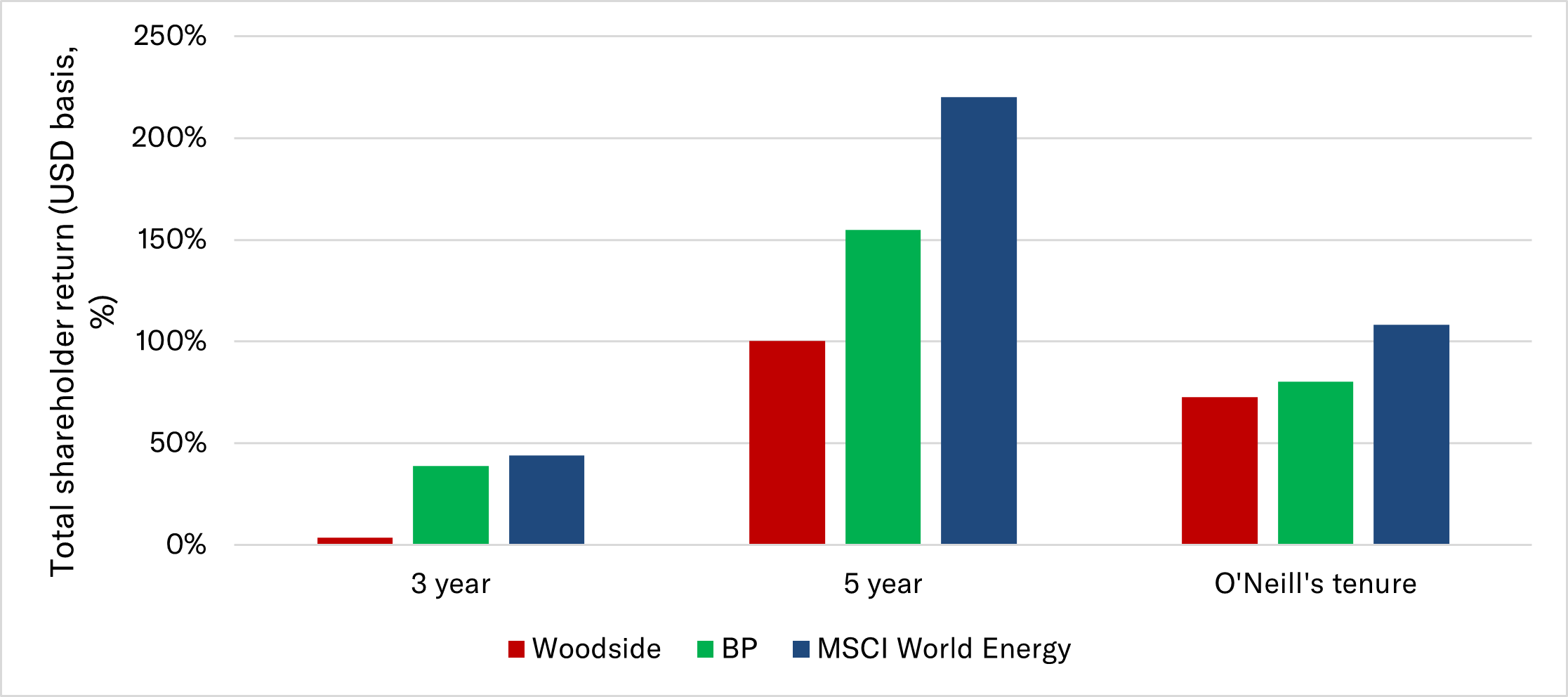
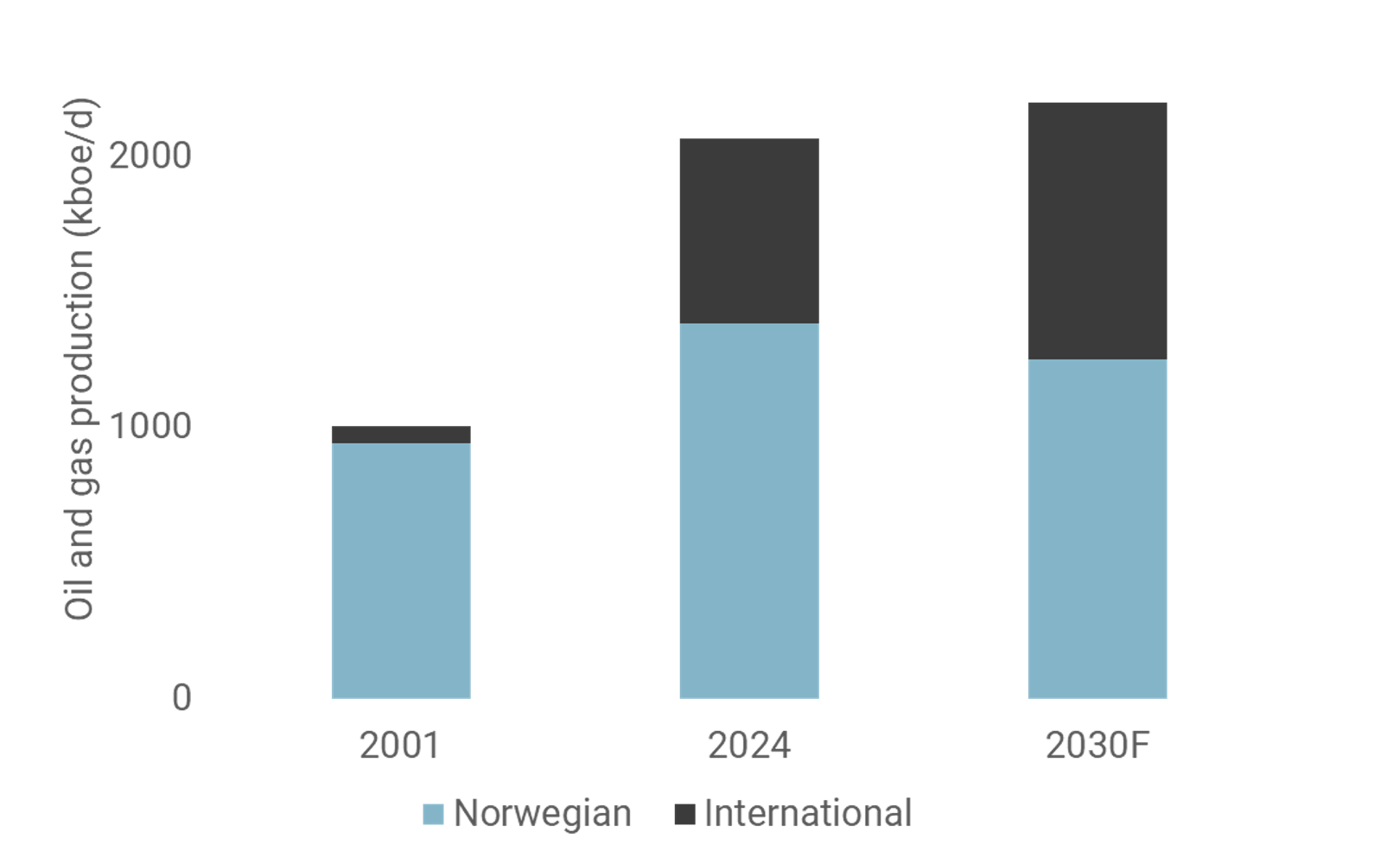
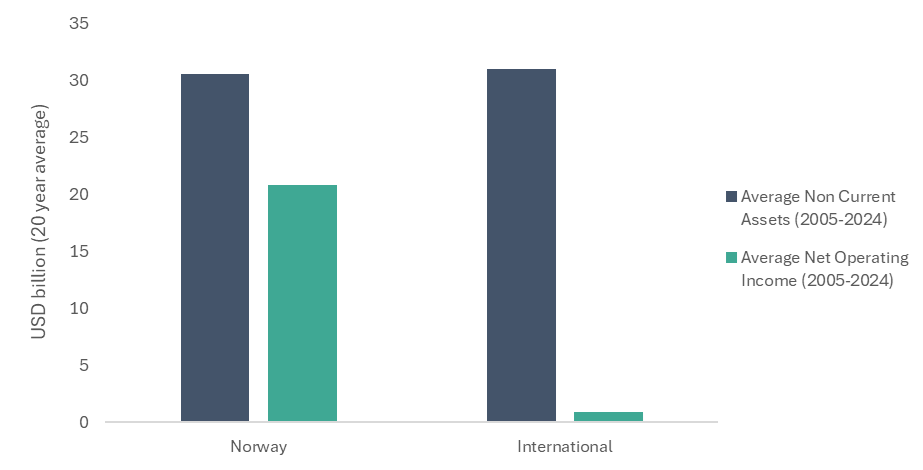
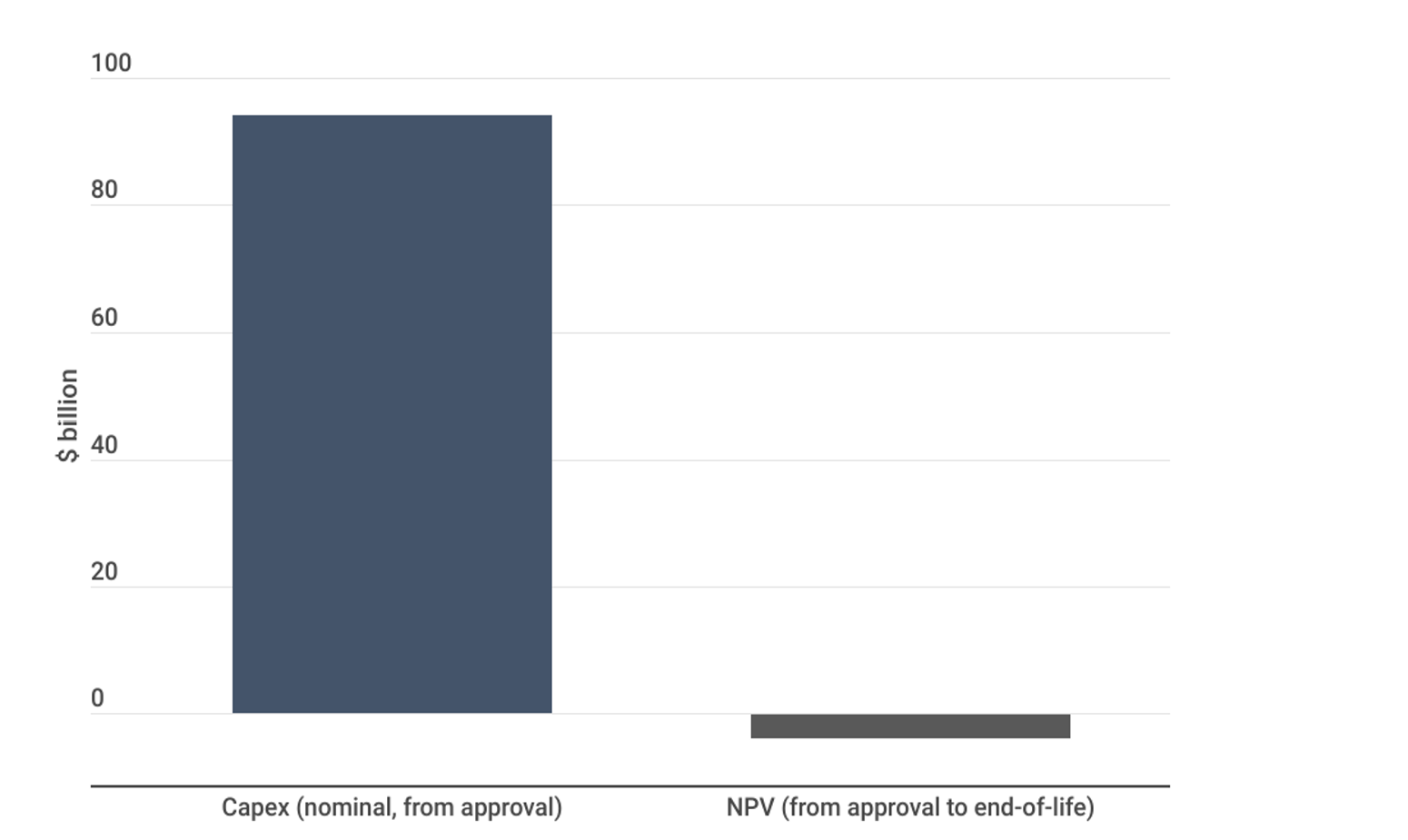
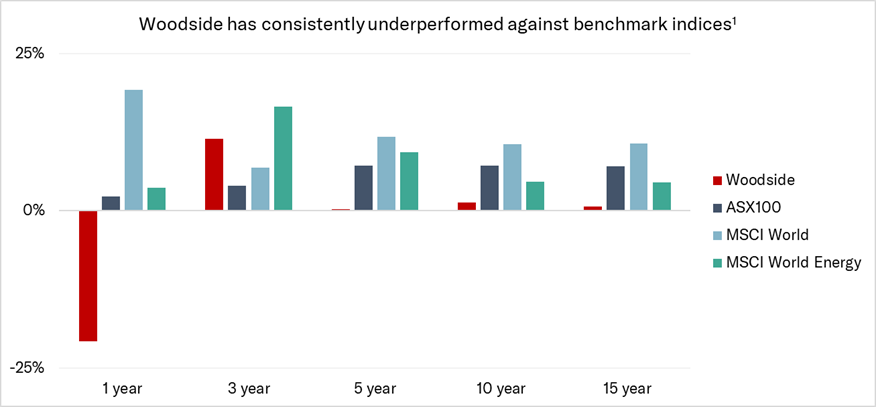
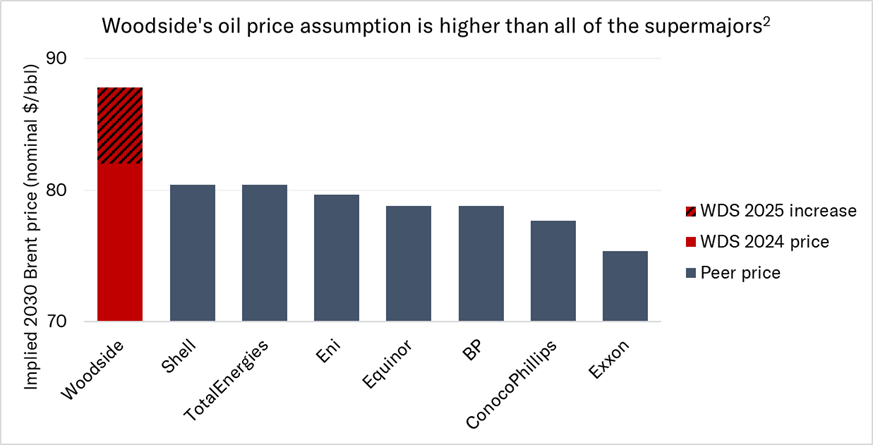
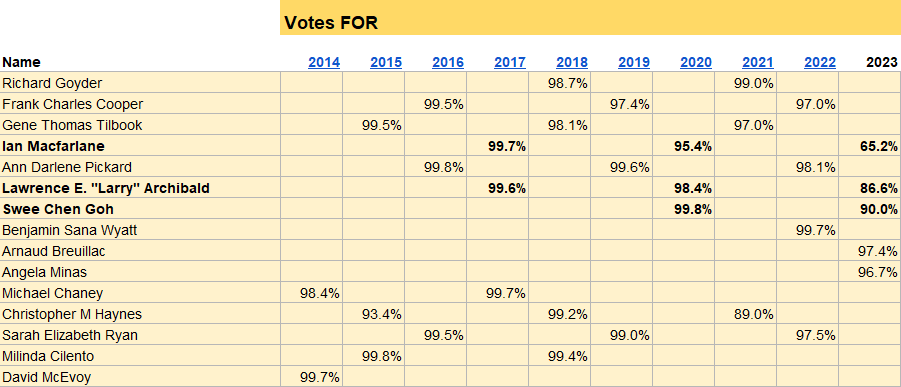
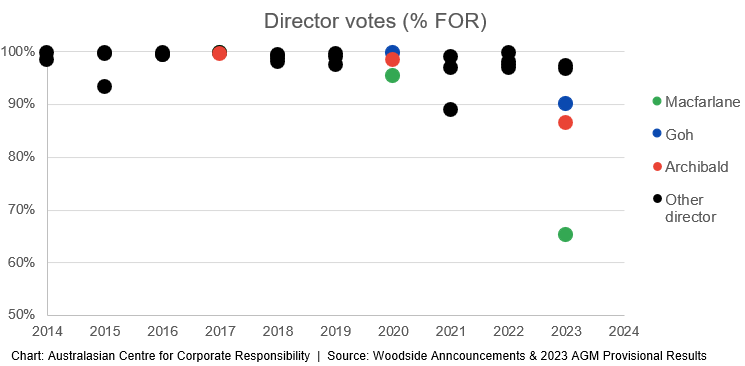
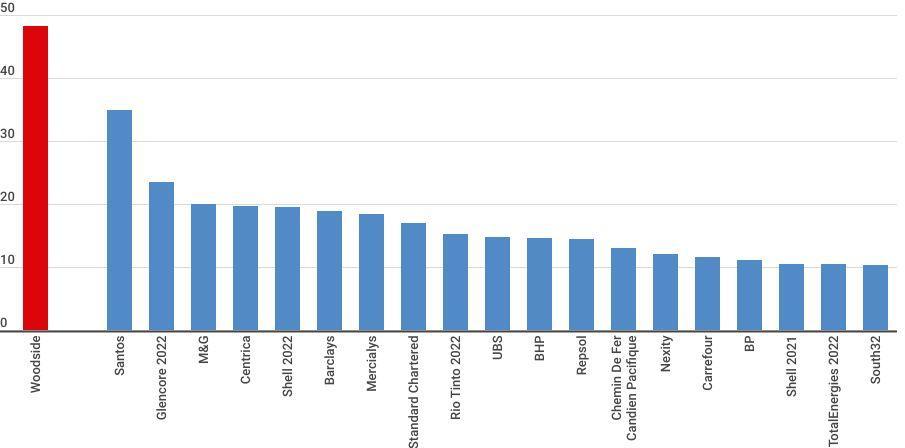

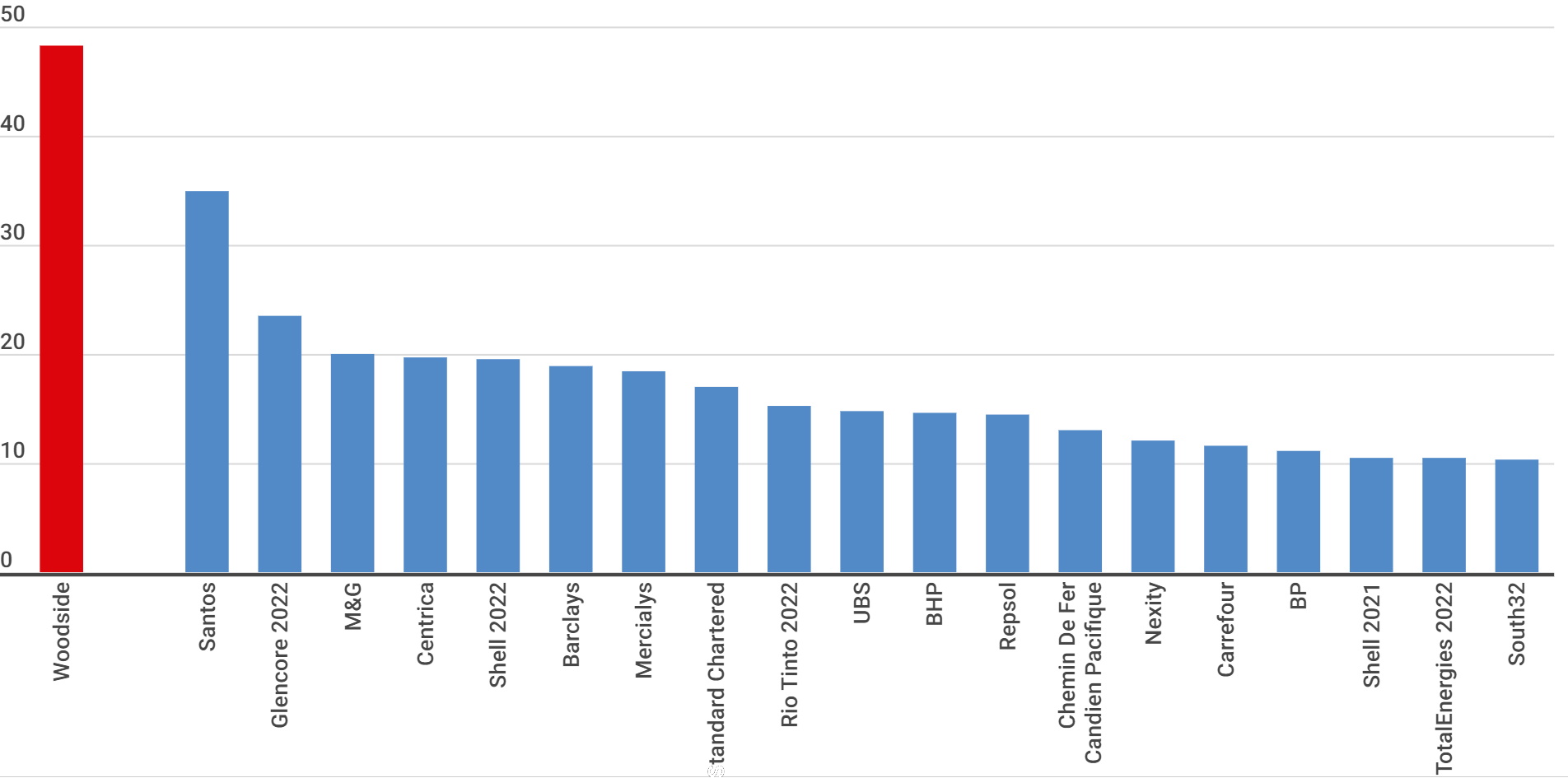
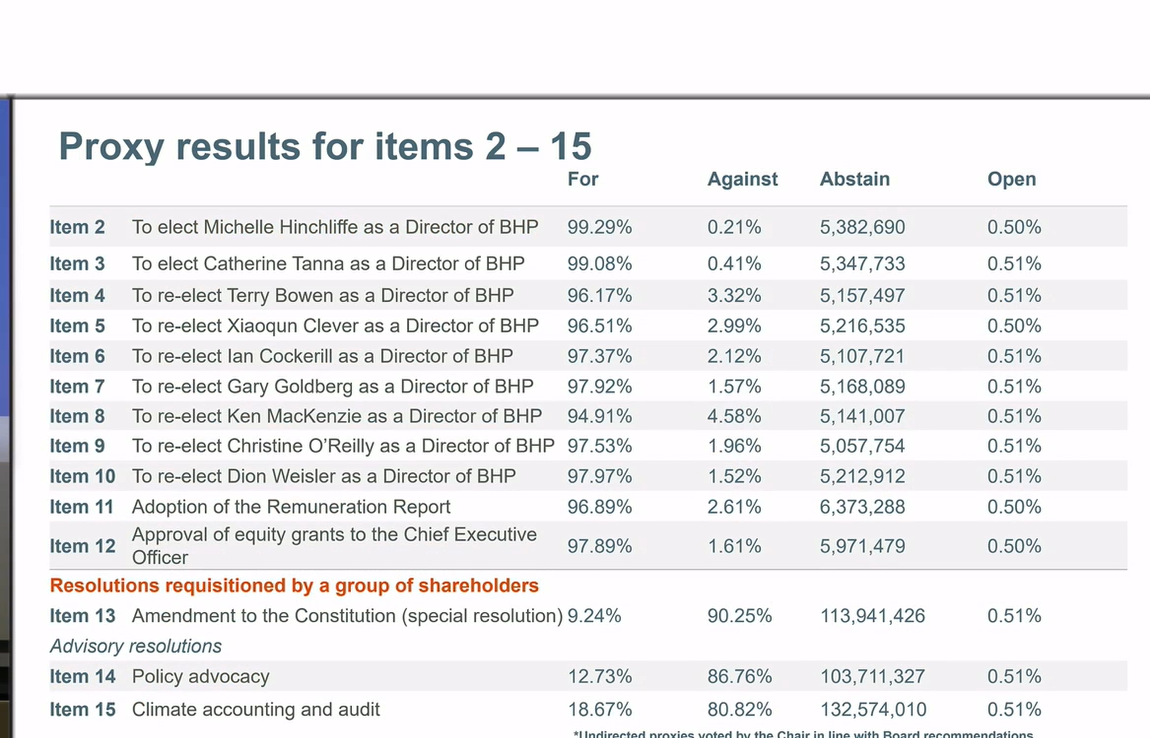
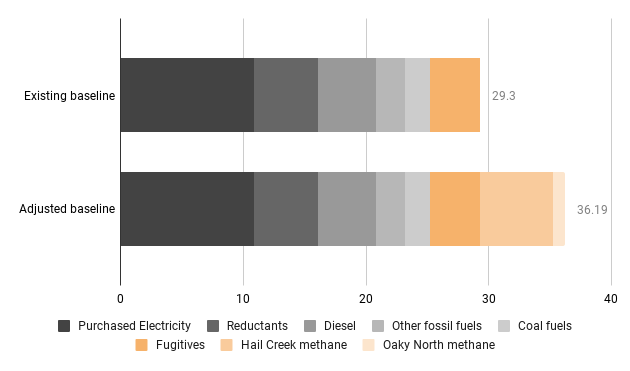
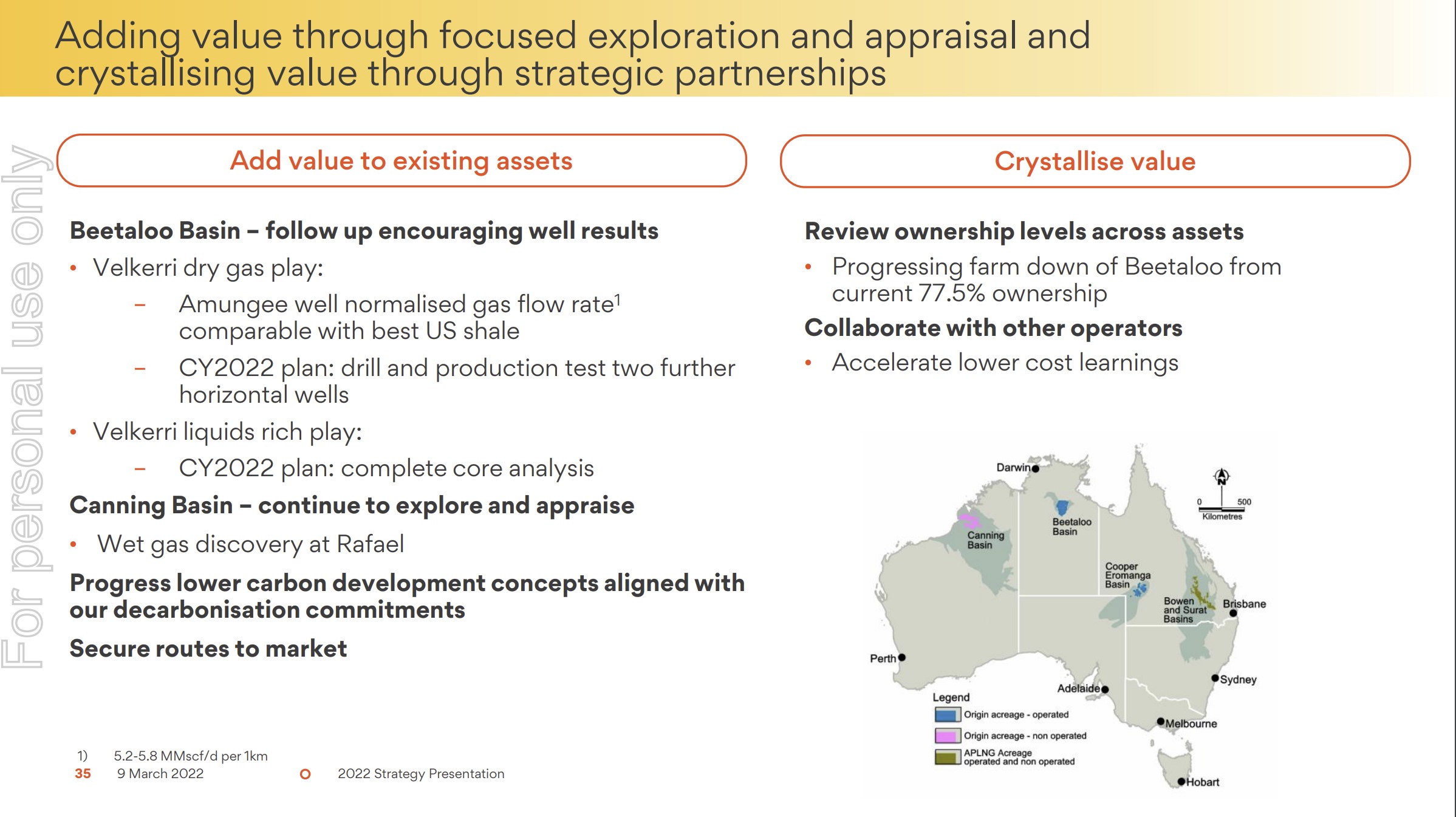
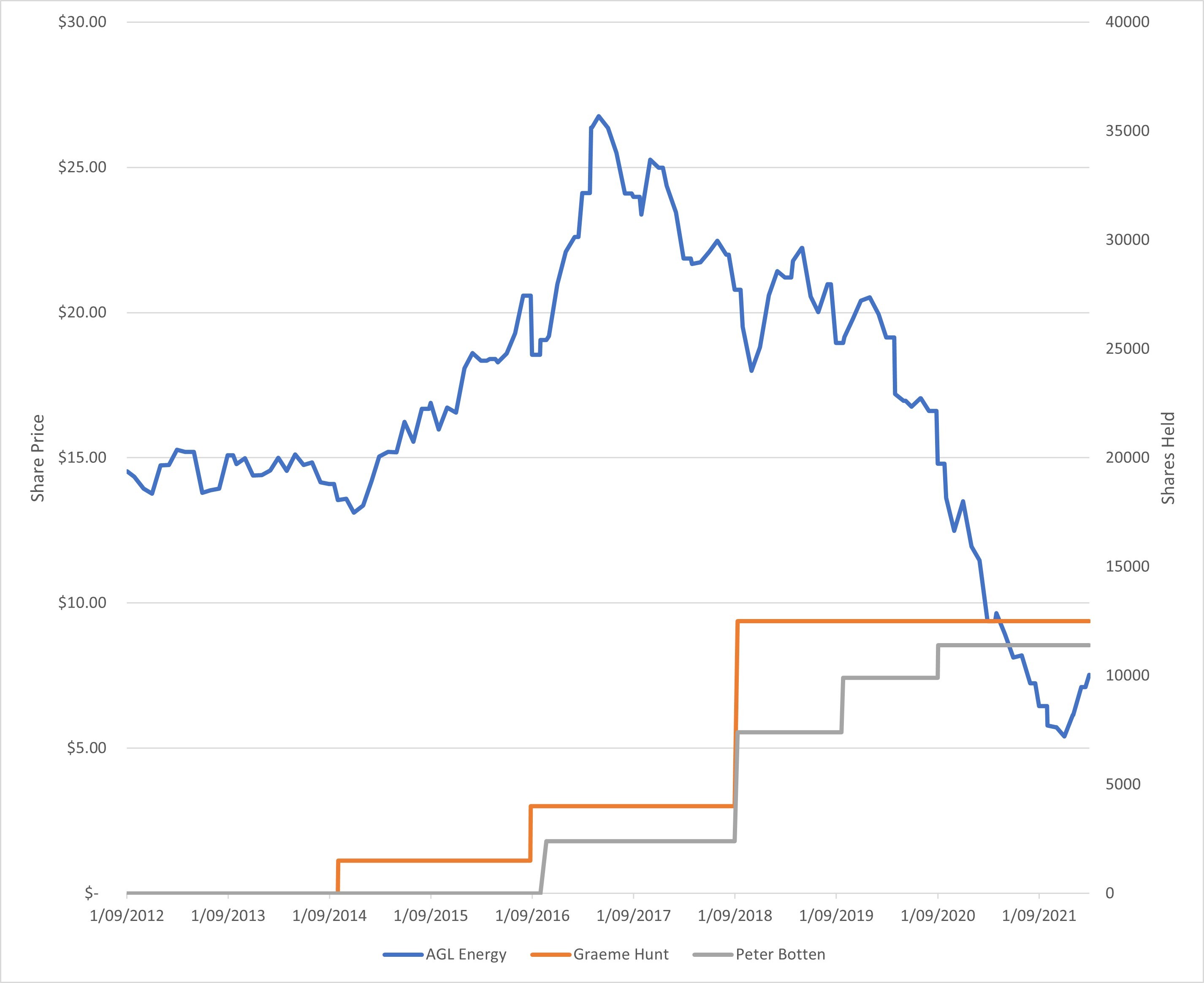
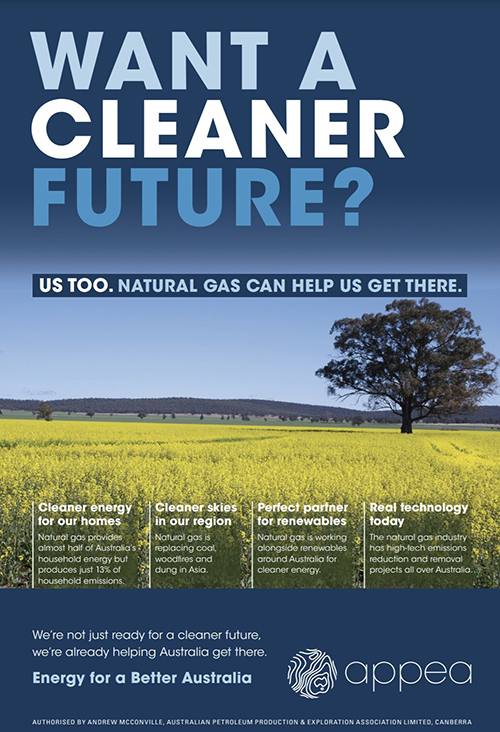
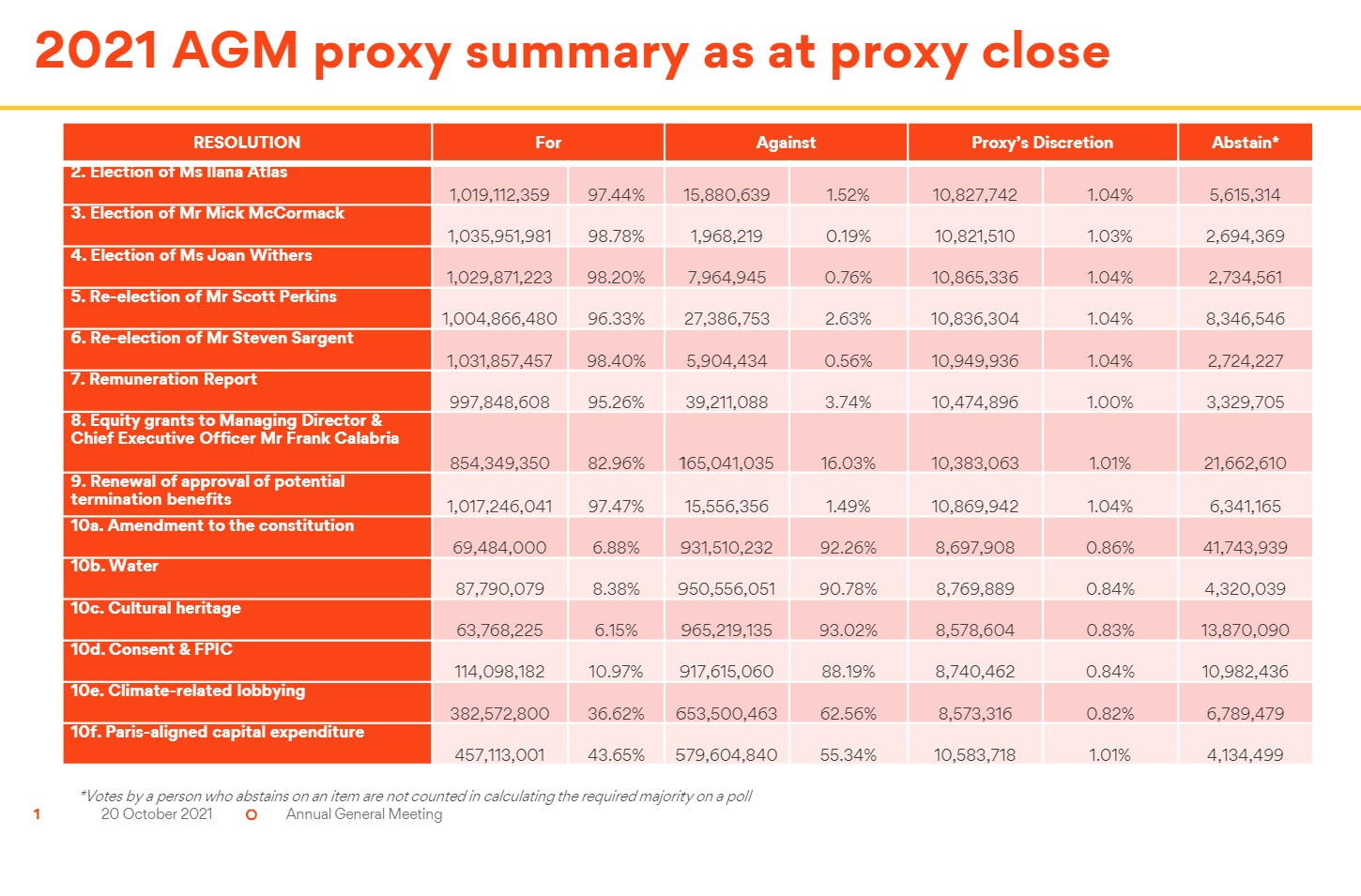
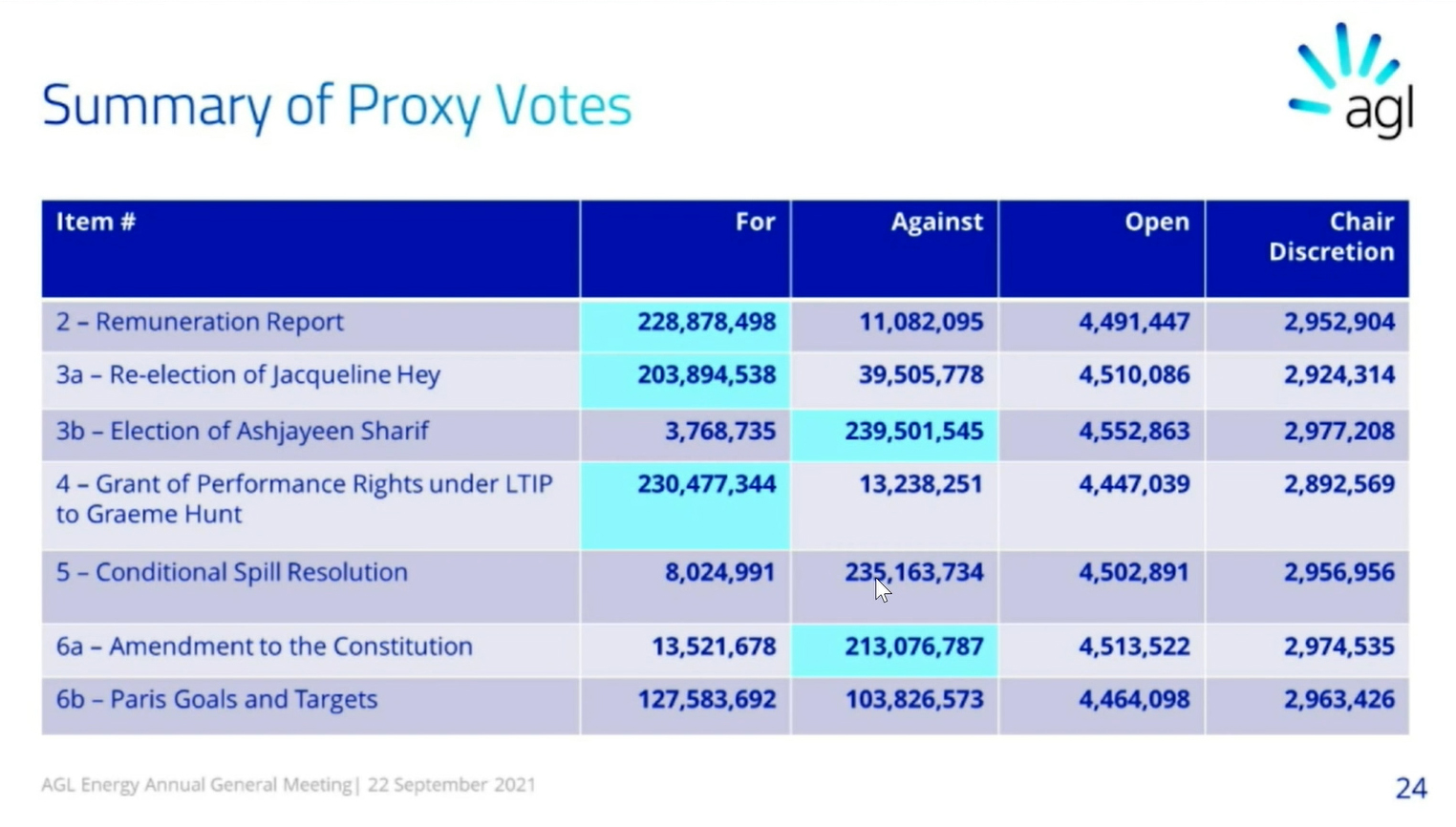
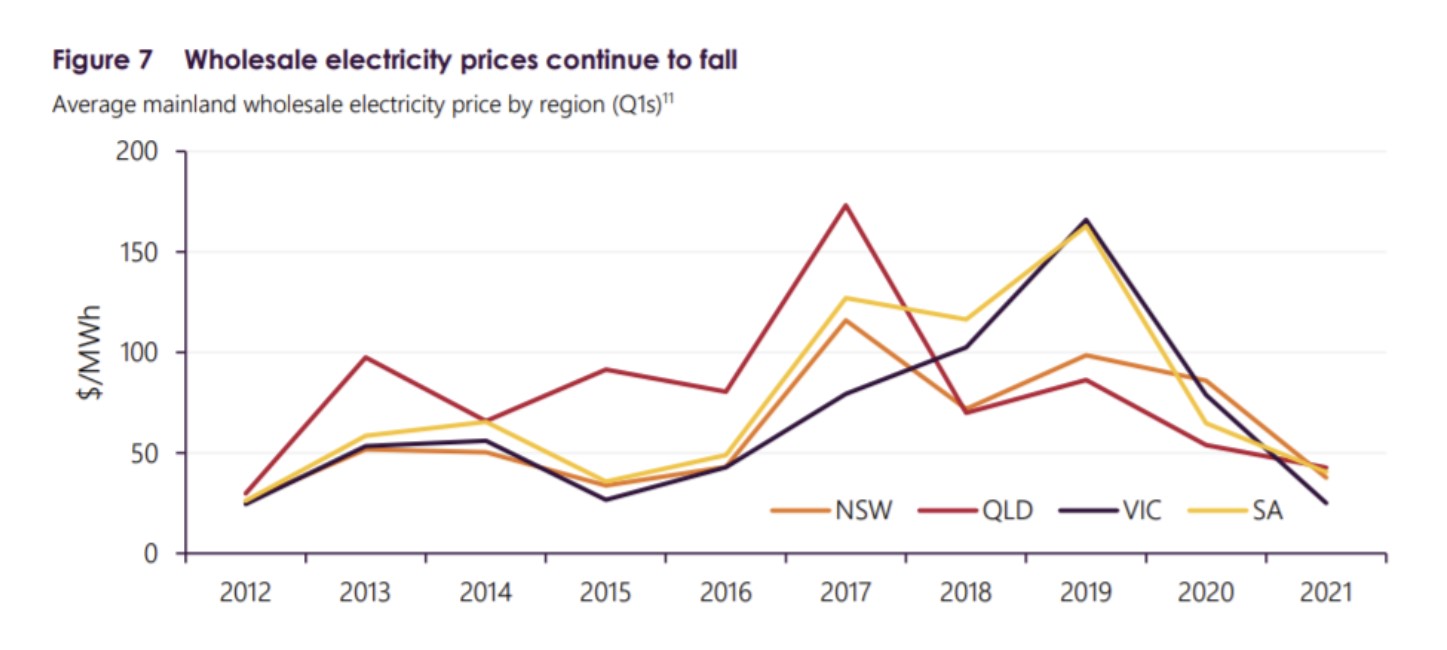
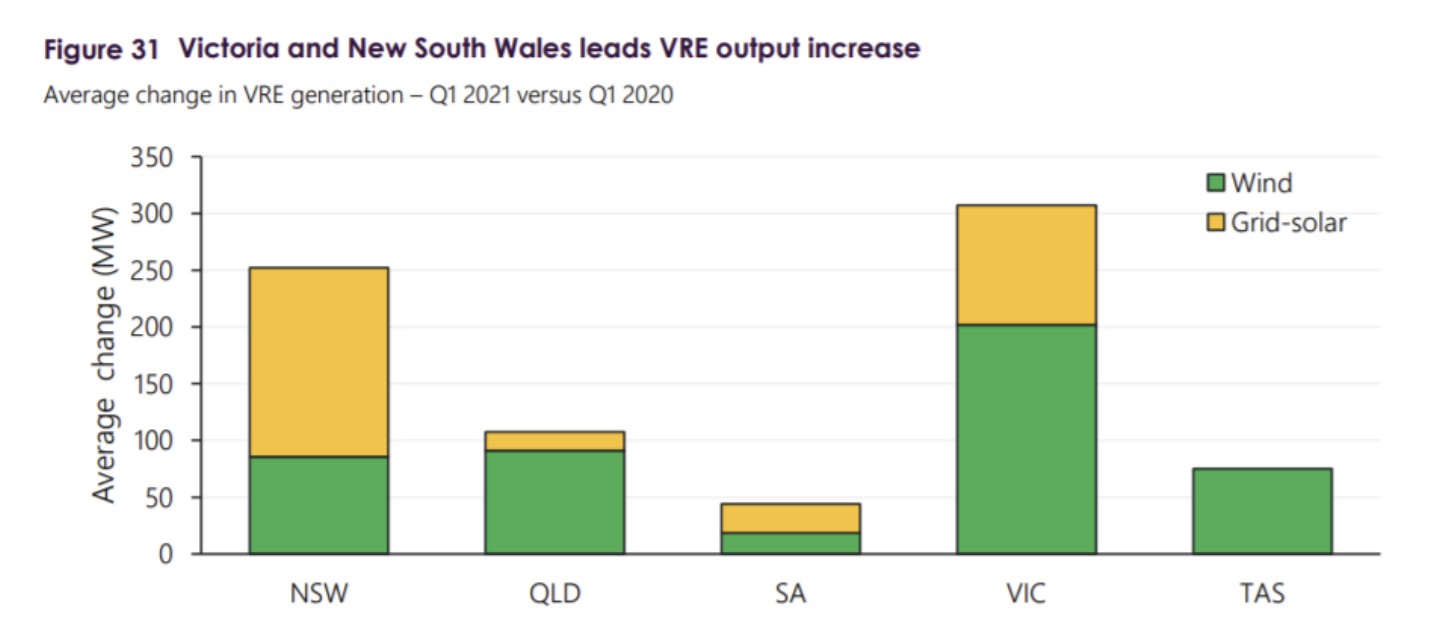
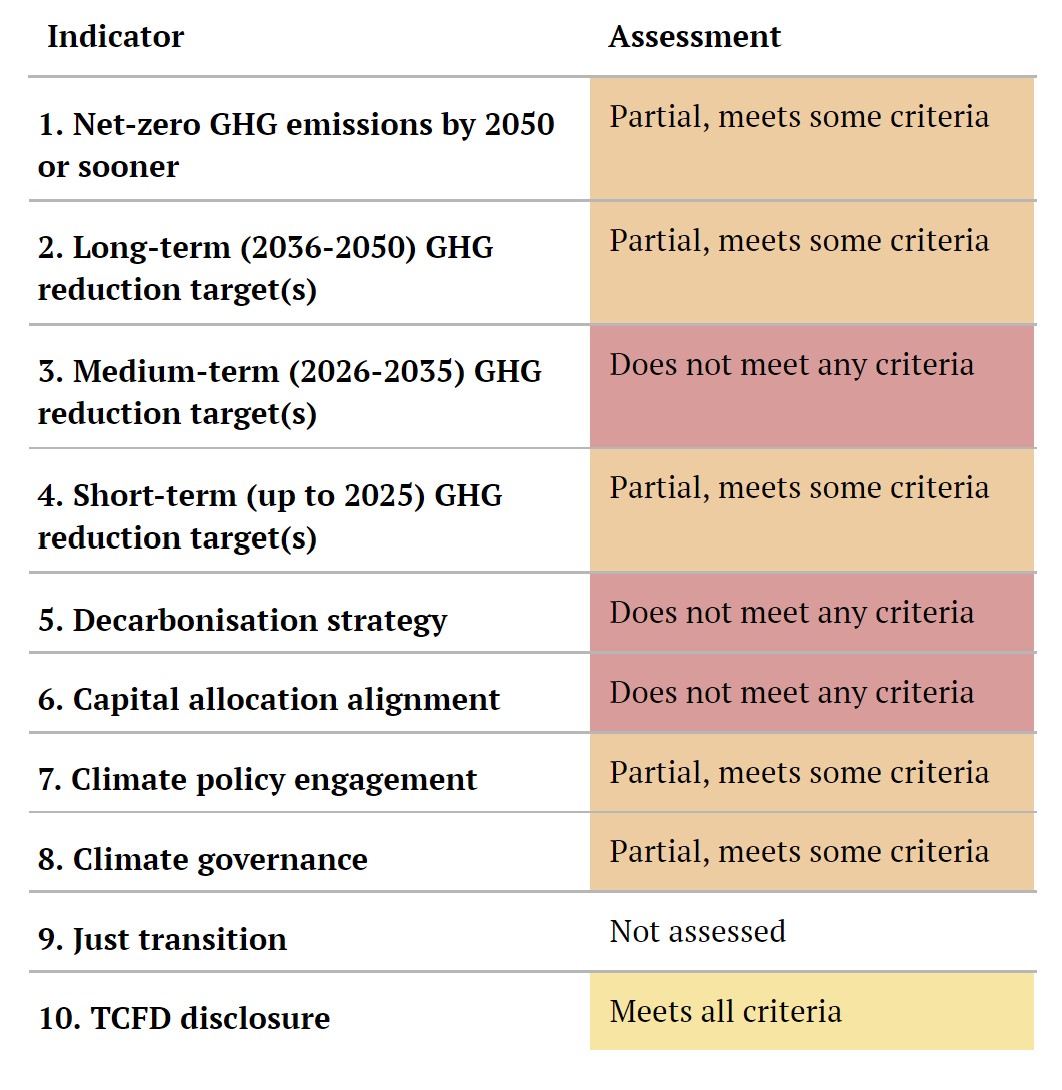
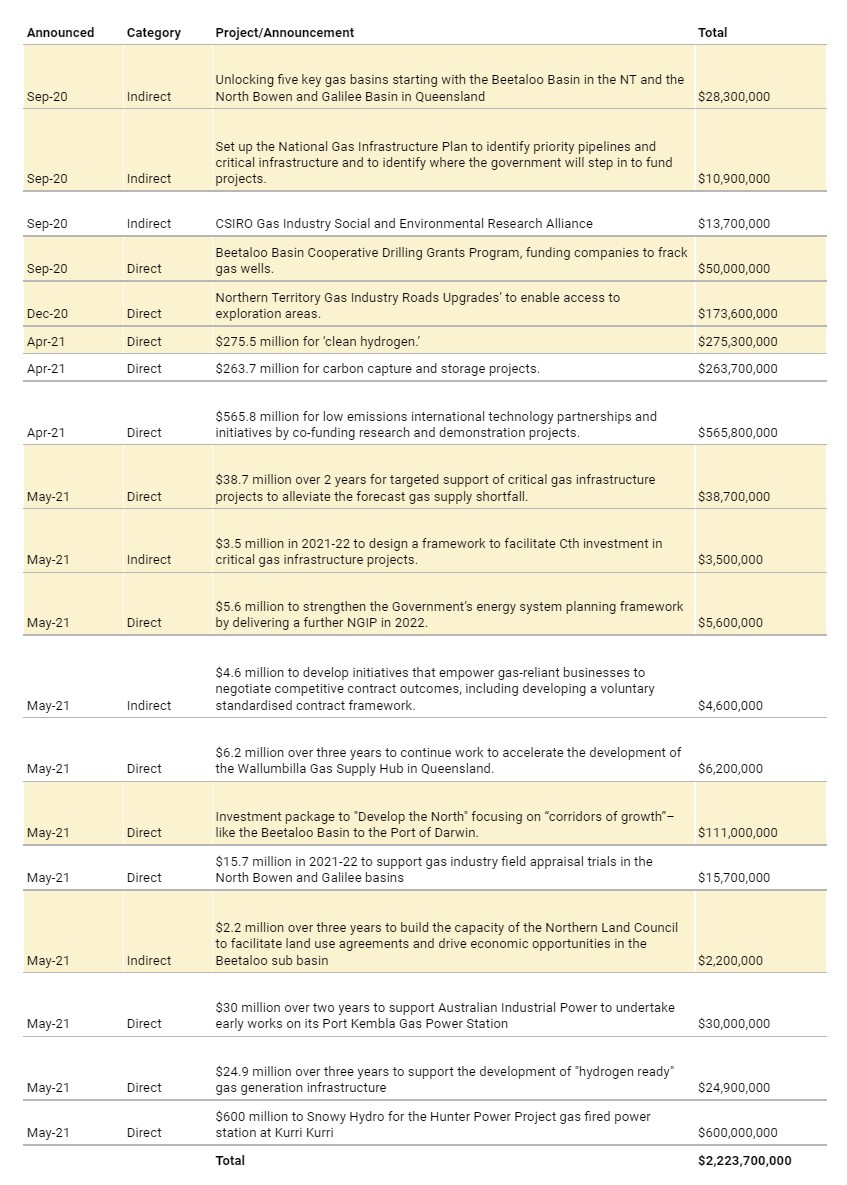
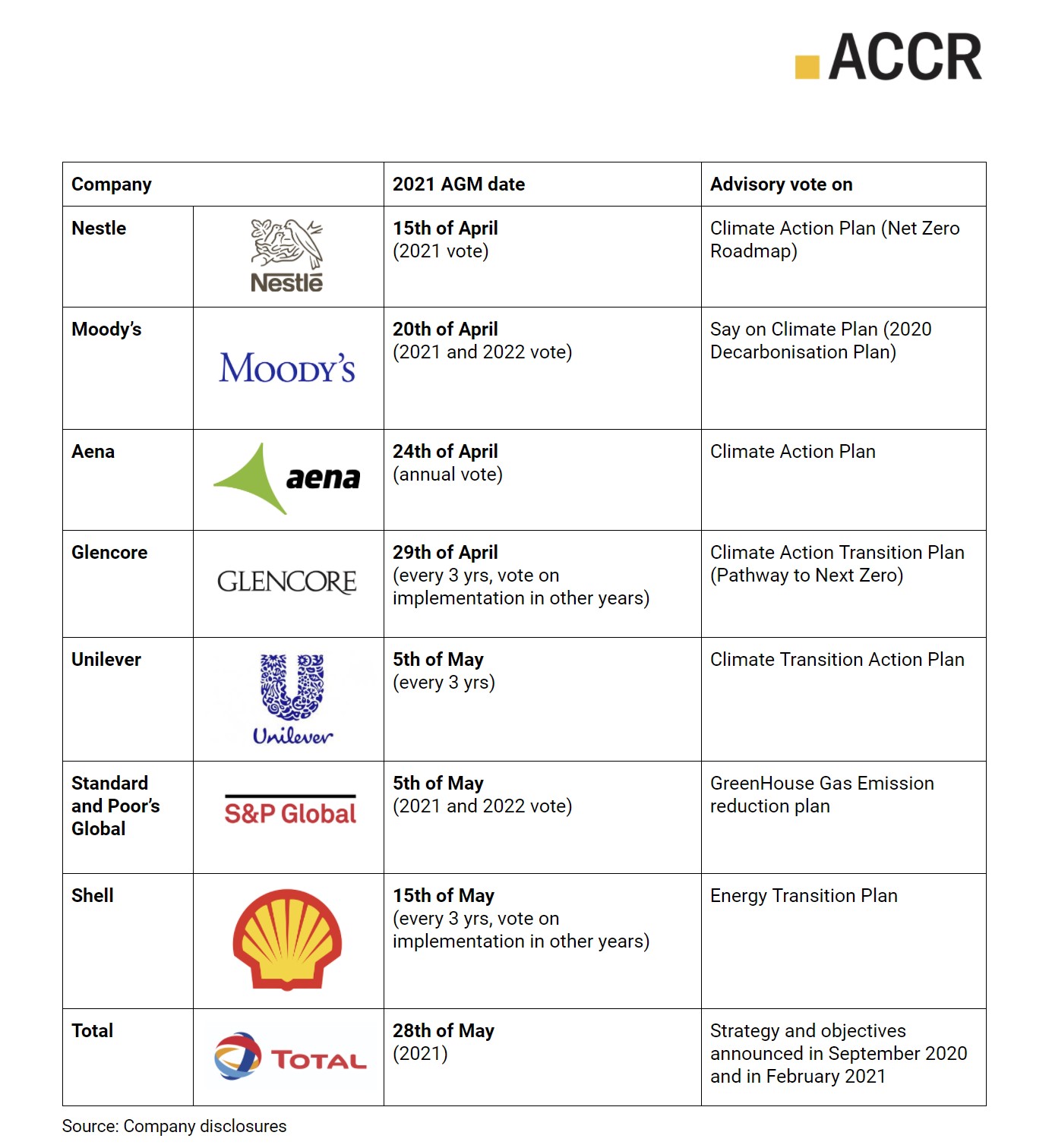
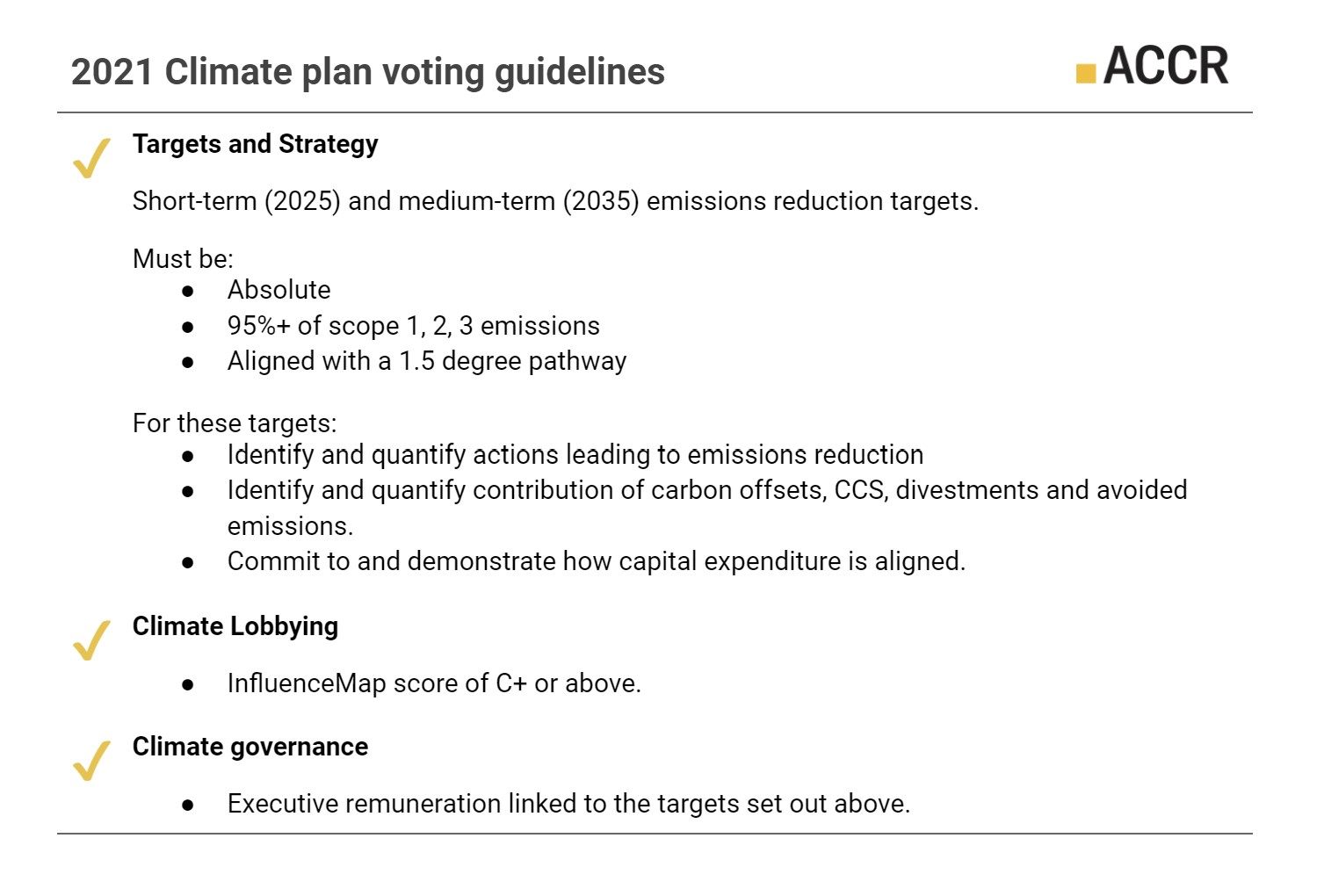
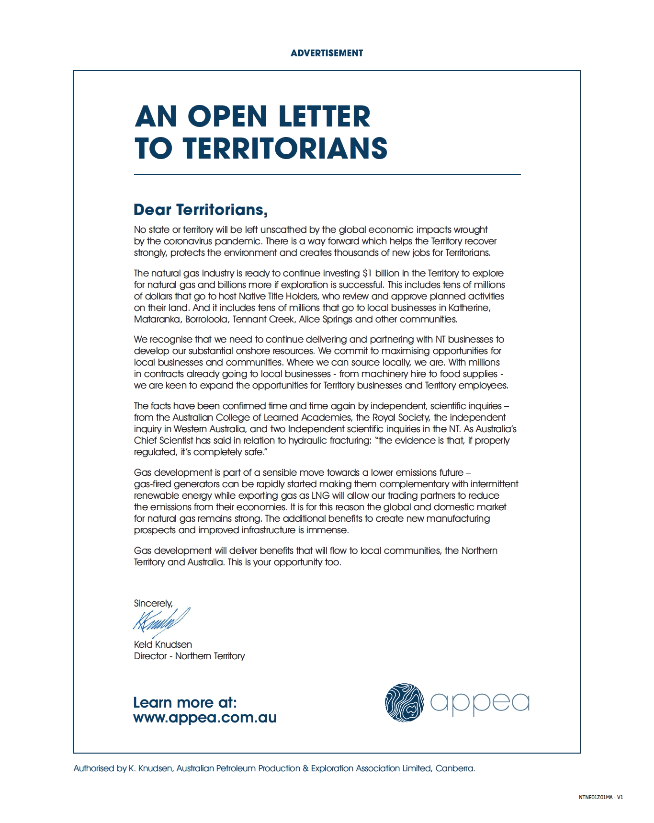


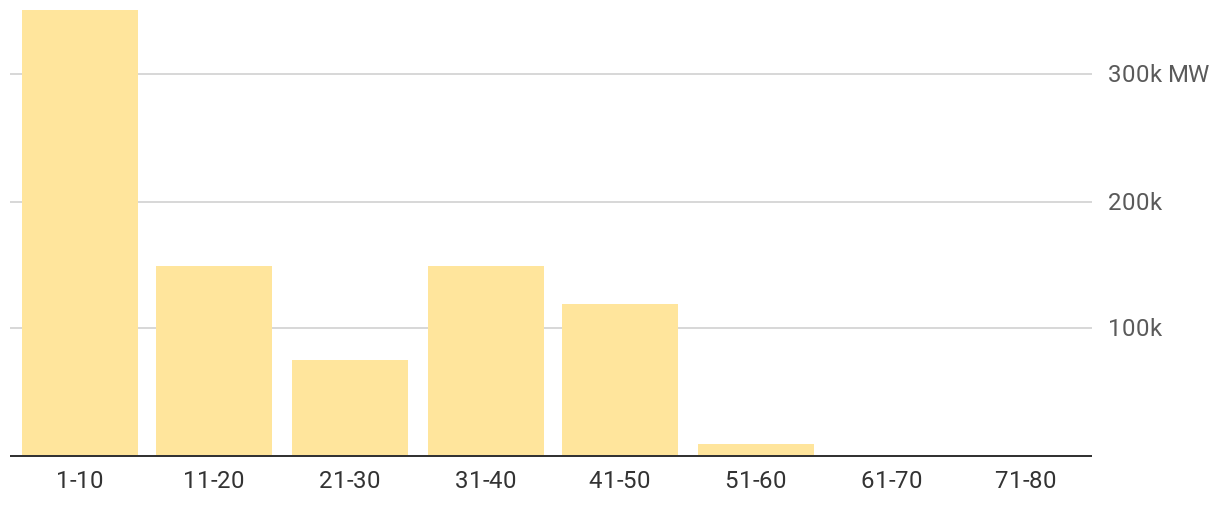
 Recommendations for investors and companies